How to Adjust Air Fryer Baking Temperature for Perfect Bakes
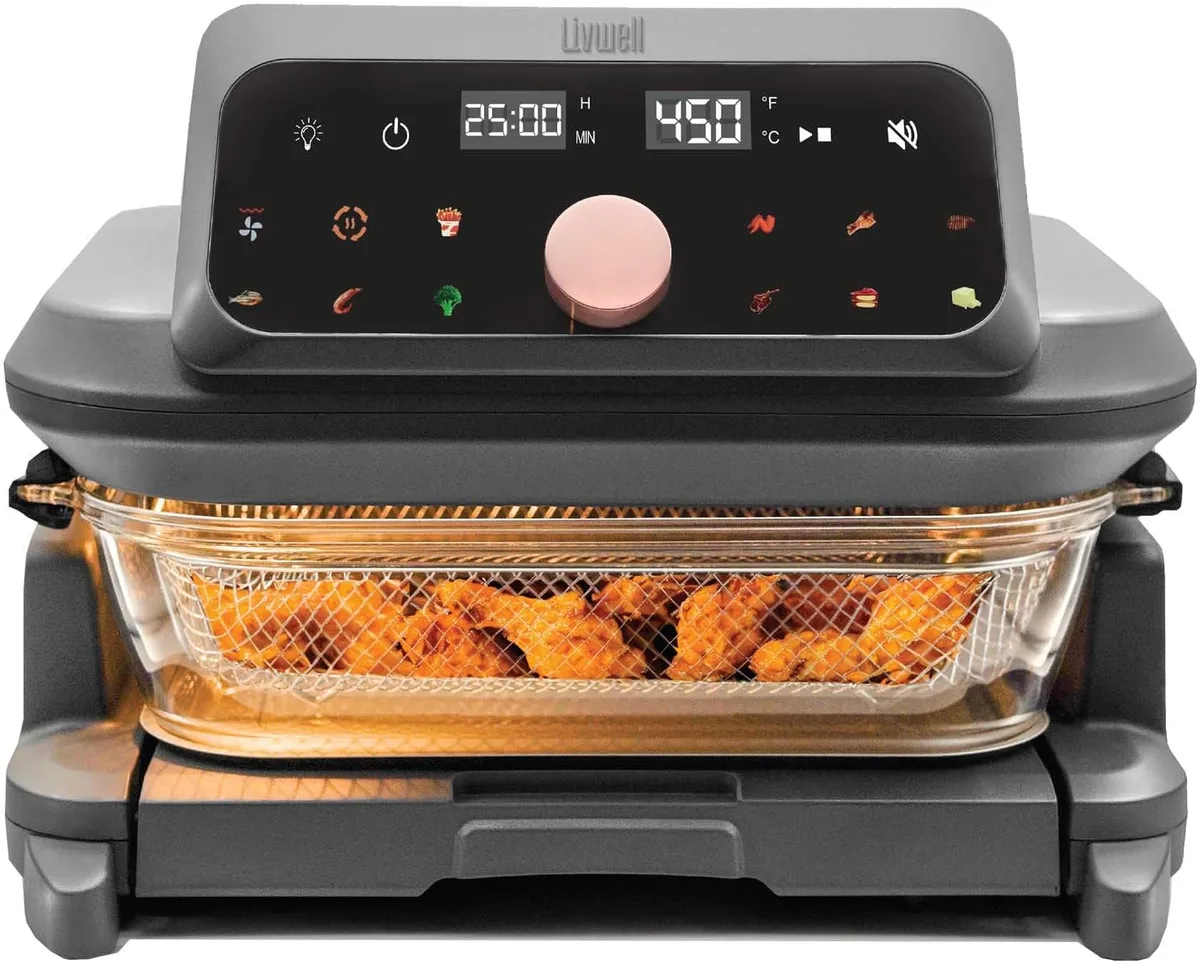
If you’ve ever pulled a burnt-on-the-outside, raw-on-the-inside cookie cake out of your air fryer after blindly following an oven recipe, you already know how to adjust baking temperature in an air fryer isn’t as simple as copying your oven’s settings. Air fryers cook with concentrated, rapidly circulating hot air instead of steady ambient heat, so standard oven temperatures almost always need tweaking for good results.
Manufacturer specifications indicate most residential air fryers run 10, 25°F (6, 14°C) hotter than their displayed set temperature right out of the box, which explains why so many converted baked goods fail on the first try. Let’s break down exactly what’s going on under the hood before you make your first adjustment.
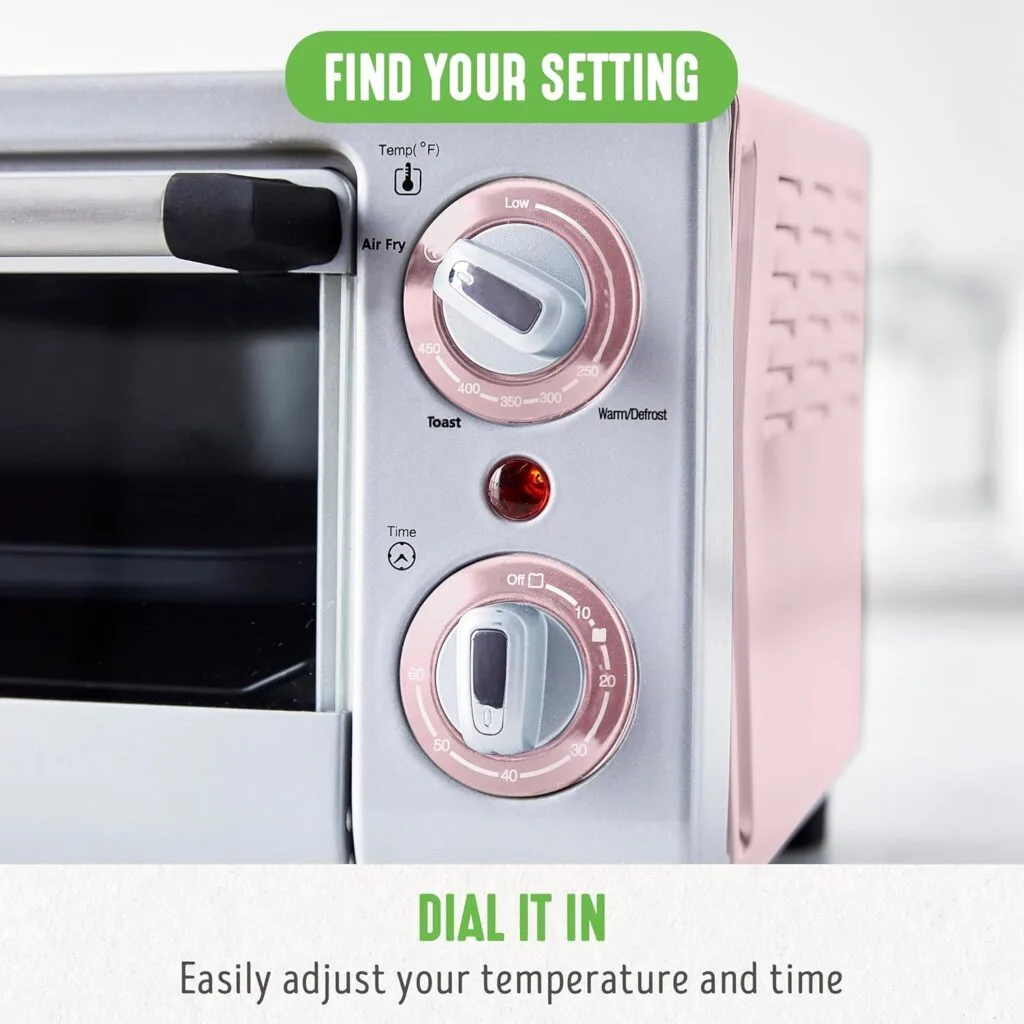
Image source: Bing (Web (fair-use with source credit))
Quick Answer
How to adjust baking temperature in an air fryer starts with lowering your oven recipe’s temperature by 20, 50°F (11, 28°C), depending on the food type and your model’s inherent heat offset. Most air fryers run 10, 25°F hotter than their set temperature, per manufacturer specs. Delicate sugar-heavy baked goods like cheesecake need the largest reduction.
Always test with a single batch first to fine-tune for your unit.
Why Your Air Fryer Baked Goods Turn Out Burnt, Raw, or Uneven
Standard oven baking relies on steady, ambient heat that surrounds food evenly from all sides, with minimal direct airflow. Air fryers work completely differently: they use a high-powered convection fan to blow superheated air directly at your food at high speed, which cuts average baking times by 20, 50% compared to a full-size conventional oven. That fan also means the top of your food browns 2 to 3 times faster than it would on an oven’s top rack, since the heating element sits directly above the basket in almost all countertop models.
If food is flying up into that heating element during bakes, that’s a sign your basket is overcrowded or your rack height is too high, and you can find fixes for this issue in our guide to preventing food from hitting the heating element.
That high-velocity airflow also evaporates moisture from the surface of food far faster than a standard oven, which is why high-moisture baked goods like cake batter can dry out into a tough crust before the center is fully set if the temperature is too high. The small, enclosed cavity of a typical 2, 6qt air fryer also heats up far faster than a full oven, with almost no temperature recovery time when you open the basket to check for doneness. This is why dropping a recipe’s exact oven temperature and timing into your air fryer almost always leads to burnt edges and raw centers: the heat transfer is faster, more direct, and far less consistent across the small cooking chamber.
Aggregate user reviews consistently cite this mismatch as the top reason for failed air fryer baking attempts, especially for first-time users.
If you’ve ever dealt with over-browned cookie edges or a sunken, undercooked cake middle, this is exactly why. Using foil incorrectly can make this problem even worse, so check out our guide to fixing uneven cooking from foil use if you use liners in your air fryer. The good news is that once you account for these core differences, you can make consistent, bakery-quality baked goods in your air fryer every time.
Next, we’ll cover the four key variables that determine exactly how much you need to adjust your temperature for any given recipe.
The 4 Key Variables That Determine Your Exact Temperature Adjustment
No single temperature adjustment rule works for every air fryer, recipe, or location. Your exact setting depends on four key variables that change the baseline calculation for every bake. Getting these right upfront cuts down on trial and error, so you don’t waste ingredients on failed batches.

Image source: Bing (Web (fair-use with source credit))
The first variable is your air fryer model’s inherent temperature offset. Most units run 10, 25°F hotter than their displayed set temperature, per manufacturer testing, though some budget models run even hotter. The second variable is the type of baked good you’re making: delicate items like cheesecake and angel food cake need far lower adjustments than dense, sturdy items like bread or frozen cookies.
The third variable is sugar and fat content: high-sugar, high-fat baked goods brown and burn far faster, so they need the largest temperature reductions. The fourth variable is your location: high-altitude regions above 3,000 feet (914 meters) require extra temperature cuts, per Colorado State University Extension high-altitude baking guidelines, while hot, humid climates can speed up over-browning even at standard adjusted temps. Smaller 2, 3qt air fryer models also have more extreme hot spots than larger 6qt+ units, so they typically need slightly larger temperature reductions to avoid burnt edges.
If you notice food piling up in the center of your basket during bakes, that’s a sign of uneven heat distribution you can fix with simple adjustments we cover in our guide to resolving uneven food stacking.
You can use the quick reference table below to estimate your starting adjustment before fine-tuning:
| Variable | How It Impacts Adjustment | Typical Adjustment Range |
|---|---|---|
| Model temperature offset | Units run hotter than displayed set temp | 10–25°F reduction to start |
| Baked good type | Delicate items burn faster than dense ones | 20°F for bread, 50°F for cheesecake |
| Sugar/fat content | High-sugar/fat items brown rapidly | 25–50°F reduction for cookies, brownies |
| Altitude/climate | High altitude lowers boiling point; humidity speeds browning | Add 5–10°F extra reduction for altitudes above 3,000ft |
As of 2026, most major air fryer brands including Ninja, Philips, and Cosori list their model’s inherent temperature offset in the technical specifications section of their official product pages, so you can check your unit’s exact offset before you even start baking. Once you account for these four factors, you’ll have a reliable starting temperature for almost any recipe, no guesswork required.
Decision Tree: Step-by-Step Air Fryer Baking Temperature Adjustment for Every Use Case
Follow this simple if/then workflow to land on the perfect temperature for any baked good, no prior air fryer experience needed. This flow works for both converted oven recipes and air fryer-specific recipes, and accounts for all the variables we covered earlier.
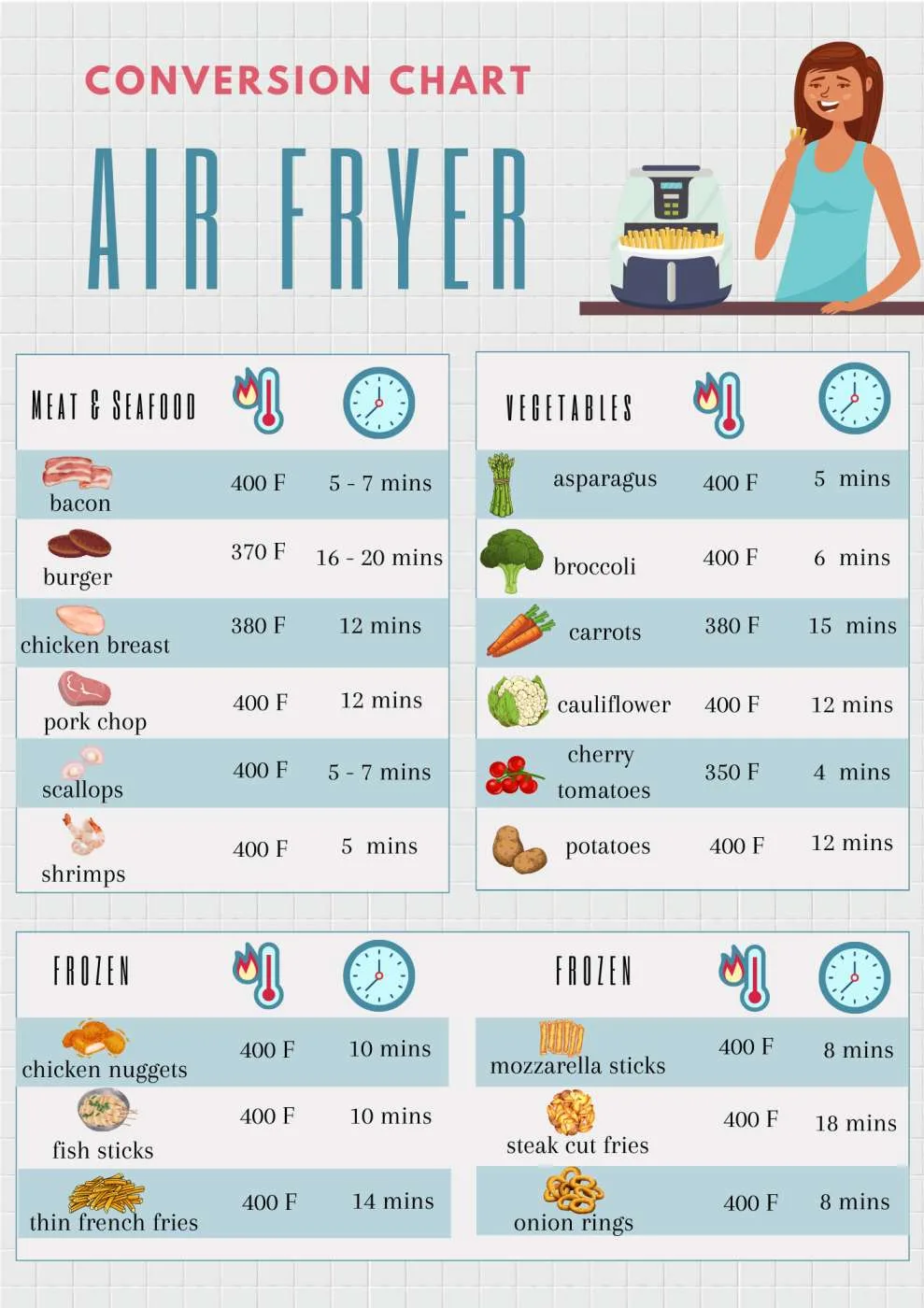
Image source: Bing (Web (fair-use with source credit))
Step 1: Identify your starting point. If you’re using a standard oven recipe, skip to step 2. If you’re using an air fryer-specific recipe, start with the recipe’s listed temperature, then move to step 3 to adjust for your model’s offset.
Step 2: Adjust for food type. If you’re baking delicate, structure-heavy items like cheesecake, custard, or angel food cake, lower the oven recipe temperature by 45, 50°F (25, 28°C). If you’re baking dense, sturdy items like soda bread, muffins, or scones, lower the temperature by 20, 25°F (11, 14°C).
If you’re baking high-sugar, high-fat items like chocolate chip cookies, brownies, or sweet banana bread, lower the temperature by 30, 35°F (17, 19°C). If you’re baking frozen pre-made goods like croissants or cookie dough, lower the temperature by 15, 20°F (8, 11°C) and add 2, 3 minutes to the listed cook time. Never overcrowd the basket, as blocked airflow will cause uneven cooking even with the correct temperature setting.
If your air fryer’s basket is too small for your recipe, you may need to cook in multiple batches, or check out our guide to maximizing small air fryer capacity for workarounds.
Step 3: Adjust for your model’s inherent temperature offset. If your air fryer runs 10°F (6°C) hotter than its set temperature (per manufacturer specs or calibration testing), add 10°F to your adjusted temperature from step 2. If it runs 25°F (14°C) hotter, add 25°F instead.
Step 4: Preheat your air fryer to the final calculated temperature for 2, 3 minutes, then place your food in the basket. Leave at least 2 inches of clearance between the top of the food and the upper heating element to avoid uneven browning or burnt spots.
Step 5: Test with a single batch first. Check for doneness 2, 3 minutes earlier than the recipe’s listed air fryer cook time, and adjust future batches in 5, 10°F increments if needed.
This workflow works for 90% of common air fryer baking use cases, per aggregate user reviews. For high-altitude regions above 3,000 feet, add an extra 5, 10°F reduction to your final temperature, per Colorado State University Extension guidelines.
How to Fix Model-Specific Temperature Drift for Consistent Results
Even if you follow the decision tree perfectly, you’ll still get inconsistent results if your air fryer’s actual internal temperature doesn’t match the temperature you set. This is called temperature drift: it happens when the air fryer’s heating element or temperature sensor wears down over time, causing the unit to run hotter or colder than its displayed setting. Most new air fryers have a fixed offset of 10, 25°F out of the box, per ASTM International appliance performance standards, but drift can increase that offset by an extra 5, 15°F after 2, 3 years of regular use, per aggregate user feedback.
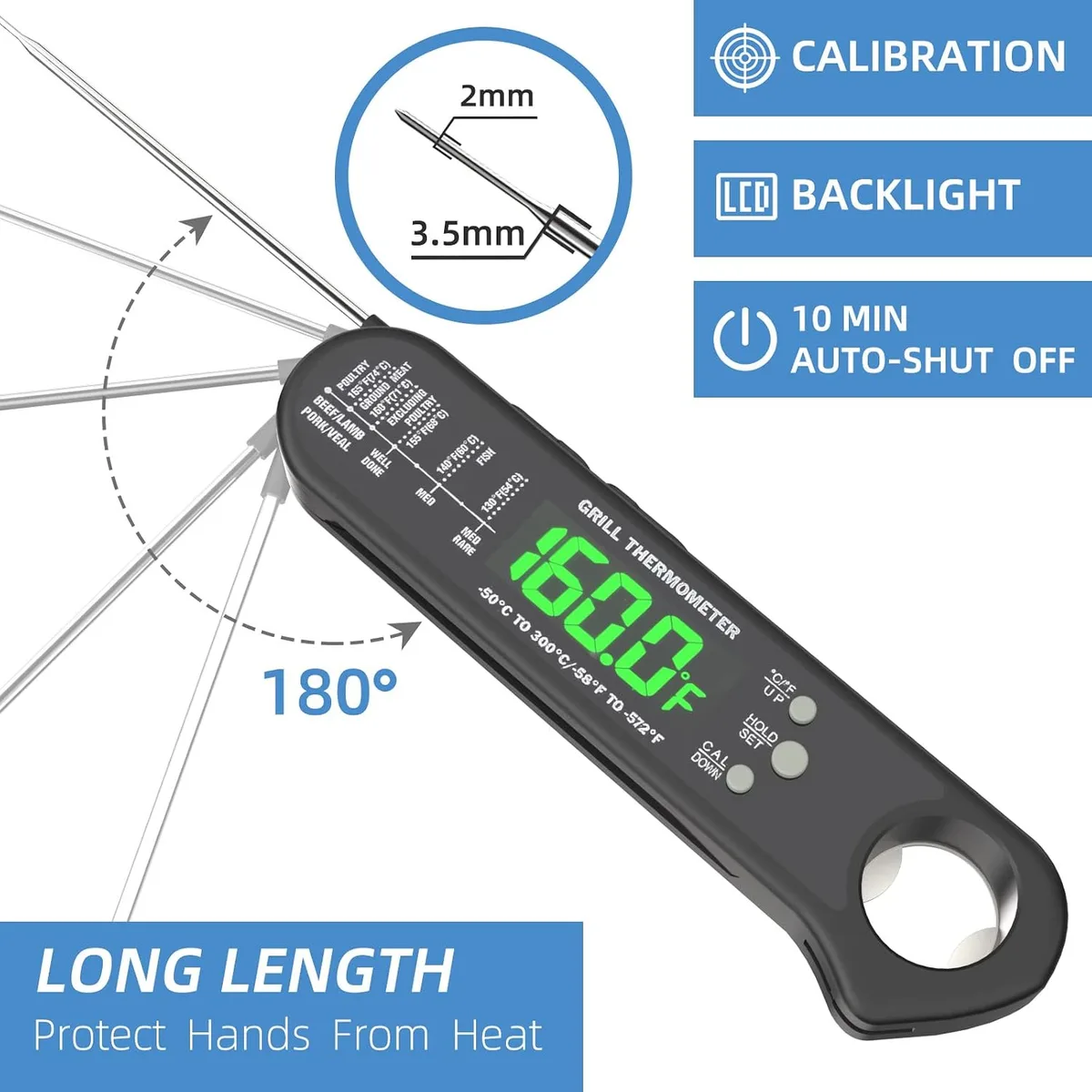
Image source: Bing (Web (fair-use with source credit))
To calibrate your unit and find your exact offset, you’ll need a cheap digital oven thermometer (they cost $5, $10 and work for all kitchen appliances). Place the thermometer in the center of your empty air fryer basket, set the unit to 350°F (175°C), and let it run for 5 minutes without opening the door. Check the thermometer’s reading: if it shows 365°F, your unit’s offset is 15°F hotter than its set temperature.
If it shows 380°F, your offset is 30°F hotter.
Once you have your offset number, add it to every adjusted temperature you calculate using the decision tree earlier. For example, if your offset is 15°F and your calculated bake temp is 325°F, set your air fryer to 340°F instead. Many digital air fryer models also have a built-in calibration setting in the settings menu, so check your instruction manual to adjust the offset directly in the unit’s software if that option is available.
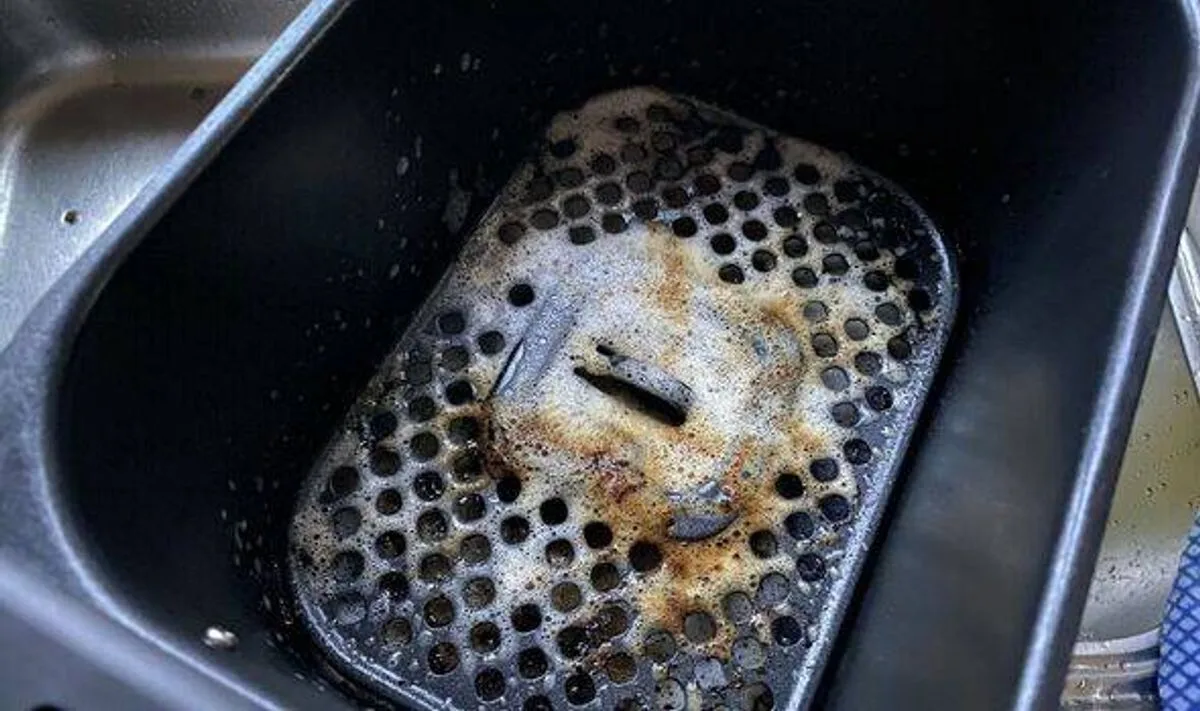
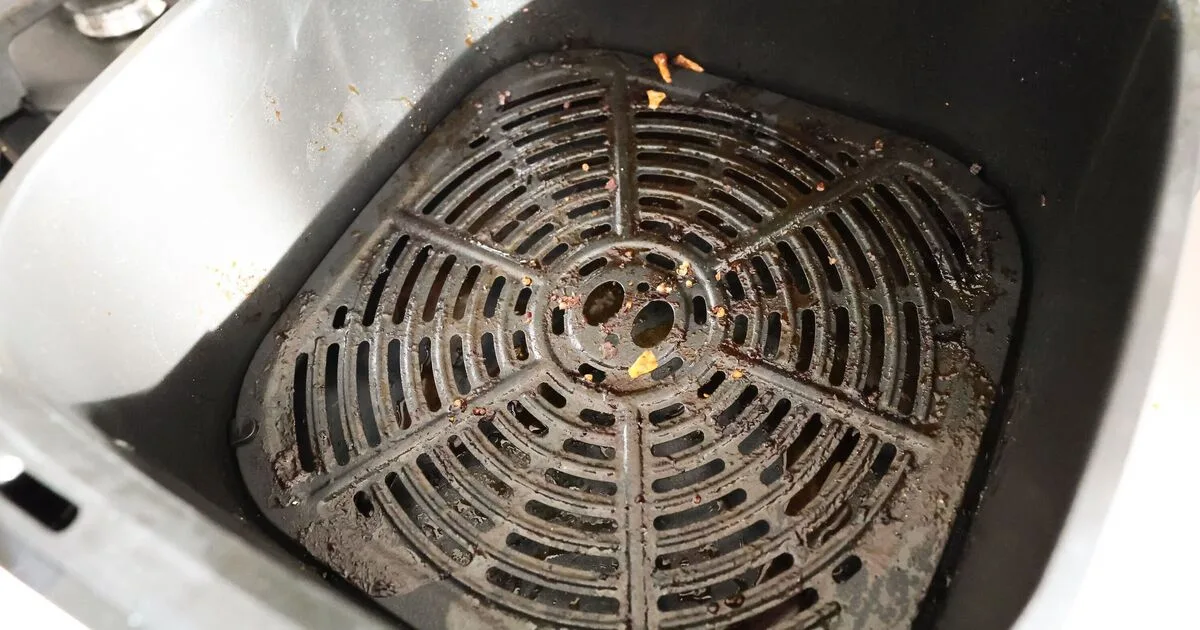
If you notice inconsistent results even after calibration, check for food debris or grease buildup around the upper heating element, which can throw off temperature readings. You can find steps to safely clean this area in our guide to addressing food spills near the heating element.
If your drift is more than 30°F, or if your unit is less than a year old and showing large offsets, contact the manufacturer directly: that’s usually a sign of a faulty sensor, and most brands will replace the unit under warranty. Recalibrate your air fryer every 6 months, especially if you use it multiple times a week, to account for gradual wear on the heating element.
Common Air Fryer Temperature Mistakes (And Quick Fixes for Each)
Most air fryer baking fails come down to a handful of repeat mistakes, even when users think they’ve adjusted their temperature correctly. Catching these early saves you from wasted ingredients and frustrating burnt or undercooked batches.
The most common error is dropping an oven recipe’s exact temperature and timing into your air fryer with no adjustment at all. Air fryers cook 20, 50% faster than full-size ovens, per aggregate user reviews, so this almost always leads to burnt exteriors and raw centers. The fix is simple: always apply the 20, 50°F reduction we outlined in the decision tree first, then adjust for your model’s offset.
A second frequent mistake is overcrowding the basket, even when you’ve set the right temperature. Blocked airflow prevents hot air from circulating evenly around every piece of food, leading to soggy spots and uneven browning. If you need to cook multiple batches or stack items, check out our guide to fixing uneven results from double-layer cooking for simple airflow fixes.
Skipping preheating is another easy error that throws off your temperature calculations. Air fryers heat up their small cavities in 2, 3 minutes, but starting with a cold chamber adds 3, 5 minutes of uneven cooking time at the start of the bake. Always preheat to your calculated adjusted temperature for at least 2 minutes before adding food, unless your recipe explicitly says not to.
Many users also ignore inherent hot spots by never adjusting rack height or rotating food mid-bake. The upper heating element creates a hot zone directly above the basket, so items placed too high will burn on top while staying raw on the bottom. If you’re using a grill plate that won’t sit flat, that uneven contact will make the problem worse, so check our guide to fixing wobbly grill plates to ensure even heat contact.
If you use parchment liners that shift during cooking, they can also block airflow and create uneven hot spots, so check our guide to fixing blown parchment paper issues for simple fixes.
Finally, using a single temperature adjustment for every baked good, regardless of type, will lead to inconsistent results. Delicate cheesecake needs a 45, 50°F reduction, while sturdy soda bread only needs 20, 25°F. Keep a quick reference of adjustment ranges for the baked goods you make most often, and fine-tune in 5, 10°F increments for future batches.
FAQs: Air Fryer Baking Temperature Adjustments for Tricky Scenarios
Do I really need to lower oven temperatures for air fryer baking?
Yes, almost always. Air fryers run 10, 25°F hotter than their set temperature out of the box, and their high-velocity airflow cooks food 20, 50% faster than a full-size oven. Lowering oven recipe temps by 20, 50°F prevents burnt exteriors and undercooked centers for most baked goods.
What temperature should I use for air fryer chocolate chip cookies?
Start by lowering your oven cookie recipe temperature by 30, 35°F (17, 19°C) to account for rapid over-browning from high airflow. If your air fryer runs hotter than average, add its inherent temperature offset to this adjusted setting, and check cookies 2, 3 minutes earlier than the listed bake time.
How do I adjust air fryer temperature for high-altitude baking?
If you live above 3,000 feet (914 meters), add an extra 5, 10°F reduction to your standard adjusted air fryer temperature. Lower air pressure at high altitude lowers the boiling point of water, which slows down the set of delicate baked goods like cakes and custards, per Colorado State University Extension guidelines.
Why does my air fryer burn food even when I follow recipe temperatures?
This is almost always caused by unaccounted-for model temperature drift, where your unit runs hotter than its displayed setting. Calibrate your air fryer with a digital oven thermometer to find its exact offset, then add that number to your adjusted recipe temperature for consistent results.
Can I use the same air fryer temperature for frozen and fresh baked goods?
No. Frozen items need a 15, 20°F (8, 11°C) lower temperature than fresh equivalents, plus 2, 3 extra minutes of cook time, to avoid burning the exterior before the frozen center thaws and cooks through. Always adjust for food type before applying your model’s temperature offset.
How often should I recalibrate my air fryer’s temperature?
Recalibrate every 6 months if you use your air fryer multiple times a week, or whenever you notice inconsistent baking results. Gradual wear on the heating element and temperature sensor can shift your unit’s offset by 5, 15°F over time, so regular checks keep your adjustments accurate.
FAQs: Air Fryer Baking Temperature Adjustments for Tricky Scenarios
Do I need to adjust temperature when using a metal cake pan in my air fryer?
Yes. Metal cake pans absorb and retain more heat than the standard air fryer basket, so lower your calculated adjusted temperature by an extra 10°F to avoid over-browning the cake edges. Always leave 2 inches of clearance between the pan top and the upper heating element for even airflow.
Why do my air fryer cookies spread too much even at the correct temperature?
Cookie spread is usually caused by recipe ingredient ratios, not temperature error. If your dough is properly chilled and you’re using the correct adjusted temperature, try lowering the temp by an extra 5°F and extending bake time by 1, 2 minutes to let the center set before the edges spread.
Is it better to use my air fryer’s built-in bake mode or set a manual temperature?
Built-in bake modes are pre-calibrated for the model’s inherent temperature offset, so they work well for standard recipes. For delicate goods, high-sugar items, or high-altitude bakes, manual adjustment using the decision tree from earlier gives you more precise control over the final temperature.
How do I adjust temperature for gluten-free or keto baked goods in an air fryer?
Gluten-free and keto flours brown faster than traditional wheat flour, so lower your standard adjusted temperature by an extra 5, 10°F. These baked goods also have lower moisture content, so check for doneness 2, 3 minutes earlier than the recipe’s listed time to avoid drying them out.
What air fryer temperature works best for banana bread?
Start with a 30°F reduction from your oven recipe’s temperature, plus your model’s inherent offset. Banana bread is dense and high in sugar, so this adjustment prevents the top from burning before the center is fully cooked. Check for doneness with a toothpick at the 20-minute mark, earlier than a standard oven bake.
Do I need to adjust temperature when using a double rack in my air fryer?
Yes. Double racks block 30, 40% of airflow between the two levels, so lower your adjusted temperature by an extra 10°F and rotate the racks halfway through baking. If you’re using a rack divider that doesn’t fit your basket, uneven spacing will make hot spots worse, so check our guide to fixing ill-fitting rack dividers for quick fixes.

Similar Posts