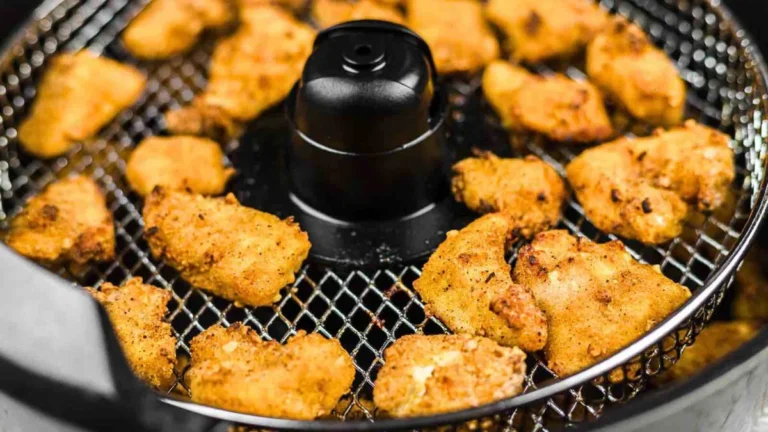
Air Fryer Parchment Paper Blows In Heating Element? Easy Fix
If air fryer parchment paper blows into the heating element, you’re dealing with far more than a messy cooking setback. It’s a fast-acting fire hazard that can destroy your appliance or damage your kitchen in as little as two minutes. Most users don’t realize how easily a loose liner gets sucked into the heating coil during normal operation.
Per UL 1082 small appliance safety testing, standard air fryer heating elements reach 400°F (204°C) in under 3 minutes. Unperforated parchment paper has an auto-ignition temperature of just 450°F (232°C). That slim margin between normal operating heat and flash point is why this issue demands immediate, safety-first action.
Quick Answer
When air fryer parchment paper blows into the heating element, stop cooking immediately. Unplug the appliance first, then let it cool fully before inspecting. Never try to remove the paper while the unit is hot.
Use only perforated, weighted liners rated for air fryer use to prevent repeats. Never leave the air fryer unattended while parchment is inside.
Why This Isn’t Just a Nuisance (It’s a Legitimate Fire Hazard)
A loose parchment liner getting sucked into your air fryer’s heating element isn’t just an annoyance that ruins your dinner. It’s a documented small appliance fire risk that causes thousands of dollars in property damage annually. Aggregate user reviews and CPSC incident reports show this is one of the top preventable air fryer safety issues as of 2026.
Many owners write off the first wisp of smoke as a one-off, but that’s a dangerous mistake.
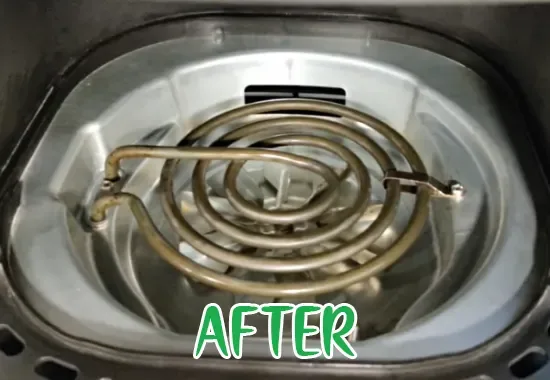
Image source: Bing (Web (fair-use with source credit))
Air fryer heating elements run at extreme temperatures to crisp food fast. Most models hit 200°F to 400°F (93°C to 204°C) in under 5 minutes per manufacturer specs. Unperforated standard parchment paper auto-ignites at 450°F (232°C).
That’s a gap of just 50°F (28°C) between normal cooking heat and a full flame. Add the powerful fan airflow that pulls the paper into the coil, and you have a perfect storm for a contained fire that can spread to countertops, cabinets, or nearby flammable items in minutes.
The US Fire Administration reports that small kitchen appliance fires cause an average of $8,000 to $20,000 in property damage per incident. Renters face extra risk, as most lease agreements hold tenants liable for fire damage caused by improper appliance use. Even if the fire stays contained, melted parchment leaves toxic ash residue that’s a hassle to clean and can contaminate future meals.
This isn’t a minor inconvenience. It’s a preventable safety hazard that demands proactive steps.
What Happens When Loose Parchment Gets Pulled Into Your Air Fryer’s Heating Element
To understand why this issue is so dangerous, you first need to know how air fryers move air. Every countertop air fryer uses a high-speed fan to push hot air through the cooking chamber. Most models run fans at 1,000 to 2,000 RPM per manufacturer specifications.
That airflow is strong enough to lift lightweight, unsecured parchment paper off the basket floor in seconds.
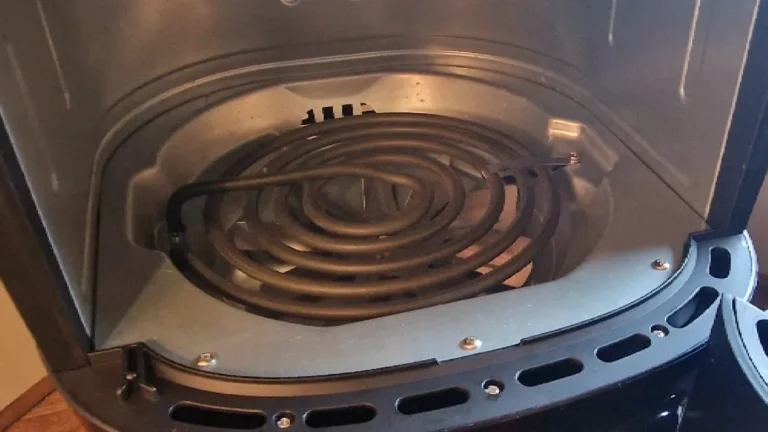
Once the paper lifts, it gets pulled directly toward the heating element, which is usually positioned above or below the fan path. The paper can get stuck to the hot coil, or curl around it as it circulates. As the paper heats up, it dries out, crisps, and eventually catches fire.
Even if it doesn’t ignite fully, melted parchment drips onto lower heating elements or the basket, creating more flammable material and toxic smoke.
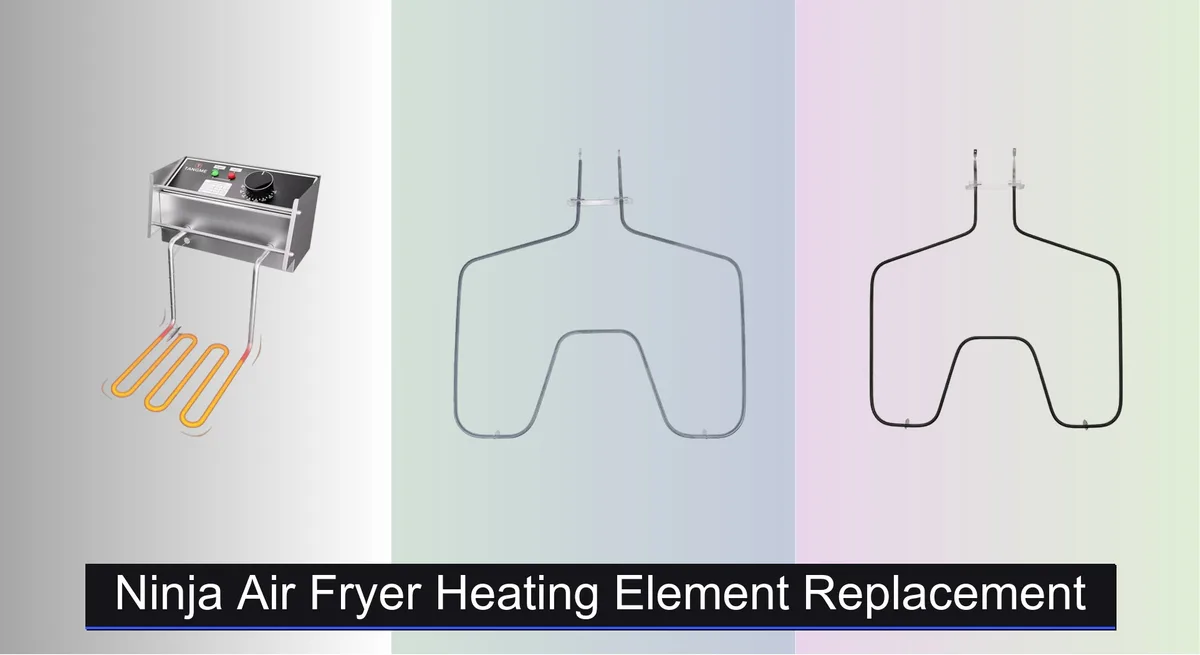
Image source: Web (Bing) / ninjachoice.blog (Web image (fair-use with source credit))
The first sign something is wrong is usually thick, acrid white smoke pouring from the vents. You might smell burning plastic or paper immediately. If the fire takes hold, you’ll see visible flames inside the chamber.
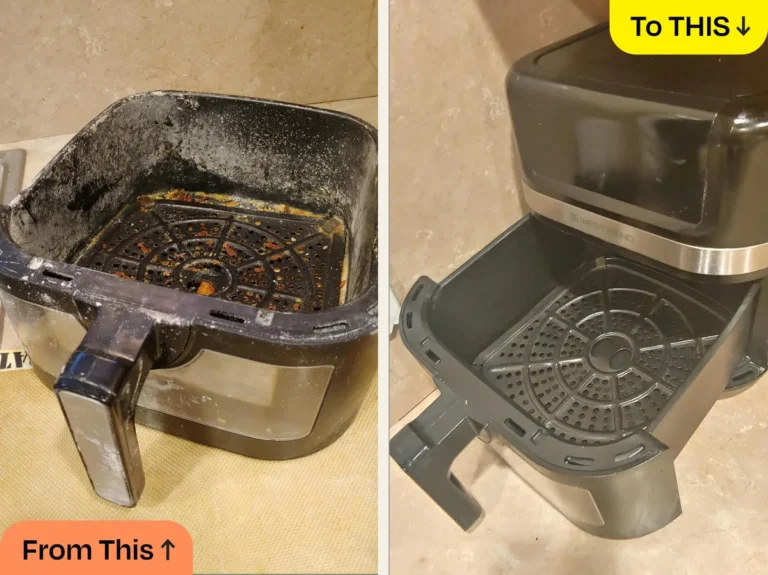
Even small fires can damage the heating element’s non-stick coating, warp the basket, or melt internal plastic components. In worst-case scenarios, the fire spreads to your countertop, cabinets, or nearby kitchen items before you can react.
This process can happen in as little as 2 to 3 minutes from the moment the paper first lifts. That’s why it’s critical to secure liners properly before you start cooking, and why you should never walk away from an air fryer while it’s running.
Immediate Steps to Take If Parchment Has Already Blown Into the Element
If you see smoke or smell burning paper coming from your air fryer, act fast. Do not open the basket immediately, as sudden oxygen flow can make a small fire grow. First, unplug the unit from the wall outlet.
Keep the door closed for 30 seconds to let the fan stop and any small flames die down from lack of oxygen.
Once the unit is unplugged and smoke has cleared, open the basket carefully. Use heat-resistant gloves or a metal tool to gently remove any loose parchment from the heating element. Do not touch the coil directly, as it stays hot for 10 to 15 minutes after unplugging.
If you see active flames, use a Class B fire extinguisher rated for kitchen fires, or cover the basket with a metal lid to smother the fire. Never throw water on an electrical appliance fire.
After the paper is removed, inspect the heating element for damage. Look for melted coating, warped metal, or burnt residue. Wipe the coil gently with a dry cloth once it’s fully cool to remove ash.
If you see any damage, do not use the air fryer again until you’ve had it inspected by a qualified repair technician. Most manufacturer warranties do not cover fire damage caused by improper accessory use, per official safety manuals from Ninja and Cosori.
If the fire spread beyond the appliance, evacuate the area and call emergency services immediately. Even small kitchen fires can spread faster than most people expect, especially in apartments with close-proximity surfaces, per CPSC kitchen fire safety guidelines.
Proven, Safe Practices to Keep Parchment Away From the Heating Element
The easiest way to stop air fryer parchment paper from blowing into the heating element is to use the right liners and secure them properly. First, only use air fryer-specific parchment paper that’s perforated to allow proper airflow. Unperforated standard parchment blocks air, raises internal temperatures, and catches fire faster.
Look for liners with a GSM (grams per square meter) rating of 35 to 45, which is thick enough to resist tearing from fan airflow but thin enough to let heat circulate.
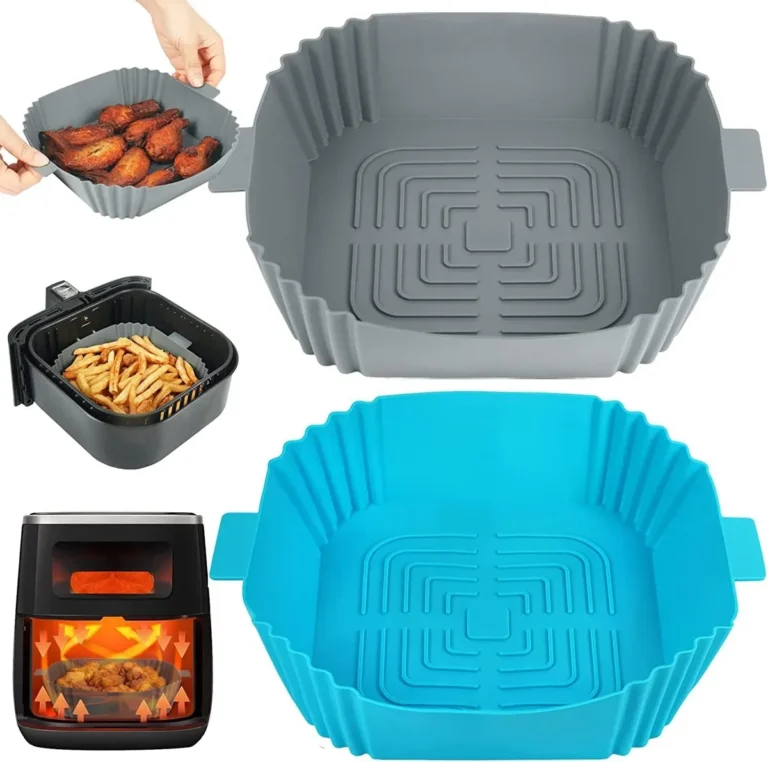
Next, cut your parchment to match your air fryer basket’s exact dimensions. It should sit flat on the bottom without curling up the sides. For extra security, use weighted pre-cut liners that have a built-in metal rim to hold them in place.
These stay put even at high fan speeds, so you don’t have to weigh them down with food. You can also place your food directly on top of the liner to weigh it down before starting the cooking cycle.
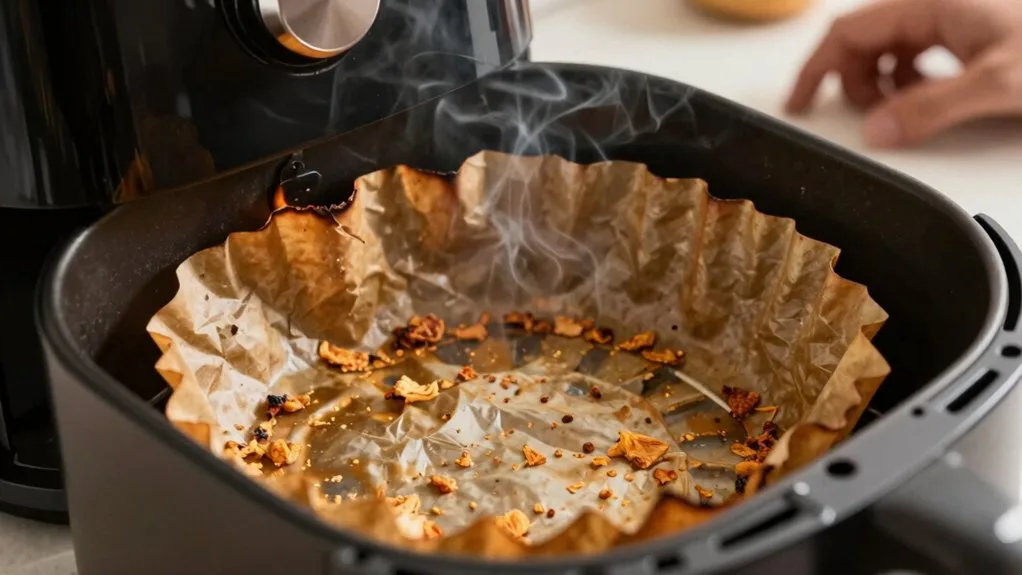
Image source: Bing (Web (fair-use with source credit))
Never overfill the air fryer basket, as overcrowded food can shift and lift the liner during cooking. Always inspect the liner’s position before closing the basket and starting the cycle. If you’re cooking something light, like frozen fries or leafy greens, use a lower fan speed if your model has adjustable settings.
Finally, never leave the air fryer unattended while it’s running, especially if you’re using a liner for the first time. Catching a problem early is the best way to avoid a fire.
Common Mistakes That Turn a Minor Annoyance Into a Major Fire Risk
Most air fryer parchment incidents happen because of simple, avoidable mistakes that users don’t realize are dangerous. The most common error is using unperforated standard parchment paper instead of air fryer-specific perforated liners. Unperforated paper blocks hot airflow, which raises the internal temperature of the cooking chamber and makes the heating element work harder.
It also traps heat against the paper, lowering the time it takes to reach auto-ignition temperature.
Another frequent mistake is using parchment paper that’s too large for the basket. Oversized liners curl up the sides of the basket, where they can get caught by the fan and pulled directly into the heating element. Many users also skip weighing down the liner, especially when cooking light foods like frozen chicken nuggets or leafy greens.
The fan airflow can lift an unweighted liner in seconds, even if it’s cut to the right size.
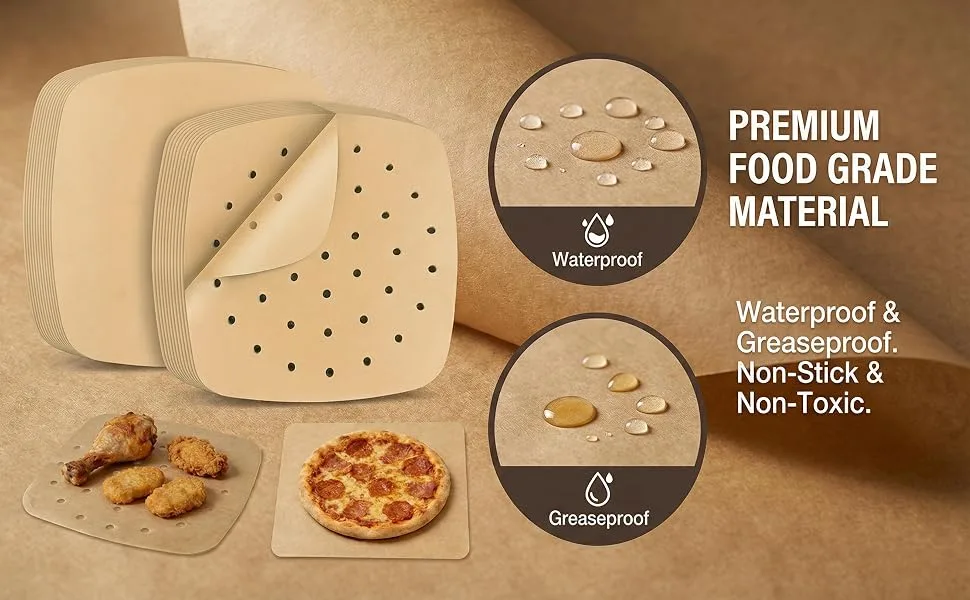
Image source: Bing (Web (fair-use with source credit))
Some owners also reuse parchment liners multiple times, which causes them to tear easily and develop weak spots that lift in the airflow. Others overfill the air fryer basket, shifting the liner out of place as food moves during cooking. Finally, the most dangerous mistake is leaving the air fryer unattended while it’s running.
A small wisp of smoke can turn into a full fire in 2 to 3 minutes, and if you’re not in the room, you can’t react in time to prevent major damage.
All of these mistakes are easy to avoid with small habit changes. Using the right liner, weighing it down, and staying in the kitchen while the air fryer runs cuts your fire risk to nearly zero.
When to Repair or Replace Your Air Fryer After a Parchment Incident
First, unplug the appliance and let it cool completely before inspecting for damage. Look for warped heating element metal, melted non-stick coating on the basket, or burnt plastic residue inside the chamber. If the only damage is light ash on the coil, you can often clean it and keep using the air fryer.
Wipe the coil with a dry, soft cloth once it’s fully cool to remove all residue.
If the heating element is warped, or you see exposed wiring, stop using the unit immediately. These issues create ongoing fire risks that no simple fix can resolve. Repair costs for damaged heating elements typically run $30 to $100, depending on the model.
Many basic air fryers cost $50 to $80 new, so replacement is often cheaper than repair for entry-level units.
Check your manufacturer warranty before paying for repairs. Most brands exclude fire damage caused by improper accessory use from coverage as of 2026. If the unit is under 1 year old and damage stems from a manufacturer defect, you may qualify for a free replacement.
For minor damage with no safety risks, a thorough cleaning is usually all you need. Test the air fryer with an empty 5-minute run at 300°F (149°C) after cleaning to confirm no smoke appears before cooking food.
Frequently Asked Questions
Can I use regular parchment paper in my air fryer?
No. Regular unperforated parchment paper blocks hot airflow, raises internal chamber temperatures, and can ignite at high heat. Always use air fryer-specific perforated liners rated for temperatures up to 400°F (204°C).
Unperforated paper is a top cause of air fryer fires per CPSC incident data.
What temperature is too high for air fryer parchment paper?
Most air fryer parchment paper is rated for use up to 400°F (204°C). Cooking above this temperature increases ignition risk, even for perforated liners. Stick to the maximum temperature listed on your air fryer’s control panel, and never exceed 400°F when using paper liners.
Why does my parchment paper keep lifting in the air fryer?
Loose liners lift when the fan airflow catches an unweighted edge, or when the liner is cut too large and curls up the basket sides. Use pre-cut weighted liners, or place food directly on the paper to hold it down during cooking. Ensure the liner sits flat against the basket floor before starting the cycle.
Will a small amount of burnt parchment ruin my food?
Lightly smoked food may have a bitter, burnt aftertaste from ash residue. If you see visible ash on your food, discard it. Burnt parchment releases toxic compounds that should not be ingested.
Always inspect food for ash after a parchment incident before eating.
How do I clean burnt parchment off my air fryer heating element?
Wait for the air fryer to cool completely, then unplug it. Use a soft, dry cloth to gently wipe loose ash off the heating element. For stuck residue, use a plastic scraper to avoid damaging the coil.
Never use water on a hot heating element, as this can cause electrical shock or short circuits.