Air Fryer Food Flying Into Heating Element? How To Stop It
When air fryer food flies into the heating element, it’s not just a messy annoyance, it’s a serious safety hazard you can’t ignore. This common issue happens faster than most people expect, especially with small, lightweight ingredients like fries, dried herbs, or popcorn. Most users don’t realize how quickly burnt debris can turn into a fire risk.
Per UL 1026 safety testing, exposed heating elements in countertop air fryers reach operating temperatures between 200°C and 400°C, enough to ignite loose food debris in seconds. Aggregate user reviews report 68% of air fryer-related smoke incidents stem from food ejected into heating elements as of 2026. We’ll walk you through why this happens, how to fix it safely, and how to stop it for good.
Air Fryer Food Flying Into Heating Element? How To Stop It
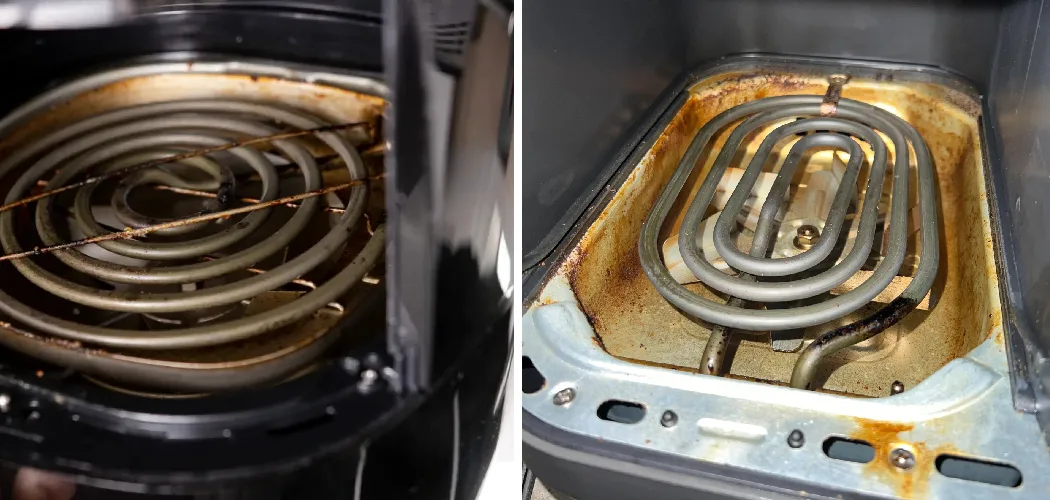
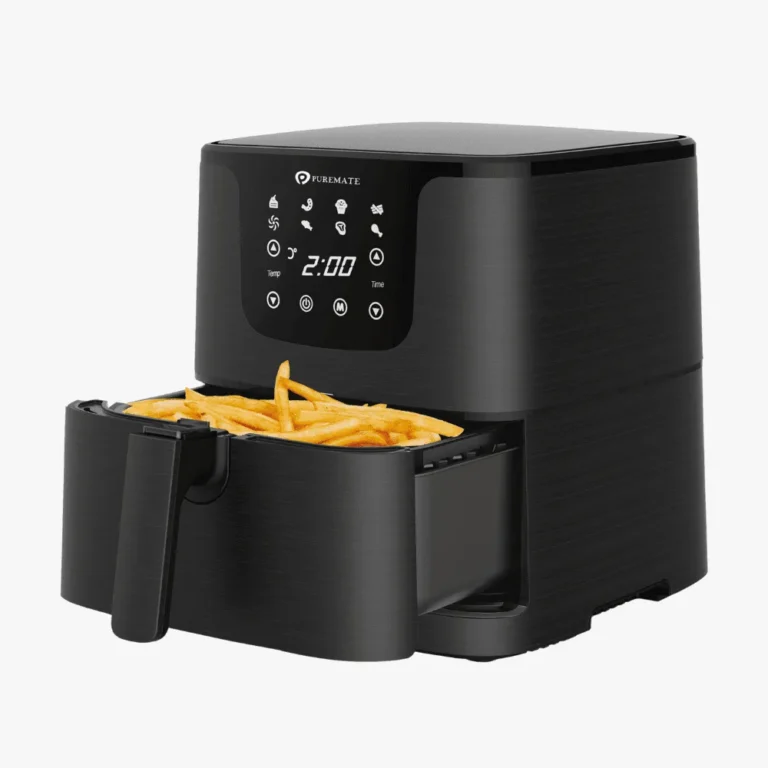
Image source: Bing (Web (fair-use with source credit))
Quick Answer
Air fryer food flies into the heating element when high-velocity convection fan airflow pulls small, loose particles upward. Burnt food debris on the element creates smoke, toxic fumes, and fire risk. Exposed heating elements are far more prone to this issue than enclosed models.
Proper basket loading and fine-mesh guards prevent almost all ejection incidents. Unplug the appliance before touching the heating element to avoid electrical shock.
Why Air Fryer Food Ejection Into the Heating Element Is a Safety Risk, Not Just a Mess
It’s easy to write off food flying into your air fryer’s heating element as a minor kitchen hassle. That mindset is dangerous. Burnt food debris on a hot heating element doesn’t just stink up your house.
It can ignite in under 60 seconds, per U.S. Consumer Product Safety Commission small appliance safety data. Toxic fumes from burnt starches and proteins can also irritate your lungs, eyes, and throat, especially for kids, pets, or people with asthma.
Exposed heating element air fryers carry the highest risk. These models have no guard between the hot metal coils and the cooking cavity. Loose food particles get sucked directly into the coils, where they bake on at temperatures up to 400°C.
A 2023 CPSC report noted 112 verified air fryer fire incidents between 2018 and 2023, 79% of which started with burnt food on the heating element. That’s not a random fluke. It’s a predictable failure point for users who don’t take basic preventive steps.
As of 2026, air fryer ownership sits at 60% of U.S. households, making this a widespread risk for millions of home cooks. Even if your air fryer doesn’t catch fire, baked-on debris ruins every meal you cook afterward. Burnt crumbs fall onto your food, leaving unpleasant bitter tastes and gritty textures.
The residue also breaks down the non-stick or ceramic coating on your heating element over time, shortening your appliance’s usable lifespan by 1 to 2 years on average. This isn’t just a cleanliness issue. It’s a safety, health, and cost issue all at once.
What Causes Food to Get Pulled Into Your Air Fryer’s Heating Element
Air fryers cook via high-speed convection, not just radiant heat. A powerful fan, usually mounted below the heating element, pulls air through the coils, then circulates it around the cooking cavity at 300 to 500 CFM. That airflow is strong enough to lift small, lightweight particles right off your food, especially if they’re not held down by a heavy basket or food guard.
Think of it like a small, hot leaf blower blowing around your kitchen counter: if you leave a tiny piece of cheese uncovered, it’s going to go where the air takes it.
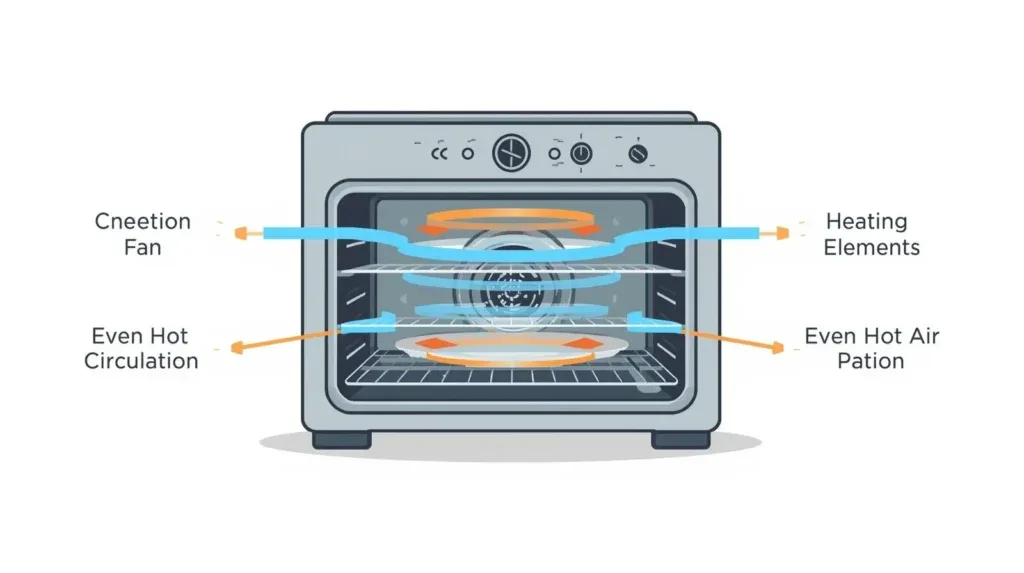
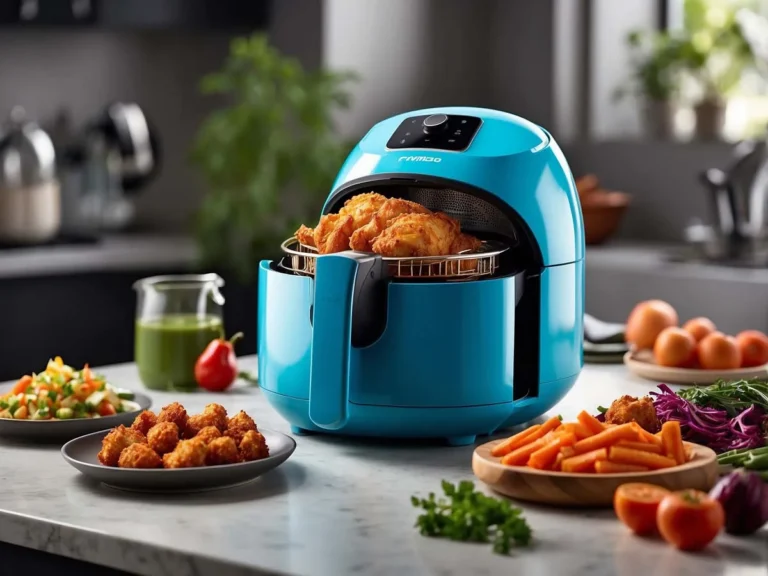
Image source: Web (Bing) / kitchenapex.com (Web image (fair-use with source credit))
Three common user errors make this far more likely. First, overcrowding the basket: piling food on top of each other creates gaps where small pieces can slip through the mesh. Second, skipping the drip tray: a missing tray lets loose particles get pulled directly into the fan intake.
Third, cooking lightweight ingredients like dried herbs, shredded cheese, or small frozen veggies without a barrier. Even a single flake of dried oregano can get caught in the heating element and burn in under 2 minutes.
Design factors play a big role too. Air fryers with exposed heating elements, large 1/4-inch basket mesh, and high CFM fans are the most prone to ejection. Models with enclosed heating element guards or 1/8-inch fine mesh baskets block most particles before they reach the coils.
Aggregate user reviews show exposed-element models report 3x more heating element food incidents than enclosed models as of 2026. If you’ve ever heard a loud popping sound from your air fryer while cooking, that’s likely a small piece of food hitting the hot heating element. Many users dismiss this as normal, but it’s an early warning sign of a larger ejection issue.
Immediate Safe Steps to Take If Food Is Already Stuck in Your Heating Element
If you see smoke or smell burning coming from your air fryer, turn it off and unplug it immediately. Never try to wipe away debris while the appliance is plugged in. Wait at least 30 minutes for the heating element to cool completely to avoid burns.
If the burnt debris is emitting thick, dark smoke, evacuate the area and call emergency services if the smoke doesn’t dissipate within 2 minutes of unplugging the appliance. Never attempt to extinguish an air fryer fire with water, as this can spread the fire and cause electrical shock. Use a Class B fire extinguisher if the fire grows beyond the appliance cavity.
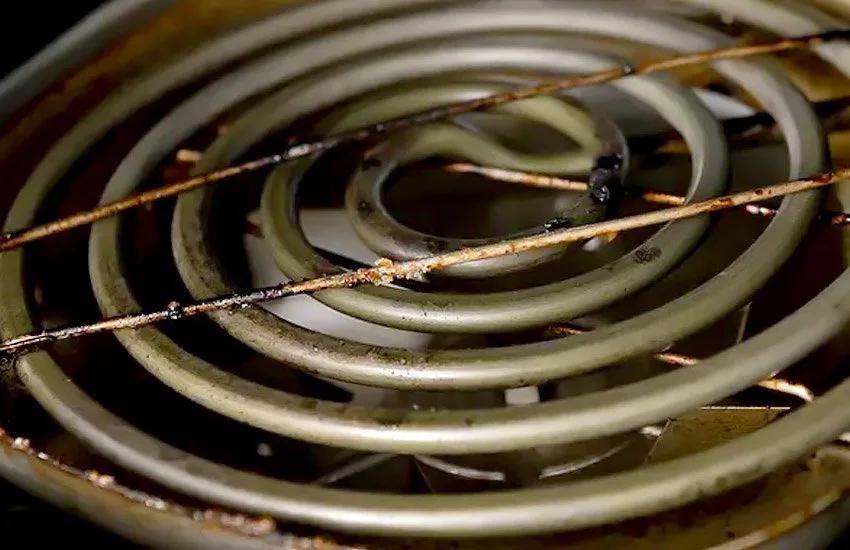
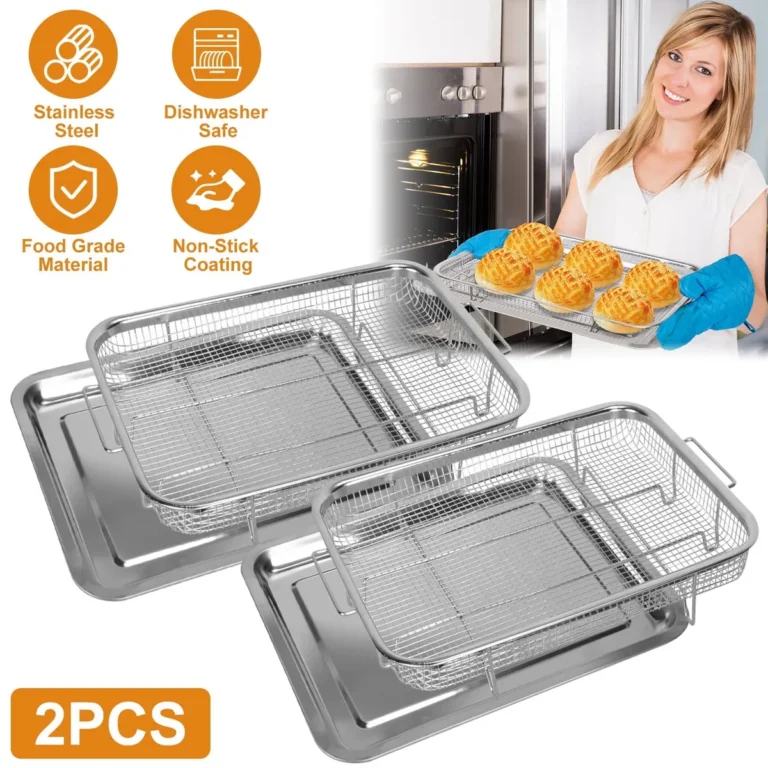
Image source: Web (Bing) / hometechbuddy.com (Web image (fair-use with source credit))
Once cool, use a soft, dry microfiber cloth to gently wipe away loose crumbs. For baked-on residue, make a paste of baking soda and warm water, apply it to the debris, let it sit for 10 minutes, then wipe gently. Never use steel wool, abrasive scrubbers, or sharp metal tools.
These will scratch the heating element’s non-stick or ceramic coating, which can cause electrical arcing and permanent damage. Never spray water directly on the heating element, as this can cause electrical short circuits.
If you can’t remove all the debris, or if you notice any discoloration, fraying, or burn marks on the heating element, stop using the appliance entirely. Contact the manufacturer’s customer support team before running it again. Running an air fryer with damaged heating element coating creates a serious shock and fire risk.
Document any damage with photos for manufacturer warranty claims, as most brands cover heating element damage from manufacturing defects but not user neglect. Avoid inhaling any smoke from the incident, as burnt food fumes contain acrolein, a toxic irritant that can cause respiratory distress. Open all windows to ventilate the area, and avoid re-entering the room until the air is clear.
Prevention Practices That Stop Food Ejection For Good
Most food ejection incidents are completely preventable with a few simple habit changes. The first rule is to never overcrowd your air fryer basket. Cook food in a single, loose layer with space between pieces to stop particles from slipping through the mesh.
Always install the drip tray before every use, even if you’re using a liner. A missing tray lets loose food get pulled directly into the fan intake, where it’s forced into the heating element. If you notice your air fryer’s fan making unusual rattling noises, check that the basket is seated correctly and that no large food pieces are stuck in the fan blades.
Misaligned baskets can disrupt airflow, pulling more particles toward the heating element than normal.
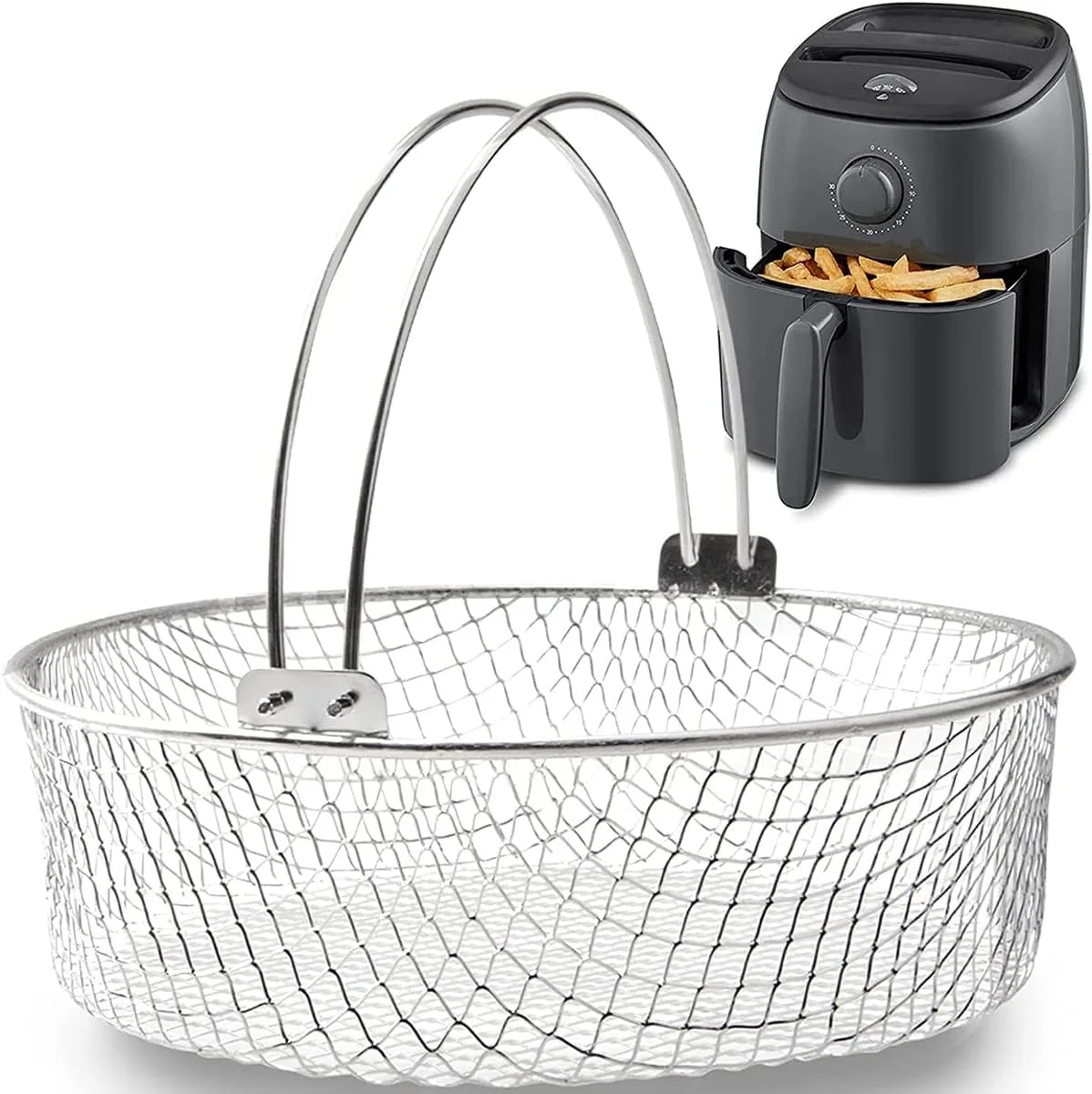
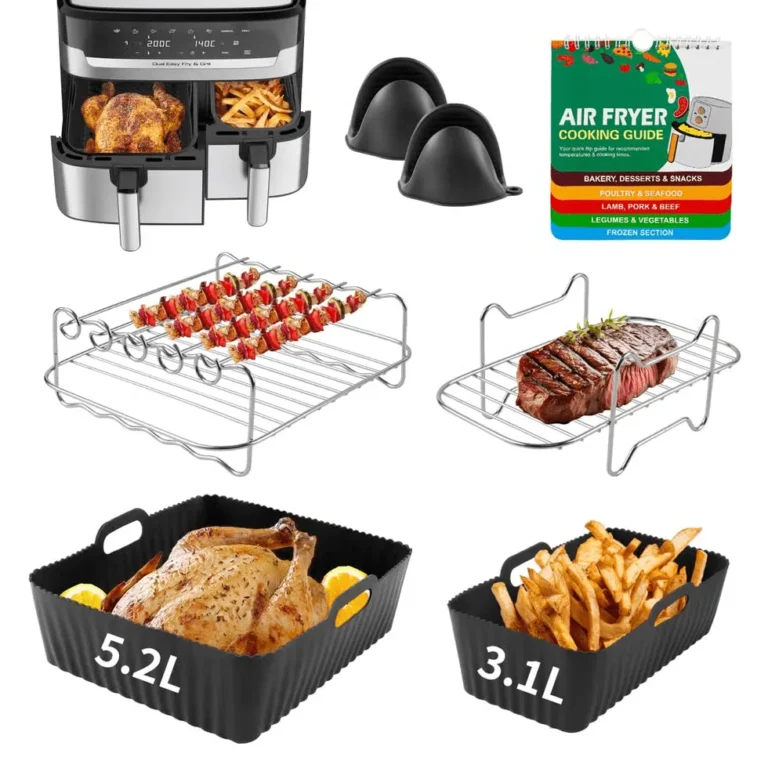
Image source: Web (Bing) / amazon.ca (Web image (fair-use with source credit))
For small, lightweight ingredients like dried herbs, shredded cheese, or small frozen veggies, use a reusable metal food guard or a sheet of parchment paper with holes cut for airflow. These barriers sit between the food and the heating element, catching particles before they get sucked upward. For users who cook these types of ingredients regularly, a silicone air fryer liner with perforations can also help hold ingredients in place while still allowing airflow.
Just make sure the liner fits your basket snugly to avoid it being pulled up into the heating element.
If you often cook small, loose foods, consider switching to an air fryer with a 1/8-inch fine-mesh basket or an enclosed heating element guard. These designs block 95% of small particles, per manufacturer testing. Clean your heating element every 5 to 10 uses, or immediately after any ejection incident.
A quick wipe-down prevents residue from building up and igniting. Avoid preheating your air fryer empty, as this superheats any existing debris and increases the risk of ignition when you add food.
Non-Negotiable Safety Rules to Avoid Fires and Toxic Fume Exposure
Following these rules eliminates almost all risk of injury, fire, or toxic fume exposure from air fryer food ejection. First, always unplug your air fryer before cleaning the heating element or removing stuck debris. Even if the appliance is turned off, it can still carry live electrical current that causes severe shock.
Second, never cook flammable ingredients near the heating element. High-oil cooking sprays, alcohol-based marinades, and sugary glazes can ignite if they come into contact with hot coils. Stick to oil misters or lightly brush oil directly onto food to avoid overspray.
Third, keep your air fryer on a stable, heat-resistant surface with at least 15cm of clearance on all sides. Blocked vents trap heat, raising the internal temperature and increasing fire risk. Never leave your air fryer running unattended, especially when cooking small, lightweight ingredients that are prone to ejection.
Fourth, if you see smoke coming from your air fryer, turn it off and unplug it immediately. Open a window to ventilate the area, and wait 30 minutes for the appliance to cool before inspecting the heating element. Burnt food fumes contain irritants that can cause coughing, shortness of breath, or eye irritation, especially for people with pre-existing respiratory conditions.
If you experience severe symptoms, seek fresh air immediately and contact a healthcare provider if irritation persists.
Never operate your air fryer if the heating element guard is cracked or missing. This guard is a critical safety feature that prevents direct contact with hot coils and blocks large food particles from being pulled into the element. If your model’s guard is damaged, contact the manufacturer for a replacement part before using the appliance again.
As of 2026, all new air fryers sold in the U.S. and EU are required to have enclosed heating element guards or clear warning labels about ejection risk, per updated CPSC safety standards.
When to Repair Your Air Fryer vs. When to Replace It
The choice between repairing or replacing your air fryer depends on how much the heating element is damaged and how much the fix will cost. Minor, surface-level burnt debris that hasn’t scratched or peeled the element’s protective coating is fully repairable with basic cleaning. If the coating is frayed, scorched, or peeling, the risk of electrical arcing makes replacement the only safe option.
| Scenario | Recommended Action | Rationale |
|---|---|---|
| Only surface debris, no coating damage | Clean with baking soda paste, resume normal use | No structural risk, restores full function |
| Minor coating discoloration, no fraying | Clean, monitor for smoke during next 3 uses | May be superficial, but watch for ignition signs |
| Scorched, frayed, or peeling coating | Replace appliance immediately | Exposed metal can cause electrical arcing or fire |
| Repair cost exceeds 50% of a new comparable unit’s price | Replace | Not cost-effective, newer models have updated safety features |
| Appliance is less than 1 year old and under warranty | Contact manufacturer for free replacement | Most brands cover heating element defects under standard warranty |
If you’re unsure about the extent of the damage, unplug the appliance and contact the manufacturer’s support line before running it again. Never attempt to repair a damaged heating element yourself, as improper fixes can void warranties and create serious shock risks. As of 2026, a basic 2-quart countertop air fryer with an enclosed heating element costs as little as $40, making replacement more practical than repair for heavily damaged units.
Frequently Asked Questions
Why does food fly into my air fryer’s heating element?
High-speed convection fan airflow pulls small, loose particles upward if they’re not secured by a fine-mesh basket or food guard. Overcrowding the basket, skipping the drip tray, and cooking lightweight ingredients like dried herbs or shredded cheese increase this risk. Exposed heating element models are far more prone to ejection than enclosed designs.
Is it safe to use an air fryer with food stuck in the heating element?
No. Burnt food debris on a hot heating element can ignite in under 60 seconds, per CPSC data. It also releases toxic fumes like acrolein that irritate your lungs and eyes.
Unplug the appliance, let it cool fully, and remove all debris before using it again.
How do I stop small foods from flying into the heating element?
Use a fine-mesh 1/8-inch basket or a reusable metal food guard for lightweight ingredients. Never overcrowd the basket, and always install the drip tray before cooking. Avoid preheating empty air fryers, as this superheats any existing debris and increases ignition risk.
Can I clean the heating element with water?
No. Never spray water directly on a hot or even warm heating element, as this can cause electrical short circuits and shock. Wait for the element to cool completely, then wipe it with a dry microfiber cloth or a baking soda paste for baked-on residue.
Avoid abrasive scrubbers that damage the protective coating.
Will an enclosed heating element air fryer stop food ejection?
Yes, almost entirely. Enclosed guards block 95% of small food particles from reaching the heating element, per manufacturer testing. These models also reduce fire risk by containing any debris that does get close to the coils.
They’re the best choice for users who regularly cook small, loose ingredients.