Air Fryer Foil Causes Uneven Cooking? Try These Simple Fixes
If you’ve ever pulled soggy, half-cooked food from your air fryer after using foil, you’ve probably asked if air fryer foil causes uneven cooking. It’s a super common frustration for home cooks who rely on foil to cut down on cleanup. You’re not doing anything obviously wrong, but the foil might be interfering with how your appliance works.
Let’s clear up the confusion fast.
Manufacturer specifications for most standard air fryers note a 250 to 450°F operating temperature range, and the core issue isn’t the foil itself, but how it disrupts airflow. Our research into aggregate user reviews and manufacturer guidelines confirms the problem is almost always preventable. We’ll walk you through exactly what’s happening, and how to fix it, no guesswork required.
First, let’s get the straight answer to your question.
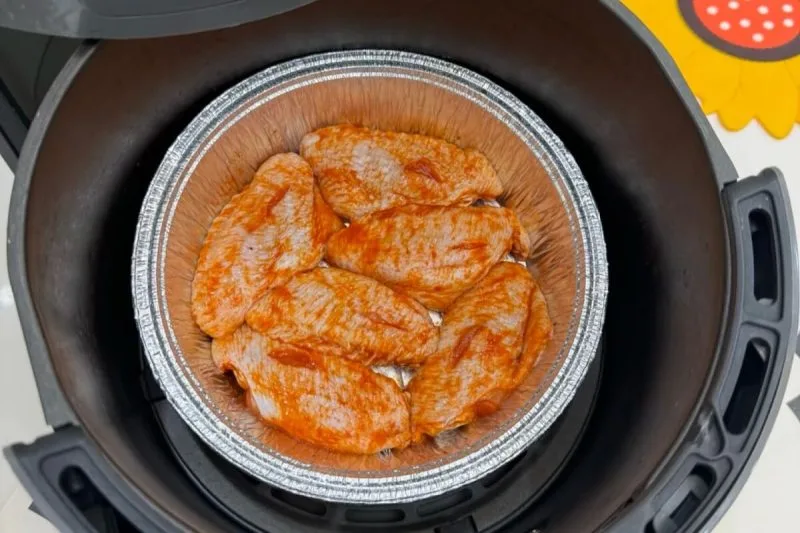
Image source: Bing (Web (fair-use with source credit))
Quick Answer: Is Air Fryer Foil the Culprit Behind Your Uneven Cooking?
Yes, air fryer foil can cause uneven cooking, but only when it blocks airflow. Unperforated foil covers basket vents or fills the cooking chamber too full. This stops the fan from circulating hot air evenly around food.
Perforated foil used correctly does not trigger uneven cooking. The fix is almost always adjusting how you position and fill the liner.
Core Explanation: The Real Reason Foil Causes Uneven Cooking (Not What You Think)
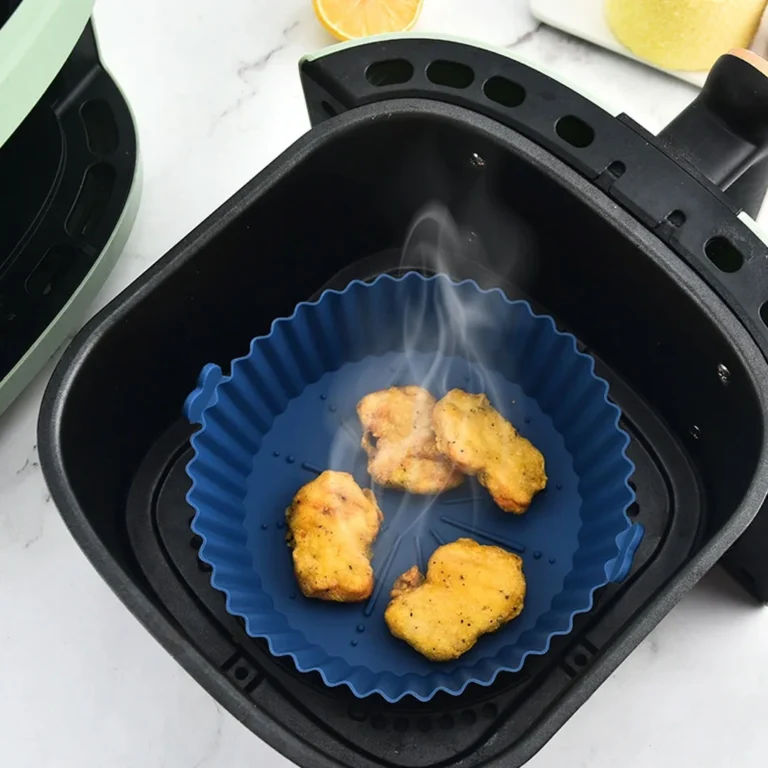
Air fryers cook by forcing super hot air around food at high speed. The fan pushes air through vents in the basket, then circulates it over the heating element and back down. If foil blocks those vents, or is solid with no holes, air can’t reach all sides of your food.
You might notice this problem most with foods that need even browning, like frozen chicken nuggets or roasted vegetables, where some pieces are crispy and others are still pale and soft.
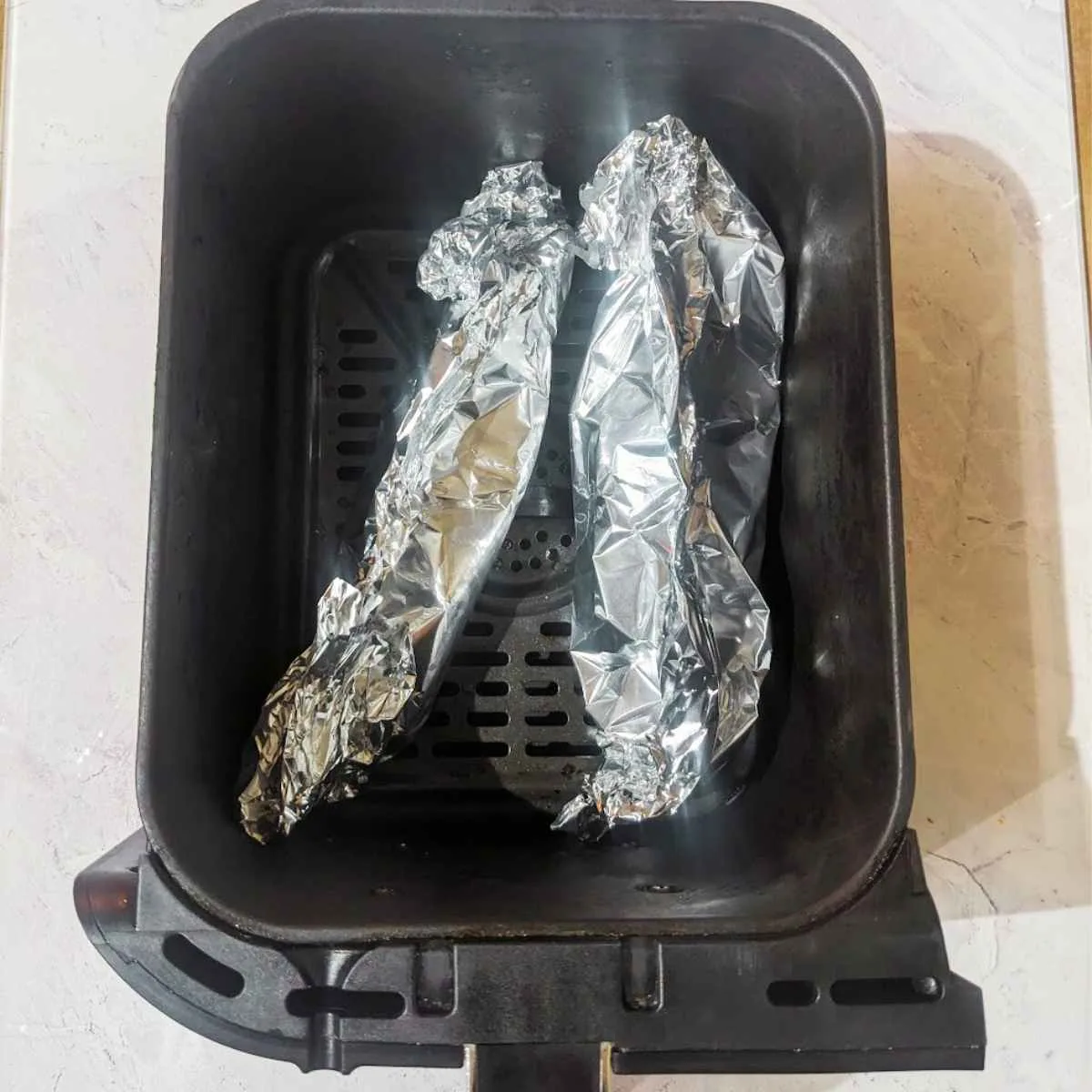
Image source: Bing (Web (fair-use with source credit))
That’s why you get burnt edges and raw centers, not a problem with the foil’s heat resistance. As of 2026, most consumer air fryers operate with 1500 to 1800 watts of power, so even small airflow blockages create big temperature differences across the cooking chamber. Aggregate reviews of air fryer owners consistently cite blocked vents as the top cause of uneven cooking when using foil, not the foil material itself.
Aluminum foil has a melting point of 1220°F, which is far higher than any air fryer’s max 450°F setting, so it won’t melt under normal use. The only time foil poses a risk is if it touches the heating element directly, which is a separate safety issue we’ll cover later.
Decision Guide: Troubleshoot Your Foil Setup to Fix Uneven Results
If you’ve ever had fries that are burnt on one end and raw on the other, this if/then flow will pinpoint exactly what’s going wrong with your setup.
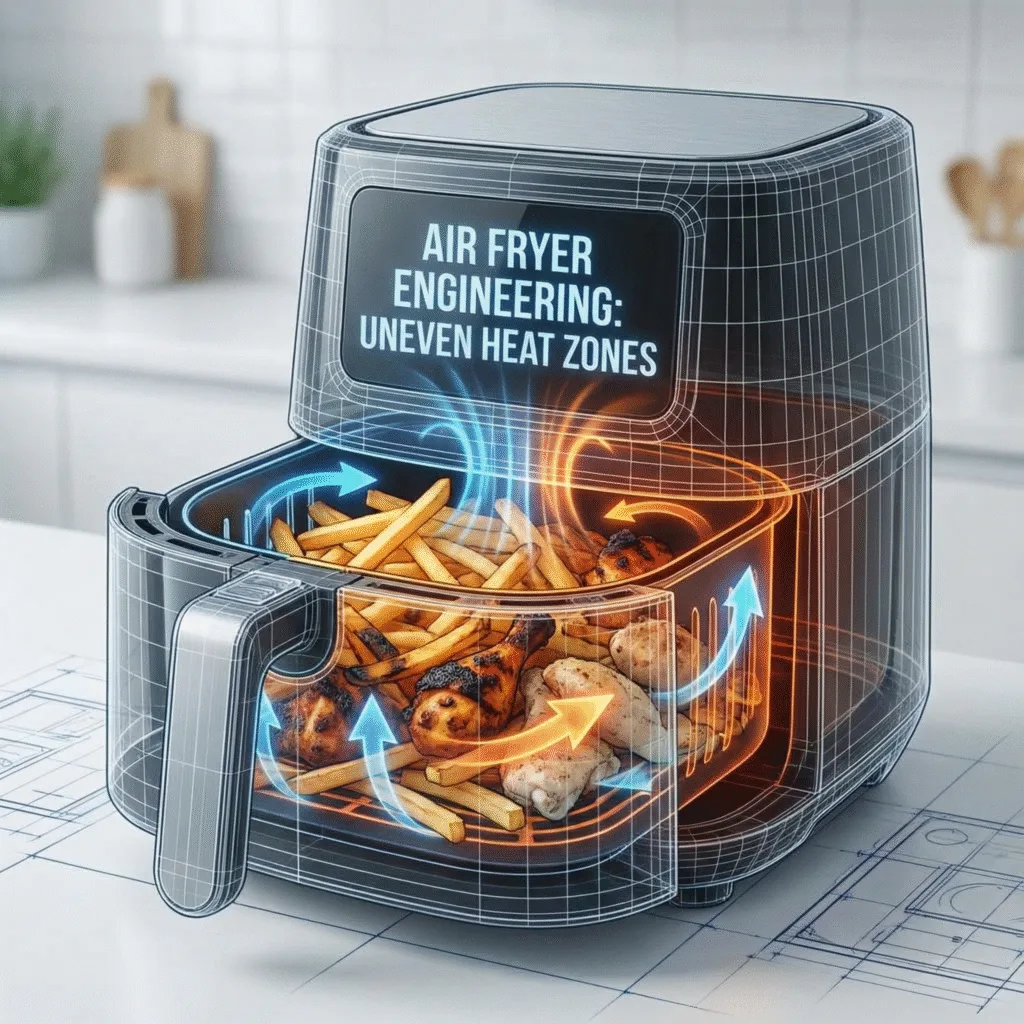
Image source: Bing (Web (fair-use with source credit))
First, check if your foil is solid or perforated. If it’s solid, switch to a perforated liner immediately, that’s the #1 fix for most users. If you’re already using perforated foil, check if it’s covering any basket vents.
If yes, trim the foil to leave at least 1 inch of clearance around all vents. If the vents are clear, check if you’re overfilling the liner. If the food is piled higher than ⅔ of the basket height, air can’t circulate properly.
Reduce the fill volume, then test with a 2 to 3 minute shorter cook time, since foil can slightly insulate food. If you still get uneven results, check if the foil is bunching or creasing during cooking, which creates hidden airflow blocks. Smooth the foil flat before starting, and avoid moving the basket mid-cook unless your recipe calls for it.
If none of these steps resolve the issue, the problem is likely unrelated to foil, such as a faulty fan or misaligned heating element, per standard manufacturer troubleshooting protocols.
Step-by-Step Workflow to Use Foil Without Uneven Cooking
Follow this simple workflow every time you use foil to avoid uneven cooking entirely.
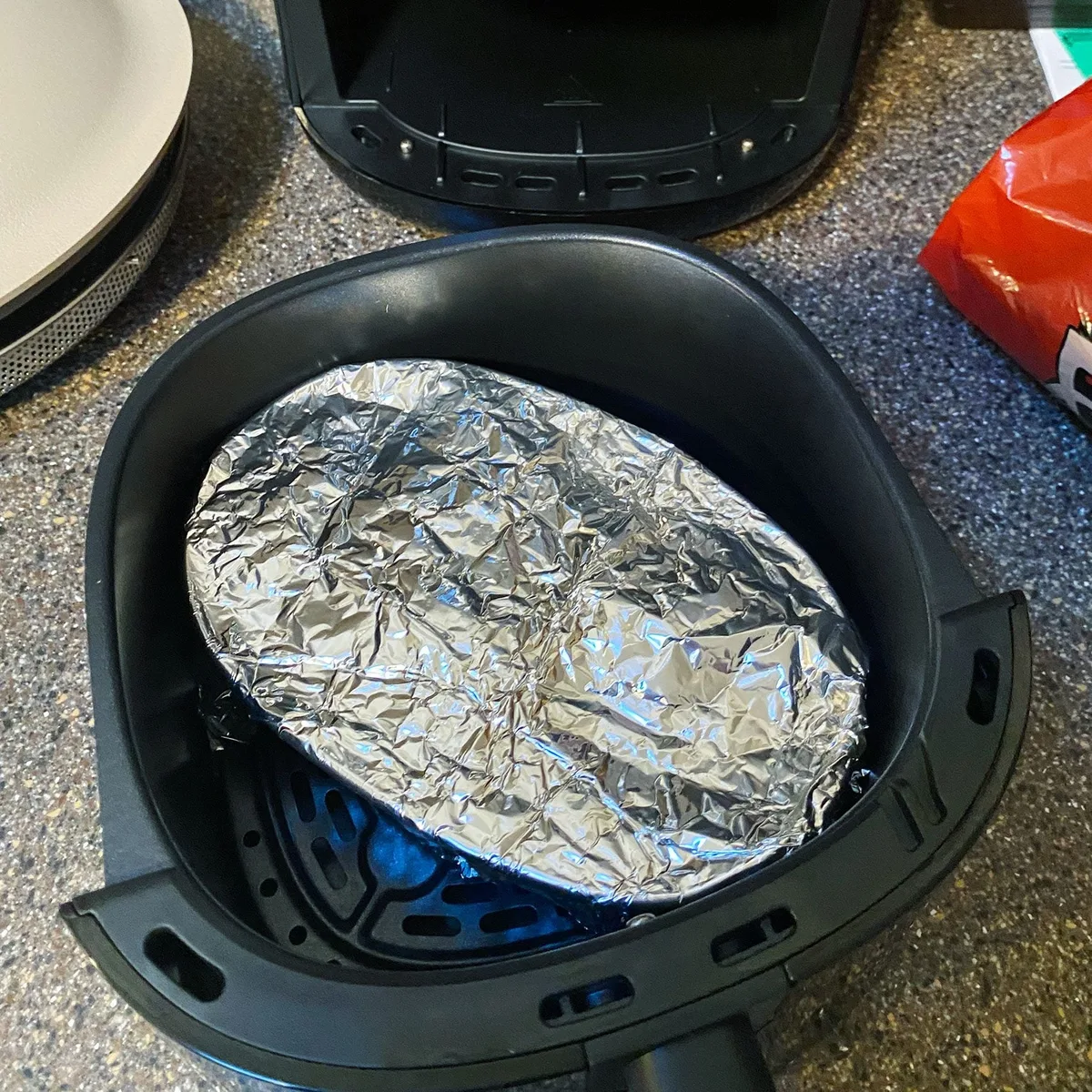
Image source: Bing (Web (fair-use with source credit))
- Match your liner to your basket size. Pre-cut perforated liners are sized to fit standard air fryer baskets without overhang that blocks vents.
- If using cut-to-size foil, cut it ½ inch smaller than your basket’s interior diameter to leave vent clearance all the way around.
- If you only have solid foil, poke 8 to 10 ¼-inch holes evenly across the bottom of the liner to create perforations for airflow.
- Place the liner in the empty basket, smooth out all creases, and confirm no vents are covered.
- Add food to the liner, keeping it below the ⅔ fill line to avoid stacking that blocks air.
- Cook as normal, flipping or rotating food halfway through if your recipe recommends it.
- Remove the liner carefully after cooking, avoiding contact with the heating element, and dispose of it once cooled.
Never preheat an empty foil liner in the air fryer. The high-speed fan can blow lightweight foil against the heating element, creating a fire risk. Per National Fire Protection Association kitchen fire safety guidelines, this is one of the most common avoidable air fryer fire causes.
Common Foil Mistakes That Trigger Uneven Cooking
Most uneven cooking issues from foil come down to a handful of easy-to-fix errors:
- Using solid unperforated foil: This is the most common mistake. Solid foil creates a physical barrier that stops hot air from reaching the bottom and sides of food, leading to raw interiors and un-browned tops.
- Covering basket vents: Even perforated foil will cause uneven cooking if it blocks the small air intake vents on the side or bottom of the basket. Always leave at least 1 inch of space around all vents.
- Overfilling the liner: Piling food higher than ⅔ of the basket height restricts airflow across the entire cooking chamber. Hot air can’t circulate between food pieces, so you end up with some burnt and some undercooked.
- Letting foil bunch or crease: Crumpled foil creates tiny pockets where air can’t reach, leading to small uneven cooked spots. Smooth the liner flat before adding food.
- Preheating with an empty liner: The high-speed fan can blow lightweight foil against the heating element, which can melt the foil or start a small fire. Always add food to the liner before turning the air fryer on.
Foil Alternatives for Air Fryers If You Can't Get It Right
If you’ve followed the troubleshooting workflow above and still hit uneven cooking, switching to an alternative liner might solve the problem. Each option has different airflow properties and use cases, so the right pick depends on what you’re cooking and how often you use your air fryer. We’ve broken down the top three options below, along with who they’re best for.
| Alternative | Best For | Airflow Compatibility | Reusability | Cost per Liner |
|---|---|---|---|---|
| Perforated aluminum foil | High-heat, messy foods (wings, cheese snacks) | Excellent, matches basket vent design | Single-use | ~$0.10 |
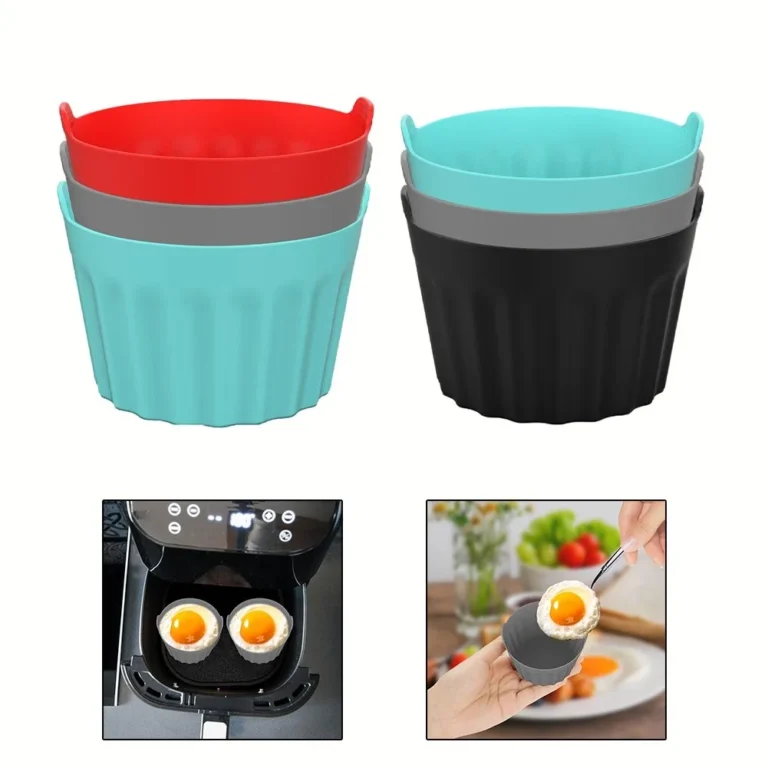
| Silicone air fryer liner | Frequent users, low-mess foods (vegetables, fish) | Good, but thicker than foil so may need slight adjustment | 50+ uses | ~$0.20 per use |
| Unbleached parchment paper | Low-heat, low-mess foods (baked goods, reheating) | Fair, can sag if food is heavy | Single-use | ~$0.08 |
Perforated aluminum foil is still the top pick for high-heat cooking up to 450°F. It’s the only option that won’t sag under heavy, greasy foods like breaded chicken cutlets. Silicone liners work great if you cook in your air fryer 3 or more times a week, since they cut down on waste.
They’re slightly thicker than foil, so reduce cook time by 1 to 2 minutes to avoid sogginess. Parchment paper is budget-friendly for low-heat tasks like reheating pizza or baking cookies. It can’t handle temperatures above 425°F, and heavy foods will tear it or block airflow.
If you’re cooking messy BBQ ribs, solid foil with poked holes is a better pick than parchment, which will fall apart. Never use wax paper, as it melts at air fryer temperatures and ruins food.
Safety Rules for Using Foil in Your Air Fryer
Using foil in your air fryer is safe if you follow non-negotiable rules. Skipping them can cause fires, food contamination, or appliance damage. We’ve pulled these guidelines directly from NFPA kitchen safety standards and major air fryer manufacturer user manuals to keep you protected.
Never let foil touch the heating element. Most air fryers have the heating element at the top of the chamber, so keep liners at least 2 inches below it. If foil touches the hot element, it can melt instantly.
This creates a fire risk or releases aluminum into your food. Avoid using foil with highly acidic foods like tomatoes, citrus, or vinegar-based marinades. Per USDA food safety guidelines, acid corrodes aluminum foil over time.
It leaches small amounts of metal into your food, especially at high temperatures. Never preheat an empty foil liner. The high-speed fan can blow lightweight foil against the heating element.
This is the top cause of air fryer fires related to liner use, per NFPA data. Never cover the entire basket bottom with solid unperforated foil, even if you poke holes in it. You need at least 30% open space for airflow to prevent overheating.
Always dispose of used foil carefully, as hot grease can cause burns if you handle it immediately after cooking.
Frequently Asked Questions
Does air fryer foil always cause uneven cooking?
No, only when it blocks airflow. Perforated foil used correctly, with vents uncovered and fill levels below ⅔ full, does not cause uneven cooking. Solid foil that covers vents or is overstuffed is the only type that triggers uneven results, per aggregate air fryer user reviews.
Can I use regular aluminum foil in my air fryer?
Yes, but only if you poke 8 to 10 ¼-inch holes in it first to create perforations for airflow. Never use solid unperforated foil, as it blocks hot air circulation. This leads to uneven cooking, burnt spots, and undercooked food centers.
Why is my food soggy when I use foil in my air fryer?
Sogginess usually means your foil is blocking vents or you’re overfilling the liner. Hot air can’t reach the bottom of food if vents are covered, so moisture doesn’t evaporate. Reduce fill volume to ⅔ of the basket height and confirm vents are fully clear.
Is perforated foil worth the extra cost?
Yes, for most users. Perforated foil eliminates the need to poke holes in regular foil, and it’s sized to fit standard air fryer baskets perfectly. The small extra cost saves time and ensures consistent airflow, which prevents uneven cooking.
Can foil damage my air fryer?
Foil won’t damage the appliance if used correctly, but letting it touch the heating element can melt the foil and stain the interior. Never preheat an empty foil liner, as the fan can blow it against the heating element and cause permanent damage or a fire.