Creamy Cashew Chicken Salad – Quick, Crunchy & Easy
Cashew chicken salad is one of those dishes that sounds dead simple until you actually make it. The chicken turns dry, the cashews go soft, or the dressing pools at the bottom like a sad puddle. Get it right, though, and it's the kind of meal you'll crave on repeat.
The good news is that the recipe follows a predictable formula, not luck. Per USDA guidelines, chicken must reach 165°F to be safe, and that's exactly where most home cooks lose control of the texture. Once you nail the four building blocks, the rest is just choosing your own adventure.
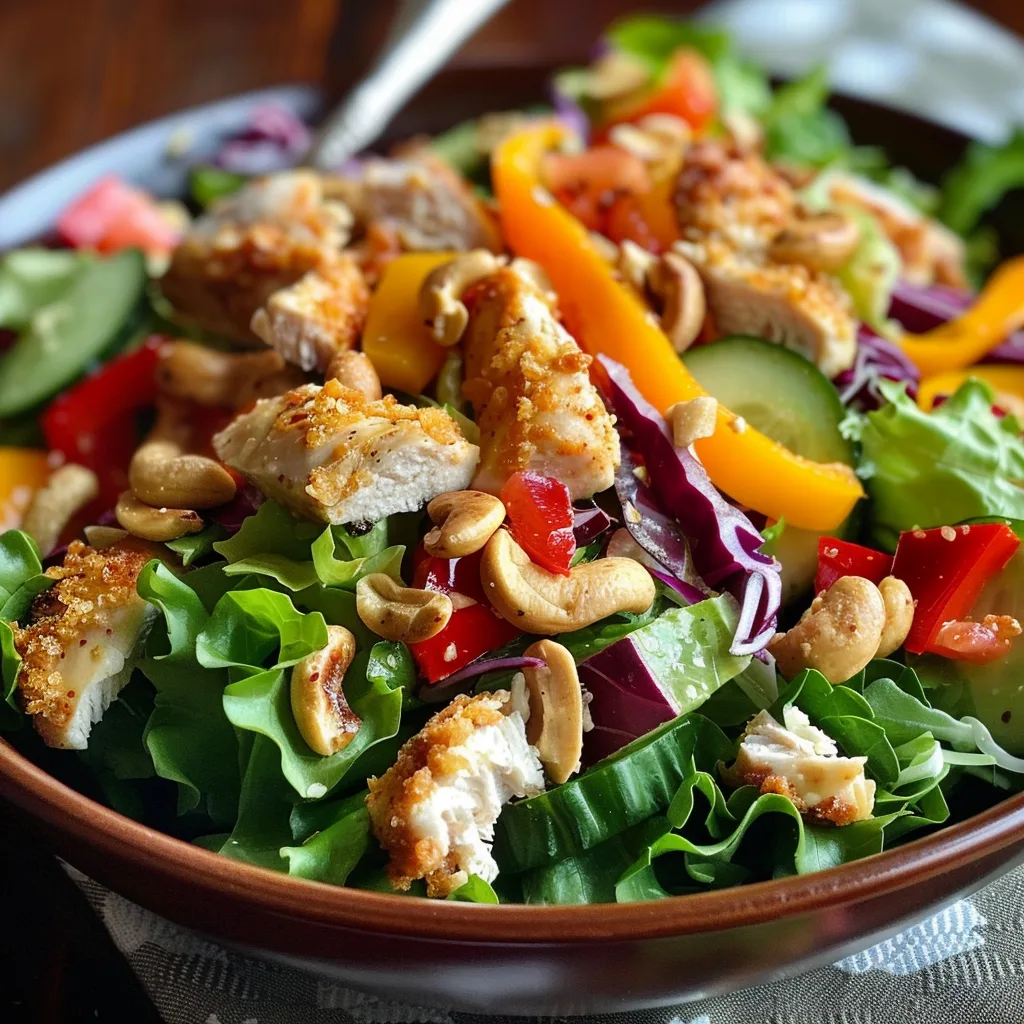
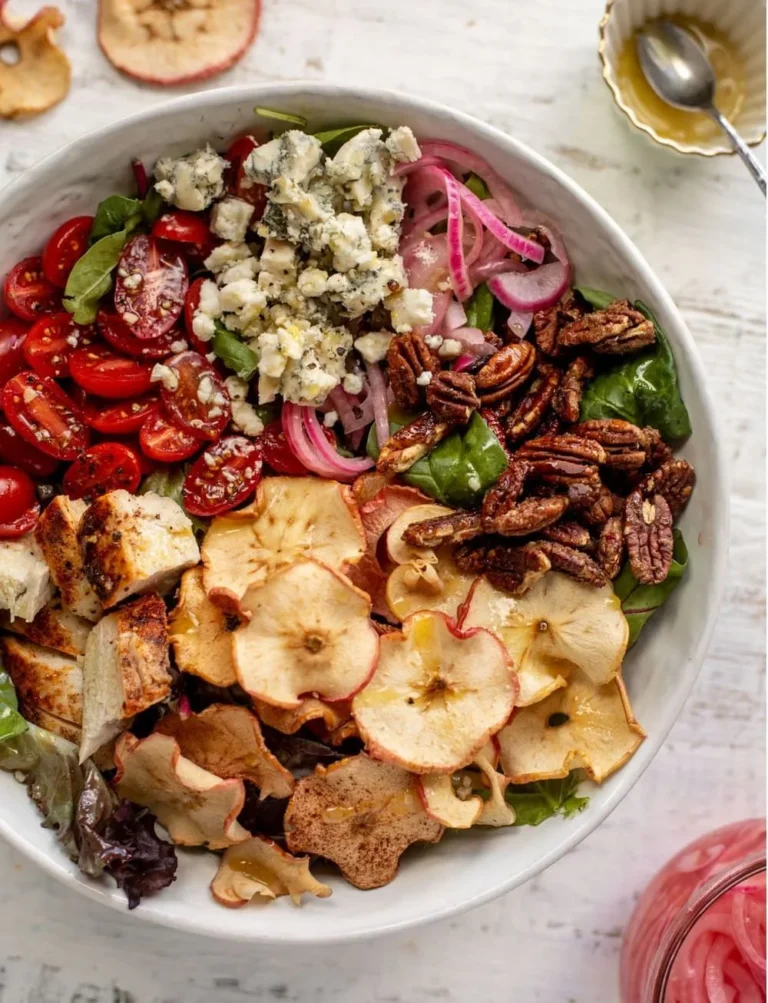
Image source: Web (Bing) / butter-and-bloom.com (Web image (fair-use with source credit))
Quick Answer: Your Base Formula for Cashew Chicken Salad
Cashew chicken salad is a protein-packed bowl of greens, cooked chicken, roasted cashews, and dressing. The base formula never changes: greens, chicken, cashews, dressing. Every variation comes down to how you prepare each one.
As of 2026, the most popular versions lean on a soy-sesame vinaigrette or a creamy ranch-style dressing. The formula is forgiving. Pick one option from each block, and you get a different salad every time.
That's the whole trick.
How This Salad Works: The 4 Building Blocks That Never Change
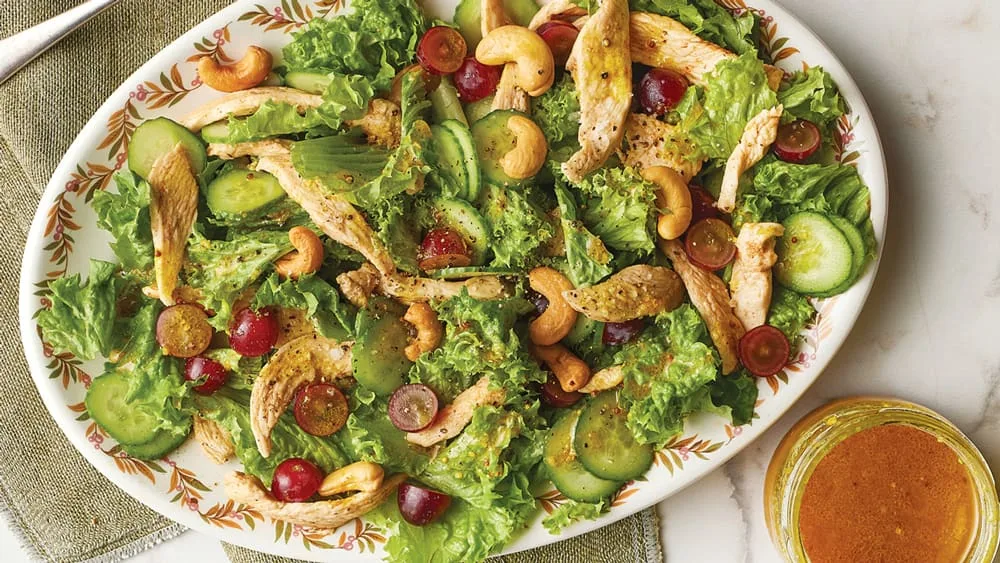
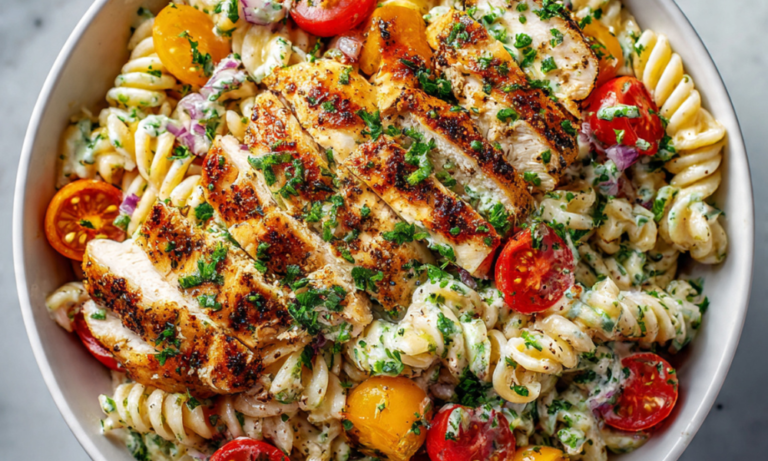
Image source: Web (Bing) / canadianliving.com (Web image (fair-use with source credit))
Every cashew chicken salad, no matter the recipe, rests on the same four pillars. The greens give it body. The chicken delivers protein and heft.
The cashews bring crunch and a buttery richness. The dressing ties it all together.
Here's what each block actually does:
| Building block | Role | What goes wrong |
|---|---|---|
| Greens | Base and texture | Wilted, watery leaves |
| Chicken | Protein and heartiness | Dry, bland shreds |
| Cashews | Crunch and nutty fat | Soggy, soft, or stale |
| Dressing | Flavor and moisture | Too heavy, too sweet, or pooled |
The magic is that you can swap any block without breaking the dish. That's the decision tree we're walking through. Each step below is a branch, and every branch leads to a different but still delicious salad.
Step 1: Choose Your Chicken, Grilled, Poached, or Rotisserie
Your chicken choice sets the whole flavor profile. Grilled gives you smoky char. Poached keeps things tender and neutral.
Rotisserie is the ultimate shortcut.
Grilled Chicken: Best for Smoky, Charred Flavor
Grilled chicken brings a backyard flavor that pairs beautifully with toasted cashews. Season it simply with salt, pepper, and a little paprika. Cook to 165°F, per USDA food safety guidelines, then let it rest for five minutes before slicing.
If you're already firing up the grill, this is the way to go. Want more options? There are plenty of chicken breast salad variations worth trying.
Poached Chicken: Best for Tender, Neutral Bites
Poached chicken is the unsung hero of chicken salads. Simmer boneless breasts in salted water or broth for 15 to 20 minutes at a gentle bubble. The result is moist, mild, and ready to absorb whatever dressing you throw at it.
This is the best route if you want the cashews and dressing to be the stars. If you're watching macros, poached chicken is the leanest option and works well in high protein salad bowls.
Rotisserie Chicken: Best for Speed and Zero Cooking
Rotisserie chicken is the no-cook cheat code. Pick one up, shred the meat, and you're done. It's especially good if you've already got a quick chicken salad bowl in mind.
Just pull the meat while it's still warm, and toss it with the greens right before serving.
If you're meal-prepping, poached chicken is the safest bet. It stays moist in the fridge for three to four days, and it doesn't dry out when reheated. Grilled is better for eating immediately.
Step 2: Pick Your Crunch, Lightly Toasted vs. Deeply Roasted Cashews
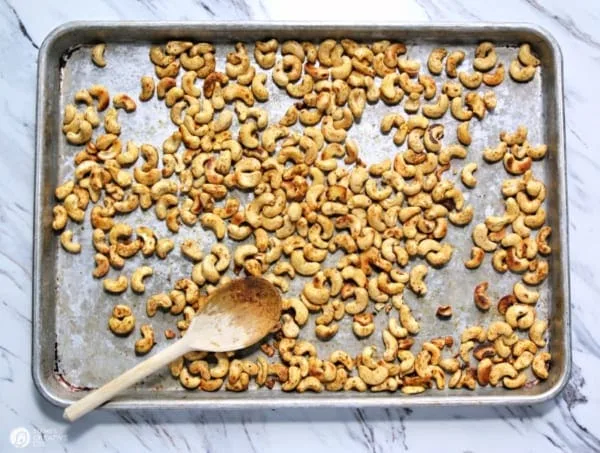
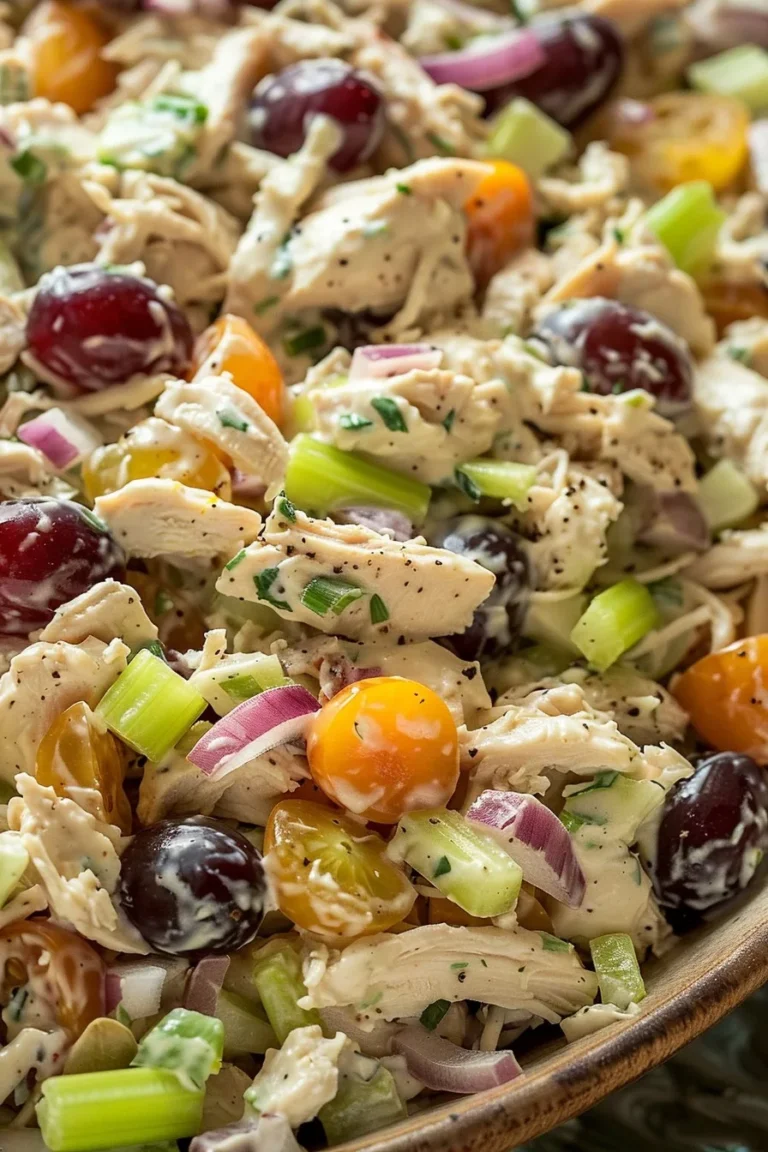
Image source: Web (Bing) / todayscreativelife.com (Web image (fair-use with source credit))
Cashews are the crunch, but how you toast them changes the whole salad. Lightly toasted cashews keep a gentle snap and a sweet, buttery flavor. Deeply roasted ones turn darker, smokier, and more intense.
Here's the breakdown:
| Toasting level | Time | Flavor | Best for |
|---|---|---|---|
| Lightly toasted | 3 to 4 minutes in a dry skillet | Sweet, buttery, mild | Creamy dressings |
| Deeply roasted | 6 to 8 minutes in a 350°F oven | Smoky, nutty, bold | Soy-sesame vinaigrettes |
The visual cue matters. Lightly toasted cashews look pale golden. Deeply roasted ones turn a rich tan.
Watch them closely, because they go from perfect to burnt fast.
If you're using salted cashews, skip the extra salt in the dressing. You'll get plenty of seasoning from the nuts alone.
Step 3: Match Your Dressing, Soy-Sesame Vinaigrette vs. Creamy Ranch-Style
Your dressing is the final branch, and it's where most salads go wrong. Too much dressing turns everything soggy. Too little leaves the bowl dry and sad.
Soy-Sesame Vinaigrette: Best for Asian-Style Salads
This is the classic pairing for cashew chicken salad. Whisk rice vinegar, soy sauce (or tamari for gluten-free), toasted sesame oil, and a touch of honey. The result is tangy, salty, and nutty, which echoes the roasted cashews perfectly.
Dress lightly, about two tablespoons per serving, and toss well.
Creamy Ranch-Style: Best for Hearty, Comfort-Food Bowls
A creamy dressing made with Greek yogurt or buttermilk gives the salad a ranch-like richness. It's thicker, so it coats the greens more heavily. Use about three tablespoons per serving.
This works especially well with grilled chicken and a base of romaine or cabbage slaw.
If you're looking to keep the protein high and the fat moderate, a Greek yogurt base is your friend. It delivers the creamy texture without the heaviness of full mayo. Lighter creamy chicken salads follow the same logic and hold up great in the fridge.
The rule of thumb: dress the salad right before serving. If you're meal-prepping, store the dressing separately and toss everything fresh each day. For more inspiration across the board, browse our full recipe collection to see what else fits your weeknight rotation.
Step 4: Build Your Base, Mixed Greens, Cabbage Slaw, or Lettuce Cups
The base is the last big choice. Mixed greens are the standard. Cabbage slaw adds serious crunch and holds up to dressing longer.
Lettuce cups turn the salad into a hand-held meal.
| Base | Texture | Holds dressing? | Best for |
|---|---|---|---|
| Mixed greens | Tender, leafy | Poor, wilts fast | Serving immediately |
| Cabbage slaw | Crisp, sturdy | Excellent | Meal prep and picnics |
| Lettuce cups | Crunchy, shallow | Poor | Low-carb lunches |
If you're eating right away, mixed greens are perfect. If you're packing lunch for the week, go with cabbage slaw. It stays crisp for days, and it doesn't turn soggy overnight.
For a low-carb option, butter lettuce cups are a great swap. They're light, fresh, and make great finger food.
The Full Workflow: From Raw Ingredients to Plated Salad in 30 Minutes
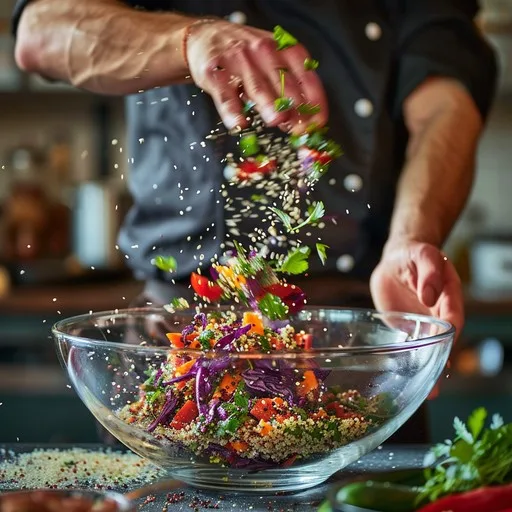
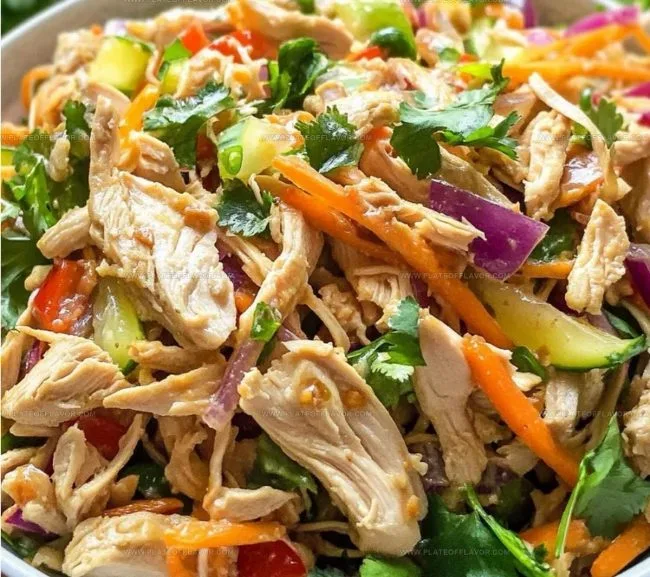
Image source: Web (Bing) / stockcake.com (Web image (fair-use with source credit))
Here's the whole process in one clean sequence. The image above shows the final toss, which is the moment everything comes together.
The 5-Minute Prep Path (Using Rotisserie Chicken)
If you've got a rotisserie chicken, this is almost too easy. Shred the meat while it's warm. Toast the cashews in a dry skillet for 3 to 4 minutes.
Whisk your dressing in a small jar. Toss everything with greens right before serving.
The 30-Minute From-Scratch Path (Grilled or Poached Chicken)
Start with the chicken first, since it takes the longest. Poach or grill it for 15 to 20 minutes. While that cooks, toast the cashews and prep the greens.
Let the chicken rest for 5 minutes, then slice or shred it. Toss everything together with the dressing and serve.
The key is doing the slow stuff first. Chicken takes the longest, so it starts before anything else touches the pan. Everything else is just waiting.
Meal Prep vs. Serve Immediately: What Changes and What Stays the Same
The biggest mistake people make is treating meal prep like the same recipe. It's not. The rules change depending on when you eat.
Serve immediately: dress the whole bowl, toss vigorously, and enjoy. The greens stay crisp, the cashews stay crunchy, and everything tastes fresh.
Meal prep: keep everything separate. Store greens in one container, chicken in another, cashews in a third, and dressing in a small jar. Assemble each day at lunch.
That's how you keep the cashews from going soft and the greens from wilting.
If you're meal-prepping, cabbage slaw is the better base. It holds up for 3 to 4 days without turning soggy. Mixed greens will last about 2 days at best.
Who This Salad Is For: Low-Carb, Gluten-Free, High-Protein, and Nut-Free-ish Variations
Cashew chicken salad adapts to almost any diet. That's why it's so popular.
- Low-carb: Skip the honey in the dressing or use a sugar-free sweetener. Use cabbage slaw or lettuce cups instead of greens.
- Gluten-free: Swap soy sauce for tamari or coconut aminos. Check your rotisserie chicken seasoning, since some brands use wheat-based additives.
- High-protein: Use grilled chicken and add a Greek yogurt-based dressing. A serving lands around 35 to 40 grams of protein.
- Nut-free-ish: Cashews are tree nuts, so this dish isn't safe for severe allergies. If you're just avoiding cashews, toasted sunflower seeds or pumpkin seeds work well.
The salad is naturally high in protein and healthy fats. The main thing to watch is the dressing, which is where most calories sneak in.
Common Mistakes to Avoid and How to Fix Them
These are the problems we see in aggregate reviews over and over. Each one has a simple fix.
Soggy Cashews Ruin Every Bite
Cashews absorb moisture fast. If you toss them into a dressed salad and wait, they turn soft and chewy. Fix it by adding cashews at the very end, right before serving.
For meal prep, keep them in a separate container.
Dry, Bland Chicken Kills the Whole Bowl
Season the chicken before cooking, not after. Salt, pepper, and a little garlic powder go a long way. If you're using rotisserie chicken, taste it first.
Some brands are heavily salted, so adjust the dressing accordingly.
Dressing That Pools at the Bottom
This happens when you add too much dressing or dress the salad too early. The fix is simple: start with half the dressing, toss, then add more if needed. The salad should be lightly coated, not swimming.
Expert Tips for Better Flavor and Texture
A few small moves separate a good bowl from a great one. Season the greens with a pinch of salt before dressing. It sounds minor, but it lifts the whole salad.
Add a squeeze of fresh lime or lemon at the end. That bright pop of acid cuts through the richness of the cashews and dressing.
Warm the cashews slightly before serving. A warm nut has more aroma and crunch than a cold one straight from the fridge. If you're using a soy-sesame vinaigrette, add the toasted sesame oil last.
It's volatile, and it loses its punch if it sits too long in the dressing jar.
Here's a flavor cheat sheet we've gathered from recipe testing communities:
| Tip | Why it works |
|---|---|
| Toss dressing with chicken first | Coats the protein, keeps greens crisp |
| Add cashews last | Preserves crunch |
| Use half the dressing, then adjust | Prevents pooling |
| Rest grilled chicken 5 minutes | Locks in juices |
| Taste your rotisserie chicken first | Adjusts for salt level |
One more thing: don't overdress. You can always add more, but you can't take it out. A lightly dressed salad tastes fresher and lets every ingredient shine.
Frequently Asked Questions
Is cashew chicken salad actually healthy?
It can be, depending on the dressing. A soy-sesame vinaigrette with Greek yogurt or light oil keeps a serving around 400 to 500 calories. The chicken provides 30 to 40 grams of protein, and cashews add healthy fats.
The main calorie trap is a heavy mayonnaise-based dressing. Use a lighter base and watch the portion size.
Can I make it without soy?
Yes. Swap soy sauce for coconut aminos or tamari. Coconut aminos are naturally gluten-free and slightly sweeter.
If you're avoiding soy entirely, a simple lemon vinaigrette with olive oil works just as well. The salad is flexible, so the dressing is easy to customize.
How long does it keep in the fridge?
Assembled salad lasts about 1 day before the greens wilt. Separated components last 3 to 4 days. Store greens, chicken, cashews, and dressing in individual containers.
Cabbage slaw holds up longest, about 4 days. Mixed greens start to turn after 2 days.
What can I use instead of cashews if I have a nut allergy?
Cashews are tree nuts, so they're a real allergy risk. For a nut-free version, use toasted sunflower seeds or pumpkin seeds. They bring the same crunch and a mild, nutty flavor.
If it's just a preference issue, sliced almonds or walnuts are good swaps, though they're also tree nuts.
Should I toast cashews before adding them?
Yes, always. Raw cashews are soft and bland. A quick toast in a dry skillet for 3 to 4 minutes brings out their buttery sweetness and adds crunch.
Watch them closely, since they burn quickly. The visual cue is a light golden color with a nutty aroma.
Final Verdict: Your Decision Guide by Situation
Here's how to pick your path based on what you're facing tonight.
Quick Weeknight Dinner
Use rotisserie chicken, mixed greens, and a soy-sesame vinaigrette. Toast the cashews for 3 minutes. Assemble right before eating.
Total time is under 10 minutes, and it beats takeout.
Meal Prep for the Week
Poach your chicken ahead of time. Build the base with cabbage slaw instead of greens. Keep the dressing in a separate jar and add it daily.
This holds up for 3 to 4 days without turning soggy.
Feeding a Crowd
Grill the chicken for the best flavor. Double the cashews, since people pick them out. Serve the dressing on the side so guests control their own portion.
This is a potluck winner.
Low-Carb or Keto Day
Skip the honey in the dressing or use a sugar-free sweetener. Use butter lettuce cups or cabbage slaw instead of mixed greens. You'll get a satisfying meal with minimal carbs and plenty of protein.
At the end of the day, the formula is simple. Pick your chicken, pick your crunch, pick your dressing, pick your base. The combinations are endless, and the salad never gets boring.