Thai Chicken Salad: Fresh, Zesty, Ready in 30 Minutes
Thai chicken salad is one of those dishes that sounds simple until you actually make it. You toss chicken, lettuce, and a bottle of Asian dressing together, and somehow it tastes flat. That's because the real thing lives in balance, not in ingredients.
Get that balance right, and you'll never look at a sad deli salad the same way again.
The magic formula is sour, sweet, salty, and spicy, all hitting at once. In our research, the most common failure is an overpowering fish sauce that drowns everything else. A proper dressing uses about 2 tablespoons of fish sauce to 4 to 6 tablespoons of lime juice per pound of chicken.
That ratio matters. Once you understand it, you can build any version of this salad you want.
Quick Answer
Thai chicken salad is a fresh, tangy dish built on a four-flavor balance. The core is sour, sweet, salty, and spicy. Use lime juice, fish sauce, palm sugar, and chilies.
Add shredded chicken, herbs, and crunchy vegetables. Serve immediately for the best texture.
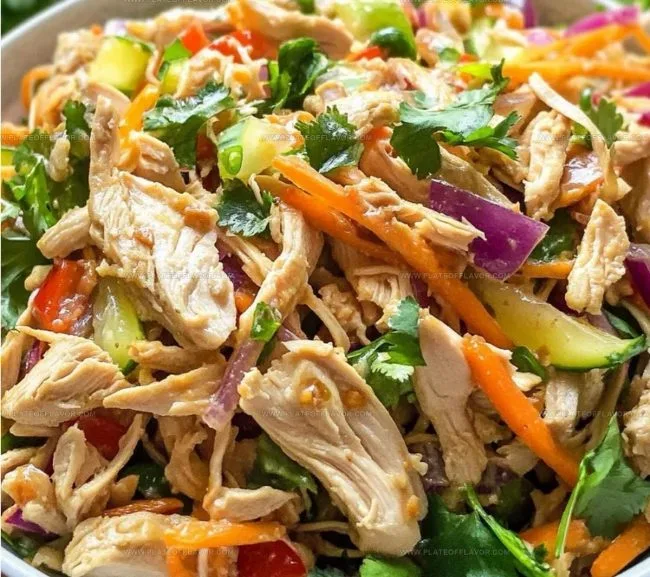
Image source: Bing (Web (fair-use with source credit))
Why Most Thai Chicken Salads Miss the Mark
There's a real knowledge gap here. Most home cooks grab a bag of pre-washed greens, some shredded rotisserie chicken, and a bottle of sweet chili sauce. That's not a Thai chicken salad.
That's just a chicken salad with a vaguely Asian dressing.
The authentic family of dishes splits into two main branches. Larb gai is the minced, highly seasoned version from Thailand's Isan region, often served warm with toasted rice powder. Yam gai is the broader category of Thai-style chicken salads, usually featuring sliced or shredded meat over greens.
Both share that signature dressing, but they behave differently on the plate.
The biggest mistake we see in recipe reviews is a watery, soggy result. That happens when the dressing sits on the greens too long, or when the chicken wasn't properly dried after cooking. Another classic failure is a flat, one-note flavor.
If you skip the palm sugar or use bottled lime juice, the sour and sweet notes collapse, and the fish sauce takes over.
As of 2026, the most popular recipe searches are for the Westernized version with peanut dressing. That's fine, but it's not the whole story. Knowing which version you're actually making is the first step to getting it right.
The One Formula That Never Fails
Every good Thai chicken salad comes back to a single formula. Four flavors, in balance, plus serious texture contrast. That's it.
Here's what each flavor does:
- Sour comes from fresh lime juice. It brightens everything and cuts through the richness of the chicken.
- Sweet comes from palm sugar or a substitute like brown sugar. It softens the acidity and rounds out the fish sauce.
- Salty comes from fish sauce. It adds depth and umami, but it's potent, so it needs the lime to keep it in check.
- Spicy comes from bird's eye chilies. They bring heat without overwhelming the other three, if you use them right.
The texture side matters just as much. You want something crunchy, something tender, and something fresh. Shredded cabbage gives you the crunch.
The chicken gives you the tender bite. Cilantro, mint, and Thai basil give you the fresh pop. Add crushed peanuts or toasted rice powder for a nutty finish.
If one flavor is missing, the whole thing falls apart. Too salty, and you taste only fish sauce. Too sweet, and it becomes a dessert dressing.
Too sour, and it puckers your mouth.
A quick reference table:
| Flavor | Ingredient | Common mistake |
|---|---|---|
| Sour | Fresh lime juice | Using bottled lime juice |
| Sweet | Palm sugar | Adding too much, or none at all |
| Salty | Fish sauce | Over-pouring, low-quality brand |
| Spicy | Bird's eye chilies | Not removing seeds for milder heat |
Keep that table in mind. It's the difference between a salad that works and one that gets thrown out.
The Anatomy of a Thai Chicken Salad
Once you understand the formula, the structure gets simple. A Thai chicken salad has five components. You can swap and adjust each one, but if you skip any of them, the dish feels incomplete.
Protein. The chicken itself. Grilled, poached, pan-seared, or leftover, the method changes the texture but not the core identity. Minced chicken works for larb gai.
Sliced or shredded breast works for yam gai.
Dressing. The soul of the dish. Classic lime-fish sauce dressing is bright and punchy. A creamy peanut version is richer and more approachable.
Both follow the same four-flavor rule.
Aromatics and herbs. This is where the freshness lives. Cilantro, mint, Thai basil, and sliced shallots. These are not optional garnish.
They're a full quarter of the flavor profile.
Crunch. Toasted rice powder, crushed peanuts, or thinly sliced cabbage. This gives the salad its bite and keeps it from feeling like a limp pile of leaves.
Base. Shredded cabbage, butter lettuce, romaine, green mango, or glass noodles. The base ties everything together and soaks up the dressing without turning to mush.
If you're working with a pre-cooked bird, you can skip the cooking step entirely. Many home cooks start with a leftover rotisserie chicken and build the rest around it. That's a smart shortcut, and it's one of our favorite ways to use up a store-bought bird.
The key is to shred the meat while it's still warm, then let it cool before dressing it.
First Fork: Which Chicken Are You Starting With?
This is the first decision in your personal version of the dish. The answer changes based on what you have on hand and how much time you're willing to spend.
Grilled chicken from scratch. This gives you the most flavor. A simple marinade of soy sauce, garlic, and coriander root, then a quick sear over high heat. Grilled chicken stays juicy and picks up a smoky note that pairs beautifully with the lime dressing.
Budget about 30 to 40 minutes total, including marinating.
Poached or pan-seared breast. Poaching is the gentlest method. It keeps the meat tender and neutral, letting the dressing shine. Simmer the breast in lightly salted water for about 15 minutes, then rest it before shredding.
Pan-searing gives you a bit more color and flavor, but it's easier to overcook.
Leftover rotisserie chicken. This is the fastest route. Pull the meat off the bone, shred it, and you're already halfway there. The rotisserie flavor is mild, so it works well with a bold dressing.
You can have the whole salad on the table in about 15 minutes. If you're looking for a quick dinner, this is your best bet.
Other cooked leftovers. Grilled chicken from last night, baked thighs, even the meat from a roasted chicken sandwich. Any cooked chicken works. Just make sure it's not dry or heavily sauced, because the dressing will clash with a strong pre-existing flavor.
If you're meal prepping for the week, poached chicken is the most forgiving. It stays moist in the fridge and doesn't dominate the other ingredients. If you're hosting a summer cookout, grilled chicken is the winner.
The smoke and char hold up against the bright dressing.
Second Fork: Which Dressing Do You Want?
This is where the two main camps split. Classic lime-fish sauce dressing is the authentic route. Creamy peanut dressing is the Westernized favorite.
Both are valid. They just serve different moods.
Classic lime-fish sauce dressing is bright, thin, and punchy. It's made by whisking fish sauce, fresh lime juice, palm sugar, and sliced bird's eye chilies together. The result is a vinaigrette-like liquid that coats the salad without weighing it down.
If you want the true Thai street-food experience, this is the one.
Creamy peanut or satay-style dressing is thicker and richer. It usually combines peanut butter, coconut milk, lime juice, fish sauce, and a little sugar. It clings to the chicken and feels more like a comfort-food salad.
This version is often what people picture when they hear "Thai chicken salad" in an American restaurant.
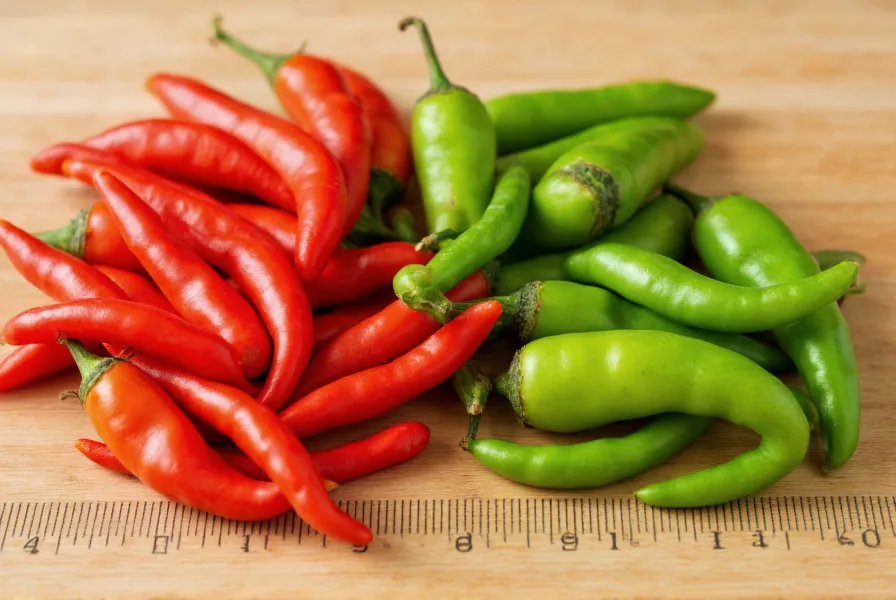
Image source: Bing (Web (fair-use with source credit))
Heat is a separate dial. Bird's eye chilies are seriously hot, rating between 50,000 and 100,000 Scoville Heat Units. That's 10 to 20 times hotter than a jalapeño.
If you're not used to that level, start with one chili, seeds removed. You can always add more.
For a milder heat, swap in a serrano or a large red chili. They bring a gentler warmth without the aggressive burn. And if you want zero heat, skip the chilies entirely and add a pinch of chili flakes at the end.
You'll lose some authenticity, but you'll keep the salad edible for sensitive palates.
The dressing should be made fresh, right before serving. It doesn't emulsify the way a mayonnaise-based dressing does. Lime juice and fish sauce will separate if they sit for more than 30 minutes.
Give it a quick whisk right before you pour it over the salad.
Third Fork: What's the Base and Crunch?
This is the texture decision. Shredded cabbage is the default. It's cheap, sturdy, and stays crisp under the dressing.
Butter lettuce works if you want something softer and more elegant. Green mango adds a tart, crunchy twist. Glass noodles turn the salad into a heartier meal.
Cabbage is the best meal-prep choice because it doesn't wilt overnight. Green mango is the special-occasion pick. Glass noodles make it dinner-worthy on its own.
Crunch can come from multiple places. Toasted rice powder gives an authentic nutty finish. Crushed peanuts add a familiar crunch.
Fried shallots bring a savory, crispy pop. Mix two of them if you want real depth.
Step-by-Step: Building the Perfect Bowl
Here's the workflow that works every time.
- Toast the rice. Dry pan over medium heat, 5 to 7 minutes, stirring constantly. The rice should turn golden and smell nutty.
- Grind the rice. Use a mortar and pestle or a spice grinder. You want a coarse powder, not flour.
- Prep the chicken. Shred, slice, or mince it depending on your chosen branch.
- Make the dressing. Whisk fish sauce, lime juice, palm sugar, and chilies together.
- Toss the base. Cabbage, herbs, and shallots in a big bowl.
- Add the chicken and dressing. Toss quickly, right before serving.
- Finish with crunch. Toasted rice powder, peanuts, or fried shallots on top.
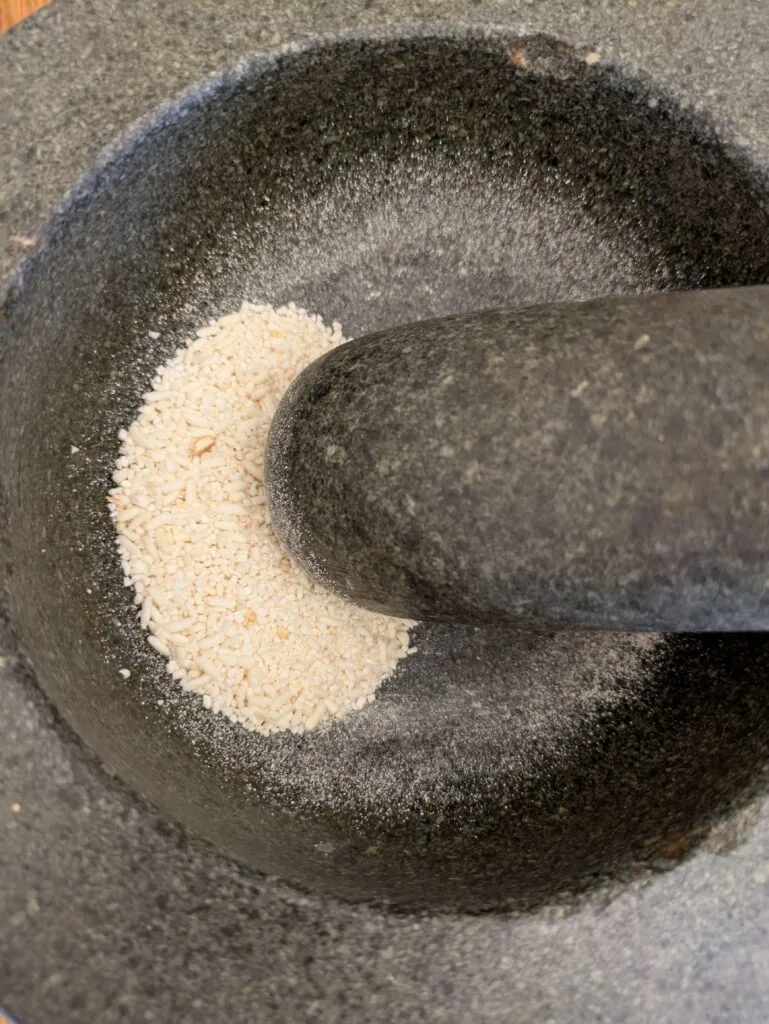
Image source: Web (Bing) / pipersfood.com.au (Web image (fair-use with source credit))
The most important step is the final toss. The dressing should coat everything evenly, not puddle at the bottom. If you're serving later, keep the dressing in a separate jar.
For safe handling, the USDA recommends cooking chicken to an internal temperature of 165°F before you shred it. That guidance applies to every method in this article.
Larb Gai vs. Yam Gai vs. Westernized Salad
These three versions get confused constantly. Here's the breakdown.
Larb gai is minced chicken, cooked or sometimes served raw in the traditional style. It's warm, heavily seasoned, and finished with toasted rice powder. It's more of a meat dish than a lettuce salad.
Yam gai is sliced or shredded chicken over fresh greens. It's the closest match to what Westerners call Thai chicken salad. It uses the same bright dressing but keeps the chicken in larger pieces.
Westernized Thai chicken salad usually adds peanut dressing, crunchy fried noodles, and sometimes mandarin oranges. It's sweeter and richer. It's delicious, but it's a different dish entirely.
Choose larb if you want authentic street food. Choose yam if you want a fresh, light salad. Choose the Westernized version when you're feeding people who prefer familiar flavors.
7 Mistakes That Ruin Thai Chicken Salad
These are the errors we see most often in recipe reviews and comment threads.
- Dressing sitting too long. The greens go soggy within minutes. Toss right before serving.
- Overusing fish sauce. A heavy hand makes the salad taste like brine. Measure it every time.
- Bottled lime juice. It's flat and slightly bitter. Fresh limes only, no exceptions.
- Burning the rice powder. It turns bitter and acrid. Toast over medium heat, not high.
- Substituting sweet basil for Thai basil. Sweet basil lacks the anise-like bite. Thai basil is worth the trip to an Asian grocer.
- Dry, unseasoned chicken. The salad needs flavorful meat. Season it while cooking.
- Skipping the rest time. Grilled or poached chicken needs 5 minutes of rest before shredding. Otherwise, the juices run out.
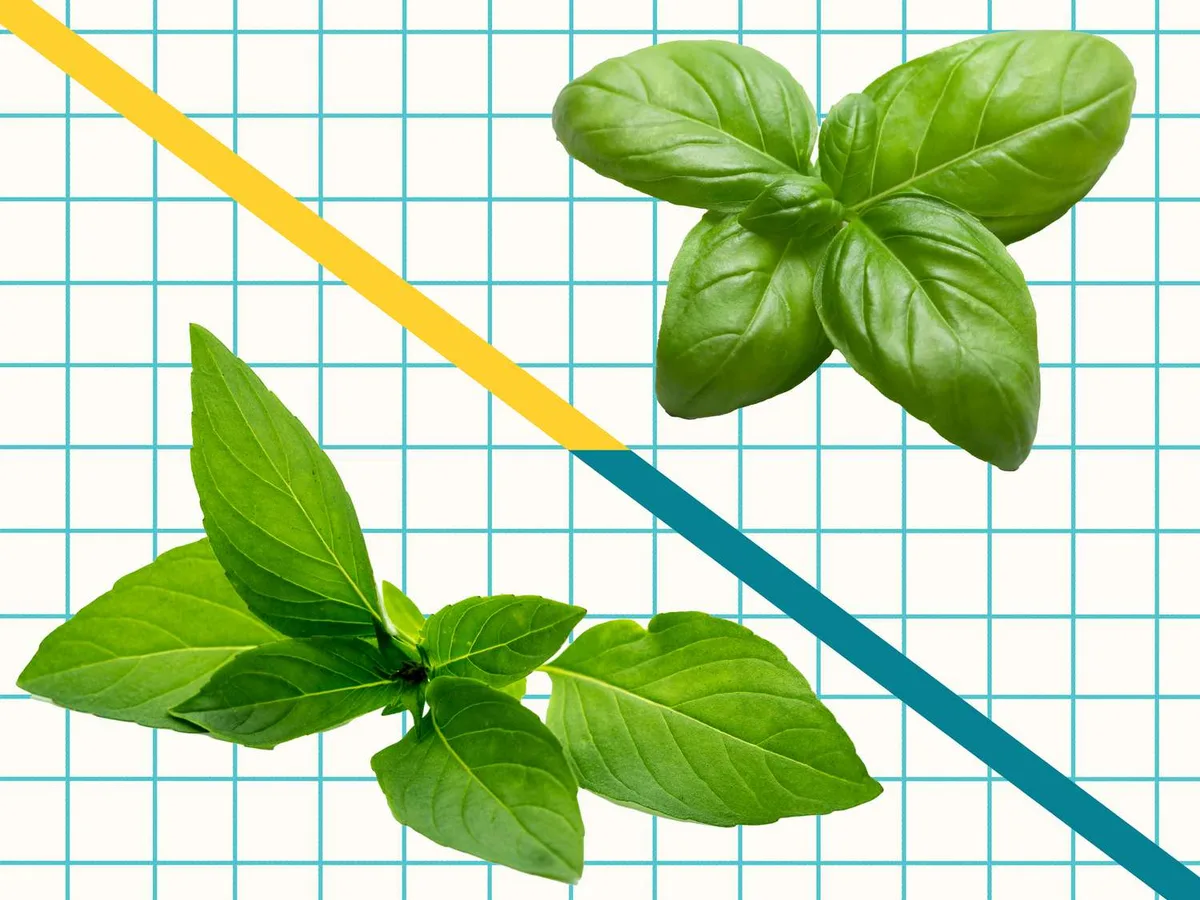
Image source: Web (Bing) / seriouseats.com (Web image (fair-use with source credit))
That Thai basil swap is the sneakiest one. The visual difference is subtle, but the flavor gap is massive. If you genuinely can't find Thai basil, use extra mint and cilantro to bridge the gap.
Who Each Version Is Best For
Different versions fit different people. Match the branch to your situation.
Meal preppers. Go with yam gai style using cabbage and a separate dressing jar. It holds up for 3 to 4 days in the fridge. If you want more variety, our make-ahead pasta salads follow the same storage logic.
Low-carb eaters. Skip the sugar or use a sugar substitute. Use shredded cabbage as the base. Swap the rice powder for crushed peanuts.
Weeknight cooks. Use a store-bought rotisserie chicken and the classic lime dressing. You can have dinner ready in 15 minutes flat.
Gluten-free households. The classic version is naturally gluten-free. Just verify your fish sauce brand doesn't contain wheat.
High-protein goals. This salad delivers roughly 30 to 40 grams of protein per serving with a full chicken breast. It fits neatly into a higher-protein meal plan.
Party hosts. Serve the filling in lettuce cups. Let guests build their own. It's interactive, looks great, and handles a crowd without fuss.
For extra inspiration, our grilled chicken pasta salads use the same protein-first thinking. And if you want a full lineup of quick chicken dinners, our chicken breast salad roundup has plenty of options beyond Thai flavors.
What It Costs: Time, Calories, and Ingredients
Time depends entirely on your chicken method. Poached or rotisserie gets you to the table in 15 to 20 minutes. Grilling from scratch bumps that to 30 to 40 minutes.
The dressing itself takes about 5 minutes.
Calories land around 350 to 450 per serving with a cabbage base and a pound of chicken. That's a solid main course for most eaters. The peanut dressing version runs slightly higher due to the coconut milk and peanut butter.
Ingredient costs are modest. Fish sauce, lime, and sugar are pantry staples after the first buy. Specialty items like Thai basil and makrut lime leaves cost a little more, but you only need small amounts.
A single bunch of Thai basil stretches across three or four batches.
Expert Tips for Tweaking It Like a Pro
Make khao khua at home. It's cheaper than buying it and tastes fresher. Toast glutinous rice in a dry pan, then grind it coarse.
Store the extra in an airtight jar for up to a month.
If palm sugar isn't available, brown sugar works at about a 1:1 swap. It's not identical, but it hits the same caramel note. For a deeper flavor, use half palm sugar and half honey.
Build a small Thai pantry once. Fish sauce, palm sugar, Thai basil seeds, and dried chilies last for months. That way, this salad becomes a 15-minute weeknight meal instead of a special project.
FAQs
Can I make it ahead of time?
Yes, but store the components separately. Keep the dressing in a jar, the chicken and base in a sealed container, and the herbs loosely wrapped. Assemble right before serving.
Assembled salad lasts about 3 to 4 days in the fridge.
Is fish sauce safe for a shellfish allergy?
Fish sauce is made from anchovies, not shellfish. However, some brands share processing facilities. Check the label carefully.
If you're unsure, consult your doctor or avoid it entirely.
What's the best substitute for Thai basil?
Sweet Italian basil is the closest visual match, but it lacks the anise-like bite. Use a mix of sweet basil and mint to bridge the flavor gap. Cilantro also helps maintain the fresh herbal character.
How do I tone down the heat without losing flavor?
Remove the chili seeds and membranes before slicing. That cuts the heat significantly while keeping the chili flavor. Or use a milder pepper like serrano or a large red chili.
For zero heat, skip the chilies and add a pinch of smoked paprika for depth.
What if I don't have palm sugar?
Brown sugar works as a direct substitute. Use about 1 tablespoon of brown sugar for every tablespoon of palm sugar. Honey also works, but it adds a floral note that changes the profile slightly.
Can I use chicken thighs instead of breast?
Absolutely. Thighs are more forgiving and stay juicier. They work especially well for grilling.
Just make sure they reach 165°F internally before you shred or slice them.
Choose Your Version: A Quick Decision Guide
Here's the entire article distilled into three questions.
What chicken do you have? If it's already cooked, you're 15 minutes away. If you're starting raw, plan for 30 to 40 minutes and grill for the best flavor.
What texture do you want? Cabbage and shredded chicken for a classic salad. Green mango and sliced chicken for something brighter. Glass noodles for a heartier meal.
What flavor profile? Bright lime-fish sauce for authentic Thai street food. Creamy peanut dressing for a familiar, crowd-pleasing bowl. Split the difference with a mild chili and extra herbs.
That's the whole decision tree. Pick your branch, follow the steps, and you'll have a Thai chicken salad that actually tastes like Thailand. The first time you nail that four-flavor balance, you'll understand why this dish is so beloved.