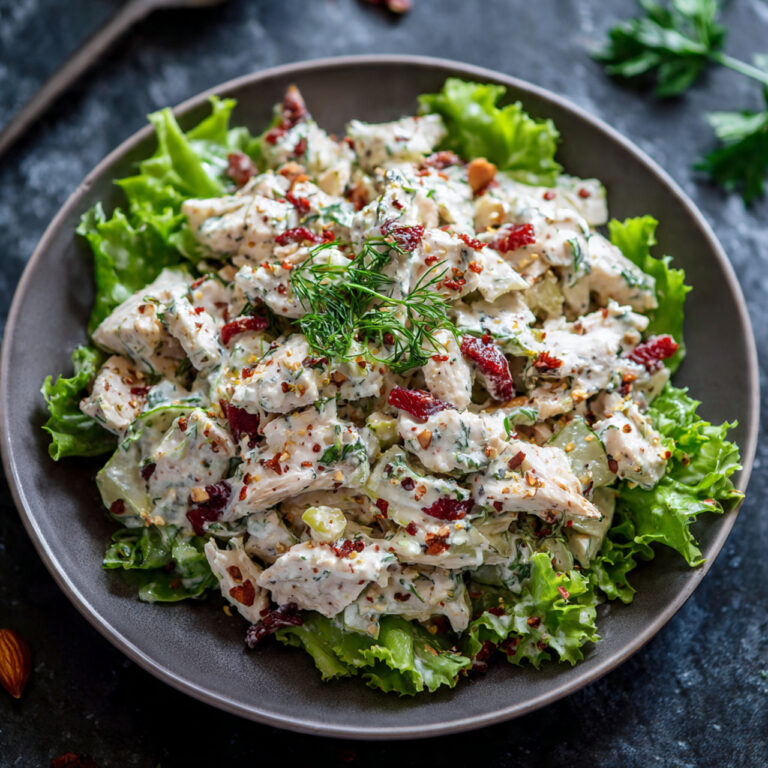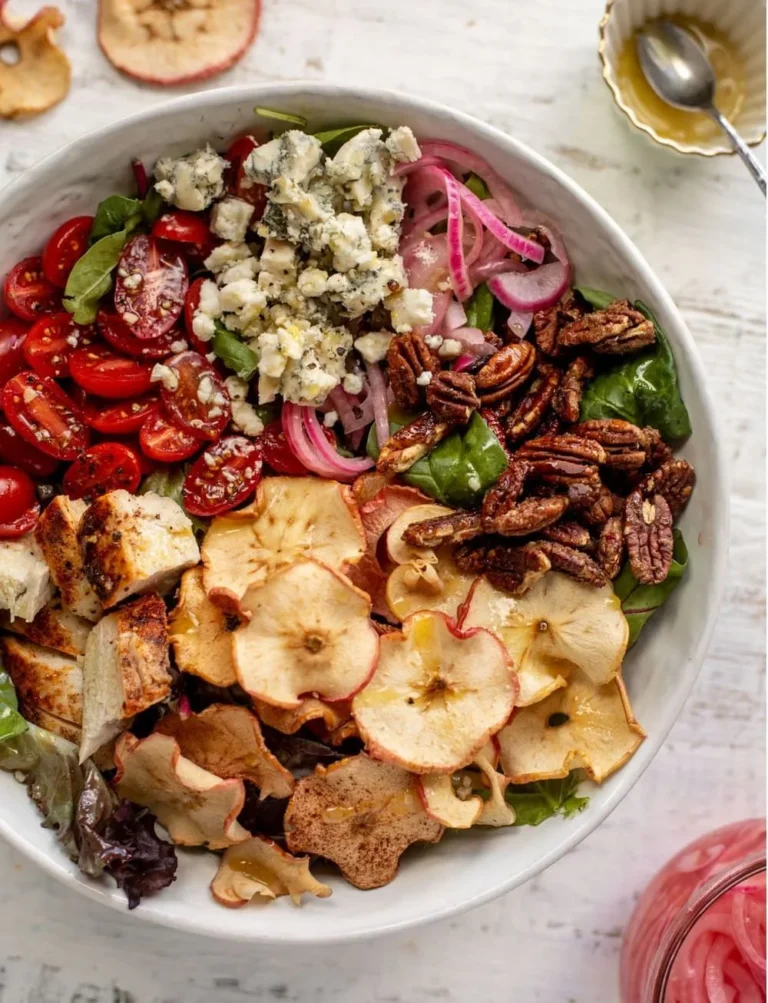
Cashew Chicken Salad Recipe & Tips
You've made a batch of cashew chicken salad, but something's off. It's bland, soggy, or just doesn't have that satisfying punch you were hoping for. The good news is, it's almost never the recipe itself, it's a series of small decisions in your ingredients and method that stack up to make or break the final dish. Cashew chicken salad is deceptively simple, which is why getting it just right matters.
Our research into aggregate user reviews and recipe feedback shows the biggest complaint is a lack of flavor and poor texture. To fix that, you need to understand the core variables at play. The USDA recommends cooking chicken to a safe internal temperature of 165°F (74°C), but how you get there and what you do next is where your salad's character is built.
Let's break down those key choices.
Quick Answer
The best cashew chicken salad balances creamy, crunchy, savory, and tangy. Use roasted, salted cashews for maximum flavor and a Greek yogurt-mayonnaise hybrid dressing for a lighter tang. Shred, don't cube, your cooked chicken breast for better sauce adhesion.
Add your nuts and any crisp vegetables just before serving to maintain texture. Chill the mixed salad for at least an hour before eating for the flavors to meld.
Why Your Cashew Chicken Salad Tastes Bland (And How to Fix It)
Bland chicken salad usually comes down to two root causes: underseasoned chicken or a flat dressing. If you're just mixing plain cooked chicken with mayo and a handful of nuts, you're missing the layers that make it memorable. The chicken itself is a canvas.
Poaching it in well-salted water or seasoning it aggressively before baking builds a flavor foundation that carries through. The dressing is more than a binder, it's where acidity (from lemon juice, rice vinegar, or lime) and aromatics (like finely minced shallot or a pinch of garlic powder) live.
The other common culprit is textural monotony. If everything is soft, the eating experience falls flat. That's why the contrast between the creamy dressing, the tender chicken, and the crisp bite of celery and cashews is non-negotiable.
Getting this right means treating each component with intention, not just dumping them into a bowl together.
The Anatomy of a Great Cashew Chicken Salad: What You're Really Building
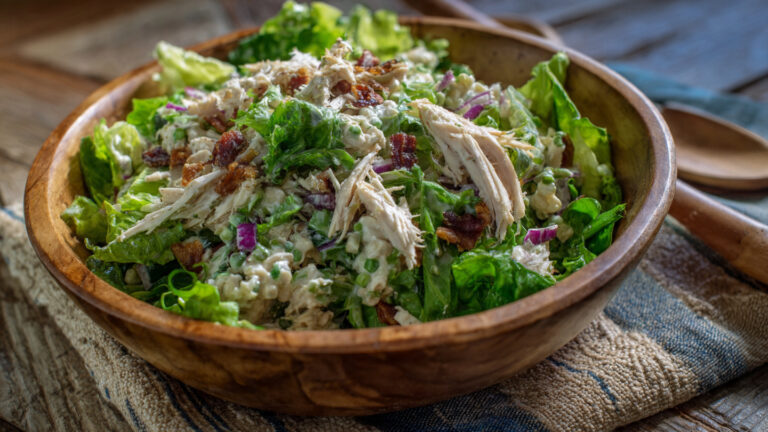
Think of your salad as a structured system. It has a protein base (the chicken), a crunchy element (celery, onions, cashews), a creamy binder (the dressing), and seasoning agents (herbs, spices, acids). When one part is weak, the whole structure suffers.
- The Protein Base: This is your primary source of substance and savory flavor. Its texture, shredded, chopped, or cubed, directly affects how the dressing coats it and how it feels in your mouth.
- The Crunch Element: This provides contrast and freshness. Celery is the classic, offering a clean, watery crunch. Green onions add a sharp, aromatic bite. The cashews themselves bring a rich, buttery crunch that's distinct from the vegetables.
- The Creamy Binder: This unifies the components and carries the secondary flavors, tanginess, sweetness, and herbs. Its consistency dictates whether the salad feels light or heavy.
- The Seasoning Agents: Salt and pepper are the start. Fresh herbs like tarragon or dill add brightness, while a dash of curry powder can completely transform the profile. Acidity from citrus or vinegar cuts through the richness and makes all the other flavors pop.
Understanding this anatomy lets you diagnose problems. Is it soggy? The crunch element was added too early or is too watery.
Is it bland? The seasoning agents are missing or the protein base wasn't properly seasoned during cooking.
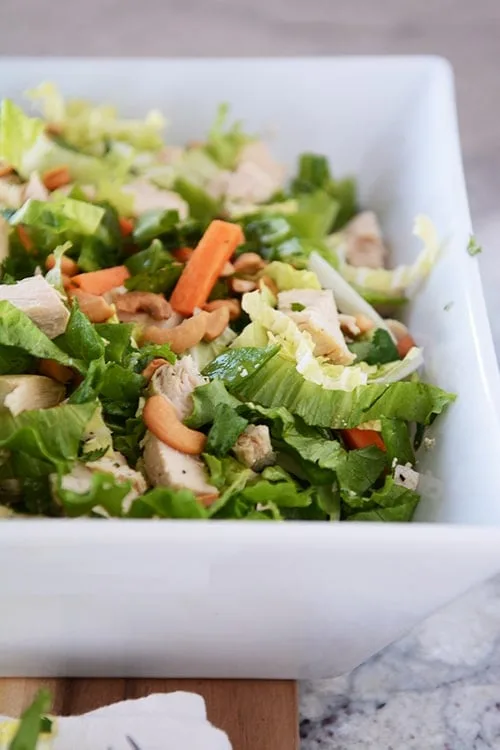
Image source: Bing (Web (fair-use with source credit))
The Core Ingredient Face-Off: Your Key Decisions
This is where your salad's destiny is decided. Each major ingredient has clear alternatives, and your choice depends on your priority: maximum flavor, ultimate convenience, or a specific dietary profile.
Chicken: Rotisserie vs. Home-Cooked vs. Canned
Your chicken decision is the most impactful one you'll make.
- Rotisserie Chicken: The undisputed champion of convenience. It's cooked, flavorful, and ready to shred. The skin and drippings often mean it's already well-seasoned. The trade-off is you have less control over the salt content and the texture can be slightly drier in parts. It's the best choice if your goal is a quick, no-cook lunch.
- Home-Cooked Chicken Breast: This gives you total control. You can poach it in broth for exceptional moisture, bake it with your favorite rub, or even shred it from a simple poached preparation. The key is seasoning the cooking liquid or the chicken itself generously. This is the best route for meal prep or if you're watching sodium intake.
- Canned Chicken: A true pantry emergency option. It's convenient and requires zero prep, but the texture is often mushy and the flavor is very neutral, sometimes with a metallic note. It works in a pinch, but for a salad where chicken is the star, it's the weakest choice.
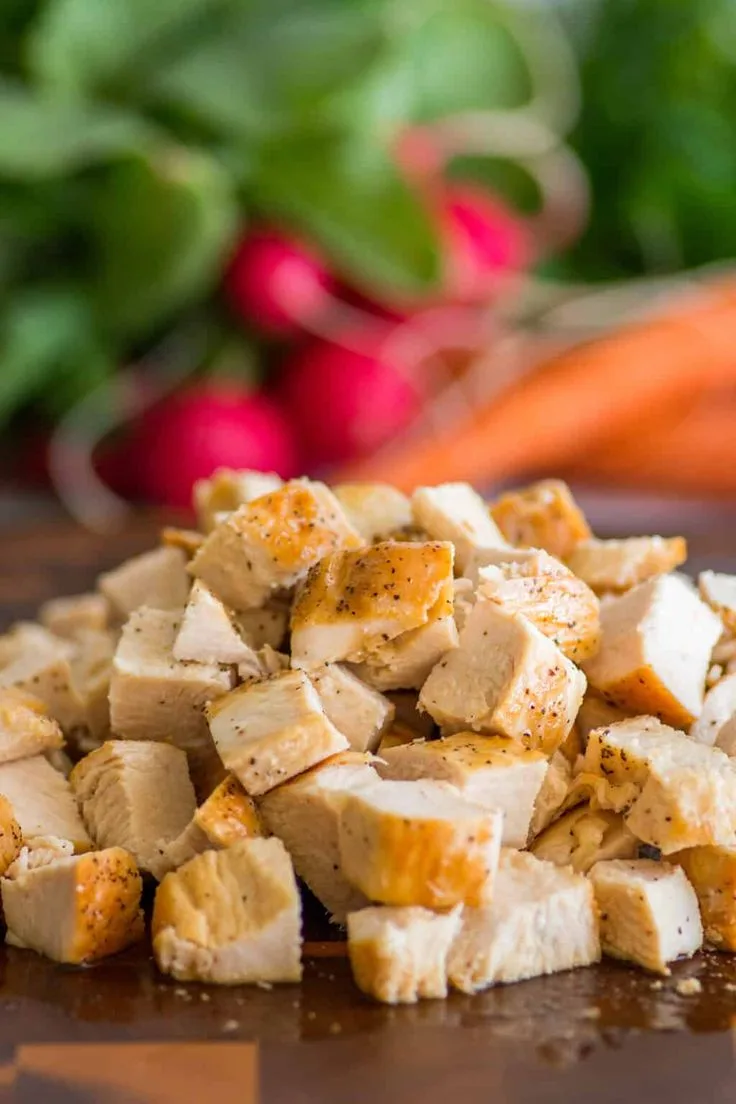
Image source: Bing (Web (fair-use with source credit))
Cashews: Raw vs. Roasted & The "Soggy Nut" Problem
Cashews aren't just a mix-in; they're a defining feature. Raw cashews are mild and soft, with a almost sweet creaminess. Roasted cashews, especially dry-roasted salted ones, have a deeper, nuttier flavor and a firmer, snappier crunch.
For a salad that actually tastes like cashews, roasted and salted are the clear winner.
This leads to the "soggy nut" problem. If you mix roasted cashews into the salad and then store it for days, they absorb moisture from the dressing and vegetables and lose their crunch. The pro move?
Store the salad and the cashews separately. Fold the nuts in gently just before you pack your lunch or serve the dish. This preserves that essential textural contrast.
The Dressing: Mayo, Yogurt, or a Hybrid?
The dressing binds everything together, and your choice here affects calorie count, tanginess, and stability.
- Full Mayonnaise: This is the classic, rich, and creamy choice. It's stable, coats beautifully, and has a familiar, neutral flavor. A good quality, real-ingredient mayo is key. The downside is it can feel heavy and lacks the bright tang some palates prefer.
- Full Greek Yogurt: This is the go-to for a lighter, high-protein salad. It's notably tangier and less rich. The potential issue is that yogurt-based dressings can "weep" or separate more easily, especially if the salad sits for a while. Using a very thick, full-fat Greek yogurt helps mitigate this.
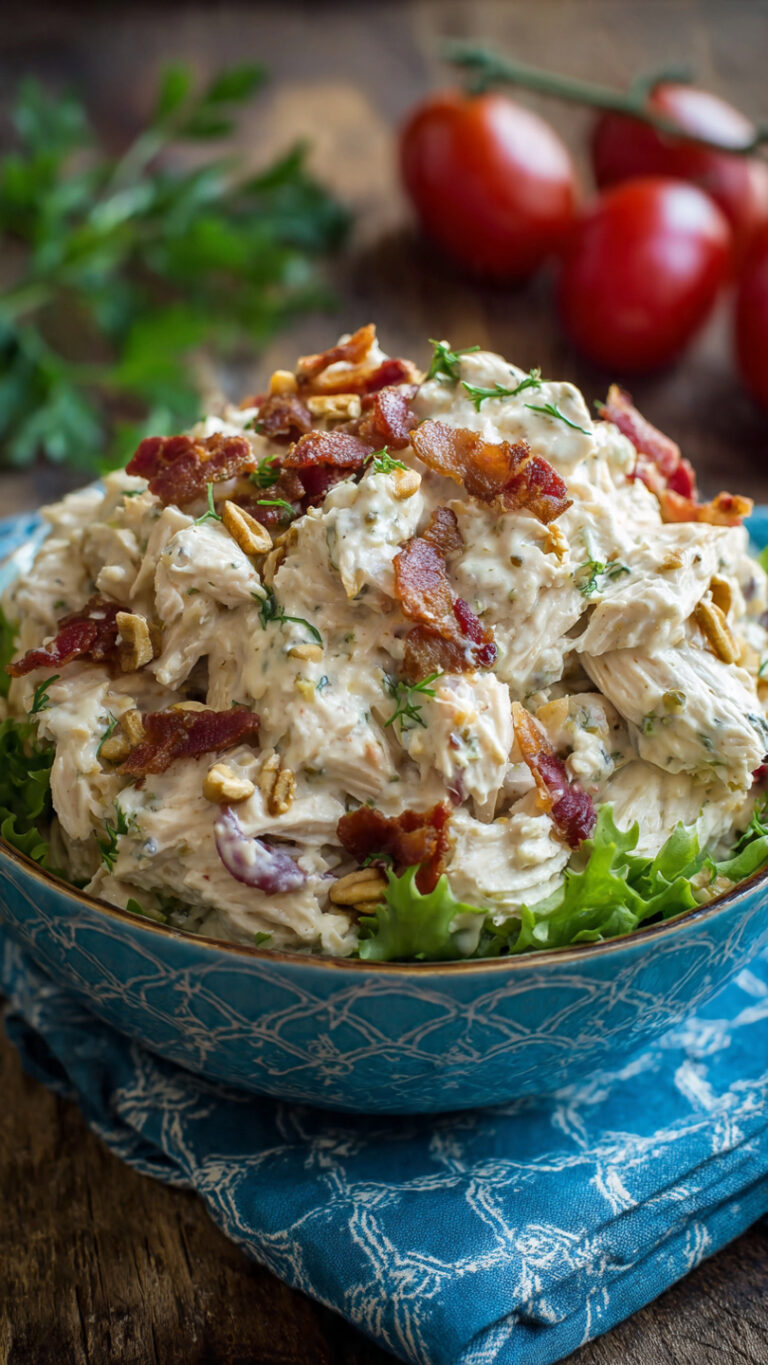
- The Hybrid (Our Recommendation): For the best of both worlds, mix them. A 50/50 blend of mayo and Greek yogurt gives you the creamy, stable body of mayo with the tangy lift of yogurt. It feels fresher and lighter than all-mayo but holds up better than all-yogurt. This is the choice if you want a balanced, crowd-pleasing result that still feels a bit elevated.
The Mix-In Matrix: Celery, Herbs, and Beyond
Once you've locked in your chicken, cashews, and dressing, the add-ins let you customize. Here’s how common choices play out:
| Mix-In | Flavor Contribution | Texture Contribution | Best For… |
|---|---|---|---|
| Celery | Clean, fresh, slightly bitter. | High-water content crunch. | The classic base crunch. Essential. |
| Green Onion / Scallions | Sharp, oniony, aromatic. | Crisp bite. | Adding pungency without overwhelming. |
| Red Grapes | Sweet, juicy bursts. | Soft, juicy pop. | Sweet & savory profiles; great contrast. |
| Diced Apple | Sweet, tart, fresh. | Firm, watery crunch. | A fall twist; adds freshness. |
| Fresh Dill or Tarragon | Bright, anise-like, grassy. | Delicate leaf. | Lifting the flavor with herbal notes. |
| Dried Cranberries | Sweet, tart, concentrated. | Chewy. | A pantry-stable sweet element. |
A few rules of thumb: If you add juicy fruits like grapes or apples, do it right before serving to prevent a watery salad. Fresh herbs should always be added last to preserve their delicate flavor. And if you're looking for a completely different direction, swapping the celery for shredded cabbage can create a delightful chicken cabbage salad hybrid.
The Comparative Taste Test: How Your Choices Affect the Final Bowl
Let's put it all together. Your combinations create distinctly different eating experiences. Here’s what you can expect from common paths.
The Ultimate Convenience Bowl (Rotisserie Chicken + Mayo + Raw Cashews)
- Flavor Profile: Savory, rich, straightforward. Relies heavily on the seasoning of the rotisserie chicken.
- Texture: The chicken may be a bit stringy/dry in parts; raw cashews offer creaminess over crunch.
- Best For: A last-minute, no-fuss sandwich filling. It's satisfying but not complex.
The Healthy Meal Prep Bowl (Home-Cooked Chicken + Yogurt Dressing + Roasted Cashews added later)
- Flavor Profile: Bright, tangy, lean. The chicken flavor shines, complemented by the yogurt's acidity.
- Texture: Excellent if you add nuts and celery fresh each day. Risk of sogginess if stored mixed.
- Best For: A high-protein, light lunch throughout the week. This approach is similar to building a Greek yogurt chicken salad, but with the nutty twist.
The Flavor-Forward Showstopper (Home-Cooked Chicken + Hybrid Dressing + Roasted Cashews + Herbs/Fruit)
- Flavor Profile: Balanced, layered, and interesting. Creamy, tangy, savory, sweet, and herbal notes all play together.
- Texture: Maximum contrast, creamy dressing, tender chicken, crisp celery, crunchy nuts, juicy fruit pops.
- Best For: Serving to guests, a special lunch, or when you really want the salad to be the star of the meal.
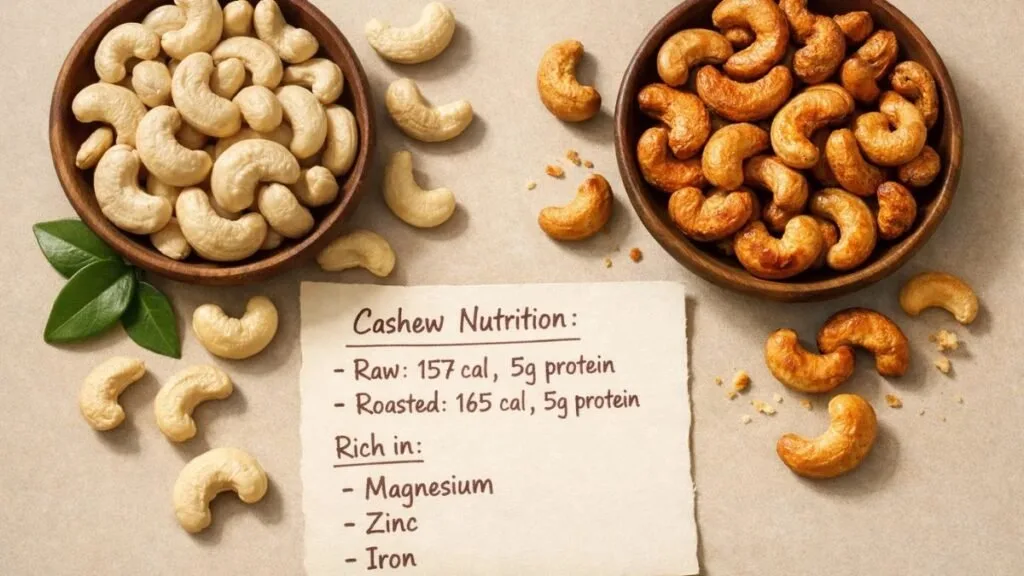
Image source: Bing (Web (fair-use with source credit))
The pattern is clear. Convenience often trades off with texture control and layered flavor. Taking a little more time with cooking and component management pays off in a significantly better result.
If you love the concept but want a bolder, spicier direction, you could explore the principles behind a Thai chicken salad, which uses similar protein-and-crunch logic with a totally different flavor profile.
The "Best For" Guide: Matching Your Method to Your Goal
Now that you know the trade-offs, let's match the best approach to your specific situation. Your goal dictates the optimal path.
Best for Ultimate Convenience: The 5-Minute Lunch Fix
Your priority is speed. You need a satisfying lunch with virtually zero active cooking time.
- Chicken: Use a pre-cooked rotisserie chicken. Shred the meat, discarding any overly dry or fatty pieces.
- Cashews: Use roasted, salted cashews straight from the bag. Don't worry about toasting them further.
- Dressing: Opt for a good quality mayonnaise or a pre-made, creamy dressing. A hybrid might add an extra step.
- Assembly: Combine shredded chicken, a few handfuls of cashews, some chopped celery, and enough dressing to coat. Mix and eat immediately.
- Why It Works: This method leverages maximum pre-made components. The flavor relies heavily on the rotisserie chicken's seasoning, so pick one you like. It's perfect for a single lunch or a quick rotisserie chicken sandwich filling when you're pressed for time.
Best for Healthy Meal Prep: The High-Protein, Light Version
You want a nutritious, make-ahead lunch that holds up for 3-4 days without becoming a soggy mess.
- Chicken: Poach or bake your own chicken breasts. This lets you control sodium and avoid additives. Shred it finely for maximum dressing coverage.
- Cashews: Measure out roasted cashews, but store them separately in a small bag or container. Add them each day when you pack your lunch.
- Dressing: Use a thick, full-fat Greek yogurt or a 75/25 yogurt-to-mayo blend. The higher yogurt content keeps calories down and protein up.
- Assembly: Mix the chicken, chopped celery, green onion, and dressing in a large batch. Store the main salad mixture and the portioned cashews separately in the fridge.
- Why It Works: This approach prioritizes ingredient control and texture preservation. Adding the nuts daily is the single biggest factor in keeping the salad appealing all week. The yogurt base feels fresh and light, perfect for a planned weekly menu.
Best for Impressing a Crowd: The Flavor-Forward Showstopper
You're serving this at a gathering or want a truly restaurant-quality result. Extra steps are worth it here.
- Chicken: Season bone-in, skin-on chicken breasts with salt, pepper, and maybe a touch of smoked paprika before roasting. This builds a deeper flavor base. Let it cool completely before shredding.
- Cashews: Dry-toast raw cashews in a pan until golden. Let them cool, then chop them coarsely for varied texture. This intensifies their flavor dramatically.
- Dressing: Make a hybrid dressing with a twist. Add a teaspoon of Dijon mustard, a tablespoon of fresh lemon juice, a pinch of garlic powder, and some finely chopped fresh tarragon to your mayo-yogurt blend.
- Assembly: Fold the shredded chicken, toasted cashews, finely diced celery, and perhaps some halved red grapes or diced apple together with the dressing. Chill for at least two hours before serving.
- Why It Works: Every component is optimized for peak flavor and texture. The toasted nuts, the herbed dressing, and the seasoned chicken create multiple layers of taste. It's a complete, thoughtful dish rather than just a sandwich filler.
The Step-by-Step Assembly That Never Fails
Follow this sequence to build your salad methodically. It prevents common texture issues and ensures even seasoning.
- Cook and Cool Your Chicken Completely. Whether you use rotisserie or home-cooked chicken, it must be cool to the touch. Warm chicken will make the dressing runny and cause the salad to spoil faster. Shred or chop it to your desired size.
- Prepare Your Mix-Ins. Dice your celery and green onions. If using herbs, chop them. If adding fruit like grapes or apples, have them ready but keep them separate for now.
- Make the Dressing in a Separate Bowl. Whisk together your mayo, yogurt, lemon juice, salt, pepper, and any dried spices (like curry powder) until smooth. Taste it. It should be slightly too tangy and salty on its own, as it will mellow when mixed with the bland chicken.
- Combine the Chicken and Dressing First. In your large mixing bowl, add the shredded chicken. Pour about three-quarters of the dressing over it. Gently fold until the chicken is evenly coated. Let this sit for 5 minutes. The chicken will absorb some of the dressing.
- Fold in the Crisp Vegetables. Add your celery and green onions to the dressed chicken. Fold gently to combine. Assess the consistency. If it seems dry, add the remaining dressing.
- Chill Before Adding Final Elements. Cover the bowl and refrigerate the salad base for at least 30 minutes. This allows the flavors to start melding.
- Finish and Serve. Right before serving, gently fold in your cashews and any juicy fruits or fresh herbs. This preserves their distinct texture and flavor. Give it a final taste and adjust salt or pepper if needed.
This process ensures every bite is cohesive. Dressing the chicken first guarantees no bland, dry chunks. Chilling the base deepens the flavor.
Adding the fragile elements last saves their character.
Three Common Mistakes That Ruin the Texture (And How to Avoid Them)
Texture issues are the death of a good chicken salad. Here are the big three pitfalls and how to sidestep them.
Mistake 1: Adding the Cashews Too Early
This is the most common error. Cashews, especially roasted ones, are hygroscopic. They absorb moisture from the dressing and vegetables like little sponges.
After a few hours in the fridge, they turn from crunchy to disappointingly soft and chewy.
- The Fix: Store your mixed salad and your measured cashews in separate containers. Stir the nuts in just before you pack your lunch or set the dish out. Their crunch will be perfectly preserved.
Mistake setWet Ingredients Too Early
Adding high-water-content ingredients like diced apples, grapes, or even very watery celery too far in advance is a risk. They release liquid into the dressing, thinning it out and creating a pool of moisture at the bottom of your container. The salad becomes weepy and soggy.
- The Fix: Treat juicy fruits as a "last-minute" garnish. If you must prep ahead, store them separately and add them when you serve. For celery, using the inner, more tender stalks can help, as they tend to be less watery than the large outer ribs.
Mistake 3: Overmixing
Vigorous stirring or mashing with a spoon compacts the ingredients. It bruises fresh herbs, breaks the cashews into tiny bits, and can make the shredded chicken mushy. The salad loses its appealing, varied texture and becomes homogenous.
- The Fix: Use a large rubber spatula or your hands. Fold the ingredients together gently from the bottom of the bowl up. Think of combining, not stirring. Stop as soon as everything is evenly distributed.
The Food Safety and Storage Rules You Can't Ignore
Because this salad contains cooked poultry and is often prepped ahead, food safety is critical. Following these rules prevents foodborne illness and ensures your salad tastes its best.
The Golden Rule: Keep It Cold. Cooked chicken salad must be refrigerated at 40°F (4°C) or below at all times. The USDA Food Safety Guidelines state that perishable foods left in the "danger zone" between 40°F and 140°F (4°C and 60°C) for more than two hours (or one hour if over 90°F/32°C) should be discarded.
- Cool Components Quickly: Never mix warm or even lukewarm chicken into your salad. It raises the overall temperature, creating a breeding ground for bacteria. Always cool cooked chicken completely in the refrigerator before shredding and assembling.
- Use Airtight Containers: Store your finished salad in a shallow, airtight container. A shallow container allows the cold air of your fridge to chill the salad more evenly and quickly.
- Respect the Clock: Even under perfect refrigeration, the clock is ticking. For the best quality and safety, consume your homemade cashew chicken salad within 3 to 4 days. The dressing may begin to break down, and the vegetables will continue to lose crunch after this point.
- Avoid Cross-Contamination: Use separate cutting boards and utensils for raw chicken (if you're cooking it yourself) and your ready-to-eat vegetables. Wash your hands, knives, and boards thoroughly with hot, soapy water after handling raw poultry.
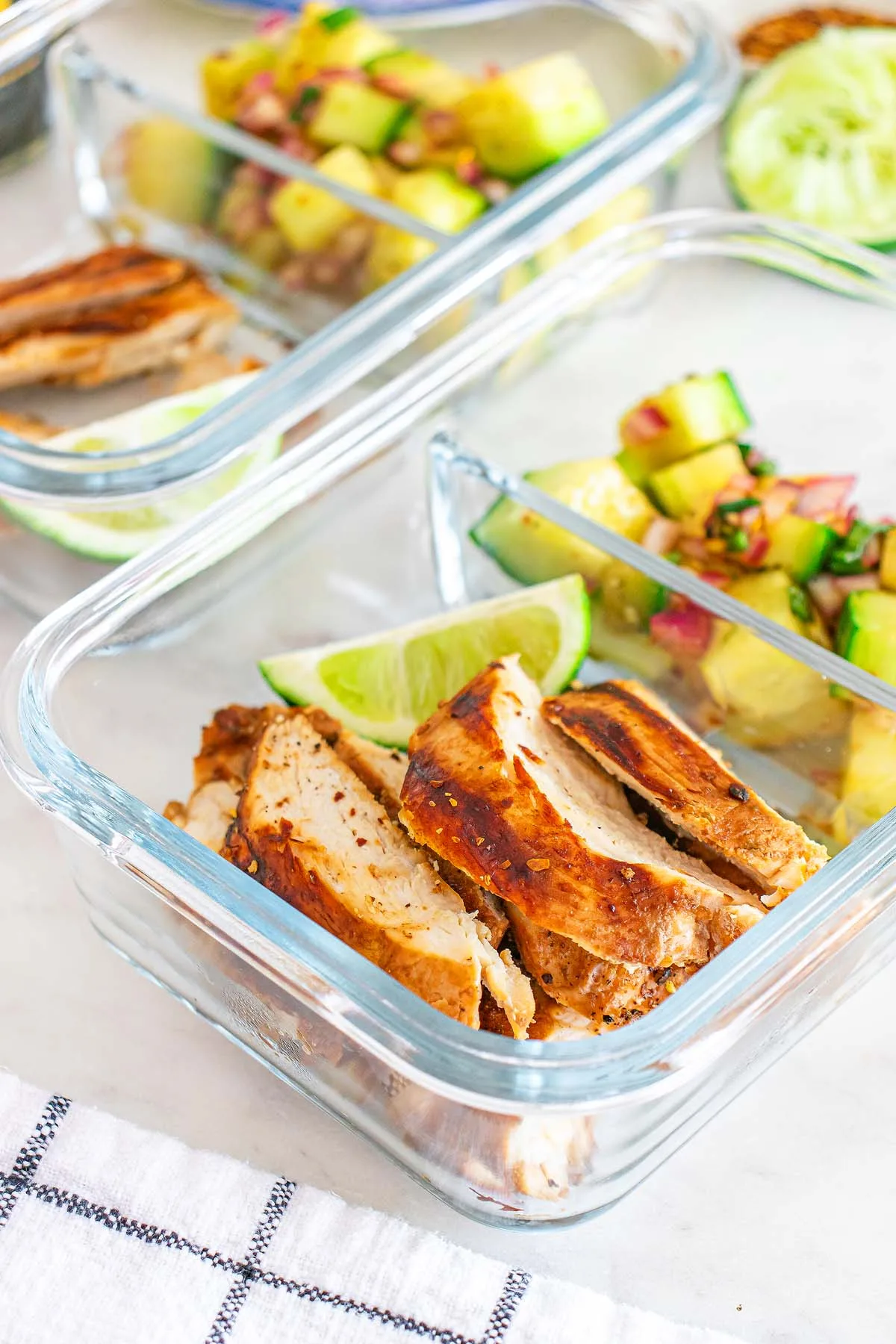
Image source: Bing (Web (fair-use with source credit))
These rules aren't just about safety. They're about quality. Proper chilling allows flavors to develop.
Airtight storage prevents your salad from absorbing other odors from the fridge. Sticking to the 4-day rule ensures you're eating it at its peak.
Expert Tweaks: How to Elevate It From Good to Memorable
Once you've mastered the standard formula, a few small adjustments can transform your salad into something special. These are the touches a seasoned cook would add.
Toast Your Spices. If you're using a dry spice like curry powder or even a little cumin, toast it in a dry pan for 30 seconds before adding it to your dressing. This simple step unlocks volatile oils and intensifies the flavor exponentially.
Use an Acid with Character. Swap the standard lemon juice or white vinegar for something more interesting. Rice vinegar adds a mild, sweet acidity. Fresh lime juice gives a brighter, more tropical note.
A dash of sherry vinegar can add a complex, nutty depth.
Incorporate Umami. Add a teaspoon of white miso paste to your dressing. It will dissolve easily and add a subtle, savory background note that makes the flavors seem richer and more rounded without tasting "like miso."
Play with Texture. Instead of all chopped cashews, reserve a few whole ones to garnish the top of the salad when serving. It looks more appealing and provides a bigger crunch. You could also add a small handful of something like sunflower seeds for a different, lighter crunch alongside the cashews.
Finish with Flaky Salt. After you've plated your salad or filled your sandwich, sprinkle a tiny pinch of a good flaky sea salt (like Maldon) over the top. It won't make it taste salty. Instead, it provides little bursts of clean salinity that make the other flavors, especially the nuts, pop.
These tweaks require minimal extra effort but signal a thoughtful approach. They move your salad from a standard lunch into the territory of a considered dish, perfect for when you want to make a simple meal feel a bit more intentional.
Your Final Decision: The Simple Framework for Your Perfect Salad
Stop overthinking it. Use this quick checklist based on your primary goal. Your first priority dictates your starting point.
If your top priority is SPEED…
Start with rotisserie chicken and pre-roasted cashews. Use a single-binder dressing like mayo or a pre-made option. Mix and eat immediately.
Don't plan for long-term storage.
If your top priority is HEALTH / MEAL PREP…
Start with home-cooked chicken and a Greek yogurt-based dressing. Prepare your salad base. Store it and your roasted cashews in separate containers for the week.
Combine daily.
If your top priority is FLAVOR…
Start with well-seasoned, home-cooked chicken. Toast your raw cashews. Make a hybrid dressing with fresh herbs and a good acid.
Chill thoroughly before adding final crunchy elements.
Choose your lane. Stick to the method that lane requires for the best results. Mixing goals, like trying to make a health-focused salad with rotisserie chicken skin and full-fat mayo, often leads to a confused, middling outcome.
Frequently Asked Questions
Can I use a different nut?
Yes, but it changes the profile. Almonds or walnuts are common substitutes. Almonds offer a harder crunch.
Walnuts add a more bitter, earthy note. Cashews provide a specific buttery, rich sweetness that's hard to replicate.
How can I make my chicken salad less dry?
The problem is usually under-dressing, not the chicken itself. Use the "dress the chicken first" method from our step-by-step guide. Let the dressed chicken sit for 5-10 minutes to absorb the binder before adding other ingredients.
This ensures every shred is coated.
Is it okay to freeze cashew chicken salad?
We don't recommend it. The mayonnaise or yogurt dressing will separate and become grainy upon thawing. The celery and other vegetables will turn to mush.
The texture becomes very unappealing. It's best made fresh and eaten within the 3-4 day fridge window.
What's the best way to serve it besides bread?
Lettuce cups or butter lettuce leaves make a great low-carb vessel. You can also serve it over a bed of mixed greens, spinach, or even inside a halved avocado. It works as a high-protein topping for a simple green salad.
Can I make this salad ahead for a party?
Absolutely. For a party, follow the "Flavor-Forward Showstopper" method. Assemble the salad base (chicken, dressing, celery) the day before and chill.
Toast and chop the cashews, and prepare any fruit. Fold those final elements in 30-60 minutes before guests arrive. This maximizes flavor development while preserving texture.
My dressing seems too thin. How can I thicken it?
If your yogurt is runny or you've added too much liquid, you can thicken the mixture. Stir in a small amount of plain, fine breadcrumbs or a teaspoon of almond flour. You can also simply drain any excess liquid that pools after chilling and give it a quick re-stir.