Juicy Ground Chicken Sandwich Recipes for Every Craving
Ground chicken sandwich recipes are everywhere, but most of them end up dry, crumbly, and honestly, pretty sad on a bun. The problem isn't your cooking skills. It's that ground chicken has almost no fat, which means it dries out fast and falls apart easily unless you handle it with intention.
That's what we're fixing today.
In our research, the USDA recommends cooking ground chicken to a safe internal temperature of 165°F, but hitting that number without turning your patty into a hockey puck takes a little strategy. As of 2026, the standard ground chicken sold in most grocery stores sits around 93/7 lean-to-fat. That's leaner than ground beef, turkey, or pork.
So the entire game changes based on how you bind, season, and cook that meat. Let's walk through the decision path.
Quick Answer
The best ground chicken sandwich starts with a binder and a plan. Mix one pound of ground chicken with a quarter cup of breadcrumbs and one egg. Chill the patties for 15 minutes before cooking.
Pan-fry for four to five minutes per side over medium heat. Use an instant-read thermometer to confirm 165°F. Rest the patties for three minutes.
Toast your bun. Add toppings.
The Real Problem with Ground Chicken
Ground chicken has a reputation for being dry, bland, and structurally unstable. That reputation is earned. The meat itself is incredibly lean, which means it lacks the fat that keeps beef burgers juicy.
Without that fat, the proteins tighten up quickly as they cook, squeezing out moisture before you even pull the patty off the heat.
There's also a binding issue. Ground chicken doesn't hold together the way ground beef does. Ground beef has a higher fat content and a looser protein structure, which allows it to cling together naturally when formed into patties.
Chicken needs help in the form of binders, chilling, and careful handling. Skip those steps and your burger will crack, crumble, or turn into a mess halfway through cooking.
The blandness problem is real too. Chicken has a mild flavor profile that doesn't stand up to heavy cooking the way beef does. It needs assertive seasoning, aromatics, and often a sauce that adds moisture back into every bite.
Without those elements, you're eating a dry chicken disc on bread.
Finally, there's the fear factor. Many home cooks overcook ground chicken because they're terrified of undercooked poultry. That fear leads to patties cooked well past 165°F, which turns an already lean meat into shoe leather.
Understanding the science of carryover cooking helps you pull the patties off at the right moment, knowing they'll finish resting safely without crossing into dry territory.
What You Need Before You Start
Before you grab a mixing bowl, let's talk about ingredients and tools. The right setup makes the entire process smoother, and most of these items are already sitting in your kitchen.
The Meat
Start with ground chicken that's fresh, not frozen. Look for a package with a use-by date at least two days out. When you open it, the meat should smell clean and slightly sweet, never sour or ammonia-like.
If you can choose between white meat and dark meat, know that dark meat ground chicken has more flavor and a bit more fat. It costs a little more, but it's worth it for sandwiches.
The Binders
Your patty needs something to hold the protein together. The most common options are breadcrumbs, eggs, mayonnaise, grated cheese, or crushed crackers. Each binder behaves slightly differently, and we'll cover which one to pick later.
For now, know that you need at least one binder per pound of meat. More isn't always better, but skipping the binder entirely guarantees a crumbly patty.
The Tools
A cast iron skillet or a grill grate gives you the best browning. A non-stick pan works fine in a pinch. You'll also want a mixing bowl, a fork or spatula for gentle mixing, and an instant-read thermometer.
That thermometer is non-negotiable if you want perfectly cooked chicken every time.
The Seasonings
Ground chicken absorbs flavors well, but it needs more salt than you think. Season aggressively. Garlic powder, onion powder, smoked paprika, and chili flakes are all excellent starting points.
Fresh herbs add brightness, but dried herbs are fine if that's what you have. A splash of Worcestershire sauce or soy sauce adds umami and helps brown the patty.
Pick Your Cooking Method First
Here's where the decision tree branches. Your cooking method determines your binder, your heat level, and even the thickness of your patties. Choose the method that fits your equipment and your mood.
Pan-Frying
Pan-frying is the most forgiving method for ground chicken. You have full control over the heat, you can see the browning happen in real time, and you don't have to worry about the patty falling through grill grates. Use a cast iron skillet for the best crust.
Medium heat works best, preventing the outside from burning before the inside cooks through.
Best for: weeknight dinners, rainy days, and anyone cooking inside.
Grilling
Grilling adds a smoky flavor that you can't replicate indoors. The challenge is keeping the patty intact on the grates. You'll need a sturdier binder for grilled patties, like a combination of breadcrumbs and egg.
You'll also want to refrigerate the shaped patties for at least 30 minutes before grilling to help them firm up. Oil the grates well to prevent sticking.
Best for: summer cookouts, outdoor gatherings, and anyone who loves char marks.
Air Frying
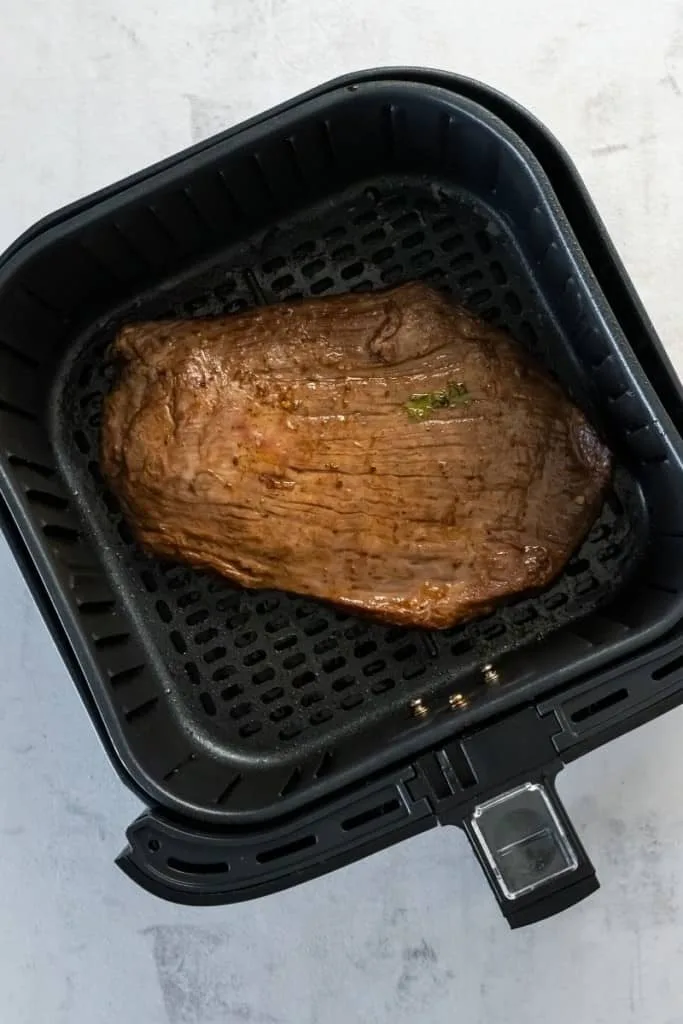
The air fryer delivers a surprisingly good chicken patty with minimal effort. Set it to 375°F and cook for 10 to 12 minutes, flipping halfway. The circulating hot air creates a crisp exterior while the inside stays moist.
Air-fried patties work great for meal prep because you can reheat them quickly without drying them out.
Best for: busy weeknights, meal prep, and small households.
Baking
Baking is the most hands-off option. Place patties on a parchment-lined baking sheet and cook at 375°F for 20 to 25 minutes. Flip them once halfway through.
Baked patties won't develop as much crust as pan-fried ones, but they're still juicy and flavorful. This method shines when you're cooking for a crowd.
Best for: feeding multiple people at once, meal prepping, or when you don't want to stand over a stove.
Which Should You Choose?
If you have a cast iron skillet, go with pan-frying. It's the most reliable path to a juicy, golden-brown patty. If you're grilling, plan ahead and make a sturdier patty.
If you're short on time, the air fryer is your friend. Baking works best when you need quantity over speed.
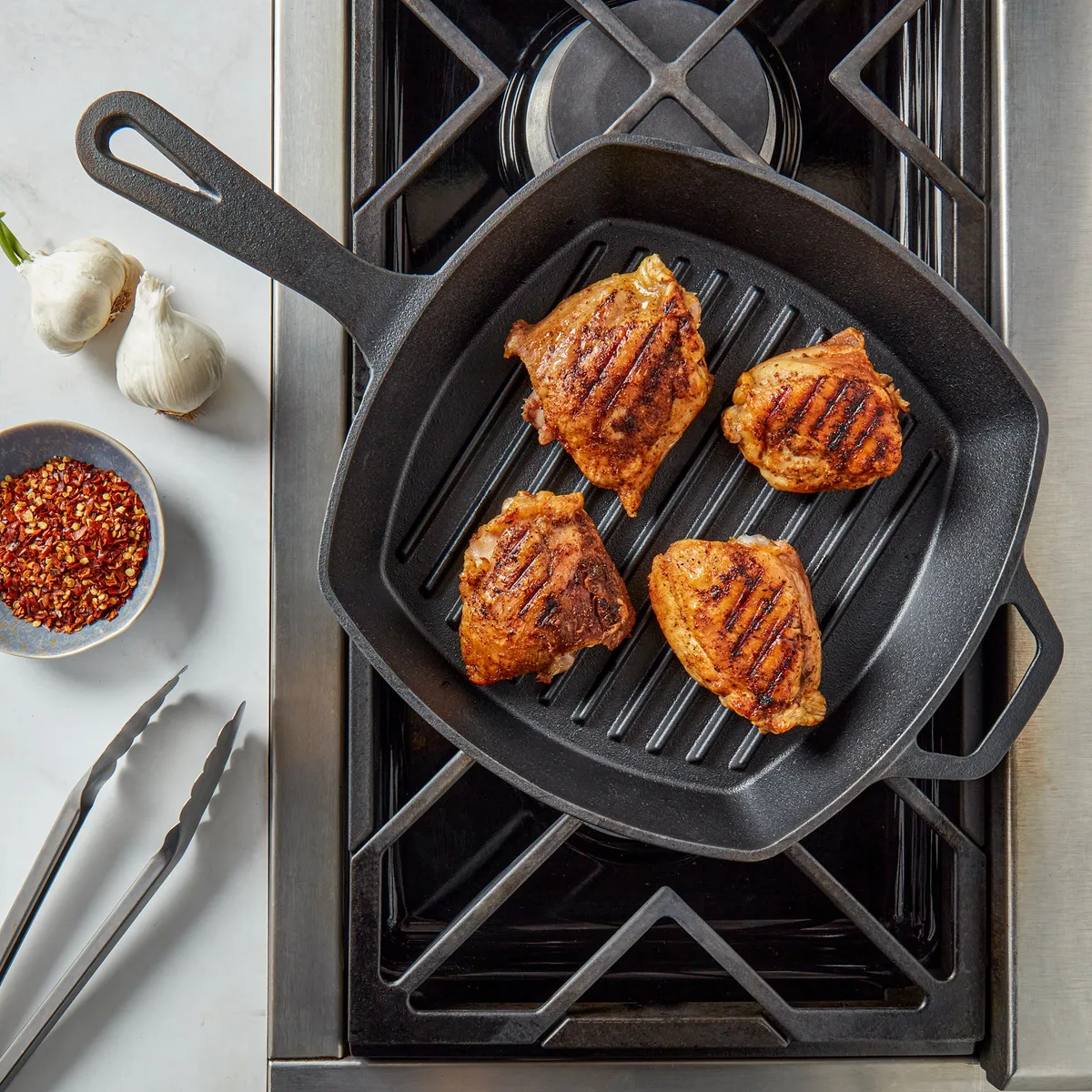
Image source: Bing (Web (fair-use with source credit))
Building a Patty That Holds Together
The binder decision is the heart of this whole process. Get it right and your patty stays intact. Get it wrong and you're scraping crumbles off the pan, wondering where it all went wrong.
The Standard: Breadcrumbs and Egg
The classic combination of a quarter cup of Panko breadcrumbs and one egg per pound of ground chicken gives the patty structure without making it dense. The breadcrumbs absorb moisture and create a matrix that holds the meat together. The egg acts as a binder that firms up when cooked.
This is the most reliable route for beginners and veterans alike.
The Gluten-Free Route: Almond Flour or Chickpea Flour
If you're avoiding gluten, swap the breadcrumbs for almond flour or chickpea flour. Use about a third of a cup per pound of meat. Almond flour adds a subtle nuttiness that works well with Mediterranean flavors.
Chickpea flour has a mild taste that pairs with just about anything. Both need the egg to help bind.
The Moisture Additive: Mayonnaise
Mayonnaise is a secret weapon in ground chicken patties. It adds fat, moisture, and a little tang. Use it alongside breadcrumbs rather than as a standalone binder.
Two tablespoons of mayo per pound of meat keeps the interior juicy without making the patty greasy. It also helps the surface brown beautifully in the skillet.
The Cheesy Binder: Grated Parmesan or Cheddar
Finely grated cheese acts as both a binder and a flavor booster. The proteins in the cheese melt and re-solidify as the patty cooks, helping hold everything together. Use about a half cup of finely grated Parmesan or sharp cheddar per pound of meat.
This works exceptionally well in Italian or southwestern flavor profiles.
Handling Tips That Matter
How you handle the meat matters just as much as what you put in it. Mix gently with a fork until the ingredients are just combined. Stop the moment you see no dry pockets of seasoning.
Overworking ground chicken develops the proteins too much, leading to a tough, rubbery texture.
Chill the patties before cooking. This cannot be overstated. A cold patty holds its shape better and cooks more evenly.
We're not talking hours here, just 15 to 30 minutes in the fridge after shaping. If you're in a rush, 10 minutes in the freezer works as a shortcut.
Make a shallow thumbprint in the center of each patty, about half an inch deep. That slight divot prevents the patty from doming up as it cooks, which happens because the meat contracts more quickly at the edges than at the center. The result is a patty that cooks evenly and fits better on the bun.
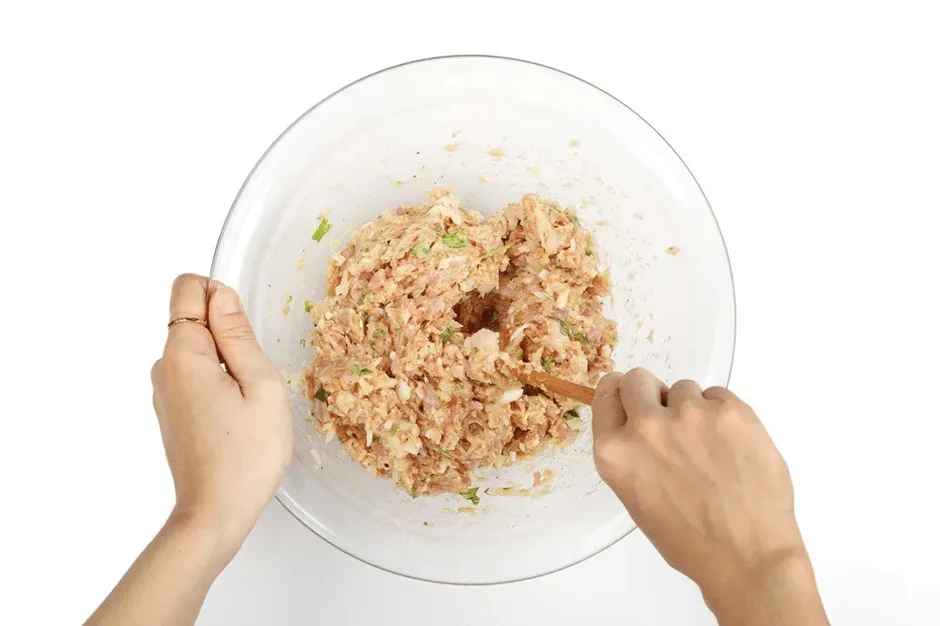
Image source: Bing (Web (fair-use with source credit))
Flavor Profiles: Choose Your Direction
Ground chicken is a blank canvas. The seasoning choices you make determine whether you're eating a classic American burger, a spicy buffalo creation, or a Mediterranean masterpiece. Pick a flavor profile that matches your cravings and your pantry.
Classic American
The classic American ground chicken sandwich tastes like home. Think mustard, ketchup, pickles, and melted cheddar on a toasted brioche bun. Season the meat with salt, pepper, garlic powder, and a splash of Worcestershire sauce.
Top with lettuce, tomato, red onion, and a generous slather of mayo. It's simple, familiar, and satisfying.
Spicy Buffalo
Buffalo chicken sandwiches are a crowd favorite, and ground chicken versions deliver the same kick. Mix in a tablespoon of hot sauce, some blue cheese crumbles, and a pinch of cayenne. Cook the patties and brush them with extra hot sauce right before serving.
Top with more blue cheese, lettuce, and a drizzle of ranch. The heat pairs beautifully with the creamy cheese.
Mediterranean Greek
Greek flavors work incredibly well with ground chicken. Season the meat with oregano, garlic, lemon zest, and crumbled feta cheese. Add a touch of olive oil for moisture.
Serve on a soft pita or a toasted brioche bun with tzatziki, cucumber, tomato, and red onion. The feta adds salt and tang while the tzatziki keeps everything cool and refreshing.
Teriyaki Glazed
Teriyaki chicken sandwiches feel like a treat, and they're easier than they look. Season the patties simply with salt and pepper. Cook them until they're done, then brush generously with store-bought or homemade teriyaki sauce.
Let the sauce caramelize on the surface for a minute. Serve with grilled pineapple, a handful of shredded cabbage, and extra sauce.
Smoky BBQ
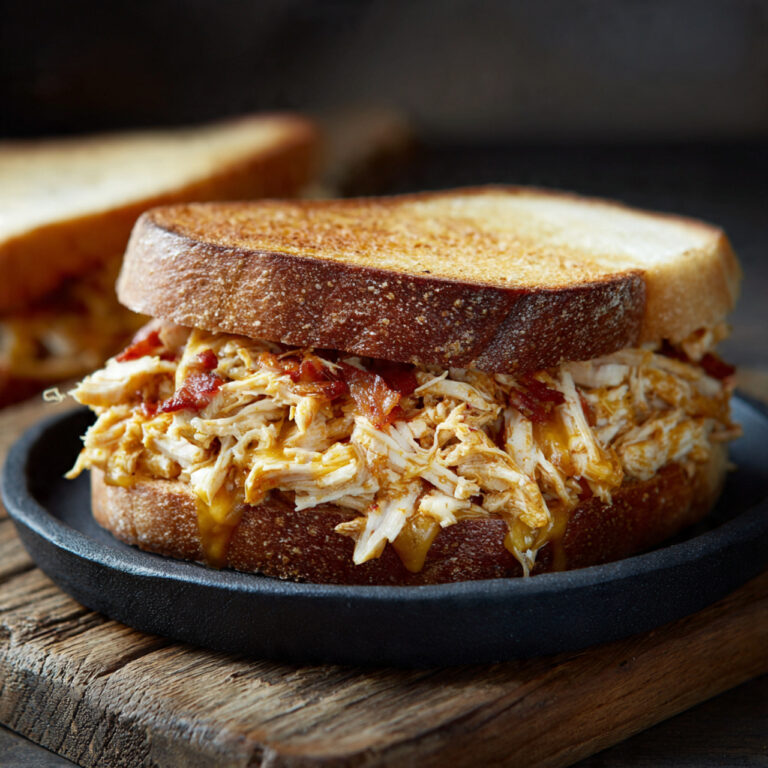
BBQ chicken patties deliver the smoky sweetness you crave without needing a smoker. Mix in smoked paprika, chili powder, garlic powder, and a tiny bit of brown sugar. Cook the patties and finish them with your favorite BBQ sauce in the last minute of cooking.
Top with crispy onions, cheddar cheese, and a creamy coleslaw. The crunch and cream balance the sweetness perfectly.
Herb and Garlic
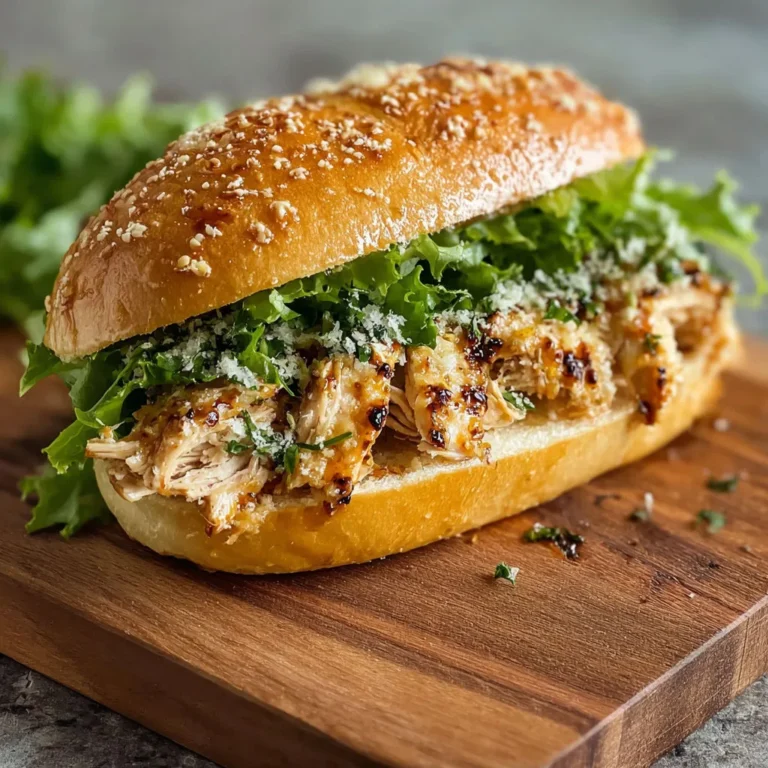
When you want something lighter than a barbecue burger, herb and garlic is the way to go. Use fresh parsley, chives, or dill, plus minced garlic and a squeeze of lemon juice. Season generously with salt and pepper.
This bright, aromatic profile pairs well with a simple aioli, arugula, and a toasted ciabatta roll. It feels fresh even in the middle of winter.