Simple Air Fryer Dinners for Busy Weeknights
Let's be honest. After a long day, the last thing you want is a complicated kitchen project. You need a real dinner, fast, without turning the oven into a furnace or managing a splatter-filled pan.
That's where easy air fryer dinner recipes come in. The concept is simple: hot, circulating air that cooks food quickly and gives it a satisfying crispy texture with just a spoonful of oil, not a deep fryer's worth.
In our research, the most common temperature range for these appliances, as of 2026, is 180°F to 400°F, giving you plenty of control for everything from delicate salmon to crispy tater tots. The key is understanding the visual cues, not just the timer. Let's walk through how to make this appliance your go-to for weeknight wins.
Quick Answer
Easy air fryer dinners focus on simple formulas, not complex recipes. Combine a protein and a vegetable, season them, and cook in a single layer without crowding the basket. Most dinners cook in 10 to 20 minutes at 375°F to 400°F.
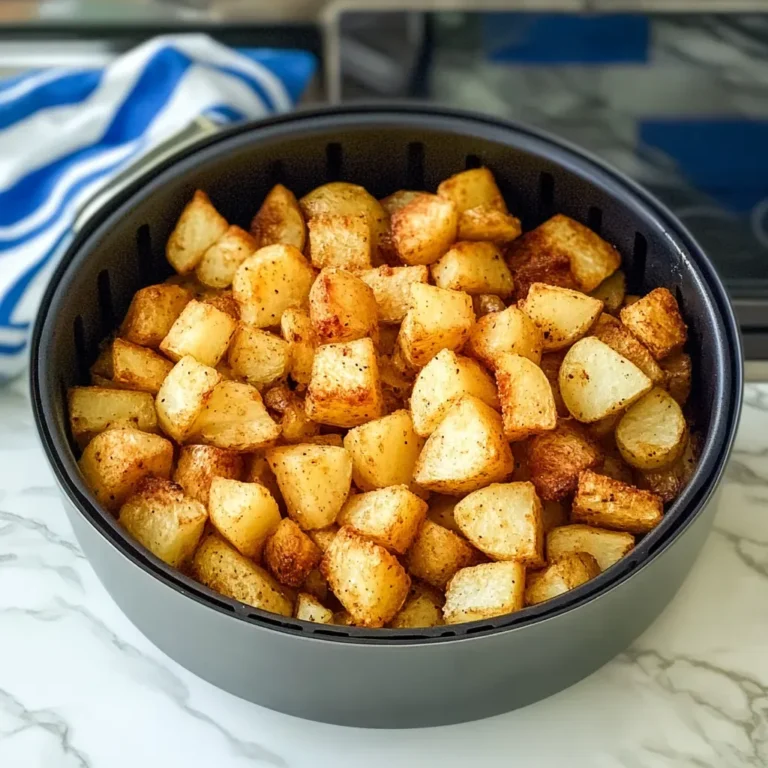
The visual result is more important than the timer. You'll know it's done when proteins are golden brown and vegetables have crispy, slightly charred edges.
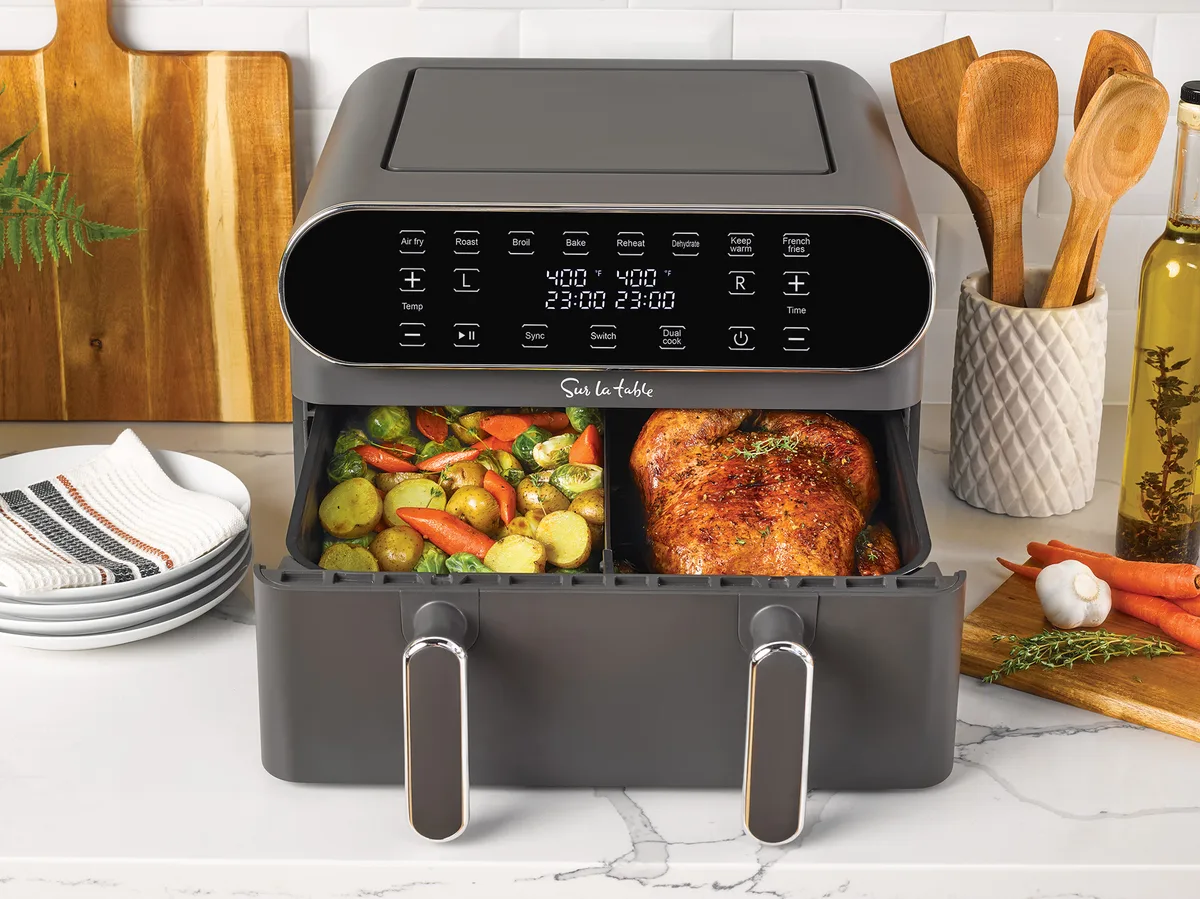
Image source: Bing (Web (fair-use with source credit))
Why Air Fryers Are a Weeknight Dinner Hero
Think of your air fryer as a super-powered, miniature convection oven. It uses a high-powered fan to circulate hot air rapidly around the food. This does two things exceptionally well for a tired cook.
First, it cooks food faster than a traditional oven because the moving air transfers heat more efficiently. Second, it creates that desirable Maillard reaction, the browning and crisping, on the surface with minimal added fat.
The real hero status comes from the workflow. Preheating takes 3-5 minutes, not 15. The cooking chamber is small, so it doesn't waste energy heating a large empty space.
And because everything happens in one removable basket, cleanup is often just one non-stick piece to rinse. For anyone looking to simplify their evening routine, this tool moves dinner from a chore to a quick, contained task. You can even use it to quickly crisp up proteins for next-level creations like a hot honey chicken salad or perfectly cooked chicken for a creamy chicken macaroni salad.
Your #1 Rule for Air Fryer Success: Don't Crowd the Basket
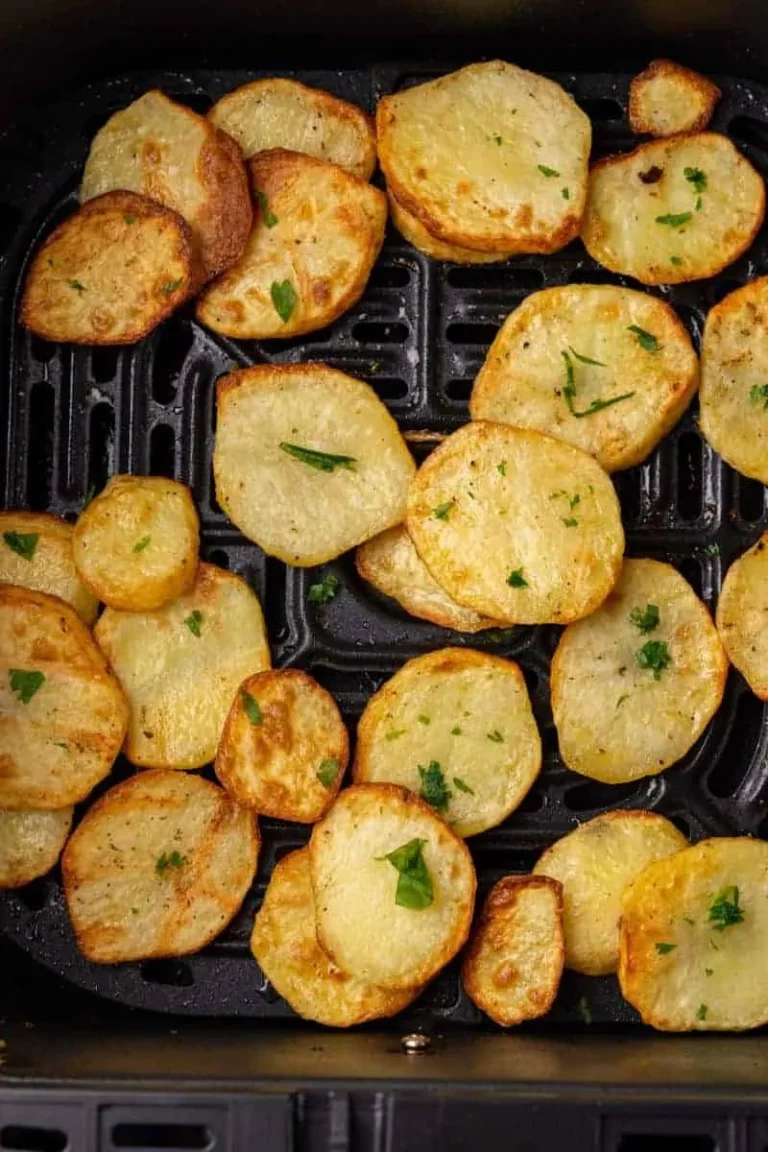
This is the single most common mistake, and it completely defeats the purpose of the appliance. Air needs space to circulate. If you pile food on top of itself, you're essentially steaming it.
The result is soggy, unevenly cooked food that takes longer.
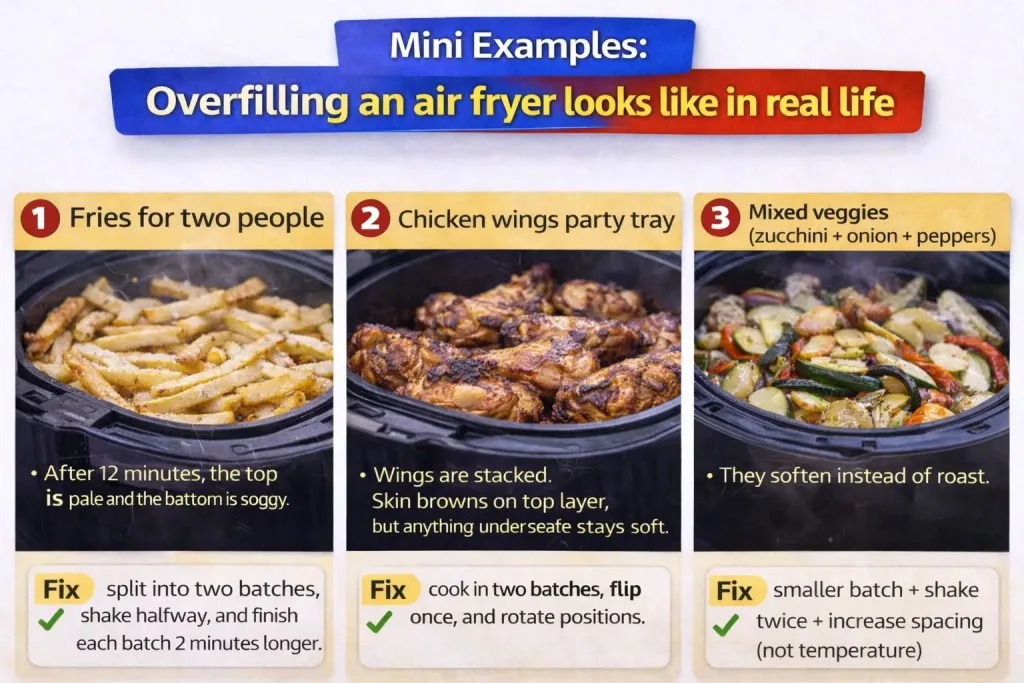
Image source: Web (Bing) / smarthelperguides.com (Web image (fair-use with source credit))
Our analysis of countless user reviews points to overcrowding as the top reason for disappointing results. The fix is simple. Arrange food in a single layer with a little breathing room between pieces.
If you're cooking for a family, it's faster and more effective to cook in multiple small batches, keeping the first batch warm in a low oven, than to try and cram it all in at once. This principle applies whether you're making chicken skewers in an air fryer or a batch of roasted broccoli.
The Easy Dinner Formula: Protein + Vegetable = Done
Forget memorizing recipes. Memorize this framework instead, and you can improvise dinner with whatever you have. The beauty is that many proteins and vegetables cook at similar temperatures and times, so you can often cook them together.
Step 1: Pick Your Protein (And Prep It Right)
Start with a quick-cooking, relatively thin protein. This isn't the time for a whole roast chicken.
- Chicken: Thighs, tenders, or thinly sliced breasts work best. Pat them completely dry with a paper towel. Moisture is the enemy of crisp skin.
- Fish: Salmon fillets, white fish like cod, or shrimp. Pat dry, and for delicate fish, a light spritz of oil helps prevent sticking.
- Pork: Pork chops or tenderloin medallions. Again, dry them thoroughly.
- Pre-cooked: Sausages, meatballs, or even tofu. These just need heating through and browning.
For seasoning, a simple coat of oil, salt, pepper, and maybe one dried herb (like paprika or garlic powder) is perfect. You can find endless inspiration for seasoning blends in our full collection of all recipes.
Step 2: Choose Your Vegetable Sidekick
Pick vegetables that roast well and match your protein's cook time.
- Fast (8-12 mins): Asparagus, green beans, zucchini, bell pepper strips.
- Medium (12-18 mins): Broccoli florets, cauliflower, Brussels sprouts (halved), potato wedges.
- Frozen: Frozen vegetables like broccoli, green beans, or potato cubes are a fantastic shortcut. Toss them straight from the bag with a little oil, no need to thaw.
The key is to cut them into uniform sizes so they cook evenly. Toss with a tiny bit of oil (a teaspoon for a small basket) and salt.
Step 3: Season Simply, Cook Smart
Now, combine your logic. If your protein and vegetable have similar cook times (like salmon and asparagus), you can cook them together in the basket, keeping the protein in the center. If times are different (like chicken thighs and potatoes), start the longer-cooking item first, then add the quicker one halfway through.
A general starting point for fresh, raw proteins and veggies is 375°F to 400°F for 12 to 20 minutes, shaking the basket or flipping the protein halfway. Always use a meat thermometer for safety. The USDA guidelines, which you can reference on their official .gov site, recommend cooking poultry to 165°F and fish to 145°F.
3 Visual Cues That Tell You When Dinner Is Perfectly Done
Relying solely on the timer will lead to under or overcooked food. Your eyes are the best tool. Here’s what to look for.
For Chicken & Pork: Look for Golden Brown, Not Pale
The surface should be an appetizing, deep golden brown with some darker, crispier spots. If it looks pale or steamed, it needs more time. The juices should run clear, not pink, and a thermometer is your final check.
This perfect browning is what turns simple chicken into the star of a rotisserie chicken sandwich or a crispy chicken sandwich.
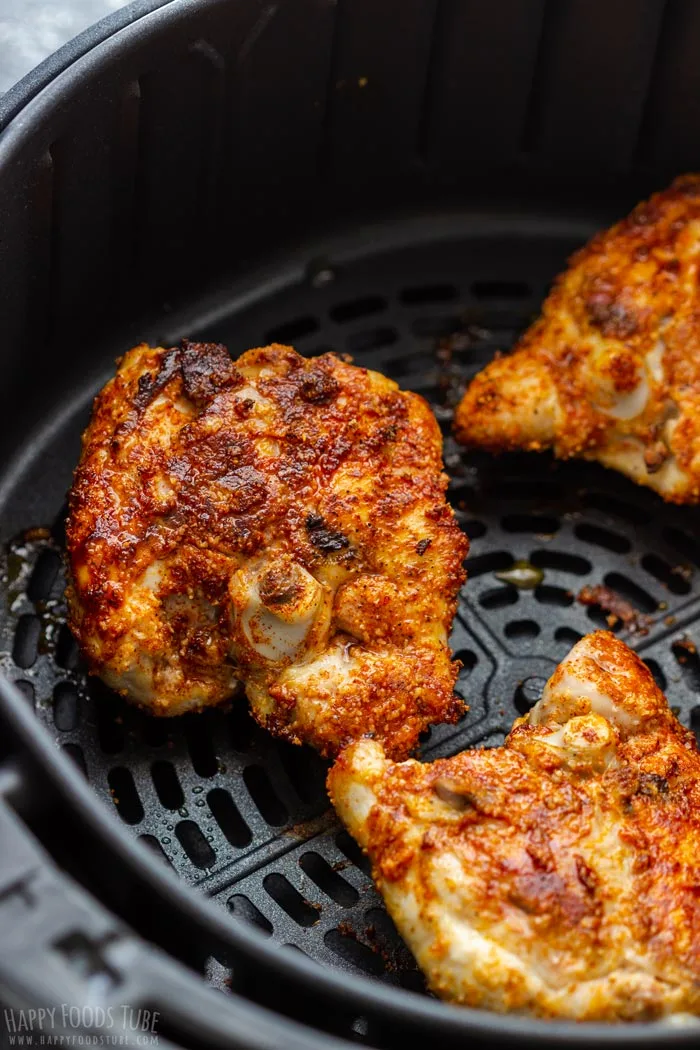
Image source: Web (Bing) / happyfoodstube.com (Web image (fair-use with source credit))
For Vegetables: Watch for Crispy Edges & Charred Tips
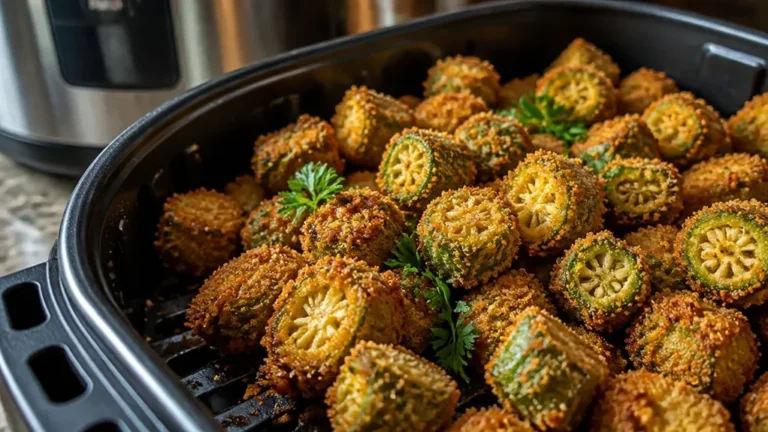
Perfectly air-fried vegetables aren't just tender. The high edges of broccoli florets, the tips of asparagus, and the cut sides of Brussels sprouts should be slightly darkened and crispy. You should see tiny, delicious-looking charred bits.
If they're just soft and uniformly green, they need a few more minutes.
For Frozen Foods & Reheats: Listen for the Sizzle to Fade
This is a pro tip. When you first add frozen fries, nuggets, or leftover pizza, you'll hear a vigorous sizzle as moisture rapidly evaporates. As the food approaches done, that sizzling sound will significantly quiet down.
That's your auditory cue that the surface is dry and crisped. It works great for reheating things like air fryer nachos to bring back their crunch.
The 10-Minute Air Fryer Dinner Playbook
These are less about exact measurements and more about reliable method. Each one uses the protein-plus-vegetable formula and is designed for minimal prep and maximal flavor. Adjust quantities based on your air fryer's capacity.
Lemon-Pepper Salmon & Asparagus
This is a classic for a reason. The salmon stays moist, and the asparagus cooks to tender-crisp perfection in the same time.
- Prep: Pat two salmon fillets and a handful of asparagus dry. Toss asparagus with a drizzle of oil, salt, and pepper. Brush salmon lightly with oil and season generously with lemon pepper seasoning.
- Cook: Place salmon skin-side down in the center of the basket. Scatter asparagus around it. Cook at 400°F for 8-12 minutes. The salmon is done when it flakes easily with a fork. No flipping needed.
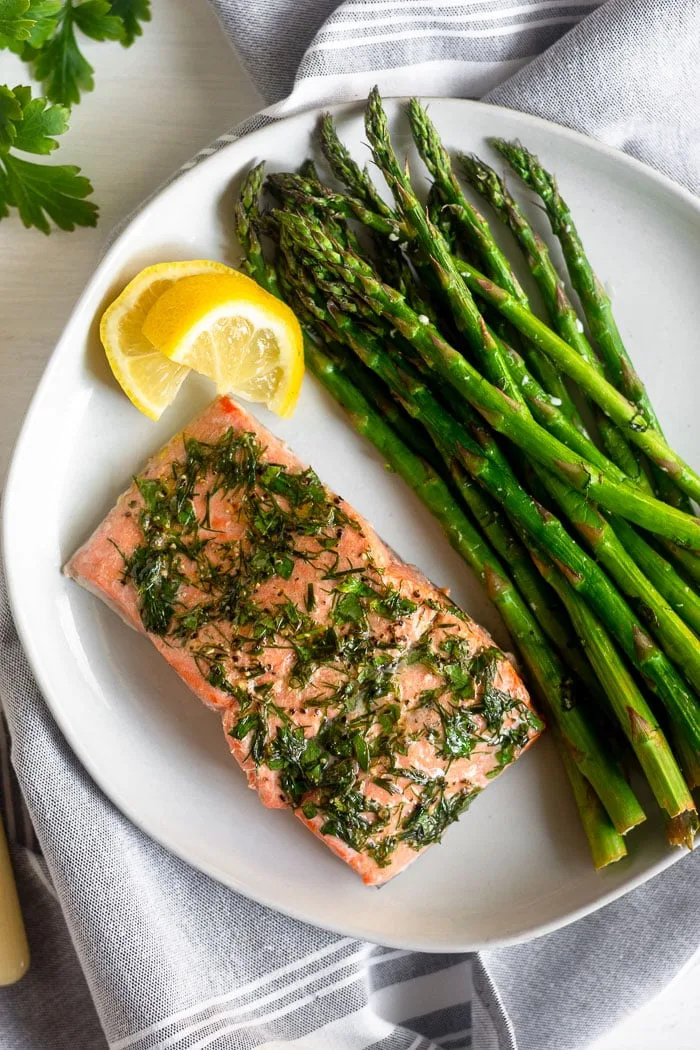
Image source: Bing (Web (fair-use with source credit))
"Shake-and-Bake" Chicken Tenders & Broccoli
A healthy, hands-off take on the childhood favorite. The breading gets crispy without frying.
- Prep: Cut one chicken breast into strips. In a bowl, toss chicken with a tablespoon of olive oil. In a separate bag, mix 1/4 cup panko breadcrumbs, 1 tsp paprika, 1/2 tsp garlic powder, salt, and pepper. Add chicken and shake to coat. Toss broccoli florets with oil, salt, and pepper.
- Cook: Place chicken tenders in a single layer in the basket. Cook at 400°F for 6 minutes. Flip, add broccoli to the basket, and cook for another 6-8 minutes until chicken is golden and broccoli is charred at the edges.
Sausage & Pepper Foil Packet
This method contains all the juices and steam, making cleanup a breeze. It's incredibly forgiving.
- Prep: Toss sliced bell peppers and onion with a little oil, Italian seasoning, salt, and pepper. Place the mixture on a large piece of foil. Add one or two pre-cooked Italian sausages on top. Fold the foil into a sealed packet, leaving a little room for air to circulate inside.
- Cook: Place the packet directly in the air fryer basket. Cook at 380°F for 12-15 minutes. Carefully open the packet (steam will be hot) to check that the peppers are soft and the sausage is heated through.
Common Mistakes That Kill the "Easy" in Easy Dinner
Knowing what not to do is half the battle. Here are the pitfalls that turn a quick meal into a disappointment.
Mistake 1: Skipping the Preheat
Most air fryer manuals recommend a 3-5 minute preheat. It ensures the cooking environment is at the right temperature immediately. Adding food to a cold chamber starts the cooking clock with inconsistent heat, often leading to longer cook times and less predictable results.
Just turn it on when you start prepping your ingredients.
Mistake 2: Forgetting the Mid-Cook Shake
The fan circulates air, but food on the bottom still gets more direct heat. For even cooking and browning, you must shake the basket or flip individual items halfway through. Set a timer for half the cook time as a reminder.
This is non-negotiable for smaller items like air fryer canned potato recipes or veggies.
Mistake 3: Drenching Food in Oil
The goal is a light, even coating, not a soak. Too much oil will drip to the bottom, potentially smoke, and can make food greasy instead of crispy. Use an oil sprayer with your chosen oil, or toss ingredients in a bowl with just a teaspoon or two of oil before adding them to the basket.
Many manufacturers also warn against using aerosol non-stick sprays, as they can damage the non-stick coating over time.
Air Fryer vs. Oven: When to Use Which for Dinner
Your air fryer isn't meant to replace your oven. It's a specialized tool for specific jobs. Here’s how to decide.
| Task | Best Tool | Why |
|---|---|---|
| Crisping a single serving (leftovers, fries, nuggets) | Air Fryer | Faster preheat, less energy, superior crispness on small batches. |
| Roasting a full sheet pan of vegetables | Oven | Larger capacity. The air fryer would require too many batches. |
| Cooking a quick protein + veg dinner for 1-2 people | Air Fryer | Speed and efficiency win. Perfect for recipes like air fryer chicken tacos. |
| Baking (casseroles, cakes, large lasagna) | Oven | Most air fryers lack the even, consistent heat needed for true baking. |
| Reheating pizza or fried foods | Air Fryer | Revives crisp crusts without making the food soggy like a microwave. |
The rule of thumb is capacity and crispness. If you're cooking for one or two and want things crispy fast, grab the air fryer. If you're feeding a crowd or making a large baked dish, the oven is your friend.
They're complementary tools in a modern kitchen.
Expert Tips for Even Easier Evenings
These are the little efficiencies that experienced cooks use to make weeknights seamless.
The "Cook Once, Eat Twice" Strategy
Use your air fryer to prep components for future meals. Cook an extra chicken breast. Roast a double batch of peppers and onions.
Store them in the fridge. Now you have ready-to-go ingredients for quick shredded chicken salad, a cheesy chicken sandwich lunch, or a Mexican chicken taco salad in minutes. The air fryer's speed makes this strategy feel effortless.
How to Use the Air Fryer for Meal Prep Components
It excels at batch-cooking ingredients that don't do well soggy in the fridge.
- Proteins: Cook several seasoned chicken thighs or salmon fillets. Let cool and store for salads, grain bowls, or sandwiches.
- Vegetables: Roast a batch of broccoli, Brussels sprouts, or potatoes. They'll reheat beautifully in the air fryer later, regaining their crispness.
- Crunchy Toppings: Quickly toast breadcrumbs, nuts, or tortilla strips for topping soups and salads.
The Easiest Cleanup Trick
Clean the basket while it's still warm, not hot. Once you've plated your food, let the basket cool for just a minute. Then take it to the sink.
Most cooked-on residue wipes away easily with warm soapy water and a soft sponge. Letting it cool completely allows grease and food to harden, making cleanup a chore.
Frequently Asked Questions
We've gathered the most common questions from our research and reader feedback.
Do I really need to preheat my air fryer?
Yes, for consistent results. A 3-5 minute preheat ensures the cooking chamber is at the target temperature when you add your food. This leads to more accurate cook times and better browning.
It's a small step with a big impact on reliability.
Can I put aluminum foil in the air fryer?
You can, but with caution. Never let foil cover the entire bottom of the basket, as it can block airflow and damage the heating element. Use small pieces to line the basket under messy items, or create loose packets like the sausage recipe.
Always secure the foil so the fan doesn't blow it around.
Why is my food not getting crispy?
This almost always boils down to three issues: overcrowding the basket, not patting food dry before cooking, or using too much oil. Ensure food is in a single layer with space, start with a dry surface, and use oil sparingly. Also, check that you're cooking at a high enough temperature, typically at least 375°F for crisping.
How do I prevent my air fryer from smoking?
Smoke usually comes from fat or oil dripping onto the heating element. To minimize this, avoid excessive oil, trim excess fat from meats, and ensure the drip pan or drawer underneath the basket is clean. Cooking particularly fatty foods like sausages may cause some smoke.
Good kitchen ventilation helps.
Can I cook frozen foods directly in the air fryer?
Absolutely. That's one of its best features. You don't need to thaw frozen vegetables, fries, chicken nuggets, or fish sticks.
Just add them to the basket in a single layer. You may need to add a few extra minutes to the cook time compared to fresh food. Always shake the basket midway.
Is an air fryer healthier than frying?
It can be a healthier alternative to deep frying. Air frying uses significantly less oil to achieve a similar crispy texture. For example, you might use a teaspoon of oil versus cups for deep frying.
This reduces the overall fat and calorie content of the meal. The healthiness ultimately depends on the food you choose to cook in it.
Your Next Step: Pick One Recipe and Try It Tonight
Theory is great, but the real learning happens when you press start. Don't try to master everything at once. Pick the formula or single recipe from this guide that sounds most appealing and fits what you already have in your fridge or pantry.
Maybe it's the Lemon-Pepper Salmon if you have a fillet in the freezer. Perhaps it's the shake-and-bake chicken tenders with some frozen broccoli. The goal is to build confidence through one successful, easy outcome.
Remember the core rules: pat your food dry, don't crowd the basket, and trust the visual cues over the clock.
Once you've got that first win, you'll start to see the possibilities. You'll realize you can adapt the method for that Greek yogurt chicken salad by quickly cooking the chicken. You'll see how easy it is to add a crispy protein to a simple chicken cabbage salad.
The air fryer stops being a gadget and starts being your most reliable dinner teammate on busy nights. Go ahead, give it a shot tonight.