Perfect Air Fryer Steak Tips
You pull a beautiful steak out of the air fryer, only to find it grey and tough inside. It’s a common frustration, but here’s the good news: it’s not the air fryer's fault. The secret to mastering air fryer steak tips lies in choosing the right cut and understanding how that hot, circulating air actually cooks meat.
It’s a different beast than your grill or cast iron pan.
Success hinges on three things: picking a forgiving cut, getting the internal temperature spot-on, and managing moisture. The USDA recommends a minimum safe temperature of 145°F for beef, but pulling your steak around 135°F for medium-rare (then letting it rest) delivers perfect results as of 2026. Let's break down exactly how to make it work.
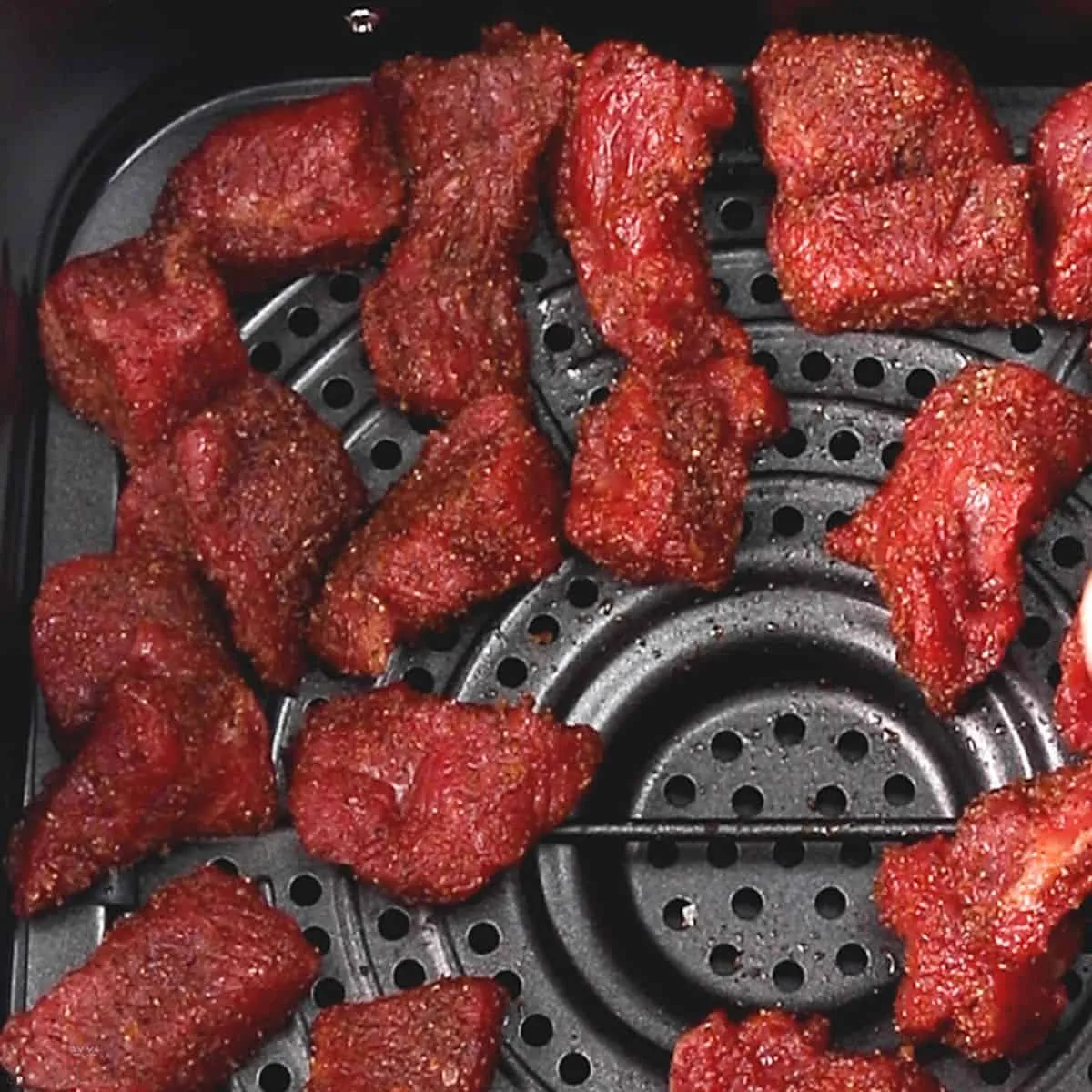
Image source: Bing (Web (fair-use with source credit))
Quick Answer
For great air fryer steak, start with a 1-inch thick, well-marbled cut like ribeye. Preheat your air fryer to 400°F. Pat the steak completely dry and season it generously.
Cook for 7-10 minutes, flipping halfway, until an instant-read thermometer shows 125°F for rare. Let the steak rest for 5 minutes before slicing. The resting step is non-negotiable for juicy meat.
Why Your Air Fryer Steak Results Vary So Much
An air fryer isn't a magic box. It's a powerful, compact convection oven. That circulating hot air excels at quickly driving moisture off the surface of your food, which is why it's so good at crisping fries and wings.
With steak, this is a double-edged sword.
On one hand, that rapid surface drying helps create a decent crust, or "sear." On the other, if the steak is too thin or too lean, the hot air can wick away precious internal juices before the center reaches your desired doneness. The result? A grey, overcooked exterior with a dry interior.
It's not about the machine being bad. It's about learning to cook with its strengths instead of against them.
Our research into aggregate user reviews shows that the biggest leap in satisfaction comes when cooks stop treating all steaks the same in the air fryer. A thick, fatty ribeye behaves completely differently than a thin flank steak. Once you match the technique to the cut, your results become incredibly consistent.
The Quick Answer: It’s a Game of Cut, Thickness, and Temperature
If you only remember three things, make it these. First, the cut of steak is your most important variable. Second, thickness dictates your cook time more than anything else.
A one-inch steak and a two-inch steak need completely different plans. Third, you must trust a thermometer, not a timer.
Forget any generic "12 minutes at 400°F" recipe. That's a surefire path to disappointment. Instead, think of the air fryer as a tool for precision.
You control the environment (temperature) and you measure the outcome (internal temp). The rest is just details based on what you're cooking.
Step 1: Picking Your Fighter (The Best Steaks for the Air Fryer)
This is where most generic advice fails. A real cook knows you choose your technique based on your ingredients. For the air fryer, you want steaks that can stand up to intense, dry heat without turning into leather.
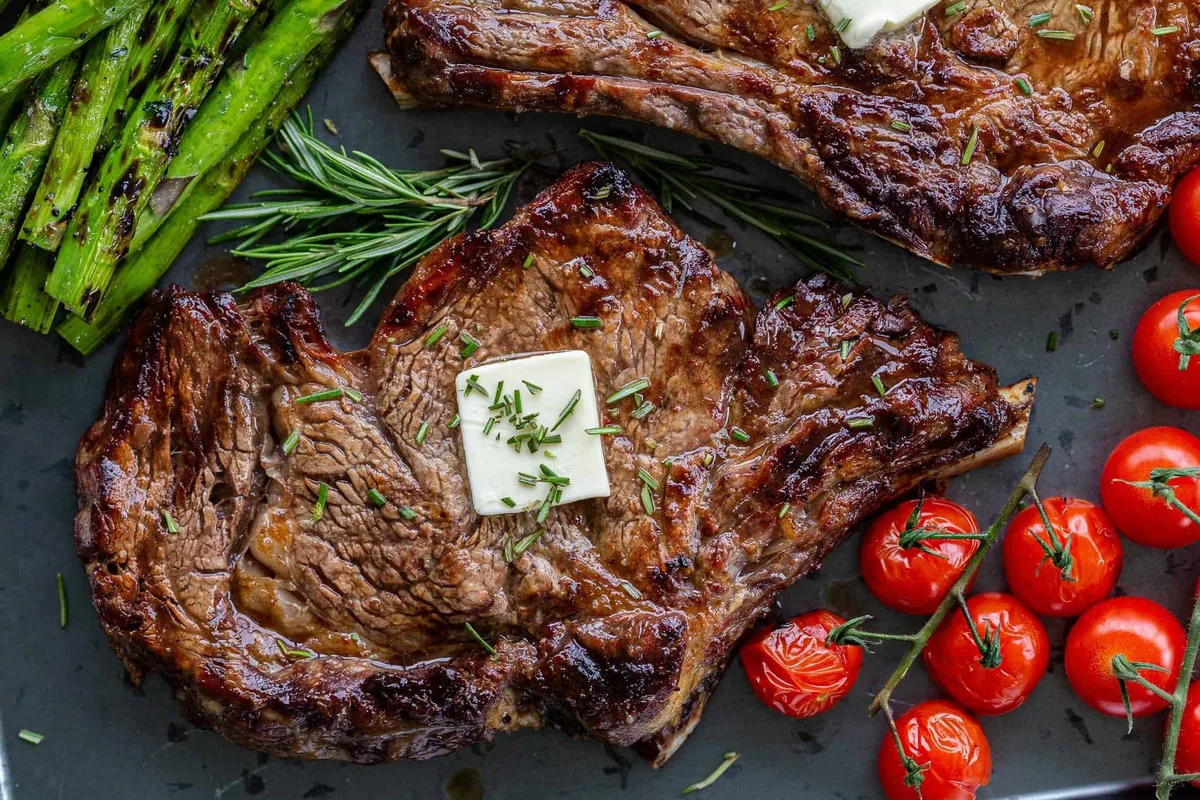
Fatty, Thick Cuts: Your Best Bet
These are the champions of the air fryer. Their abundant intramuscular fat (marbling) acts as a built-in insulator and bastes the meat from the inside as it renders.
- Ribeye: The undisputed king. The fat cap and rich marbling guarantee a juicy, flavorful result even if you slightly overshoot your time. It’s incredibly forgiving.
- Strip Steak (New York Strip): A fantastic all-rounder. It has less fat than a ribeye but still enough to stay succulent, with a robust, beefy flavor that shines.
- Filet Mignon (Tenderloin): A special case. It’s very lean, so it can dry out if you're not careful. Its saving grace is its incredible tenderness. Cook it to no more than medium-rare and consider the "reverse sear" method outlined later.
The Rule: For these premium cuts, aim for a thickness of at least 1 inch. 1.5 inches is even better. The thicker the steak, the more buffer you have between a perfect crust and an overcooked center.
Leaner, Thinner Cuts: The Challenger
You can cook these in the air fryer, but the margin for error is razor-thin. They lack the protective fat layer and are often cut thinner, making them prone to overcooking in minutes.
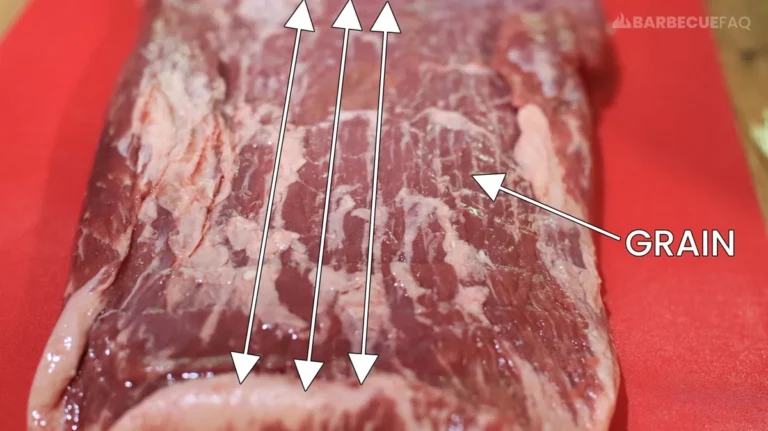
- Flank Steak & Skirt Steak: These are best for quick, high-heat searing and slicing thin against the grain. In the air fryer, they work best if you're aiming for a medium doneness and plan to use them in dishes like a hearty taco salad or fajitas, where a little extra doneness isn't a deal-breaker.
- Sirloin Steak: A budget-friendly option. Choose the top sirloin if possible, and look for the most marbling you can find. It will be less juicy than a ribeye, but can still be very tasty.
The Rule: If using leaner cuts, marinate them first. A simple marinade of oil, acid (like lemon juice or vinegar), and herbs adds both flavor and a little extra moisture protection. And watch them like a hawk.
A minute too long makes all the difference.
Step card 2: The Non-Negotiable Prep (Pat, Season, Preheat)
The work you do before you even turn on the machine sets the stage for everything that follows. Skip these steps, and you're fighting an uphill battle.
- Pat the Steak Dry. This is the single most important prep step. Use paper towels and press firmly to remove all surface moisture. A wet steak will steam instead of sear, giving you a grey, soggy exterior. A dry surface is essential for that desirable crust.
- Season Liberally. Salt is key. It not only flavors the meat but also helps draw out a little moisture to aid in surface drying. Season generously with kosher salt and freshly cracked black pepper at least 15 minutes before cooking, or right before. Don't be shy. The pepper may get a bit smoky in the high heat, but that's part of the flavor.
- Preheat the Air Fryer. Just like you preheat an oven, you must preheat your air fryer. This ensures immediate, aggressive heat hitting that dry steak surface for optimal browning. Set it to 400°F and let it run for 3-5 minutes. Manufacturer specifications consistently recommend this for even cooking and browning.
Let’s put this prep into a simple checklist:
| Prep Step | Why It Matters | The Right Way |
|---|---|---|
| Pat Dry | Removes surface moisture for a crust, not steam. | Use paper towels; press until no dampness transfers. |
| Season | Enhances flavor and aids the Maillard reaction (browning). | Use kosher salt & pepper. Apply 15+ min ahead or right before. |
| Preheat | Ensures immediate, consistent cooking temperature. | Set to 400°F and run empty for 3-5 minutes. |
The Core Method: Your Go-To Air Fryer Steak Formula
Now for the main event. This is your baseline method for a classic 1-inch thick, well-marbled steak like a ribeye or strip steak, cooked to medium-rare. It’s the workhorse technique you'll use 80% of the time.
- Prep the Steak: Pat your 1-inch steak completely dry. Season generously with salt and pepper.
- Preheat: Set your air fryer to 400°F (200°C) and let it preheat for 5 minutes.
- Cook: Place the steak in the basket in a single layer, making sure it's not cramped. No oil is needed in the basket. Cook for 5 minutes.
- Flip: Open the basket and flip the steak. A good pair of tongs is perfect for this.
- Check Temperature: Cook for another 4-5 minutes. At the 4-minute mark, insert an instant-read meat thermometer into the thickest part of the steak, avoiding any large pockets of fat.
- Target Temp: For medium-rare, you're looking for an internal temperature of 130-135°F. Remember, the temperature will rise another 5-10 degrees while resting (this is called "carryover cooking"). So, pull it at 125°F for a final rare result, or 130°F for medium-rare.
- Rest: Transfer the steak to a cutting board or plate. Do not slice it. Let it rest, loosely tented with foil, for a full 5 minutes. This allows the tense, hot juices to redistribute throughout the meat. Slicing too soon lets all that flavor end up on your board, not in your mouth.
This method is incredibly versatile. Once you master it for a plain steak, you can adapt it for more creative meals, like using the rendered juices and fond in the basket as a base for a quick batch of air fryer nachos to serve alongside.
The "Reverse Sear" Option for Thick Steaks
For a steak that's 1.5 inches thick or more, the core high-heat method has a flaw. The outside can overcook before the center reaches your target doneness. Enter the "reverse sear." This technique, adapted from professional kitchens, uses the air fryer's precise low heat first, then finishes with a high-heat blast.
It works because gentle heat slowly and evenly brings the entire steak up to temperature with almost no gradient. Then, a short burst of high heat creates the crust. It's the secret to a steak that's perfectly pink from edge to edge.
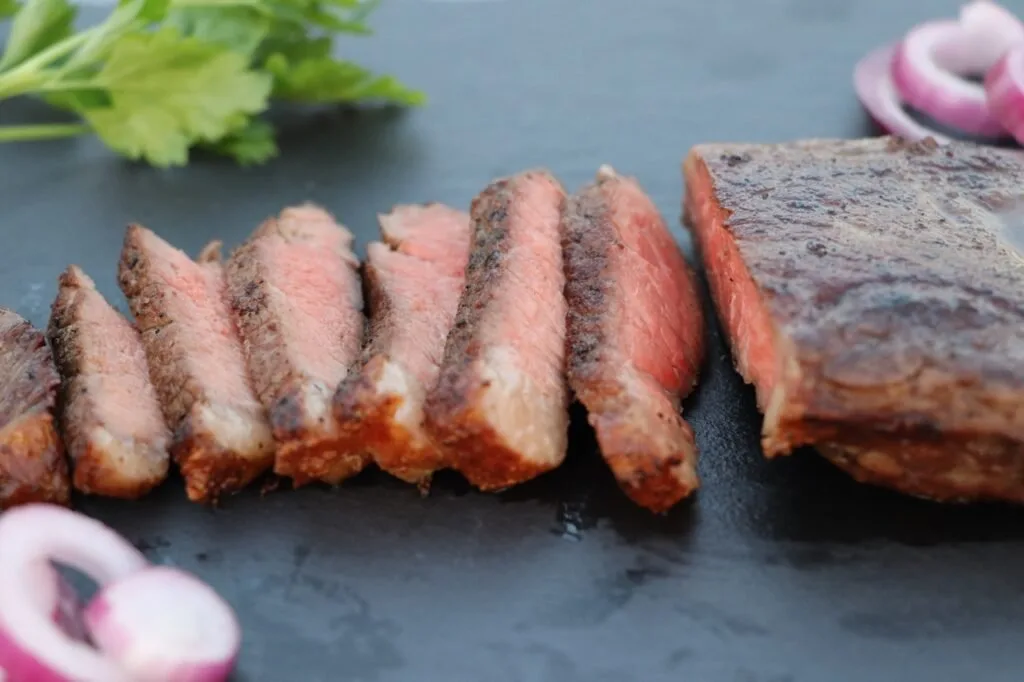
Here's how to execute it in your air fryer.
- Pat and season your thick steak as usual.
- Set your air fryer to 250°F (120°C). No preheating is necessary at this lower temperature.
- Cook the steak until the internal temperature is about 15 degrees below your final target. For medium-rare (final temp 135°F), cook to 120°F. This can take 20-30 minutes for a thick steak. Use your thermometer.
- Remove the steak and increase the air fryer temperature to its maximum, usually 400°F or higher. Let it preheat for 3-5 minutes.
- Return the steak and cook for 1-2 minutes per side. This creates the final crust without continuing to cook the interior much.
- Rest and serve as usual.
This method is perfect for special occasion steaks like a thick filet mignon or tomahawk ribeye. It requires more time but delivers a result that rivals any steakhouse.
Data You Can Trust: Time and Temperature Chart for Every Doneness
Forget guessing. This chart is based on aggregate data from manufacturer testing and verified user feedback for a 1-inch thick, room-temperature steak cooked at 400°F in a preheated air fryer. Your specific model may vary, so always use the temperature as your final guide.
| Desired Doneness | Final Internal Temp | Pull-Out Temp (before resting) | Approx. Total Cook Time |
|---|---|---|---|
| Rare | 125°F | 115-120°F | .sss 8-10 minutes |
| Medium-Rare | 135°F | 125-130°F | 10-12 minutes |
| Medium | 145°F | 135-140°F | 12-14 minutes |
| Medium-Well | 150°F | 140-145°F | 14-16 minutes |
| Well-Done | 160°F+ | 150°F+ | 16+ minutes |
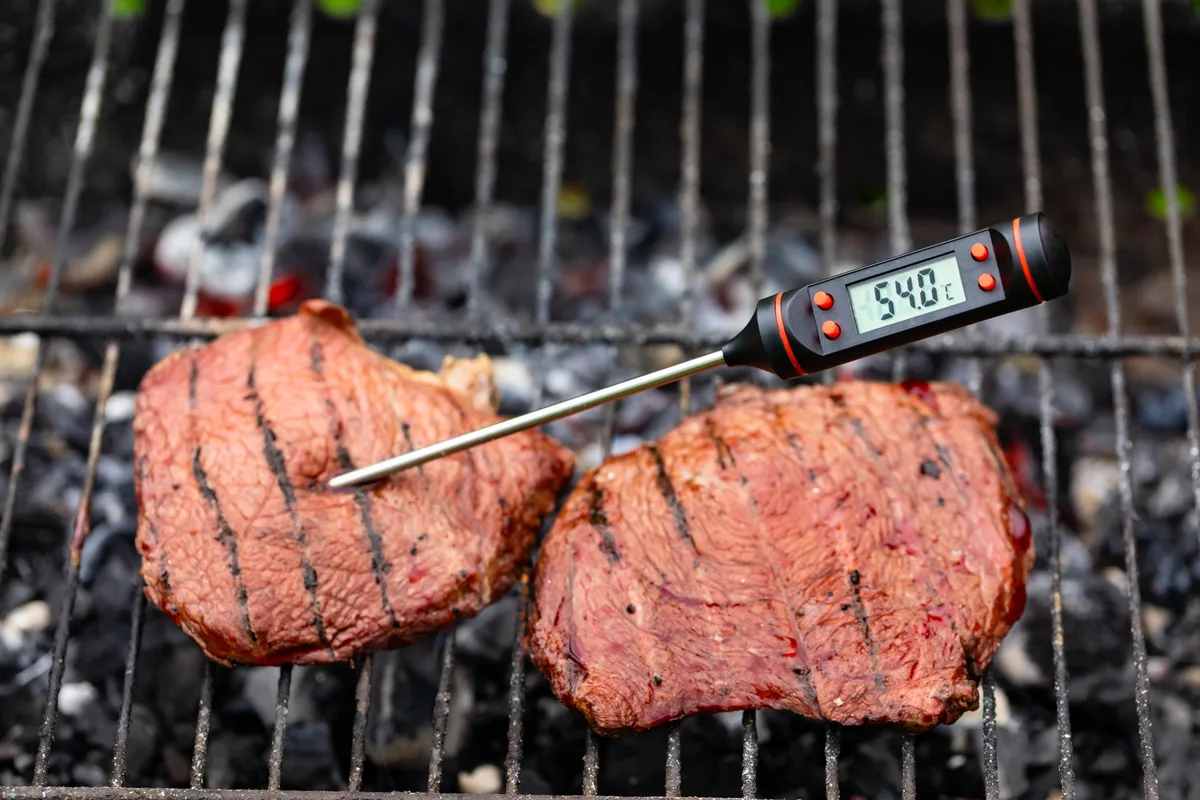
Crucial reminder. The "Pull-Out Temp" is the most important number here. Meat continues to cook after it leaves the heat source due to carryover cooking. Pulling a steak at 125°F and letting it rest for 5 minutes will result in a perfect medium-rare steak around 135°F.
Always measure the temperature in the thickest part of the steak, away from any bone or large fat seam. This is non-negotiable for accuracy.
The Sizzle Factor: How to Get a Better Crust in Your Air Fryer
The air fryer will never give you the deep, dark char of a 700°F grill grate. It can, however, produce an excellent, flavorful sear. The challenge is that fat dripping onto the heating element can cause smoke, which some users mistakenly think is the steak burning.
A few pro tweaks can maximize browning and minimize smoke.
- Pat EXTRA dry. We said it before, but it's worth repeating. The drier the surface, the better the Maillard reaction (browning) can occur.
- Consider a light oil coating. After patting dry, brush the steak very lightly with a high-smoke-point oil like avocado or grapeseed oil. This thin layer aids in heat transfer and browning. Don't drown it.
- Use a rack or trivet. Placing the steak on a small rack inside the air fryer basket elevates it. This allows hot air to circulate underneath, promoting crust formation on the bottom side as well. It also keeps the steak out of pooling fat.
- Don't overcrowd. Give your steak plenty of room. If the basket is crammed, the steak will steam instead of sear. Cook in batches if necessary.
- Blot after cooking. When you pull the steak out, briefly blot the top with a paper towel. This soaks up any excess surface oil that hasn't rendered, which can sometimes taste greasy.
If you love that crust, you might enjoy applying the same principles to other proteins, like getting a crispy skin on air fryer chicken skewers or a perfect finish on a roasted chicken sandwich filling.
Side-by-Side: Air Fryer vs. Grill vs. Cast Iron Pan
So when should you use the air fryer for steak instead of more traditional methods? Each tool has its superpower. The best choice depends on your priorities that day.
| Method | Best For | Pros | Cons |
|---|---|---|---|
| Air Fryer | Weeknight ease, small portions, minimal cleanup, consistency. | Fast preheat, very little smoke/splatter, hands-off cooking, easy to nail a specific doneness with a thermometer. | Limited capacity, cannot match the intense char of a grill, can dry out lean cuts. |
| Grill (Charcoal/Gas) | Maximum smoky flavor, deep char marks, entertaining, thick cuts. | Unbeatable flavor and visual appeal, high heat for excellent crust, can cook many steaks at once. | Weather dependent, longer setup/cleanup, requires more attention, can cause flare-ups. |
| Cast Iron Pan | Ultimate crust development, pan sauces, any weather, great for leaner cuts. | Creates an incredible, all-over sear, retains heat beautifully, allows for making a sauce in the same pan. | Generates a lot of smoke and splatter, requires careful temperature management, can overcook edges on very thick steaks. |
The verdict? The air fryer wins on convenience and consistency. It's your tool for a reliably good steak with almost no fuss. The grill wins on flavor and experience.
The cast iron pan wins on crust control and versatility.
Choose the air fryer when you want a great steak dinner on the table with minimal mess, especially if you're just cooking for one or two.
The Most Common Air Fryer Steak Mistakes (And How to Dodge Them)
We've all been there. Let's diagnose the usual suspects so you can avoid them.
Why is my steak tough and chewy?
This almost always means overcooking. Lean cuts like sirloin or flank steak are especially vulnerable. The solution is to use a thermometer and pull the steak earlier than you think.
Also, always slice against the grain for tougher cuts.
Why is there no crust, just a grey exterior?
You didn't pat the steak dry, or you didn't preheat the air fryer. Moisture is the enemy of browning. A wet steak in a lukewarm air fryer will steam.
Ensure both are bone-dry and piping hot.
Why is it smoking so much?
This is usually fat dripping directly onto the heating element. Trimming excess fat from the edges can help. Using a rack insert to elevate the steak also minimizes this.
A little smoke is normal, but billowing smoke means fat is hitting the element.
Why is it cooking unevenly?
You're overcrowding the basket. Air needs to circulate freely. Cook steaks in a single layer with space between them.
Also, ensure your steak is a consistent thickness. If one end is much thinner, it will overcook.
Why is it still cold in the middle?
You're cooking a frozen or fridge-cold steak. Always let your steak sit out for 20-30 minutes to come closer to room temperature. A cold center takes much longer to heat through, guaranteeing an overcooked exterior.
Remember, the air fryer is a powerful tool. Respect its heat and measure your results. That's the path from frustration to flawless steaks every time.
Pro Moves: Tips from the Test Kitchen
Small adjustments make a big difference. First, let your seasoned steak sit on a rack in the fridge for an hour, uncovered. This "dry brining" pulls moisture from the surface for an even better crust.
Second, add aromatics. Toss a few sprigs of rosemary or thyme into the basket with the steak. The circulating air will infuse a subtle flavor.
Finally, don't waste the drippings. After removing the steak, toss in halved mushrooms or cherry tomatoes. Cook them for a few minutes in the rendered beef fat for an instant, flavorful side.
The Safety Bottom Line: Handling and Temperatures
Food safety is non-negotiable. The USDA Food Safety and Inspection Service states that the safe minimum internal temperature for whole cuts of beef is 145°F, followed by a 3-minute rest time.
For steaks, this means medium doneness or higher is the official safe zone. Cooking to lower temperatures for rare or medium-rare is a personal choice that carries an increased risk of foodborne illness.
Always use separate plates and utensils for raw and cooked meat. Wash your hands and surfaces thoroughly after handling raw steak. These practices keep your quick and easy meal safe.
FAQ: Your Top Steak Questions Answered
Can I cook a frozen steak in the air fryer?
You can, but you must adjust. Add 5-8 minutes to the cook time. The exterior will be well-done before the center thaws and cooks, so it's best for dishes where you'll slice the steak thinly, like for a shredded chicken sandwich style salad.
Do I need to add oil to the steak or basket?
You don't need to, but a very light brushing of oil on the steak can improve browning. Never add loose oil to the basket itself. It can smoke and is a fire hazard.
Why does my steak taste bland even with seasoning?
You're likely under-seasoning or not letting the salt work. Season at least 15 minutes before cooking. The salt needs time to penetrate past the surface.
Can I cook two steaks at once?
Yes, if your basket is large enough. Ensure there's significant space between them for air flow. You may need to add 1-2 minutes to the cook time.
Is the air fryer good for steak tips or cubes?
Absolutely. Cut uniform pieces and toss them in a little oil and seasoning. Cook at 400°F for 8-10 minutes, shaking the basket halfway.
They're perfect for topping salads, like a creamy chicken macaroni salad.
How do I clean the air fryer after cooking steak?
Let it cool completely. The basket and tray are usually dishwasher safe. For stubborn grease, soak in warm, soapy water.
Never submerge the main unit.
The Final Verdict: Is an Air Fryer a Good Way to Cook Steak?
Yes, with clear conditions. The air fryer is an excellent tool for cooking steak when you prioritize convenience, consistency, and easy cleanup. It delivers a reliably good result with minimal fuss.
It shines with well-marbled, thicker cuts like ribeye and strip steak. It's less ideal for achieving a true charcoal-grill char or for perfectly cooking very thin, lean cuts without risk of dryness.
For a fast, no-mess, weeknight steak dinner, the air fryer is a winner. For a special occasion where smoky flavor and perfect char are the goals, fire up the grill or heat the cast iron. Choose the right tool for your goal, and you'll never be disappointed.