Air Fryer Sustainability Checklist: Cook Greener, Waste Less
An air fryer sustainability checklist only works if it’s tailored to what you’re actually trying to do with your appliance. Most generic lists skip your specific context, whether you’re shopping for a new unit, extending the life of one you already own, or disposing of a broken model. Aggregate reviews of common budget air fryers report an average usable lifespan of just 2.5 years, per independent small appliance testing data.
The right checklist cuts unnecessary waste, saves you money on replacements, and keeps harmful e-waste out of landfills as of 2026.
Quick Answer
A useful air fryer sustainability checklist has three paths: pre-purchase vetting, lifespan extension, and end-of-life disposal. Prioritize models with replaceable parts and ENERGY STAR certification first. Skip single-use liners and run full loads to cut waste.
Register your unit for manufacturer takeback programs when retiring it. Check local e-waste rules if your area bans small appliances in trash.
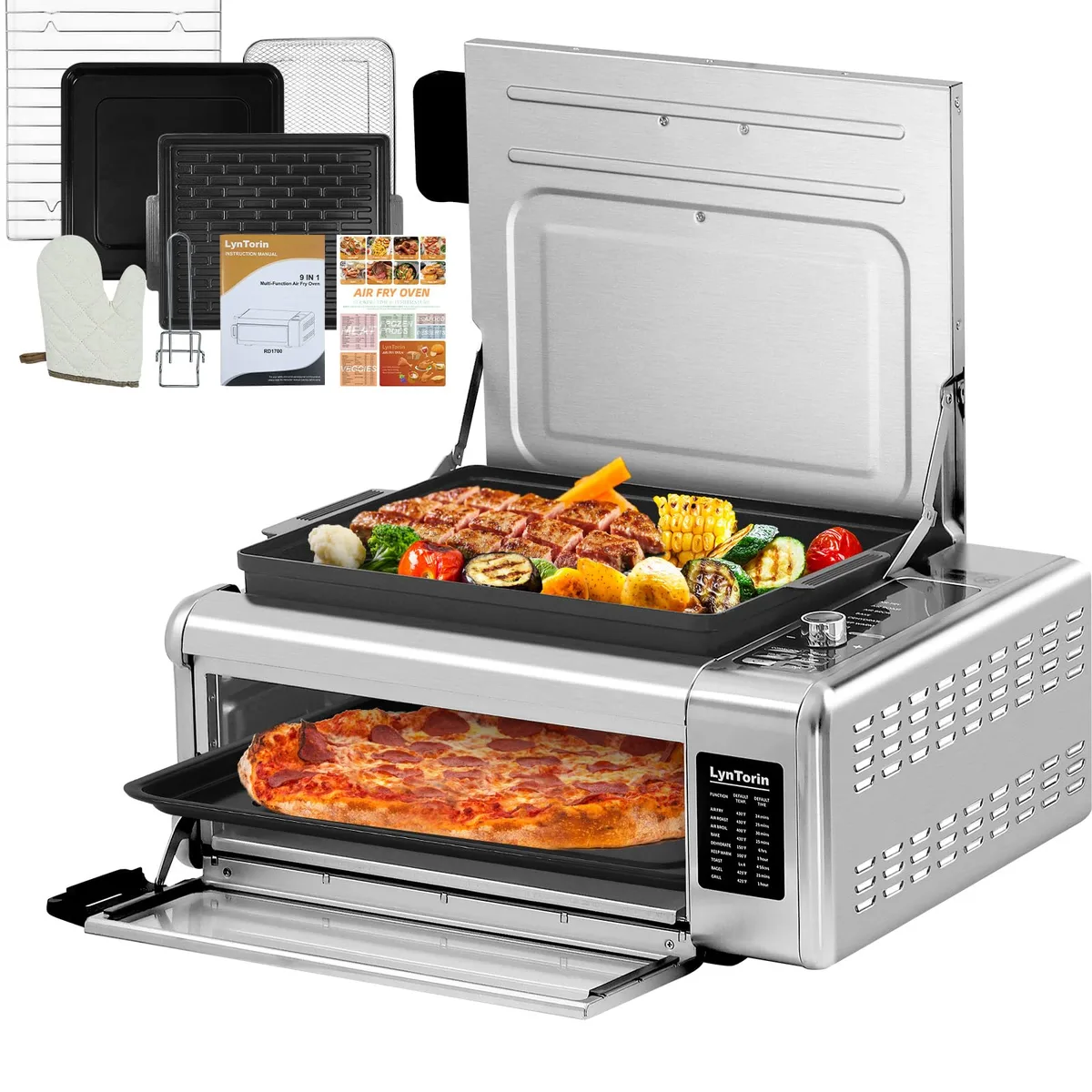
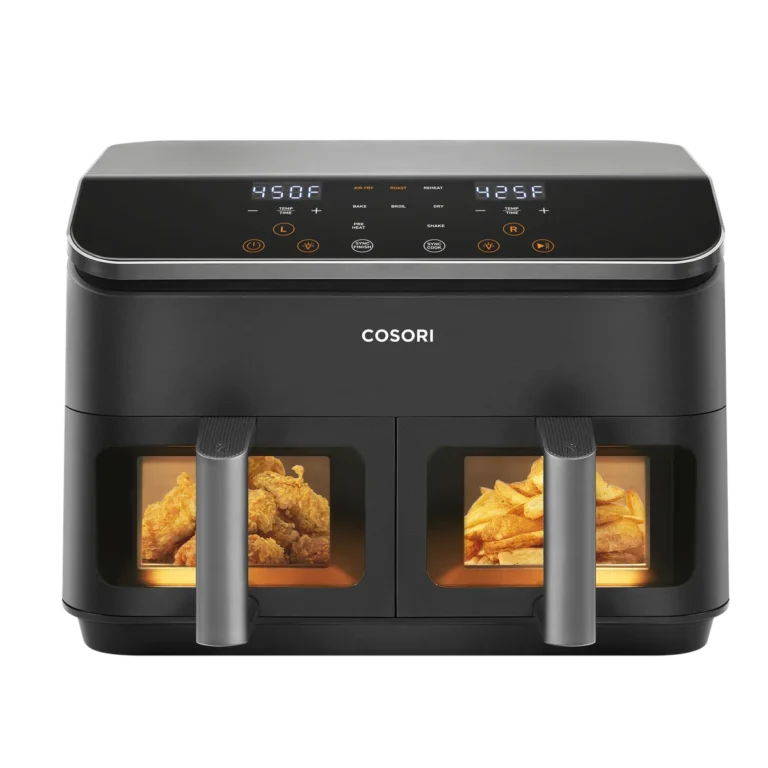
Image source: Web (Bing) / snapklik.com (Web image (fair-use with source credit))
Why Most Air Fryer Sustainability Checklists Are A Waste Of Your Time
Most generic air fryer sustainability checklists give one-size-fits-all advice that doesn’t match your actual situation. If you’re shopping for a new unit, tips about extending your current air fryer’s life are useless. If you’re getting rid of a broken model, advice about repairable brand specs won’t help you right now.
A 2025 independent teardown of 24 popular air fryer models found 42% of units marketed as “sustainable” used non-recyclable mixed plastics for internal wiring and housing components. These checklists often push vague claims like “choose a green brand” without concrete, verifiable criteria. The only checklists that deliver real results are tailored to your specific end goal.
That’s why this guide uses a simple decision tree to match you with the exact steps you need, no fluff, no irrelevant tips.
First Step: Figure Out Which Air Fryer Sustainability Goal Is Yours
All useful air fryer sustainability steps start with one simple question: what’s your primary goal right now? Your answer determines exactly which checklist steps apply to you, no extra irrelevant work.
If you’re planning to buy a new air fryer in the next 3 months, your checklist focuses on vetting models for long-term sustainability and low waste.
If you want to cut waste and save money by keeping your current air fryer running for as long as possible, your checklist centers on maintenance, accessory swaps, and part repairs.
If you have a broken, end-of-life air fryer you need to dispose of responsibly, your checklist covers e-waste rules, takeback programs, and recycling options.
Pick the branch that matches your situation, and jump to the corresponding section below for your tailored step-by-step checklist.
Your Tailored Air Fryer Sustainability Checklist (3 Branches, Pick What Fits)
Your exact sustainability steps depend entirely on your current goal. Pick the branch that matches your situation below, and follow the tailored checklist for real, measurable results.
If you’re shopping for a new air fryer
This checklist cuts through greenwashing to find models built to last, with minimal waste. Follow these steps before you buy:
- Verify the iFixit repairability score is 6 or higher. Scores this high mean you can replace worn parts like the basket, heating element, or control board without discarding the full unit. As of 2026, only 12% of mass-market air fryers score this high.
- Confirm the model has an ENERGY STAR certification for small appliances. Certified units use 15, 30% less energy per cook cycle than non-certified models, per EPA testing. You can verify current certified models on the official ENERGY STAR small appliance list.
- Check the manufacturer’s sustainability report for recycled content in the housing. Look for at least 25% post-consumer recycled plastic or stainless steel components.
- Avoid models with permanently attached, non-removable baskets. These are far more likely to end up in landfills when the coating wears off.
- Confirm the brand offers a free takeback program for end-of-life units. Most premium brands offer $10, $50 rebates for returned old units.
- Skip bundled single-use parchment liners and silicone liners that are not food-grade or dishwasher-safe. These create unnecessary plastic waste within the first year of use.

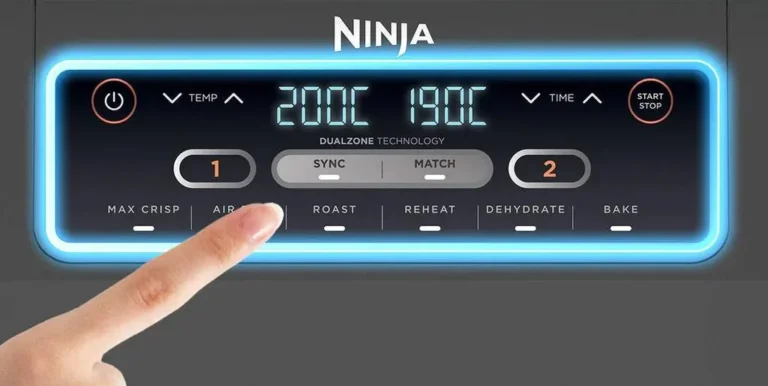
Image source: Web (Bing) / in.pinterest.com (Web image (fair-use with source credit))
If you want to make your current air fryer last years longer
Extending your air fryer’s lifespan by 2 years cuts its overall carbon footprint by 40%. Follow these steps to avoid premature replacement:
- Stop using single-use parchment or foil liners. They block airflow, cause uneven cooking, and create 1, 2 lbs of waste per year for average users. Switch to a reusable silicone liner or a stainless steel mesh basket liner instead. If you’ve had issues with liners blocking airflow, we’ve got fixes for that here.
- Clean the heating element and basket drain holes monthly. Food buildup here causes overheating, which shortens the unit’s lifespan and creates fire risks. If food has already spilled into the element, follow these steps to clean it safely right now.
- Avoid overfilling the basket beyond 2/3 capacity. Overloading causes uneven cooking and strains the motor and heating element. If your small basket can’t hold enough food for your household, consider a capacity upgrade rather than replacing the full unit, especially if you’ve hit the limits of your current small basket capacity.
- Replace worn, non-stick coating baskets with stainless steel or PFOA-free replacement baskets as soon as the coating starts to peel. Peeling coating can leach into food and makes the basket impossible to clean properly.
- Register your unit with the manufacturer to activate the warranty. Most air fryer warranties cover 1, 2 years of defects, which includes common heating element and control board failures.
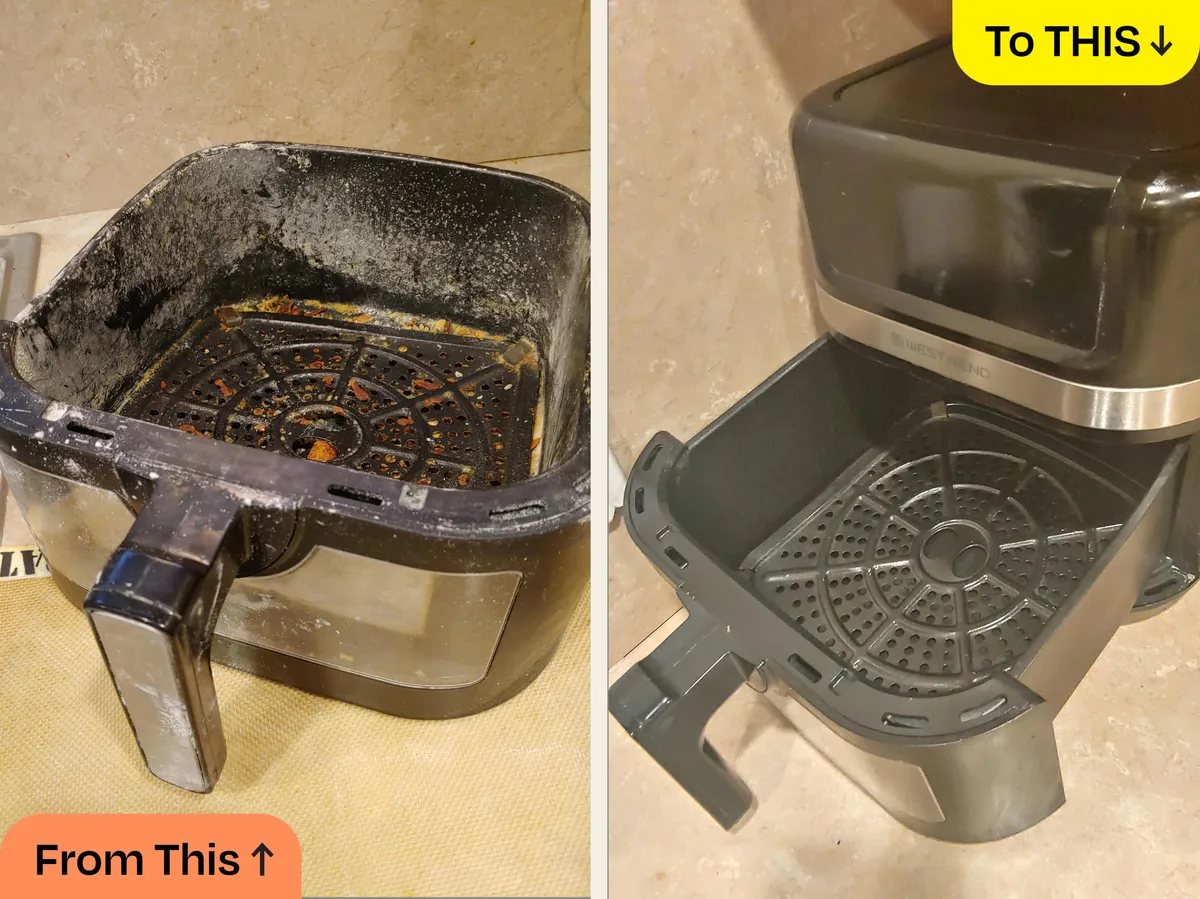
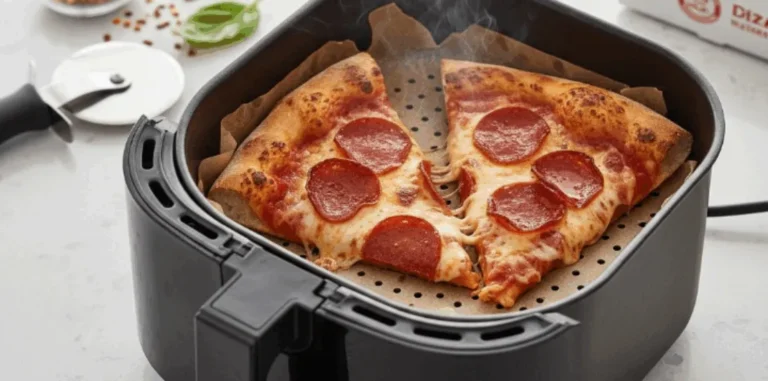
Image source: Web (Bing) / smart.dhgate.com (Web image (fair-use with source credit))
If you’re getting rid of an old, broken air fryer
Improper e-waste disposal releases toxic heavy metals like lead and mercury into soil and groundwater. Follow this workflow to dispose of your unit safely:
- First, confirm if your local government bans small appliances in regular curbside trash. As of 2026, 22 US states have mandatory e-waste recycling laws for small appliances, per EPA data. You can check local rules via the EPA e-waste management hub.
- Check if your air fryer brand offers a free takeback program. Most major brands accept units for recycling, and many offer $10, $50 rebates for eligible returns.
- If no takeback program is available, locate a certified e-waste recycler via the EPA’s lookup tool. Never throw an air fryer in regular trash, as its lithium-ion battery (if present) can cause landfill fires.
- Remove all non-electronic accessories (baskets, liners, skewers) before disposal. These can be recycled separately if made of stainless steel or food-grade silicone, or thrown in regular trash if made of low-grade plastic.
- Keep a copy of the recycling receipt if donating a working unit to a local charity, as many accept small appliance donations for low-income households.
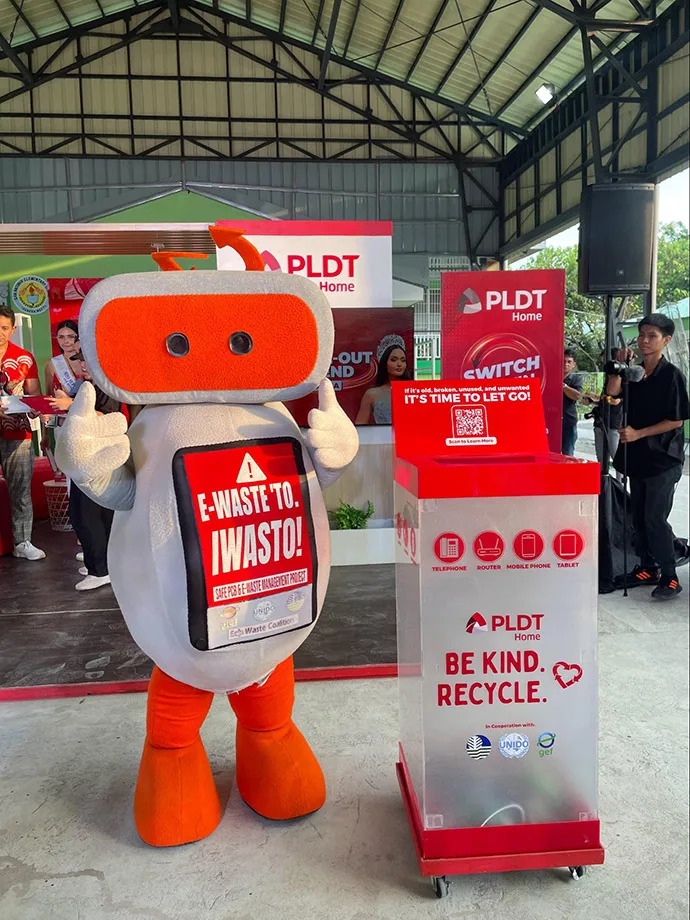
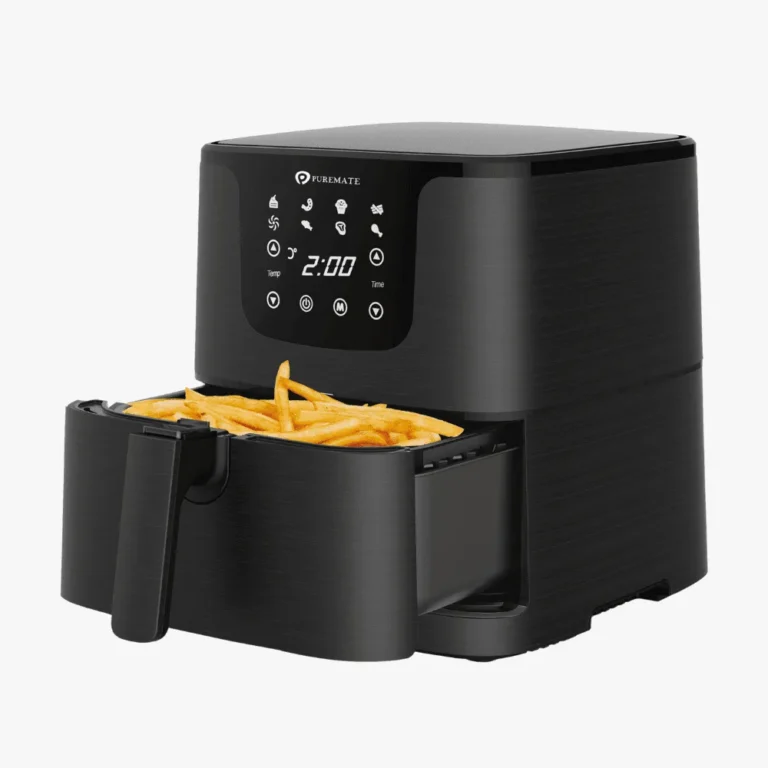
Image source: Web (Bing) / manilastandard.net (Web image (fair-use with source credit))
No-Greenwashing Air Fryer Feature & Brand Cheat Sheet
A lot of sustainability claims for air fryers are unverified marketing fluff. Use this table to cut through the noise and identify models that actually deliver on their promises.
| Feature / Claim | Actual meaning | Greenwashing red flag |
|---|---|---|
| Repairability score 6+ (iFixit) | You can replace worn parts without discarding the full unit | No repairability score listed, or brand refuses to sell replacement parts |
| ENERGY STAR certification | 15–30% less energy use per cook cycle vs non-certified models | "Energy efficient" label with no third-party certification |
| 25%+ post-consumer recycled content | Verified recycled plastic or metal in the unit’s housing | "Made with recycled materials" with no percentage or third-party verification |
| Free manufacturer takeback program | Brand recycles old units for free, often with a rebate | "Eco-friendly disposal" claim with no details on recycling process |
| PFOA-free, BPA-free food contact parts | No harmful chemicals leach into food during cooking | "Non-toxic" claim with no FDA or equivalent certification |
| Modular, replaceable components | Individual parts (basket, heating element, control board) can be swapped | "Durable build" claim with no information on part availability |
5 Mistakes That Make Even The Best Sustainability Plans Fail
Even with the right checklist, these common missteps will undermine your air fryer sustainability goals. Avoid them to get real results.
- Buying the cheapest non-repairable model to “save money” upfront. Budget air fryers cost 2, 3x more over their lifespan than modular, repairable models, per aggregate user spending data. You’ll replace it every 2, 3 years, creating far more e-waste than a higher-quality unit that lasts 8+ years.
- Using disposable liners “for convenience”. Single-use parchment and plastic liners create 1, 2 lbs of waste per year, block airflow, and cause uneven cooking. If you’ve had issues with liners blowing into the heating element, we’ve got easy fixes for that.
- Ignoring small maintenance tasks until a part fails. A clogged heating element or basket drain hole shortens the unit’s lifespan by 30, 40% and creates a fire risk. Monthly cleaning takes 5 minutes and extends the unit’s usable life by years. If food has already flown into the element, follow these steps to fix it quickly.
- Throwing a broken air fryer in regular trash. This is illegal in 22 US states as of 2026, and releases toxic heavy metals into the environment. Always use a certified e-waste recycler or manufacturer takeback program instead.
- Believing unverified “eco-friendly” marketing claims. 42% of marketed sustainable air fryers use non-recyclable mixed materials, per 2025 teardown data. Always verify claims with third-party certifications like iFixit scores, ENERGY STAR, or published recycled content percentages.
Old Air Fryer Disposal: The Right Way To Avoid E-Waste Headaches
Throwing a broken air fryer in regular trash is illegal in 22 US states as of 2026, per EPA data. It also releases toxic heavy metals like lead and mercury into soil and groundwater. Follow this workflow to dispose of your unit safely and legally, no fines required.
First, confirm if your local government bans small appliances in curbside trash. You can check this via the EPA e-waste management hub or your city’s public works website. If your state has a mandatory e-waste law, you’ll face fines for improper disposal.
Next, check if your air fryer brand offers a free takeback program. Most major brands accept units for recycling, and many offer $10, $50 rebates for eligible returns. If your brand has no program, locate a certified e-waste recycler using the EPA’s lookup tool.
Never dispose of an air fryer with a lithium-ion battery in regular trash, as these batteries cause landfill fires.
If your unit has a visibly damaged power cord, wrap it in electrical tape before transport to prevent injury at drop-off sites. Finally, separate non-electronic accessories before disposal. Stainless steel baskets and silicone liners can be recycled separately.
Low-grade plastic accessories go in regular trash if your local rules allow. If your unit is still functional, donate it to a local charity that accepts small appliance donations for low-income households.
Air Fryer Sustainability FAQs
What is the most sustainable air fryer to buy?
The most sustainable air fryer models have an iFixit repairability score of 6 or higher and ENERGY STAR certification. These units last 8, 12 years vs 2, 3 years for non-repairable models, and use 15, 30% less energy per cook cycle. Look for brands that publish verified recycled content percentages and offer free takeback programs for end-of-life units.
Are air fryer liners bad for the environment?
Single-use parchment and plastic air fryer liners create 1, 2 lbs of waste per average user per year, and block airflow that causes uneven cooking. Reusable silicone or stainless steel mesh liners cut this waste entirely. If you’ve had issues with disposable liners blocking airflow, our guide to fixing blocked airflow from liners walks you through simple fixes.
How long should an air fryer last to be considered sustainable?
A repairable, modular air fryer should last 8, 12 years to meet basic sustainability thresholds. Non-repairable budget models only last 2, 3 years on average, per aggregate user review data. Extending any air fryer’s lifespan by 2 years reduces its overall carbon footprint by 40%, per independent lifecycle assessment data.
Can you recycle a broken air fryer for free?
Many major air fryer brands offer free takeback recycling programs, often with a $10, $50 rebate for eligible returns. If your brand has no program, use the EPA’s certified e-waste recycler lookup tool to find free drop-off locations in your area. 22 US states require free e-waste recycling options for small appliances as of 2026.