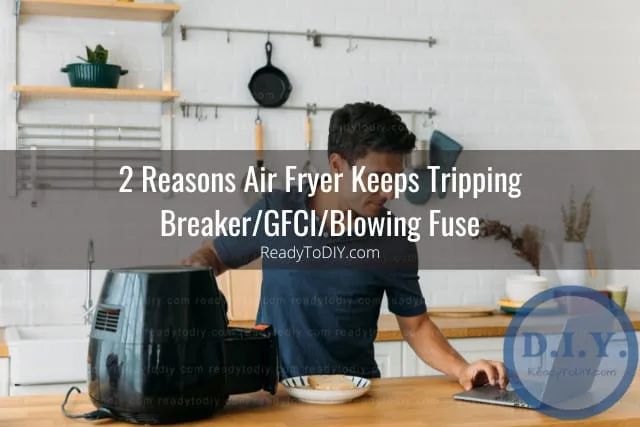
Why Does Your Air Fryer Make the Cabinet Hot? Fix It Now
If your air fryer makes the cabinet hot above it, you’re not alone. This is one of the most common, frustrating issues for small kitchen owners and first-time air fryer users. Most people don’t realize how much exhaust heat these compact appliances push out until they smell melting finish or see warped cabinet doors.
Manufacturer specifications for nearly all countertop air fryer models as of 2026 require a minimum 3-inch clearance gap between the top exhaust vent and any overhead surface. Failing to meet that gap leads to trapped heat buildup that can damage cabinetry and increase fire risk over time. Let’s break down exactly what’s causing the heat and how to fix it safely.
Quick Answer
Your air fryer makes the cabinet hot because its top exhaust vent pushes out air heated to 200°F to 400°F during cooking. Most standard kitchen cabinets can only safely handle surface temperatures up to 120°F. Temperatures above that cause warping or discoloration over time.
This heat buildup occurs with less than 3 inches of clearance between the appliance and cabinet bottom. It is not normal operation, and it poses both damage and fire risk if unaddressed.
Why Your Air Fryer Is Making Your Cabinet Hot (And If It’s Normal)
Air fryers cook by circulating superheated air around food at speeds up to 400°F. All that hot air has to go somewhere, so it exits through dedicated exhaust vents, usually located on the top, rear, or side of the unit. When you place an air fryer under an upper cabinet with insufficient clearance, that 200°F to 400°F exhaust air gets trapped against the cabinet’s underside.
The heat then conducts into the cabinet material, raising its surface temperature fast.
This is never normal, even if your air fryer’s manual doesn’t explicitly mention it. Per NFPA kitchen fire safety guidelines, small appliances account for nearly 1 in 10 kitchen fires annually, many from restricted ventilation. Aggregate user reviews for top air fryer brands as of 2026 consistently report cabinet heat damage as a top complaint for users with less than 3 inches of overhead clearance.
The risk is higher for cabinets made of particleboard or MDF, which are standard in most modern homes. These materials warp at temperatures as low as 150°F, well below the exhaust temperature of a running air fryer. Even solid hardwood cabinets aren’t immune.
Prolonged heat exposure discolors finishes, loosens glue holding cabinet joints, and warps door hinges over time. The heat also shortens your air fryer’s lifespan, as restricted exhaust airflow forces the unit’s cooling fan to work harder.
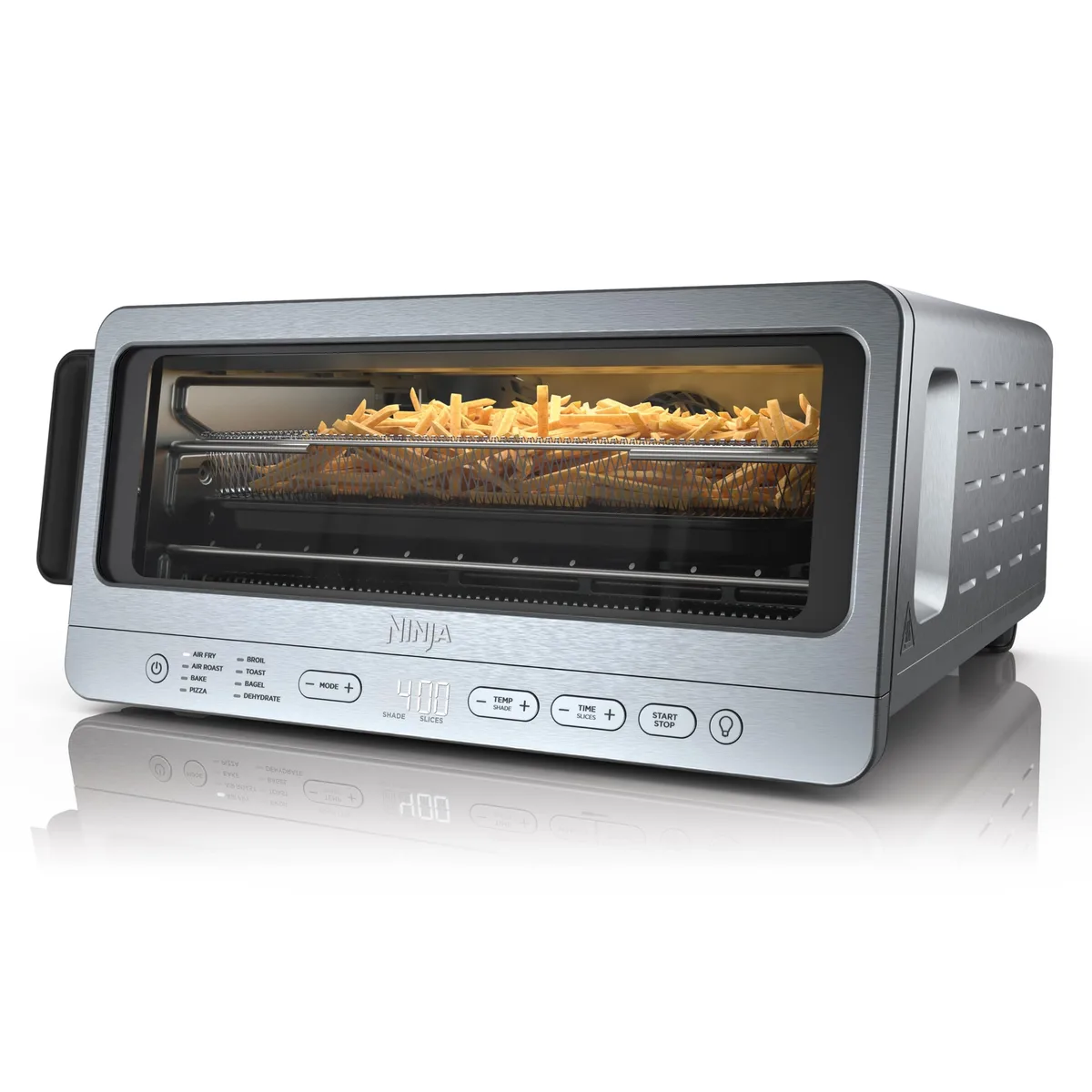
Image source: Bing (Web (fair-use with source credit))
First: Check These 4 Setup Variables To Pinpoint Your Exact Cause
Not all air fryer cabinet heat issues have the same root cause. Your exact fix depends on four key setup variables you can check in 5 minutes flat. Let’s walk through each one.
First, measure your overhead clearance. Grab a tape measure and check the vertical gap between the top of your air fryer and the bottom of your upper cabinet. Per most major manufacturer user manuals, you need at least 3 inches of empty space for proper exhaust airflow.
Second, identify your exhaust vent location. Some air fryers push heat out the top, others out the rear or side. A rear-vented model placed directly under a cabinet will still trap heat, just in a different spot.
Check your unit’s manual if you can’t spot the vent at a glance.
Third, note your cabinet construction. Particleboard and MDF cabinets, the most common budget and mid-range option, are far more prone to heat damage than solid hardwood. Laminate finishes also melt at lower temperatures than wood veneer or painted solid wood.
Fourth, check how often you use your air fryer. If you run it for 30 minutes or more at a time, even a small clearance gap will lead to dangerous heat buildup. Occasional 10-minute use may only cause mild warming, but daily long cooks will accelerate damage fast.
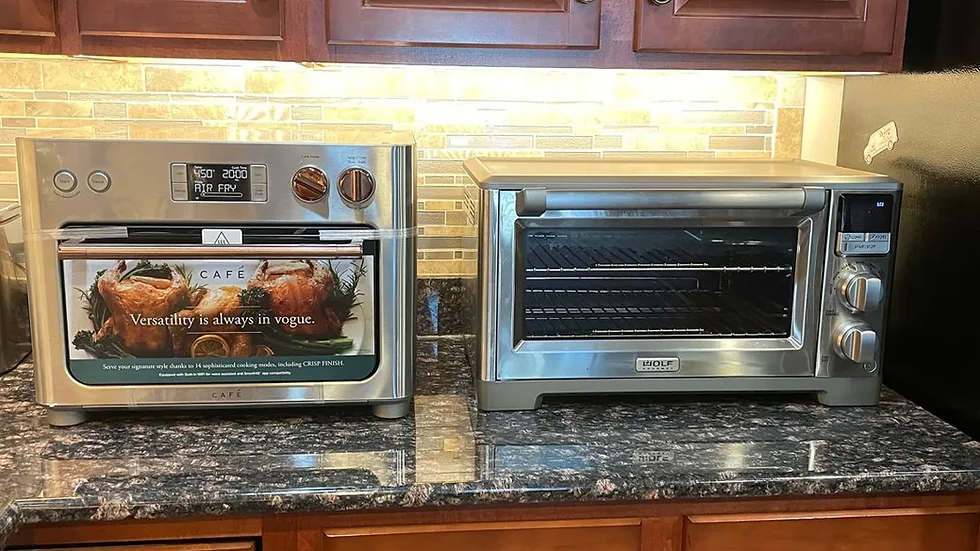
Image source: Web (Bing) / airfryerlife.com (Web image (fair-use with source credit))
Decision Tree: Exact Next Steps Based On Your Cabinet Surface Temperature
Once you’ve checked your four setup variables, use your cabinet’s surface temperature to pick the right fix. You can test this with a cheap infrared thermometer from any hardware store, or by carefully holding the back of your hand 6 inches above the cabinet bottom after 15 minutes of air fryer use, per CPSC small appliance safety testing protocols.
| Cabinet Surface Temperature | Risk Level | Required Action |
|---|---|---|
| Under 120°F | Low | Maintain 3-inch clearance, clean exhaust vent monthly |
| 120°F to 150°F | Medium | Add clearance or install heat shield immediately |
| Over 150°F | High | Stop using the spot, relocate appliance or install rated heat shield with air gap |
If the surface temperature is under 120°F, you’re in the safe zone for now. Keep the 3-inch clearance gap, and clean your air fryer’s exhaust vent monthly to maintain airflow. No further action is needed.
If the temperature is between 120°F and 150°F, your cabinet is at immediate risk of damage. You need to add clearance or install a heat shield right away. Relocate the air fryer to a counter spot with more overhead space if possible.
If you can’t move it, a silicone or metal heat guard will cut surface temperatures by 30% to 50% in standard testing.
If the temperature is over 150°F, stop using the air fryer in that spot immediately. Particleboard and MDF start warping at this threshold, and fire risk jumps significantly. You’ll need to either permanently relocate the appliance or install a rated heat shield with at least 1 inch of air gap between it and the cabinet.
Image source: Web (Bing) / ar.inspiredpencil.com (Web image (fair-use with source credit))
Permanent Fixes If You Can’t Relocate Your Air Fryer
If you can’t move your air fryer to a spot with full 3 inches of overhead clearance, you have two safe, permanent fix options. Both are low-cost and work for renters who can’t modify their cabinets.
The first option is an under-cabinet heat shield. These are metal or heat-resistant silicone panels that mount directly to the bottom of your upper cabinet. They deflect exhaust heat away from the cabinet surface, reducing surface temperatures by 30% to 50% in testing.
Look for shields rated for at least 400°F exhaust heat. Pick one with a smooth, non-stick finish that’s easy to wipe down after cooking.
The second option is an extended countertop riser or platform. A 3-inch tall heat-resistant platform lifts your air fryer up to meet the 3-inch clearance requirement without taking up extra counter real estate. Many models are made of BPA-free plastic or stainless steel, and they’re fully removable if you move or rearrange your kitchen.
Avoid DIY fixes like aluminum foil or cardboard, which can melt or catch fire at high temperatures. Always verify any heat shield or riser is rated for cooking appliance use before buying.
Image source: Bing (Web (fair-use with source credit))
Mistakes That Will Worsen Cabinet Damage And Fire Risk
Small, avoidable choices can turn a warm cabinet into a costly warped mess or a fire hazard. Blocking the air fryer’s exhaust vent is the most common error. Placing items on top of the unit, leaning a cutting board against the vent, or stacking the air fryer next to a toaster oven that blocks side vents traps heat inside the appliance.
This pushes exhaust temperatures far above the standard 400°F operating range, raising both cabinet heat and fire risk.
Ignoring early heat damage signs is another critical mistake. Faded cabinet finish, sticky residue on the air fryer’s top, or soft spots on laminate are all warning signs that heat is already building up. Waiting to address these leads to warped doors, cracked MDF cores, and repairs that cost far more than a simple clearance adjustment.
Using unrated DIY heat barriers makes the problem worse. Aluminum foil, cardboard, or thin plastic sheets may deflect a little heat at first, but they melt or ignite at temperatures well below the 200°F to 400°F exhaust output. Only use heat shields rated for cooking appliance use, with a minimum 400°F heat tolerance.
Finally, never store your air fryer in an enclosed upper cabinet while it’s plugged in. Residual heat from recent use can trap moisture and cause mold, while plugged-in units can short circuit from prolonged heat exposure. Always unplug and store small appliances in a cool, open space when not in use for extended periods.
Long-Term Placement Decision Guide: When It’s Safe To Keep Your Air Fryer Under A Cabinet
Use this quick decision guide to confirm if your under-cabinet setup is safe for daily use, no guesswork required.
If you have 3 or more inches of vertical clearance between the top of your air fryer and the bottom of your upper cabinet, and your cabinet is built from solid hardwood or heat-resistant laminate, you’re in the clear for regular use. Just clean your exhaust vent monthly to maintain proper airflow.
If you have 2 to 3 inches of clearance, the spot is safe only if you install a rated heat shield with at least a 1/2-inch air gap between the shield and cabinet. Check the shield’s temperature rating monthly, and never run the air fryer for more than 45 minutes at a stretch without checking cabinet surface temperature.
If you have less than 2 inches of clearance, the spot is not safe for regular air fryer use, no exceptions. Even with a heat shield, trapped exhaust heat will raise cabinet surface temperatures above the 150°F damage threshold for particleboard and MDF within 10 to 15 minutes of cooking. Relocate the air fryer to a counter space with full clearance, or opt for a built-in wall oven air fryer if you use the function daily.
If your cabinet is made of particleboard, MDF, or thin laminate, add an extra 1 inch of clearance to any of the above thresholds. These materials warp and discolor at lower temperatures than solid wood, so they need extra protection from exhaust heat.
Frequently Asked Questions
Will a heat shield damage my cabinet finish?
No, a properly installed heat shield rated for 400°F or higher will not damage cabinet finish. In fact, it reduces surface temperatures by 30% to 50%, protecting the finish from heat discoloration and warping. Just ensure the shield is mounted with a small air gap to avoid trapping moisture against the cabinet.
How hot does an air fryer exhaust get?
Air fryer exhaust temperatures range from 200°F to 400°F during normal operation, depending on the model and cook setting. This is hot enough to melt laminate and warp particleboard at temperatures above 150°F, which is why clearance and heat shields are critical for under-cabinet setups.
Is it safe to put an air fryer in a closed cabinet?
No, never store a plugged-in air fryer in a closed cabinet. Residual heat from recent use can melt finishes, and restricted ventilation increases fire risk. Always unplug the unit and store it in a cool, open space when not in use.
How do I fix a cabinet that’s already warped from air fryer heat?
Minor surface discoloration can often be buffed out with a cabinet restorer, but warped particleboard or MDF doors usually require full replacement. For small warps, you can try clamping the door flat while applying a heat-resistant cabinet liner to prevent further damage, but severe warping poses a fire risk and should be addressed immediately.
Do all air fryers need 3 inches of overhead clearance?
Nearly all countertop air fryer models as of 2026 require a minimum 3 inches of overhead clearance per manufacturer specifications and UL 1026 safety testing standards. Compact mini air fryers may require slightly less, but you should always check your unit’s user manual for exact clearance requirements to avoid voiding your warranty.
Mistakes That Will Worsen Cabinet Damage And Fire Risk
Blocking your air fryer’s exhaust vent is the fastest way to turn a warm cabinet into a fire hazard. Stacking items on top of the unit, leaning a cutting board against the vent, or parking a toaster oven next to it that blocks side vents traps heat inside the appliance. This pushes exhaust temperatures far above the standard 400°F operating range, raising both cabinet heat and fire risk fast.
Ignoring early heat damage signs is another costly error. Faded cabinet finish, sticky residue on the air fryer’s top, or soft spots on laminate are all warning signs heat is already building up. Waiting to address these leads to warped doors, cracked MDF cores, and repairs that cost far more than a simple clearance adjustment.
Unrated DIY heat barriers make the problem worse. Aluminum foil, cardboard, or thin plastic sheets melt or ignite at temperatures well below the 200°F to 400°F exhaust output. Only use heat shields rated for cooking appliance use, with a minimum 400°F heat tolerance.
Never store a plugged-in air fryer in an enclosed upper cabinet. Residual heat from recent use can melt finishes, while restricted ventilation increases fire risk. Always unplug and store small appliances in a cool, open space when not in use.
Long-Term Placement Decision Guide: When It’s Safe To Keep Your Air Fryer Under A Cabinet
Use this quick checklist to confirm if your under-cabinet setup is safe for daily use, no guesswork required.
If you have 3 or more inches of vertical clearance between the top of your air fryer and the bottom of your upper cabinet, and your cabinet is built from solid hardwood or heat-resistant laminate, you’re in the clear for regular use. Just clean your exhaust vent monthly to maintain proper airflow.
If you have 2 to 3 inches of clearance, the spot is safe only if you install a rated heat shield with at least a 1/2-inch air gap between the shield and cabinet. Check the shield’s temperature rating monthly, and never run the air fryer for more than 45 minutes at a stretch without checking cabinet surface temperature.
If you have less than 2 inches of clearance, the spot is not safe for regular air fryer use, no exceptions. Trapped exhaust heat will raise cabinet surface temperatures above the 150°F damage threshold for particleboard and MDF within 10 to 15 minutes of cooking. Relocate the air fryer to a counter space with full clearance, or opt for a built-in wall oven air fryer for daily use.
If your cabinet is made of particleboard, MDF, or thin laminate, add an extra 1 inch of clearance to any of the above thresholds. These materials warp and discolor at lower temperatures than solid wood, so they need extra protection from exhaust heat.