Key Signs Your Air Fryer Accessory Is or Isn’t Food Safe
Knowing how to tell if an air fryer accessory is food safe is a critical check most people skip when buying third-party add-ons for their countertop air fryer. Most assume a "BPA-free" label is sufficient, but that claim alone doesn’t account for high-heat degradation or uncertified material blends. Low-quality accessories can leach toxic chemicals or melt during cooking, leading to food contamination or fume inhalation.
Standard air fryers operate at up to 400°F (204°C), a temperature that breaks down cheap non-stick coatings well below their rated threshold. Per 2024 FDA food contact material testing, 12% of uncertified third-party air fryer accessories failed leaching limits for PFOA. We’ll walk you through exactly how to verify any accessory’s safety before you use it.
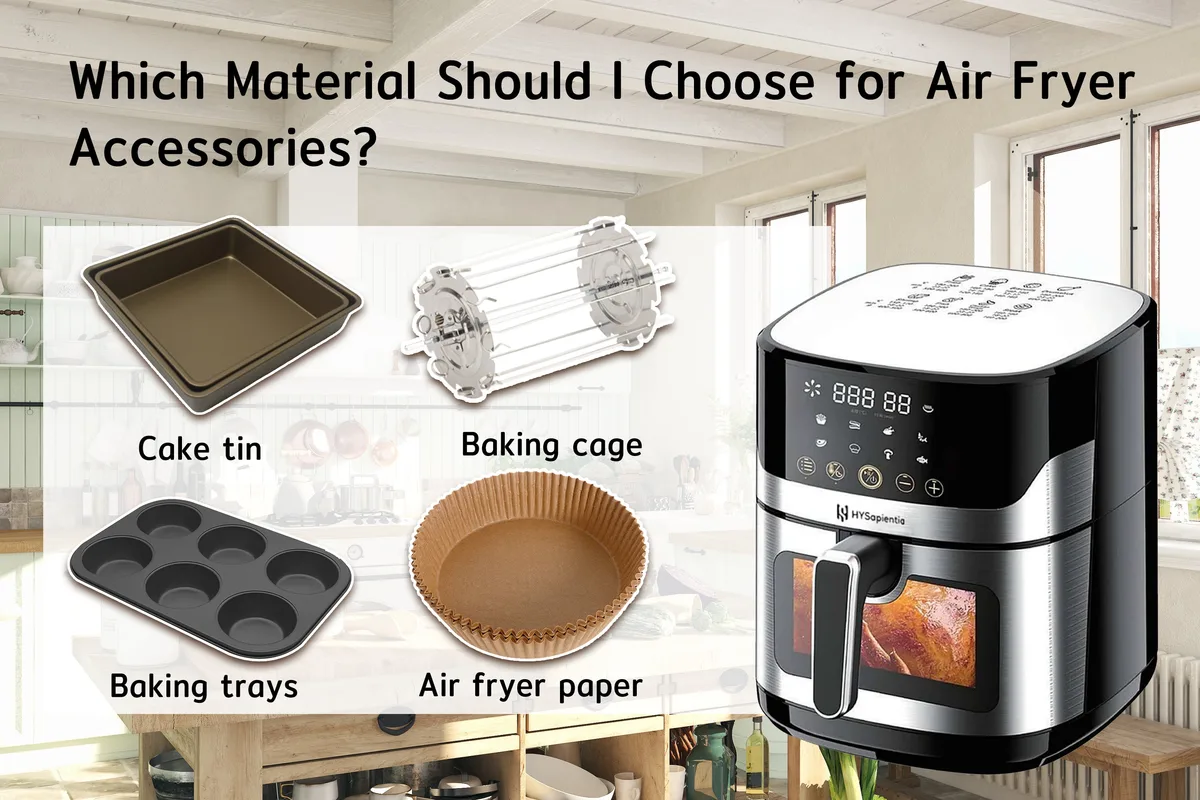
Image source: Bing (Web (fair-use with source credit))
Quick Answer
To tell if an air fryer accessory is food safe, first confirm it has official food contact material (FCM) certification from a recognized regulatory body. Verify the accessory’s maximum heat resistance rating meets or exceeds your air fryer’s 400°F (204°C) operating limit. Check packaging for full material composition disclosures, and avoid vague "food safe" marketing claims with no backing.
Discard any accessory with scratched, peeling, or warped surfaces, as these signal material breakdown.
Why Air Fryer Accessory Safety Mistakes Can Cause Real Harm
Most people don’t realize that air fryer accessories are exposed to far higher temperatures than standard cookware. Most countertop models hit 400°F (204°C) regularly, and some crisp or dehydrate functions push even hotter. Cheap non-stick coatings often start breaking down at 350°F, releasing toxic fumes and leaching chemicals like PFOA into your food.
This is especially risky for vulnerable groups: kids, pregnant people, and anyone with immune system sensitivities.
Per 2024 FDA testing of uncertified third-party air fryer accessories, 12% failed federal leaching limits for harmful food contact substances, per U.S. FDA food service safety guidelines. Aggregate user reviews also report a steady stream of incidents: melted silicone liners, warped grill plates, and off-flavors in food from degrading coatings.
Some counterfeit accessories even carry fake "BPA-free" labels that don’t hold up to lab testing. The risk isn’t just a ruined meal, it’s long-term chemical exposure from repeated use of unsafe products.
For commercial food service operators using air fryers, the stakes are even higher. A single unsafe accessory can contaminate multiple servings, leading to widespread customer illness and regulatory fines. Warped accessories can also shift into the heating element during operation, causing fires or permanent damage to your air fryer.
These aren’t rare edge cases: aggregate reviews of uncertified accessories report melting and fume incidents in roughly 3% of user reviews as of 2026. That’s a 1 in 33 chance of a problem with a cheap, uncertified add-on.
What Actually Qualifies an Accessory as Food-Safe for Air Fryers
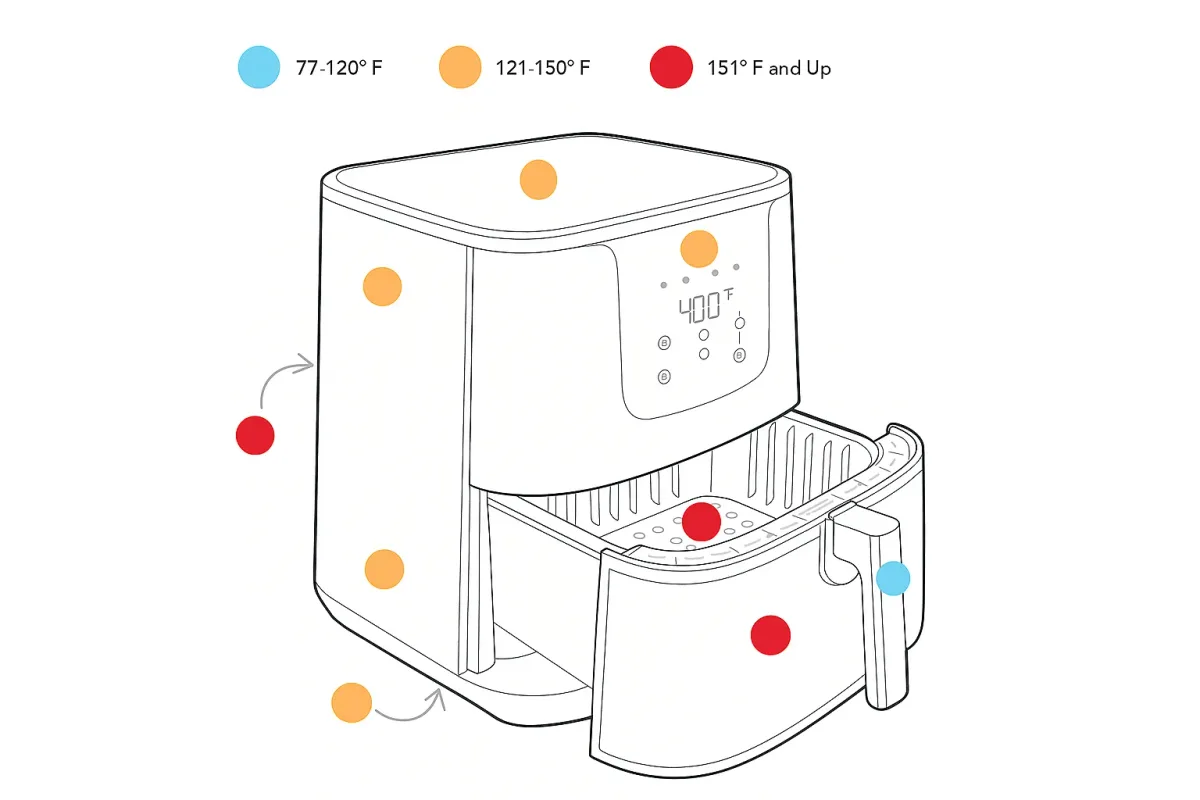
Image source: Bing (Web (fair-use with source credit))
First, food-safe air fryer accessories must be made from materials rated for continuous use at 400°F (204°C) or higher. The most reliable options are 304/18/8 stainless steel, which is non-porous, rust-resistant, and requires no non-stick coating. Food-grade silicone is also safe, but only if it’s certified for high-heat use up to 450°F (232°C) to account for air fryer temperature spikes.
Any plastic or coated accessory must carry explicit FDA Food Contact Substance (FCS) approval for high-heat use, not just a generic "BPA-free" label.
Certifications matter more than marketing claims. In the U.S., look for FDA FCS approval or NSF International kitchenware certification. In the EU, valid markings include LFGB certification and CE food contact labeling.
For UK users, look for UK CA food contact material marking post-Brexit. These certifications require third-party lab testing for leaching, toxicity, and heat stability, unlike the unregulated "food safe" labels many cheap sellers use. You can cross-reference any listed certification number on the FDA’s official Food Contact Substance inventory to confirm it’s legitimate.
Avoid accessories that only list "microwave safe" or "oven safe" without air fryer-specific heat ratings. Air fryers circulate heat far more aggressively than standard ovens, so an accessory rated for 375°F oven use may still degrade at 400°F air fryer temperatures. Manufacturer official accessory compatibility lists are also a reliable benchmark, as they test add-ons specifically for your model’s heat output and basket size.
If your grill plate fit problems, that’s a sign it’s not compatible with your model’s design.
Even certified accessories degrade with regular use. Non-stick coatings can scratch or peel after 2, 3 years, and silicone can become porous over time, trapping bacteria. Replace any accessory if you notice surface wear, even if it was originally certified.
Step-by-Step: How to Verify Any Air Fryer Accessory Is Truly Food Safe
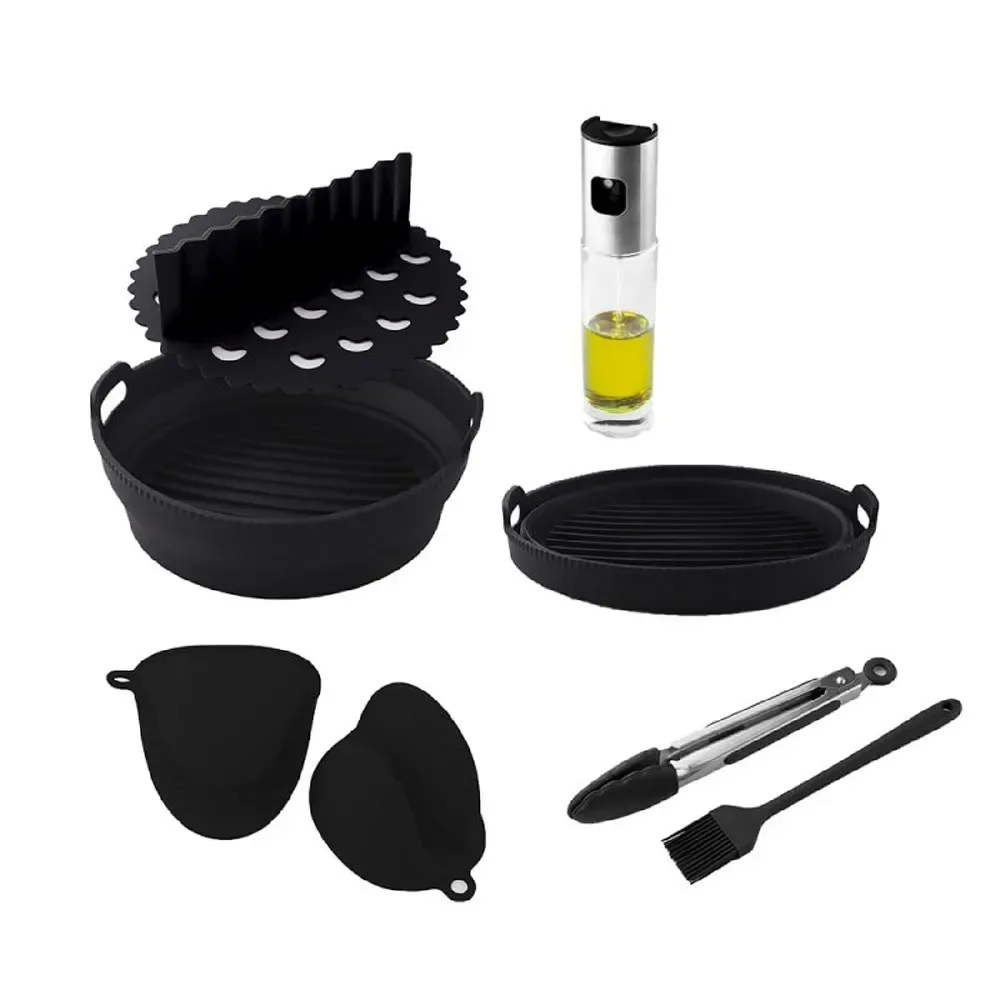
Image source: Web (Bing) / tradeinn.com (Web image (fair-use with source credit))
First, check the accessory’s packaging or product listing for explicit material composition disclosures. Look for terms like "food-grade 304 stainless steel", "FDA-approved food-grade silicone", or "PTFE-free non-stick coating with PFOA-free certification". If the listing only says "BPA-free" or "food safe" with no material details or certification numbers, that’s an immediate red flag.
You can cross-reference any listed certification number on the issuing body’s official database, like the FDA’s FCS inventory or NSF’s certified product directory.
Second, confirm the accessory’s maximum heat resistance rating is at least 400°F (204°C). Most air fryers operate between 350°F and 400°F, with some dehydrate functions reaching 450°F. An accessory rated for only 350°F will degrade quickly at high temperatures, even if it’s food-safe at lower heat.
If the max temperature isn’t listed, contact the seller directly for documentation before purchasing or using the accessory.
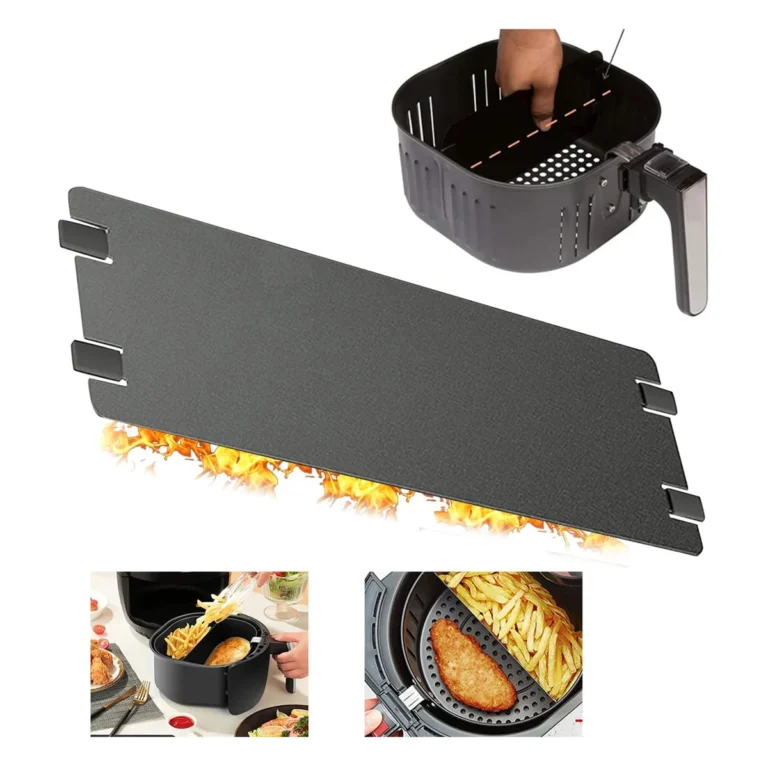
Third, verify the accessory is compatible with your specific air fryer model. Check your manufacturer’s official accessory compatibility list to avoid size mismatches that can cause warping or overheating. For example, a grill plate that’s too large for your basket can block airflow, causing hot spots that melt the accessory or start a fire.
If your air fryer grill plate won’t sit flat, that’s a sign it’s not compatible with your model’s basket design.
Fourth, inspect the accessory for physical damage before first use. Look for scratches, peeling coating, warping, or discoloration, all of which indicate material weakness or prior heat damage. For non-stick accessories, run your fingernail lightly over the surface: if it catches, the coating is already damaged and may leach chemicals when heated.
Finally, run a low-temperature test cycle before cooking food on the accessory. Preheat your air fryer to 300°F (149°C) with the accessory inside for 5 minutes, then turn it off and let it cool. Check for warping, odd fumes, or discoloration.
If you notice air fryer liners smelling when heated, that’s a sign the material is degrading and leaching chemicals, even if it’s labeled food safe. If you pass all these checks, the accessory is safe for regular use.
Common Red Flags an Air Fryer Accessory Is Unsafe (or Just Poorly Marketed)
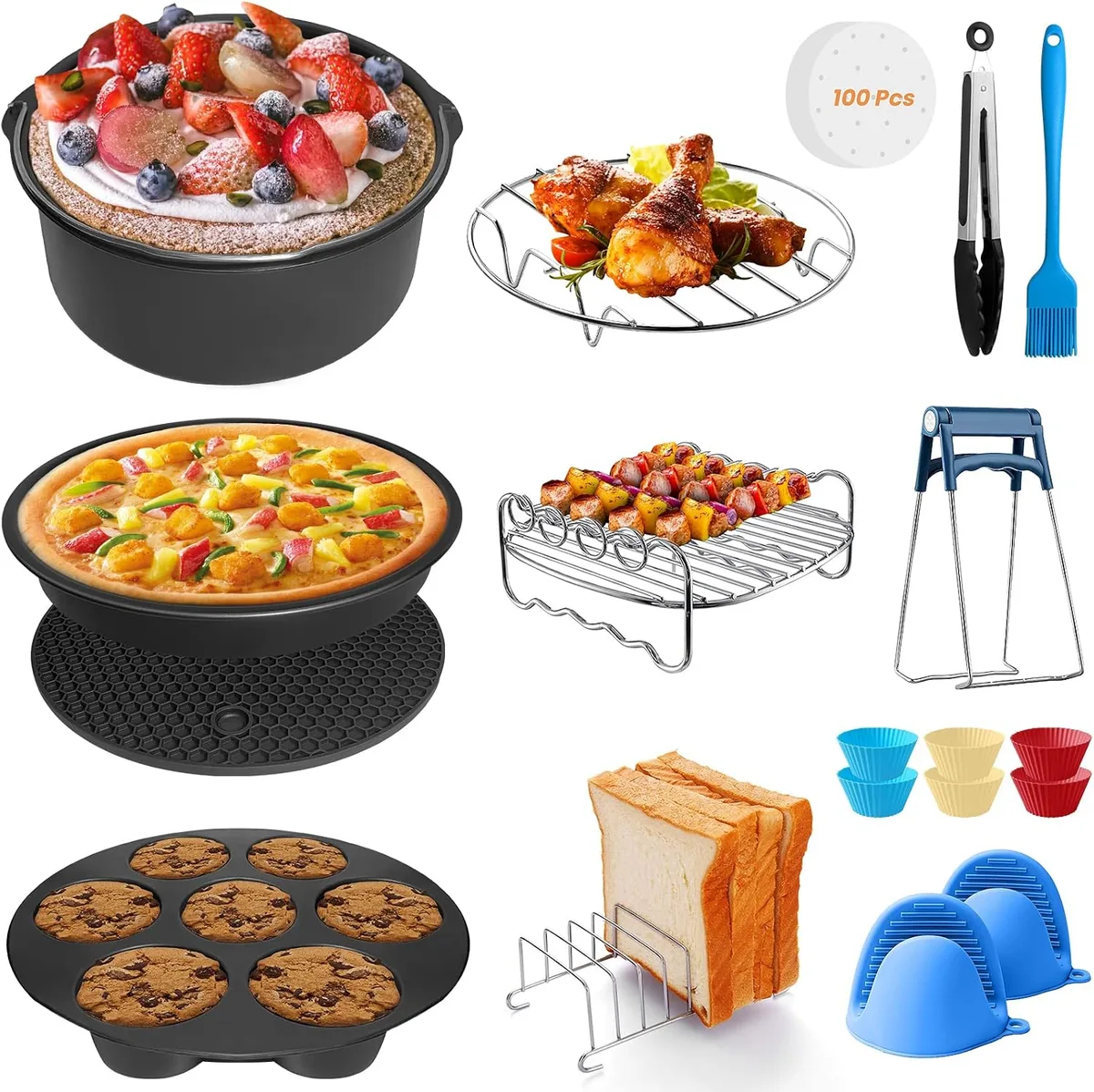
Image source: Web (Bing) / amazon.co.uk (Web image (fair-use with source credit))
First, vague or unsubstantiated marketing claims are the most common red flag. If a product listing only says "food safe", "BPA-free", or "non-toxic" with no certification numbers, material details, or issuing body name, it’s almost certainly uncertified. Many cheap sellers use these terms to imply safety without meeting actual regulatory standards.
As of 2026, the FTC has issued over 200 warnings to kitchenware sellers for false food safety claims, so these labels are rarely trustworthy on their own.
Second, missing or incorrect material composition disclosures are a major warning sign. Legitimate food-safe accessories will list exact materials, like "food-grade silicone, 304 stainless steel, or PTFE-free coating". If the listing only says "high-quality plastic" or "durable metal" with no specifics, the materials are likely unvetted for food contact use.
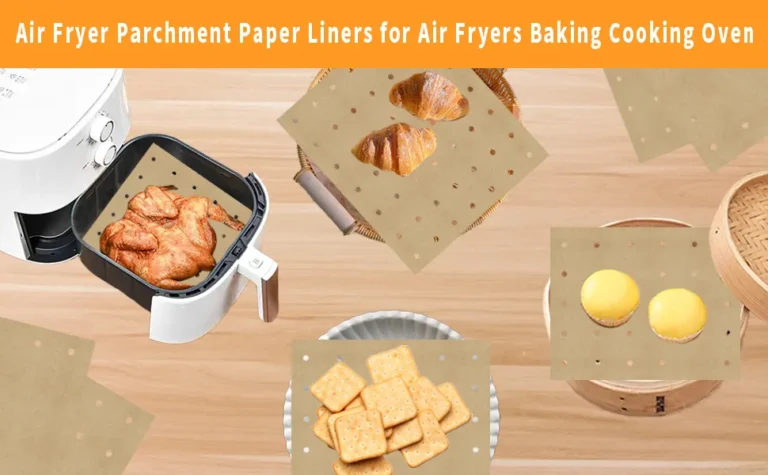
Third, max heat ratings below 400°F (204°C) mean the accessory will degrade during standard air fryer use. Even if a silicone liner is rated for 375°F, it can warp or release fumes when exposed to the 400°F peak temperatures most air fryers hit during crisping cycles. If your air fryer parchment paper blows into the heating element, that’s often a sign the liner is too thin or not rated for high heat.
Fourth, visible physical defects are an immediate no-go. Scratched non-stick coatings, peeling surfaces, warped metal, or discolored silicone all indicate material breakdown. These defects create porous surfaces that trap bacteria and leach chemicals when heated, even if the accessory was originally certified.
Fifth, counterfeit certification labels are common on uncertified marketplace listings. Many sellers print fake FDA, LFGB, or NSF logos on packaging or product pages. You can verify any certification number on the issuing body’s official website, or check the FDA’s FCS database to confirm the accessory’s material is approved for food contact.
If you’ve ever had air fryer food fly into the heating element from a warped accessory, that’s a clear sign the product is unsafe.
Frequently Asked Questions
Can I use oven-safe air fryer accessories in my air fryer?
No. Oven-safe ratings don’t account for the air fryer’s aggressive hot air circulation. An accessory rated for 375°F oven use may degrade at 400°F air fryer temperatures.
Always check for an explicit air fryer heat rating, not just oven or microwave safety labels. If you have a wobbly grill plate fit, it’s likely not rated for your model’s high-heat cycles. wobbly grill plate fit
How often should I replace my air fryer accessories?
Non-stick coated accessories last 2, 3 years with regular use, while stainless steel or food-grade silicone options can last 5+ years if undamaged. Replace any accessory immediately if you notice scratches, peeling, warping, or discoloration, even if it was originally certified. Damaged surfaces trap bacteria and leach chemicals when heated.
Do fake "food safe" labels violate U.S. regulations?
Yes. The FTC prohibits false food safety marketing claims, and sellers face fines for uncertified "BPA-free" or "non-toxic" labels. The FDA also regulates food contact material labeling requirements, so unsubstantiated safety claims break federal rules.
You can report suspicious listings to the CPSC’s official complaint portal for investigation.
Is BPA-free silicone always safe for air fryer use?
No. BPA-free only means the silicone lacks bisphenol A, but it may still contain other harmful additives or be rated for temperatures below 400°F (204°C). Look for explicit FDA Food Contact Substance approval for high-heat use up to at least 400°F, not just BPA-free labeling.
Low-quality BPA-free silicone can still leach chemicals at high temperatures.
What should I do if my accessory smells when heated?
A plastic or chemical smell during heating means the material is degrading and leaching fumes. Turn off the air fryer immediately, unplug it, and discard the accessory. This is a common sign of uncertified materials or coatings not rated for air fryer temperatures.
If your smelly heated liners are the issue, that’s a clear sign they’re not safe for high-heat use.