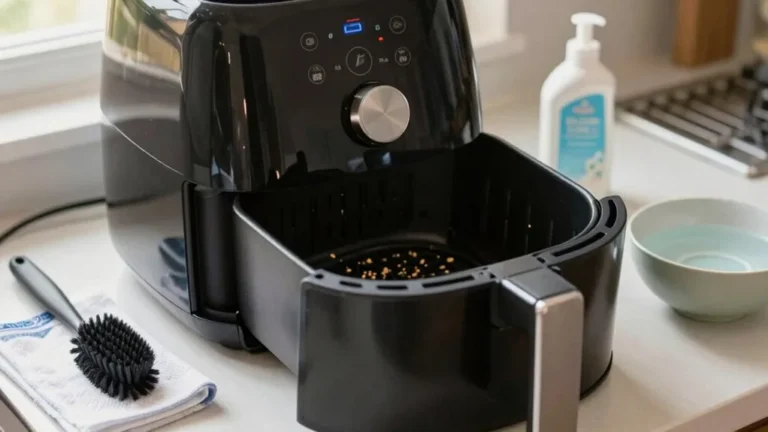
Why Your Air Fryer Liners Smell When Heated (Easy Fixes)
That sharp, acrid smell that hits you the second you open your air fryer after cooking? If you used a liner, that unpleasant odor is almost certainly tied to your air fryer liner smells when heated issue, and it’s way more common than you think. Most of the time it’s a quick fix, but some causes need immediate attention to keep your food and appliance safe.
Per FDA food-contact material guidelines, the vast majority of these smells come from misuse of the liner, not defective products. Most standard air fryer cooking tops out at 400°F (204°C), well below the 450°F (230°C) heat rating for most food-safe parchment and silicone liners, as of 2026. The real trick is pinpointing exactly what that smell is telling you.
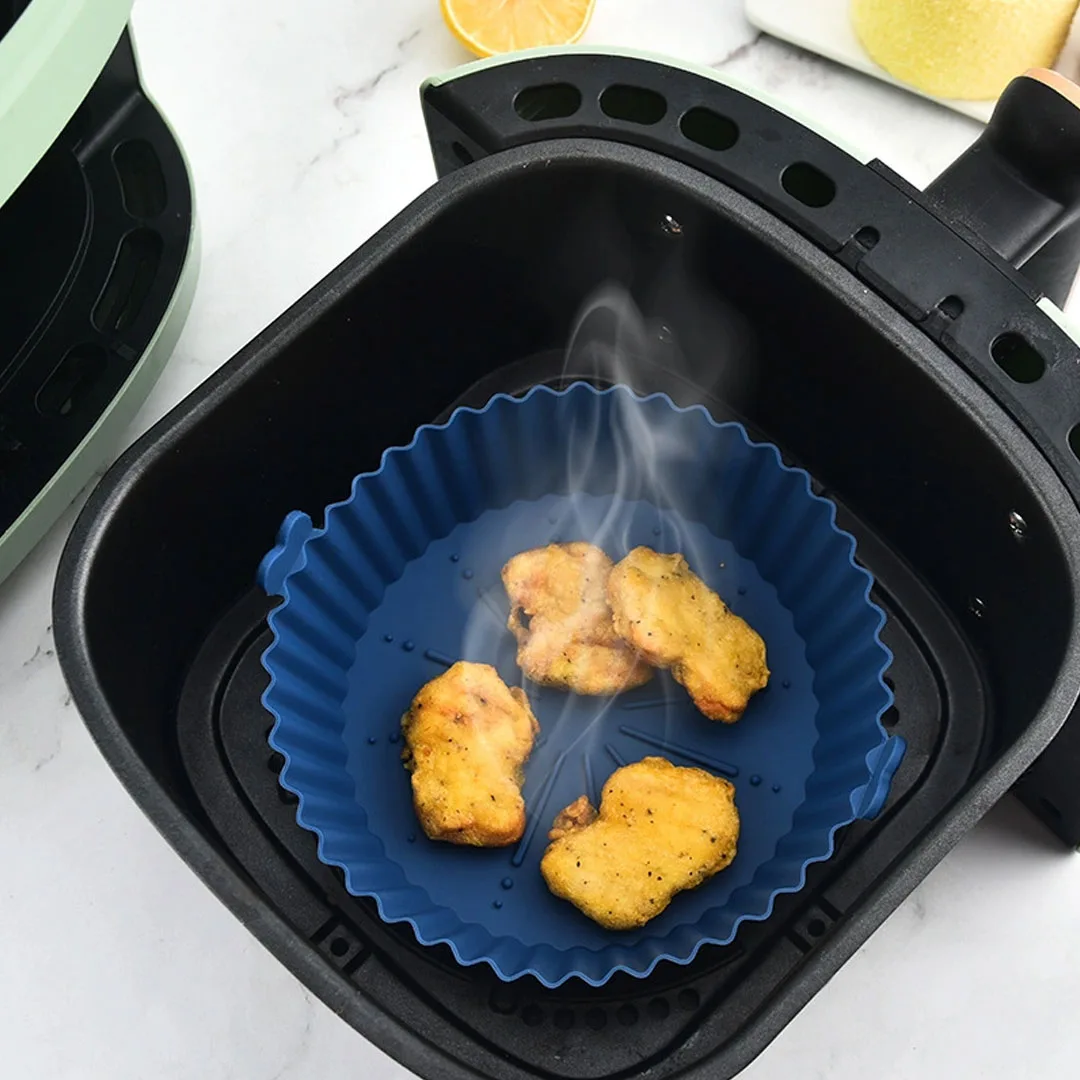
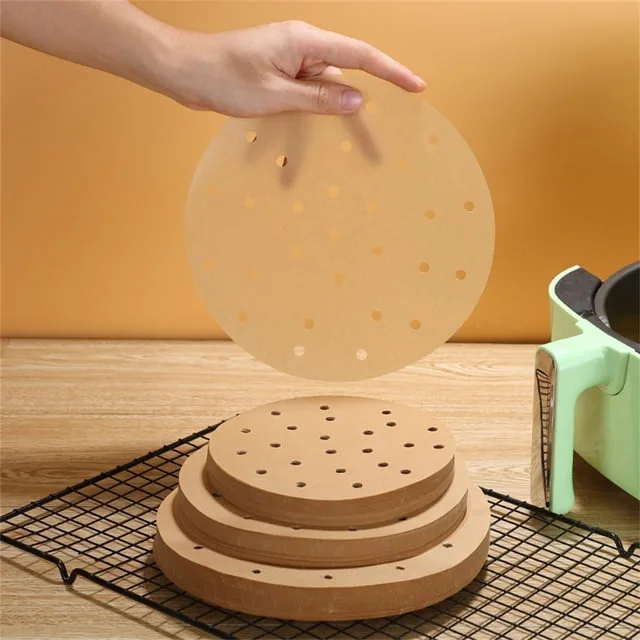
Image source: Bing (Web (fair-use with source credit))
Why Your Air Fryer Liner Smells When Heated (And When to Worry)
Air fryer liner smells when heated aren’t always a sign of a serious problem, but they do tell you something is off with how you’re using the liner. The most common harmless cause is a faint paper or silicone scent from brand-new liners, which comes from the manufacturing process and usually fades after 1 to 2 pre-wash cycles. A greasy, burnt-food odor is almost always just splattered oil or food residue on the liner itself, not the liner material breaking down.
The smells you do need to worry about are sharp, acrid chemical or plastic-like odors that make your eyes or throat burn when you open the air fryer. This is a sign of toxic off-gassing, usually from non-heat-safe liners like waxed paper, low-quality unrated parchment, or PTFE-coated materials exposed to temperatures above their degradation threshold. Per U.S.
Consumer Product Safety Commission (CPSC) PTFE thermal degradation safety data, inhaling overheated PTFE fumes can cause polymer fume fever, with symptoms including fever, chills, and coughing. If you notice this smell, turn off the air fryer immediately, open a window, and discard the liner. You’ll also want to wipe down the air fryer basket to remove any lingering residue before your next use.
First: ID the Exact Type of Smell You’re Dealing With
You can narrow down the root cause in 10 seconds flat just by paying attention to what the smell actually is. Different odors point to entirely different issues, so matching the scent to its source cuts out all the guesswork.
- Faint paper or "new product" smell: This is harmless manufacturing residue on new disposable parchment or uncoated silicone liners. It will dissipate after 1 to 2 washes with warm, unscented soap. No need to throw the liner away.
- Sweet, burnt wax smell: This means you’re using a waxed paper liner, often sold as non-stick baking paper, in a high-heat air fryer setting. Waxed paper has a smoke point around 300°F (149°C), far below most air fryer cooking temperatures. Discard the liner immediately, and switch to heat-rated parchment or silicone.
- Sharp, chemical or plastic smell, or fumes that make you cough: This is a red flag for toxic off-gassing from non-heat-safe materials. Common causes are PTFE-coated liners exposed to extreme heat, unbranded unrated liners, or liners that have melted against the air fryer’s heating element. Turn off the appliance, air out your kitchen, and discard the liner. Wipe the air fryer basket thoroughly before next use.
- Greasy, rancid food smell: This isn’t a liner issue at all. It’s leftover food residue or old oil splatters on the liner or air fryer basket. Clean the basket and liner, if reusable, with warm soapy water to fix it.
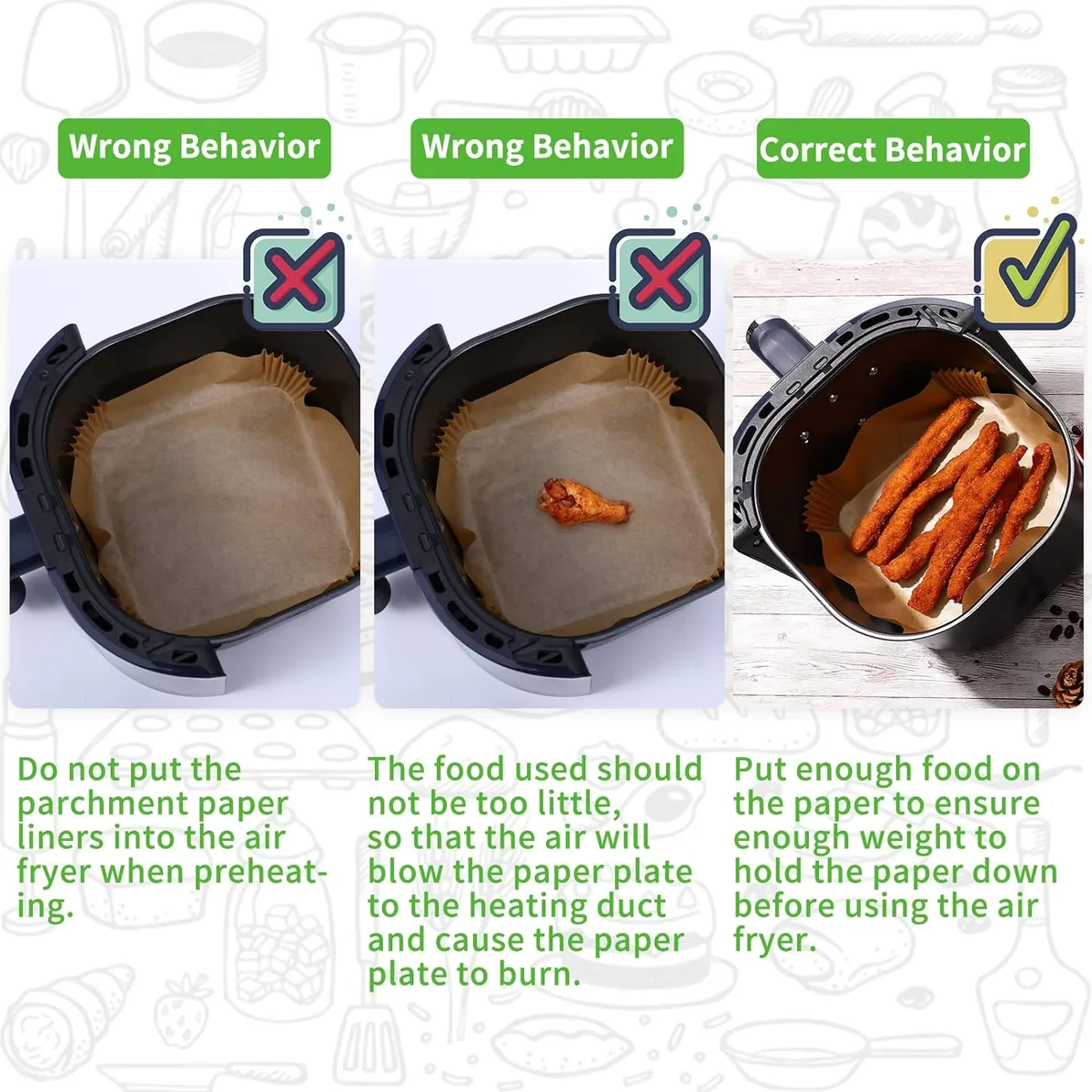
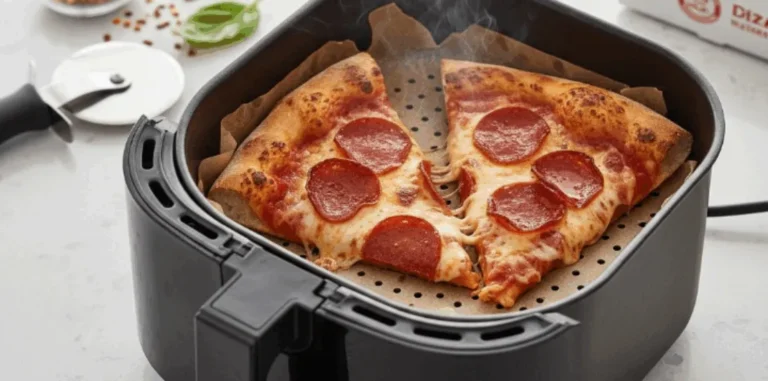
Image source: Bing (Web (fair-use with source credit))
4-Step Diagnostic Workflow to Narrow Down the Root Cause
If you’re still not sure what’s causing the smell after IDing the scent type, this 4-step workflow will pinpoint the exact root cause in 2 minutes flat. Follow these steps in order, and you’ll know exactly what to fix.
- Check your liner’s heat rating first. Look for a printed temperature limit on the packaging or the liner itself. If there’s no rating, assume it’s only safe up to 350°F (177°C). If you cooked above that limit, the smell is from heat degradation, and you need to switch to a rated liner.
- Inspect the liner’s position in the air fryer. Pull the basket out and check if any part of the liner touches the heating element or the sides of the basket above the element. There needs to be a 1/2 inch (1.27 cm) gap all the way around the liner to prevent melting. If it’s touching, trim it to size and try again.
- Assess the liner’s material and age. Waxed paper, thin uncoated parchment, and low-quality unbranded liners are not designed for high-heat air frying. Reusable silicone liners degrade after 50 to 100 uses, and cracked or sticky silicone will off-gas when heated. If your liner is old, damaged, or made of low-quality material, replace it.
- Test for detergent residue if you use reusable silicone liners. Wash them with mild, unscented soap, and make sure they’re fully air-dried before use. Harsh scented detergents or leftover soap will burn and create a strong chemical smell when heated.
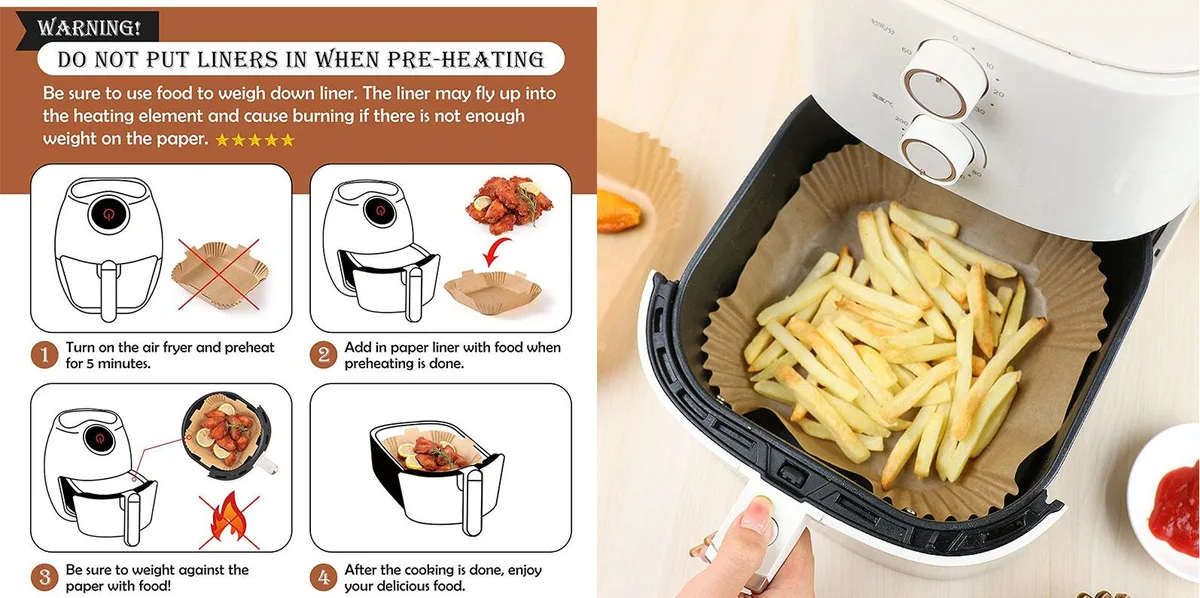
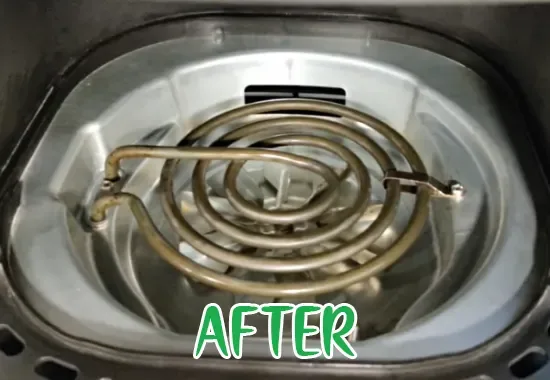
Image source: Bing (Web (fair-use with source credit))
Targeted Fixes for Every Common Smell Cause
Once you’ve identified the root cause, the fix is almost always simple. Match your issue to the solution below to eliminate the smell for good.
- Faint manufacturing residue on a new liner: Wash it 2 to 3 times with warm, unscented dish soap, then air dry fully before next use. The smell fades after 1 to 2 washes per manufacturer specs for food-contact paper.
- Burnt wax smell from waxed paper: Stop using waxed paper in air fryers entirely. Swap to heat-rated unbleached parchment, safe up to 450°F (230°C), or BPA-free silicone liners rated for air fryer use. Waxed paper’s low smoke point makes it unsuitable for any high-heat cooking method.
- Sharp chemical or plastic smell from off-gassing: Discard the liner immediately, and replace it with a certified heat-safe option. Per FDA food-contact material guidelines, always check the liner’s printed heat rating before cooking, and keep the 1/2 inch (1.27 cm) gap between the liner and heating element. If the smell lingers in your air fryer, wipe the basket and heating element with a damp cloth and a splash of white vinegar to remove residual fumes.
- Greasy, rancid food smell: This isn’t a liner issue. It’s leftover food residue or old oil splatters on the liner or basket. Toss disposable liners after each use, or wash reusable ones with warm unscented soap. Scrub the basket with baking soda paste to remove built-up oil causing the odor.
- Detergent residue smell on reusable silicone liners: Switch to mild, fragrance-free dish soap, and rinse the liner thoroughly. Air dry it completely before storing, as trapped moisture can also cause musty odors when heated.
Mistakes That Will Make Liner Odors Worse (Or Create Serious Risks)
Common liner mistakes turn a minor smell into a safety risk or ruin your appliance. Avoid these errors to keep your cooking safe and odor-free.
- Trimming liners too small so they lift and trap grease: This doesn’t cause smell on its own, but burnt food residue trapped under the liner creates unwanted odors. Cut liners to fit the basket bottom with a 1/2 inch (1.27 cm) gap all around the edges to keep them flat.
- Reusing disposable liners: Single-use parchment breaks down after one high-heat cycle. Reusing it causes melting or tearing, exposing food to paper particles and creating acrid burnt smells. Toss disposable liners after one use only.
- Using unrated, unbranded liners: These often have no printed heat rating, and many are made with low-quality materials that off-gas at temperatures as low as 300°F (149°C). Stick to liners with clear, printed heat ratings from reputable brands.
- Washing reusable silicone liners in the dishwasher: High heat and harsh detergents degrade silicone faster, and leftover soap burns and smells when heated. Hand wash silicone liners with mild, unscented soap instead.
- Placing heavy, wet food directly on the liner: This presses the liner into the heating element, causing melting or off-gassing. Use a rack or trivet for heavy, saucy, or wet foods to keep the liner from touching the element.
Non-Negotiable Safety Rules for Air Fryer Liners
These rules aren’t just good advice, they’re critical to avoiding toxic fume exposure, appliance damage, and food contamination. Skipping even one of them can turn a minor smell into a serious health risk.
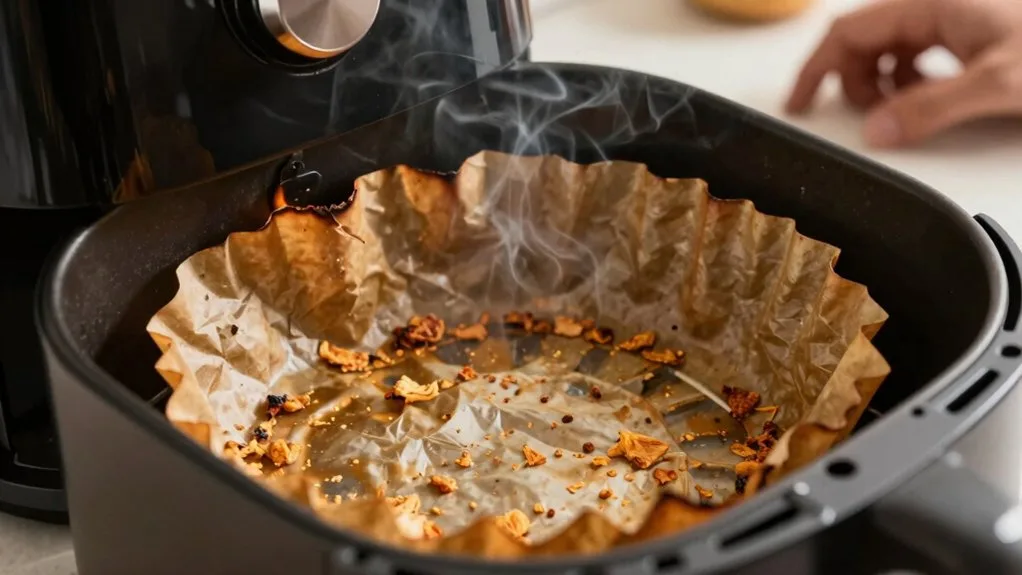
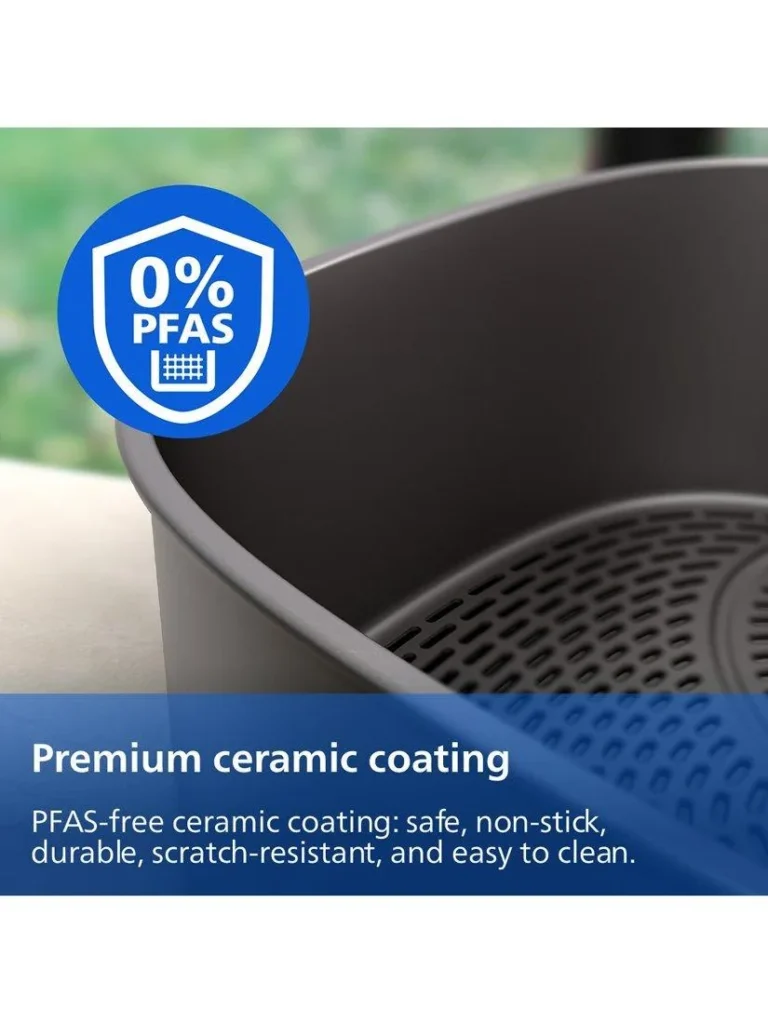
Image source: Bing (Web (fair-use with source credit))
- Always confirm your liner’s printed heat rating matches your air fryer’s maximum temperature. Most standard air fryers top out at 400°F (204°C), so liners rated for 450°F (230°C) are safe for nearly all use cases. If a liner has no printed rating, do not use it above 350°F (177°C).
- Keep a 1/2 inch (1.27 cm) gap between all liner edges and the air fryer’s heating element. Liners that touch the element can melt or off-gas in seconds, even if they’re heat-rated.
- Never use waxed paper, standard paper towels, or unbranded unrated liners in an air fryer. Waxed paper smokes at 300°F (149°C), and unrated liners often contain undisclosed chemicals that release toxic fumes at high heat.
- Toss single-use liners after one cooking cycle. Reusing disposable parchment causes it to break down, melt, and transfer burnt paper particles to your food.
- Hand wash reusable silicone liners only, using mild unscented dish soap. Dishwasher heat and harsh detergents degrade silicone over time, causing it to off-gas when heated.
- Stop cooking immediately if you smell sharp chemical, plastic, or acrid fumes. Open a window, turn off the air fryer, and discard the liner. Wipe the basket and heating element with a damp cloth before your next use to remove residual fumes. Per U.S. Consumer Product Safety Commission safety guidance, inhaling overheated PTFE fumes from damaged or non-heat-safe liners can cause polymer fume fever, with symptoms including chills, cough, and temporary fever.
When to Skip the Liner Entirely (And What to Use Instead)
Air fryer liners are a convenience tool, not a mandatory accessory. In several common scenarios, skipping the liner is safer, cheaper, and even produces better cooking results.
If you’re cooking at temperatures above 450°F (230°C), no disposable or reusable liner on the market is rated for that heat. Cook directly in the basket instead to avoid melting or off-gassing. The same goes for wet, saucy, or heavy foods like marinated chicken wings or tomato-based casseroles, which will press the liner into the heating element during cooking.
The risk of damage or fumes far outweighs the cleanup benefit here.
If your air fryer has a damaged or peeling non-stick basket coating, skip the liner too. Liners can trap moisture against the coating, accelerating degradation and leading to more frequent basket replacement. For easy cleanup without a liner, wipe the basket with a damp cloth immediately after cooking while it’s still warm.
Light oil splatters come off in seconds this way.
For sticky foods, use a light coating of high-heat cooking spray or a small amount of avocado oil directly on the basket. This prevents sticking without a liner, and it improves air circulation for crispier results on foods like fries or chicken nuggets. For extra-greasy foods, line the basket bottom with a thin layer of coarse salt before cooking.
The salt absorbs excess grease, and you can just dump it out after use.
Frequently Asked Questions
Is it normal for a new air fryer liner to smell when heated?
Yes, a faint paper or silicone scent from a brand-new liner is normal. It comes from harmless manufacturing residue and usually fades after 1 to 2 washes with warm, unscented soap. If the smell is sharp, chemical, or makes you cough, discard the liner immediately, as this indicates off-gassing from non-heat-safe material.
Why does my silicone air fryer liner smell like plastic when hot?
This smell usually comes from three sources: detergent residue left on the liner after washing, heat damage from cooking above the liner’s rated temperature, or degradation from exceeding its 50 to 100 use lifespan. Hand wash silicone liners with mild unscented soap, and replace them if they’re cracked, sticky, or discolored.
Can air fryer liner fumes make you sick?
Yes, inhaling fumes from overheated PTFE-coated or unrated liners can cause polymer fume fever, with symptoms like fever, chills, coughing, and headache. This is a temporary but unpleasant condition, per U.S. Consumer Product Safety Commission safety data.
Always use heat-rated liners and maintain the 1/2 inch gap from the heating element to avoid this risk.
How do I get rid of the air fryer liner smell stuck in my appliance?
Wipe the heating element and basket with a cloth dampened with equal parts white vinegar and water. For stubborn residual fumes, run the air fryer at 350°F (177°C) for 5 minutes with a heat-safe bowl of white vinegar inside. The vinegar absorbs the odor without damaging the appliance, and the smell will be gone by your next use.
Are bleached parchment air fryer liners safe to heat?
Yes, bleached parchment liners are FDA-approved for food contact up to 450°F (230°C) as of 2026. The bleaching process uses FDA-regulated chemicals that do not release harmful fumes at normal air fryer temperatures. Unbleached liners are a good chemical-free alternative for users with sensitivities or who prefer to avoid bleached products.