How to Serve Air Fryer Food in Batches Without Getting Soggy
How to serve air fryer food in batches without sogginess or cold spots is a common frustration for home cooks hosting dinner or prepping meals for the week. If you’ve ever pulled the first batch of wings only to find the second batch undercooked, you’re not alone. Aggregate user reviews across major air fryer brands report batch consistency as a top user complaint as of 2026.
Per USDA Food Safety and Inspection Service guidelines, cooked hot food must stay at or above 140°F (60°C) to avoid bacterial growth, which complicates holding air fryer food between servings. The good news is that a simple conditional workflow fixes most batch issues without extra equipment. We’ll walk you through exactly how to adapt it to your air fryer model and the food you’re serving.
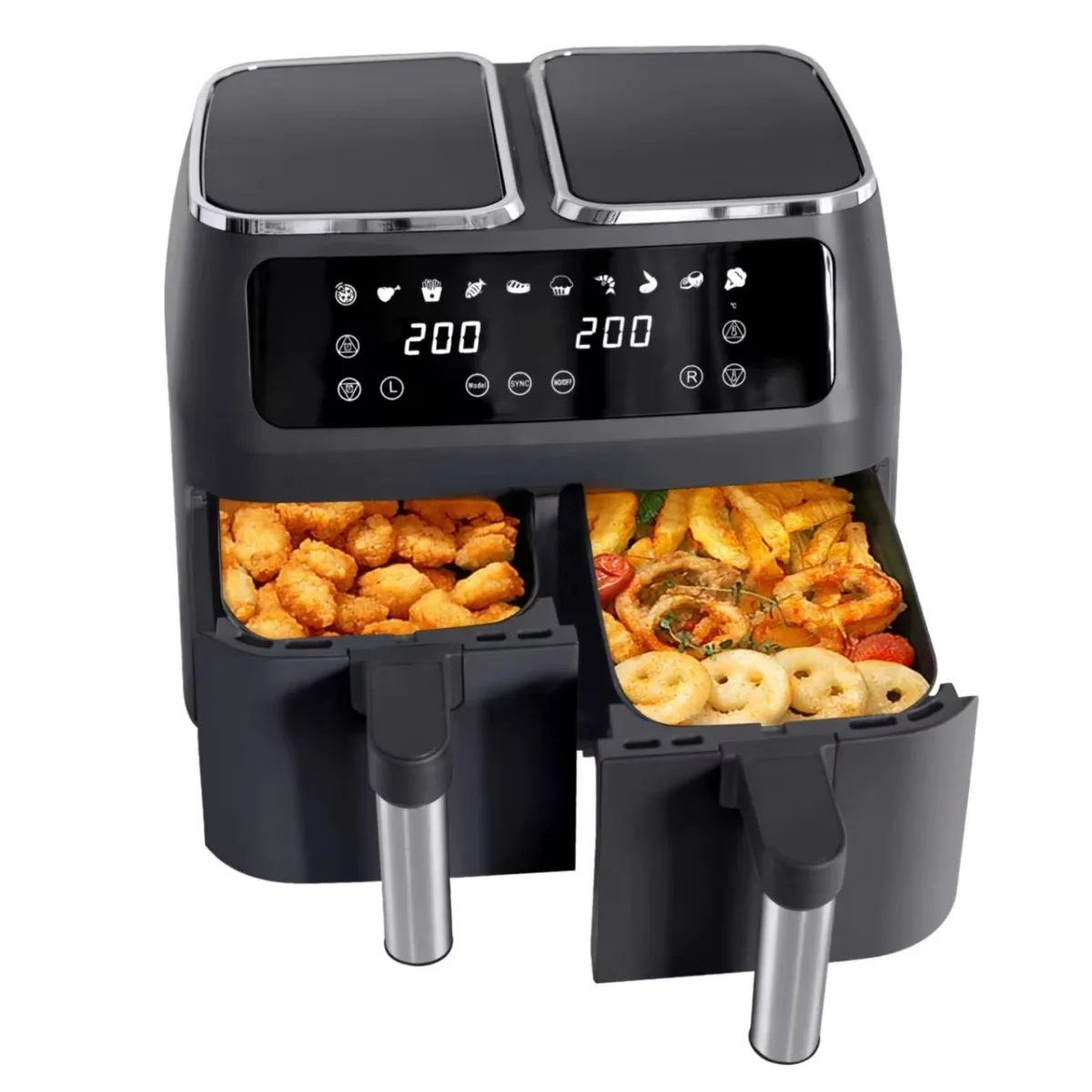
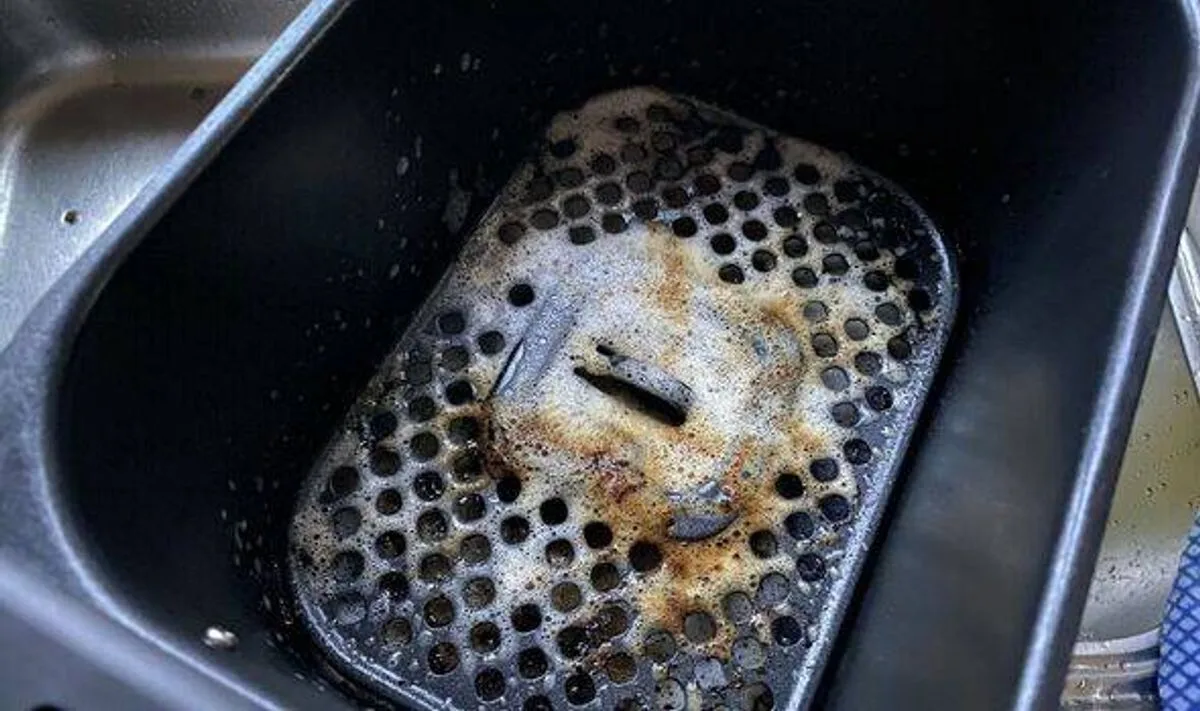
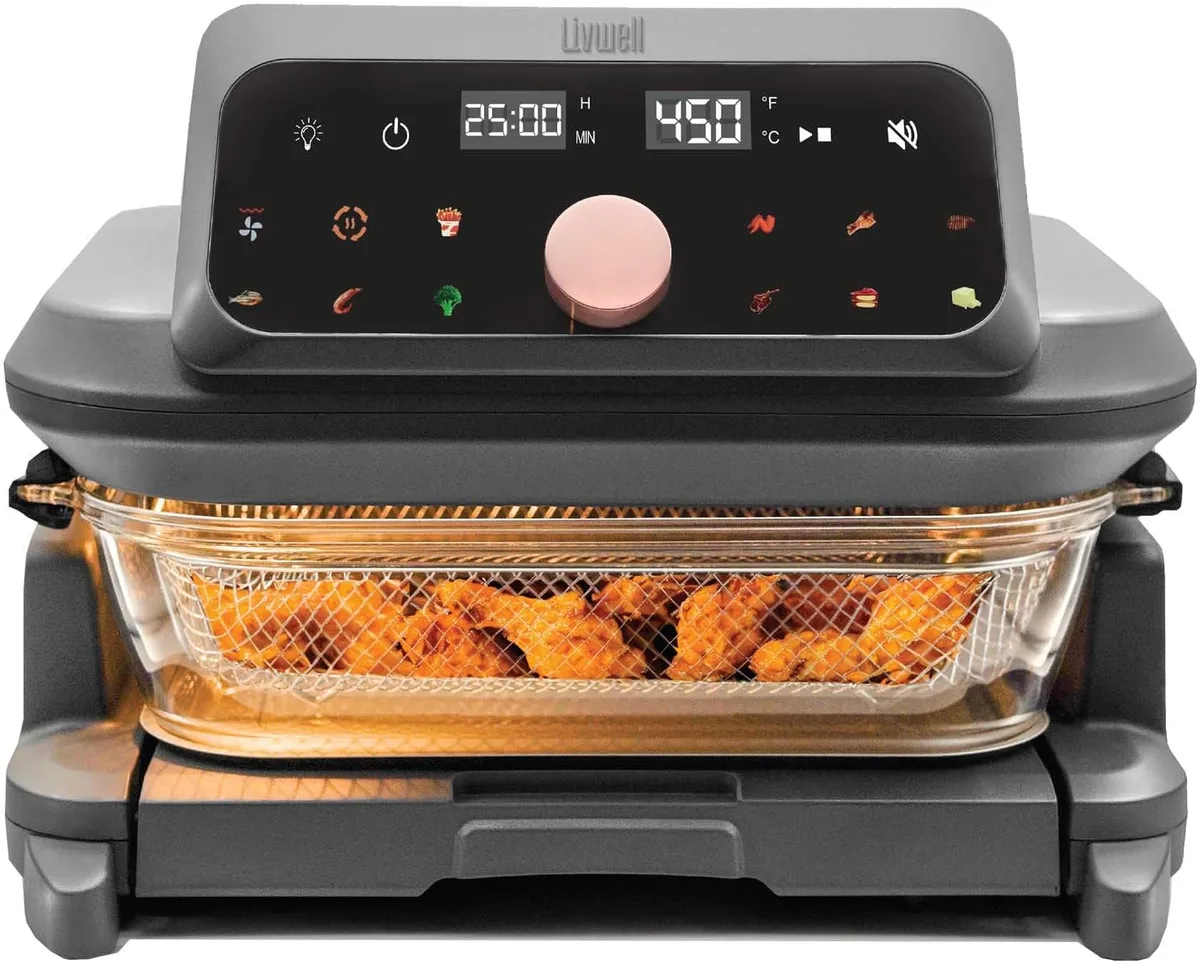
Image source: Bing (Web (fair-use with source credit))
Quick Answer
To serve air fryer food in batches, first calculate portion sizes for your basket size. Cook pungent or long-cook foods first, then milder quick-cook items. Use your air fryer’s keep-warm setting for held food, never leave it at room temperature.
Adjust cook time by 30 to 60 seconds for each subsequent batch. Check food temperature with an instant-read thermometer to confirm it hits 140°F before serving.
Why Your Air Fryer Batches Come Out Soggy, Uneven, or Cold
Sogginess, uneven cooking, and cold batches don’t come from bad air fryer design. They happen when you ignore two key variables: your air fryer’s form factor and the moisture content of your food. Rapid air circulation pulls moisture out of food, but trapped steam in a full basket makes crusts limp.
Earlier batches also lose heat faster when left uncovered while later batches cook.
Many home cooks try to overcrowd the basket to cut down on total cooking time. This blocks air flow and creates steam pockets that ruin crisp texture. Pungent foods like fish or Brussels sprouts also leave odor residue that transfers to milder items like fries or chicken tenders if you cook them in the wrong order.
Aggregate user reviews across major air fryer brands report inconsistent batch results as a top user complaint.
Improper holding also poses food safety risks. Per USDA Food Safety and Inspection Service guidance, cooked hot food must stay at or above 140°F (60°C) to prevent bacterial growth. Leaving batch food at room temperature for more than two hours puts it in the danger zone for pathogens.
Reheating held batches in a microwave also destroys the crisp texture the air fryer created.
All of these issues are fixable with a simple conditional workflow, no extra gadgets required. The first step is identifying the two non-negotiable variables that change your entire batch process. If your air fryer leaks grease onto the counter during cooking, that excess moisture can also make batches soggy, so fix that issue first grease leak fixes.
The 2 Non-Negotiable Variables That Dictate Your Batch Workflow
The entire batch serving process hinges on two simple conditions: what type of air fryer you own, and what food you’re cooking. These two variables determine your cook order, hold time, and portion size, so nailing them first eliminates 90% of common batch issues.
Your air fryer’s form factor is the first variable. Single-basket countertop models (2 to 8qt capacity) can only cook one batch at a time, so you’ll need to account for holding time between rounds. Dual-basket air fryers with independent temperature control let you cook two incompatible foods (like wings and fries) simultaneously, cutting total cook time in half.
Air fryer ovens (10 to 16qt capacity) use sheet pans instead of baskets, so you can fit more food per batch but may need to rotate pans halfway through cooking. If you only have a single-basket model, simple simultaneous prep hacks let you cook two items at once simultaneous prep hacks.
The second variable is the food you’re preparing. High-moisture foods like frozen chicken nuggets or fresh veggies release more steam during cooking, so they need shorter hold times to avoid sogginess. Pungent foods like fish, garlic shrimp, or spiced cauliflower leave strong odor residue that transfers to milder items if cooked first.
Long-cook foods like bone-in chicken thighs need 20 to 25 minutes, while quick-cook items like mozzarella sticks only need 5 to 7 minutes, so cook order matters to avoid overcooking early batches.
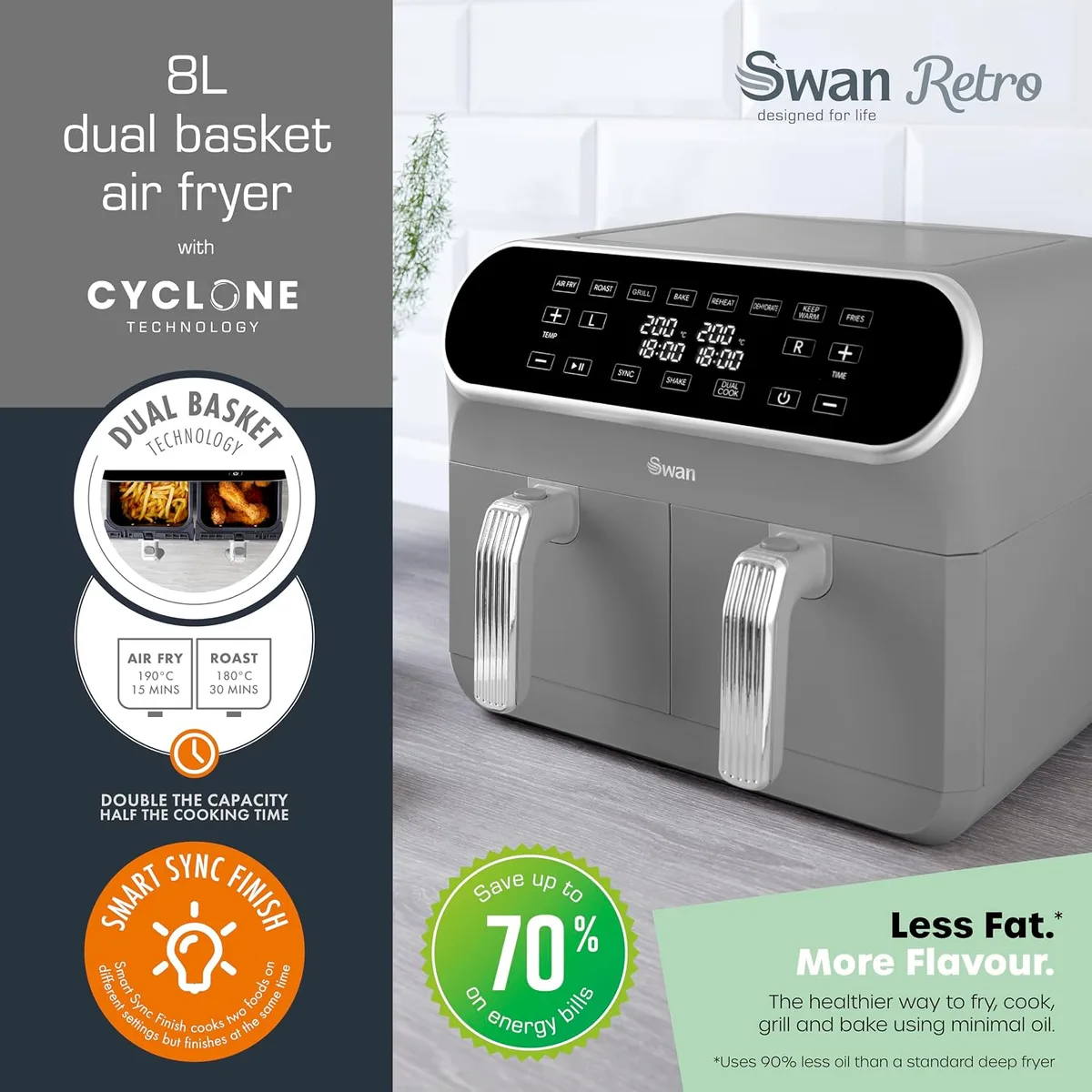
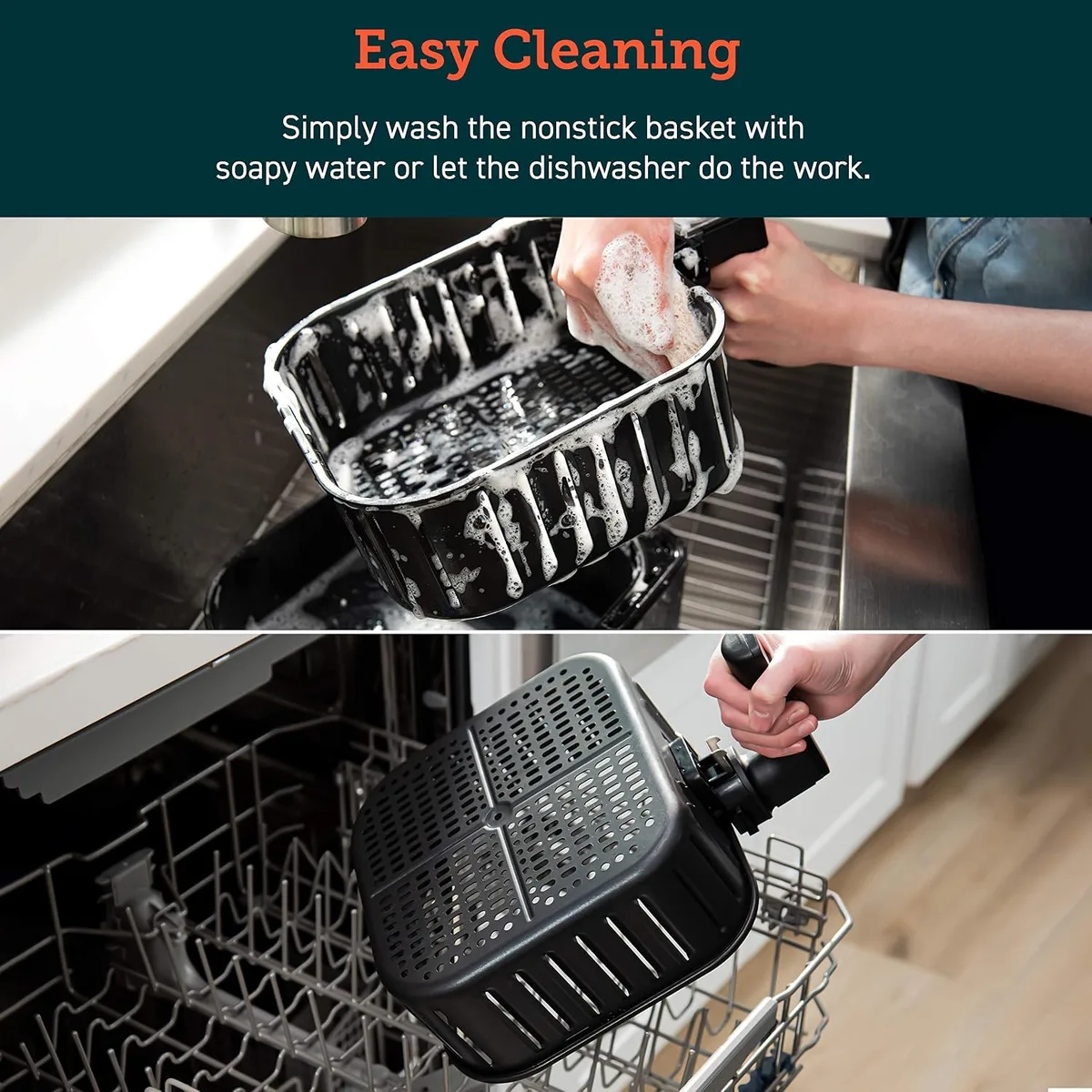
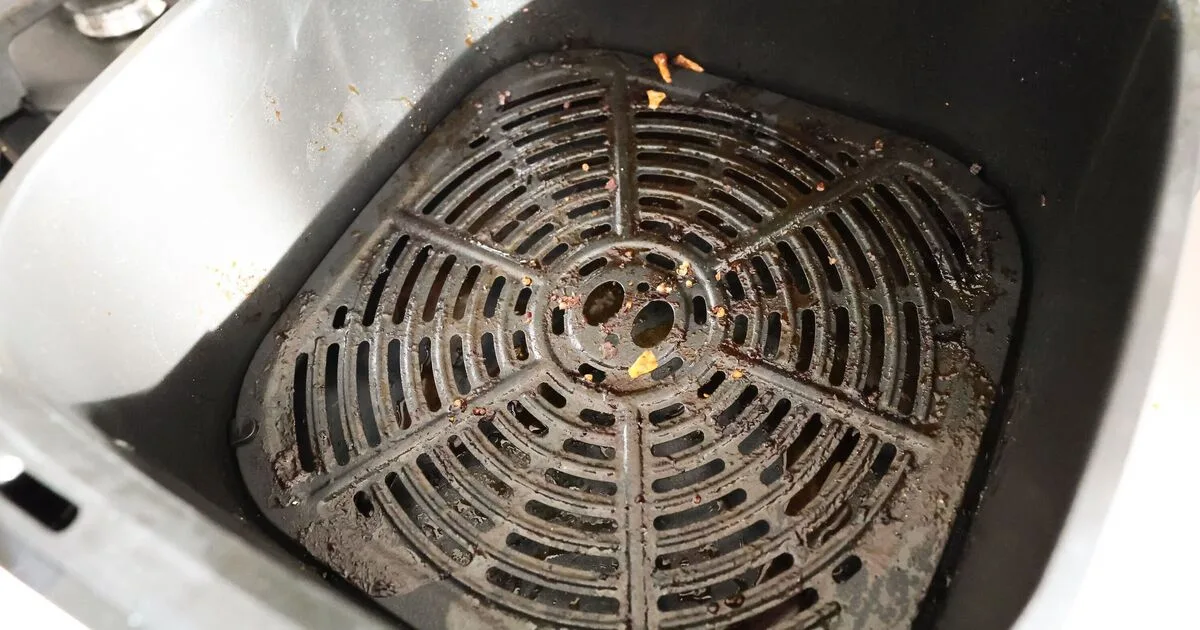
Image source: Bing (Web (fair-use with source credit))
If you’re unsure of your air fryer’s capacity, check the manufacturer’s spec sheet for maximum recommended fill level. Most brands advise filling the basket no more than two-thirds full to allow proper air circulation.
Exact Batch Workflows for Single-Basket, Dual-Basket, and Long-Hold Scenarios
Your batch workflow changes completely based on the two variables we covered earlier. Below are the step-by-step processes for the three most common scenarios, using if/then logic to match your setup.
First, single-basket air fryer batch workflow (for 2 to 8qt countertop models): If you’re serving food within 15 minutes, cook all batches back-to-back, adjusting cook time by 30 to 60 seconds for each subsequent batch to account for residual heat. If you’re serving over a 2+ hour window, cook all batches 10 minutes early, then hold them in the air fryer on the keep-warm setting (set to 140°F) until serving time. Cook pungent foods first, then run the air fryer empty at 400°F for 3 minutes to clear odor residue before cooking milder items.
Next, dual-basket air fryer batch workflow (for models with independent zone control): If the two foods you’re cooking have similar cook times and temperatures, load both baskets at the same time and set matching temps. If cook times differ, start the longer-cook food first, then add the shorter-cook food to the second basket halfway through the first batch’s cook time. This ensures both batches finish at the same time, no holding required.
Finally, long-hold batch workflow (for parties or meal prep): If you need to hold food for more than 30 minutes, transfer cooked batches to a preheated warming tray set to 140°F, covered loosely with foil to retain heat without trapping steam. Never hold food in the air fryer basket for more than 30 minutes, as trapped steam will make crusts soggy. For meal prep, cool batches completely before storing in airtight containers in the fridge for up to 4 days.
For small items that fall through the crisper rack, use a non-stick liner or adjust the rack position to prevent waste rack fall-through fixes.
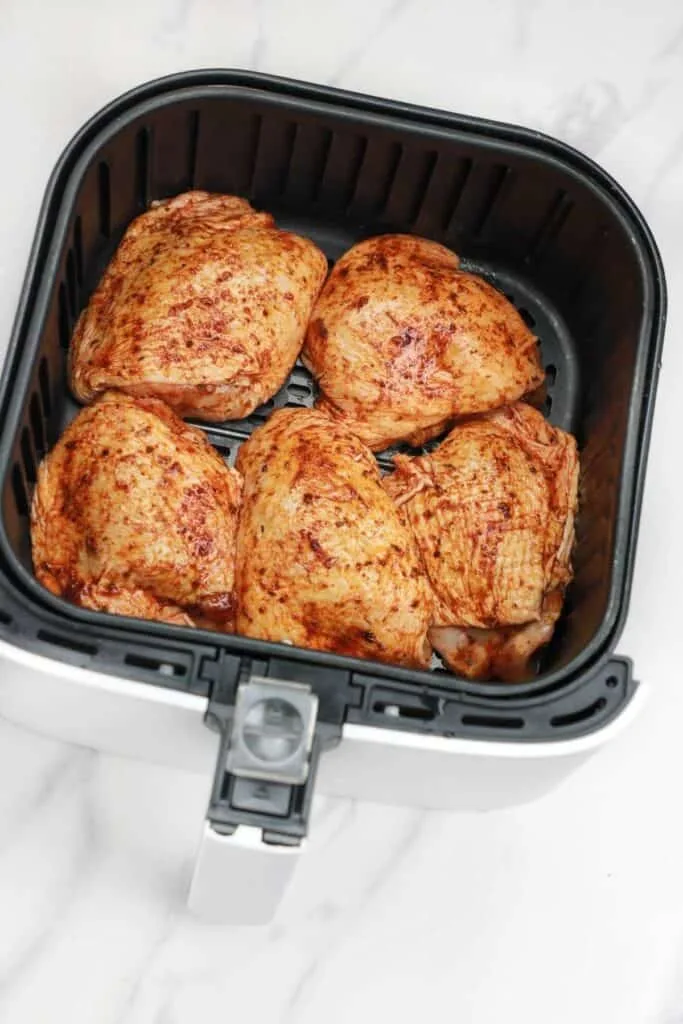
Image source: Bing (Web (fair-use with source credit))
Use this portion sizing guide to avoid overcrowding: a 1qt basket fits 4 to 6 frozen mozzarella sticks, 2 to 3 small chicken thighs, or 1 cup of roasted veggies per batch.
Batch Serving Mistakes That Waste Food and Risk Food Safety
Most batch serving mistakes are easy to avoid if you know what to watch for. These errors not only ruin food texture and flavor, but some also pose serious food safety risks if ignored.
The most common mistake is overcrowding the basket. Manufacturers specify filling the basket no more than two-thirds full to allow proper air circulation. Overcrowding blocks airflow, creates steam pockets, and leads to uneven cooking.
Another frequent error is holding food in the air fryer basket for longer than 30 minutes. Trapped steam makes crusts soggy, and if the internal temperature drops below 140°F, bacteria can multiply rapidly.
Cooking in the wrong order is another costly mistake. Pungent foods like fish or spiced cauliflower cooked before mild items like fries leave odor residue that transfers to the milder food. Cross-contamination of allergens is also a risk if you cook nut-crusted items before plain foods without cleaning the basket first.
Skipping the pre-service temperature check is a critical food safety error. Instant-read thermometers are the only reliable way to confirm food has reached the safe 140°F threshold, especially for thick items like chicken thighs. Never rely on visual cues alone, as browned crust can hide undercooked interiors.
Using the wrong holding method is the final common error. Airtight containers trap steam and make crusts limp, while uncovered countertop holding leads to cold food and bacterial growth. Stick to the warming tray or air fryer keep-warm setting for holds under 30 minutes.
For cheesy foods that splatter or stick, check our guide to stopping cheese from flying off during cooking cheese fly-off fixes.
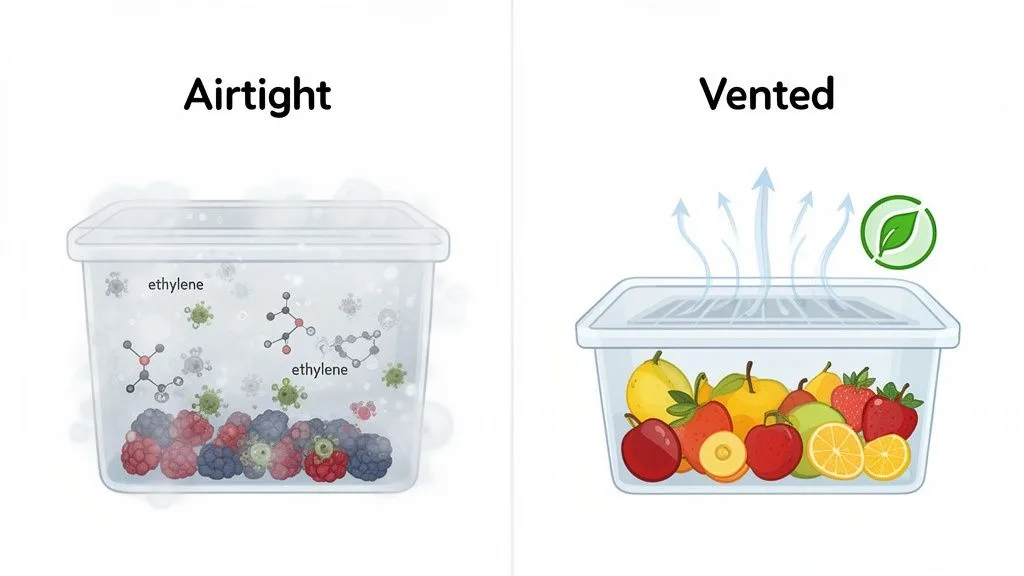
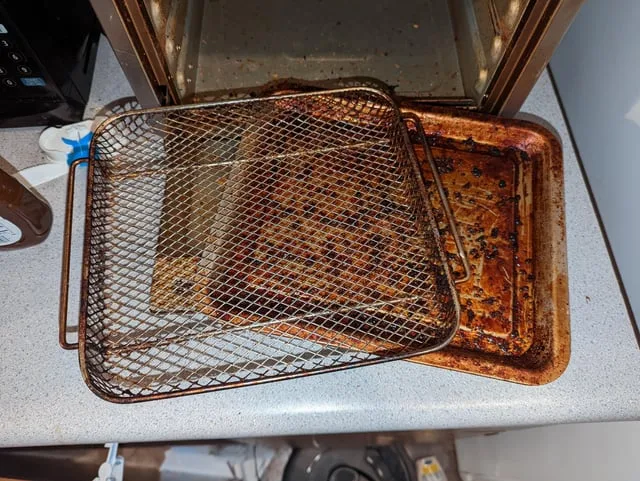
Image source: Bing (Web (fair-use with source credit))
Pro Tips for Tricky Foods and Large Crowd Serving
Batch serving gets trickier when you’re cooking high-moisture foods, crispy items, or feeding a crowd of 10 or more. These pro tips keep every batch consistent without extra work.
For crispy foods like fries, chicken tenders, or roasted veggies, pat food dry with a paper towel before cooking to reduce steam production. If you’re cooking frozen items, skip the pre-thaw step: frozen food releases less moisture than thawed food, leading to crispier results. For large crowds, pre-portion all food into single-serve batches before cooking to speed up the plating process and avoid portion size inconsistencies.
If you’re serving mixed-diet groups (vegan, gluten-free, kid-friendly), cook allergen-free batches first, then pungent foods, then mild standard batches. This prevents cross-contamination of allergens and cross-transfer of strong flavors. For leafy greens or small items that blow around in the air fryer, use a crisper tray or non-stick liner to keep them in place leafy greens flying into element fixes.
For parties, set up a holding station with a preheated warming tray and foil covers before you start cooking. This lets you move finished batches straight to the holding area without delay, keeping food at safe temperatures. If you’re using a dual-basket air fryer, cook the longest-cook items first, then add shorter-cook items to the second basket halfway through to finish both batches at the same time.
Never add extra oil to food before cooking, as excess oil drips into the bottom of the basket and creates smoke. Manufacturer specifications indicate most air fryers require no added oil for crisp results, as the rapid air circulation does the work for you. If excess oil does drip into the bottom of your air fryer, our guide to oil collecting under the basket has quick fixes to avoid mess and smoke oil under basket fixes.
Quick Decision Guide: Pick Your Workflow in 10 Seconds
Answer two quick questions to get your exact batch workflow, no guesswork required. This guide matches your setup and timeline to the right workflow steps.
First question: What type of air fryer do you own?
If you have a dual-basket model with independent zone control, jump to the dual-basket steps below. If you use a single-basket countertop model (2 to 8qt capacity) or an air fryer oven (10 to 16qt), move to the second question.
Second question: Will you serve all food within 15 minutes, or hold it for 2 or more hours?
If serving within 15 minutes: Cook all batches back-to-back. Add 30 to 60 seconds to each subsequent batch’s cook time to account for residual heat in the heating element. Cook pungent foods like fish or spiced cauliflower first, then mild items like fries or chicken tenders.
Check each batch’s internal temperature with an instant-read thermometer to confirm it hits 140°F before plating.
If holding for 2+ hours: Cook all batches 10 minutes early. Transfer finished batches to a preheated warming tray set to 140°F, covered loosely with foil to trap heat without sogginess. Never hold food directly in the air fryer basket for longer than 30 minutes, as trapped steam will ruin crisp texture.
For dual-basket owners: If your two foods have matching cook times and temperatures, load both baskets at once and set identical temps. If cook times differ, start the longer-cook item first, then add the shorter-cook item to the second basket halfway through the first batch’s cook time. This ensures both batches finish simultaneously with no holding needed.
Frequently Asked Questions
Can I hold air fryer food in the basket between batches?
You can hold food in the air fryer basket for up to 30 minutes using the keep-warm setting set to 140°F. Never hold food for longer than 30 minutes in the basket, as trapped steam will make crusts soggy. For holds longer than 30 minutes, transfer food to a preheated warming tray covered loosely with foil.
How do I prevent cross-flavor transfer between batches?
Cook pungent foods like fish, garlic shrimp, or spiced cauliflower first. Run the air fryer empty at 400°F for 3 minutes to clear odor residue before cooking mild items like fries or chicken tenders. Add a small bowl of white vinegar to the basket during the empty run to absorb lingering strong smells.
Do I need to adjust cook time for later batches?
Yes, add 30 to 60 seconds to each subsequent batch’s cook time to account for residual heat in the heating element. This prevents later batches from being undercooked, especially for thick items like bone-in chicken thighs or frozen breaded foods.
What’s the safest way to hold batches for a party?
Preheat a warming tray to 140°F, then transfer finished batches to the tray and cover them loosely with foil to retain heat without trapping steam. Check held food’s internal temperature with an instant-read thermometer every 30 minutes to confirm it stays at or above the USDA’s 140°F safe holding threshold.
Can I cook completely different foods in the same batch?
Only if the foods have matching cook times, temperatures, and flavor profiles. Cooking pungent foods alongside mild items, or high-moisture foods with crispy items, leads to flavor transfer and uneven texture. Use separate batches or a dual-basket air fryer for incompatible foods.

Similar Posts