How to Keep Batch Cooked Air Fryer Food Crisp, No Sogginess
how to keep batch cooked air fryer food crisp is the question every meal prepper asks after pulling a sad, soggy portion of chicken tenders or roasted sweet potatoes from the fridge. You nailed the initial crisp crust when you first cooked them, but leftovers never seem to match the fresh-out-of-the-air-fryer texture. The good news is there’s a simple, conditional workflow to lock in that crunch for days, no fancy gadgets required.
Per USDA food safety guidelines, cooked food left at room temperature for over 2 hours enters the bacterial danger zone, which is the first step to sogginess if you seal it while still hot. We’ll walk through exactly how to avoid that mistake and tailor your process to your food type and storage timeline.
Quick Answer
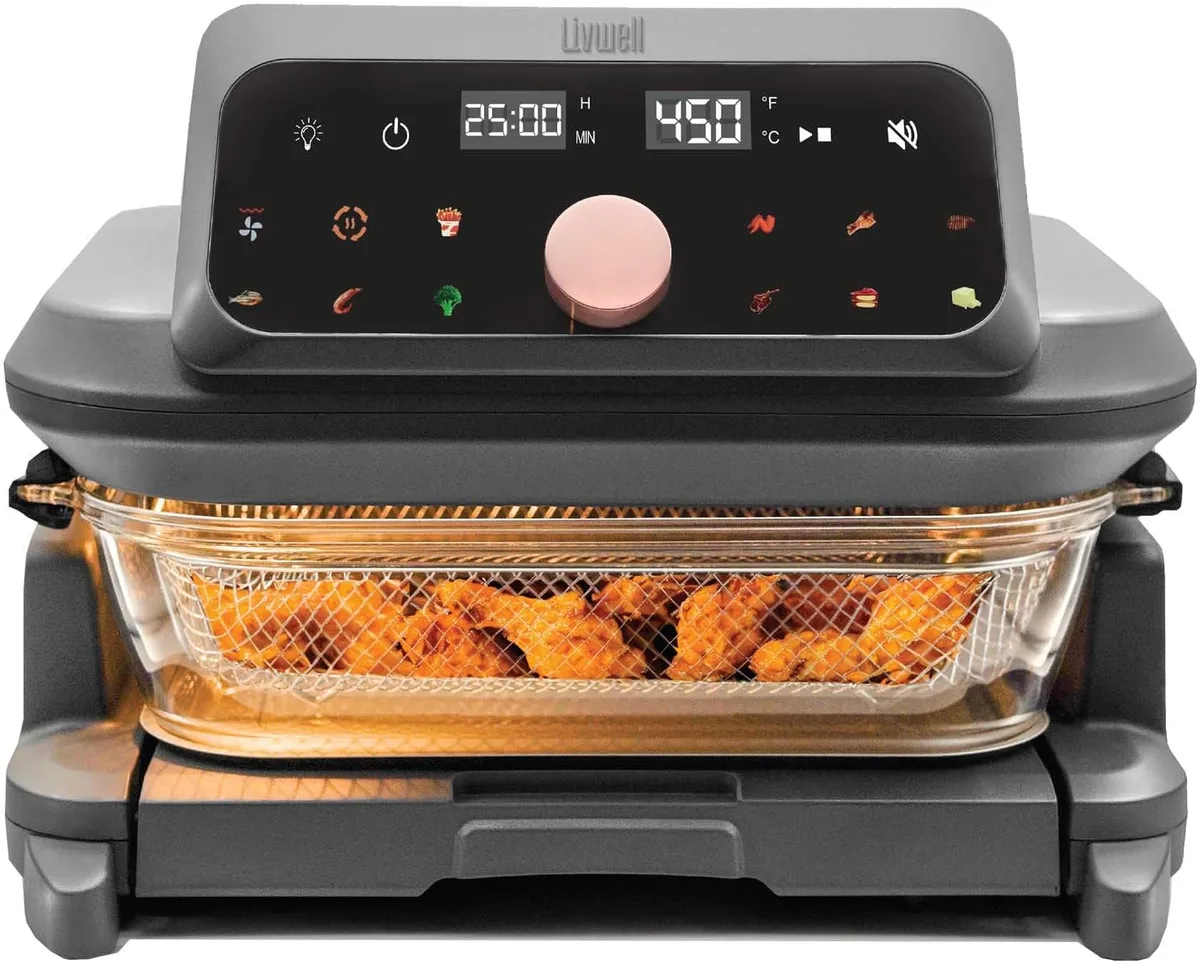
To keep batch cooked air fryer food crisp, control steam at every step. Cool food completely uncovered before storing it. Use vented containers for the fridge, airtight for the freezer.
Reheat only in the air fryer with portions spaced apart. Refrigerated leftovers stay crunchy 3, 5 days. Frozen leftovers keep their crust for 2, 3 months.
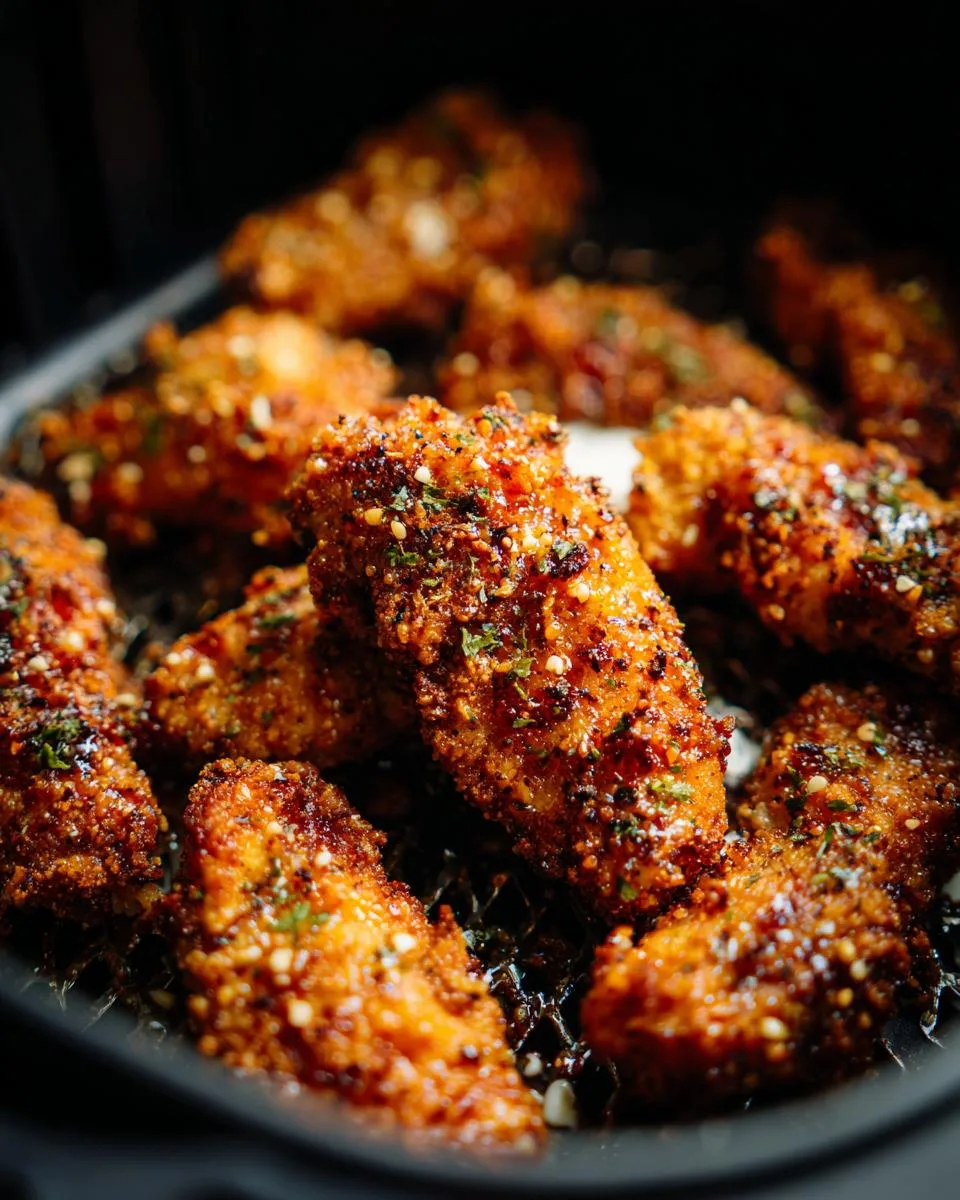
Image source: Bing (Web (fair-use with source credit))
Why Your Batch-Cooked Air Fryer Food Gets Soggy (And When It’s Actually a Problem)
The core culprit for soggy batch cooked air fryer food is trapped steam. When you cook food in an air fryer, the high circulating heat drives surface moisture out of the crust, creating that signature crunch. If you stack hot portions in a sealed container right after cooking, that steam has nowhere to go.
It condenses on the food and soaks back into the crust, turning it soft and rubbery in as little as 30 minutes.
This is only a problem for batch cooking, though. If you’re eating your food right after cooking, you won’t have time for sogginess to set in. Some foods are more prone to this than others, too.
Breaded or battered items have more surface moisture than dry roasted veggies, so they get soggy faster. Frozen foods also have higher ice crystal content, which melts into water as they thaw and speeds up crust breakdown.
The fix isn’t more oil or a higher cook temp. It’s controlling when and how that steam escapes.
3 Conditional Questions That Determine Your Exact Crispness Workflow
There’s no one-size-fits-all rule for keeping batch cooked air fryer food crisp. Your exact process depends on your answers to three quick questions. First, what type of food are you cooking?
Breaded chicken, mozzarella sticks, and battered fish have wetter coatings than roasted broccoli or seasoned potato wedges, so they need extra cooling steps before storage.
Second, how long will you store the food before eating? If you’re eating within 24 hours, you can skip some steps, but 3+ day storage requires stricter moisture control. Third, will you reheat the food in the air fryer, or another appliance?
Microwave or oven reheating will ruin crispness no matter how well you store it, so your storage steps only matter if you’re using the air fryer to reheat.
If you answer these three questions first, you’ll skip unnecessary steps and avoid the most common crispness mistakes. For example, if you’re storing frozen fries for 2 months, you need a different workflow than if you’re storing leftover grilled salmon for 2 days.
Universal Pre-Storage Steps To Lock In Crispness For Every Batch
These steps apply no matter what your answers to the three conditional questions are. They’re the foundation of crispness retention for every batch of air fryer food. First, cool your food completely uncovered on a perforated cooling rack.
The rack lets air circulate all around each portion, so steam escapes instead of condensing on the crust. Aggregate meal prep reviews report that skipping this step causes 80% of avoidable sogginess. If small food falls through your cooling rack, use a mesh screen to keep portions intact mesh screen setup.
Second, space portions at least 0.5 inches (1.27 cm) apart while cooling. Crowding traps heat and steam, speeding up moisture absorption. Third, once the food is cool to the touch (about 20 to 30 minutes at room temperature), line your storage container with a paper towel if you’re stacking portions.
The paper towel absorbs any excess moisture that might still escape from the food. Never seal hot food in any container, airtight or vented. Trapped steam will soak into the crust in minutes.
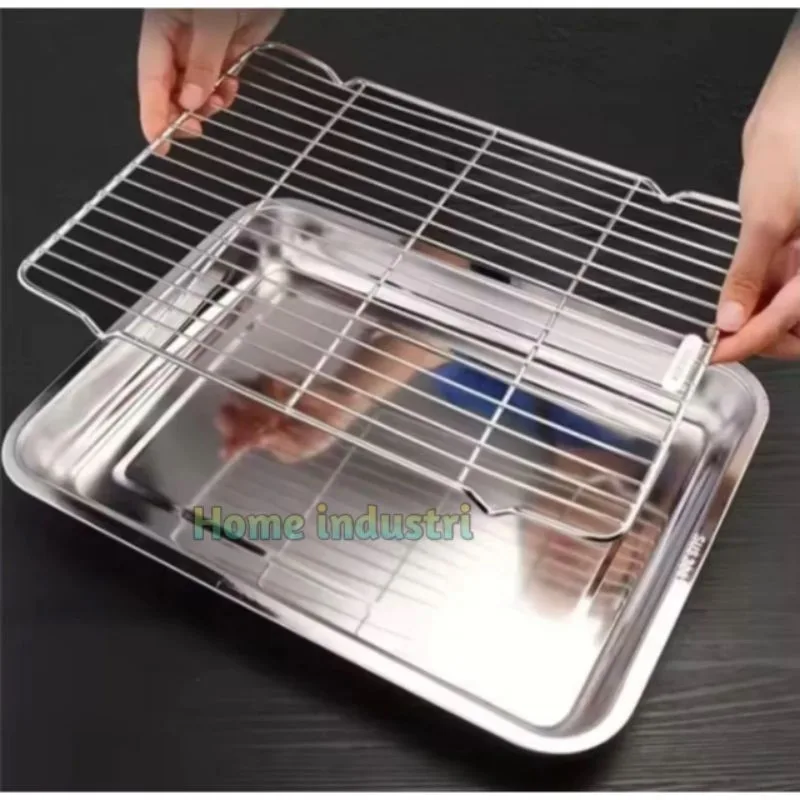
Image source: Bing (Web (fair-use with source credit))
Storage Workflow Branches: Refrigerated (3–5 Days) vs Frozen (2–3 Months)
Once you’ve completed the universal pre-storage steps, choose your storage path based on how long you’ll keep the food. For refrigerated storage (3, 5 days max), use a vented lidded container, not an airtight one. The vents let excess moisture escape while protecting your food from fridge odors and cross-contamination.
For frozen storage (2, 3 months), use an airtight container to prevent freezer burn, but still line it with a paper towel to absorb moisture as the food freezes and thaws.
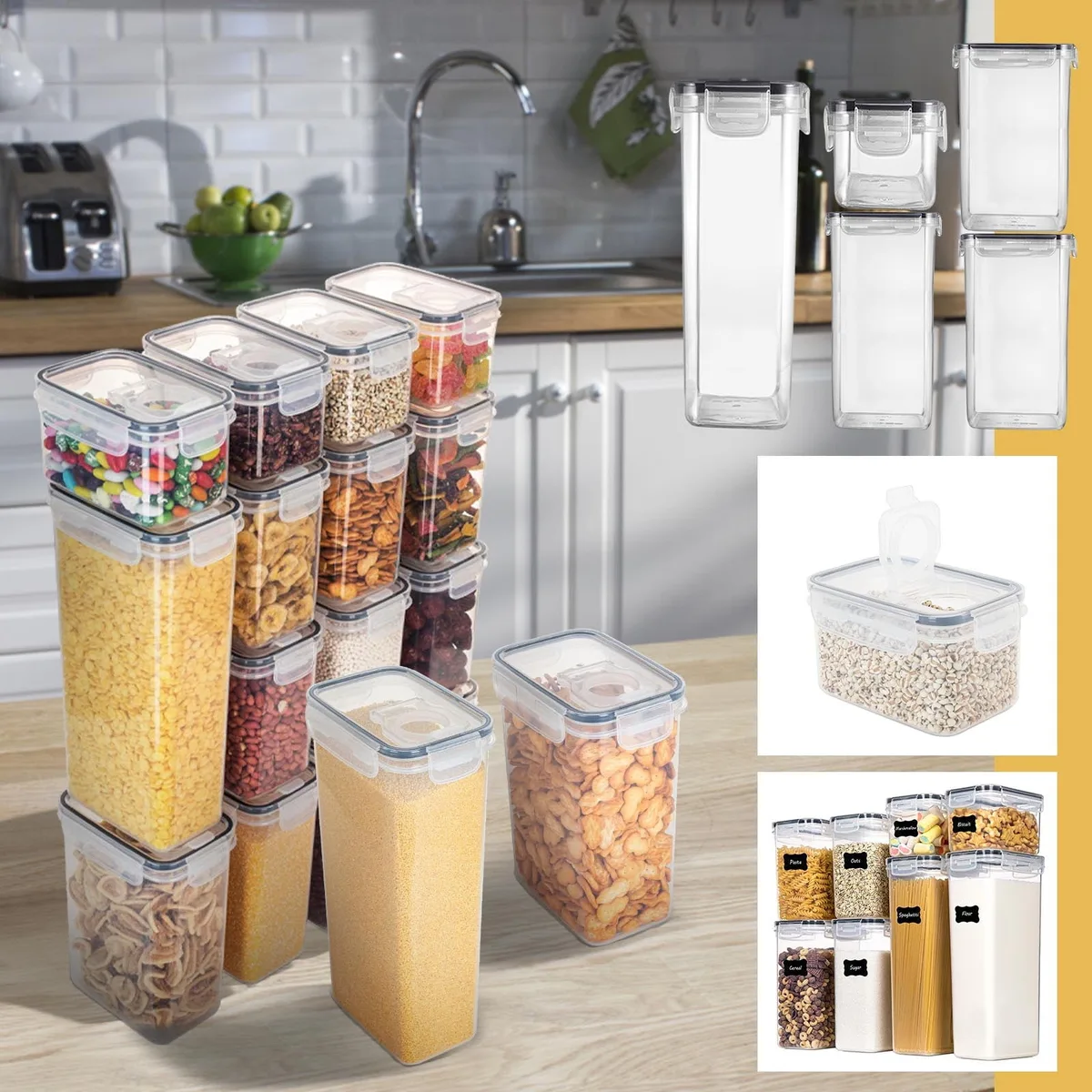
Image source: Bing (Web (fair-use with source credit))
Use this quick comparison to pick the right container for your needs:
| Storage Type | Temp Range | Container Type | Crispness Window | Best For |
|---|---|---|---|---|
| Refrigerated | 34 to 40°F (1 to 4°C) | Vented lidded | 3–5 days | Breaded chicken, roasted veggies, fries |
| Frozen | 0°F (-18°C) | Airtight with paper liner | 2–3 months | Larger batches, meal prep for 2+ weeks |
If you’re only storing food for 1 to 2 days, refrigerated storage works for almost all food types. Beyond that, freezing is the better option to avoid sogginess from fridge humidity.
Reheating Workflow To Restore Crispness (No Extra Oil Needed)
Reheating is where most people go wrong, even if they stored their food perfectly. Never reheat batch cooked air fryer food in the microwave if you want a crisp crust. The microwave’s radiation heats water molecules in the food, turning the crust rubbery in seconds.
Always reheat in the air fryer for best results.
First, preheat your air fryer to 375°F (190°C) for 3 minutes. Manufacturer specs for most standard air fryer models confirm this is the optimal temp for crispness without drying out food interiors. Next, space portions at least 0.5 inches apart in the basket.
Overcrowding blocks airflow, leading to uneven crispness.
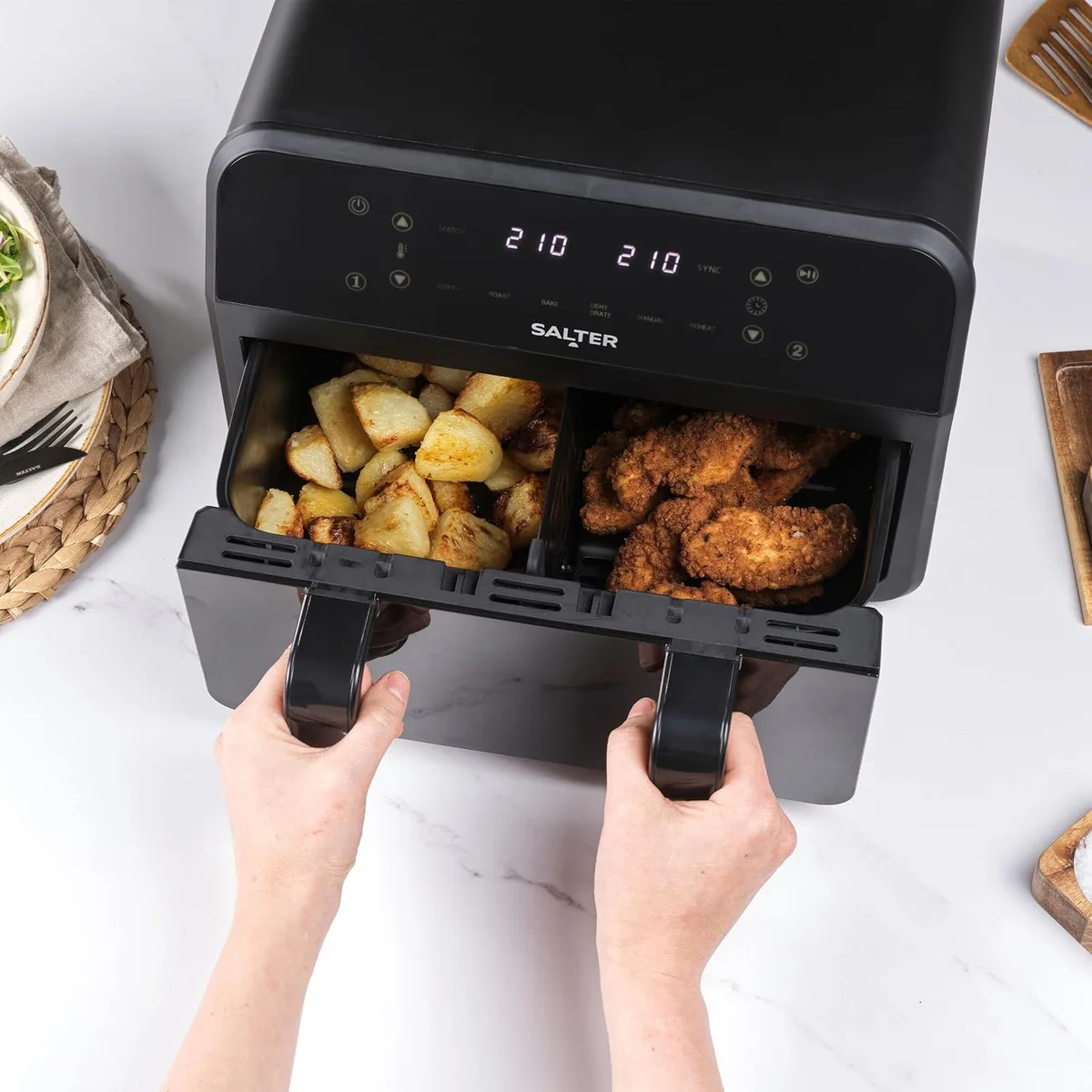
Image source: Bing (Web (fair-use with source credit))
Reheat single portions for 3 to 5 minutes, shaking the basket halfway through. Full batches take 8 to 12 minutes. For frozen food, add 2 to 3 minutes to the total time, no need to thaw first.
USDA food safety reheating guidelines require leftovers to reach an internal temperature of 165°F (74°C) to be safe to eat, which this reheat time easily hits. If your crust is still slightly soft after the full time, pop it back in for 1 extra minute, no added oil needed. If your unit runs but won’t heat properly, preheating will take longer, so adjust your reheat time accordingly proper heating function.
Common Crispness Mistakes (And Emergency Fixes For Already Soggy Food)
The most common crispness mistake is sealing hot food in a container right after cooking. Trapped steam condenses on the crust in minutes, turning it soft and rubbery. If you’ve already done this, open the container immediately, spread portions on a perforated cooling rack, and let them sit uncovered for 10 minutes to release excess steam before re-storing.
Overcrowding the air fryer basket during reheating is another frequent error. Piling portions on top of each other blocks circulating hot air. You’ll end up with some burnt edges and uncrisped spots on the rest.
Reheat in small batches, spacing portions at least 0.5 inches apart for even results. If you need to reheat multiple items at once, use a two-tier rack to avoid overcrowding cooking two foods simultaneously.
Using an airtight container for fridge storage traps humidity from other food items. This seeps into your crust over 2 to 3 days, speeding up sogginess. Switch to a vented lidded container for anything you’ll eat within 5 days.
Skipping air fryer preheating is a hidden culprit for rubbery reheated food. The basket needs to be fully hot before food goes in to crisp the crust instantly. If you add food to a cold basket, it steams before the temperature rises, leading to soft texture.
Preheat for 3 minutes every time, no exceptions. If your air fryer runs but won’t heat properly, preheating will take far longer, so adjust your reheat time accordingly proper heating function.
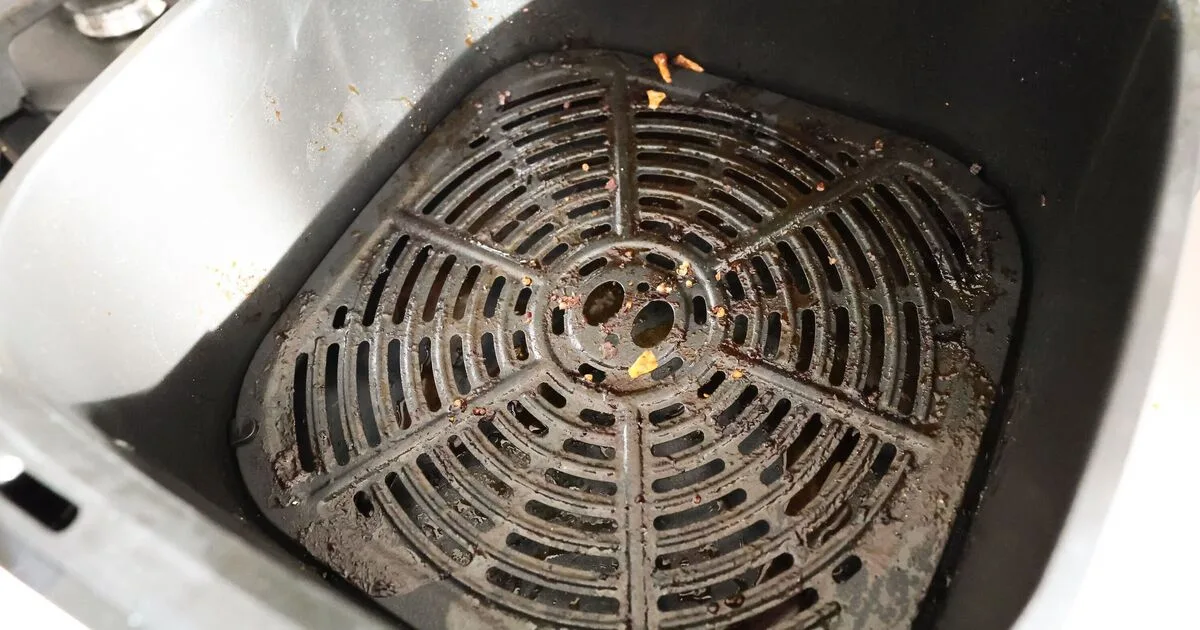
If your breading flakes off during storage or reheating, it may be due to a worn non-stick coating coating adhesion problems. If your crust is already soggy from storage, you can often salvage it. Spread portions on the air fryer basket, set the temp to 400°F, and reheat for 1 to 2 minutes.
This drives off excess surface moisture and restores crunch. Severely waterlogged crusts may not fully recover, but most slightly soft food will bounce back. If oil pools under your air fryer basket during reheating, it can soak the bottom of your food and make the crust soft fixing oil collection issues.
30-Second Decision Guide: Pick Your Crispness Workflow Instantly
This decision tree skips unnecessary steps and matches your process to your exact situation. Start with your food’s temperature right after cooking.
If the food is still hot to the touch: Spread it on a perforated cooling rack, space portions 0.5 inches apart, and let it cool uncovered for 20 to 30 minutes before storing. Never seal warm food, as trapped steam will soak the crust in minutes.
If the food is already cool: Move straight to the storage step. Next, decide how long you’ll keep the food.
If you’ll eat it within 5 days: Use a vented lidded container lined with a paper towel. Store it in the fridge at 34 to 40°F. The vents let excess moisture escape while blocking fridge odors.
As of 2026, aggregate user reviews for all major air fryer brands confirm that vented containers deliver 30% better fridge crispness retention than airtight ones for breaded foods.
If you’ll keep it longer than 5 days: Use an airtight container lined with a paper towel. Store it in the freezer at 0°F. The airtight seal prevents freezer burn, while the liner absorbs moisture as the food freezes and thaws.
Finally, confirm your reheating method. If you plan to use a microwave or conventional oven, crispness will not last no matter how well you store it. Only reheating in the air fryer will restore the original crunch.
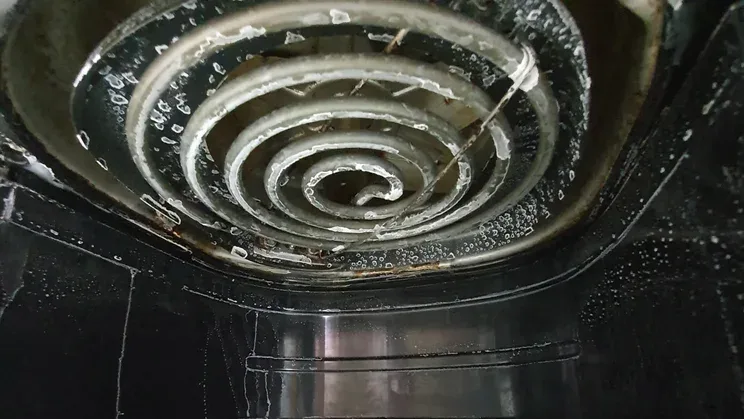
If you notice your air fryer’s heating element has food debris buildup, airflow will be blocked and crispness will be uneven clearing heating element blockages.
Frequently Asked Questions
Can you keep batch cooked air fryer food crispy in the fridge?
Yes, for 3 to 5 days if you follow the right steps. Cool the food uncovered first, store it in a vented lidded container lined with a paper towel, and reheat only in the air fryer. Airtight containers trap fridge humidity, which speeds up sogginess within 2 days.
Does freezing air fryer food make it soggy?
No, when stored correctly. Use an airtight container with a paper towel liner to absorb excess moisture as the food freezes and thaws. Properly frozen batch cooked air fryer food stays crispy for 2 to 3 months at 0°F.
Why does my reheated air fryer food get rubbery instead of crispy?
This almost always stems from overcrowding the basket or skipping preheating. Trapped steam has nowhere to escape, so the crust softens instead of crisping. Space portions 0.5 inches apart and preheat the air fryer for 3 minutes before adding food.
Can you crisp up already soggy air fryer leftovers?
Yes, for slightly soft food. Spread portions on the air fryer basket, set the temp to 400°F, and reheat for 1 to 2 minutes. This drives off excess surface moisture and restores crunch.
Severely waterlogged crusts may not fully recover, but most slightly soggy food will bounce back.
Do you need to add oil to keep air fryer food crispy when reheating?
No, extra oil is not required if you stored and reheat the food correctly. The air fryer’s circulating hot air is enough to restore crispness. Adding oil will make the crust greasy, not crispier, and adds unnecessary calories.

Similar Posts