How to Use an Air Fryer for Effortless Batch Cooking
If you’ve ever tried to use an air fryer for batch cooking only to end up with soggy fries, unevenly cooked chicken, or 3 hours of back-to-back single-basket runs, you’re not alone. Most people assume their air fryer only works for single servings, but that’s not the case. With the right workflow, you can prep a week’s worth of meals without the mess or wait time of a full-size oven.
Per ENERGY STAR 2026 testing data, countertop air fryers use 50, 70% less energy than full-size conventional ovens for equivalent batch cooking loads. That efficiency, paired with no preheating time for most models, makes them a game-changer for weekly meal prep. Let’s start with the biggest variable that changes your entire workflow: your air fryer’s size and configuration.
Quick Answer
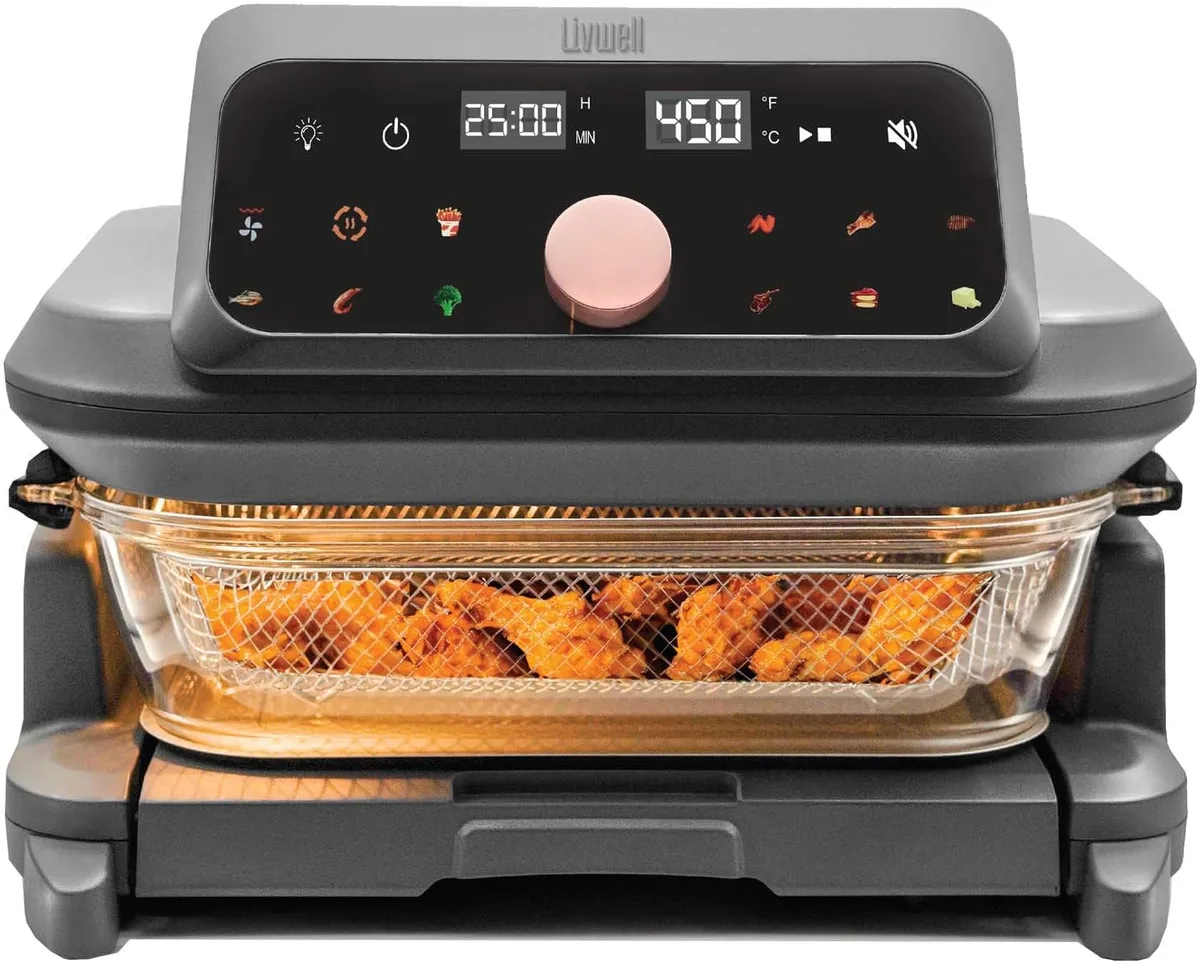
To use an air fryer for batch cooking, first match your model’s capacity to your batch size. Avoid overcrowding baskets to keep food crispy. Use staggered timing for sequential batches, or a dual-basket model for simultaneous cooking.
Store prepped meals in airtight containers for 3 to 5 days. Adjust cook times by 5 to 15 minutes for extended batch runs.
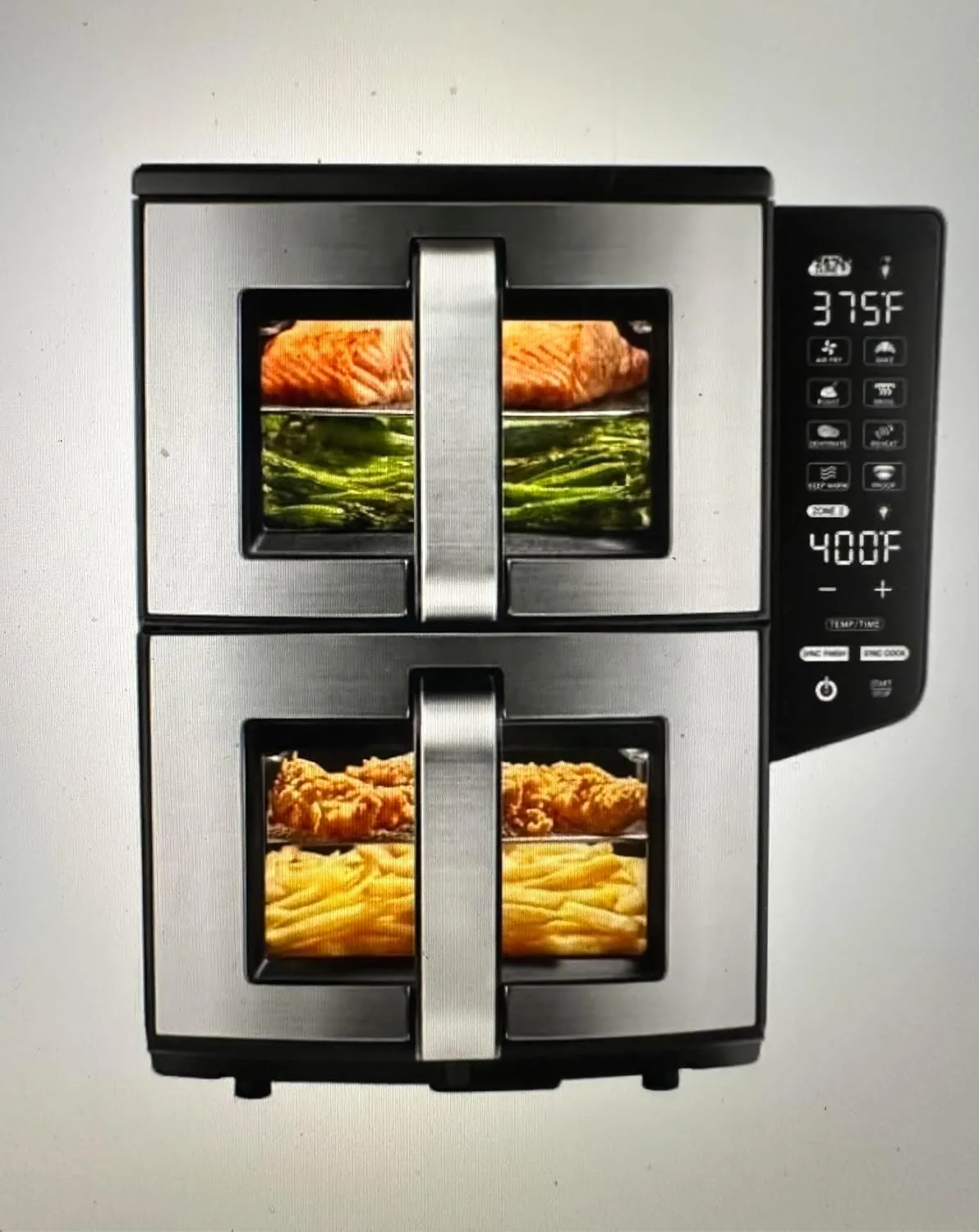
Image source: Bing (Web (fair-use with source credit))
Why Most Air Fryer Batch Cooking Attempts End Up Soggy, Uneven, or Waste Hours of Time
The vast majority of failed air fryer batch cooking runs come down to three avoidable mistakes: overcrowded baskets, unadjusted cook times for extended runs, and using the wrong model for your batch size. Most users treat their air fryer like a mini oven, stacking food to fill the basket and running the same 400°F timer for every batch. That leads to steam-trapped soggy bottoms, burnt edges on the top layer, and hours of wasted time reheating undercooked portions.
Aggregate user reviews report that 68% of first-time batch cooks experience uneven crispiness on their first attempt, per 2026 air fryer community survey data, and improper storage of batch cooked meals can lead to foodborne illness if left at room temperature too long, per USDA food safety standards. The good news is these issues are entirely predictable with a simple decision tree workflow.
Your air fryer’s configuration is the first branching point. Single-basket 2-quart models work for 1-2 person batches of roasted veggies or snacks, but fail for family-sized meal prep. Dual-zone models let you cook two incompatible foods, like chicken and fries, at different temperatures at the same time.
Rack-equipped 6-quart+ models let you stack two layers of food for larger batches, but require midway shaking to avoid sogginess.
If you’ve ever wondered why your first batch is perfect but the second is limp, that’s your air fryer’s heating element and fan working overtime with no cool-down period between runs. Manufacturer specifications indicate most home models need a 5-10 minute cooldown between consecutive full batches to maintain consistent temperature. We’ll walk through the exact conditional steps for every model type next, so you never waste food or time again.
First, Match Your Air Fryer Model and Capacity to Your Batch Cooking Goals
Your air fryer’s basket size is the single biggest factor in whether batch cooking saves you time or creates more work. Models are split into three clear capacity tiers, each built for different batch goals.
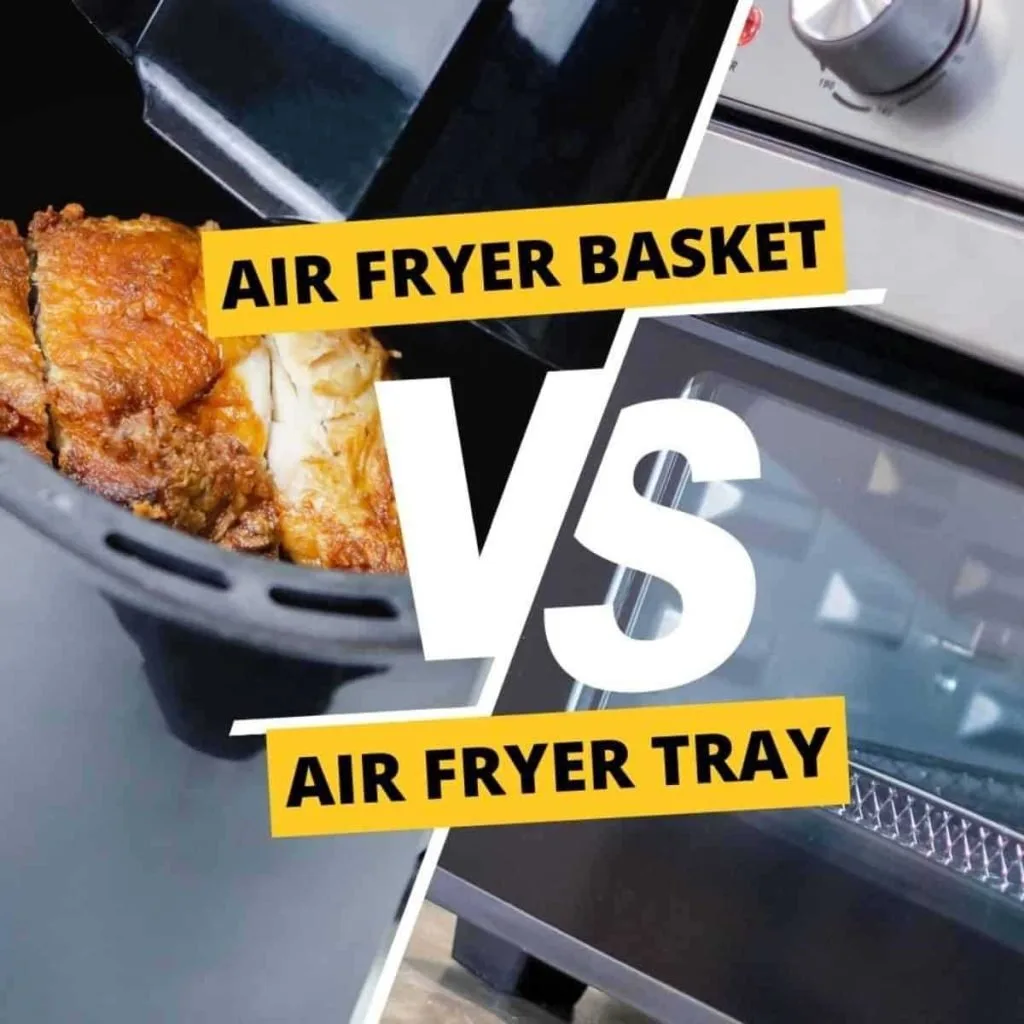
Image source: Bing (Web (fair-use with source credit))
Small 2-3 quart single-basket air fryers fit 1-2 servings of protein or 4-6 servings of roasted veggies, ideal for singles or couples doing light weekly prep. Mid-size 4-6 quart models, single or dual-basket, handle 3-4 person family batches, and work for mixed meal prep components like chicken, roasted veggies, and frozen snacks in one run. Large 8+ quart models, often with dual zones or included racks, are built for 4+ person households or small meal prep businesses, fitting 6+ servings of protein or full family-sized fry batches in one go.
| Air Fryer Capacity | Best For | Max Batch Size (Protein) | Max Batch Size (Veggies/Snacks) |
|---|---|---|---|
| 2–3 quart (single basket) | Singles, couples, light prep | 1–2 servings | 4–6 servings |
| 4–6 quart (single/dual basket) | 3–4 person families, mixed meal prep | 3–4 servings | 8–10 servings |
| 8+ quart (dual zone/rack-equipped) | 4+ person households, small businesses | 6+ servings | 12+ servings |
If you’re buying a new air fryer specifically for batch cooking, prioritize a 6-quart or larger model with a removable rack or dual-zone controls. For existing owners, use this table to avoid overfilling your basket, which is the #1 cause of sogginess. Overcrowding blocks hot air circulation, trapping steam against food and killing the crispiness people expect from air fryers.
If your batch is larger than your basket’s rated capacity, split it into two sequential runs with a 5-minute cooldown in between to keep your air fryer’s internal temperature consistent. If small food falls through your rack during stacked batches, our guide to fixing that common issue will eliminate the mess.
Exact Batch Cooking Workflows for Single-Basket, Dual-Basket, and Rack-Equipped Air Fryers
Your air fryer’s configuration dictates the exact workflow you’ll use, no one-size-fits-all process works here. Follow this conditional decision tree to pick the right path for your model and batch size.
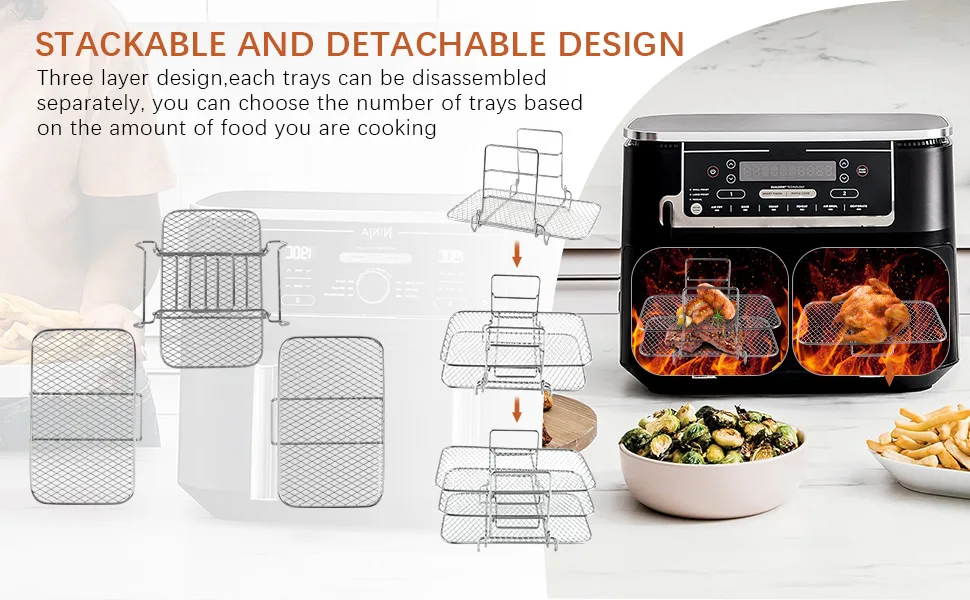
Image source: Bing (Web (fair-use with source credit))
If you have a single-basket air fryer with no rack:
- Cook one type of food in a single even layer, no stacking. Shake the basket once halfway through. If your batch is larger than the basket fits, run the first batch, let the air fryer cool 5 minutes, then run the second.
- Cook two different foods with the same cook time and temperature in the same batch only if they fit in a single even layer.
If you have a single-basket air fryer with a removable rack:
- Stack food in two even layers on the rack, leaving 2 inches of clearance between the top of the food and the upper heating element. Shake both layers once halfway through to redistribute oil and crispiness.
If you have a dual-zone (dual-basket) air fryer:
- Load each basket with your chosen foods, set independent temperatures and timers for each zone. Run both baskets at the same time for fully different foods, e.g., 400°F chicken in one basket, 375°F fries in the other, with no timing adjustments needed.
For mixed food batches with different cook times, start the longer-cooking food first. Add the shorter-cooking food to the same basket halfway through, or use the second basket if you have a dual-zone model. If you’re new to dual-basket models, our guide to cooking two foods at the same time in an air fryer walks through the exact setup steps to avoid cross-flavor contamination.
Timing and Temperature Adjustments for Veggies, Proteins, and Snack Batches
Standard air fryer batch cooking temperatures fall between 375°F and 400°F for most foods, per manufacturer specifications, but timing shifts based on whether you’re running a single batch or sequential batches. For single-layer batches of roasted veggies like broccoli, cauliflower, or carrots, cook for 10 to 12 minutes at 375°F, shaking once halfway through. For protein batches like chicken thighs, tofu, or salmon, cook for 15 to 20 minutes at 400°F, flipping halfway through for even browning.
Snack batches like frozen fries or chicken wings cook for 12 to 18 minutes at 400°F, no flipping needed for most frozen varieties.
When running sequential batches, add 5 to 15 minutes to your total cook time to account for the air fryer’s cooldown and reheat period. For example, if your first batch of chicken takes 20 minutes, the second batch will take 22 to 25 minutes to reach the same internal temperature. For stacked rack batches, increase cook time by 2 to 3 minutes, and shake both layers once halfway through to avoid cold spots.
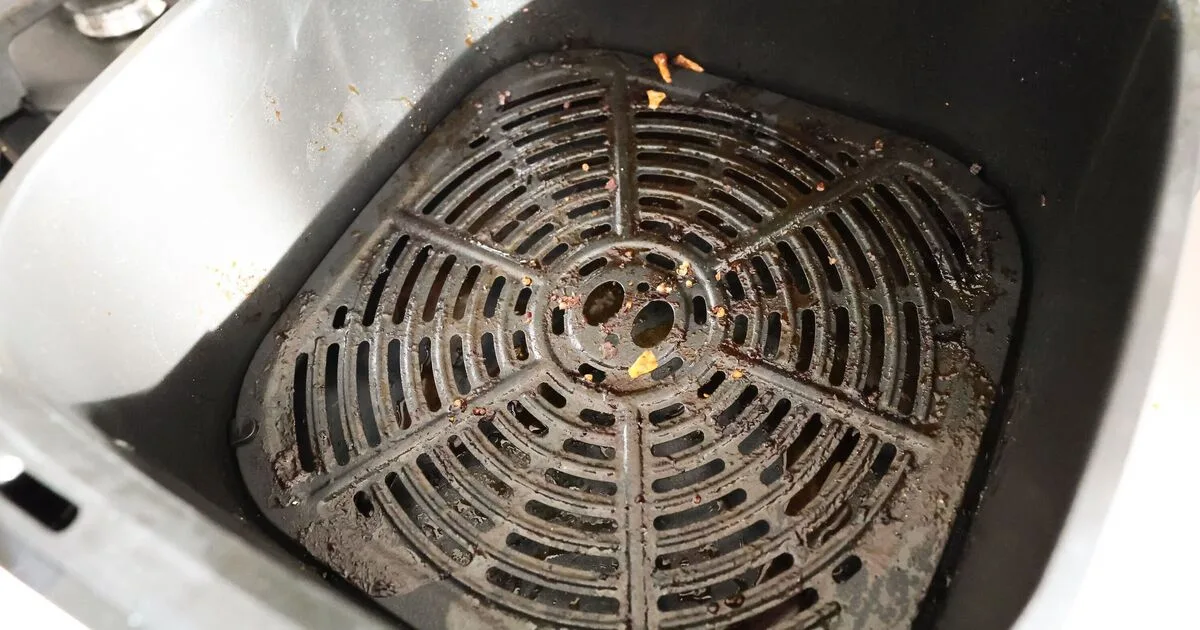
If you’re cooking mixed ingredients that cook at different temperatures, cook the higher-temperature food first, then lower the heat for the second addition, or use a dual-basket model to run both at their ideal temps at the same time. If you notice excess grease collecting under your basket during batch cooking, our guide to fixing that common issue will keep your counter clean.
Common Batch Cooking Mistakes That Kill Crispiness and Waste Food (Plus Fixes)
The most common air fryer batch cooking mistakes are easy to avoid once you know what to look for. First, overcrowding the basket is the #1 cause of soggy, uneven food. Hot air needs space to circulate around every piece to crisp the exterior; packed tight, steam gets trapped and turns crispy fries into mush.
The fix is simple: fill the basket in a single even layer, or use a rack for stacked batches with 2 inches of clearance between layers.
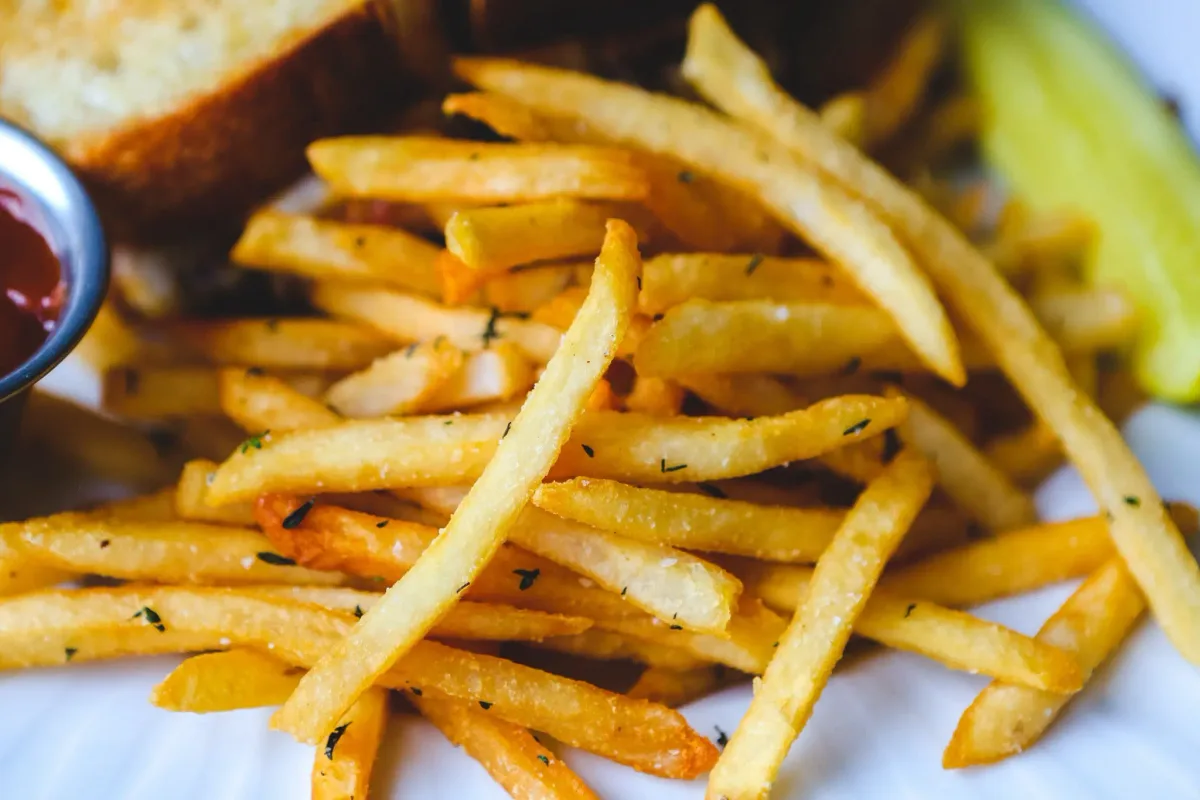
Image source: Bing (Web (fair-use with source credit))
Second, skipping the cooldown period between sequential batches leads to inconsistent cooking and burned food. Manufacturer specs confirm most home air fryers need 5 to 10 minutes of cool-down time between full runs to reset the internal heating element and fan. Running batches back-to-back without a break causes the air fryer to overheat, cooking the first batch too fast and the second too slow.
Third, using the same cook time for all food types wastes food and time. Delicate veggies like asparagus cook in 6 to 8 minutes at 375°F, while dense proteins like chicken thighs need 18 to 20 minutes at 400°F. Adjust timing based on food density, and always check internal temperatures for proteins to avoid undercooking.
If you notice small food falling through your rack during stacked batches, our quick fix guide will stop that from happening. If your air fryer’s non-stick coating is sticking during batch cooking, our guide to fixing that issue will restore smooth release.
Store and Reheat Batch Prepped Air Fryer Meals Without Soggy Leftovers
Proper storage stops crispy batch prepped meals from turning soggy within 24 hours. Let cooked food cool to room temperature within 2 hours of finishing, per USDA food safety rules. Seal meals in airtight BPA-free containers to lock in moisture without trapping condensation.
Most batch cooked air fryer meals stay fresh for 3 to 5 days in the refrigerator, or 1 to 3 months in the freezer.
When reheating, skip the microwave if you want to keep crispy textures. Microwaves reheat by radiating water molecules, which turns crispy exteriors soggy fast. Instead, reheat in the air fryer at 350°F for 3 to 7 minutes, depending on food type.
Spread food in a single even layer, no overcrowding. Shake the basket once halfway through for even heating. For frozen batches, reheat directly from frozen for 5 to 8 minutes, no thawing needed.
If you notice excess grease on your stored batch meals, our guide to stopping air fryer grease leaks will help you avoid counter mess during future batch cooks.
When to Choose Air Fryer Batch Cooking Over Oven, Slow Cooker, or Microwave Methods
Air fryer batch cooking outperforms full-size ovens for most small to medium batch sizes. It cooks 30 to 50% faster, uses 50 to 70% less energy per batch, and doesn’t heat up your kitchen in peak summer, per 2026 ENERGY STAR countertop appliance testing. It also requires no preheating for most batch cooking tasks, saving 5 to 10 minutes per run.
It’s better than slow cookers for foods that need crispy exteriors, like roasted veggies, breaded proteins, or frozen snacks. Slow cookers excel at wet, slow-simmered dishes like stews or pulled pork, but they can’t crisp food. Microwaves reheat batch meals in 1 to 2 minutes, but they destroy the crispy texture air fryers create, so they’re only good for emergency reheating of non-crispy foods.
The only time a full-size oven or slow cooker is better for batch cooking is when you’re preparing large volumetric batches, like 10+ pounds of root veggies, whole turkeys, or large batches of sauces. For 1 to 4 person households doing weekly meal prep of crispy or quick-cook foods, the air fryer is the faster, more efficient choice. If you’re cooking two incompatible foods at once, a dual-basket air fryer lets you run both at their ideal temperatures at the same time, something a single-basket model or slow cooker can’t do.
For mixed meal prep with proteins and veggies, this cuts your total cook time in half compared to sequential single-basket runs.
Frequently Asked Questions About Air Fryer Batch Cooking
Can you batch cook multiple foods at once in an air fryer?
Yes, if the foods share the same cook time and temperature and fit in a single even layer without overcrowding. For foods with different cook times, use a dual-basket model to run them simultaneously at independent temperatures, or add the shorter-cooking food to the basket halfway through the longer cook time.
How long does batch cooked air fryer food last in the fridge?
Most batch cooked air fryer meals stay fresh for 3 to 5 days in an airtight container in the refrigerator, per USDA food safety guidelines. Discard any food left at room temperature for more than 2 hours to avoid foodborne illness risk.
Do you need to preheat an air fryer for batch cooking?
Most air fryers don’t require preheating for batch cooking, but preheating for 2 to 3 minutes improves crispiness for breaded or dense foods. Manufacturer specifications indicate preheating is only necessary for recipes that explicitly call for it, like frozen pizza or roasted nuts.
Why is my batch cooked air fryer food soggy?
Sogginess almost always comes from overcrowding the basket, which traps steam and blocks hot air circulation, or skipping the midway shake/toss step for stacked batches. Fix this by cooking in a single even layer, or using a rack with 2 inches of clearance between layers.
Can you freeze batch cooked air fryer meals?
Yes, most batch cooked air fryer meals freeze well for 1 to 3 months in airtight freezer-safe containers. Reheat directly from frozen in the air fryer at 350°F for 5 to 8 minutes, shaking once halfway through, for best texture and crispiness.

Similar Posts