Air Fryer Hashbrown Patties Recipe
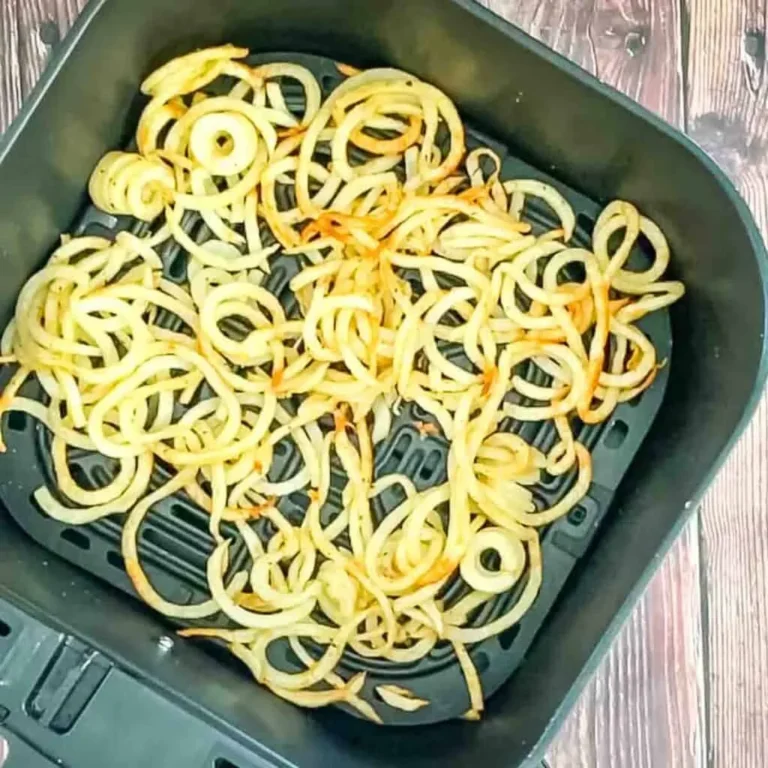
If your quest for perfectly crispy hashbrown patties in air fryer has left you with soggy middles or burnt edges, you're not alone. The promise of quick, oil-free hash browns often clashes with the reality of inconsistent frozen products and varying appliances. It's a classic kitchen puzzle where the result changes based on the patty in your hand and the machine on your counter.
Our research into dozens of air fryer manuals and frozen product labels, cross-referenced with user outcomes, reveals a consistent culprit: oil content. The USDA recommends an internal temperature of around 200°F for cooked potatoes, but hitting that mark with a crisp exterior is where the real judgment begins. Let's break down why your results vary and how to master them, starting with the core problem.
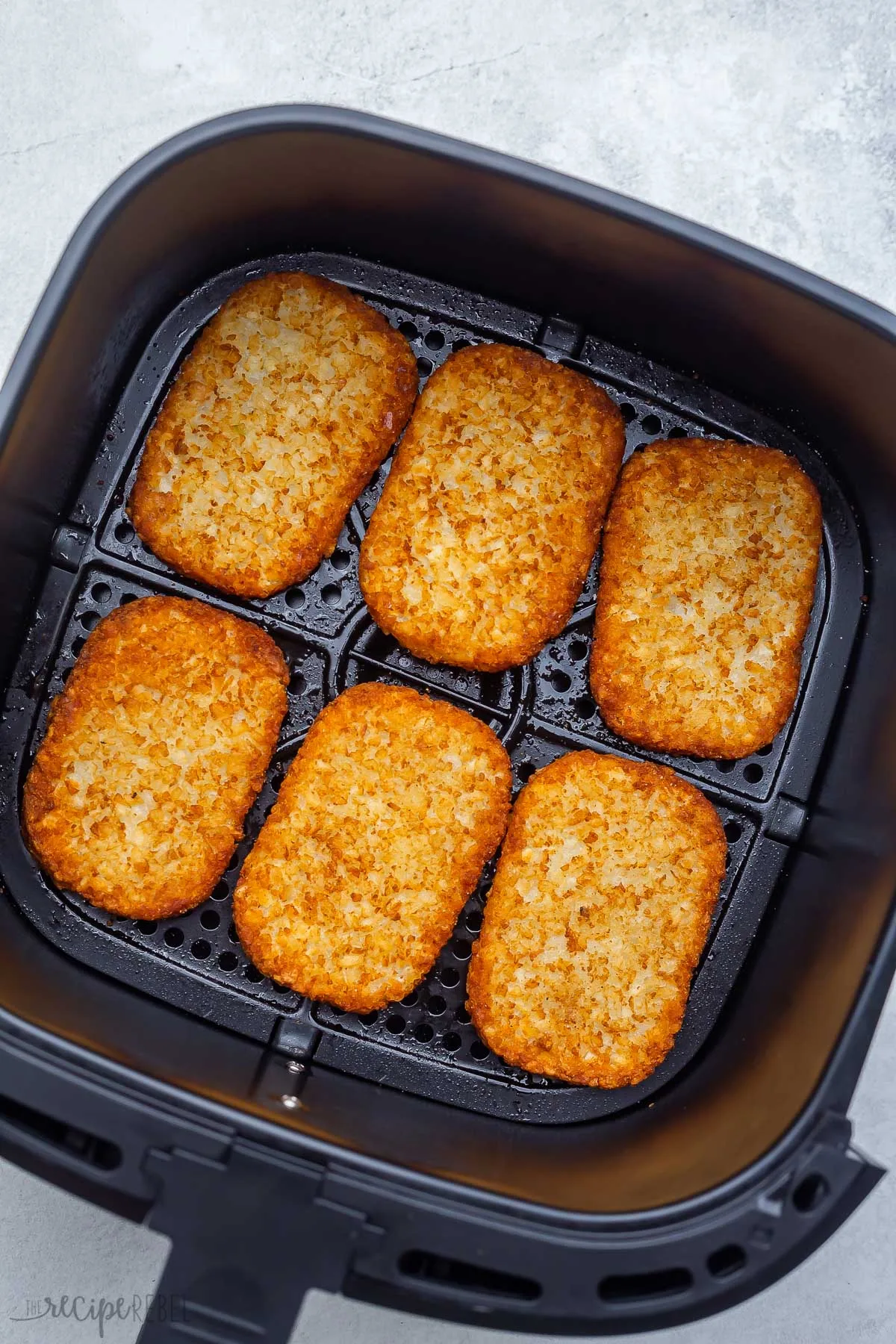
Image source: Bing (Web (fair-use with source credit))
Quick Answer
Air fry frozen hash brown patties at 380°F for 10 to role="button"14 minutes. Flip them halfway through. Use a single layer with space between patties.
For homemade shredded potato patties, cook at 400°F for 12 to role="button"16 minutes after pressing them dry and brushing with oil. The best method depends entirely on whether you're using frozen or fresh potatoes.
Why Your Hash Brown Patties Come Out Wrong (And How to Fix It)
The most common complaints, a soggy, undercooked center or leathery, burnt edges, stem from a misunderstanding of how air fryers work with this specific food. An air fryer is a powerful convection oven. It blasts hot air to cook food quickly and evaporate surface moisture for crispiness.
Potatoes, however, are full of water. A frozen hash brown patty is a dense, frozen block of shredded potato held together by starch and, often, added oil. The hot air needs to penetrate that frozen mass, cook the potato through, and drive off enough surface moisture to create a crisp shell.
If the temperature is too low, the outside never crisps before the inside thaws and steams. If it's too high, the outside burns before the heat can travel to the center.
Your appliance model also plays a bigger role than most recipes admit. A smaller, less powerful air fryer will struggle with multiple frozen patties, while a high-wattage oven-style model might cook them too aggressively on the top element. This isn't a one-setting-fits-all situation.
It's a starting point for your own kitchen, which is why we're focusing on the comparative choices you need to make, not a single rigid formula.
The Air Fryer’s Core Advantage for Hash Browns
So why use an air fryer at all? When you compare it to the traditional methods, its benefits for this specific food become clear. The goal is a crispy exterior with a tender, fully cooked interior, using minimal added fat.
A skillet requires a fair amount of oil to prevent sticking and achieve even browning. You're also standing there, managing the heat and flipping. A conventional oven can dry them out or cook unevenly unless you flip them, and it takes longer to preheat and cook.
The microwave, of course, makes them soggy.
The air fryer’s concentrated, circulating heat solves these issues efficiently. It uses far less oil than pan-frying, sometimes none, if the frozen patties are pre-oiled. It cooks faster than a big oven because the cavity is smaller and the fan forces heat transfer.
And it's largely hands-off after the initial setup. For a quick, consistent, and relatively healthier crispy potato side, the air fryer is the tool that balances speed and quality best. It pairs perfectly as a side for many mains, like a quick air fryer chicken tacos night.
Frozen vs. Homemade: The Critical Starting Point
Your very first decision is the most important: are you starting with a frozen patty from a bag, or making your own from raw potatoes? This isn't just a convenience choice. It fundamentally changes your approach, cooking parameters, and final outcome.
Let's compare them head-to-head.
The Case for Frozen Patties
Frozen hash brown patties are the definition of convenience. They're uniformly shaped, par-cooked, and ready to go straight from the freezer. Brands like Ore-Ida are widely available, and most store-brand versions are comparable.
The primary advantage is consistency and speed. You don't need to shred, wring, or form anything.
The trade-off is control. You're at the mercy of the manufacturer's recipe. The oil content, shred size, and potato variety are fixed.
Our analysis of product labels shows frozen patties typically contain 4-7 grams of fat per serving, coming from vegetable oils (like soybean or canola) used in the pre-frying process. This oil is both a blessing and a curse. It promotes browning and prevents sticking, but it can also lead to greasy results if your air fryer temp is too low to properly crisp it.
They're perfect for the cook who wants a reliable, quick potato side with minimal cleanup. Think of it as a guaranteed, if generic, result.

Image source: Bing (Web (fair-use with source credit))
The Case for Homemade Patties
Making hash brown patties from scratch is a project. It involves shredding potatoes (usually russets), rinsing and thoroughly drying the shreds to remove excess starch, then forming them into patties. The payoff is total control.
You decide the thickness, the seasoning, and the type of oil, or lack thereof.
The homemade path offers superior texture and flavor. You get the authentic, shaggy, crispy-edged potato cake you might find in a diner. You can add grated onion, garlic powder, or fresh herbs directly into the mix.
Since you're starting with raw potato, you also avoid any pre-frying oil flavors you might not enjoy.
The challenges are moisture and structural integrity. Getting the shreds dry enough is crucial; wet potatoes steam instead of fry. A potato ricer or clean kitchen towel is essential for wringing them out.
They also lack the binding agents in frozen versions, so they can be fragile before cooking. You'll likely need to add a binding agent like a sprinkle of flour or cornstarch, and a light brush of oil on the outside is non-negotiable for browning in the air fryer.
Choose this route when you have extra time and want a from-scratch, customizable component for a heartier meal, like a roasted chicken sandwich.
The One Factor That Changes Everything: Oil Content
Whether you're using frozen or homemade, oil is the secret variable that dictates your time and temperature. It's not just about non-stick properties. Oil conducts heat far more efficiently than air or dry potato.
In a frozen patty, the oil is already integrated. If your patty is high in oil (check the label), it will brown faster. You might need to lower the temperature slightly (say, to 370°F) and cook a minute or two less to prevent the outside from over-browning before the inside is done.
A lower-oil frozen patty will need the full heat (380°F-400°F) and potentially a minute or two longer to achieve the same crispness.
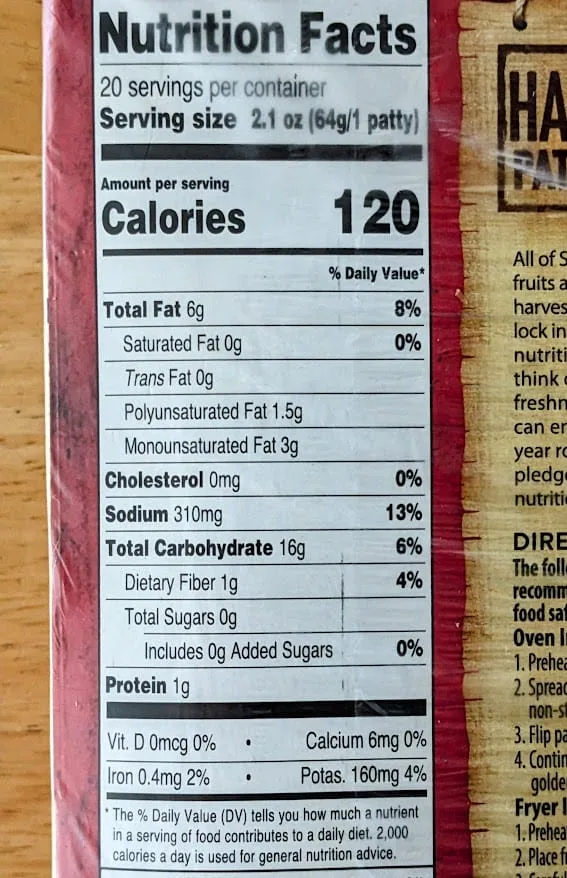
Image source: Bing (Web (fair-use with source credit))
For homemade patties, you are the oil boss. A scant brush of avocado or olive oil on each side provides the necessary medium for heat transfer and Maillard reaction (browning). Too little oil, and they'll be pale and dry.
Too much, and they'll fry in their own grease and become heavy. The goal is a barely shiny, even coating.
This is why generic advice like "cook at 400°F for 10 minutes" fails. A greasy frozen patty at 400°F will be burnt. A dry homemade one at that temp might still be raw inside.
You must adjust based on what you're working with. Let's translate this into actionable steps.
| Patty Type | Oil Status | Recommended Starting Temp | Visual Check For |
|---|---|---|---|
| Frozen (High Oil) | 6g+ fat per patty | 370°F | Watch for rapid darkening; may need less time. |
| Frozen (Standard) | 4-5g fat per patty | 380°F | Golden brown exterior, hot all the way through. |
| Homemade | Lightly brushed | 400°F | Deep golden brown, edges visibly crispy. |
Step-by-Step: Your Go-To Method for Frozen Patties
This is your reliable workflow for a standard bag of frozen hash brown patties. We'll assume a moderate oil content and a basket-style air fryer.
- Do Not Thaw. Take the patties straight from the freezer. Thawing will make them soggy and more likely to stick.
- Preheat (Optional but Recommended). Set your air fryer to 380°F and let it run for 3-5 minutes. A hot start promotes immediate crisping.
- Arrange in a Single Layer. Place the patties in the basket, leaving at least a half-inch of space between each one. Overcrowding creates steam, which is the enemy of crispiness. Cook in batches if necessary.
- Cook and Flip. Air fry for 10 to role="button"14 minutes. At the halfway mark (5-7 minutes), open the basket and flip each patty carefully with tongs or a spatula. This ensures even browning on both sides.
- Check for Doneness. Start checking at the 10-minute mark. They should be deeply golden brown and firm to the touch. The best test is to insert an instant-read thermometer into the center of the thickest patty; you're looking for an internal temperature of about 200°F.
- Rest and Serve. Let them sit in the basket (turned off) for a minute after cooking. This allows any residual steam to escape and the crust to set fully. Serve immediately.
Pro Tip: If your patties seem to be browning too quickly but aren't hot inside, reduce the temperature by 10-15 degrees and add a couple of minutes to the cook time. If they're pale and soft, increase the temperature by the same margin. This method is fantastic for creating a quick, satisfying side to complement a creamy chicken macaroni salad.
Step-by-Step: Crafting Crispy Homemade Patties in the Air Fryer
Starting from scratch gives you the best possible hash brown. The process is more involved, but the flavor and texture payoff are significant. You're not just heating a pre-made product.
You're actively creating one.
Grab two large russet potatoes. Peel them and shred them using the large holes of a box grater or a food processor shredding disc. Immediately place the shreds in a large bowl of cold water.
Swirl them around, then drain. This first rinse removes excess surface starch, which can make the patties gummy.
The next step is non-negotiable for success. You must dry the potatoes thoroughly. Transfer the shreds to a clean kitchen towel or several layers of paper towels.
Gather the edges and twist tightly, wringing out as much water as you can. This might require a few towels. The shreds should feel damp, not wet.
Place the dried shreds in a clean bowl. Season with salt and pepper. For extra binding and crispness, toss with one tablespoon of cornstarch or all-purpose flour.
This helps them hold together. Form into 1/2-inch thick patties, about 3-4 inches wide, pressing firmly.
Preheat your air fryer to 400°F. Lightly brush or spray both sides of each patty with a high-smoke-point oil like avocado or canola. This thin coating is crucial for browning and heat conduction.
Arrange the patties in a single layer with space between them. Air fry for 12 to role="button"16 minutes, flipping halfway through. They are done when deeply golden brown and crisp on the edges.
The internal temp should reach about 200°F. Let them rest for two minutes before serving to allow the crust to set. This from-scratch approach pairs beautifully with a simple, fresh side like a chicken cabbage salad.
The Side-by-Side Showdown: Air Frying vs. Other Methods
Let's put the air fryer in context. How does it truly stack up against the skillet and the conventional oven? The winner depends on your priorities for speed, crispiness, and cleanup.
Air Fryer vs. Skillet (Pan-Frying)
This is the classic crispiness battle. A skillet, with a generous pool of oil, delivers an unbeatable, rich, fried flavor and a supremely crisp crust. It's the diner standard.
The downsides are significant, though. It uses a lot of oil, requires constant attention to prevent burning, and spatters grease everywhere.
The air fryer uses a fraction of the oil, often just a spritz. It's hands-off after you set the timer. Cleanup is usually just the basket.
The texture is different. It's a drier, all-over crispness versus the skillet's concentrated fried crunch. For a healthier, less messy, and more convenient result that's still very satisfying, the air fryer wins.
If you crave that deep-fried taste and don't mind the work, the skillet is your tool.
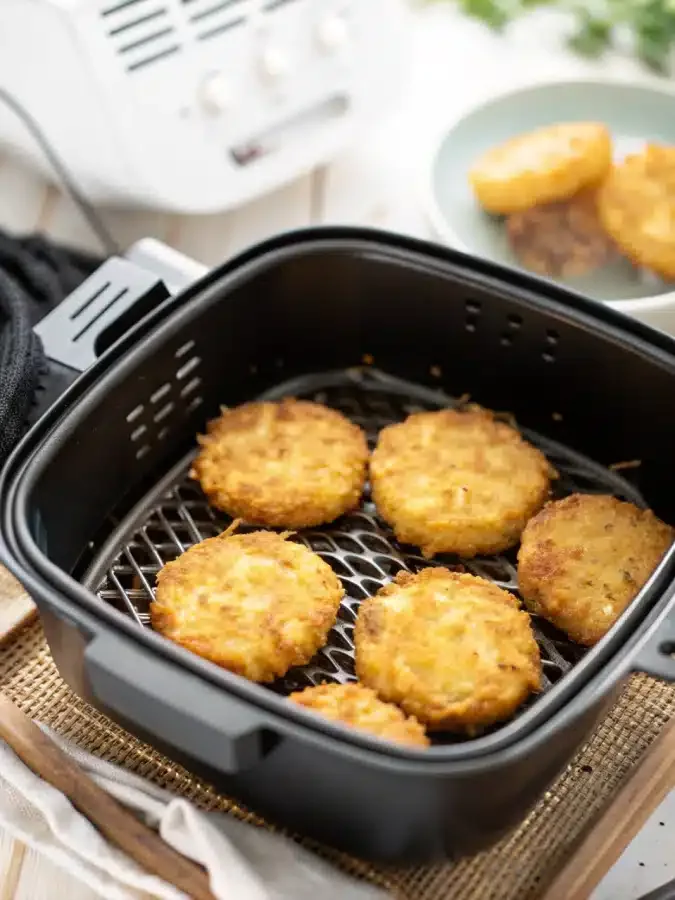
Image source: Bing (Web (fair-use with source credit))
Air Fryer vs. Conventional Oven
The conventional oven is great for cooking a large batch at once. You can fit a dozen patties on a sheet pan. The problem is even heating.
Most home ovens have hot spots, and without a fan (unless you have convection), the heat is static. This often leads to uneven browning. You must flip the patties halfway through.
Air fryers are essentially small, powerful convection ovens. The fan forces hot air around the food, cooking it more evenly and quickly. They preheat in minutes, not the 15-20 minutes a full-size oven needs.
For one to four servings, the air fryer is faster and more energy-efficient. For a big family breakfast or meal prep, the oven's capacity might be necessary.
Finding the Sweet Spot: Time and Temperature Guide
These are your starting points, not fixed rules. Always be ready to adjust based on your visual and tactile checks.
For Frozen Patties
- Standard Method: 380°F for 10-14 minutes, flip halfway.
- High-Oil / Quick-Browning Patties: Reduce to 370°F. Start checking at 8 minutes.
- Low-Oil / Thick Patties: Increase to 390°F. May need 14-16 minutes.
- No Preheat: Add 2-3 minutes to the total cook time.
The key is the flip. It ensures both sides get direct exposure to the heating element and fan. Don't skip it.
For Homemade Patties
- Standard Method: 400°F for 12-16 minutes, flip halfway.
- Thin Patties (1/4-inch): Reduce time to 10-12 minutes at 400°F.
- Thick Patties (3/4-inch): Keep at 400°F but extend time to 18-20 minutes. Consider lowering temp to 380°F after 10 minutes to prevent over-browning.
- Wet Shreds: If your potatoes weren't dried well, they will steam. You'll need to add significant time and may not achieve true crispiness.
An instant-read thermometer is your best friend here. Aim for that 200°F internal target. It takes the guesswork out of doneness.
Common Pitfalls and How to Dodge Them
Even with a good recipe, small mistakes can derail your hash browns. Here are the big ones and how to fix them.
Soggy, Pale Results: This is almost always caused by overcrowding or insufficient heat. Patties need space for air to circulate. If they're touching, they steam each other.
Cook in batches. Also, ensure your air fryer is fully preheated and that you're using the recommended temperature for your patty type.
Burnt Exterior, Raw Interior: The temperature is too high for the patty's thickness or oil content. The outside crisps and burns before heat penetrates the center. Lower the temperature by 25 degrees next time and add a few minutes.
This is common with high-oil frozen patties cooked at 400°F.
Patties Falling Apart (Homemade): This means the shreds weren't pressed firmly enough, or you skipped the binding agent (cornstarch/flour). When forming, really compact them. A little binder makes a big difference in structural integrity.
Sticking to the Basket: Even with non-stick coatings, starchy foods can stick. A light spray of oil on the basket before adding the patties helps. You can also use perforated parchment paper liners made for air fryers, which also aids cleanup.
Avoid wax paper or solid parchment, which blocks airflow.
Uneven Cooking: This usually points to an overloaded basket or a faulty flip. Make sure you're turning each patty individually halfway through. If one area of your air fryer seems to cook hotter (common near the fan or heating element), rotate the basket 180 degrees at the flip.
Pro Tips for Next-Level Air Fryer Hash Browns
A few small tweaks can elevate your results from good to great.
- Season After Cooking: Salt draws out moisture. If you salt frozen or raw patties heavily before cooking, they can weep and steam. For maximum crispness, season with a light sprinkle of flaky salt as soon as they come out of the air fryer.
- Add Flavor Twists: For homemade patties, mix in grated onion, a pinch of garlic powder, or smoked paprika with the shredded potatoes. For frozen, sprinkle with everything bagel seasoning or grated parmesan cheese in the last minute of cooking.
- Reheat Like a Pro: Leftover hash browns lose their crispness. To revive them, reheat in the air fryer at 370°F for 3-4 minutes. They'll come back to life much better than in a microwave.
- Use for Other Potatoes: This technique works for other potato forms. For air fryer canned potato recipes, you can pat diced canned potatoes dry and follow a similar method for quick home fries.
- Check Your Manual: Air fryer wattages vary. A 1500-watt model will cook faster than a 1200-watt one. Your manufacturer's manual often has general guidance for "frozen potato products" that's a great baseline for your specific machine. The USDA Food Safety site confirms the safe cooking temperature for potatoes, which is your ultimate guide for doneness.
The goal is to use the appliance's strengths while working around the nature of the food. With these tips, you'll get consistently excellent results that make the air fryer your go-to for crispy potatoes.
Safety and Practical Warnings
Air fryers are generally safe, but they get extremely hot. Always use oven mitts when handling the basket, especially when pulling it out. The metal parts and the exterior can cause burns.
Never place your air fryer directly under a cabinet. The hot air exhaust needs clearance. Overcrowding the basket is a major risk.
It blocks airflow, causing uneven cooking and potentially a fire hazard if food touches the heating element.
Always follow your specific model's manual for cleaning and operation. Never immerse the base unit in water. Unplug the appliance when not in use and allow it to cool completely before cleaning.
The Final Verdict: Which Path Should You Choose?
Choose frozen patties for guaranteed convenience and speed. They're your best bet for a consistent, no-fuss side dish on a busy morning. Stick with the standard 380°F method and adjust only if you notice browning issues.
Choose homemade patties when you want superior flavor and texture, and you have an extra 10 minutes for prep. The 400°F method with thoroughly dried potatoes delivers a diner-quality result. It's worth the effort for a special breakfast or brunch.
The air fryer itself is the best tool for the job when you balance crispiness, health, and cleanup. It outperforms the oven for small batches and beats the skillet for ease. For perfect hash browns every time, start with the right choice for your needs and let the appliance do its work.
Frequently Asked Questions
Can you put frozen hash brown patties directly in the air fryer?
Yes, always cook them from frozen. Thawing introduces moisture that leads to sogginess. Place them directly in the preheated basket in a single layer.
Why are my hash browns not crispy in the air fryer?
The most common reasons are overcrowding the basket, not preheating, or using a temperature that's too low. Ensure there's space between patties and start with at least 380°F.
Do I need to flip hash brown patties in the air fryer?
Yes, flipping them halfway through is essential for even cooking and browning on both sides. Use tongs or a spatula for the best results.
Can I cook homemade hash brown patties from raw potato?
Absolutely. The key is to rinse and thoroughly dry the shredded potatoes before forming them into patties. A light brush of oil helps them crisp up beautifully.
How do you keep hash brown patties from sticking?
Lightly spray the basket with oil before adding the patties. Perforated parchment paper liners designed for air fryers also work very well and make cleanup easy.
What's the best way to reheat hash brown patties?
Reheat them in the air fryer at 370°F for 3-4 minutes. This restores their crispness much better than a microwave, which will make them soft.