Frozen Potstickers: Ultimate Cooking Guide
You’re staring at your freezer, wondering if those frozen potstickers are a legit dinner or a disappointing shortcut. You’re not alone. Everyone has grabbed a bag hoping for a crispy, savory win, only to end up with a soggy, bland mess.
The reality is, not all frozen dumplings are created equal, and how you cook them makes or breaks the whole experience.
A standard bag contains about 20 to 30 pieces and cooks in under 10 minutes, but the sodium content can swing wildly, from 300mg to over 600mg per serving as of 2026. Getting it right means understanding the brands, the methods, and the little tricks that bridge the gap between freezer and fantastic. Let’s break it down so your next bag is a guaranteed hit.
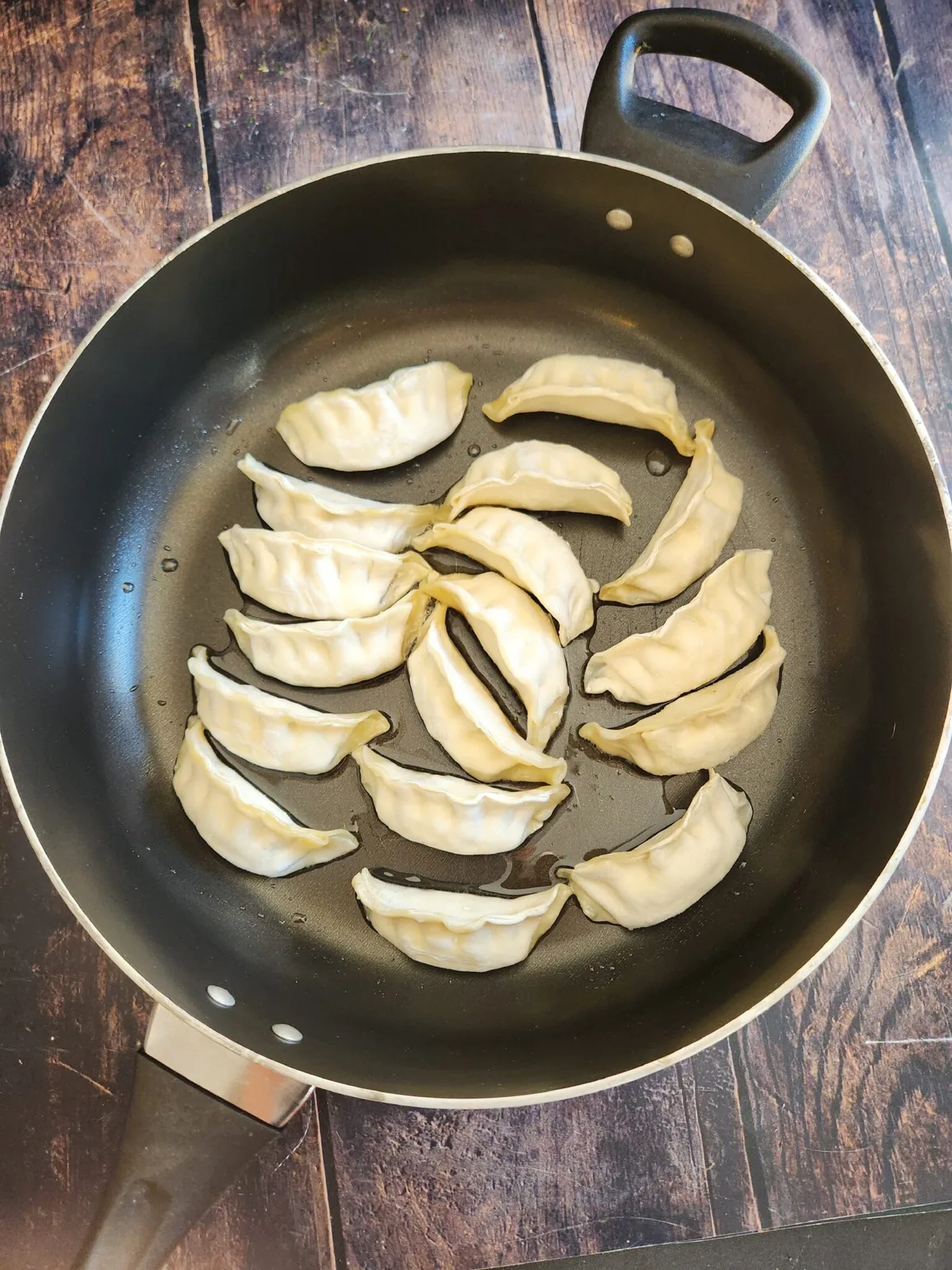
Image source: Bing (Web (fair-use with source credit))
Quick Answer
Frozen potstickers are a convenient, reliable meal. The best widely available option for most people is Bibigo’s pork and vegetable mandu. Cook them using a hybrid method.
Pan-fry for a crisp bottom, then add water and steam with a lid. This mimics the classic restaurant texture. Always make a quick homemade dipping sauce.
Soy sauce, rice vinegar, and chili oil beat the included packets.
What's the Deal with Frozen Potstickers, Anyway?
At their core, frozen potstickers are a preservation success story. They’re pre-assembled dumplings, flash-frozen to lock in the filling's moisture and the wrapper's integrity. The concept is simple: take the hours-long labor of making dumpling dough, rolling wrappers, and mixing fillings, and compress it into a two-minute bag grab.
But that convenience comes with a trade-off. You surrender control over ingredient quality and seasoning. The filling is a pre-mixed, pre-cooked (or par-cooked) blend, and the wrapper is engineered to survive freezing and boiling without turning to mush.
This engineering is why some brands feel more like a processed food product, while others come surprisingly close to homemade.
The key is to manage your expectations. You’re not getting hand-pleated, artisanal dim sum. You’re getting a brilliantly convenient vehicle for flavor that, with the right brand and technique, can absolutely satisfy that dumpling craving on a Tuesday night.
Think of them as a fantastic base for a meal, ready for you to elevate with your cooking method and sauces.
The Quick Win: Your Best Bet for Frozen Potstickers Right Now
If you want to skip the deep dive and just get a great result tonight, here’s your game plan. Go for Bibigo Pork & Vegetable Mandu. It’s consistently ranked highly in aggregate reviews for its well-seasoned filling and durable wrapper that cooks up nicely.
You can find it at most major supermarkets and club stores.
For cooking, ignore the “steam only” or “boil only” instructions on many bags. The “potsticker” name comes from the cooking method. Use a non-stick or well-seasoned skillet with a tight-fitting lid.
Heat a tablespoon of neutral oil over medium-high, place the frozen dumplings in, and let them sear for 2-3 minutes until golden on the bottom. Then, pour in about 1/3 cup of water, immediately cover, and let them steam for 6-7 minutes. Uncover and let any remaining water evaporate for a final crisp.
Finally, ditch the sad little sauce packet. In a small bowl, mix two parts soy sauce, one part rice vinegar, a splash of sesame oil, and a drizzle of chili crisp or a pinch of red pepper flakes. This 30-second upgrade transforms the entire experience from a freezer meal into something you’d actually serve to guests.
For more easy, flavor-packed ideas, browse our collection of simple, crowd-pleasing dishes.
The Great Freezer Aisle Face-Off: Breaking Down the Major Brands
Not all bags are the same. Walking down the freezer aisle, you’ll see a few major players, each with a different strength. Choosing the right one depends on what you prioritize: flavor, texture, value, or convenience.
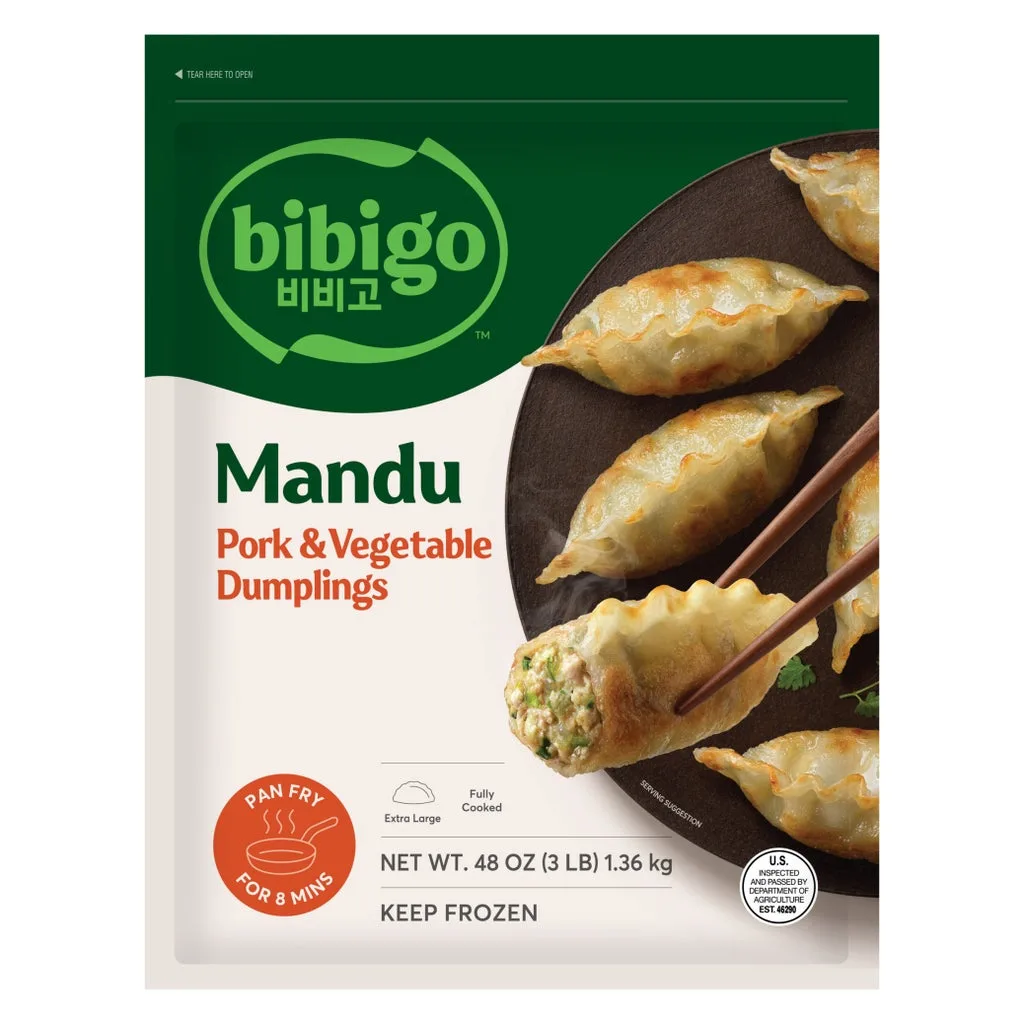
Image source: Bing (Web (fair-use with source credit))
Bibigo: The Flavorful Front-Runner
Bibigo, a Korean food brand, has become a freezer-aisle superstar for a reason. Their mandu (the Korean term for dumplings) is widely considered the benchmark. The filling is well-seasoned, often with garlic, ginger, and onion, and tastes genuinely savory, not just salty.
The wrappers are on the thinner side but have good tensile strength, meaning they’re less likely to tear during the fry-steam process.
Our research into aggregate consumer feedback shows people consistently praise their “restaurant-quality” taste. The main drawback is price. They’re often the most expensive option per dumpling.
They also usually don’t include a sauce packet, which we actually see as a plus, it encourages you to make your own better version. If you want the highest chance of success with minimal fuss, this is the brand.
Trader Joe's: The Crowd-Pleasing Contender
Trader Joe’s holds a special place in the hearts of many for its reliable and affordable takes on popular foods. Their Chicken Gyoza Potstickers are a staple. The flavor is mild and inoffensive, making them a great choice for kids or picky eaters.
The texture is consistently good, with a decent sear possible.
The value is excellent, you get a lot of dumplings for your money. The trade-off is in the seasoning. The filling can taste a bit bland on its own, relying more on the dipping sauce for flavor.
They’re a fantastic “blank canvas” option. Think of them as a reliable, budget-friendly base that you can dress up with a bold, homemade sauce or serve alongside other flavorful components like a bright and crunchy Thai chicken salad.
Ling Ling & Wei-Chuan: The Traditional Tastes
These brands often anchor the “ethnic foods” freezer section. Ling Ling (by Ajinomoto) and Wei-Chuan offer a taste profile closer to what you might find in a traditional Chinese restaurant. The fillings are typically pork-based with cabbage and have a more straightforward, savory flavor.
The wrappers can be a bit thicker and chewier, which some people prefer.
The major advantage here is authenticity of flavor. The potential downside is texture management. Because the wrappers are thicker, the steaming phase is crucial to ensure the filling heats all the way through without leaving the wrapper gummy.
They often include a soy-vinegar sauce packet, which, while better than nothing, still benefits from a squeeze of fresh lime or a dot of chili oil. For a different take on combining savory meat with fresh, vibrant flavors, you might enjoy exploring a Mexican chicken taco salad.
Beyond the Brand: What Actually Makes a Good Frozen Potsticker?
The brand name is just the start. To truly pick a winner, you need to look at the physical attributes of the dumplings in the bag. Two bags can sit side-by-side, same protein, and perform completely differently based on these key factors.
The Wrapper Test: Thick vs. Thin
Wrapper thickness dictates the final texture. Thin wrappers (like Bibigo’s) aim for a delicate, slightly translucent finish. They crisp up beautifully but are more prone to tearing if you’re rough when separating them frozen or if you use too high heat.
Thick wrappers (common in Ling Ling or store brands) provide a hearty, chewy bite. They’re more forgiving during cooking but risk becoming doughy or gummy if not properly steamed.
There’s no right answer, only preference. Do you want a dumpling where the wrapper is just a vessel for the filling, or do you enjoy the substantial, doughy chew as part of the experience? Your ideal cooking method also shifts.
Thin wrappers excel with the quick fry-steam. Thick wrappers sometimes benefit from a gentle boil or steam first, followed by a quick pan-sear.
The Filling-to-Wrapper Ratio (The "Meatball" Problem)
Open a bag and look at a dumpling. Is it plump and full, or does it look a bit deflated? The best frozen potstickers have a generous, well-packed filling.
You should be able to see the outline of the filling through the wrapper. A poor ratio means you’re mostly eating dough, which is disappointing.
We call the worst version of this the “meatball problem.” The filling is a tiny, dense, over-processed ball rattling around inside a huge wrapper. It cooks unevenly and offers little flavor payoff. A good filling should nearly fill the wrapper, promising a satisfying bite where you get filling and wrapper in each mouthful.
This is a key reason why checking the bag’s viewing window, if it has one, is worth your time.
The Pre-Cooked vs. Raw Filling Debate
This is a hidden variable that affects cooking time and safety. Most major national brands use pre-cooked fillings. The pork, chicken, or vegetables inside are fully cooked before being wrapped and frozen.
This is primarily a food safety measure, extending shelf life and reducing the risk of undercooking.
The upside is faster, more forgiving cook times. The downside is that pre-cooked fillings can sometimes have a softer, more uniform texture, less like minced meat and more like a firm paste. Some specialty or local brands may use raw fillings, which require more precise cooking to reach the safe internal temperature of 165°F (74°C) as per USDA guidelines.
These can offer a juicier, more textured bite but demand more attention. Always check the package instructions, which are your primary authoritative source for that specific product’s needs.
Your Cooking Method Makes All the Difference
You can buy the best frozen potstickers on the market and still ruin them with the wrong cooking method. This is where the real magic (or disaster) happens. Each technique produces a different texture and eating experience, and some are far more forgiving than others.
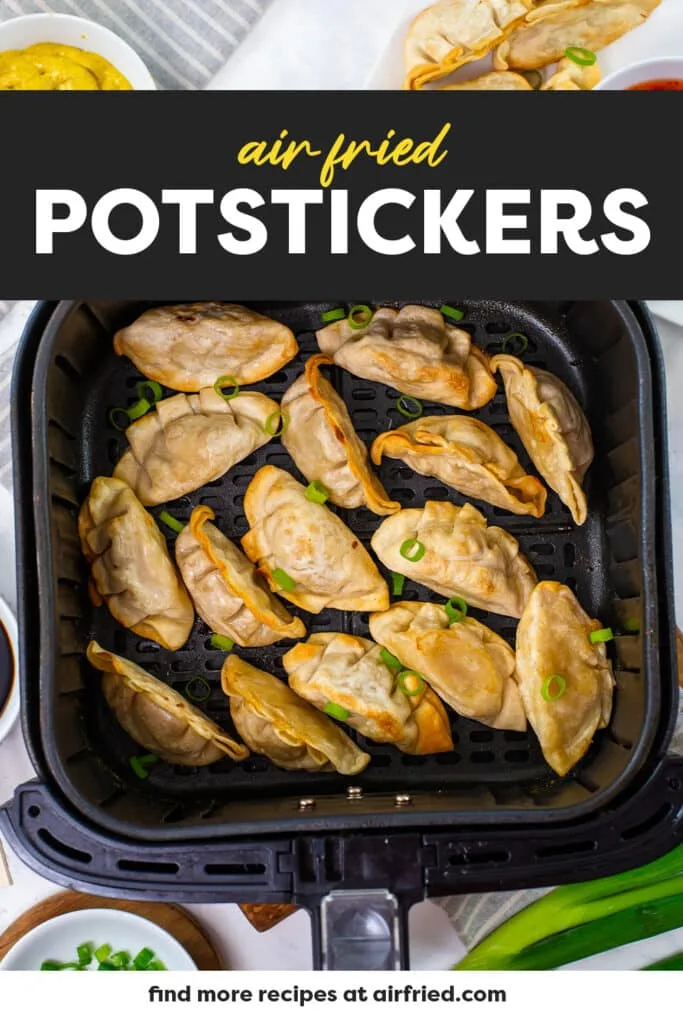
Image source: Bing (Web (fair-use with source credit))
Pan-Frying: The Classic "Potsticker" Method
This is the namesake technique, they stick to the pot, then release. It’s our recommended method for the best overall texture: a crispy, golden-brown bottom with a tender, steamed top. The key is the two-stage process.
Heat a non-stick or well-seasoned skillet over medium-high heat with a tablespoon of vegetable or canola oil. Place the frozen potstickers flat-side down in a single layer. Let them sear, untouched, for 2-3 minutes until you see a golden crust forming.
Then, carefully pour in 1/3 to 1/2 cup of water (it will splatter), immediately cover the pan with a tight lid, and reduce the heat to medium. Let them steam for 6-7 minutes. Uncover, turn the heat back up to medium-high, and let any remaining water cook off for another minute or two until the bottoms re-crisp.
This hybrid approach guarantees the filling is hot and the wrapper has the perfect contrasting textures.
Air Frying: The Modern Convenience King
For hands-off cooking and maximum crispiness with less oil, the air fryer is a top contender. It’s exceptionally good at delivering an all-around crunchy exterior, though you lose the soft, steamed top of the classic method.
Preheat your air fryer to 375°F (190°C). Lightly spray or brush the frozen potstickers with oil, this is crucial for browning. Arrange them in a single layer in the basket, making sure they aren’t touching.
Cook for 10-12 minutes, shaking the basket or turning the potstickers halfway through. No need to add water. The result is a uniformly crunchy dumpling that’s perfect for dipping.
Because it’s so set-and-forget, it pairs wonderfully with other easy air fryer recipes, like a batch of quick air fryer nachos, for a full appetizer spread.
Steaming (and Why You Shouldn't Only Steam)
Steaming is the safest, most gentle method. It’s impossible to burn them this way. Place frozen potstickers in a single layer on a parchment-lined steamer basket over boiling water.
Cover and steam for 10-12 minutes.
Here’s the catch: steaming alone often leads to a disappointingly soggy, gummy texture. The wrapper absorbs moisture but doesn’t get the Maillard reaction (that flavorful browning) that makes potstickers so appealing. We only recommend a full steam if you’re planning to add them to a soup or a broth-based dish where the soft texture is desirable.
Otherwise, consider it just the first step.
The Hybrid "Fry-Steam-Fry" Move for Pros
For the ultimate texture control, some enthusiasts swear by a three-step process. Start with a quick pan-fry to get initial color on one side. Add water and steam with the lid on to cook the filling and soften the wrapper.
Then, remove the lid, let the water evaporate completely, and continue frying until the bottoms are deep golden and crisp again. This method takes a bit longer and more attention, but it gives you a dramatic, restaurant-quality crust and a perfectly cooked interior. It’s best reserved for when you’re using a higher-quality brand where you want to showcase the results.
The Saucy Truth: Store-Bought Packets & Homemade Upgrades
That little foil packet tucked in the box is tempting, but it’s almost always the weakest link. These sauces are designed for shelf stability, not flavor. They’re typically overly salty, one-dimensional blends of soy sauce and vinegar, lacking freshness and balance.
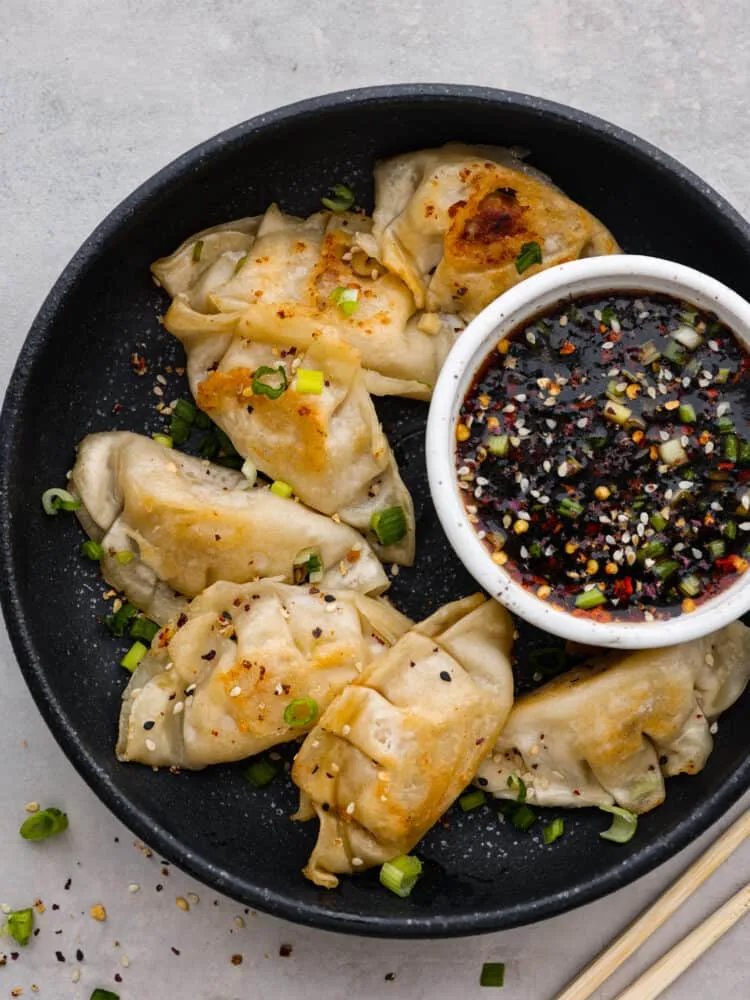
Image source: Bing (Web (fair-use with source credit))
Making your own dipping sauce is a two-minute game-changer. It allows you to customize the flavor to your meal. A basic, flawless ratio is 2 parts soy sauce, 1 part rice vinegar.
From there, you build.
- For brightness: Add a teaspoon of fresh lime juice or a pinch of grated ginger.
- For heat: A drizzle of chili oil, chili crisp, or a dash of sriracha.
- For aroma: A few drops of sesame oil and a sprinkle of thinly sliced green onion.
- For sweetness: A tiny touch of honey or a splash of mirin (sweet rice wine).
Whisk it in a small bowl while your potstickers cook. This simple act transforms the meal from a processed-food experience to something crafted and vibrant. It complements the dumplings instead of just salting them.
This philosophy of a simple, flavorful sauce elevating a main ingredient is a theme you’ll see in many great dishes, from a classic rotisserie chicken sandwich to a creamy chicken macaroni salad.
Common Potsticker Pitfalls (And How to Sidestep Them)
Even with the right brand and method, little mistakes can trip you up. Here are the big ones we see all the time, and how to avoid them.
The Soggy Bottom Dilemma
The Problem: You lift the lid after steaming, and your potstickers are sitting in a pool of water, turning their beautiful crispy bottoms to mush.
The Fix: You used too much water, or your heat was too low to evaporate it all. Measure your water, 1/3 cup is usually plenty for a standard skillet. After steaming, remove the lid and crank the heat back up to medium-high.
Let the remaining liquid boil off completely before you even think about removing them from the pan. Listen for the sizzle to return to a fry sound.
The Frozen-Burnt-Undercooked Trio
The Problem: The outside is charred, but the inside is still an ice cube. This happens when the heat is too high. The outside sears too fast, creating a barrier that steam can’t penetrate to thaw and cook the frozen center.
The Fix: Patience with heat. Start with a medium-high heat to get the initial sear, but once you add water and cover, reduce to a solid medium. This allows consistent, gentle steam to do its work.
If you’re air frying, don’t go above 380°F, and consider adding a minute or two to the cook time instead of cranking the temperature.
The Great Sticking Pan Fiasco
The Problem: The potstickers live up to their name a bit too well and tear when you try to serve them, leaving the crispy bottom stuck to the pan.
The Fix: Three things. First, make sure your pan is properly preheated before adding the oil and dumplings. A hot pan creates an initial sear that helps release.
Second, use enough oil, about a tablespoon. Third, don’t move them too early. Let that initial crust form for a full 2-3 minutes before you add water.
If you’re still having issues, a well-seasoned cast iron or a non-stick skillet is your best friend. For other kitchen tools that make life easier, check out our guide on keeping your favorite gadgets running smoothly.
The Value Breakdown: Cost Per Dumpling & What You're Really Getting
It’s easy to grab the first bag you see, but price tags can be deceptive. A $4.99 bag isn’t automatically a better deal than a $6.99 one. You need to check the count and the weight.
Let’s look at some typical ranges as of 2026:
| Brand/Type | Average Price | Count | Price Per Dumpling | Notes |
|---|---|---|---|---|
| Store Brand (e.g., Market Pantry) | $3.50 – $4.50 | 20-24 | $0.15 – $0.19 | Budget price, variable quality. Often thicker wrappers. |
| Trader Joe's Gyoza | $4.99 | 26 | ~$0.19 | Excellent value. Consistent mild flavor. |
| Ling Ling Potstickers | $5.99 – $6.99 | 25-30 | $0.20 – $0.24 | Authentic flavor profile. Often includes sauce packet. |
| Bibigo Mandu | $7.99 – $9.99 | 24-36 | $0.22 – $0.33 | Premium price. Higher flavor and texture consistency. |
What this tells you: The cheapest per-dumpling option is usually a store brand, but you might sacrifice flavor and texture. Bibigo is an investment in guaranteed satisfaction. Trader Joe’s offers the best middle ground of quality and value for a standard family meal.
Remember, also check the serving size. Most bags define a serving as 4-6 dumplings. If you’re cooking for two, a 24-count bag is two decent servings.
For a family of four, you might want two bags or plan to stretch the meal with a substantial side, like a hearty shredded chicken salad.
Who Are Frozen Potstickers Really Best For?
Frozen potstickers aren't trying to be everything to everyone. They excel in specific scenarios.
- The Time-Poor Cook: You have 15 minutes total to get dinner on the table. The fry-steam method is your weeknight savior.
- The Appetizer Host: You need a crowd-pleasing finger food for a party that looks more impressive than it is difficult. A platter of air-fried potstickers with three different homemade sauces is a win.
- The Beginner: You're intimidated by making dumplings from scratch. This is your low-stakes training wheels. You learn the cooking technique without the hours of prep.
- The Single Person or Small Household: A bag lasts for multiple meals, preventing food waste. Cook half tonight, save half for later.
- The Flavor Customizer: You see the dumpling as a vehicle for your amazing sauces and sides. You don't need a powerfully seasoned filling because you're going to dunk it in something incredible.
They are not the best choice if you're seeking an authentic, delicate dim sum experience, or if you have complete control over your sodium intake, as even the better brands can be high in salt.
Your Decision Guide: Matching the Right Bag to Your Needs
Stop guessing. Use this flowchart to pick your winner.
If You Want the Easiest, Most Reliable Weeknight Dinner…
Go with: Bibigo Pork & Vegetable Mandu.
Why: It has the highest satisfaction rate straight out of the bag. The filling tastes good without any doctoring, and the wrapper behaves predictably during the pan-fry method. The lack of a sauce packet nudges you to make a quick homemade one, which is a net positive.
Worth the extra few dollars for guaranteed no-disappointment.
If You're a Sauce Person and Love to Customize…
Go with: Trader Joe's Chicken Gyoza or a simple store brand.
Why: The mild filling acts as a perfect, neutral canvas. You can go wild with your dipping sauces, spicy Szechuan, tangy citrus-ginger, rich peanut, without fighting the seasoning of the dumpling itself. The value lets you experiment without guilt.
Pair them with other boldly flavored, fresh sides like a crunchy chicken cabbage salad.
If Texture is Your Top Priority…
Go with: A brand known for thinner wrappers (Bibigo) and use the hybrid pan-fry method.
Why: You're chasing that perfect contrast of crisp and tender. The thinner wrapper achieves it better, and the careful control of the pan-fry-steam-fry method maximizes it. Avoid brands with thick, doughy wrappers if this is your goal.
If You're Feeding a Family on a Budget…
Go with: Trader Joe's or a well-reviewed store brand. Buy in bulk at a club store if possible.
Why: Cost per dumpling is king here. You'll need more quantity, and the flavor can be boosted by serving with sides that carry taste, like a flavorful rice pilaf or a robust main dish like a hot chicken salad casserole. The air fryer method is also ideal here for cooking large batches evenly without babysitting multiple pans.
The Final Verdict: Are They Worth It?
Absolutely, yes, with informed selection and proper technique.
Frozen potstickers are a legitimate kitchen staple. They bridge the gap between takeout convenience and home-cooked satisfaction. The key is to stop thinking of them as a complete, perfect meal in a bag and start thinking of them as a high-quality, convenient ingredient.
Your job is to apply the right cooking transformation and add the fresh, flavorful accents.
Invest in a better brand when you can. Master the simple pan-fry-steam method. Always, always make a two-minute dipping sauce.
Do those three things, and you’ll never look at the freezer aisle the same way again. You’ll see it for what it is: a source of reliable, delicious potential, ready in the time it takes to cook a pot of rice.
Frequently Asked Questions
Are frozen potstickers already cooked?
The fillings in most major national brands (like Bibigo, Ling Ling, Trader Joe’s) are pre-cooked for safety. The wrappers are raw. Your cooking process is primarily about heating everything through thoroughly and achieving the desired texture on the wrapper.
Always follow the specific package instructions.
Can you cook frozen potstickers without thawing?
Yes, and you should. Do not thaw frozen potstickers. Cooking them directly from frozen ensures the wrapper maintains its structure and prevents them from becoming soggy or torn.
All standard methods, pan-frying, steaming, air frying, are designed for frozen starts.
Why are my frozen potstickers soggy?
Sogginess usually comes from overcooking via steam or using too much water. If you’re boiling or steaming them, try reducing the time slightly. If you’re pan-frying, ensure you let all the water evaporate after steaming by uncovering and cooking over higher heat until the sizzling sound returns.
What’s the best way to cook frozen potstickers for a crowd?
The air fryer is your best bet for cooking large batches with minimal fuss and maximum crispiness. Cook in single-layer batches. You can keep finished batches warm on a sheet pan in a low oven (200°F) while you cook the rest.
For even more crowd-friendly ideas, explore other easy appetizers like cheesy chicken sliders or air fryer chicken skewers.
How long do frozen potstickers last in the freezer?
Check the “best by” date on the package, but unopened, they typically maintain best quality for 12-18 months when stored consistently at 0°F. Once opened, try to use the bag within a month or two for optimal texture, as they can develop freezer burn.
Can I make my own dipping sauce?
You absolutely should. A basic sauce is 2 tablespoons soy sauce, 1 tablespoon rice vinegar, a teaspoon of sesame oil, and a pinch of sugar or a drizzle of honey. Customize with chili oil, minced garlic, grated ginger, or green onion.
It’s vastly superior to any packet.
What are the best sides to serve with frozen potstickers?
The best sides are light and fresh to balance the savory, sometimes salty dumplings. A simple cucumber salad with rice vinegar, steamed jasmine or brown rice, and a quick stir-fry of bok choy or broccoli are perfect. These sides add texture and cut through the richness without competing for attention.
For a heartier meal, turn it into a noodle bowl. Place cooked potstickers on top of soba or ramen noodles in a light broth. Scatter with green onion and sesame seeds.
This approach stretches a single bag to feed more people comfortably.
How do I keep cooked potstickers crispy for later?
Keeping them crispy is a challenge because steam from the filling softens the wrapper over time. The best tactic is to cook them just before serving. If you must prep ahead, cook them completely and let them cool on a wire rack instead of a plate.
This allows air circulation underneath.
Store them in a single layer, not stacked, in the refrigerator for up to two days. To reheat, skip the microwave. Use a toaster oven, conventional oven at 375°F, or air fryer for 3-5 minutes to re-crisp the exterior.
They won't be as perfect as fresh, but this method comes closest.
Are there any healthy frozen potsticker options?
Healthier options focus on lower sodium, leaner proteins, and vegetable-forward fillings. Look for brands that advertise "lower sodium" or "no added MSG." Vegetable potstickers typically have less fat and fewer calories than pork versions. Chicken is often a leaner protein choice than pork as well.
Always check the nutrition label. Sodium content can vary from 300mg to over 700mg per serving. Brands like Bibigo have some varieties with around 400mg.
Pairing them with large portions of non-starchy vegetables, like a big side salad, helps balance the meal nutritionally.
Can I use frozen potstickers in a soup?
Yes, frozen potstickers make an excellent shortcut for dumpling soup. Bring a flavorful broth to a simmer. You can use chicken, vegetable, or miso broth.
Add the frozen potstickers directly and simmer for 8-10 minutes until cooked through. Add quick-cooking vegetables like spinach or sliced mushrooms in the last few minutes.
This method yields tender, soft dumplings, not crispy ones. It's a great way to use a brand with thicker wrappers. The soup becomes a complete, comforting meal with minimal effort.
It's a fantastic alternative preparation on a cold day.
What if my potstickers are stuck together in the bag?
This is a common freezer annoyance. Do not try to pry them apart while frozen. You'll tear the wrappers.
Instead, take the clump and gently tap it on your countertop. The impact can sometimes loosen them. If that fails, let the clump sit at room temperature for just 3-4 minutes.
This slight thaw lets you gently twist them apart.
To prevent it next time, after opening a new bag, you can transfer the dumplings to a freezer bag in a single layer before sealing. This gives you more control and prevents ice bridges from forming between them.
How do I cook frozen potstickers in the microwave?
We don't recommend it. Microwaving will steam them unevenly, leaving the wrappers rubbery and the bottoms soggy. If you must use a microwave, place them on a microwave-safe plate in a single layer.
Add a tablespoon of water to the plate and cover loosely with a damp paper towel.
Microwave on high for 2-3 minutes, then check. The texture will be soft and chewy, not crispy. This method is only for absolute speed when texture is not a priority.
The air fryer or stovetop are far superior.
What's the difference between potstickers, gyoza, and dumplings?
The terms are often used interchangeably in freezer aisles, but there are distinctions. Potstickers are a Chinese dumpling (jiaozi) specifically cooked by pan-frying. Gyoza is the Japanese adaptation, usually with a thinner, more delicate wrapper.
Dumpling is the broad category that includes both.
In practice, frozen brands use these names loosely. A "potsticker" bag and a "gyoza" bag from the same brand may contain the exact same product. Focus on the wrapper thickness and filling type listed on the package rather than the name.
Can I add extra vegetables to frozen potstickers?
Yes, you can easily bulk up the meal with added veggies. The easiest way is to cook them in the same pan. After removing the cooked potstickers, quickly stir-fry sliced bell peppers, onions, or snap peas in the remaining oil and fond.
Add a splash of soy sauce or broth to deglaze the pan. Serve the vegetables alongside or underneath the potstickers. This adds nutrition, color, and volume without altering the dumplings themselves.
Why do some potstickers have a purple wrapper?
That purple color usually comes from purple sweet potato or a similar vegetable powder added to the dough. It's purely aesthetic. Brands use it to make their product visually distinctive on the shelf.
It doesn't significantly change the flavor or texture.
Don't let the unusual color deter you. Check the ingredient list if you're curious. The cooking method and times remain exactly the same as for standard white wrappers.
Are there gluten-free frozen potstickers?
Yes, but they are less common. Look for brands that specifically label "gluten-free." The wrapper will be made from alternative flours like rice flour or tapioca starch. Be aware that the texture will be different, often more chewy or delicate.
Always check the ingredient list for hidden gluten in sauces or fillings, like soy sauce. If you have celiac disease or a severe intolerance, verify the product is made in a dedicated gluten-free facility by checking the manufacturer's website.