Crispy Air Fryer Flank Steak Recipe
Cooking a flank steak in an air fryer can feel like a hack, promising a juicy, seared dinner in minutes. You’re not alone if you’ve been tempted to try it. The problem is, flank steak is a tricky cut.
It’s lean and tough if you don’t treat it right, and the high-powered dry heat of an air fryer can quickly turn a beautiful piece of meat into a chewy disappointment.
Our research into aggregate user reviews and cooking principles, as of 2026, shows that success isn't about dumping steak in a basket. It hinges on a few non-negotiable steps: proper prep, precise timing, and understanding how this specific appliance cooks. Let's break down why this method is a game of fine margins and how you can consistently win it.
Quick Answer
For a perfect flank steak in your air fryer, start with a 1-inch thick steak. Pat it completely dry. Preheat your air fryer to 400°F.
Cook for 6 to 8 minutes per side. Check the internal temperature with a meat thermometer. Aim for 135°F for medium-rare.
Let the steak rest for 10 minutes. Always slice it thinly against the grain. That's the key to tenderness.
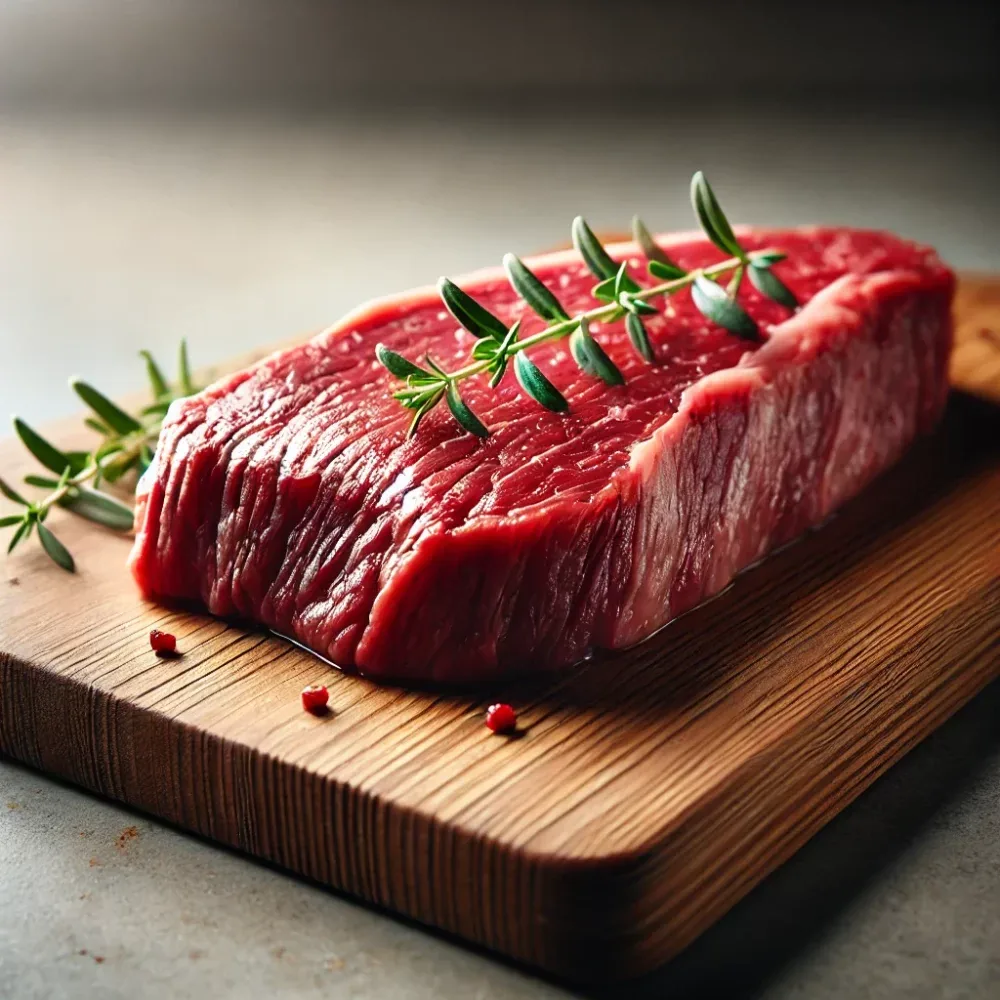
Image source: Bing (Web (fair-use with source credit))
What Makes Flank Steak Special (And Why It Can Go Wrong)
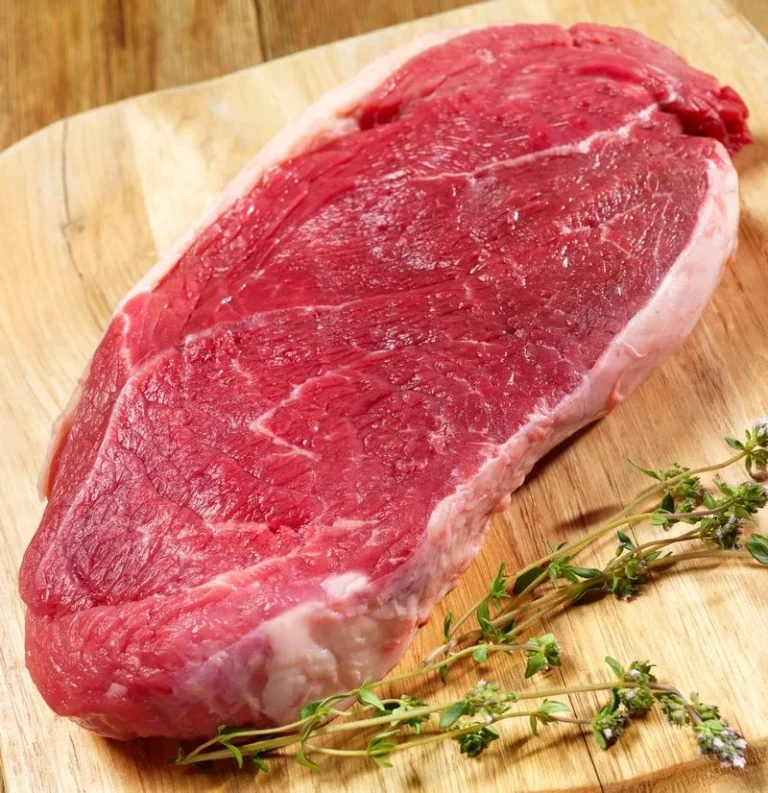
Flank steak is a long, flat cut from the cow's abdominal muscles. Those muscles work hard, which gives the steak incredible beefy flavor but also makes it lean and dense with long, parallel muscle fibers, or "grain." You can see these distinct lines running the length of the steak. This structure is its defining feature and its biggest challenge.
Because it has very little intramuscular fat (marbling) to baste itself as it cooks, flank steak has a narrow window between "perfectly juicy" and "dry and tough." Unlike a ribeye, which is forgiving, flank steak punishes overcooking. Every degree past your target doneness tightens those muscle fibers further, squeezing out moisture and making the steak chewy.
The final, non-negotiable step for tenderness is how you cut it. You must slice cooked flank steak thinly, perpendicular to those long fibers. This cuts the tough muscle strands into short, manageable pieces.
Slicing with the grain, on the other hand, leaves those long fibers intact, and you'll be chewing for days. It's the difference between a melt-in-your-mouth taco filling and a piece of jerky.
This is exactly the kind of lean protein that works wonderfully in a vibrant shredded chicken salad or a hearty rotisserie chicken sandwich, where the slicing technique is just as crucial.
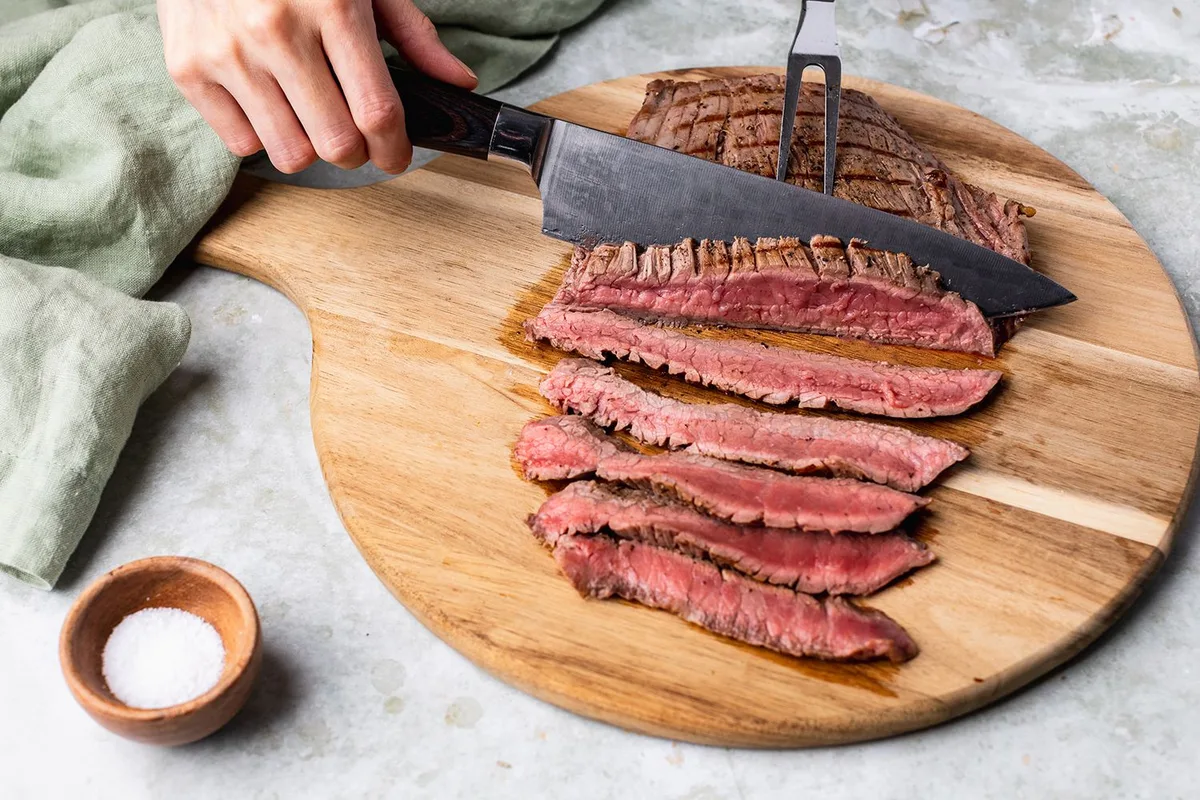
Image source: Bing (Web (fair-use with source credit))
Air Fryer 101: How It Works for Steak
An air fryer is essentially a powerful countertop convection oven. A heating element warms the air, and a high-speed fan circulates that hot air rapidly around the food. This creates a consistent, enveloping heat that cooks food quickly and promotes browning through the Maillard reaction, the same chemical process that gives a seared steak its delicious crust.
For steak, this has pros and cons. The rapid air circulation cooks the surface evenly and can create a surprisingly good sear, similar to a broiler. It's also incredibly efficient, reaching high heat much faster than a traditional oven and using less energy.
This makes it fantastic for a quick, low-smoke indoor cook, perfect for apartment dwellers or winter nights when grilling isn't an option.
However, that constant flow of hot, dry air is also a dehydrating force. It can pull moisture from the steak's surface very quickly. Without the insulating, steaming effect you might get in a sealed oven or a skillet with some oil, the exterior can dry out if you're not careful.
Your goal is to use the air fryer's intense heat to your advantage for browning while protecting the steak's interior juiciness through smart preparation and timing.
This appliance excels at other quick-cook dishes, too. You can use it to make perfectly crisp air fryer nachos or even flavorful air fryer chicken tacos, leveraging that same fast, circulating heat.
The Critical First Step: Prepping Your Steak Right
Before you even think about turning on your appliance, your steak needs attention. This isn't just about seasoning, it's about setting the stage for the best possible outcome. The single most important thing you can do is to pat the steak completely dry with paper towels.
A wet surface steams instead of sears, leading to a gray, boiled exterior instead of a flavorful brown crust.
If your steak was frozen, ensure it's fully thawed in the refrigerator. Cooking a partially frozen steak in an air fryer will result in an overcooked exterior and a cold, raw center. Let it sit on a plate in the fridge for 24 hours or use the cold-water thaw method for quicker results.
The Dryness Dilemma: To Marinade or Not to Marinade?
This is a key judgment call. A marinade can add fantastic flavor and, because of its acidic components (like vinegar, citrus juice, or yogurt), can help tenderize the meat slightly by breaking down surface proteins. For a deeper flavor profile, marinating for 30 minutes to 24 hours is a great move.
A simple mix of oil, acid, garlic, and herbs works wonders.
However, there's a catch. If you put a wet, marinated steak directly into the air fryer, you'll negate that crucial dry surface we just talked about. The solution?
After pulling the steak from the marinade, pat it aggressively dry again. You'll sacrifice some of the surface marinade, but the flavor has already penetrated, and you'll get a much better sear. For a simpler approach, a dry rub of salt, pepper, and other spices applied to a dry steak yields excellent results with less fuss and maximum browning potential.
Think of the flavor-building principles here like those in a Thai chicken salad or a chipotle chicken sandwich, where a bold marinade or rub transforms the main ingredient.
The One Tool You Shouldn't Skip
You cannot reliably cook flank steak in an air fryer by time alone. Variations in steak thickness, air fryer model wattage, and starting temperature make guessing a sure path to over- or under-cooking. The only way to know for sure is to check the internal temperature with an instant-read digital meat thermometer.
This isn't a nice-to-have, it's essential. Visually checking doneness is nearly impossible in an air fryer basket, and the "poke test" is inconsistent, especially for beginners. Insert the probe into the thickest part of the steak, avoiding the bone if there is one and staying away from the very edge.
For flank steak, here are the USDA-recommended safe temperatures as a baseline, though many prefer it on the rarer side for tenderness:
- Rare: 125°F (Not recommended by USDA for safety)
- Medium-Rare: 135°F
- Medium: 145°F (USDA recommended minimum)
- Medium-Well: 150°F+
- Well-Done: 160°F+
Remember, the temperature will rise 5-10 degrees while the steak rests, a process called carryover cooking. You should pull the steak from the air fryer about 5 degrees below your desired final temperature.
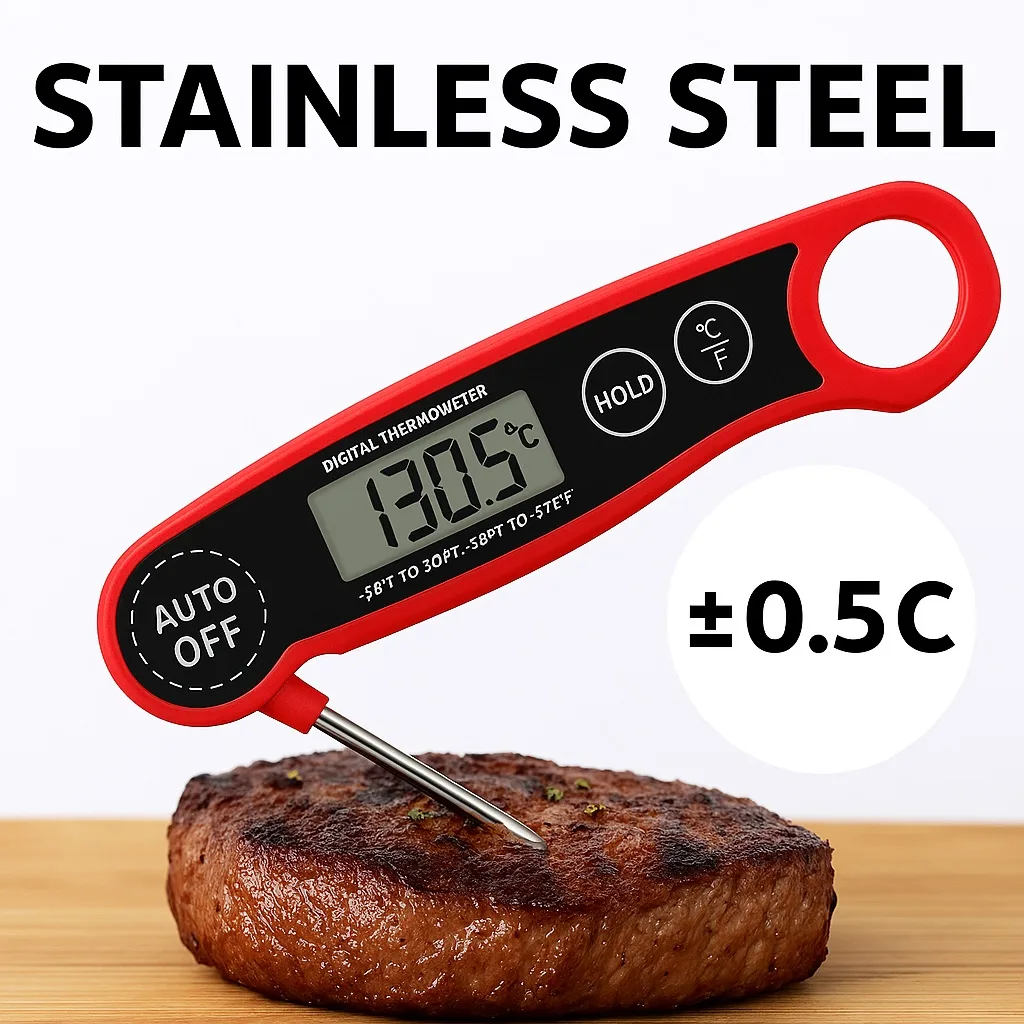
Image source: Bing (Web (fair-use with source credit))
Method Showdown: Air Fryer vs. Grill vs. Cast Iron
So, is the air fryer the best tool for flank steak? The answer depends entirely on what you value most. Let's compare the three most popular methods side-by-side to see where each one shines.
| Method | Best For… | Why It Wins | The Trade-Off |
|---|---|---|---|
| Grill (Charcoal/Gas) | Ultimate smoky flavor and char. | Unbeatable high, direct heat creates a phenomenal crust and infuses smoky notes. Great for entertaining. | Weather-dependent, longer pre-heat time, requires more attention, can create flare-ups. |
| Cast Iron Skillet | Perfect, restaurant-quality sear and control. | Retains intense heat for a flawless, all-over crust. Allows for butter-basting with herbs for added flavor. | Can be smoky indoors, requires stovetop use, may cook edges less evenly than circulating air. |
| Air Fryer | Speed, convenience, and consistent results indoors. | Preheats in minutes, cooks quickly with even heat, easy cleanup, energy-efficient, minimal smoke. | Less pronounced "char" flavor, can dry out edges if not monitored, less traditional presentation. |
The Grilled Flank Steak
The grill is the classic champion for a reason. Its intense, direct heat from below creates a sear that's hard to replicate, and the smokiness from the coals or grill grates adds a layer of flavor that's simply iconic. It's ideal for thicker cuts and when you have time to manage the fire.
For a similar outdoor-inspired meal without the grill, a hot honey chicken salad brings those sweet and smoky notes to the table.
The Cast Iron Skillet Flank Steak
This is the indoor method for purists. A heavy cast iron skillet heated until it's screaming hot will give you a crust that rivals the best steakhouses. The control is excellent, you can see the steak, adjust the heat, and baste it with butter, garlic, and rosemary for incredible depth.
The main drawback is the splatter and smoke it can generate in your kitchen.
The Air Fried Flank Steak
This method wins on sheer practicality. You get a very good sear and remarkably even cooking from the circulating air, all in under 15 minutes with minimal preheat time. Cleanup is often just a basket in the dishwasher.
It's the undisputed choice for a fast, reliable, and low-mess weeknight dinner. The flavor profile is cleaner, you taste the beef and your seasonings without smoke or char, which can be a positive if that's what you're after. It's as convenient as whipping up a quick creamy chicken macaroni salad for a potluck.
Side-by-Side: Choosing the Best Method for You
The best method isn't the one that's objectively superior, it's the one that best fits your priorities at that moment. Use this simple guide to decide.
- Choose the Grill if: It's a nice day, you have 30+ minutes, and you want that classic backyard barbecue flavor with maximum crust. It's perfect for weekends and feeding a crowd.
- Choose the Cast Iron Skillet if: You're a control enthusiast who wants the absolute best possible sear and don't mind a bit of kitchen smoke. It's a fantastic method for a special, restaurant-quality dinner at home.
- Choose the Air Fryer if: You need dinner on the table in under 20 minutes with minimal fuss and cleanup. It's the champion for busy weeknights, apartment cooking, or when you want a reliably good steak without heating up the whole kitchen or monitoring a grill.
For a similarly quick and satisfying protein prep, consider using your air fryer for chicken skewers, which leverage the same fast, hands-off cooking principle.
The Air Fryer Flank Steak Game Plan
Let's walk through the exact process, step by step. This plan assumes a standard 1 to 1.5-pound flank steak, about 1 inch thick.
Step 1: The Pre-Cook Prep (The Make-or-Break Move)
- Dry it Thoroughly: Unwrap your steak and place it on a cutting board lined with paper towels. Pat the entire surface aggressively dry. Get every bit of moisture you can. This is non-negotiable for browning.
- Trim (Optional): Use a sharp knife to trim any large, obvious pieces of silver skin or thick fat from the edges. A little fat is fine, but large sections won't render well in the air fryer's short cook time.
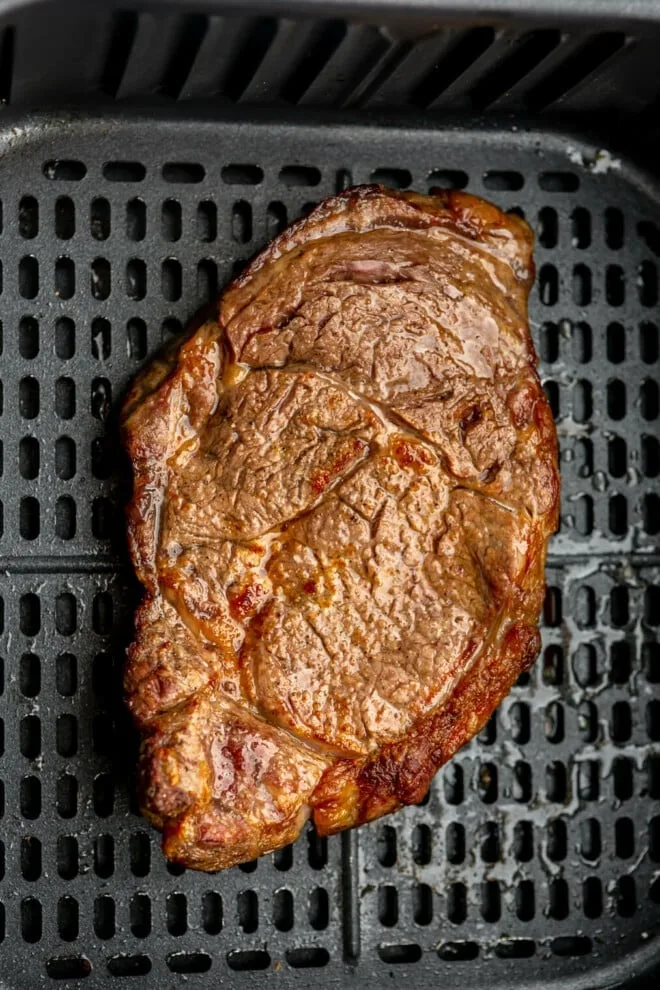
Image source: Bing (Web (fair-use with source credit))
Step 2: Seasoning for Success
- Season Liberally: Drizzle the steak lightly with a high-smoke-point oil (like avocado or canola oil) and rub it all over. This helps the seasoning stick and promotes browning. Then, season generously on all sides with kosher salt and freshly ground black pepper. Add any other dry spices you like, garlic powder, onion powder, smoked paprika.
- Let it Rest (Briefly): Let the seasoned steak sit at room temperature for about 15-20 minutes while you preheat. This helps it cook more evenly.
Step 3: Dialing In Time and Temperature
- Preheat: Set your air fryer to 400°F (200°C) and let it run empty for 3-5 minutes. Preheating ensures you get that instant sear.
- Cook: Place the steak in the basket in a single layer. Do not overcrowd; if you're cooking two, they shouldn't touch. Cook for 6 minutes.
- Flip: Using tongs, flip the steak. Cook for another 6 to 8 minutes. This is where your thermometer becomes essential. Start checking the internal temperature at the 12-minute total mark.
Step 4: Checking Doneness (The Right Way)
- Probe: Insert your instant-read thermometer horizontally into the thickest part of the steak. Avoid pushing it all the way through the bottom.
- Target & Pull: For medium-rare, you're looking for 130-135°F. Remember, it will rise to 135-140°F while resting. As soon as it hits your target, pull the steak out and transfer it to a clean cutting board. Do not leave it in the hot basket.
Step 5: The Mandatory Rest & The Perfect Slice
- Rest: Tent the steak loosely with foil and let it rest for a full 10 minutes. This allows the juices, which have been driven to the center by the heat, to redistribute throughout the meat. Skipping this step means those juices will run out on the cutting board, leaving you with a drier steak.
- Find the Grain: Look at the steak. You'll see the long lines of muscle fibers running in one direction.
- Slice: Using a sharp carving or chef's knife, slice the steak thinly (about 1/4-inch slices) perpendicular (across) those grain lines. This shortens the tough fibers and guarantees tenderness.
These sliced, juicy pieces are perfect for topping a Mexican chicken taco salad or piling high on a crispy chicken sandwich.
The Most Common Mistakes (And How to Dodge Them)
- Skipping the Pat-Dry: A wet steak steams. Always dry the surface completely for a sear.
- Cooking Straight from the Fridge: A cold center leads to uneven cooking. Let it temper at room temp for 15-20 minutes.
- Guessing Doneness: Time is a guideline, not a rule. Use a thermometer every single time.
- Skipping the Rest: Resting is part of the cooking process. It makes the steak juicier.
- Slicing With the Grain: This is the #1 reason people think flank steak is inherently tough. Always slice across the grain.
- Overcrowding the Basket: Air needs to circulate. Cook in batches if necessary.
Safety First: Handling Meat and Your Appliance
Food safety is paramount. Always follow the USDA's safe minimum internal temperature guidelines for beef. While 145°F is the official recommendation for medium, many choose to cook to lower temperatures for taste, understanding the associated risk.
Use separate cutting boards and utensils for raw and cooked meat to prevent cross-contamination. Wash your hands thoroughly after handling raw steak. When using your air fryer, ensure it's on a stable, heat-resistant surface with a few inches of clearance at the back and sides for ventilation.
Always use tongs or a fork to handle the hot basket, and be careful of escaping steam when you open it.
Expert Tips for a Seriously Good Steak
- Score the Fat Cap: If your steak has a thick edge of fat, make a few shallow cuts through it (but not into the meat) before cooking. This helps it render and prevents the steak from curling.
- Boost the Sear: For an even darker crust, lightly brush the steak with a thin layer of mayonnaise before seasoning. The oil and egg proteins in mayo promote incredible browning.
- Rest on a Rack: Instead of resting directly on the cutting board, place the steak on a wire rack set over a plate. This prevents the bottom from getting soggy from its own juices.
- Make a Pan Sauce: While the steak rests, you can quickly deglaze the air fryer basket (if it's stovetop-safe) or a separate pan with a little beef broth, red wine, or balsamic vinegar, scraping up any browned bits. Reduce slightly and swirl in a knob of cold butter for a rich, instant sauce.
- Repurpose Leftovers: Sliced leftover flank steak is fantastic cold on salads, in wraps, or scrambled into eggs. It's a fantastic meal-prep protein.
Frequently Asked Questions, Answered
Can I cook frozen flank steak in the air fryer?
We don't recommend it for best results. Cooking a frozen flank steak will almost certainly result in an overcooked exterior and a cold, undercooked center. For food safety and quality, always thaw your steak completely in the refrigerator first.
Why is my air fryer steak so tough?
There are three likely culprits. First, you overcooked it, use a thermometer. Second, you didn't let it rest before slicing.
Third, and most common, you sliced it with the grain instead of against it. Check your slicing direction.
Do I need to add oil to the air fryer basket?
No, you shouldn't pour oil into the basket. The oil can smoke at high heat and drip onto the heating element. Instead, lightly coat the steak itself with oil before seasoning.
This is sufficient.
Can I marinate the steak before air frying?
Absolutely. Marinating adds great flavor. Just remember the golden rule: after removing it from the marinade, pat the steak completely dry before cooking.
A wet surface won't brown properly.
What temperature should I use for well-done flank steak?
If you prefer well-done steak, cook at 400°F as usual, but you'll need to extend the cooking time significantly. Use your thermometer and pull the steak when it reaches 155°F internally, as it will carry over to 160°F+ while resting. Be aware that flank steak becomes increasingly dry and chewy the more it's cooked past medium.
How do I clean my air fryer after cooking steak?
Once the appliance has cooled, remove the basket and tray. Most are dishwasher safe. For stuck-on bits, soak them in warm, soapy water.
Wipe the interior of the air fryer with a damp cloth. Never immerse the main unit in water.
The Final Verdict: When to Reach for the Air Fryer
The air fryer is a legitimately excellent tool for cooking flank steak, but with a specific purpose. It won't give you the smoky char of a grill or the impeccable crust of a cast iron skillet. What it delivers is something arguably more valuable on a Tuesday night: speed, consistency, and easy cleanup.
It's the method you use when you want a genuinely tasty, juicy steak with minimal effort and maximum reliability. You get a great sear, even cooking, and a clean kitchen, all in about the time it takes to set the table and make a side salad. For that specific goal, it's hard to beat.
So, next time you're staring at a flank steak and wondering about the fastest path to dinner, don't hesitate. Grab your paper towels, preheat that basket, and let the air fryer do its efficient, convection-powered magic. Just don't forget the thermometer and your sharpest knife for slicing.
The flavor profile leans toward the clean, beefy taste of the meat and your chosen seasonings. It lacks the smoky or charred notes of a grill. For those who love that classic char, this might be a drawback.
For others who prefer the pure taste of beef, it's a win.
Consider it a weeknight-friendly alternative to more involved methods like perfecting a fried chicken sandwich. Both deliver great results with less hands-on effort.
Does the air fryer create enough browning?
Yes, it creates very good browning through the Maillard reaction. The high heat and constant air circulation efficiently brown the steak's surface. It won't have the dark, spotty char of direct flame, but you get a consistent, appetizing sear across the entire piece.
The key, as always, is a perfectly dry surface before cooking. Any moisture will inhibit this process.
How does the texture compare to grilling?
Texture can be nearly identical when cooked and sliced properly. The air fryer's even heat often results in a more uniform doneness from edge to edge than a grill might. When sliced thinly against the grain, the tenderness is spot on.
The only texture difference might be the crust itself, which is slightly less varied than a grill's.
Mistakes to Avoid / Common Errors
The most common error is neglecting the basics in favor of convenience. You can't just toss a cold, wet steak in the basket and expect perfection. Each skipped step compromises the result.
Relying solely on a timer is another major pitfall. Air fryer wattages and steak thicknesses vary too much. Without a thermometer, you're gambling.
Also, avoid opening the basket to check too frequently. Every peek lets heat escape and can disrupt the cooking cycle.
Finally, the cardinal sin is slicing before a proper rest. Those ten minutes feel long, but they're critical for juiciness. Cutting in early lets all the moisture you worked so hard to keep just run out onto the board.
Safety / Legal / Compliance / Warnings
Food safety begins with proper handling. Always wash your hands, utensils, and surfaces after contact with raw beef. The USDA recommends cooking beef to a minimum internal temperature of 145°F to ensure safety from harmful bacteria.
While many enjoy steak at lower temperatures like medium-rare (135°F), this carries an increased risk. It's a personal choice that should be made with awareness, especially for pregnant individuals, young children, the elderly, or those with compromised immune systems.
When using your air fryer, always follow the manufacturer's instructions. Do not use aerosol cooking sprays directly on a hot basket, as they can damage the non-stick coating and create a fire hazard. Use oil in a spray bottle instead.
Ensure the appliance is on a stable, level surface away from walls and cabinets during operation to prevent overheating.
Expert Tips / Pro Advice
For a next-level result, try a reverse-sear hybrid method. Cook the steak at a lower temperature (like 275°F) in the air fryer until it's about 10-15 degrees below your target doneness. Then, crank the heat to 400°F or max for the final 2-3 minutes to develop a powerful crust.
Let your seasoned steak rest uncovered in the fridge for an hour or two after patting dry. This "dry-brine" allows the salt to penetrate and helps the surface dry even further for unparalleled browning. It's a game-changer for crust development.
If your air fryer has multiple racks or a multi-level accessory, you can cook your steak and a side dish simultaneously. Just place the steak on the top rack and something like asparagus or halved potatoes on the lower rack. The steak drippings will flavor the veggies below.
Frequently Asked Questions, Answered
Can I use this method for other lean cuts like skirt or hanger steak?
Absolutely. The principles are the same for any thin, lean cut. Adjust cooking times slightly based on thickness.
Skirt steak is often thinner, so it may cook even faster. Always use a thermometer.
My air fryer is smoking a lot during cooking. What's wrong?
This is usually caused by fat dripping onto the heating element. Excess oil on the steak or a very fatty cut can cause this. Trim excess fat, use less oil, and ensure your air fryer is clean.
A little smoke is normal, but excessive smoke means you should pause and check.
What's the best way to reheat leftover cooked flank steak?
The air fryer is perfect for reheating. Set it to 350°F and warm the slices for 2-3 minutes. This keeps them from getting soggy like a microwave would.
It helps re-crisp the edges nicely.
Do I need to flip the steak halfway through cooking?
Yes, flipping is essential. It ensures even browning and cooking on both sides. Use tongs for a quick, confident flip about halfway through the total cook time.
Is it okay to put a rub with sugar in it on an air fryer steak?
Use sugar-based rubs cautiously. Sugar can burn at high air fryer temperatures, creating a bitter taste and potential smoke. If you use one, consider a slightly lower cooking temperature (375°F) and keep a close eye on it.
Can I cook two flank steaks at once?
You can if your basket is large enough. The steaks must not overlap or touch. They need space for air to circulate around each one.
If they're crammed in, they'll steam instead of sear. It's often better to cook in batches.
Use Cases / Best For / Who It's Right For
The air fryer method is best for the time-pressed home cook. If your priority is getting a good steak on the table with minimal mess in under 20 minutes, this is your go-to. It's ideal for small households cooking for one or two people.
It's also perfect for apartment dwellers or anyone without outdoor grilling access. You get a great sear without setting off smoke alarms. This method suits those who value consistency and easy cleanup over achieving a specific charred flavor profile.
Costs / Pricing / Data / Specs
The primary cost is the steak itself. Flank steak is generally a mid-priced cut, more affordable than ribeye or filet mignon. As of 2026, expect to pay between $10 and $18 per pound depending on grade and region.
There's no additional fuel cost like charcoal or gas. The air fryer's energy use is relatively low compared to a full-sized oven. A standard 1700-watt air fryer running for 15 minutes uses about 0.4 kWh of electricity.
For specs, you'll need an air fryer that reaches at least 400°F. Most modern models do. Basket capacity matters, a 5-quart model comfortably fits one large flank steak.
Maintenance / Long-Term Optimization
Keep your air fryer performing well by cleaning it after every use. Once cool, wash the basket and tray with warm soapy water. A soft brush helps remove stuck-on bits.
Never use abrasive scouring pads on non-stick surfaces.
Wipe the interior heating element area with a damp cloth to remove any grease or dust buildup. This prevents smoke and maintains heating efficiency. Check your manufacturer's manual for specific care instructions.
For consistently better steak, consider investing in a few key tools. A high-quality instant-read thermometer is non-negotiable. A sharp, flexible boning or slicing knife makes cutting against the grain effortless.
A good pair of kitchen tongs provides safe, confident flipping.
Real Scenarios / Case Examples
Imagine it's a Wednesday. You get home at 6 PM and want a solid protein dinner. You pull a flank steak from the fridge, pat it dry, season it, and preheat the air fryer.
By 6:25, you're slicing perfectly cooked steak over a salad. The kitchen is clean, and you didn't heat the whole house.
Or, you're meal prepping lunches. You cook a flank steak in the air fryer on Sunday, let it cool, and slice it thinly. You pack the slices for salads, grain bowls, or wraps all week.
It's a more flavorful and cost-effective alternative to deli meat.
For a fun twist, use this method for taco night. Cook the steak, slice it thin, and serve with warm tortillas, salsa, and guacamole. It's faster than marinating and grilling, and the clean beef flavor shines.
Final Recommendation / Verdict / Decision Guide
So, should you cook flank steak in an air fryer? Our verdict is a confident yes, with clear boundaries.
Choose the air fryer when your top priorities are speed, convenience, and a reliable weeknight meal. It delivers a juicy, well-seared steak with less effort than any other method. It's a fantastic tool in your cooking arsenal.
Choose a different method when you're after specific, traditional results. Pick the grill for smokiness and char. Pick the cast iron for the ultimate crust and butter-basted flavor.
Pick the air fryer for everything else.
Ultimately, success comes down to technique, not the appliance. Pat dry, use a thermometer, let it rest, and slice against the grain. Do those four things, and your air fryer flank steak will be a quick dinner hero every single time.