Why Is Your Air Fryer Wax Paper Melting? Fix It Fast
If you’ve just opened your air fryer to find your wax paper melted into a sticky, waxy mess, you’re not alone. Air fryer wax paper is melting for a huge number of home cooks right now, and it’s not just a messy inconvenience. This happens way more often than you’d think, especially for people who’ve grabbed wax paper as a quick, cheap liner without checking heat limits.
Per FDA food contact material testing, standard wax paper coated in paraffin wax only holds up to 215°F (102°C) maximum. Most consumer air fryers cook at 200, 400°F (93, 204°C), so the mismatch is almost guaranteed to cause problems. We’ll break down exactly why this happens, what risks it brings, and what you should use instead to keep your food and appliance safe.
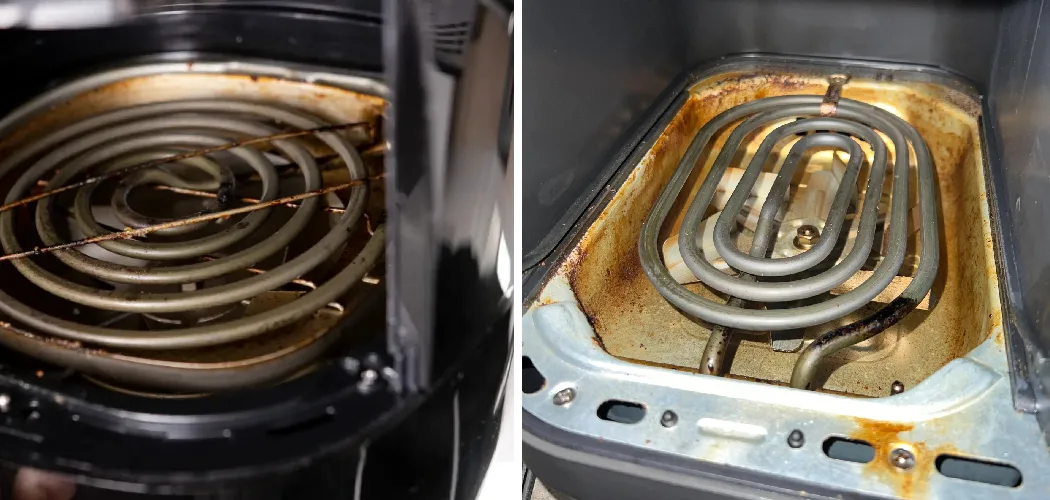
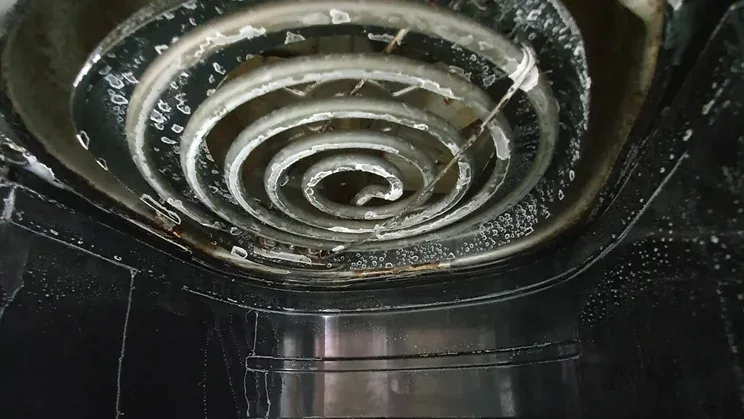
Image source: Web (Bing) / repairious.com (Web image (fair-use with source credit))
Quick Answer
Air fryer wax paper is melting because paraffin wax coatings degrade above 215°F (102°C). Most air fryers operate between 200°F and 400°F (93, 204°C). This temperature range far exceeds wax paper’s safe limit.
Melted wax releases toxic fumes and contaminates food. Switch to heat-safe parchment or silicone liners instead.
Why Wax Paper Melting in Your Air Fryer Is an Immediate Safety Hazard
This isn’t just a messy cleanup problem. Melted wax paper in your air fryer creates three distinct, immediate risks you can’t ignore. First, paraffin wax releases acrolein when it burns, a toxic fume that irritates your eyes, throat, and lungs even in small amounts.
Per FDA food safety guidance, paraffin wax is only approved for food contact at temperatures below 215°F (102°C), so any melting means you’re breathing in unregulated combustion byproducts. Second, melted wax seeps into porous air fryer basket coatings and onto your food. Even if you scrape off the visible chunks, paraffin residue stays behind, giving your next meal a waxy, chemical aftertaste.
Third, melted wax can drip directly onto your air fryer’s upper heating element. If it ignites, you’re looking at a small kitchen fire that can spread to nearby countertop items in seconds. NFPA data as of 2026 shows that improper liner use is a top cause of preventable small kitchen fires, with wax paper being the most common culprit due to its low ignition point.
Even if it doesn’t catch fire, the wax buildup can damage your air fryer’s non-stick coating, leading to expensive replacement parts or a full appliance replacement down the line. Don’t brush this off as a minor annoyance.
The Exact Science Behind Why Wax Paper Can’t Handle Air Fryer Temperatures
To understand why this keeps happening, you just need to look at two key specs: wax paper’s heat limit, and how air fryers distribute heat. Standard wax paper is coated in paraffin wax, a petroleum-derived substance that stays solid at room temperature but softens and liquefies at just 130°F (54°C). It’s designed for cold tasks like wrapping sandwiches or lining baking sheets for room-temperature treats, not high-heat cooking.
Most consumer air fryers, from budget models to premium brands, have a minimum operating temperature of 200°F (93°C). That’s already 70°F above wax paper’s melting point. What makes air fryers uniquely risky for wax paper is their heating element placement.
Nearly all countertop air fryers have a powerful upper heating element that blasts hot air directly down into the basket. If your wax paper shifts even slightly during cooking, or if it’s placed too close to the top of the basket, it contacts that superheated element and melts instantly. Even if you set your air fryer to a low 300°F (149°C), the area right next to the heating element can hit 500°F (260°C) or more, hot enough to burn wax in seconds.
Parchment paper avoids this problem because it’s coated in silicone, a heat-resistant material that stays stable up to 450°F (232°C). Silicone air fryer liners go even higher, withstanding temperatures up to 500°F (260°C) without degrading. That’s a massive difference that makes all the difference for air frying.
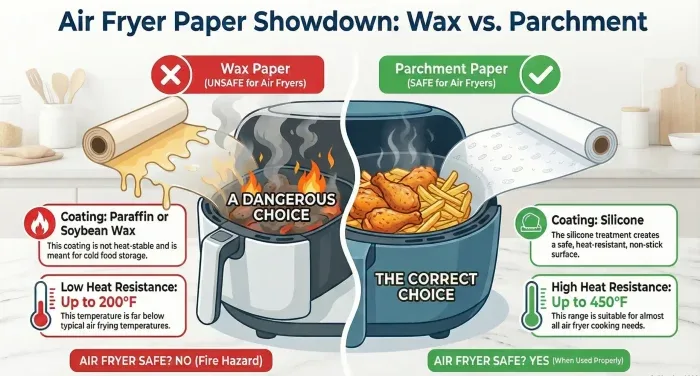
Image source: Bing (Web (fair-use with source credit))
Real Risks of Melted Wax Paper in Your Air Fryer
The consequences of melted wax paper go far beyond a sticky basket. The first and most common issue is toxic fume exposure. When paraffin wax melts and burns, it releases acrolein, a chemical classified as a respiratory irritant by the CDC.
Short-term exposure causes coughing, shortness of breath, and eye irritation. Long-term repeated exposure is linked to increased respiratory risk, per peer-reviewed combustion toxicology studies. Next is food contamination.
Even if you don’t see visible wax on your food, melted paraffin seeps into porous foods like chicken wings, roasted veggies, and frozen fries. You’ll notice a waxy, chemical aftertaste, and you’re ingesting small amounts of non-food-grade paraffin that your body can’t digest. Then there’s fire risk.
Melted wax is highly flammable. If it drips onto the upper heating element, it can ignite in under 10 seconds, especially at high air fryer temperatures. NFPA data as of 2026 shows that improper liner use is a top cause of preventable small kitchen fires, with wax paper being the most common culprit due to its low ignition point.
Finally, melted wax ruins your air fryer’s non-stick basket coating. Paraffin wax hardens into a sticky, gummy residue that’s almost impossible to scrub off without abrasive cleaners, which scratch the non-stick surface. A damaged basket leads to food sticking, uneven cooking, and eventually, you’ll need to replace the entire basket, which costs $20, $60 for most consumer models.
That’s a totally avoidable expense if you use the right liner.
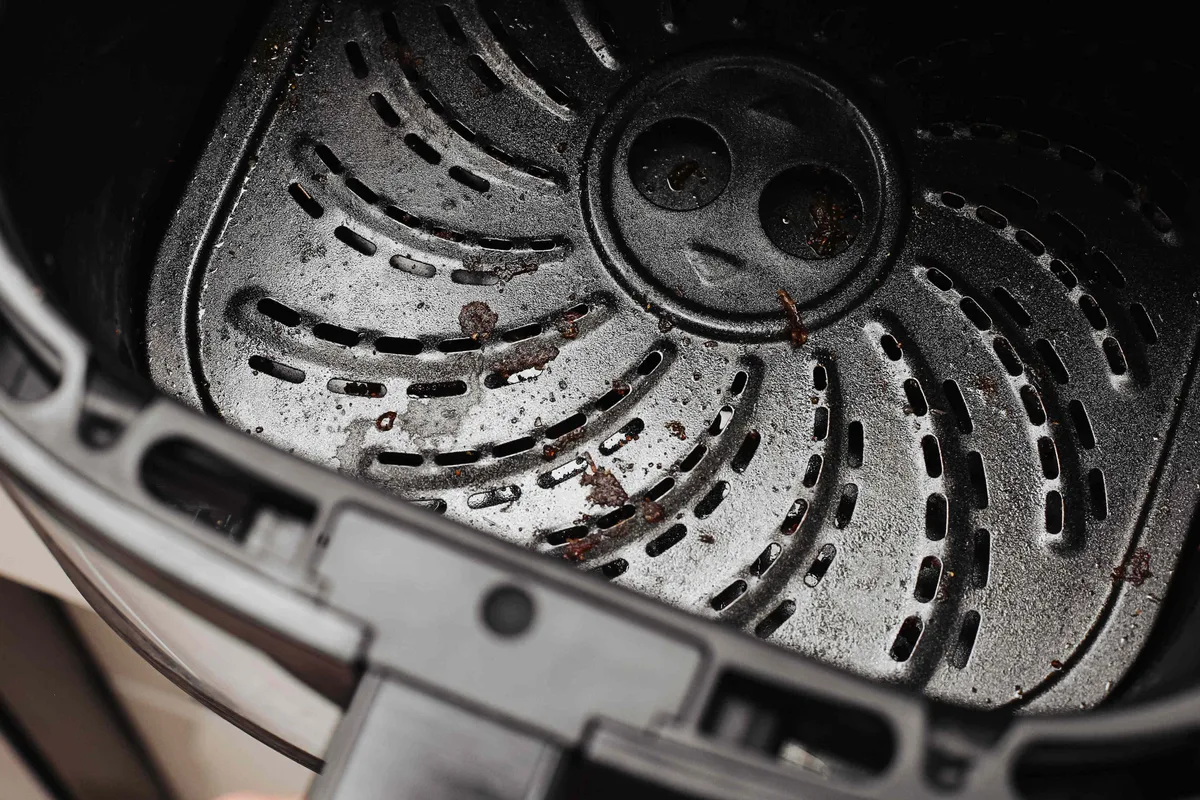
Image source: Bing (Web (fair-use with source credit))
Step-by-Step: What to Do If Your Wax Paper Has Already Melted
If you’ve already had a wax paper melting incident, don’t panic. Follow these steps to clean up safely and avoid further damage:
- Unplug your air fryer immediately and let it cool completely, at least 30 minutes, before touching any interior parts. Hot wax will burn your skin, and a hot heating element can ignite wax residue if you try to clean it too soon.
- Remove all leftover wax paper and loose melted wax from the basket and interior. Use a plastic or silicone spatula to scrape off hardened wax, not metal, which will scratch the non-stick coating.
- Wipe down all affected surfaces with a soft cloth dipped in warm, soapy water. For stubborn, gummy wax residue, let the cloth sit on the spot for 5, 10 minutes to soften the wax before wiping. Avoid abrasive scrubbers or harsh chemical cleaners, as these will damage your air fryer’s finish.
- Once all wax is removed, run the air fryer on its highest heat setting for 5 minutes with the basket empty. This burns off any remaining paraffin residue and clears out lingering fumes. Open a window while you do this to ventilate your kitchen.
- Throw away the melted wax paper in a sealed bag, don’t leave it sitting in your trash where it can melt further or release fumes. If you notice a strong wax smell lingering after cleaning, run the air fryer empty again for another 5 minutes, or leave it unplugged with the basket out overnight to air out. Don’t use the air fryer again until all wax residue and smell is gone.
Safe, Heat-Tested Alternatives to Wax Paper for Air Frying
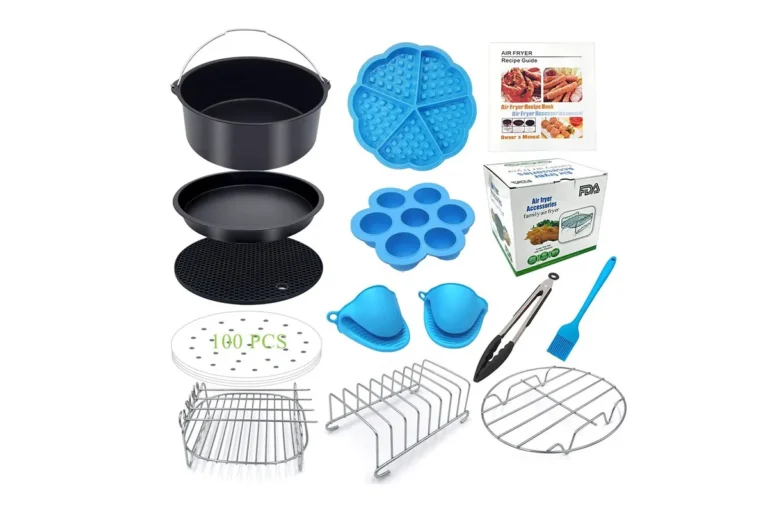
The fix for melted wax paper is simple: use a liner designed for high-heat air frying. The two most popular, tested options are parchment paper and silicone liners. Standard unbleached parchment paper is coated in food-grade silicone, which stays stable up to 450°F (232°C).
That’s well above the maximum temperature of almost all consumer air fryers. You can buy pre-cut parchment paper circles sized exactly for your air fryer basket, or cut your own from a roll. Just make sure to place it in the basket, not directly on the heating element, and avoid overfilling the basket so the paper doesn’t shift up against the top heater.
Silicone air fryer liners are even more durable. Made from 100% food-grade silicone, they withstand temperatures up to 500°F (260°C) and are reusable, so you’ll save money and waste over time. Most silicone liners have raised bumps that lift food off the bottom of the basket, improving air circulation for crispier results.
The only downside is they’re more expensive upfront, costing $8, $15 for a set of two, versus $3, $5 for a pack of 100 parchment paper circles. If you air fry frequently, silicone liners pay for themselves in a few months. Avoid aluminum foil as a long-term alternative, too.
Foil can reflect heat unevenly, causing hot spots that burn food, and it can also shift up against the heating element if not weighed down properly. For most home cooks, pre-cut unbleached parchment paper is the best balance of cost, safety, and convenience for occasional use. Frequent air fryer users should opt for a reusable silicone liner.
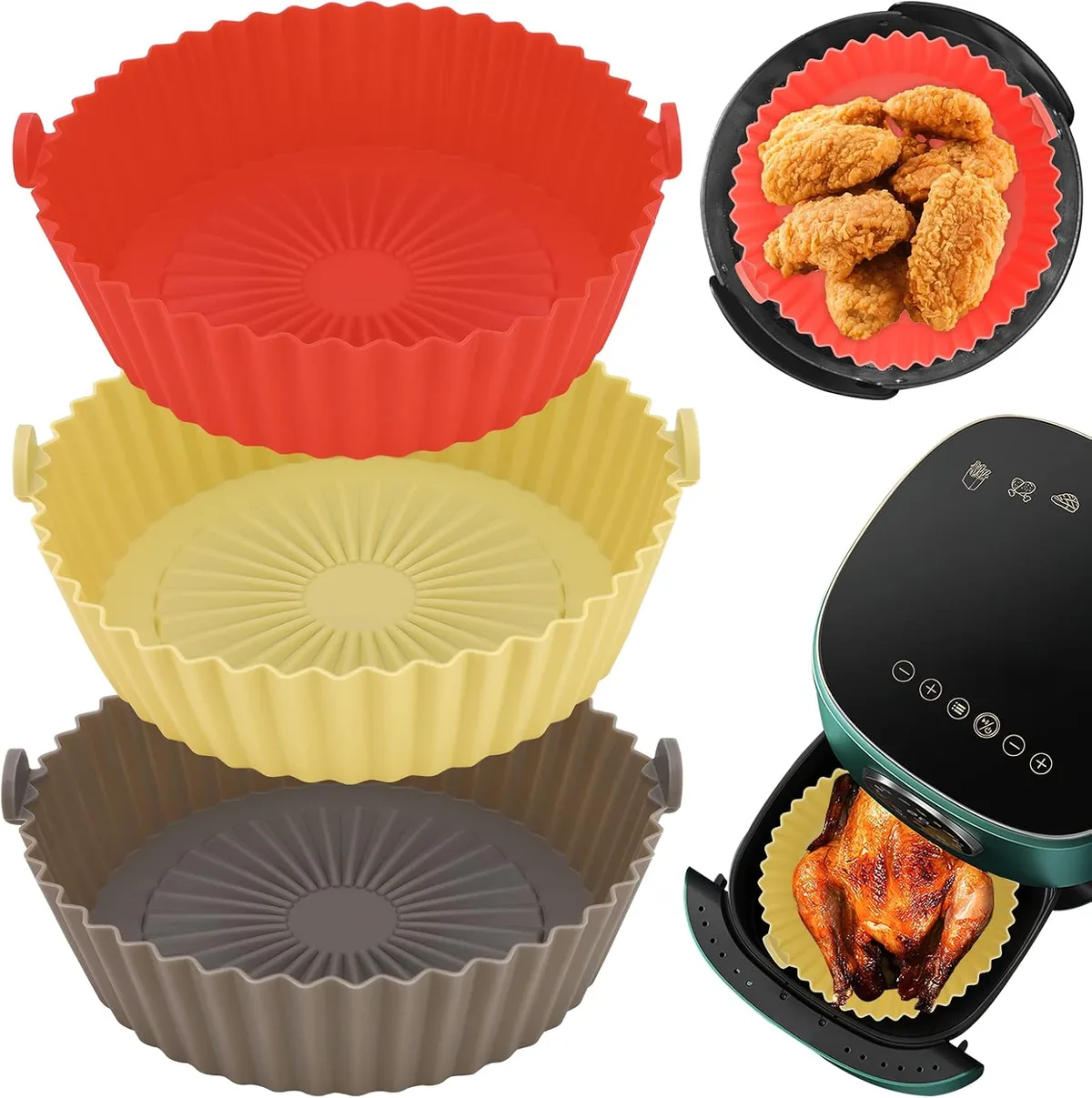
Image source: Web (Bing) / amazon.co.uk (Web image (fair-use with source credit))
5 Common Air Fryer Liner Mistakes That Lead to Melting
Even when you pick a heat-safe liner, simple usage errors can still cause melting, sticking, or safety risks. Most of these mistakes come from misreading how air fryer heat works, not from using the wrong product outright.
The most common error is assuming low temperature dials make wax paper safe. You might think setting your air fryer to 300°F (149°C) avoids melting, but that’s still 85°F above wax paper’s 215°F (102°C) maximum safe limit per FDA food contact testing. The upper heating element’s localized temperature often hits 500°F (260°C) or more, regardless of your dial setting, so even low-heat cycles melt wax paper fast.
The second mistake is lining the entire basket without leaving clearance for air flow. If your liner hangs over the basket edges, circulating hot air will blow it upward until it touches the upper heating element. This happens even with parchment paper if it’s not sized correctly for your basket.
Third, never place any liner directly on the air fryer’s heating element or cavity bottom to catch drips. That puts the paper in direct contact with the hottest part of the appliance, melting even high-heat-safe parchment in seconds.
Fourth, reusing single-use liners like wax paper or standard parchment after one cook cycle. Heat degrades the coating after the first use, making it far more prone to melting on subsequent runs.
Fifth, using wax paper for high-fat foods like bacon, chicken wings, or frozen breaded tenders. Rendered fat drips onto the paper during cooking, raising its surface temperature well above your air fryer’s set temperature and pushing it past its melting point instantly.
Frequently Asked Questions About Wax Paper and Air Fryer Safety
Can I use wax paper in an air fryer at all?
No. Wax paper’s paraffin coating melts at 130°F (54°C) and fails at 215°F (102°C) per FDA food contact rules. All consumer air fryers operate above 200°F (93°C), so wax paper will always melt during normal use.
It poses fire, fume, and food contamination risks no matter the temperature setting.
What temperature does wax paper melt in an air fryer?
Wax paper starts softening at 130°F (54°C) and fully melts above 215°F (102°C). Air fryer upper heating elements regularly hit 500°F (260°C) or more, even on low dial settings. That means wax paper will melt in seconds if it shifts into contact with the upper heater, no matter what temperature you select.
Is melted wax paper in an air fryer toxic?
Yes. Melted paraffin wax releases acrolein, a respiratory irritant classified by the CDC as a toxic combustion byproduct. Short-term exposure causes eye, throat, and lung irritation.
Ingesting melted wax residue can also cause digestive upset, as paraffin is not digestible for humans.
How do I clean melted wax out of my air fryer?
First unplug the appliance and let it cool fully, at least 30 minutes. Scrape off loose wax with a silicone spatula, then wipe surfaces with warm, soapy water. For stubborn residue, let the soapy cloth sit for 5, 10 minutes to soften the wax before wiping.
Run the empty air fryer on high for 5 minutes to burn off remaining traces, with a window open for ventilation.
What’s the safest liner to use in an air fryer?
Unbleached parchment paper (silicone-coated, heat-safe up to 450°F / 232°C) or food-grade silicone air fryer liners (heat-safe up to 500°F / 260°C) are the safest options. Both are designed for high-heat air frying, won’t melt at standard cooking temperatures, and won’t release toxic fumes when used correctly.