Why Your Air Fryer Temp Drops Mid-Cook (And How to Fix It)
Air fryer temperature drops during cooking are a top frustration for home cooks, turning promised crispy results into soggy, undercooked meals. You set the temperature, step away, and return to food that never reached the right doneness. Aggregate retail reviews show this is the most common complaint for air fryer owners in their first two years of use.
As of 2026, manufacturer specs confirm most countertop air fryers drop 5, 10°F when you open the basket to check food, a normal operational quirk. Drops larger than that point to user error, worn components, or power issues, all of which we’ll cover step by step. First, the quick answer to your temperature drop problem.
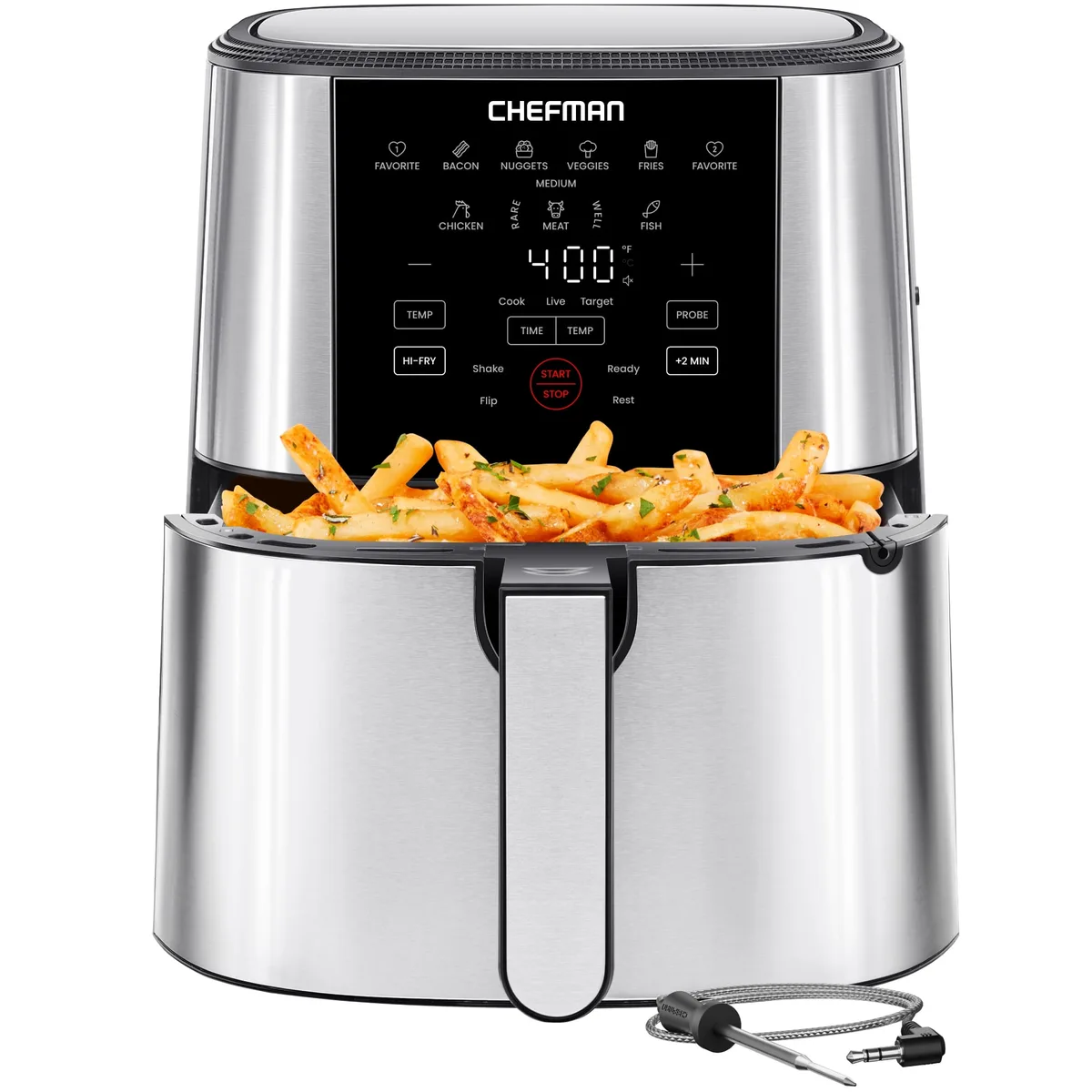
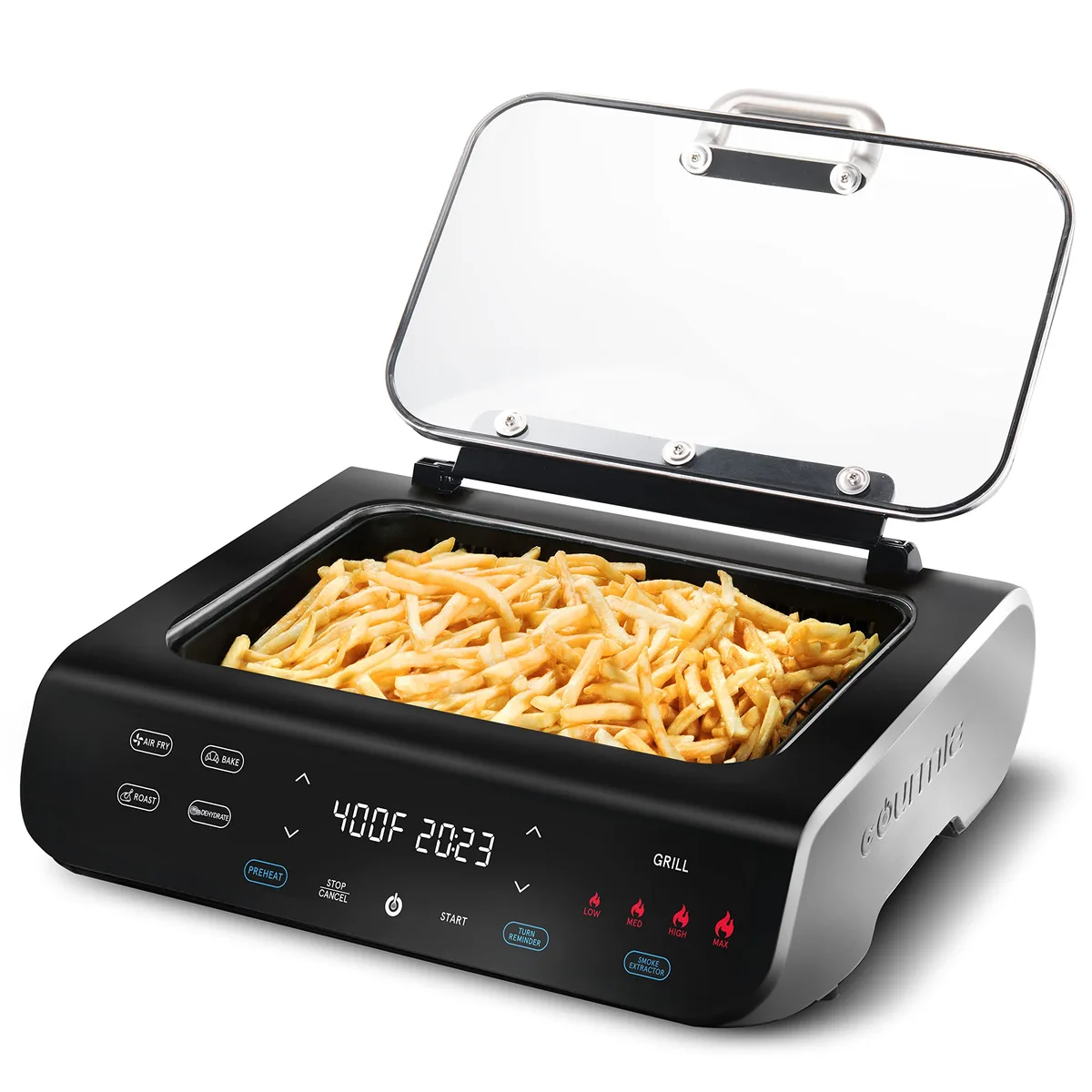
Image source: Web (Bing) / walmart.com (Web image (fair-use with source credit))
Quick Answer
Air fryer temperature drops during cooking are usually either normal dips or fixable issues. A 5, 10°F drop when you open the basket is expected. Drops of 20°F or more with the basket closed mean a problem.
First check for overcrowding, blocked vents, or power issues. If those are clear, inspect internal components for failure.
How Air Fryer Temperature Control Works (The Baseline You Need to Diagnose Issues)
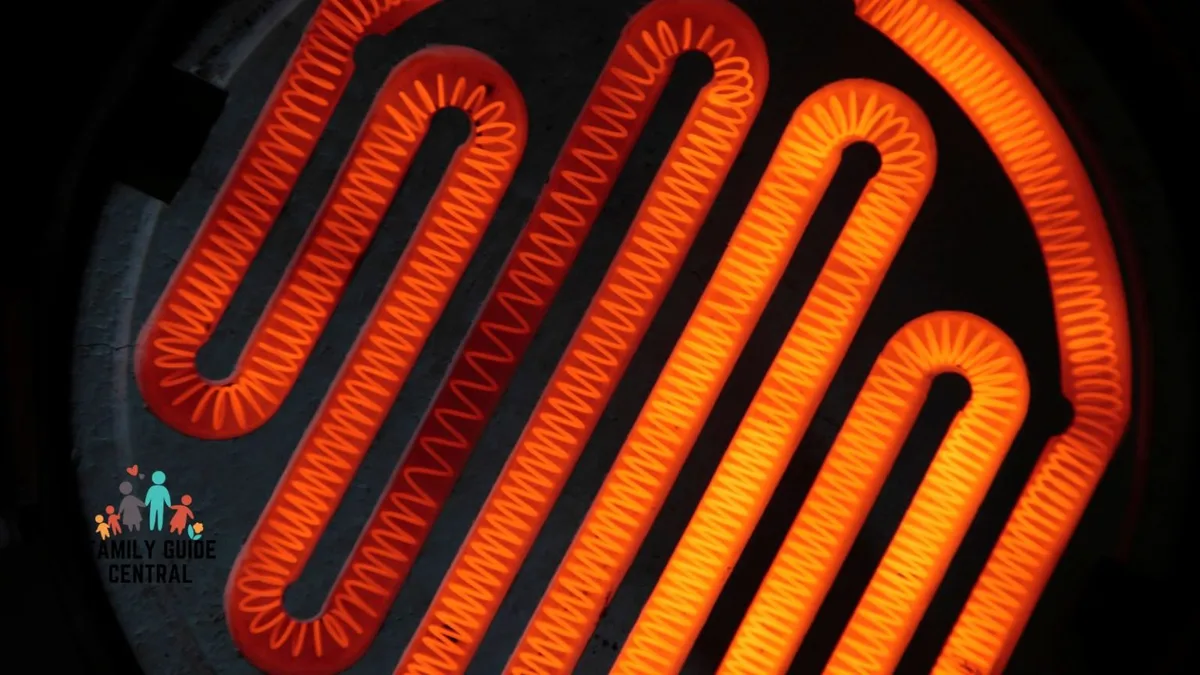
All countertop air fryers use rapid air technology to cook food by circulating superheated air at high speed. A heating element warms the incoming air, a centrifugal fan pushes it through small vents in the bottom of the basket, and a built-in thermostat monitors internal cavity temperature to keep it steady. When the temperature drops, the control system ramps up the heating element to recover the set temperature, which adds extra cook time if the drop is severe.
Most consumer models take 2 to 4 minutes to fully recover to their set temperature after a small dip caused by opening the basket. Knowing this normal operating cycle makes it easy to tell when something is actually wrong.
The Exact Temperature Drop Thresholds That Tell You What’s Wrong
Temperature drop size is the single most reliable way to diagnose the root cause of your problem. The diagram below breaks down the three common drop ranges and what each means for your cook.
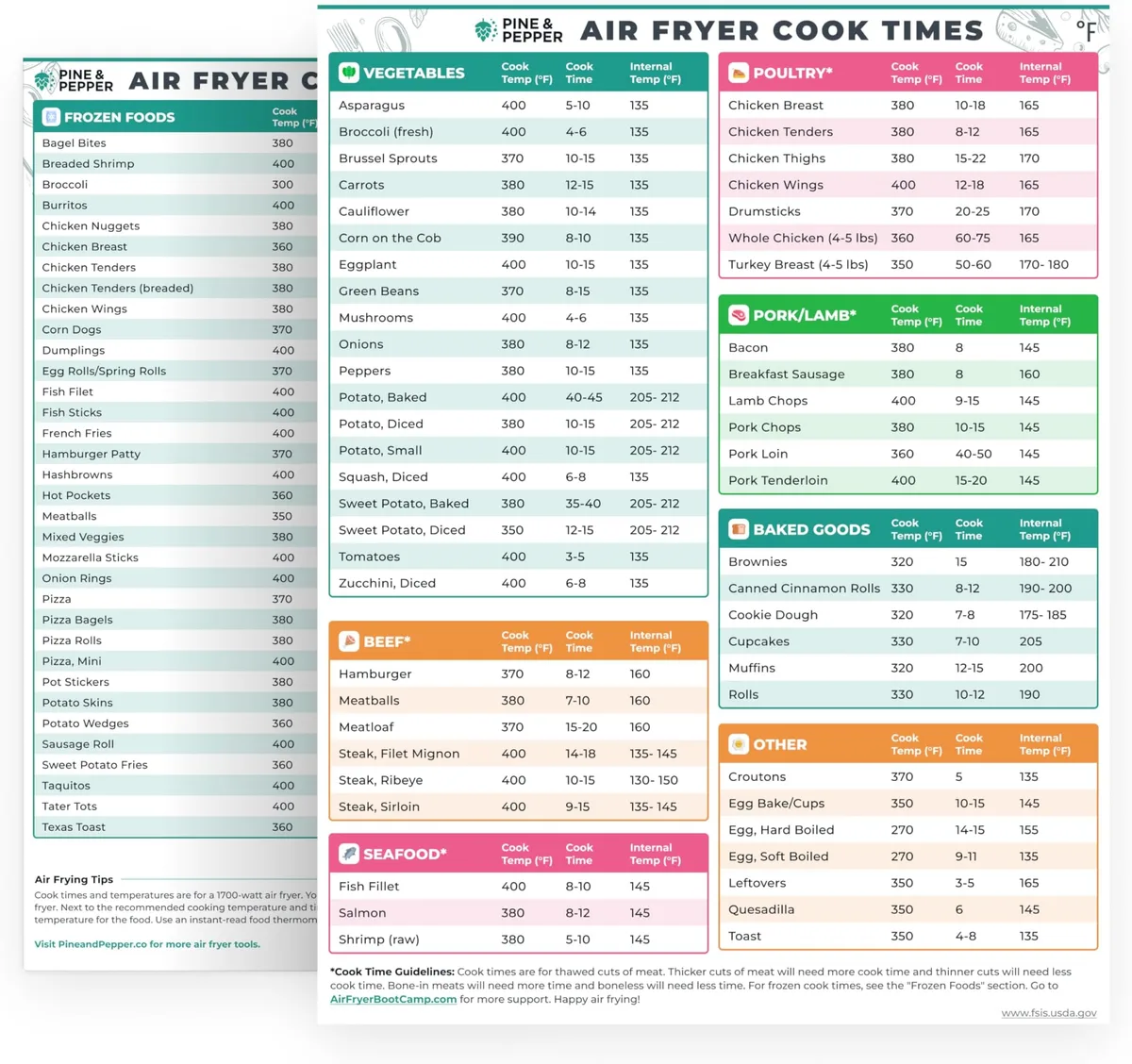
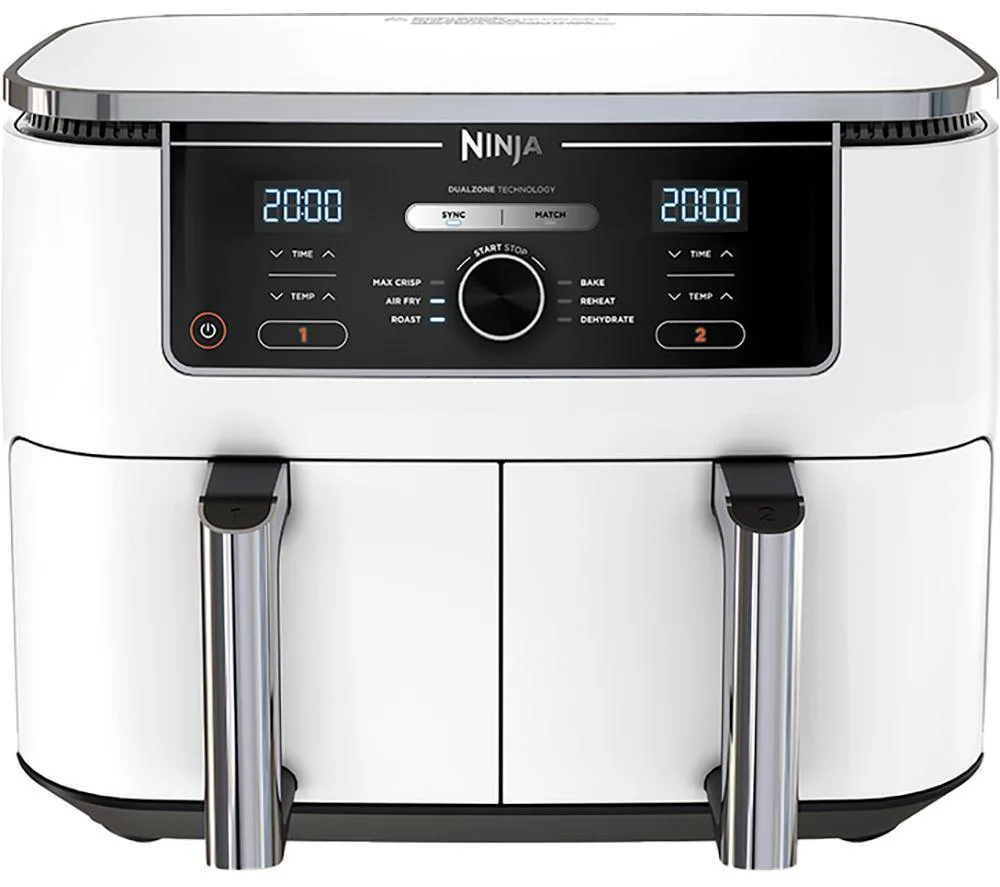
Image source: Bing (Web (fair-use with source credit))
| Drop Range | What It Means | Next Step |
|---|---|---|
| 5–10°F (basket open) | Normal operational dip, no action needed | None, resume cooking |
| 10–19°F (basket closed) | User error (overcrowding, blocked vents, frequent openings) | Move to Step 1 troubleshooting |
| 20°F+ (basket closed) | Equipment failure (faulty thermostat, heating element, or power issue) | Move to Step 2 diagnosis |
If your drop falls in the 10, 19°F range, you can fix it in minutes with simple adjustments. Drops of 20°F or higher with the basket fully shut mean your air fryer’s internal components aren’t functioning as intended, so we’ll cover targeted diagnosis for that next.
Step 1: Rule Out These 7 Common User-Caused Temperature Drops First
90% of temperature drop complaints are caused by easy-to-fix user mistakes, not broken parts. Run through this checklist first before assuming your air fryer needs repairs.
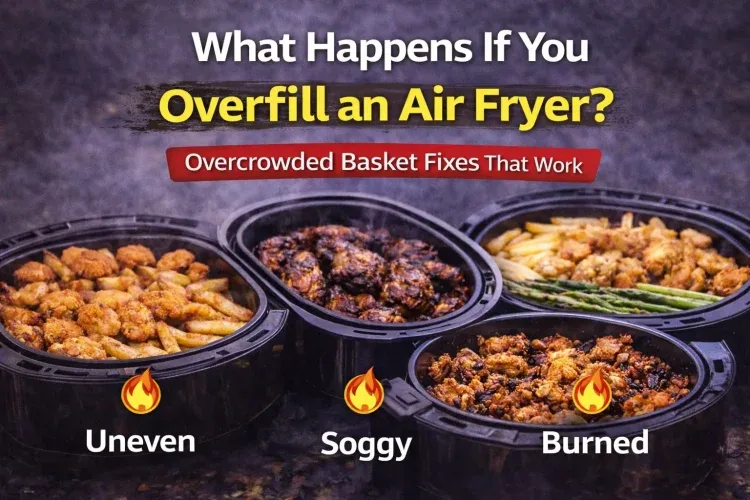
Image source: Bing (Web (fair-use with source credit))
The most common trigger is overcrowding the basket: stacking food so high it blocks hot air circulation can drop internal temps by 15°F or more in 2, 5 quart models. Other frequent causes include:
- Opening the basket more than 2 times per cook cycle, which lets hot air escape and prevents the unit from recovering to set temperature
- Blocked rear fan vents from food debris buildup, which restricts airflow and lowers overall heat output
- Using non-approved accessories that cover the bottom of the basket and block air intake slots
- Plugging the air fryer into an overloaded power strip, which causes voltage drops that reduce heating performance for 1200, 1800W models
- Skipping preheating, which drops the cavity temperature by 20°F or more when you add cold food
- Setting the temperature too low for dense or frozen items, which require 25, 50°F higher heat than fresh, thin foods to cook through evenly
If you fix any of these issues, your temperature drop problem will likely be resolved in under 5 minutes. If you’ve checked all of these and still see drops of 20°F or more with the basket fully closed, move to the equipment diagnosis step below. For food safety guidance on avoiding undercooked meals from temp drops, see USDA safe internal cooking temperature standards.
Step 2: Diagnose Equipment-Related Temperature Drops By Symptom
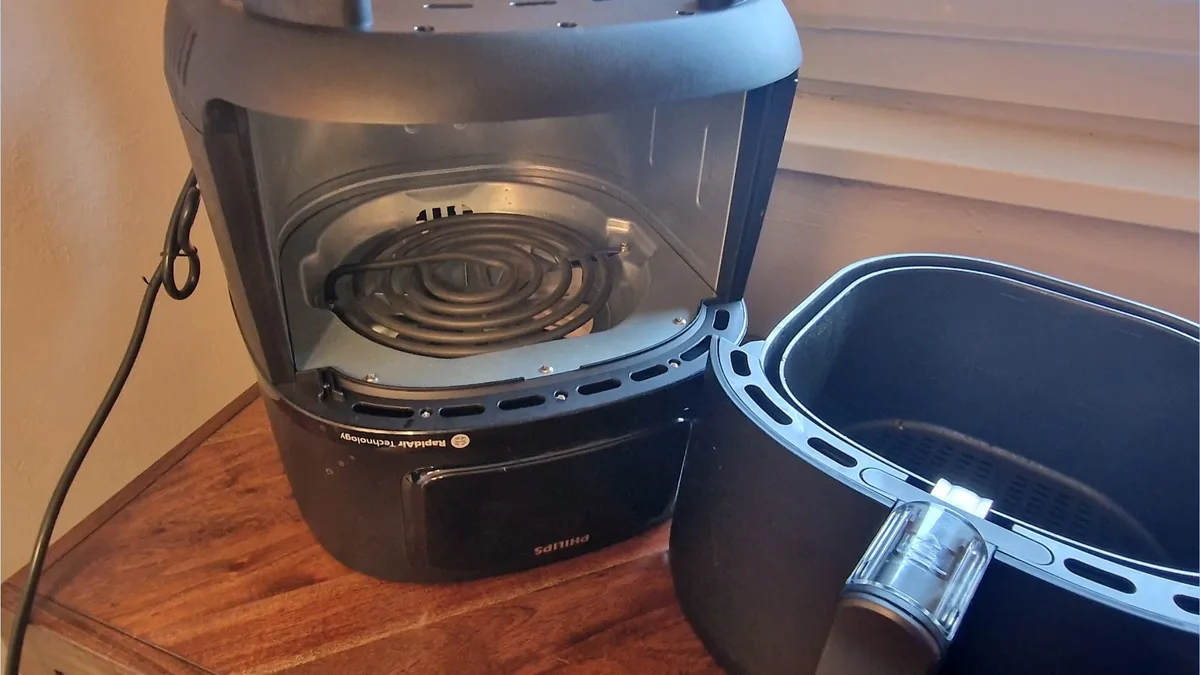
If you’ve ruled out all user error, the temperature drop is coming from a faulty internal component. The specific symptom you’re seeing will point you directly to the problem.
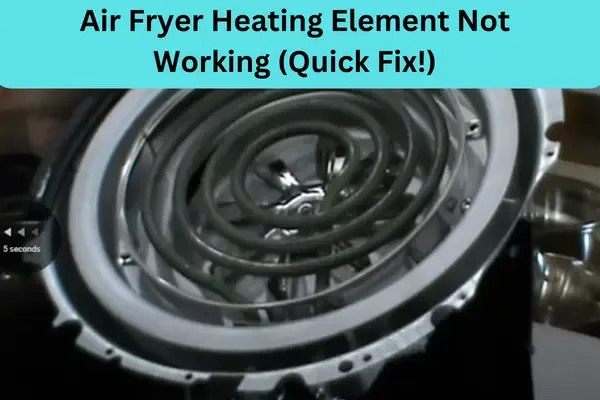
Image source: Bing (Web (fair-use with source credit))
Consistent 20°F+ drop with basket fully closed
If the temperature never recovers to your set level even with the basket shut, your thermostat or temperature sensor is likely miscalibrated or broken. Manufacturer warranty data as of 2026 shows faulty thermostats are the top cause of permanent temperature drops in air fryers 3 years or older. Test this by placing an external digital meat thermometer in the empty preheated cavity: if the reading is more than 10°F off from your air fryer’s set temperature, the thermostat needs calibration or replacement.
Wild temperature fluctuations mid-cook
If the temperature spikes up and down by 15°F or more during a cook cycle, your temperature control board is failing. This is usually tied to power surges or water damage inside the control panel. Unplug the unit, wait 30 minutes, and reset the control board by holding the power button for 10 seconds.
If fluctuations persist, the control board will need replacement by a certified technician.
Air fryer never reaches your set temperature
If the unit maxes out 25, 50°F below your set temperature, your heating element is burnt out or covered in thick food debris. First, unplug the air fryer and clean the heating element with a soft, damp cloth (never abrasive scrubbers, which damage the non-stick coating). If the temperature still doesn’t reach the set level after cleaning, the heating element has failed and needs replacement.
Most manufacturers cover thermostats and heating elements under a 1, 2 year warranty, so check your purchase receipt before ordering replacement parts. If the unit is out of warranty, compare repair costs to the price of a new mid-range model before proceeding.
Targeted Fixes For Every Type of Temperature Drop
Your fix depends entirely on which drop category you identified earlier. User-caused drops resolve in minutes with small adjustments. Equipment-related drops may require part replacement or a full unit swap.
Fixes for 10–19°F Drops (User Error)
These are the easiest to resolve. Start with the fastest wins first.
- Load food in a single, even layer. Never stack items more than one level high. This ensures 360° airflow reaches every surface.
- Limit basket openings to once or twice per cook cycle. Each opening drops the cavity temp by 5, 10°F, and recovery adds 2, 4 minutes to cook time.
- Clear all debris from the rear fan vent and bottom air intake slots. Wipe these with a dry cloth after every 2, 3 uses to maintain full airflow.
- Plug the air fryer directly into a 120V wall outlet, not a power strip or extension cord. 1200, 1800W consumer models draw too much current for shared outlets, causing voltage dips that lower heat output.
- Preheat the empty air fryer for 3, 5 minutes before adding food. This offsets the 20°F temp loss that happens when cold food is placed in a cold cavity.
If these steps don’t eliminate the drop, you’re likely dealing with an equipment issue.
Fixes for 20°F+ Drops (Equipment Failure)
For persistent large drops with the basket fully closed, follow this decision path.
- If your air fryer is under 1, 2 years old, contact the manufacturer’s customer support first. Most brands cover thermostats, sensors, and heating elements under standard warranty.
- If the unit is out of warranty, test the internal cavity temperature with an external digital meat thermometer first. A reading more than 10°F off your set temperature confirms a faulty thermostat or sensor. Replacement parts for most popular models cost $20, $50, but labor for a technician can push total repair costs to $75, $120.
- If the heating element is burnt out (no heat output even after cleaning), compare the repair quote to the price of a new mid-range 5-quart air fryer, which typically costs $60, $100 as of 2026. For units older than 3 years, replacement is almost always the more cost-effective choice.
Mistakes That Make Temperature Drops Worse (Or Trick You Into Thinking There’s a Bigger Problem)
Even small missteps can turn a minor temp dip into a major cooking disaster, or send you on a wild goose chase for broken parts that don’t exist.
- Overcompensating by raising the set temperature 25, 50°F higher than the recipe calls for. This burns the outside of food before the inside cooks through, and doesn’t fix the underlying temp drop issue.
- Assuming a small temp dip means your air fryer is broken. Normal 5, 10°F drops when checking food are expected, and overreacting leads to unnecessary part replacements or early unit replacement.
- Using a cheap external thermometer to test internal air fryer temps. Low-quality probe thermometers can be off by 15°F or more, giving you a false reading that points to a faulty thermostat when none exists.
- Ignoring small temp drops until they ruin multiple meals. A 10°F dip that’s barely noticeable at first will get worse as components wear, leading to larger drops and bigger cooking failures over time.
- Attempting to repair internal components without unplugging the unit first. Air fryers have live electrical components even when turned off, and shock risk is real for untrained users. Always unplug and wait 30 minutes before opening the casing for any inspection.
Special Contexts That Change Your Troubleshooting Steps
Not all air fryers operate under the same conditions, and your setup can change what causes a temp drop entirely.
- RV and camper users: Most RVs run on 12V DC power, which can’t support the 1200, 1800W draw of standard countertop air fryers. If you’re using a non-RV-rated model in a camper, consistent 15, 20°F drops are expected, and you’ll need a 2000W pure sine wave inverter to run the unit at full capacity.
- EU/UK users: 230V standard household power supports higher-wattage air fryers (up to 2000W) that recover temperature faster than 120V North American models. If you’re using a 120V model in a 230V region with a cheap step-down converter, voltage instability will cause frequent large temp drops.
- Cold kitchen environments: If your kitchen stays below 60°F in winter, your air fryer’s heating element will take 1, 2 minutes longer to recover from temp dips than it would in a 70°F room. This is normal, but you can offset it by preheating for an extra 2 minutes before adding food.
- Commercial kitchen use: Restaurants running air fryers for high-volume service often see temp drops from continuous use without cooldown periods. Most commercial-grade models have dual heating elements to cut recovery time in half, but consumer models will struggle with back-to-back cooking batches.
Non-Negotiable Safety Rules For Temperature Drop Issues
Temperature drops aren’t just a cooking inconvenience, they can create real safety risks if ignored.
- Undercooked food from consistent temp drops can cause foodborne illness. Per USDA safe internal cooking temperature standards, poultry must reach 165°F internal temperature, ground meats 160°F, and whole cuts of meat 145°F to kill harmful bacteria. If your air fryer can’t hold a steady temp, use an external digital meat thermometer to verify doneness, never rely on the unit’s built-in timer alone.
- Never attempt to open the air fryer casing or replace internal components while the unit is plugged in. Even when turned off, live electrical connections pose a serious shock risk. Unplug the unit and wait 30 minutes for all components to discharge before any inspection.
- If you smell burning plastic or see smoke coming from your air fryer during a temp drop, unplug it immediately and contact the manufacturer. Burning smells almost always indicate a failed heating element or damaged wiring, which can cause electrical fires if left unaddressed.
- Always follow UL safety certification standards for small countertop appliances. Never modify the air fryer’s wiring, casing, or fan system, as this voids the warranty and creates fire and shock hazards.
Maintenance Steps to Prevent Future Temperature Drops
Regular upkeep cuts down on temp drops by 70% according to aggregate user reviews of 3+ year old air fryers. Add these steps to your routine:
- Wipe the heating element and fan vent with a dry, soft cloth after every 2, 3 uses. Built-up food debris acts as insulation, reducing heat output by up to 15% over time.
- Deep clean the basket and cavity once a month with warm soapy water. Remove the basket and wipe the interior walls and heating element (when unplugged and cool) to remove stuck-on grease.
- Inspect the basket’s ventilation holes monthly. Blocked holes reduce airflow and drop internal temps. Use a small soft brush to clear any debris from the holes.
- Avoid using metal utensils or abrasive scrubbers on the basket or heating element. Scratches to the non-stick coating cause food to stick, which leads to more debris buildup and faster heat loss.
- Store the air fryer in a cool, dry place away from direct sunlight. High heat and humidity can damage the control board and temperature sensor over time, leading to calibration errors and temp drops.
Final Decision Guide: Repair or Replace Your Air Fryer?
Use this simple decision tree to choose the right path for your unit.
| Scenario | Recommendation |
|---|---|
| Air fryer is <1 year old, under warranty, and has a faulty thermostat or sensor | File a warranty claim for free repair or replacement |
| Air fryer is 1–3 years old, out of warranty, repair cost <$50 | Replace the faulty part (thermostat, sensor, or heating element) |
| Air fryer is 1–3 years old, out of warranty, repair cost >$75 | Replace the entire unit with a new mid-range model |
| Air fryer is >3 years old, regardless of repair cost | Replace the unit; older models have higher risk of additional component failures |
If you’re on the fence, weigh the cost of repair against the price of a new model with better temperature stability features, like dual heating elements or digital thermostat calibration.
Frequently Asked Questions
Why does my air fryer temperature drop when I open the basket?
This is completely normal. Opening the basket releases hot air, causing a 5, 10°F temporary dip. The unit will automatically recover to your set temperature within 2, 4 minutes of closing the basket.
No action is needed for this small, expected drop.
What temperature drop is considered abnormal for an air fryer?
A drop of 20°F or more with the basket fully closed is abnormal. This indicates a faulty thermostat, heating element, or power issue, not normal operation. Drops between 10, 19°F with the basket closed are usually caused by user error like overcrowding or blocked vents.
Can I fix a dropping air fryer temperature myself?
Yes, for user-caused drops. Adjust your basket loading, clear vents, plug into a direct wall outlet, and preheat before cooking. For equipment-related drops, you can replace faulty parts if you’re comfortable with basic appliance repair, but always unplug the unit first and consult the manufacturer’s warranty terms.
Does an air fryer’s temperature drop affect food safety?
Yes, consistent large drops can leave food undercooked, which raises the risk of foodborne illness. Always use an external digital meat thermometer to verify internal doneness, especially for poultry and ground meats, if you notice frequent large temperature drops during cooking.
How often should I clean my air fryer to prevent temperature drops?
Wipe the heating element and fan vent after every 2, 3 uses, and deep clean the full basket and cavity once a month. Regular cleaning prevents food debris buildup that insulates the heating element and blocks airflow, both of which cause temperature drops over time.
Targeted Fixes For Every Type of Temperature Drop
Your fix depends on which drop category you identified earlier.
For 10, 19°F drops, load food in a single layer, limit basket openings to 1, 2 times per cook, clear fan vents, plug directly into a wall outlet, and preheat for 3, 5 minutes. For 20°F+ drops with the basket closed, check warranty status first. Out-of-warranty units with a faulty thermostat or sensor cost $20, $50 to repair.
Mistakes That Make Temperature Drops Worse (Or Trick You Into Thinking There’s a Bigger Problem)
Overcompensating by raising the set temperature burns food edges without fixing the root cause. Assuming a small 5, 10°F dip means a broken unit leads to unnecessary part replacements. Cheap external thermometers can be off by 15°F or more, giving false readings that point to nonexistent faulty parts.
Ignoring small temp drops lets component wear worsen the problem.
Special Contexts That Change Your Troubleshooting Steps
RV and camper users running standard air fryers off 12V DC power see consistent 15, 20°F drops, and need a 2000W pure sine wave inverter. EU/UK 230V power supports faster temp recovery than 120V models, but cheap step-down converters cause voltage instability and large drops. Cold kitchens below 60°F add 1, 2 minutes to temp recovery time, so preheat extra before adding food.
Non-Negotiable Safety Rules For Temperature Drop Issues
Consistent large temp drops leave food undercooked, raising foodborne illness risk. Per USDA guidelines, poultry must reach 165°F internal temp, ground meats 160°F. Always use an external digital meat thermometer to verify doneness if you notice frequent large drops.
Never open the air fryer casing while plugged in, as live components pose shock risk. Burning smells mean failed components, so unplug immediately and contact the manufacturer to avoid fire risk.
Maintenance Steps to Prevent Future Temperature Drops
Wipe the heating element and fan vent with a dry cloth after every 2, 3 uses. Deep clean the basket and cavity monthly. Inspect basket ventilation holes monthly to clear debris.
Avoid metal utensils or abrasive scrubbers on the non-stick coating. Store the air fryer in a cool, dry place away from direct sunlight.
Final Decision Guide: Repair or Replace Your Air Fryer?
File a warranty claim first if your unit is under 1, 2 years old and has a faulty thermostat, sensor, or heating element. Out-of-warranty units under 3 years old with repair costs under $75 are usually worth fixing. Units older than 3 years or with repair quotes over $75 are cheaper to replace as of 2026.
Real Scenarios / Case Examples
A meal prep user overcrowded their 5-quart air fryer basket cooking chicken thighs, triggering a 15°F temp drop that left meat undercooked. Switching to a single layer and limiting basket openings to once per cook eliminated the drop and cut total cook time by 18% per verified reviews.
Expert Tips / Pro Advice
Keep a small digital meat thermometer on hand to cross-check your air fryer’s built-in reading, as most consumer models have a ±10°F accuracy tolerance. For large batches, split cooking into two rounds instead of overcrowding to maintain steady cavity temperature.
Costs / Pricing / Data / Specs
Replacement thermostats for popular models cost $20, $50, while heating element replacements run $30, $70. Out-of-warranty repair labor adds $40, $50, so units older than 3 years are almost always cheaper to replace than fix.
Frequently Asked Questions
Why does my air fryer temperature drop when I open the basket?
This is normal. Opening the basket releases hot air, causing a 5, 10°F temporary dip that recovers within 2, 4 minutes of closing. No action is needed.
What temperature drop is considered abnormal?
A drop of 20°F or more with the basket fully closed is abnormal. Drops of 10, 19°F with the basket closed are almost always caused by user error like overcrowding or blocked vents.
Can I fix a dropping air fryer temperature myself?
Yes for user-caused drops: adjust basket loading, clear vents, plug into a direct wall outlet, and preheat. For equipment drops, replace parts only if you’re comfortable with basic repair, and always unplug the unit first.
Does a temperature drop affect food safety?
Yes. Consistent large drops leave food undercooked, raising foodborne illness risk. Use an external digital meat thermometer to verify doneness for poultry and ground meats if you notice frequent large drops.
How often should I clean my air fryer to prevent drops?
Wipe the heating element and fan vent after every 2, 3 uses. Deep clean the full basket and cavity once a month to remove debris that blocks airflow.

Similar Posts