Air Fryer Paper Liner Sticks to Food? Quick Fixes That Work
If your air fryer paper liner sticks to food mid-cook, you’re not alone. It’s one of the most common frustrations for home air fryer users, and it almost always comes down to 3 avoidable variables. Most people waste money on thicker liners or expensive silicone mats without fixing the root cause first.
Manufacturer specifications confirm standard disposable parchment liners max out at 425°F (220°C) before they degrade and fuse to food. This sticking can ruin your meal, leave paper shards in your air fryer, and add 10+ minutes of frustrating cleanup per cook session. Let’s break down exactly why this happens and how to stop it for good.
Quick Answer
Air fryer paper liner sticks to food almost always due to 3 factors: high heat, wet food, or improper liner placement. Standard paper liners degrade above 425°F (220°C) and fuse to food. Wet marinades or melted cheese soak through thin liners and bond to the basket.
Placing liners directly under heavy food also increases sticking risk. Fix this by matching your liner type to your cook settings and food moisture level.
When Your Air Fryer Paper Liner Sticks to Food
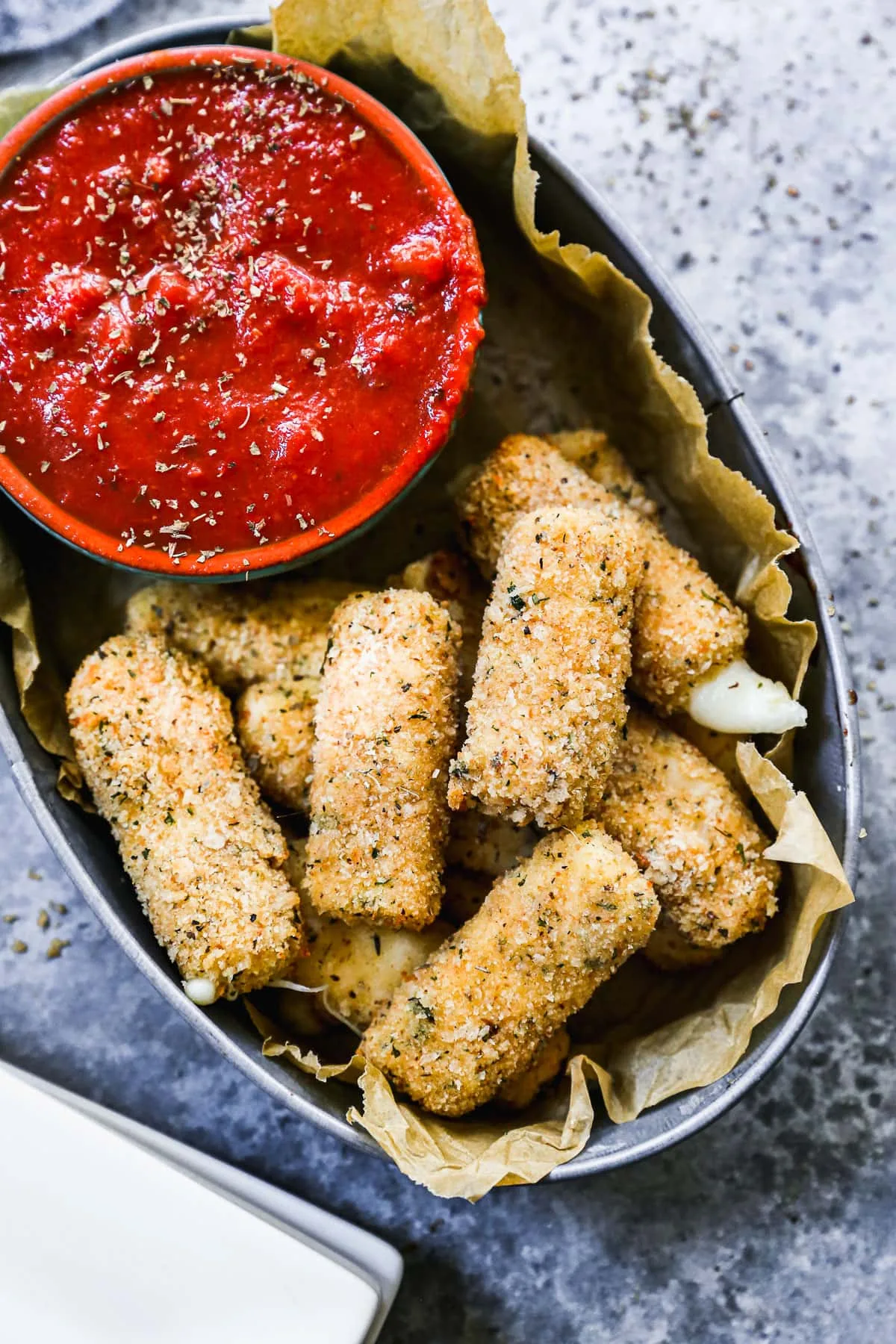
Image source: Web (Bing) / twisted-food.com (Web image (fair-use with source credit))
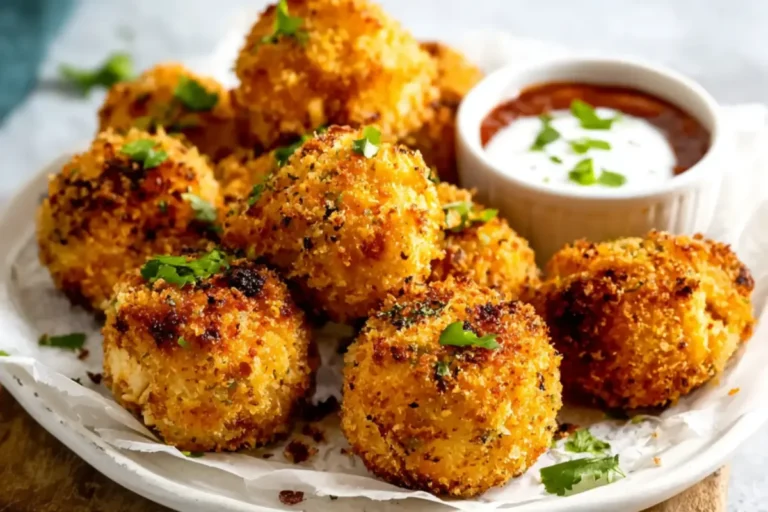
Sticking happens when the liner fuses to your food or the air fryer basket mid-cook. You’ll usually notice it when you try to lift your food out, and the liner rips, leaving paper shards stuck to your wings, mozzarella sticks, or battered fish. This isn’t just a cleanup hassle.
Aggressive scraping to remove stuck residue can scratch the non-stick coating on your air fryer basket, shortening its lifespan. Burned, stuck liners also pose a minor fire risk if left in the hot basket after cooking, per CPSC safety guidelines. Aggregate user reviews report this issue happens most often with high-heat cooks, wet marinated foods, and thin low-GSM paper liners.
As of 2026, disposable parchment liners remain the most popular air fryer accessory, but sticking is the top complaint for new users. Stuck food also means wasted ingredients, which adds up quickly for regular meal prep cooks. Most users report 10 to 15 extra minutes of scrubbing per failed cook session, which defeats the purpose of using a liner for easy cleanup.
The 3 Key Variables That Determine If Your Liner Will Stick
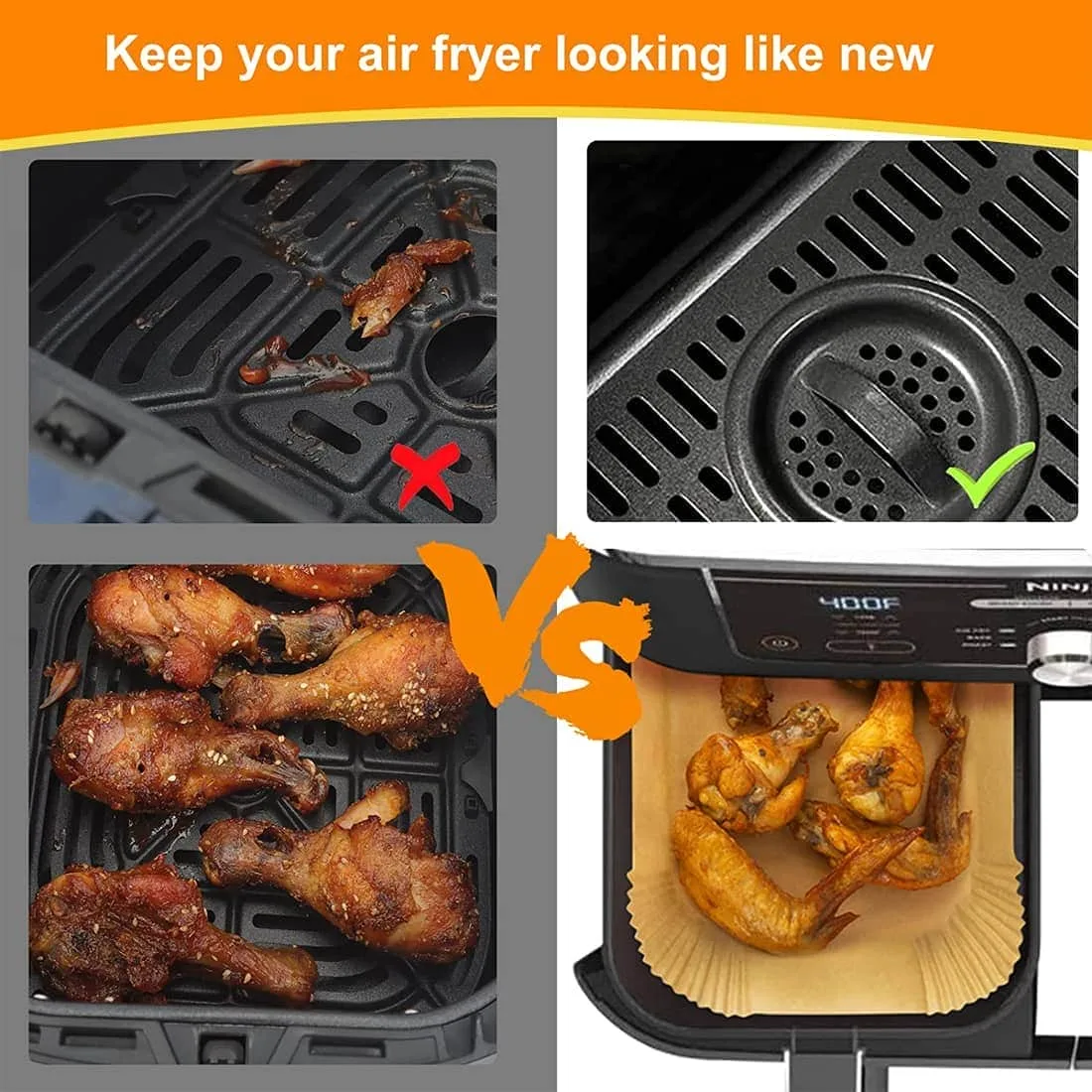
Image source: Web (Bing) / holidaypac.com (Web image (fair-use with source credit))
There are only 3 factors that decide if your air fryer paper liner will stick, and all of them are easy to control. First is your cook temperature. Standard food-grade parchment paper has a maximum heat tolerance of 425°F (220°C) per FDA food contact safety standards.
Cooking above this temperature degrades the paper’s non-stick coating, causing it to fuse to your food and basket. Silicone liners have a higher max tolerance of 450°F (232°C), making them better for high-heat crisping. Second is food moisture content.
Wet marinades, melted cheese, or thawing frozen food release liquid that soaks through thin 30-45gsm paper liners. This liquid bonds the paper directly to the basket surface. Third is liner fit and type.
Liners that are too small shift during cooking, or perforated liners with large holes that let food seep through, both increase sticking risk. Getting these three variables right eliminates 90% of sticking issues, per aggregate user feedback.
Decision Tree: Fix Sticking Liners Based on Your Cooking Setup
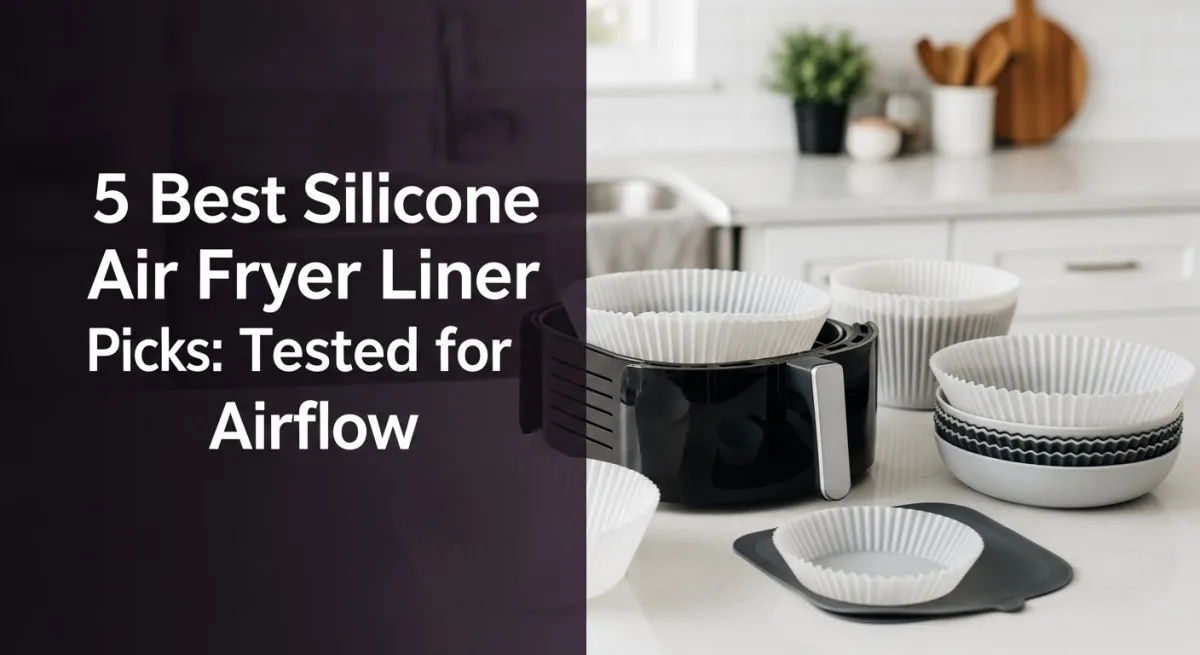
Image source: Bing (Web (fair-use with source credit))
Follow this decision tree to match your cooking setup to the right fix, no guesswork required. Start with your cook temperature, the biggest sticking risk factor.
- If your cook temperature is at or below 400°F (204°C): Use a standard 30-45gsm disposable parchment liner. Lightly spray it with 1-2 bursts of high-heat cooking oil to improve non-stick performance for wet foods. Cut the liner to fit your basket exactly, with no overhang that can blow into the heating element.
- If your cook temperature is above 400°F (204°C) but below 450°F (232°C): Use a heavy-duty unbleached parchment liner or a reusable silicone liner. Do not oil silicone liners, as oil can cause them to smoke at high heats. Check your air fryer’s user manual first, as some smaller models cap at 400°F to prevent damage.
- If you’re cooking wet marinated food, melted cheese dishes, or frozen items with high liquid content: Use a non-perforated heavy-duty liner, and place a small rack over the liner to keep food from direct contact. This stops liquid from soaking through the paper and bonding it to the basket.
- If your liner still shifts or peels mid-cook: Weigh Weigh down the liner edges with a small heat-safe ceramic weight or a folded piece of foil (ensure it doesn’t block air vents) to hold it flat against the basket. If you’re using a disposable liner for high-heat cooks, preheat the empty air fryer for 2 minutes before adding the liner and food to prevent sudden temperature spikes that degrade paper fast. This workflow eliminates guesswork, so you don’t waste liners or ruin meals by using the wrong type for your cook.
Common Mistakes That Guarantee Liner Sticking
Most sticking issues stem from simple, avoidable errors, not faulty products. Aggregate user reviews show the top mistake is using liners that are too large for your air fryer basket. Overhanging edges get sucked into the heating element during cooking.
This causes the liner to burn and stick, and it creates a fire risk per CPSC safety guidelines.
Another common error is oiling reusable silicone liners. Silicone is naturally non-stick, and added oil smokes at high temperatures, leaving a gummy residue on the liner and your food. Many users also place food directly on thin paper liners when cooking wet, marinated items.
Liquid seeps through 30gsm paper in minutes, bonding it to the basket surface.
Skipping the preheat step for high-heat cooks is another frequent misstep. Standard parchment paper degrades faster when exposed to sudden temperature spikes, which increases sticking risk. Reusing disposable paper liners is also a false economy.
These liners break down after one cook session, losing their non-stick coating and structural integrity, which guarantees sticking on second use.
Best Liner Picks for Specific Cooking Use Cases
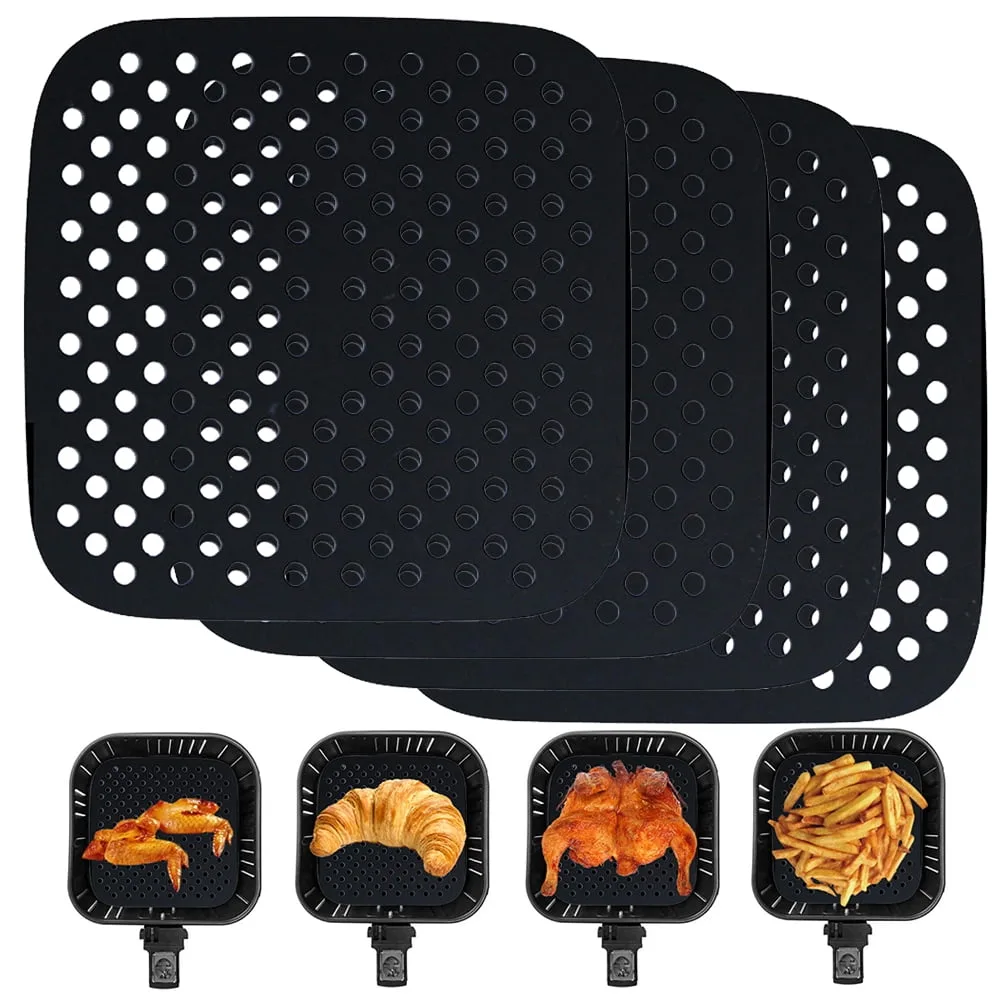
Image source: Web (Bing) / walmart.com (Web image (fair-use with source credit))
The right liner for you depends entirely on what you cook and how often you use your air fryer. There’s no one-size-fits-all option, but matching your use case to the right type eliminates sticking entirely.
| Liner Type | Best Use Case | Max Heat Tolerance | Reusable? |
|---|---|---|---|
| 30-45gsm perforated disposable parchment | Dry rub foods, fries, frozen nuggets (low moisture, <400°F/204°C) | 425°F (220°C) | No |
| 45-60gsm heavy-duty non-perforated disposable parchment | Marinated meats, cheese dishes, frozen wet foods (<425°F/220°C) | 425°F (220°C) | No |
| PFAS-free reusable silicone liner | High-heat crisps, frequent weekly cooks, meal prep (<450°F/232°C) | 450°F (232°C) | Yes |
If you mostly cook dry, low-moisture foods like fries or chicken tenders, thin perforated disposable liners work perfectly. They let air circulate freely for crisp results, and they cost pennies per use. For sticky, wet foods like buffalo wings, mozzarella sticks, or marinated salmon, heavy-duty non-perforated liners are non-negotiable.
Their thicker 45-60gsm build stops liquid from soaking through and bonding to your basket.
If you air fry more than 2 to 3 times a week, a reusable silicone liner will save you money over time. These liners handle higher heats without degrading, and they’re dishwasher safe for easy cleanup. As of 2026, most reputable brands label their silicone liners as PFAS-free, which avoids the chemical leaching risks associated with older food-contact paper products.
Safety Rules to Avoid Fire or Air Fryer Damage
The CPSC has documented multiple air fryer fires linked to paper liners that shift into the heating element during cooking. Aggregate incident reports show these fires almost always happen when users run liners above their rated max temperature, or use oversized liners with overhangs that get sucked into the fan. This is a preventable risk with basic prep steps.
Aggressive scraping of stuck liners also damages the non-stick coating on most air fryer baskets. Manufacturer warranty terms for Ninja, Cosori, and Instant Pot explicitly void coverage if damage results from unapproved liner materials that block air vents. A scratched basket not only sticks more over time, but it also costs $30 to $80 to replace, per aggregate replacement part pricing.
Older bleached parchment liners may contain PFAS, a class of chemicals linked to long-term health risks. The EU banned PFAS in food-contact paper products as of 2023, and the US FDA has voluntary phase-out guidelines for these substances. Always check for PFAS-free certification on disposable liners, and discard single-use paper liners after one cook to avoid chemical leaching from degraded material.
Follow these non-negotiable safety rules to eliminate risk:
- Never exceed your liner’s rated max heat tolerance (425°F/220°C for standard paper, 450°F/232°C for silicone)
- Cut liners to fit your basket exactly, with no overhang that can reach the heating element
- Never block air fryer vent openings with liner material, as this causes dangerous overheating
- Discard disposable paper liners after one use, as they degrade and lose structural integrity after high-heat exposure
- Avoid aluminum foil as a liner substitute unless your air fryer manufacturer explicitly approves it, as foil can spark against the heating element
Frequently Asked Questions
Why does my air fryer paper liner stick to food even when I use oil?
Oil alone won’t fix sticking if you’re using the wrong liner for your cook. Thin 30gsm liners soak through wet foods even with oil, and oil smokes and burns above 400°F, making sticking worse. Match your liner to your food moisture and cook heat first, then add a light oil spray only for low-moisture, low-heat cooks.
Can I reuse disposable parchment paper liners?
No, disposable parchment liners are designed for single use only. After one high-heat cook, the paper’s non-stick coating degrades, and structural weakness causes tearing and sticking on second use. Reusing them also increases chemical leaching risk from degraded paper, per FDA food contact guidelines.
Do perforated liners stick more than non-perforated ones?
Yes, perforated liners have higher sticking risk for wet, marinated, or cheese-based foods. The holes let liquid seep through and bond the paper directly to your basket. Use non-perforated heavy-duty liners for high-moisture foods, and reserve perforated liners for dry, low-moisture items like fries or frozen nuggets.
Are silicone air fryer liners better than paper for preventing sticking?
Silicone liners reduce sticking risk for high-heat and wet food cooks, but they’re not a universal fix. They cost more upfront, and some users find they trap moisture against food, reducing crispiness. For low-heat, dry food cooks, disposable perforated paper liners work just as well at a lower cost.
What temperature is too high for air fryer paper liners?
Standard disposable parchment liners have a max heat tolerance of 425°F (220°C) per FDA food contact standards. Cooking above this temperature degrades the paper, causing it to fuse to food and the basket, and creates a fire risk. Silicone liners have a higher max tolerance of 450°F (232°C) for high-heat crisping.