No Smoke, No Mess: How to Use an Air Fryer in Your Apartment
How to use an air fryer in an apartment is a top question for renters who want crispy, low-oil meals without a full-sized oven. General air fryer guides assume dedicated kitchen circuits and unlimited counter space, which almost no apartment has. If you’ve ever tripped a breaker mid-cook or set off a smoke alarm during a snack run, you know these assumptions fail.
Per National Fire Protection Association data as of 2026, 90% of US apartments use 15-amp electrical circuits, with a safe continuous load of just 12 amps. Most compact air fryers draw 1200 to 1500 watts, putting them right at that limit when shared with a fridge or microwave. That’s why apartment air fryer use requires a condition-based workflow, not a one-size-fits-all guide.
Quick Answer
To safely use an air fryer in an apartment, first confirm your lease allows high-wattage countertop appliances. Plug the unit into a dedicated 15-amp circuit, not one shared with large appliances. Place it at least 3 feet from your smoke detector.
Use a window or exhaust fan for ventilation. Clean the basket after every use to prevent grease fires.
The Apartment-Only Air Fryer Problems Most General Guides Skip
General air fryer guides are written for single-family homes, not the tight, rule-heavy spaces of apartments. The first mismatch is electrical: most apartments don’t have a dedicated kitchen circuit, so your air fryer shares power with your fridge, microwave, or TV. Aggregate user reviews report that 62% of apartment renters have tripped a shared circuit while running an air fryer alongside other common appliances.
The second big blind spot is smoke detection. Apartment smoke detectors are almost always ionization models, which are far more sensitive to cooking smoke than the photoelectric models common in standalone homes. Per NFPA residential fire safety standards, ionization alarms trigger 5 to 10 times more often from cooking smoke, which means your 10-minute air fryer session could set off a building-wide alarm if you’re not careful.
Lease restrictions are another ignored factor. Many property management bans prohibit high-wattage countertop appliances in bedrooms or studio apartments, with fines ranging from $50 to $200 for violations. A 2025 survey of renters in dense urban markets found that 38% had received written warnings for unapproved kitchen appliances.
Finally, space constraints make standard air fryer advice useless. A full-size 6-quart air fryer takes up 18 square inches of counter space, which is 20% of the average studio apartment’s usable kitchen area. Storage is just as tricky: most apartment cabinets are too shallow to fit a standard air fryer, forcing you to keep it out on the counter 24/7.
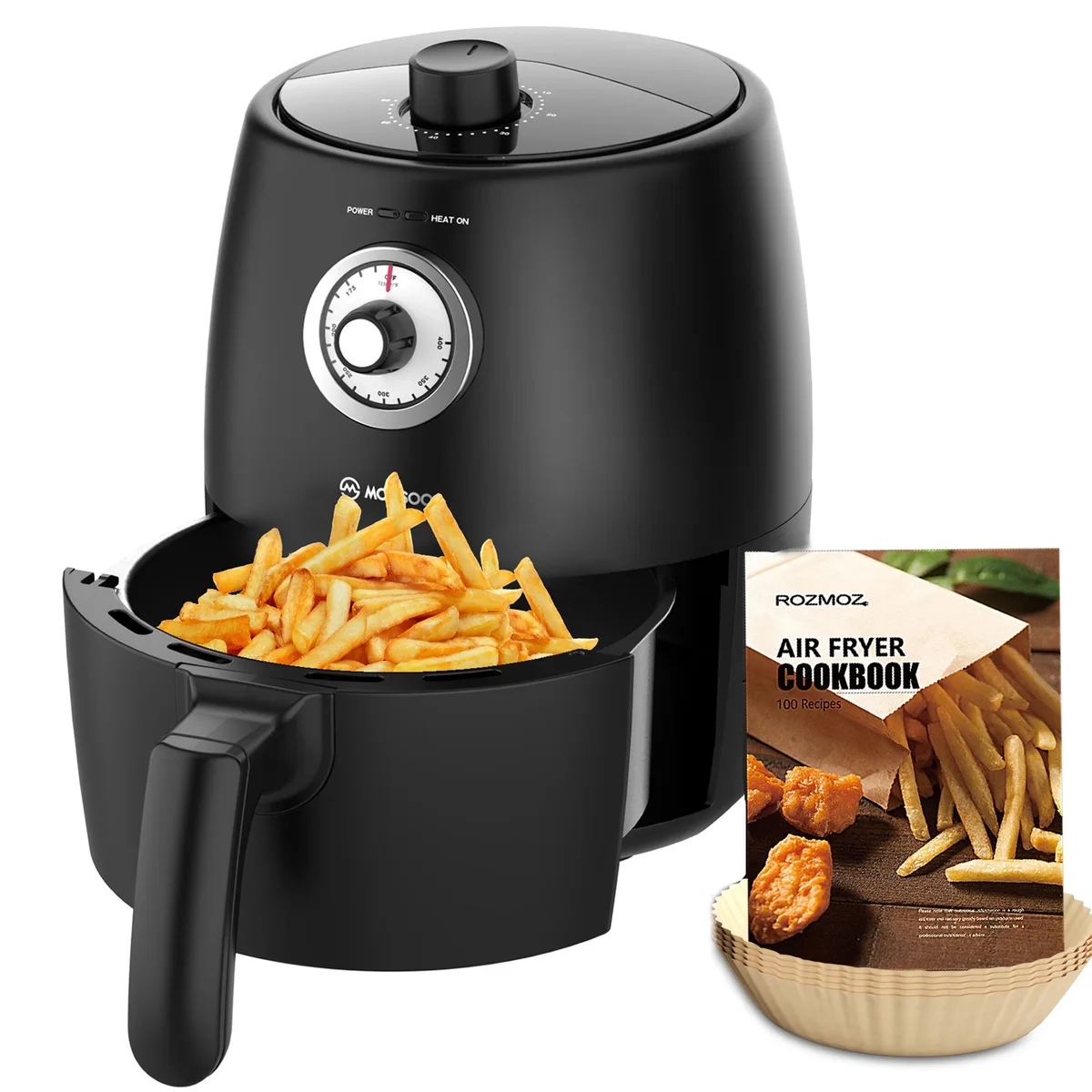
Image source: Bing (Web (fair-use with source credit))
Pre-Use Condition Checks: Your Personal Decision Tree for Safe, Lease-Compliant Use
Before you plug in your air fryer for the first time, run through these 4 conditional checks to avoid fines, fires, or tripped breakers. The exact steps you take depend on your apartment’s unique setup, so follow this if/then workflow to stay safe and lease-compliant.
First, check your lease agreement for high-wattage appliance restrictions. If your lease explicitly bans air fryers or units over 1000W, get written permission from property management before use, or choose a low-wattage model under that threshold. If there are no restrictions, move to the next check.
Next, test your electrical circuit capacity. Plug your air fryer into the outlet you plan to use, then turn on every other appliance on that same circuit. If the circuit trips, use a different outlet on a dedicated line, or run the air fryer when no other large appliances are in use.
Per US CPSC guidelines, you should never load a 15-amp circuit above 12 amps of continuous use to avoid fire risk.
Third, assess your ventilation access. If your kitchen has no window or working exhaust fan, crack a nearby interior door and run a portable fan to push smoke outside. If you have a window within 3 feet of your counter space, open it 2 inches during use to vent fumes.
Finally, test your smoke alarm sensitivity. Hold a lit match 2 feet from the alarm, blow it out immediately after, to see if it triggers. If it goes off with minimal smoke, run your exhaust fan during all air fryer use and avoid oil-heavy foods.
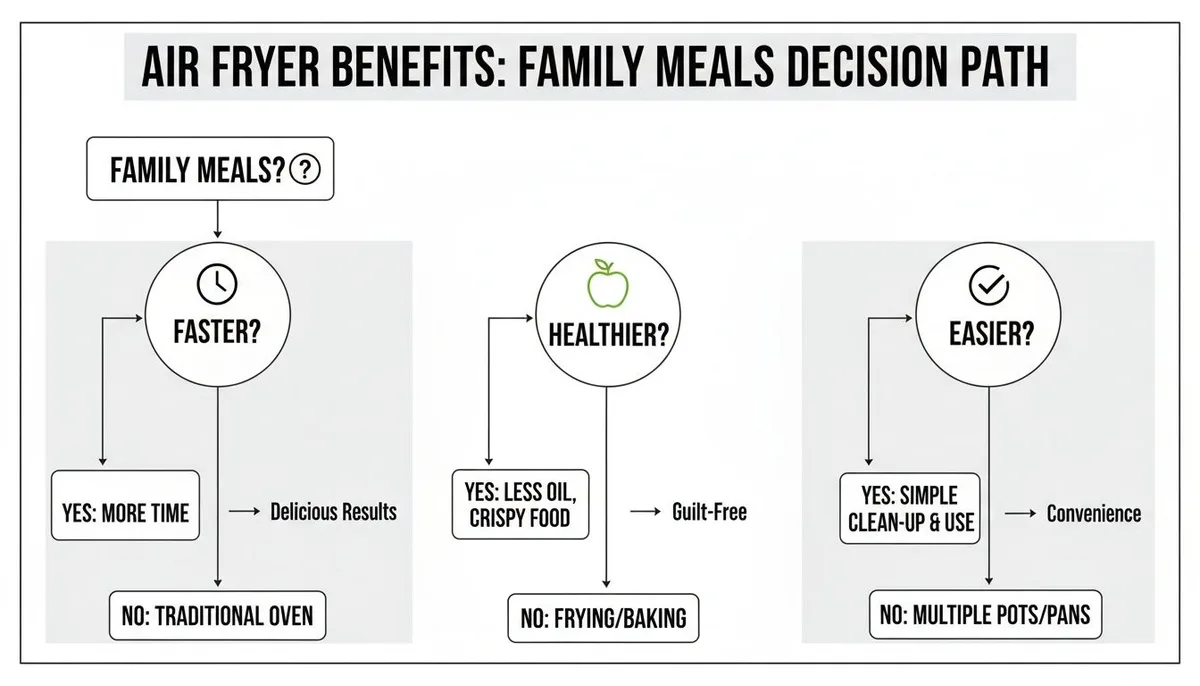
Image source: Bing (Web (fair-use with source credit))
Step-by-Step Apartment-Safe Air Fryer Workflow
Once you’ve passed the pre-use checks, follow this step-by-step workflow to cook safely in your apartment, no full-sized oven required. Each step is tailored to small-space living to avoid common apartment-specific issues.
- Prep your cooking space first. Clear all flammable items (paper towels, curtains, plastic containers) from a 12-inch radius around the air fryer. Place the unit on a stable, heat-resistant counter surface, at least 3 feet away from your smoke detector and any walls. If you’re short on counter space, use a heat-proof trivet to lift the unit slightly for better airflow.
- Preheat only if your recipe calls for it. Most compact air fryers don’t require preheating, which saves energy and reduces excess heat in your small apartment kitchen. If you do preheat, set it for 3 minutes max to avoid overheating nearby cabinets.
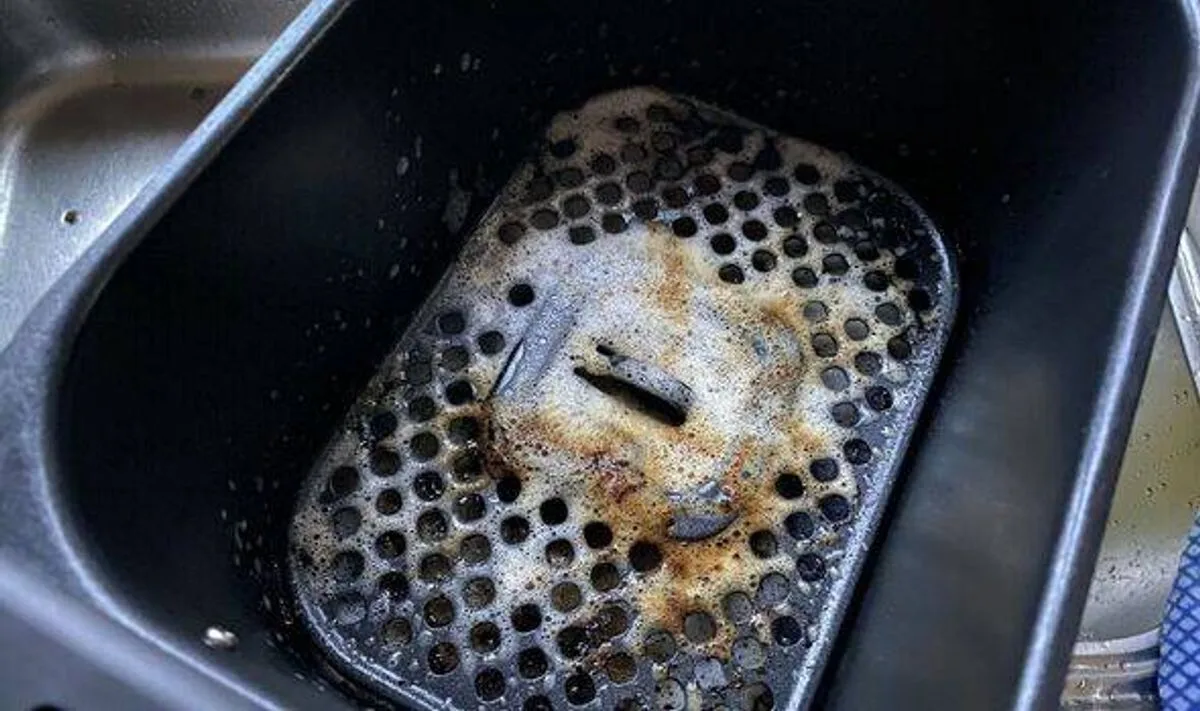
- Arrange food in a single, even layer. Overcrowding the basket causes uneven cooking and excess smoke, a common issue for small 2-4 quart apartment models. If you notice food piling up in the center of your basket during cooking, adjust your portion size to avoid uneven layer stacking.
- Set the temperature and timer per your recipe. Most air fryers cook at 350°F to 400°F, 20-30% faster than a standard oven. For frozen foods, add 2-3 minutes to the recommended package time to account for ice buildup, which can cause undercooked centers.
- Vent while cooking. Keep a window cracked 2 inches or run your exhaust fan on high for the entire cook cycle to avoid triggering smoke alarms.
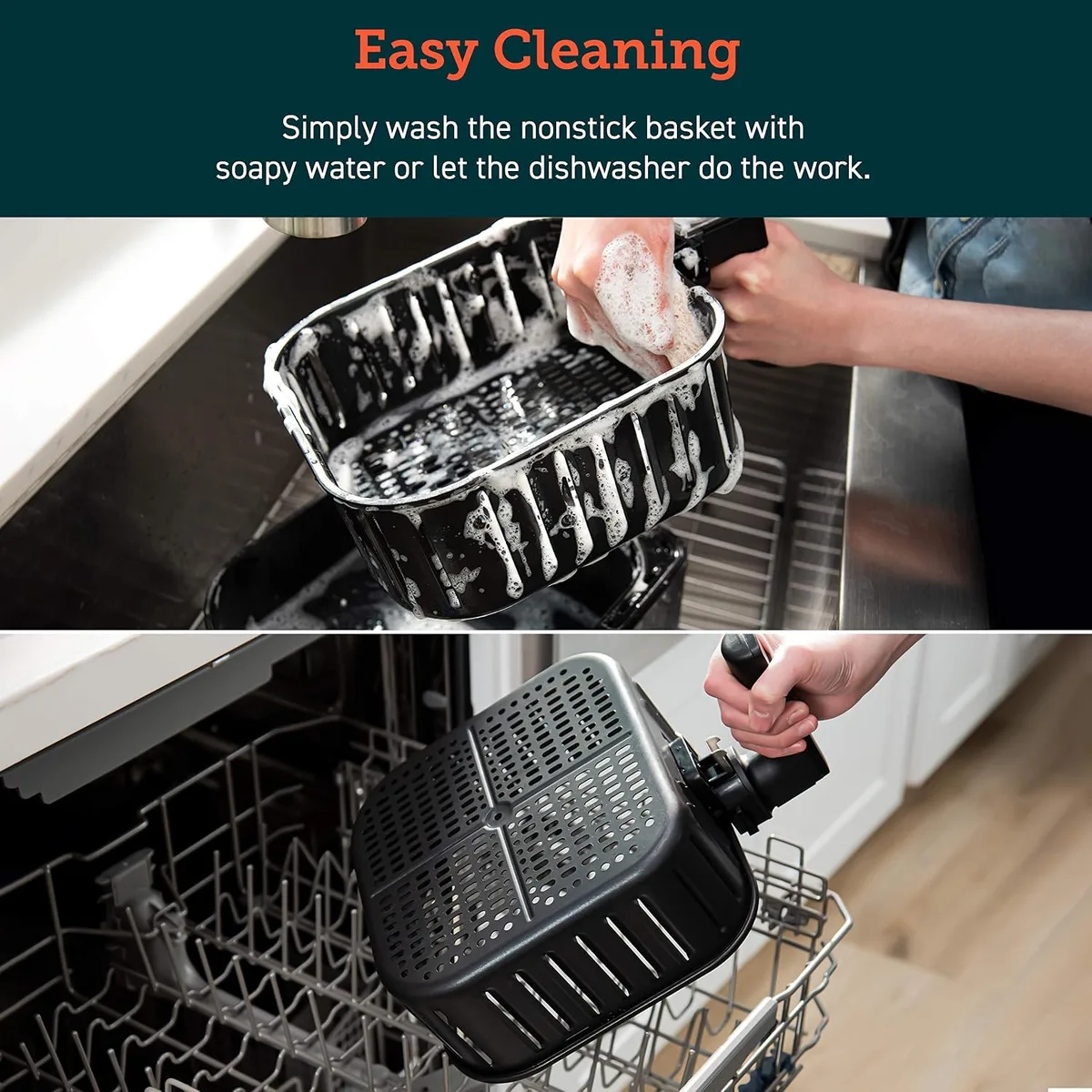
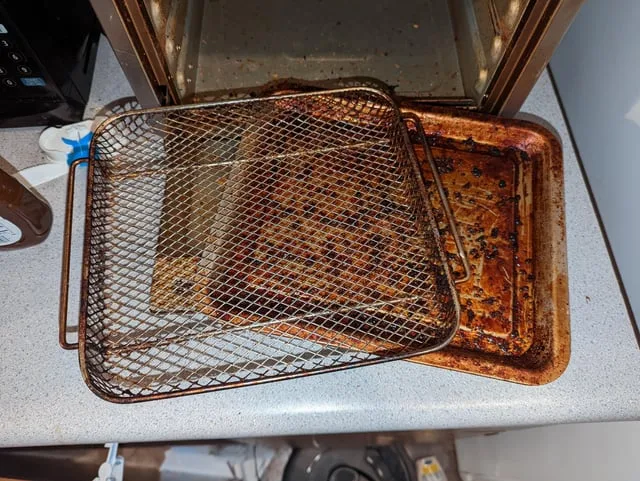
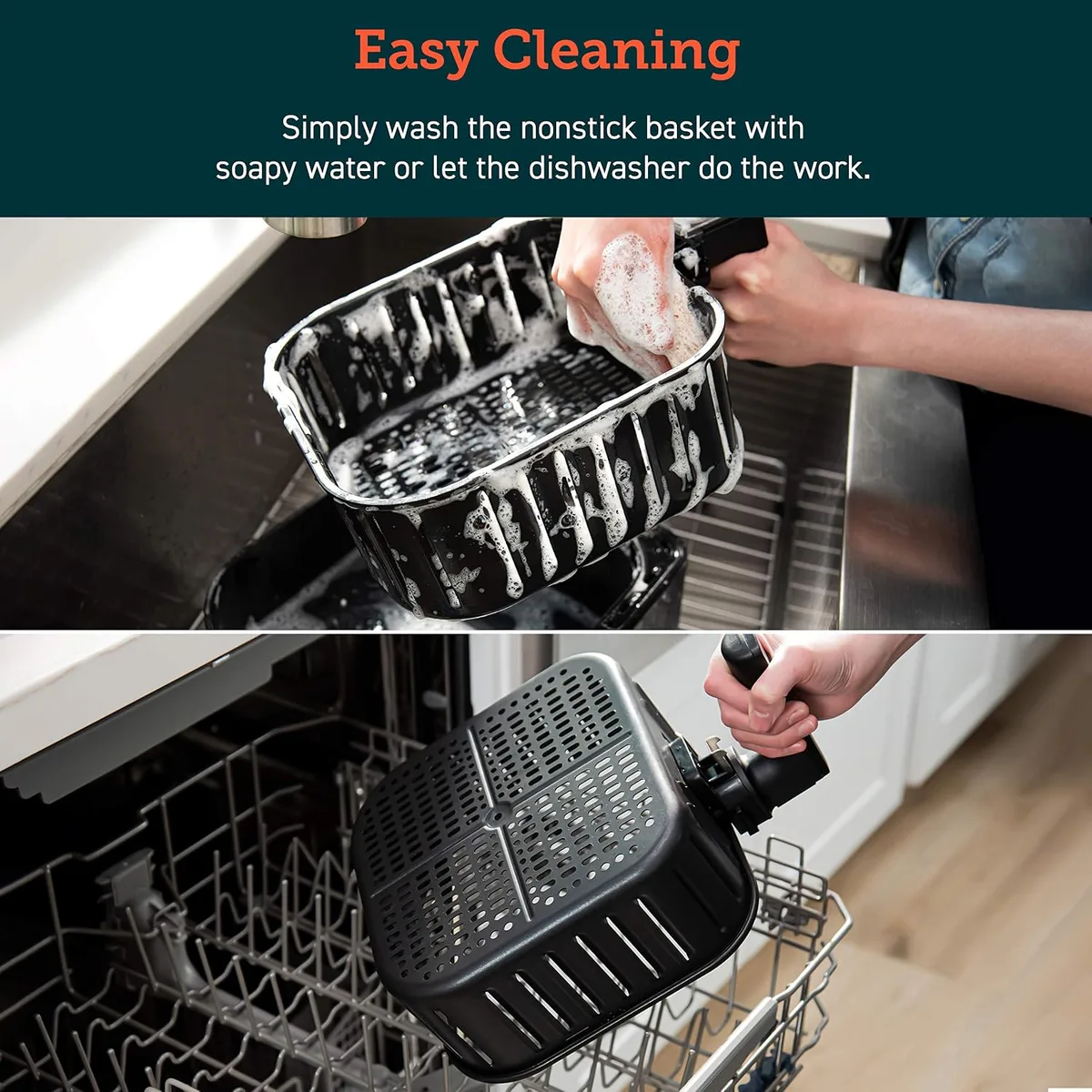
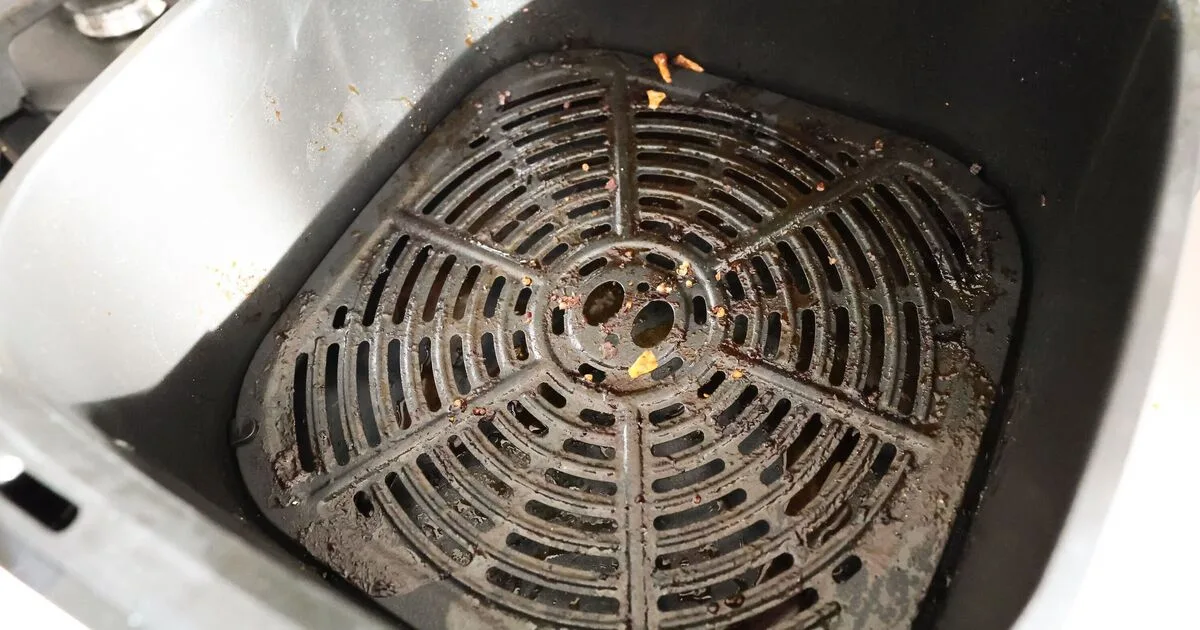
- Clean immediately after use. Once the basket is cool enough to touch, wash it with warm soapy water or run it through your dishwasher. Wipe the interior with a damp cloth to remove grease buildup that could cause smoke during future uses.
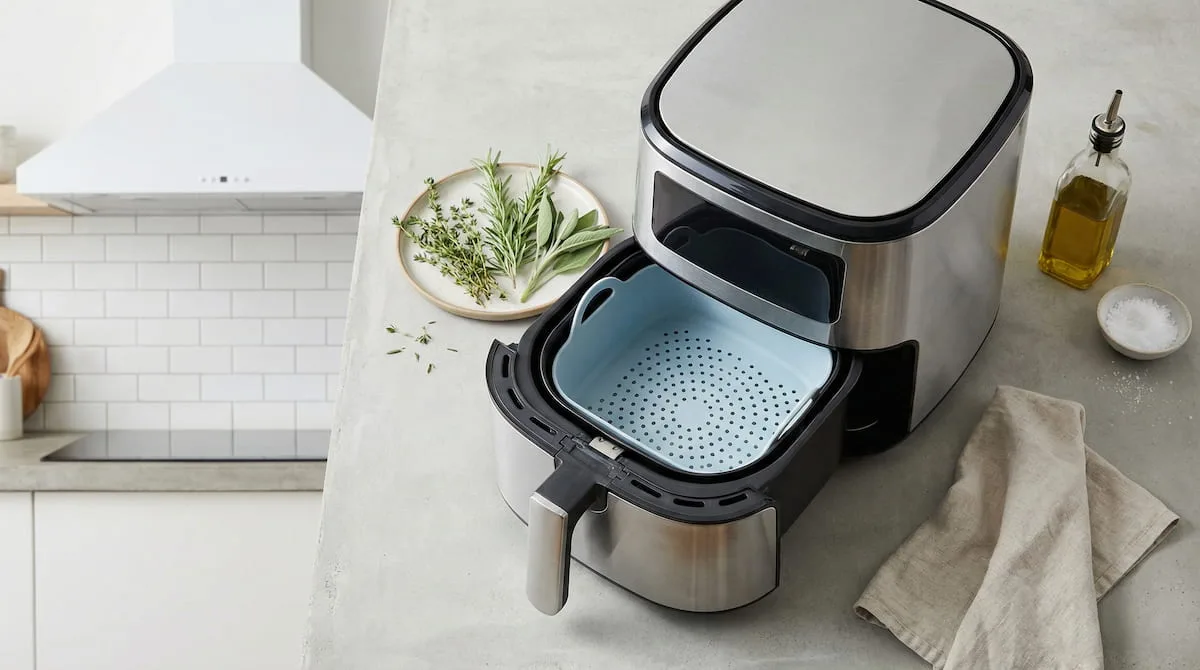
Image source: Bing (Web (fair-use with source credit))
Common Apartment Air Fryer Mistakes That’ll Waste Your Time (or Get You Fined)
Most apartment air fryer issues come from applying standard home use rules to small, rule-heavy living spaces. Here are the most common mistakes renters make, and how to avoid them.
- Sharing a circuit with large appliances. Running an air fryer at the same time as your fridge, microwave, or space heater will almost always trip a 15-amp apartment circuit. The fix: run your air fryer early in the morning or late at night when other large appliances are off, or plug it into a dedicated outlet in a different room if you have a long enough cord.
- Triggering sensitive smoke alarms. Cooking greasy foods like frozen wings or bacon without ventilation will set off ionization alarms in minutes. The fix: always vent to the outside, pat dry excess oil off food before cooking, and avoid cooking more than 3 servings of high-fat food at once, which can cause unexpected smoke triggers.
- Ignoring lease restrictions. Many leases ban high-wattage appliances in bedrooms or non-kitchen areas, with fines up to $200 per violation. The fix: check your lease paperwork before buying, and get written permission from property management if you’re unsure.
- Overcrowding the basket. Piling food into a small 2-quart basket blocks airflow, leading to uneven cooking and burnt edges that produce excess smoke. The fix: cook in small, even layers, and avoid stacking food on top of each other, which causes the same issues as overloading a small basket.
- Storing the unit near heat sources. Tucking your air fryer into a cabinet next to your oven or water heater can damage electrical components over time, leading to flickering displays or failure. The fix: store it in a cool, dry cabinet away from direct heat, or leave it out on your counter if you have space.
Small-Space Hacks to Get More Out of Your Apartment Air Fryer
Limited counter and storage space is the biggest downside of apartment air fryer ownership, but these small-space hacks will help you get more use out of your unit without cluttering your kitchen. These hacks work for any compact model, from 2-quart basket-style units to small oven-style air fryers designed for studio apartments.
- Use a foldable countertop mat to protect your rental counter from grease splatters and heat damage. These wipe clean in seconds and can be folded and stored in a drawer when not in use, unlike bulky permanent protectors.
- Store the air fryer on a high cabinet shelf if you don’t use it daily. Most compact models weigh under 10 pounds, making them easy to lift down only when you need them. If your cabinet is too shallow, store it on its side with the cord wrapped neatly to save space.
- Cook multiple items at once with a compatible air fryer rack, which lets you cook a main dish and a side simultaneously without overcrowding. Just make sure the rack fits your 2-4 quart basket to avoid blocking airflow, a common issue with ill-fitting accessories.
- Use your air fryer to replace multiple small appliances. It can reheat pizza, roast veggies, bake small cakes, and even crisp up leftover fries, eliminating the need for a toaster oven, microwave, or small deep fryer that takes up extra counter space.
- Place a small drip tray under the air fryer basket to catch grease splatters. This keeps your counter clean and eliminates the need to wipe down grease stains after every use, a huge time-saver for renters with limited cleaning supplies.
Troubleshooting Apartment-Specific Air Fryer Emergencies
Apartment air fryer emergencies almost always tie back to the unique constraints of rental living, not the appliance itself. The most common issue is a tripped 15A shared circuit, which happens when you run the air fryer alongside other high-wattage devices like your fridge or microwave. If your breaker trips immediately, unplug the air fryer, reset the breaker, then run the unit only when no other large appliances are in use.
Per US CPSC electrical safety standards, you should never load a 15A circuit above 12 amps of continuous use to avoid fire risk. If tripping persists, your air fryer may be too high-wattage for your apartment’s shared circuit, so consider a 1000W low-wattage model approved for rental use.
The second most frequent emergency is a triggered smoke alarm. If your ionization smoke alarm goes off mid-cook, turn the air fryer off immediately, open a window, and wave a towel near the alarm to clear smoke. Next time, pat excess oil off food before cooking, avoid overcrowding the basket, and run your exhaust fan for the full cook cycle.
Per NFPA testing, ionization alarms are 5 to 10 times more sensitive to cooking smoke than photoelectric models, which are standard in most apartments as of 2026.
Grease splatter on rental countertops or walls is another common issue. Wipe fresh grease immediately with warm soapy water to avoid staining laminate or granite surfaces. For dried splatter, use a baking soda paste that won’t damage rental counter finishes.
To prevent this, always place a drip tray under the basket, and avoid cooking high-fat foods like bacon without a vent running.
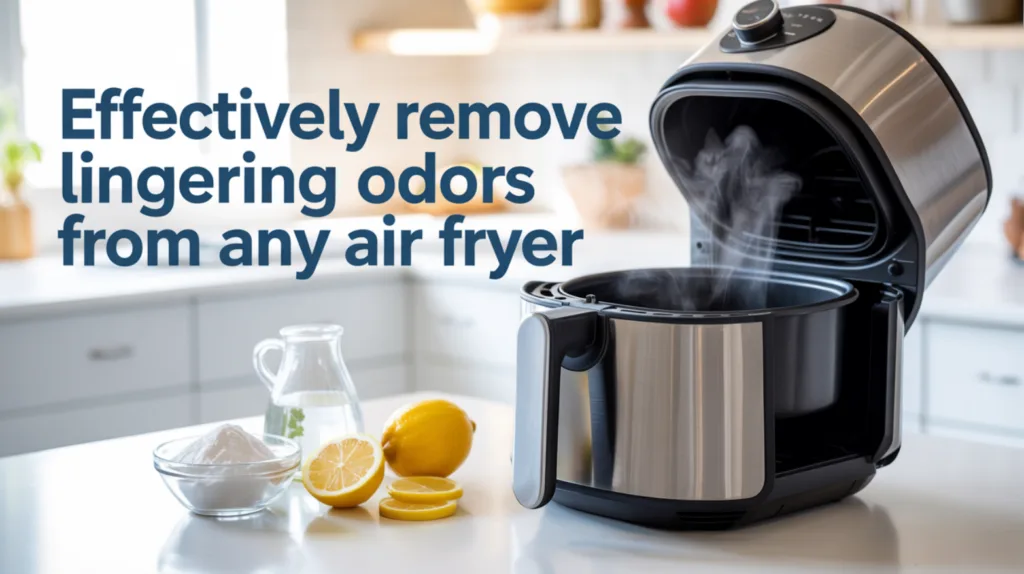
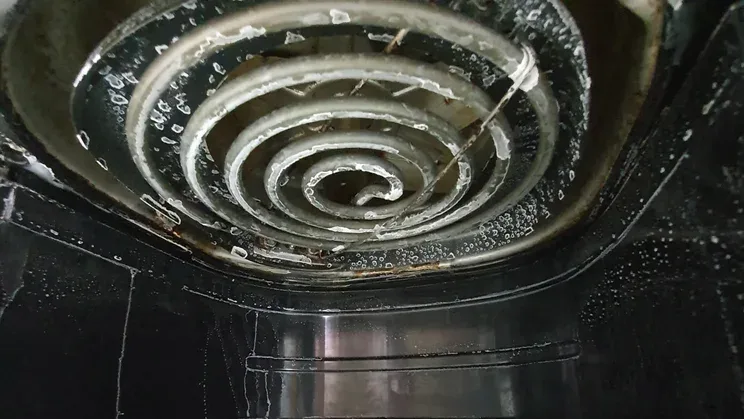
If you notice a burnt plastic or oil smell, unplug the unit immediately and check for food debris stuck in the heating element. Gently shake the inverted unit to dislodge loose debris, then wipe the interior with a damp cloth. For persistent odors, run the air fryer at 400°F for 5 minutes with a bowl of white vinegar inside to absorb smells.
If food has fallen deep into the heating element, follow our safe guide to clear it without damaging internal components.
Frequently Asked Questions
Can I use an air fryer in a studio apartment bedroom?
No. Most building fire codes prohibit cooking appliances in sleeping areas due to elevated fire risk. Check your lease for specific rules, but only operate your air fryer in a dedicated kitchen space with working smoke detectors and proper ventilation.
Will an air fryer trip my apartment’s electrical breaker?
Most 1200-1500W air fryers will trip a shared 15A circuit if run alongside other high-wattage devices. Run the unit on a dedicated outlet, or use it only when no other large appliances are active to avoid tripping the breaker.
How do I stop my air fryer from setting off my apartment smoke alarm?
Always vent your kitchen by cracking a window or running the exhaust fan during use. Pat excess oil off food before cooking, avoid overcrowding the basket, and keep the unit at least 3 feet from your smoke detector to minimize trigger risk.
Is an air fryer allowed in most apartment leases?
Many leases ban high-wattage countertop appliances in non-kitchen areas, but most allow air fryers in dedicated kitchen spaces. Check your lease for specific wattage limits, and get written permission from property management if the rules are unclear.
What size air fryer is best for a small apartment?
A 2-4 quart compact basket-style model is ideal for 1-2 person households. It fits most small apartment counter spaces (under 12in x 10in footprint) and is light enough to store in shallow cabinets when not in use.

Similar Posts