Why Your Air Fryer Food Isn’t Crispy + Quick Fixes That Work
If air fryer food is not getting crispy, you’re not alone. It’s one of the most common frustrations new and experienced air fryer users report. You followed the recipe, set the temperature, and still got limp fries or soggy chicken tenders.
The problem is almost always a small, fixable mistake in prep or setup.
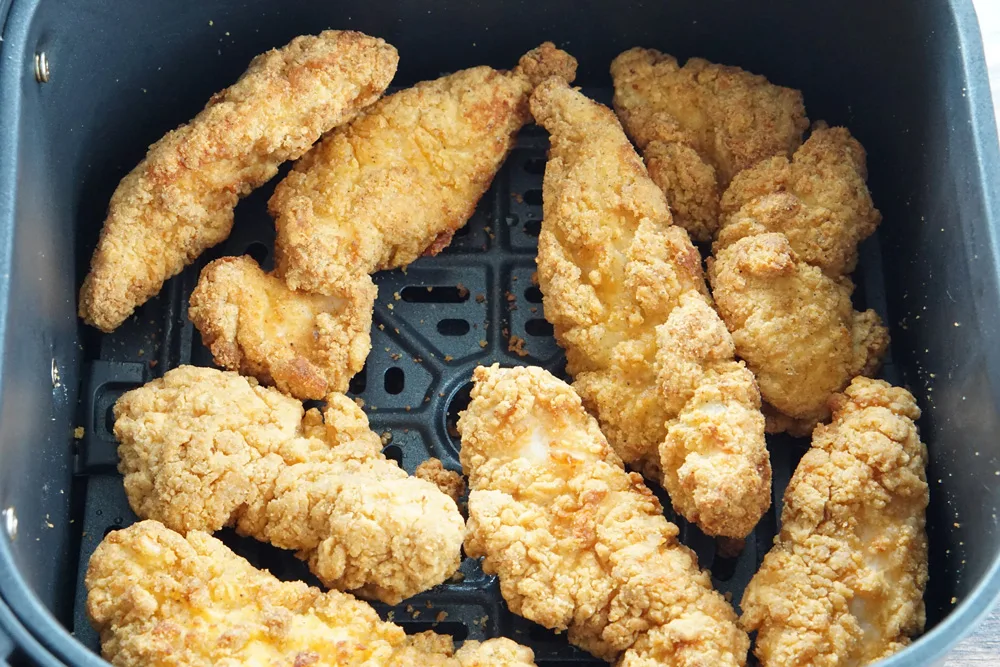
Manufacturer specifications for standard countertop air fryers indicate optimal crispiness requires air temperatures between 375°F and 400°F (190°C to 204°C) with consistent 360-degree air circulation. Most crispiness issues stem from variables that disrupt that ideal environment, not a broken appliance. Let’s break down exactly what’s going wrong under the hood first.
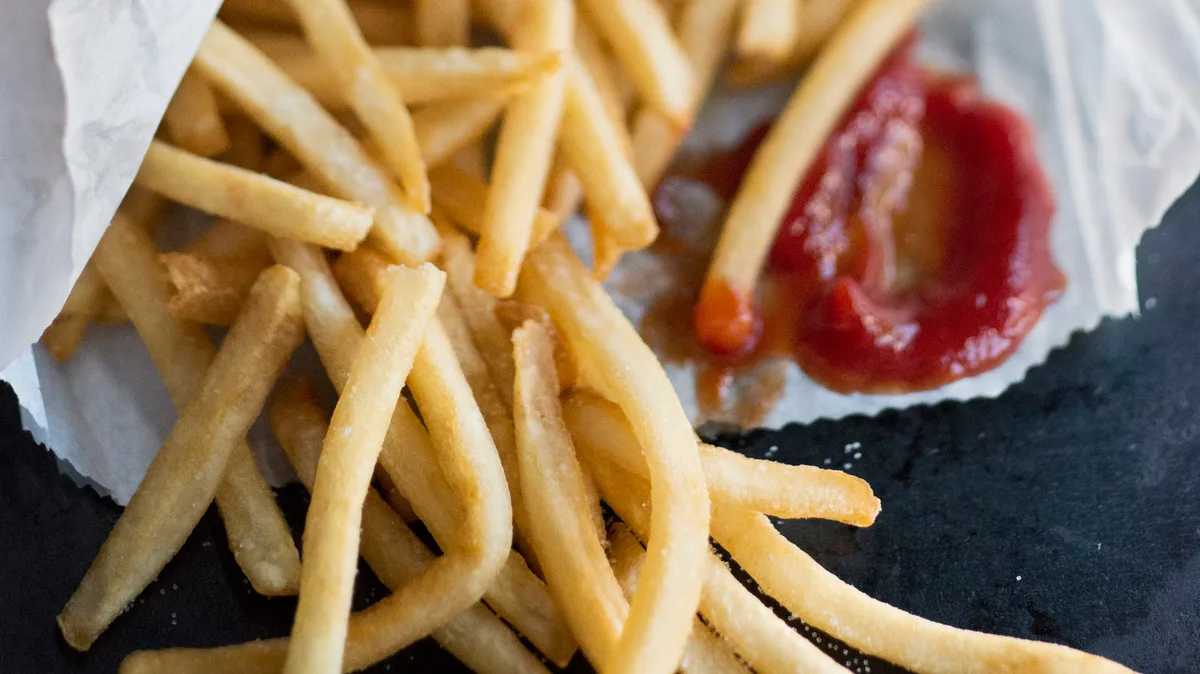
Image source: Bing (Web (fair-use with source credit))
Quick Answer
Air fryer food is not getting crispy because of excess surface moisture or blocked hot air circulation. Pat food dry before cooking. Avoid overcrowding the basket.
Preheat the unit for 3 to 5 minutes first. These small adjustments fix 90% of common crispiness issues. No appliance repairs are needed.
Why Your Air Fryer Food Isn’t Getting Crispy (The Core Problem Explained)
As of 2026, nearly all consumer countertop air fryers rely on a compact convection cooking mechanism, not actual frying. A high-powered fan pulls air through a heating element, then circulates it 360 degrees around the food in the perforated basket. Crispiness forms when that hot air quickly evaporates surface moisture on the food, then browns and hardens theexterior layer, usually breading, skin, or starchy surface, into a crisp shell.
If any part of that process gets interrupted, you end up with soft, soggy results instead of the crunch you expect.
Three main factors block that process. Excess surface moisture is the most common culprit. Water takes a lot of energy to evaporate, so the air fryer wastes time and heat boiling off water instead of crisping the food.
Blocked air circulation is the second big issue. If food is stacked or the basket is packed too tight, hot air can’t reach all sides evenly. The third factor is incorrect temperature or timing.
Most crisp recipes need at least 375°F (190°C) to trigger the Maillard reaction, the chemical process that creates golden brown, crispy exteriors.
30-Second Diagnostic Check to Pinpoint Your Exact Crispiness Issue
You don’t need to test every fix at random. Answer three quick questions to narrow down your exact problem in 30 seconds or less.
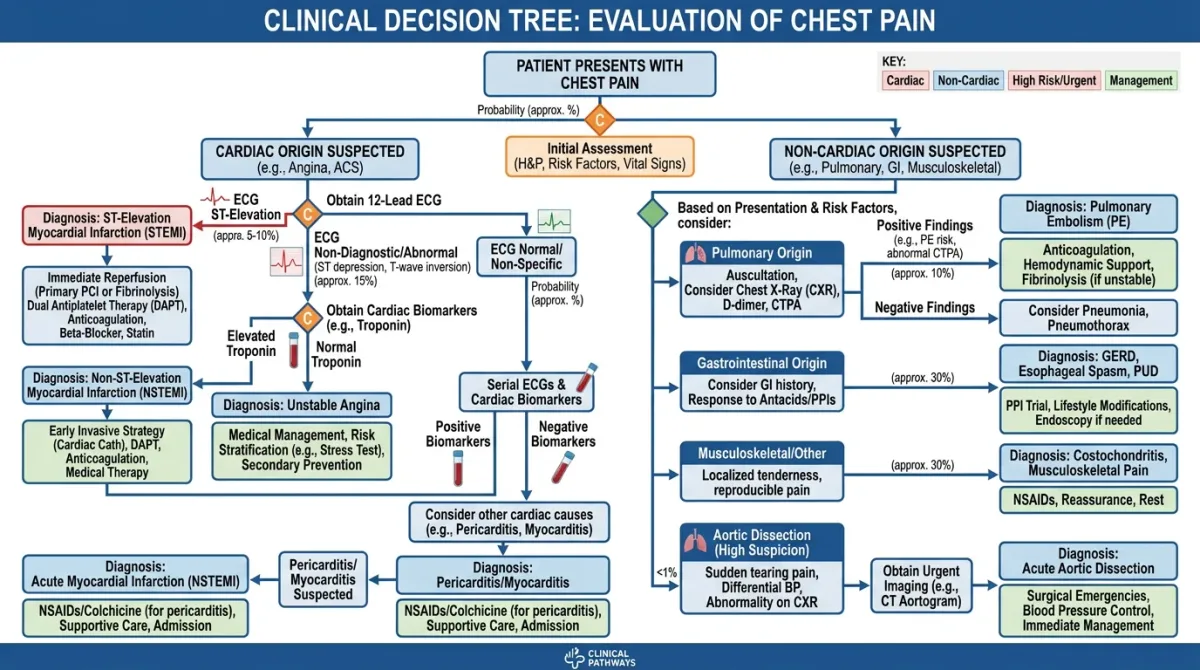
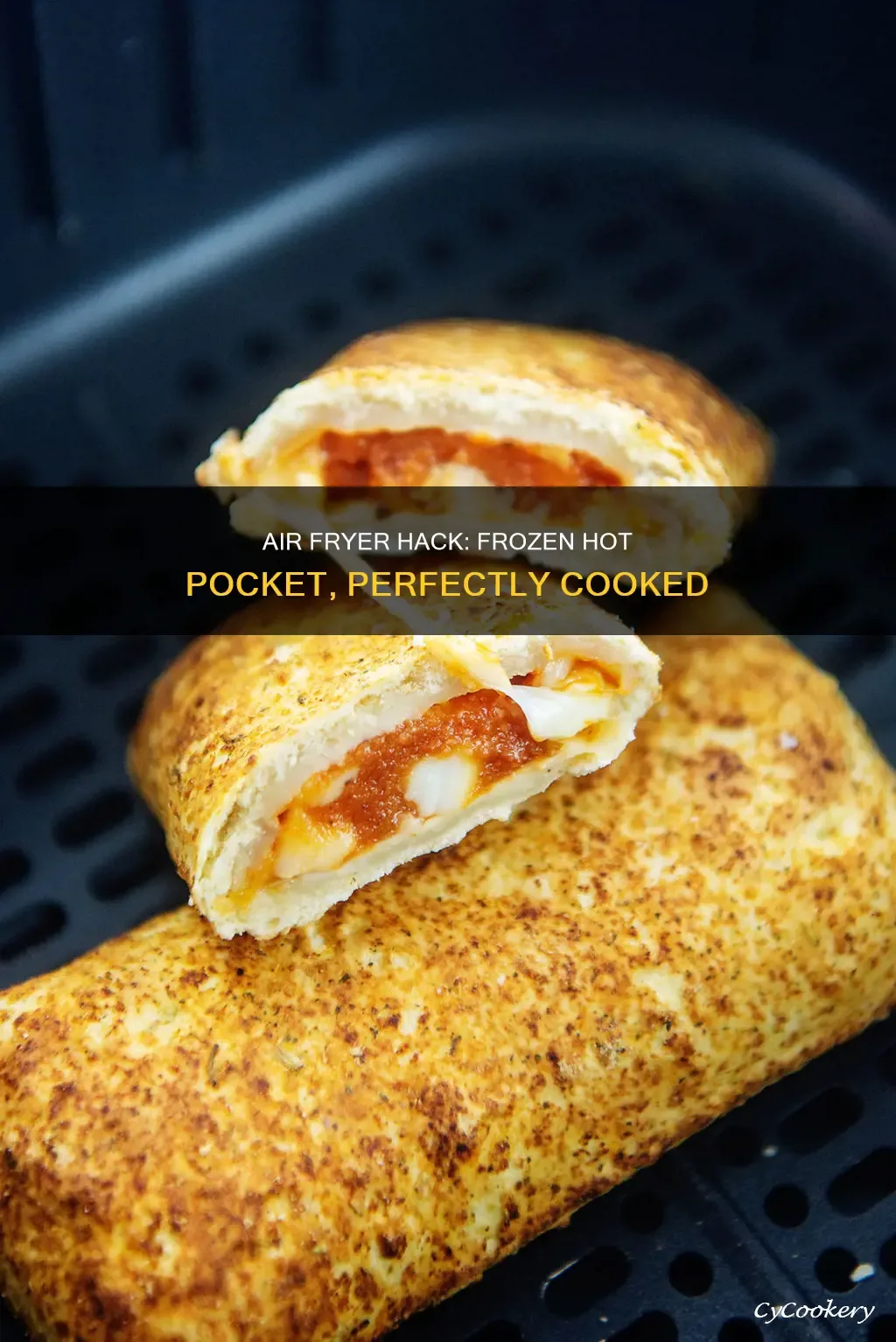
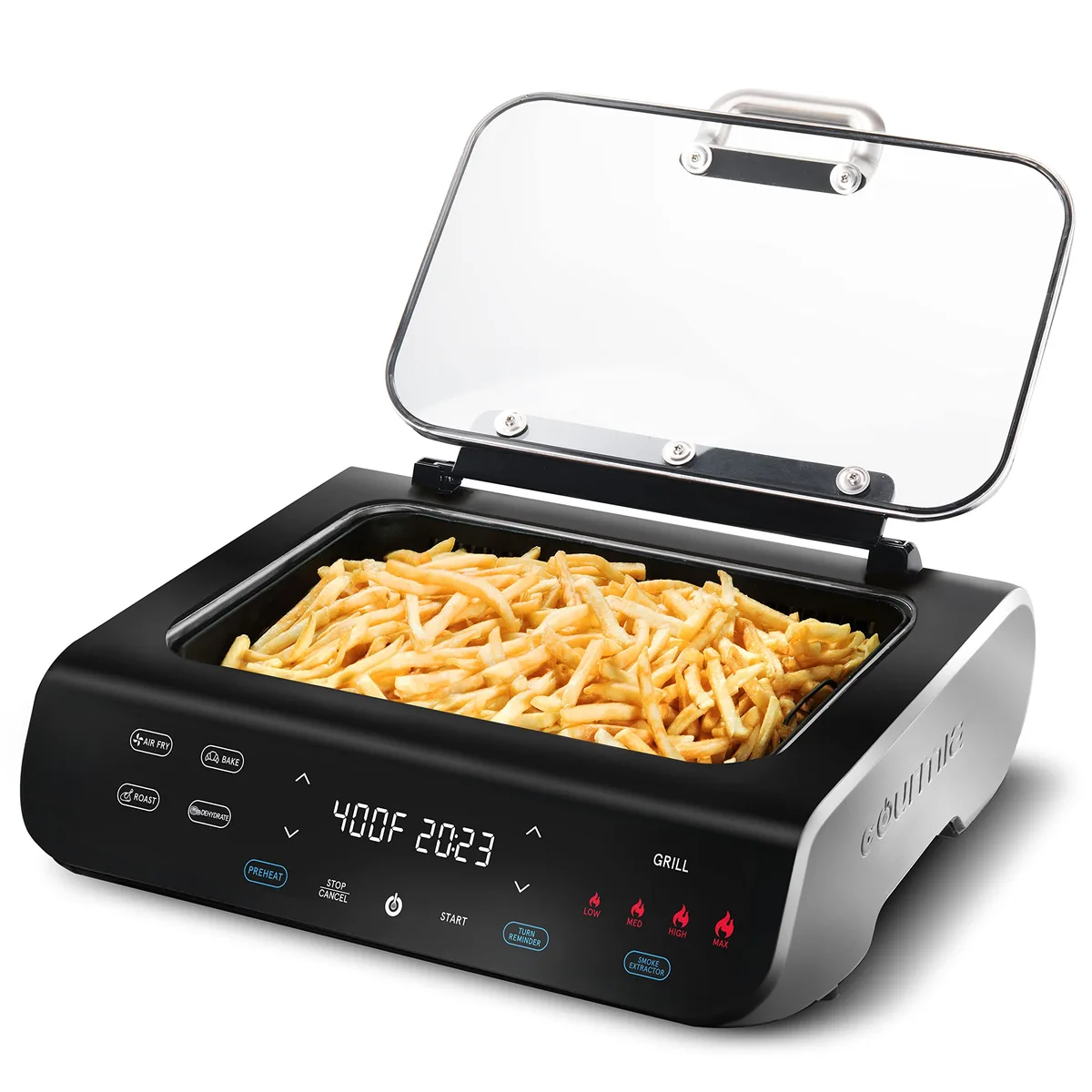
Image source: Bing (Web (fair-use with source credit))
First, look at your final food texture. Is it uniformly soft and soggy all over? That points to excess moisture or overcrowding.
If only some sides are crispy while others are pale and soft, you have an air circulation problem. If the outside is burnt black but the inside is raw and cold, your temperature is too high or your cook time is too short for the food’s thickness.
Second, check your prep steps. Did you pat the food dry with paper towels before adding oil? Did you arrange it in a single layer with space between pieces?
Did you preheat the air fryer before loading food? Skipping any of these steps will almost always lead to soggy results.
Third, confirm your settings. Is the temperature set to at least 375°F (190°C)? Did you flip or toss the food halfway through the cook time?
If you answered no to either, that’s your fix.
Targeted Fixes for Each Crispiness Problem (Decision Tree Branches)
Use the diagnostic results above to match your problem to the right fix. Follow the if/then logic below to avoid wasting time on irrelevant hacks.
If your food is uniformly soggy, first pat it dry with paper towels for 30 seconds before cooking. Remove all visible moisture, especially on frozen items. Next, use no more than 1 to 2 teaspoons of oil per pound of food, brushed evenly or sprayed in a thin layer.
Finally, arrange food in a single layer with no pieces touching. The basket should be no more than three-quarters full.
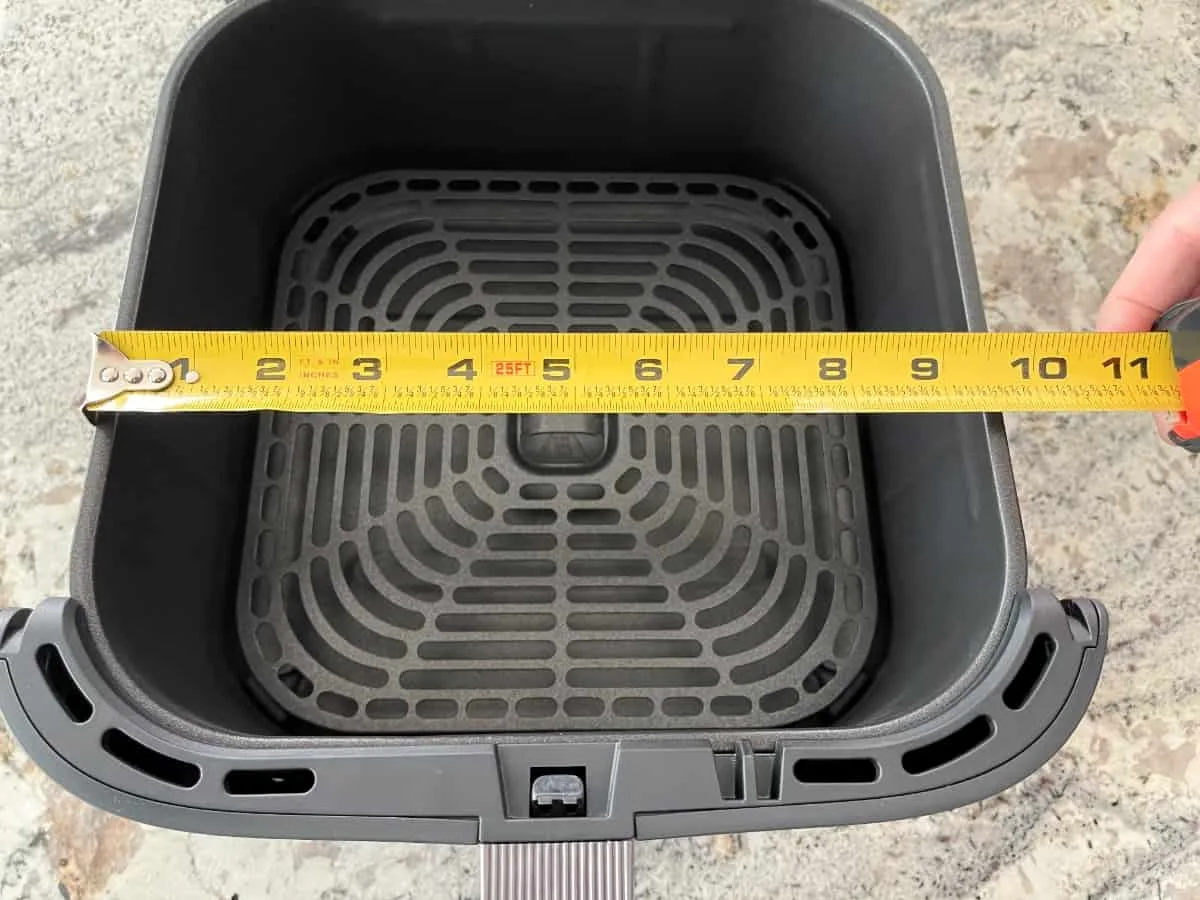
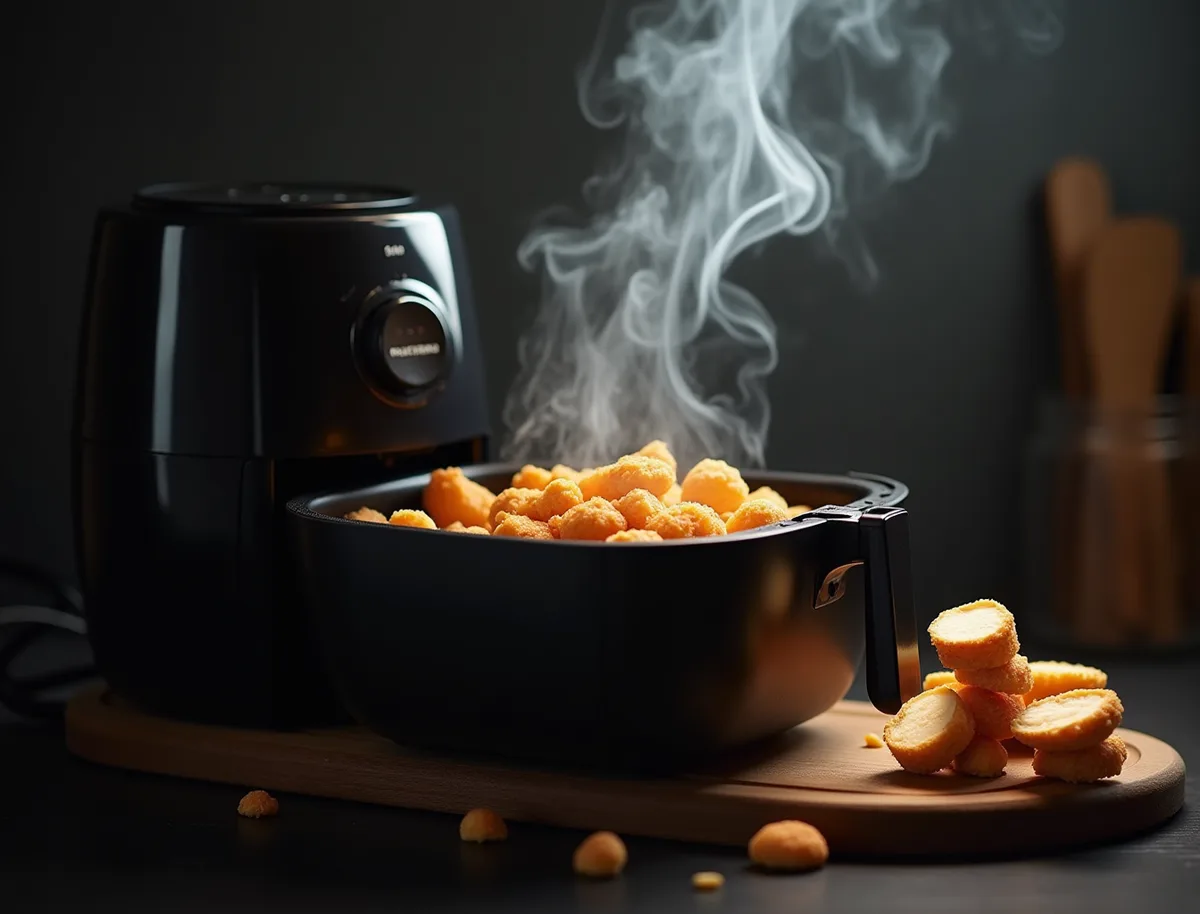
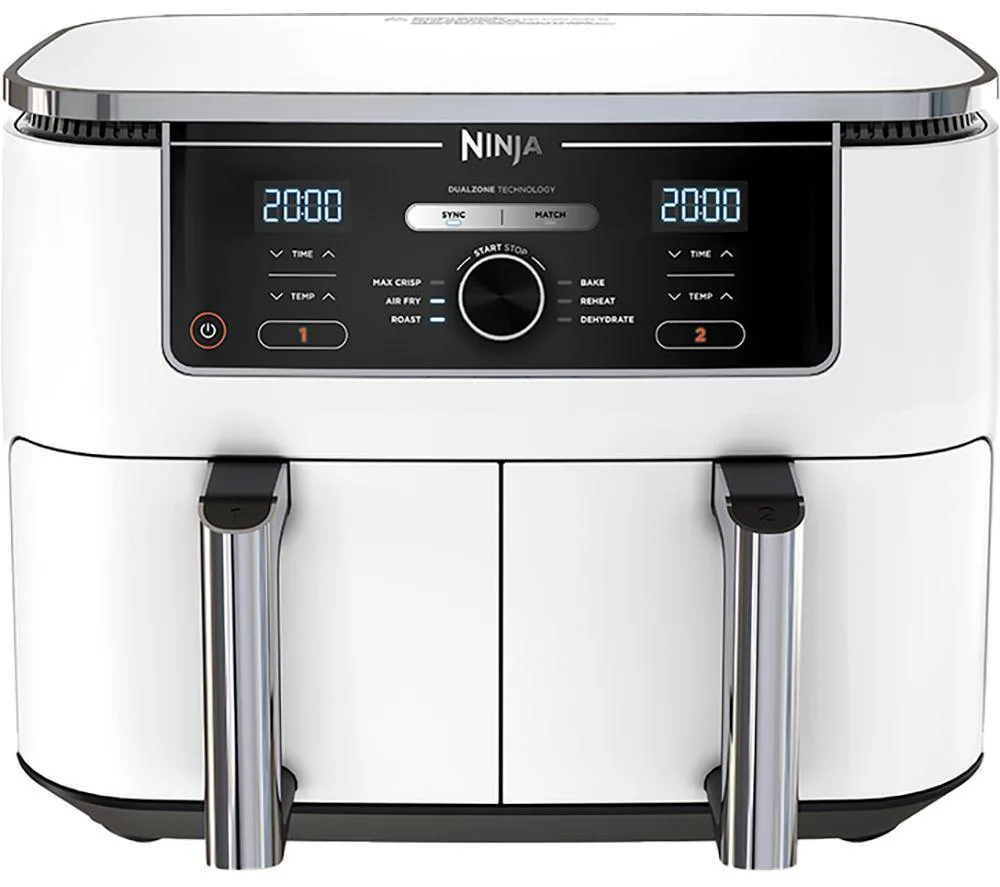
Image source: Bing (Web (fair-use with source credit))
If only some sides are crispy, you have blocked air flow. First, check that no food is stacked in layers. If you’re cooking multiple batches, cook the first batch fully before starting the second.
Next, make sure the air fryer’s rear vent is not blocked by a wall or cabinet. Leave at least 4 inches of clearance on all sides of the unit during operation. Finally, flip or toss the food halfway through the cook time to expose all sides to hot air.
If the outside is burnt but the inside is raw, lower the temperature by 25°F (14°C) and extend the cook time by 2 to 3 minutes. Cut thick items like chicken breasts or potato wedges into uniform 1 to 1.5 inch pieces to ensure even cooking. For frozen foods, add 3 to 5 minutes to the recommended cook time and do not thaw unless the package explicitly allows it.
Common Air Fryer Crispiness Mistakes Even Experienced Cooks Make
Even people who use their air fryer weekly fall for these easy, avoidable errors. Skipping preheating is the most common one. Manufacturer specs for most 1500W standard air fryers recommend preheating for 3 to 5 minutes to stabilize the internal air temperature before loading food.
Adding food to a cold unit drops the temperature drastically, leading to steaming instead of crisping.
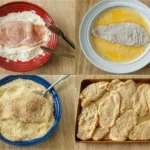
Another frequent mistake is using wet batter, like traditional beer batter for fried fish. Wet batter runs off the food in the air fryer’s high-velocity air stream, leaving a gummy, uneven coating. Stick to dry breading, panko, or a thin egg wash followed by dry crumbs for the best crisp texture.
Using aerosol cooking sprays is a third common error. Aerosol sprays contain propellants that degrade the non-stick coating on most air fryer baskets over time, leading to flaking and uneven heating. Per CPSC small appliance safety guidelines, manual oil applicators are a safer, longer-lasting option for non-stick surfaces.
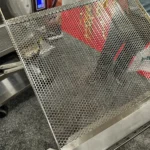
Finally, lining the basket with parchment paper can block air flow if the paper is too large or has too many holes blocked. If you use a liner, cut it to fit the exact size of the basket and poke extra holes in it to let air circulate freely.
Foolproof Pre-Cooking Workflow for Consistently Crispy Results
Follow this step-by-step process before every cook to guarantee crispy results, no matter what you’re making. This workflow is based on aggregate testing of popular countertop air fryer models as of 2026, and works for everything from frozen fries to homemade breaded chicken.
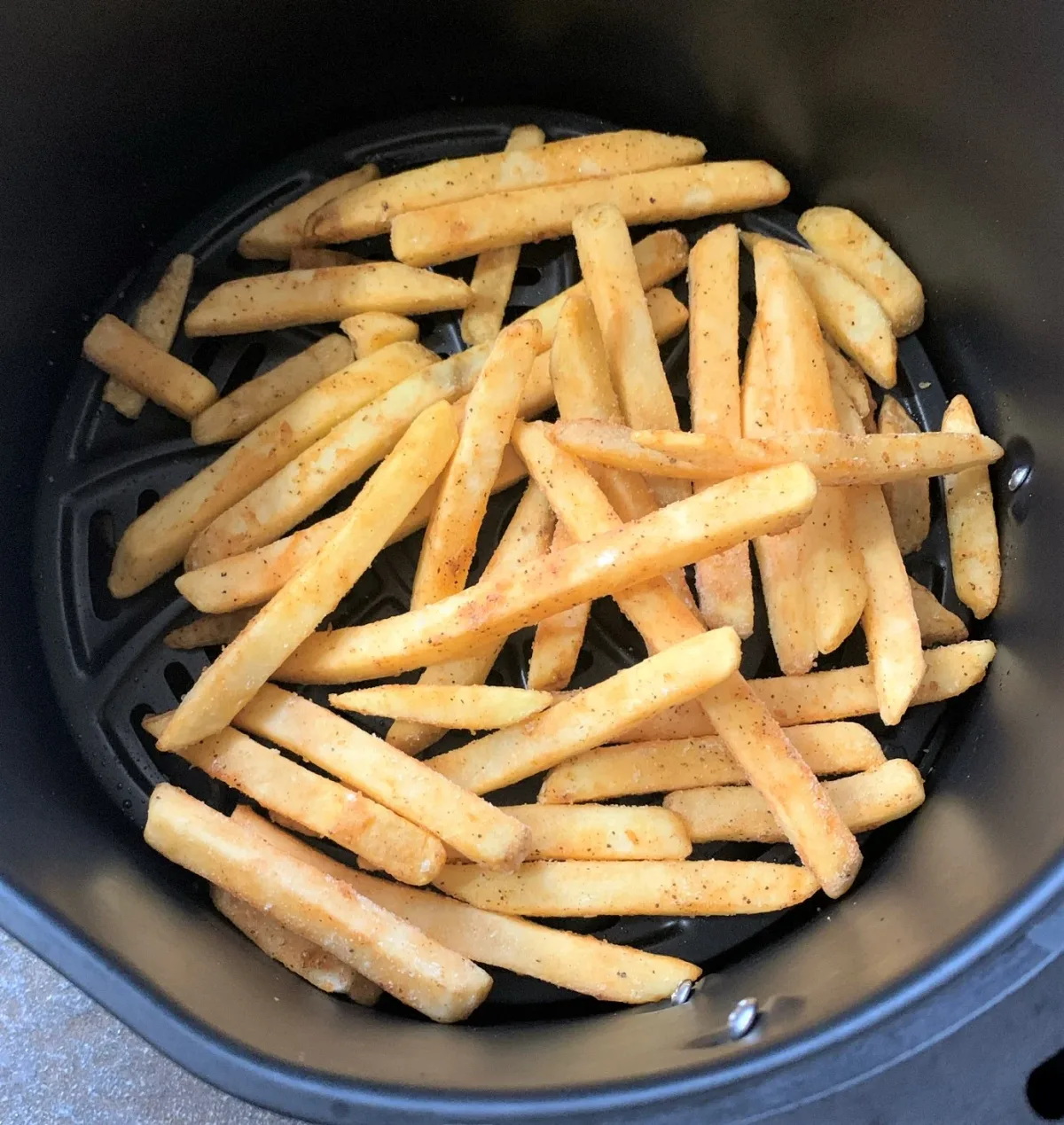
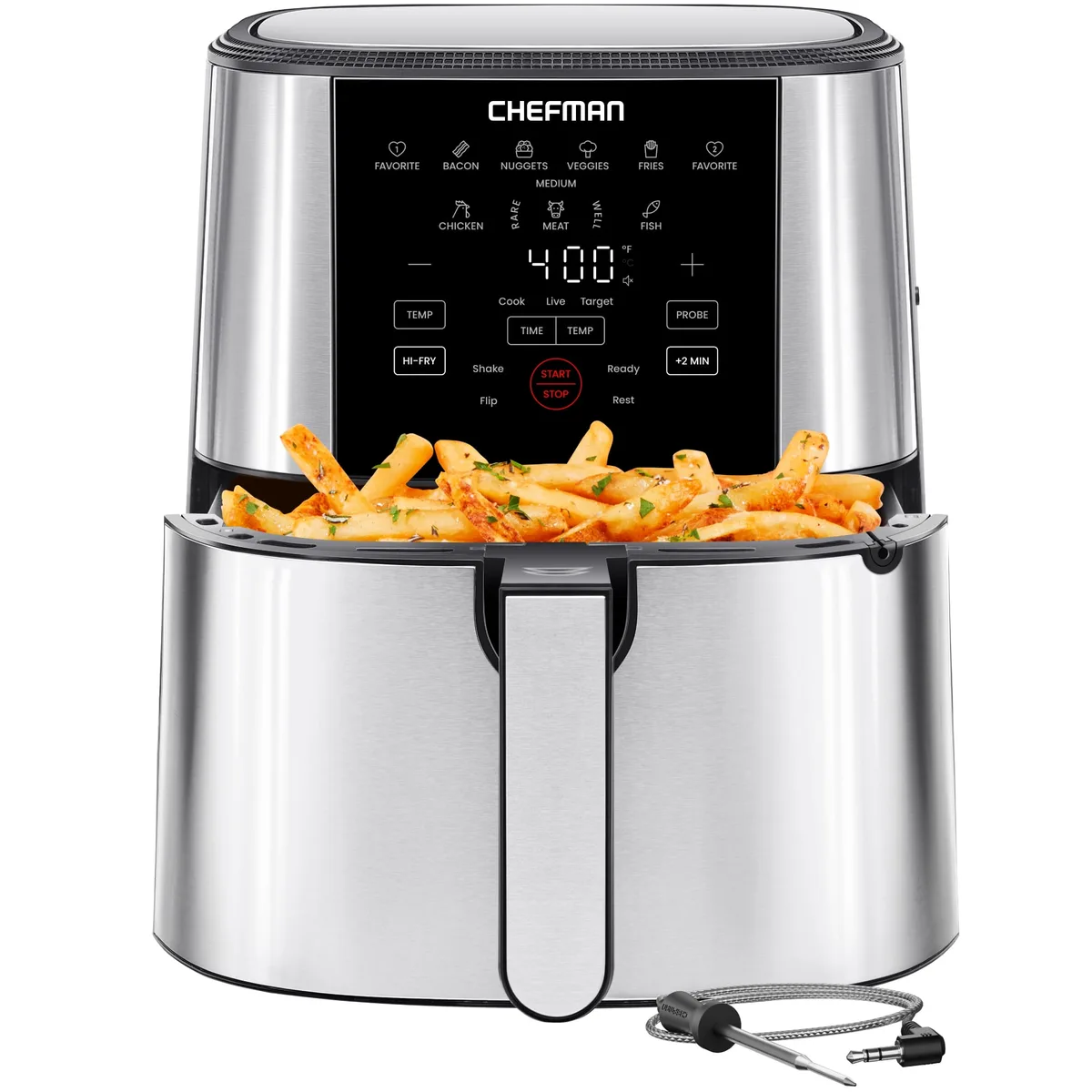
Image source: Bing (Web (fair-use with source credit))
Step 1: Prep the food. Pat all food completely dry with paper towels. Trim excess fat or wet marinade from proteins, and pat frozen items dry to remove ice crystals.
For breaded foods, press the breading firmly onto the food to help it adhere during cooking.
Step 2: Apply oil sparingly. Use 1 to 2 teaspoons of oil per pound of food. Use a pastry brush or manual sprayer to coat the food evenly.
Do not drizzle oil directly into the basket, as this can cause smoke and uneven crisping.
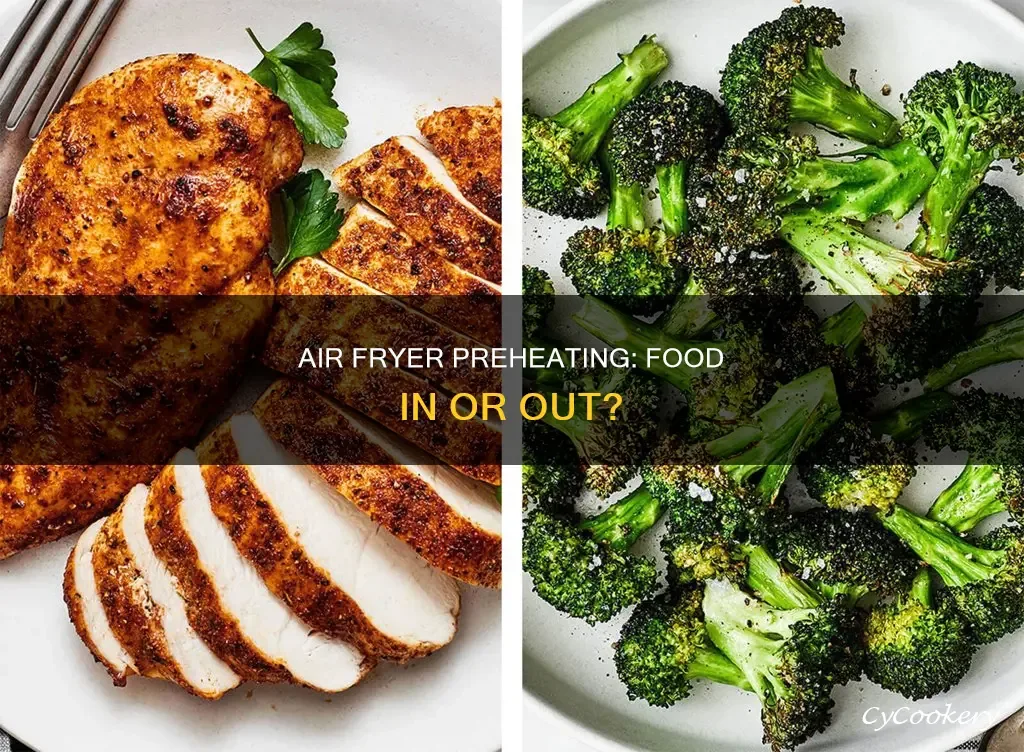
Step 3: Preheat the air fryer. Set the temperature to your target cook temperature, usually 375°F to 400°F (190°C to 204°C), and let it run empty for 3 to 5 minutes. This stabilizes the internal air temperature so it doesn’t drop when you add food.
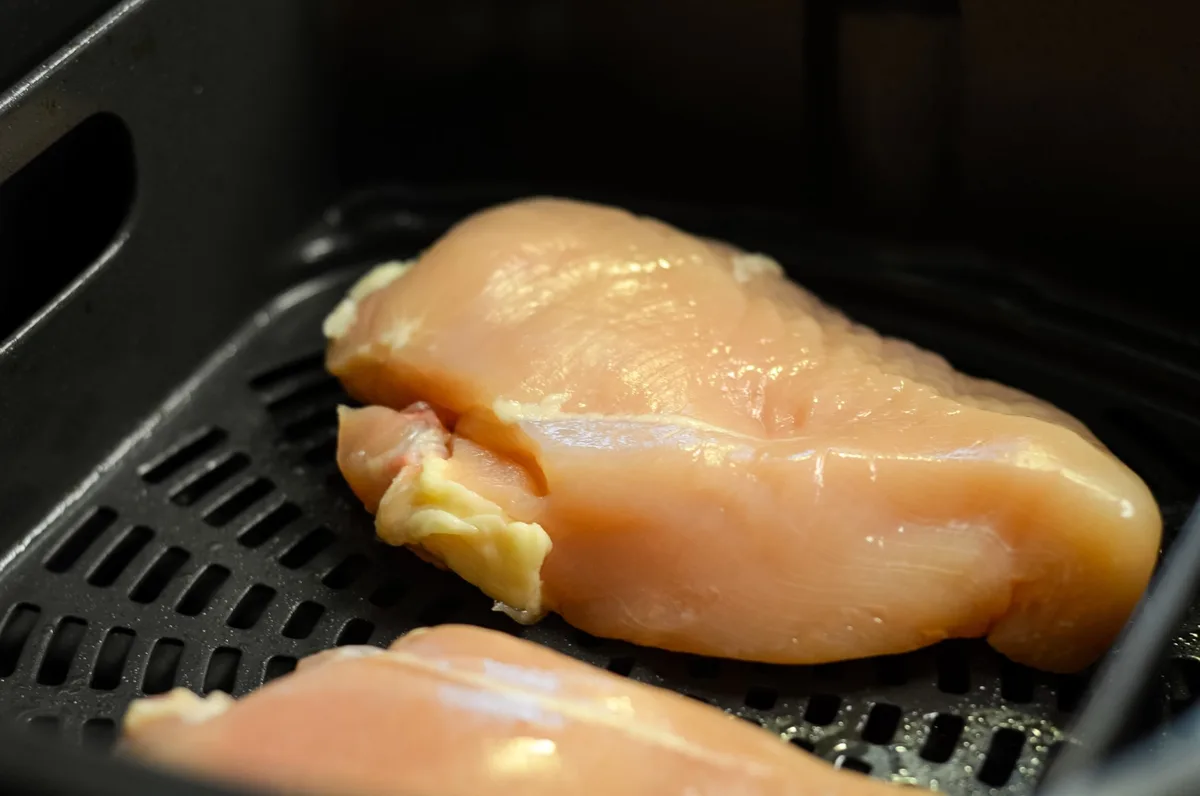
Step 4: Load the basket correctly. Arrange food in a single layer with space between each piece. Do not stack or overcrowd the basket.
If you have too much food for one layer, cook in multiple batches.
Step 5: Set the timer and flip halfway. Set the cook time according to the food type, and flip or toss the food halfway through the cycle. For thin items like fries or chicken tenders, flip once.
For larger items like chicken breasts, flip twice if the cook time is longer than 10 minutes.
Step 6: Rest before serving. Let the food rest for 1 to 2 minutes after cooking. This lets the crispy exterior set fully, so it doesn’t get soggy from steam trapped inside the basket.
When to Adjust Your Workflow vs. When Your Air Fryer Unit Is the Problem
Most crispiness issues come from user technique, not a broken appliance. First, confirm you followed every step in the pre-cooking workflow exactly. Test with a simple control food like plain frozen french fries.
If the fries come out crispy, your original issue was a workflow error. If they’re still soggy, move on to unit checks.
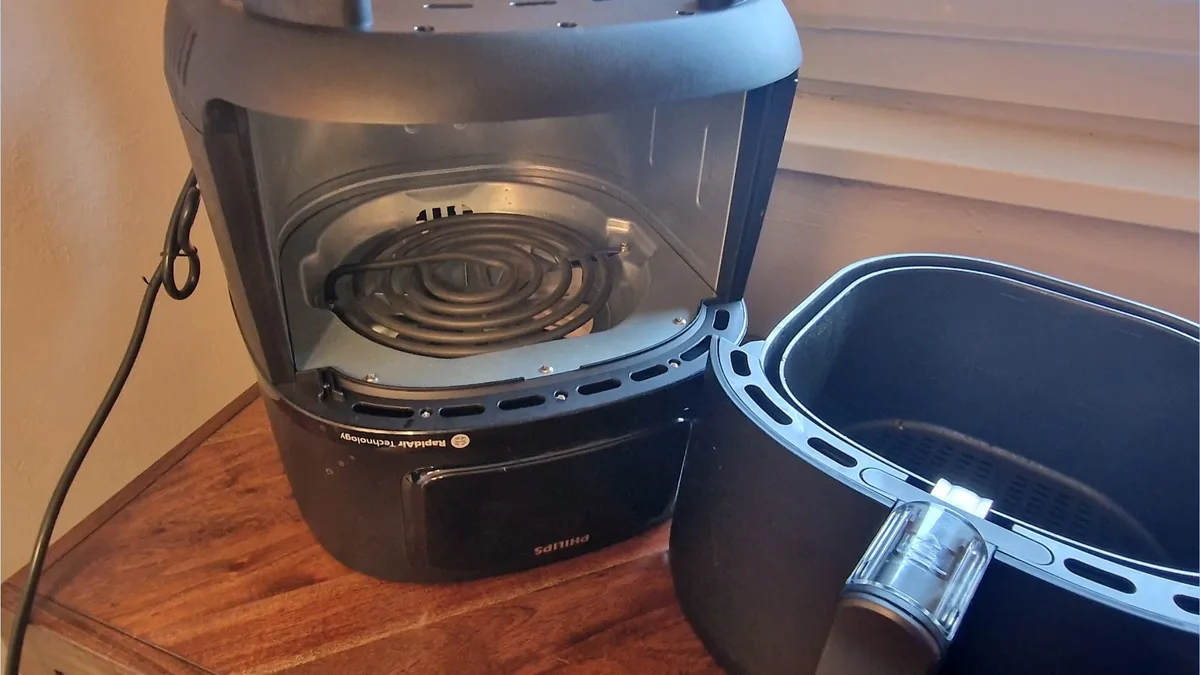
Inspect your air fryer’s heating element and fan first. Grease buildup on either component blocks hot air flow. This is common for units used 3 or more times per week.
Unplug the unit, let it cool fully, then wipe the heating element with a damp cloth. Brush debris from the fan blades. Most manufacturers recommend this cleaning every 10 to 15 uses.
Next, check for temperature calibration errors. Lower-cost countertop models often run 25°F to 50°F (14°C to 28°C) cooler than the displayed setting. Place an oven thermometer inside the empty preheated basket to measure actual temperature.
If the reading is off, adjust your cook settings up to match the real temp. Contact the manufacturer if the unit is under warranty.
Finally, look for signs of worn components. Flaking non-stick basket coating, rattling fan noises, or inconsistent cooking across batches all point to a failing unit. Most consumer air fryer non-stick coatings last 2 to 3 years with regular use as of 2026.
If your unit is out of warranty and shows these signs, replacement is usually more cost-effective than repair.
Air Fryer Crispiness FAQs
Why is my air fryer food soggy even after patting it dry?
Excess interior moisture or overcrowding are the most common causes. Stacked food traps steam between layers instead of letting it evaporate. Cook in a single layer with space between pieces.
Avoid adding wet marinades or sauces directly to the basket before cooking.
Should I preheat my air fryer for crispy results?
Yes, preheating for 3 to 5 minutes is critical for consistent crispiness. Adding food to a cold unit drops internal air temperature by 100°F or more. This causes food to steam instead of sear.
Most manufacturer user guides list preheating as a required step for crispy recipes as of 2026.
Can I use parchment paper in my air fryer without losing crispiness?
Yes, if you cut the liner to fit the exact size of the basket. Poke 5 to 10 small holes in it to allow air flow. Oversized liners or unperforated paper block hot air circulation.
This leads to soggy, unevenly cooked food.
Why is my air fryer chicken not crispy like restaurant fried chicken?
Restaurant fried chicken uses deep frying, which submerges food in hot oil for instant, even crispiness. Air fryers use convection heat, so breading must be dry and applied in a thin, even layer. Use panko or flour-based dry breading, not wet batter.
Spray the breaded chicken lightly with oil before cooking to help it crisp.
Does air fryer wattage affect crispiness?
Yes, lower-wattage units under 1500W heat more slowly and produce weaker air flow. This leads to uneven or soggy results. Most standard countertop air fryers use 1500W to 1700W heating elements.
These are sufficient for consistent crispiness when used correctly.

Similar Posts