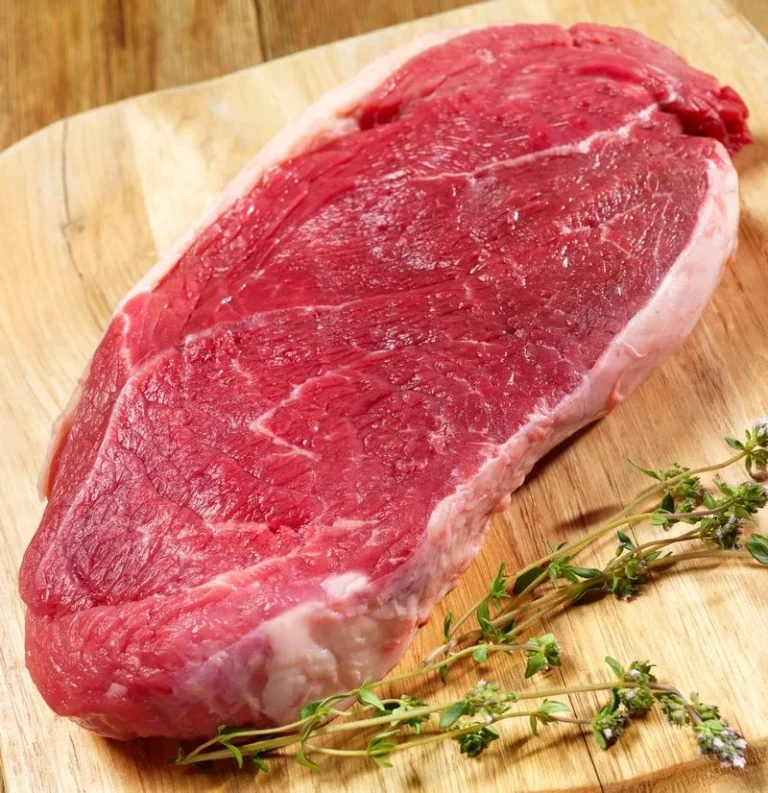
How to Cook Shaved Steak Perfectly
If you've ever stared at the meat case wondering about those thin, pink piles labeled "shaved steak," you're not alone. It seems simple, it's just thinly sliced beef, right? But the reality is more nuanced.
The type of steak you get shaved makes all the difference, transforming a simple meal from just okay to a home run. It's not a single product, but a preparation method applied to different cuts.
Understanding those cuts is your key to success. According to USDA beef specifications, the main distinctions come down to marbling, location on the animal, and price point. Once you know what to look for, you can confidently pick the right package for your Philly cheesesteak, quick stir-fry, or family dinner.
Let's break down exactly what you're looking at.
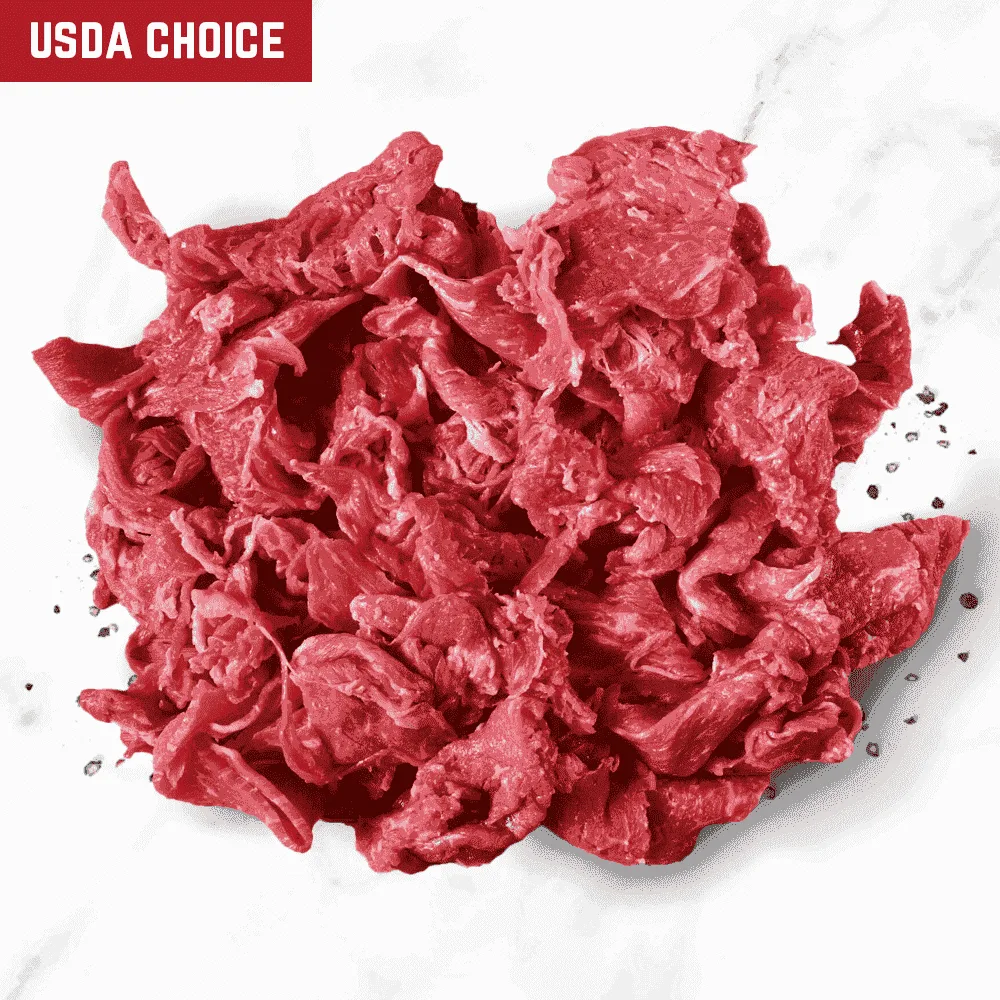
Image source: Bing (Web (fair-use with source credit))
Quick Answer
Shaved steak is beef sliced extremely thin for fast cooking. It's not one specific cut. The best choice depends on your recipe.
Ribeye is richest for cheesesteaks. Sirloin is the most versatile all-rounder. Flank steak offers bold, lean flavor for dishes like bulgogi.
Round is the most budget-friendly option. Always check the label for the specific cut used.
Your Shaved Steak Options: A Breakdown of the Major Cuts
Most shaved steak falls into a few clear categories. The cut it came from before slicing dictates its flavor, texture, and best uses. Think of shaving as just the prep work, the original muscle is what matters.
Our analysis of common offerings and butcher practices points to four primary sources. Here’s what each one brings to your kitchen.
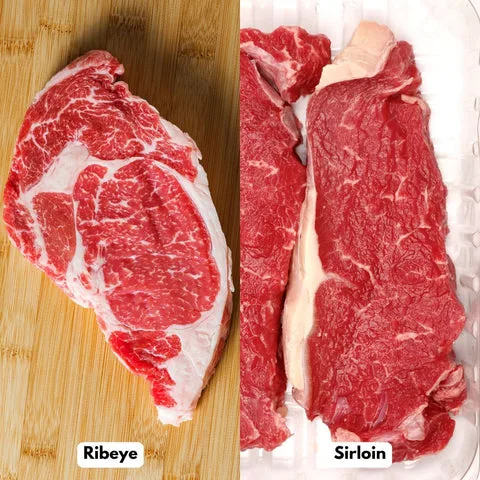
Ribeye: The Luxury Pick for Flavor
This is the top-shelf choice for shaved steak. Ribeye comes from the upper rib section, an area that does very little work. That means it's naturally tender and generously marbled with intramuscular fat.
When that fat is shaved thin and hit with high heat, it renders almost instantly. This bastes the meat from the inside, creating an exceptionally rich, buttery flavor and juicy texture. It's the undisputed champion for an authentic, indulgent Philly cheesesteak.
The trade-offs are real. It's typically the most expensive option per pound. That beautiful marbling also means more shrinkage in the pan and can lead to more splatter.
You're paying for flavor and tenderness, plain and simple.
Sirloin: The Reliable All-Rounder
For most home cooks, top sirloin is the perfect sweet spot. It comes from the hip area, is leaner than ribeye, but still boasts a solid, beefy flavor. When sliced thin, it remains very tender.
Its versatility is its superpower. It makes an excellent cheesesteak if you want something a bit lighter. It's arguably the best choice for fajitas, stir-fries, and dishes where you want the beef to shine without being overly fatty.
For a reliable weeknight meal, it's hard to beat.
The only caution is that its leanness means it has less margin for error. If it's sliced too thin and cooked a minute too long, it can dry out slightly faster than a fattier cut. Keep the heat high and the cook time brief.
Flank Steak: The Lean, Beefy Workhorse
Flank steak is distinct. It's a long, flat cut from the cow's abdominal muscles, which means it's lean and has a very pronounced, deep grain. Its flavor is stronger and more mineral-rich than sirloin or ribeye.
This makes it ideal for dishes where you want big, beefy taste without a lot of fat. Think Korean bulgogi or a crisp Asian salad topped with seared beef. The key here is the grain.
You must slice it thinly against the grain after cooking, or it will be unpleasantly chewy. Sometimes, store-bought "shaved flank" is sliced with the grain for speed, which can ruin the texture.
It's a fantastic choice when used correctly. Just don't expect the melt-in-your-mouth quality of a ribeye. You're choosing it for its powerful flavor profile.
Round: The Budget-Friendly Choice
Cuts from the round, like top round or eye of round, come from the well-exercised rear leg. They are very lean and inexpensive, which makes them appealing for feeding a crowd on a tight budget.
The leanness comes with challenges. These cuts lack the innate tenderness and rich flavor of the others. They can easily become dry and tough if overcooked by even a minute.
To succeed, they need help, specifically, from a good marinade or a heavy, flavorful sauce.
It's best suited for dishes where the sauce is the star, like a beef and broccoli in a thick glaze. A solid marinade for several hours is non-negotiable here. It's a practical choice, but it requires more prep work to shine.
A Quick Comparison: Choosing Your Cut at a Glance
Sometimes you need to decide fast. This table lays out the key differences side-by-side, so you can match the cut to your meal plan instantly.
| Cut | Flavor & Texture | Best For… | Pro Tip & Watch Out |
|---|---|---|---|
| Ribeye | Rich, buttery, very tender | Indulgent cheesesteaks, quick sears | Pat dry before cooking to reduce splatter. Highest price. |
| Sirloin | Balanced beefy flavor, reliably tender | All-purpose: fajitas, stir-fries, salads | The safest, most versatile bet. Can dry if overcooked. |
| Flank Steak | Intense, lean, slightly chewy (in a good way) | Boldly flavored dishes like bulgogi | Confirm it's sliced against the grain. |
| Round | Mild, lean, can be tough | Budget meals, heavily sauced dishes | Marinate for several hours. Don't overcook. |
Buying Pre-Shaved vs. Shaving It Yourself
You've decided on a cut. Now you face the next choice: let the store do the work, or do it yourself? Each path has clear pros and cons that affect your budget, time, and control over the final product.
The Pros and Cons of the Pre-Packaged Route
Walking into the market and grabbing a tub of pre-shaved steak is the ultimate in convenience. It saves you 15-20 minutes of prep work and eliminates the need for any special equipment. This is a huge win on a busy weeknight when you just want to get dinner on the table.
The downsides are cost and control. You almost always pay a premium for that labor. More importantly, you're at the mercy of the label.
It might just say "shaved steak." You need to look for the specific cut, "shaved sirloin steak" or "shaved ribeye steak", to know what you're really getting. This clarity is crucial for following the decision guide above.
How to Shave Steak at Home Like a Pro
Taking the DIY route gives you total control. You can buy a nicer, whole steak on sale and slice it exactly to your desired thickness. It's almost always more cost-effective per pound, especially for premium cuts like ribeye.
The main barrier is technique. You need a very sharp chef's knife or a mandoline slicer. Here's the pro method:
- Partially freeze the steak. Place your whole steak in the freezer for 30 to Young-60 minutes until it's firm but not solid. This is the single most important step, it makes slicing paper-thin pieces much easier and safer.
- Identify the grain. Look for the long lines of muscle fibers running through the meat. For cuts like flank or skirt, you'll slice perpendicular to these lines.
- Slice thinly and evenly. Use a smooth, confident sawing motion with your sharp knife. Aim for slices about 1/8-inch thick or less.
This method opens up a world of possibilities, letting you turn any steak into a quick-cooking shaved option. It's perfect for using up leftovers from a larger roast or creating custom blends for a unique sandwich.
Matching the Cut to Your Dish: A Decision Guide
Knowing the theory is one thing. Applying it to tonight's dinner is another. This is where your comparison pays off.
Let's translate those cut profiles into real-world recommendations for popular dishes.
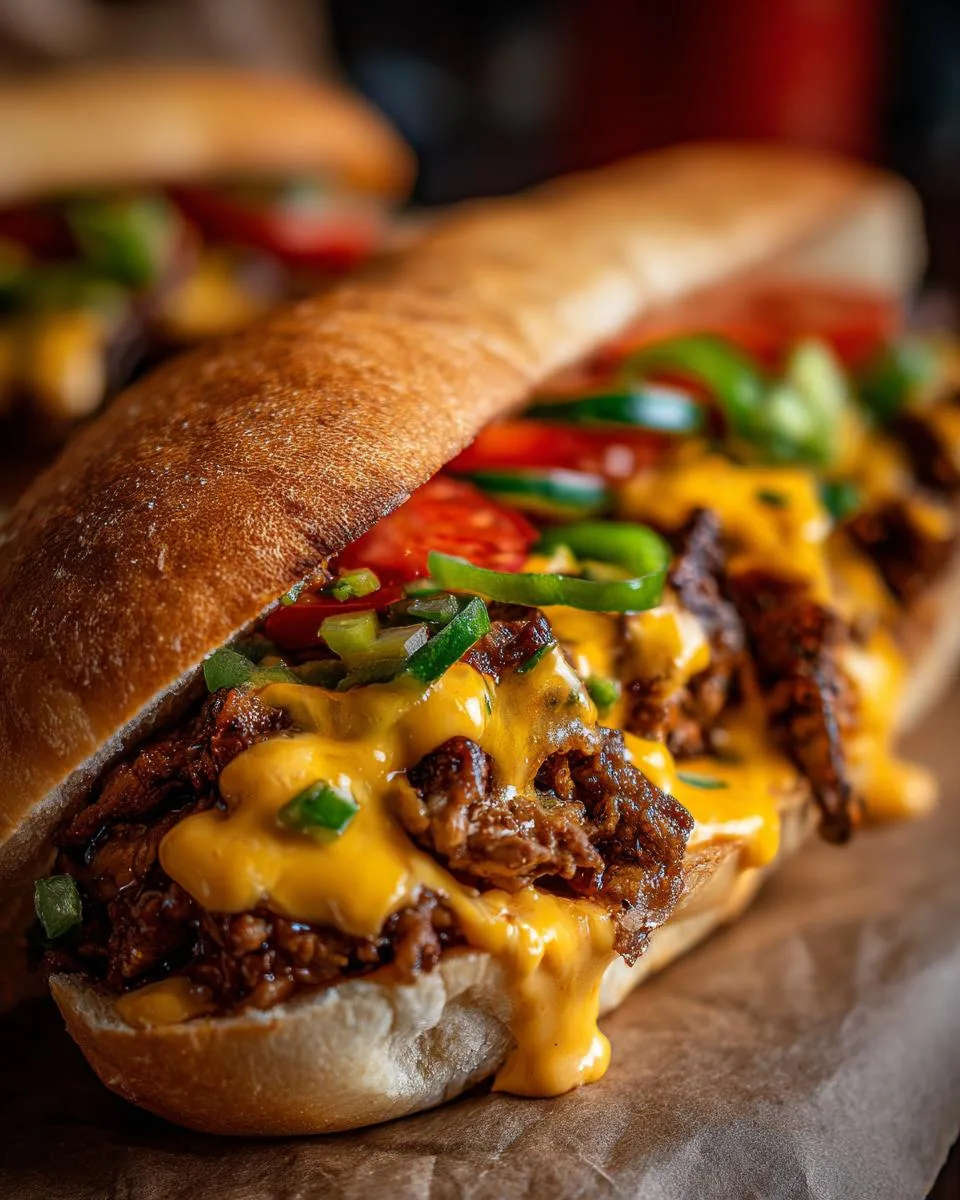
For a Classic, Decadent Philly Cheesesteak
You want ribeye. Full stop. The high fat content is what creates the iconic, juicy, messy, flavor-packed experience of a great cheesesteak.
As the thin slices hit the hot grill or skillet, the marbling renders quickly, basting the meat in its own fats.
If ribeye is outside the budget, top sirloin is your next best bet. It will still make a delicious sandwich with great beefy flavor, just with a slightly leaner profile. Avoid the very lean cuts like round for this application, they simply won't deliver the right texture or richness.
For Weeknight Fajitas or a Stir-Fry
This is sirloin's domain. Its balance of flavor, tenderness, and leanness makes it ideal for quick-cooked dishes with lots of veggies. It sears beautifully and absorbs marinades and sauces well without becoming greasy.
Flank steak is also a strong contender here, especially if you marinate it first and ensure it's sliced against the grain. It will give you a chewier, more distinct bite. For a simple, reliable result that cooks in minutes, sirloin is the go-to.
It's the perfect protein for a quick addition to any salad, like a vibrant Thai chicken salad or a fresh Mexican chicken taco salad.
For an Asian-Inspired Salad or Bulgogi
Here, flank steak shines. Its robust, mineral-rich flavor stands up to bold seasonings like soy, ginger, garlic, and gochujang. When marinated and seared hot and fast, it delivers the perfect texture for dishes like bulgogi or a topping for a crisp cabbage salad.
The critical step is slicing it correctly after cooking. Cut it thinly against the grain to ensure tenderness. This cut is all about maximizing flavor in a lean format, making it a fantastic choice when you want beef to be the star without heaviness.
For Feeding a Crowd on a Tight Budget
This is the practical use case for cuts from the round, like top round. The price point is compelling when you're cooking for a big group. The key to success is managing its leanness.
You must marinate it for several hours (or even overnight) to add flavor and help tenderize the fibers. Then, use it in a heavily sauced dish where any potential toughness is masked, like a beef and broccoli stir-fry. Cook it just until it's no longer pink to avoid dryness.
It's a utilitarian choice that gets the job done with smart prep.
Common Mistakes That Can Ruin Shaved Steak
Even with the right cut, a few simple errors can turn your shaved steak into a tough, dry, or bland disappointment. These are the most frequent pitfalls we see, and they're all easily avoidable.
Cooking it like a whole steak. This is the biggest error. Shaved steak cooks in 60 to 90 seconds over high heat. If you leave it in the pan or on the grill for 3-4 minutes, you're essentially cooking all the moisture out.
Treat it like a quick sear, not a slow roast.
Overcrowding the pan. When you dump a whole package into a cold skillet, the temperature plummets. The steak steams instead of sears, releasing its juices into a pool. Cook in batches if you're making more than a single sandwich.
You want each piece to have contact with the hot surface for that essential Maillard reaction (browning).
Skipping the pre-cooking pat dry. This is especially critical for fattier cuts like ribeye. Excess surface moisture creates steam and prevents browning. Take 30 seconds to lay the shaved steak on paper towels and press gently.
You'll get a much better sear with less splatter.
Using the wrong pan. A non-stick skillet won't get hot enough for a proper sear. Use cast iron, carbon steel, or a heavy-bottomed stainless steel pan. Preheat it well before adding your oil and meat.
The right tool makes the technique work.
Expert Tips for Cooking Shaved Steak Perfectly
Beyond avoiding mistakes, a few pro moves will elevate your results from good to great. These techniques are what separate a basic weeknight meal from a restaurant-quality dish.
Season aggressively and simply. Because the cook time is so short, seasoning needs to happen early. Toss the raw, shaved steak with kosher salt and black pepper right before it goes in the pan. For lean cuts, you can add a touch of oil to the meat to help the seasoning adhere and prevent sticking.
Master the high-heat sear. Your pan should be just shy of smoking. Add a high-smoke-point oil like avocado or refined grapeseed oil. When the oil shimmers, add your steak in a single layer.
Let it sear undisturbed for about 45 seconds to develop a crust, then flip or stir to finish.
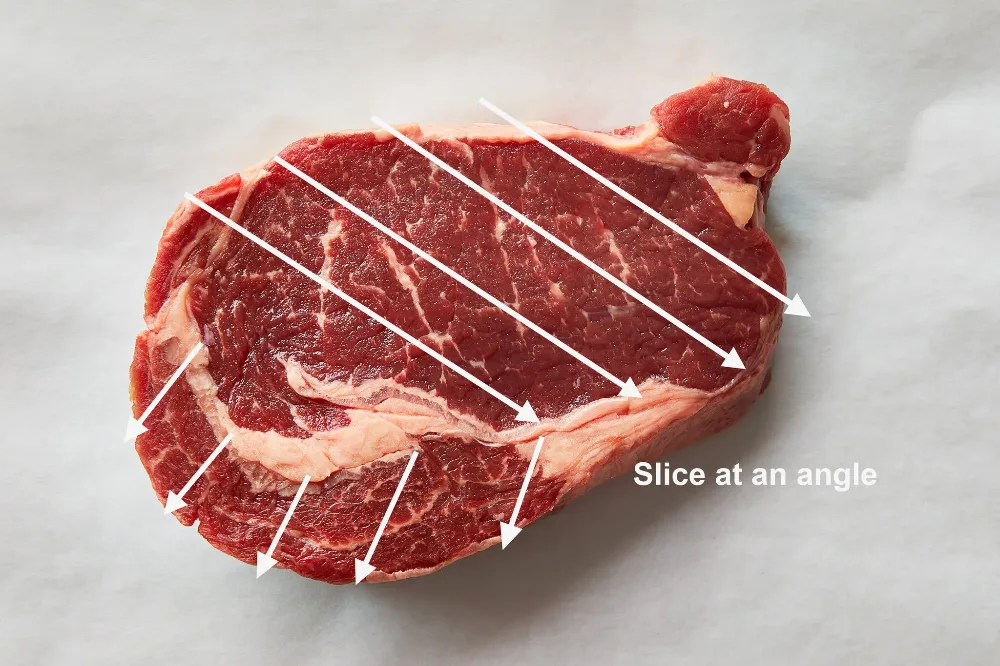
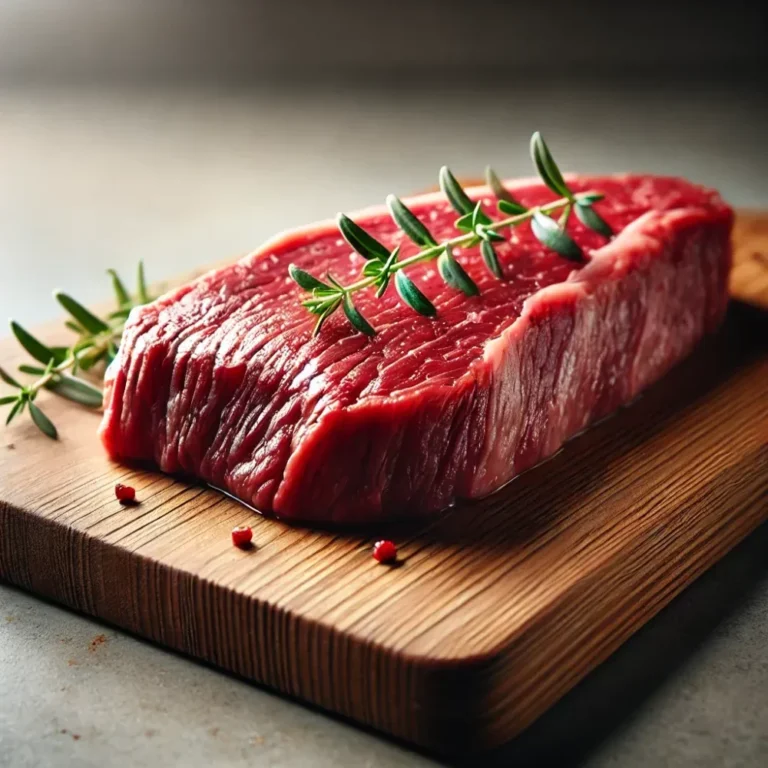
Understand "against the grain" visually. For cuts like flank or skirt that you shave yourself after cooking, this is non-negotiable. Look for the long, parallel lines of muscle fiber. Your knife should cut across those lines, shortening the fibers.
This makes the meat much more tender to chew. The image above shows exactly what you're aiming for.
Let it rest (briefly). Even thin slices benefit from a short rest. After cooking, transfer the shaved steak to a plate or bowl and let it sit for 2-3 minutes. This allows the hot juices to redistribute back through the meat, so they stay in your sandwich or stir-fry instead of leaking out onto the plate.
Embrace the quick marinade. For lean cuts like round or sirloin, a 20-minute marinade can work wonders. Use something acidic like lime juice or vinegar, plus oil and your favorite spices. The brief soak adds flavor and starts to tenderize without turning the meat mushy.
It's a perfect trick for fajitas or a vibrant, tangy salad topping.
The Bottom Line: Your Final Recommendation
After breaking down the cuts, the methods, and the techniques, where should you start? Our research and analysis of countless recipes and cooking methods point to a clear hierarchy.
For your first time or most versatile meals, buy or shave top sirloin. It's the perfect balance of flavor, tenderness, and value. It's forgiving enough for a beginner but delicious enough for an expert. You can use it confidently in at least 80% of shaved steak recipes without a second thought.
When you want to splurge for a specific iconic dish, go for ribeye. Reserve this for your Philly cheesesteak night. The experience is different, and it's worth the extra cost for that special meal. It's a targeted luxury.
Choose flank steak when you're after big, lean flavor and don't mind the extra slicing step. It's a purpose-driven cut for dishes where its distinct character is the star.
Use round only when budget is the absolute primary concern and you're willing to marinate. It's a practical protein, not a premium one. With the right prep, it can be tasty, but it demands more work from you.
In practice, keeping a package of shaved sirloin in your freezer or a whole sirloin steak ready to partially freeze and slice covers most needs. It's the reliable workhorse that delivers great results every time, whether you're making a quick sandwich, a family stir-fry, or topping a fresh salad.
Frequently Asked Questions
What is the best cut of beef for shaved steak?
The best cut depends on your dish. For a rich, classic Philly cheesesteak, ribeye is superior. For the most versatile, all-purpose use in fajitas, salads, and stir-fries, top sirloin is the best overall choice.
It offers the best balance of flavor, tenderness, and value.
Can I use shaved steak in a slow cooker or Crock-Pot?
You can, but it's not ideal. Shaved steak is designed for fast, high-heat cooking. Adding it to a slow cooker for hours will almost certainly overcook it, resulting in dry, stringy meat.
If you want slow-cooked beef, use a whole, tougher cut like chuck roast. Use shaved steak for quick meals only.
How do I keep shaved steak from getting tough?
Three keys prevent toughness. First, never overcook it. Sear it for just 60-90 seconds total.
Second, for cuts like flank steak, always slice it thinly against the grain after cooking. Third, for lean cuts like round, use a marinade before cooking to help break down muscle fibers.
Is shaved steak the same as carne asada meat?
They are similar but not identical. Carne asada typically refers to skirt or flank steak that is marinated and then grilled, often sliced after cooking. Shaved steak is pre-sliced very thinly before cooking.
You can use shaved flank steak to make a quick version of carne asada, but the traditional method uses a whole steak.
How long does shaved steak last in the fridge?
According to USDA food safety guidelines, raw shaved steak should be cooked or frozen within 1 to 2 days of purchase. Its increased surface area makes it more susceptible to bacteria growth. Always check the "use by" date on the package and never rely on the color alone as a safety indicator.
Can I substitute ground beef for shaved steak in a recipe?
You can, but the texture and eating experience will be different. Ground beef will be finer and crumblier, while shaved steak provides distinct, tender slices. In a pinch, ground beef can work in a cheesesteak or a meaty sauce, but for dishes where the beef's texture is important, like fajitas, shaved steak is far superior.