Perfect Air Fryer Frozen Meatballs Every Time
So you’ve got a bag of frozen meatballs and an air fryer, and you’re wondering how to get them from freezer to fork without ending up with something soggy, dry, or just plain disappointing. Getting air fryer frozen meatballs right isn't complicated, but it does come down to a few key decisions you make before you even press the start button. The method you choose depends entirely on whether you want a crispy snack or a saucy topping.
For instance, most one-inch, fully cooked frozen meatballs will be ready in just 8 to 12 minutes at 375°F. That's significantly faster than heating up your oven. But the real secret isn't just time and temperature, it’s about understanding the two different types of frozen meatballs and the two main cooking goals you might have.
Let's break it down so you can get the exact results you're craving.
Quick Answer
Cook frozen meatballs in an air fryer at 375°F (190°C) for 8-12 minutes. Shake the basket halfway through. They are done when golden brown and hot inside (165°F).
For crispier meatballs, cook them plain. For saucier meatballs, add your sauce after cooking. Always cook in a single layer.
Avoid overcrowding the basket for even results.
Why Your Method for Frozen Meatballs Matters
Not all frozen meatball situations are created equal. Tossing a few crispy meatballs into a salad is a completely different goal than simmering them in marinara for a sub sandwich. If you use the wrong approach, you'll end up with the wrong texture.
This is why a one-size-fits-all instruction just doesn't cut it.
The air fryer’s superpower is its ability to circulate hot air intensely. This is fantastic for creating a browned, slightly crisp exterior. But that same power can work against you if you're aiming for a soft, saucy meatball.
By choosing your method intentionally, you take control of the outcome. You’re not just heating them up. You’re engineering the perfect bite for your specific meal.
The Two Main Types of Frozen Meatballs (And Why It's Crucial to Know)
Before you cook, you need to look at the bag. This single step determines your cooking time and safety. Most frozen meatballs fall into one of two categories: fully cooked or pre-browned/raw.
Confusing them is the most common mistake people make.
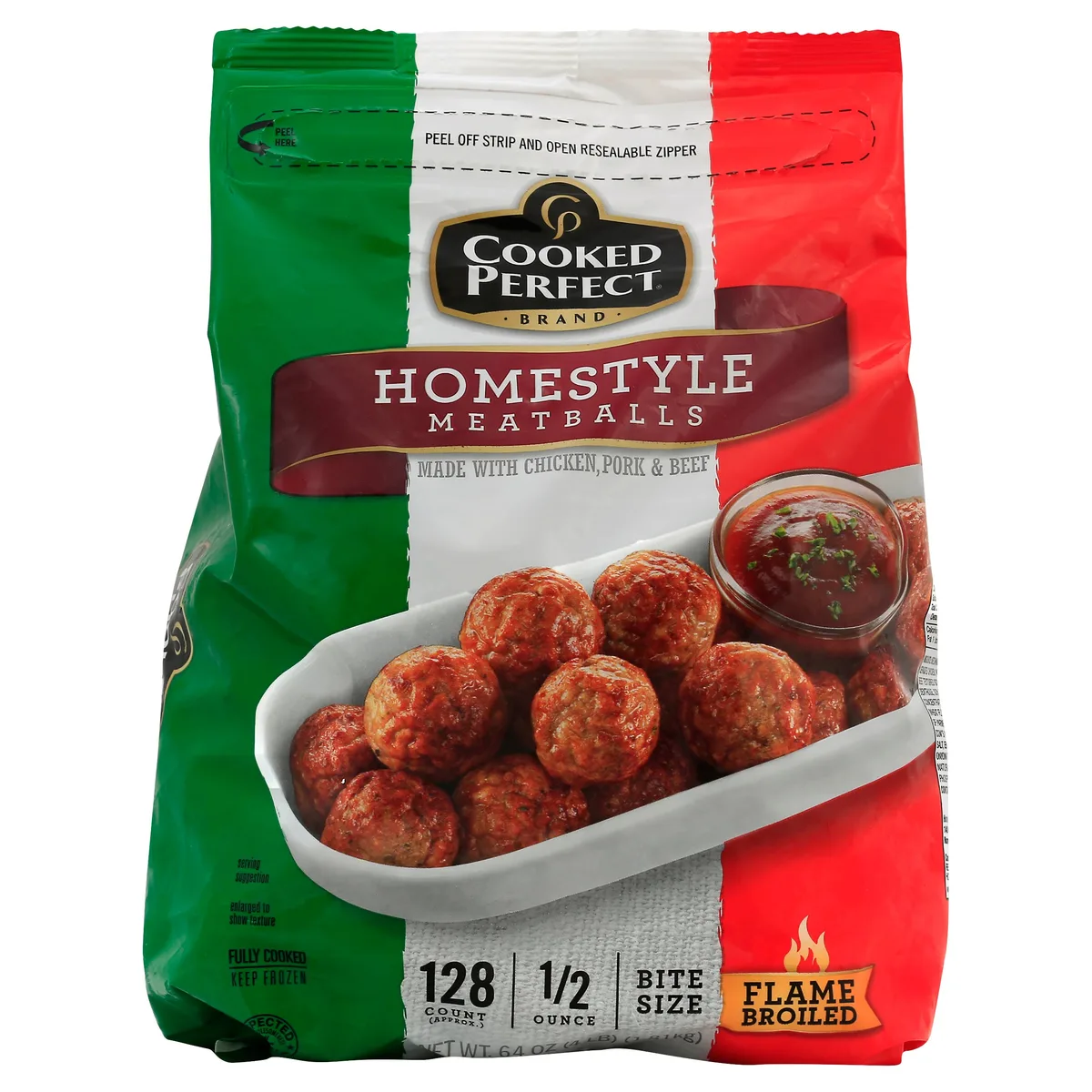
Fully Cooked Meatballs
These are the most common type you'll find. Brands like Cooked Perfect or Farm Rich typically fall into this category. The key phrase to look for on the packaging is "fully cooked" or "ready to eat." This means they have already been cooked to a safe internal temperature at the factory.
- What you're doing: You are simply reheating them until they are hot all the way through.
- Target Internal Temp: 165°F (74°C) to ensure food safety.
- Advantage: They are generally quicker and more forgiving to cook.
Pre-Browned or "Ready to Cook" Meatballs
These are less common but worth identifying. They have been seared on the outside to develop color but are still raw in the middle. The packaging will usually say "cook before eating" or something similar.
- What you're doing: You are actually cooking them from raw, which takes longer.
- Target Internal Temp: 165°F (74°C) is non-negotiable for safety.
- Advantage: They can develop a deeper, homemade flavor and texture.
How to Tell the Difference:
Always read the package directions. If the oven instructions say "heat for 10-12 minutes," it's fully cooked. If they say "bake for 20-25 minutes," it's likely raw.
Getting this right from the start prevents undercooked food or dry, over-reheated meatballs. For a quick meal using pre-cooked protein, techniques like those for a classic rotisserie chicken salad are great to master.
Air Fryer Method #1: The Ultimate Crispy Meatball (No Sauce)
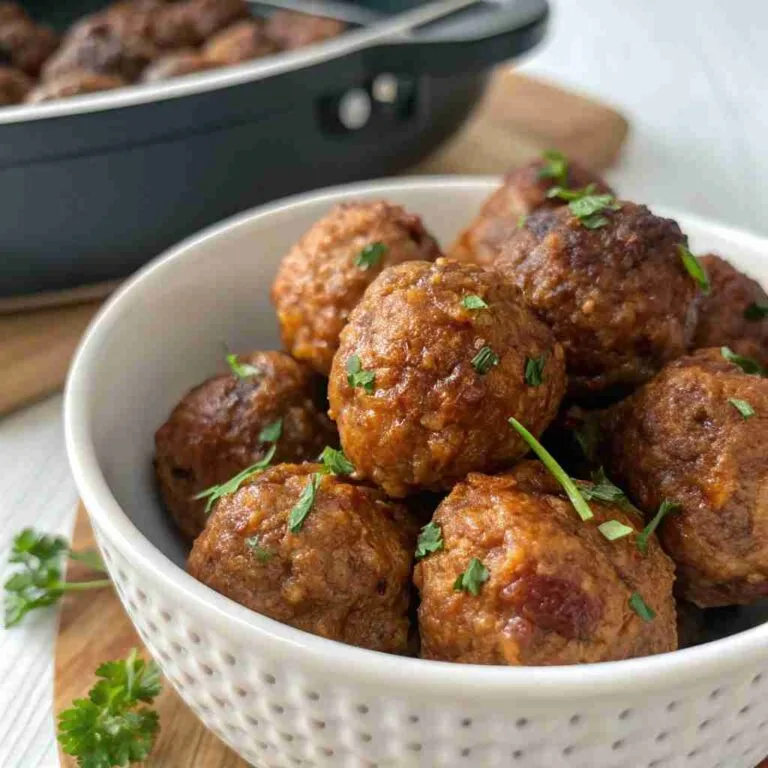
This is the air fryer's specialty. If you want meatballs with a delightfully crisp, browned exterior and a juicy interior, perfect for eating on their own as an appetizer or tossing into a pasta dish after cooking, this is your method. The goal is to let the hot air work its magic directly on the meatball's surface.
Why this works: By cooking the meatballs plain, the circulating air continuously removes surface moisture, allowing the exterior to caramelize and crisp up. It’s the same principle that makes air fryer chicken tacos so good, creating texture without deep frying.
Step-by-Step to a Perfect Crispy Exterior
- Preheat Your Air Fryer (Optional but Recommended): Set your air fryer to 375°F (190°C) and let it run for 3 minutes. Preheating gives you a more consistent cook from the second the meatballs go in.
- Arrange in a Single Layer: Place the frozen meatballs in the basket. This is critical. They must not be touching or stacked. Overcrowding creates steam, which makes them soggy. Cook in batches if necessary.
- Cook and Shake: Air fry for 8-12 minutes. Shake the basket or turn the meatballs over with tongs at the halfway point. This ensures every side gets exposed to the hot air for even browning.
- Check for Doneness: The meatballs should be golden brown and sizzling. The safest way to check is with a meat thermometer; the internal temperature should read 165°F (74°C).
Timing and Temperature Guide by Meatball Size
Size is the main variable for timing. Here’s a quick reference chart based on a temperature of 375°F.
| Meatball Size | Estimated Cooking Time | Key Visual Cue |
|---|---|---|
| Cocktail (1/2 inch) | 6-8 minutes | Deep golden brown all over. |
| Standard (1 inch) | 8-12 minutes | Browned with a slightly crisp exterior. |
| Jumbo (1.5+ inch) | 12-16 minutes | Well-browned; check internal temp. |
The USDA recommends reheating all pre-cooked foods to an internal temperature of 165°F for safety. Always let the visual cues guide you, but trust the thermometer for certainty.
Air Fryer Method #2: Saucy, Tender Meatballs (Less Crisp, More Flavor)
Sometimes, you don't want crispy. You want a tender meatball that’s ready to bathe in marinara, barbecue sauce, or a Swedish cream sauce. For these applications, you'll use a slightly different technique that prioritizes heating the meatball through without overcooking the exterior before the sauce is added.
This method is perfect for when the meatball is a component in a larger dish, like topping a pile of spaghetti or being the star of a hearty sandwich. The approach is similar to how you'd build flavors for a Mexican chicken taco salad, where ingredients are warmed and combined with sauces at the end.
The Best Way to Add Sauce Without a Mess
The golden rule is sauce after cooking. Adding sauce at the beginning is a recipe for a sticky, smoky air fryer and boiled-tasting meatballs. Here’s how to do it right.
- Cook the Meatballs Plain (Most of the Way): Follow the initial steps from Method #1. Cook at 375°F for about 6-8 minutes (for standard 1-inch meatballs), just until they are heated most of the way through but not fully crisped.
- Coat in Sauce: Transfer the partially cooked meatballs to a bowl. Add your favorite warmed sauce, marinara, BBQ, teriyaki, and toss gently to coat them evenly.
- Finish in the Air Fryer (Optional): Return the sauced meatballs to the air fryer basket and cook for another 1-2 minutes. This step is just to set the glaze and heat the sauce. Watch them closely, as sugary sauces can burn quickly.
This two-step process gives you a meatball that is tender, perfectly heated, and beautifully coated without turning your air fryer into a cleanup nightmare. It's a fantastic technique for creating a quick version of a hot chicken salad casserole topping.
The Side-by-Side Results: Crispy vs. Saucy Compared
So, which method should you choose? It’s not about one being better than the other. It’s about matching the method to your meal.
This side-by-side comparison makes the choice clear.
| Feature | Crispy Method (Plain) | Saucy Method (Sauce After) |
|---|---|---|
| Best For | Appetizers, salads, eating alone, pasta (added after cooking) | Subs, spaghetti, Swedish meatballs, any sauced dish |
| Texture | Firm, slightly crisp exterior, juicy inside | Soft, tender, uniform texture throughout |
| Flavor | Concentrated meaty flavor, caramelized notes | Flavor of the sauce is dominant |
| Cleanup | Easy; basket may need a quick wipe | Requires a bowl for saucing; potential for sticky glaze |
| Pro Tip | Shake the basket well for even browning | Warm the sauce first for better adherence and faster cooking |
Choose the Crispy Method if:
You’re serving them as a finger food, adding to a salad for crunch, or planning to mix them with a sauce on your plate after they’re cooked. The crispy exterior holds up beautifully and adds a wonderful texture contrast.
Choose the Saucy Method if:
The meatball is meant to be soft and seamlessly integrated into a saucy dish, like a meatball sub or a bowl of pasta. The goal is tenderness and sauciness, not a crispy bite. This approach is ideal for creating easy additions to your repertoire of simple and delicious recipes.
How Different Air Fryer Models Can Change Your Outcome
All air fryers are not created equal when it comes to cooking frozen meatballs. The two main designs, basket-style and oven-style, handle airflow and space differently. This directly impacts how evenly your meatballs cook and how crisp they get.
Basket-style models, like the popular Ninja or Cosori brands, have a deep, perforated basket you slide out. Their design creates intense, vertical air circulation. This is great for browning meatballs on all sides with a simple shake.
However, the deep sides can sometimes trap steam if you overcrowd the basket.
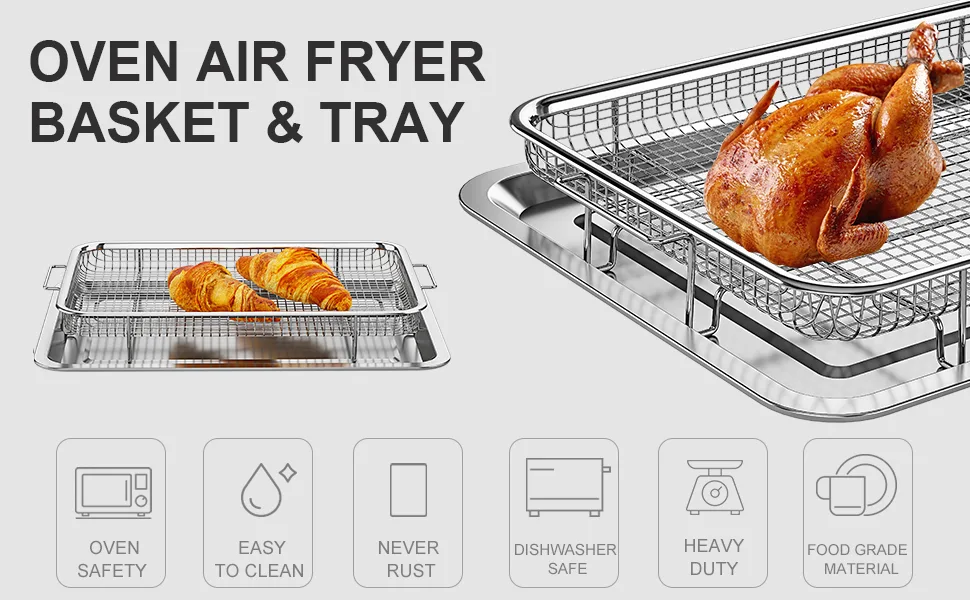
Oven-style air fryers, sometimes called air fryer toasters or convection ovens, have a wider, more shallow tray that slides in like a traditional oven rack. The heating element is typically at the top. This gives you more surface area to spread meatballs in a single layer, but the airflow is less intense from the sides.
You might need to turn them manually for even browning.
Here's a quick comparison of how they handle a batch of standard one-inch meatballs.
| Feature | Basket-Style Air Fryer | Oven-Style Air Fryer |
|---|---|---|
| Airflow | Intense, 360-degree circulation from bottom | More directional, primarily from the top |
| Capacity | Deep basket, good for smaller batches | Wider tray, can often fit more in a single layer |
| Best For | Crispy method; excellent browning with a shake | Saucy method; even heating for larger quantities |
| Potential Issue | Risk of steaming if overcrowded | May require manual turning for even color |
The takeaway is simple. Know your machine. If you have a basket model, be extra cautious about overcrowding.
If you have an oven style, don't be surprised if you need to give the meatballs a turn halfway through.
Basket-Style vs. Oven-Style: What to Expect
Your cooking strategy should adapt to your machine. For a basket-style air fryer, trust the "shake" function. That mid-cycle shake is crucial for moving the meatballs around to ensure all sides get that direct heat.
It's the key to avoiding pale spots.
With an oven-style model, a simple shake might not be enough. The meatballs on the outer edges of the tray will often brown faster than those in the center. Using tongs to manually turn and rotate them halfway through cooking delivers a much more uniform result.
This is similar to the attention needed for perfectly cooked chicken skewers in an air fryer, where even placement matters.
The Biggest Mistakes That Lead to Soggy or Dry Meatballs
Most problems with air fryer frozen meatballs stem from a few easily avoidable errors. Recognizing these pitfalls is the fastest way to achieve consistent, perfect results every time.
Overcrowding the Basket
This is the number one cause of soggy meatballs. When meatballs are piled on top of each other or crammed in touching, they steam instead of air fry. The hot air can't circulate properly, and the moisture they release gets trapped.
The result is a soft, pale exterior.
The fix is simple. Always arrange them in a single layer with a little space between each one. If you can't fit them all comfortably, cook in batches.
It takes a few extra minutes, but the texture difference is night and day.
Not Preheating (When It Matters)
While not always strictly necessary, skipping the preheat can lead to uneven cooking. You drop frozen meatballs into a cold chamber, and they start to warm up slowly as the air fryer does. This can cause the outside to overcook before the inside is hot.
For the crispiest results, a quick 3-minute preheat at your target temperature ensures the meatballs start cooking in a hot environment immediately. This promotes fast browning and a better texture.
Ignoring the Shake or Turn
The air fryer's fan usually blows from one direction. If you don't move the meatballs around, the side facing the heating element can burn while the underside remains pale. That mid-cook shake or turn is non-negotiable for even color and crispness.
Cooking at the Wrong Temperature
Too low, and the meatballs will dry out before they brown. Too high, and the outside can burn while the center is still frozen. The sweet spot for frozen meatballs is consistently between 350°F and 380°F, with 375°F being the ideal starting point for most models.
Adding Sauce Too Early
As covered earlier, pouring sauce over frozen meatballs at the start is a disaster. The sugar in the sauce burns and smokes. The meatballs boil in the liquid instead of browning.
Always heat the meatballs first, then add sauce at the end.
Expert Tips for Perfect Meatballs Every Single Time
Once you've mastered the basics, a few pro-level tips can take your air fryer meatballs from good to great. These small adjustments make a big difference in flavor and texture.
Use a Light Spritz of Oil
Even though frozen meatballs contain fat, a very light coating of avocado or canola oil spray can enhance browning. It helps the exterior get extra crispy and golden. Don't overdo it.
A quick, one-second spritz over the arranged meatballs is all you need.
Don't Trust Time Alone. Use a Thermometer.
Cooking times are a guideline. The true sign of doneness is internal temperature. A reliable instant-read thermometer is your best friend here.
Pierce a large meatball in the center. It must read 165°F to be safe to eat. This prevents both undercooking and the dry, rubbery texture of overcooking.
Let Them Rest for a Minute
When the meatballs come out of the air fryer, let them sit in the basket for about 60 seconds before serving. This allows the juices to redistribute throughout the meatball, so they don't all run out when you cut into one. It's a simple step for a juicier result.
Experiment with Seasoning After Cooking
For crispy meatballs, try tossing them in a dry seasoning blend right after they come out of the air fryer. The residual heat will toast the spices gently, waking up their flavors. A sprinkle of garlic powder, Italian seasoning, or even a pinch of chili flakes can add a fantastic finishing touch.
This is a great way to customize a batch for different dishes, like adding a smoky flavor to meatballs destined for a creamy chicken macaroni salad.
Parchment Liners are a Game Changer for Cleanup
If you hate scrubbing the air fryer basket, a perforated parchment paper liner is a worthwhile investment. It prevents any sticking and catches small bits of rendered fat. Just make sure the liner doesn't block the air vents at the bottom of the basket.
It makes cleanup after cooking saucy glazes much easier.
FAQs: Your Air Fryer Meatball Questions, Answered
Do I need to thaw frozen meatballs before air frying?
No, you do not need to thaw them. In fact, it's better to cook them straight from frozen. Thawing can make them mushy and cause them to fall apart.
The air fryer is designed to cook frozen foods efficiently, creating a crisp exterior while heating the center.
Why are my air fryer meatballs dry?
Dry meatballs are usually caused by overcooking. This happens if the temperature is too low, forcing them to cook longer to reach the safe internal temperature, or if they are simply left in too long. Using a meat thermometer to pull them out as soon as they hit 165°F is the best way to prevent dryness.
Can I cook frozen meatballs and frozen vegetables together?
Yes, you can. However, the cooking times may not align perfectly. Denser vegetables like broccoli or carrots will take longer than meatballs.
For the best results, start the vegetables first for a few minutes, then add the meatballs. This ensures everything finishes cooking at the same time. It's a great technique for a complete meal, similar to assembling air fryer nachos with layered ingredients.
How do I prevent meatballs from sticking to the air fryer basket?
The best prevention is a light coating of oil spray on the meatballs themselves, not the basket. Arranging them in a single layer without overcrowding also helps. For absolute insurance, you can use a perforated parchment paper liner designed for air fryers.
Can I use homemade frozen meatballs?
Absolutely. The method is the same. Form your meatballs, freeze them solid on a baking sheet, then transfer to a freezer bag.
When ready to cook, air fry them straight from the freezer. You may need to add a minute or two to the cooking time compared to store-bought, as homemade ones can be denser.
Is it safe to cook frozen meatballs in an air fryer?
Yes, it is perfectly safe when done correctly. The key is ensuring they reach a safe internal temperature of 165°F, as recommended by food safety guidelines. The air fryer's rapid air circulation is very effective at heating frozen foods through to a safe temperature.