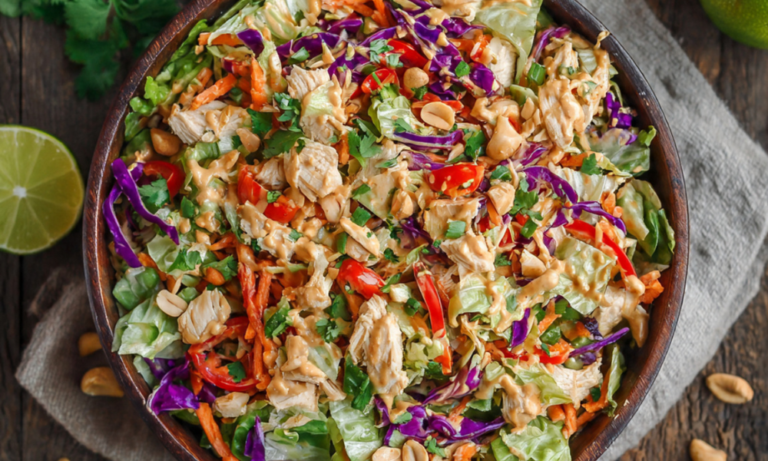
Healthy Grilled Chicken Salad: Fresh, Simple & Satisfying
You've ordered a healthy grilled chicken salad at a restaurant, felt virtuous about it, and then checked the nutrition numbers later. That "healthy" bowl can quietly carry 800 calories and a day's worth of sodium. A proper healthy grilled chicken salad is a completely different beast.
It's lean protein, crisp greens, and a dressing that doesn't undo all the good work.
The math is actually simple once you break it down. USDA food safety guidelines say poultry needs to hit an internal temperature of 165°F before it's safe to eat, and that's the first benchmark worth locking in. The rest is just smart choices about protein, greens, dressing, and cooking method.
Let's walk through each one.
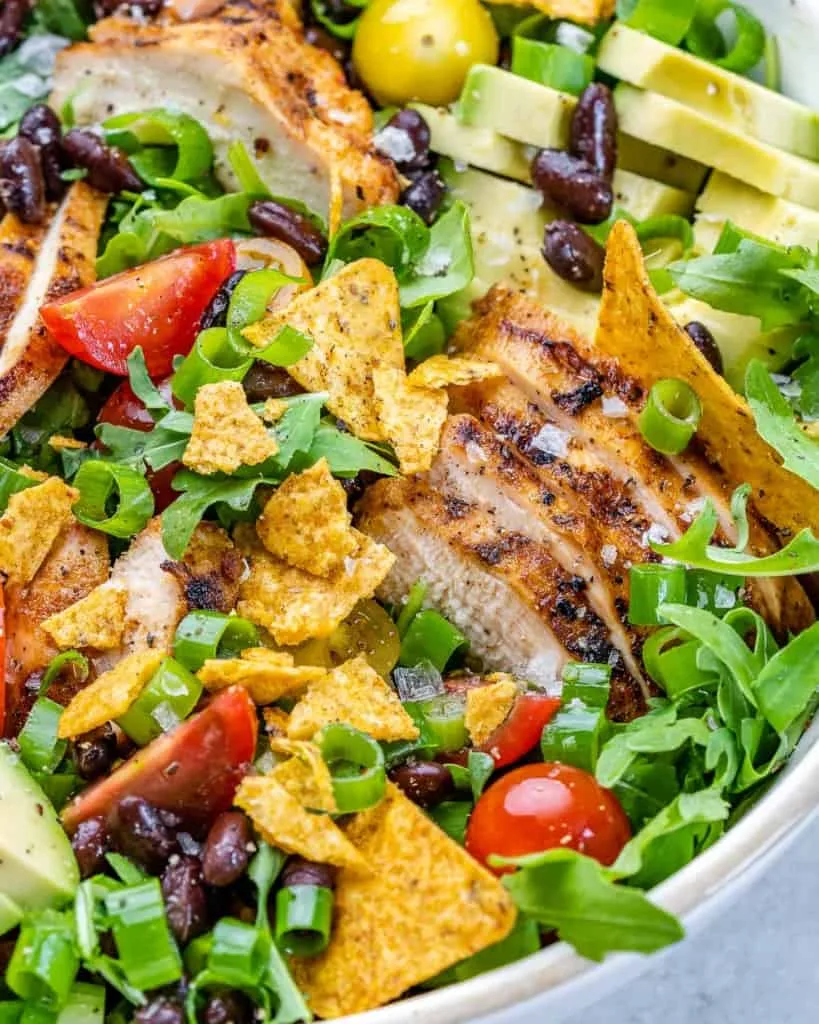
Image source: Bing (Web (fair-use with source credit))
Quick Answer
A healthy grilled chicken salad is grilled chicken breast over fresh greens. It delivers 25 to 35 grams of protein. Keep the full bowl around 350 to 500 calories.
Grill the chicken to 165°F. Rest it five minutes before slicing.
Why the "Healthy" Grilled Chicken Salad Is a Trap
Restaurant salads are the biggest offenders. A chain restaurant's grilled chicken salad can hit 800 to 1,000 calories before you even add dressing. The culprits are portion size, creamy dressings, and extras like fried tortilla strips, cheese, and candied nuts.
As of 2026, that calorie creep hasn't reversed.
That doesn't mean the concept is broken. It means the execution matters. When you control the ingredients, you control the calories and the macros.
The trap is also psychological. A salad feels like a safe choice, so people don't question what's in it. But a single creamy dressing can add more fat than a fast-food burger patty.
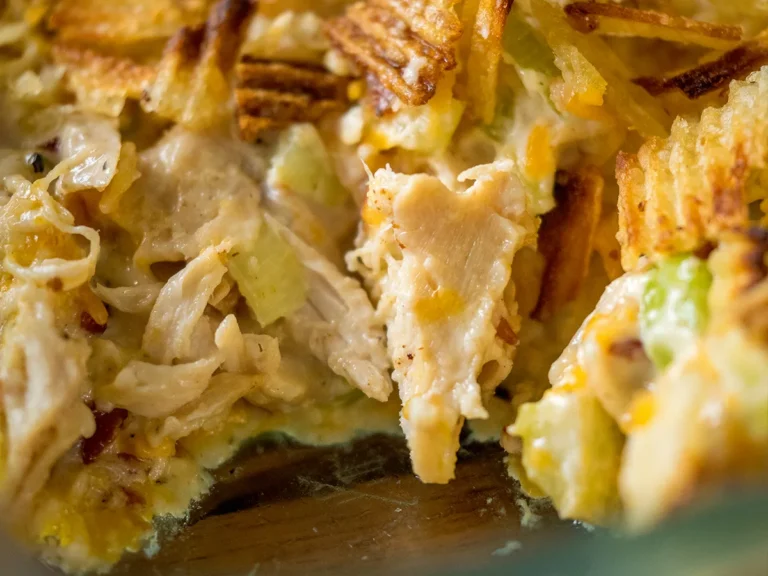
If you want a no-grill alternative, a protein-packed chicken salad works just as well and skips the cooking entirely.
The Protein Decision: Chicken Breast vs. Thighs vs. Rotisserie
Chicken Breast
Boneless, skinless chicken breast is the default for a reason. A 3-ounce cooked portion delivers about 26 grams of protein and roughly 128 calories. It's lean, it's mild, and it takes on marinades well.
The catch is that it dries out fast. The difference between juicy and rubbery is a few minutes on the heat. That's why the thermometer matters more than the clock.
Per the USDA, poultry must reach 165°F internally before it's safe to eat, and that's also the sweet spot for texture.
We've rounded up seven chicken breast salad ideas if you want more inspiration after mastering the basics.
Chicken Thighs
Chicken thighs are the flavor pick. They have more fat, which means more moisture and a richer taste. A 3-ounce cooked thigh lands around 180 calories with 22 grams of protein.
If you're not strictly counting calories, thighs are the more forgiving choice. They're harder to overcook, too.
Rotisserie Chicken Shortcut
Rotisserie chicken is the convenience play. It's already cooked, already seasoned, and usually moist. The trade-off is sodium and unknown ingredients in the rub.
If you use it, skip the skin and choose white meat when you can. Pair it with a light dressing to balance the salt.
If you want to lean into the shortcut, our no-cook chicken salad approach is worth trying.
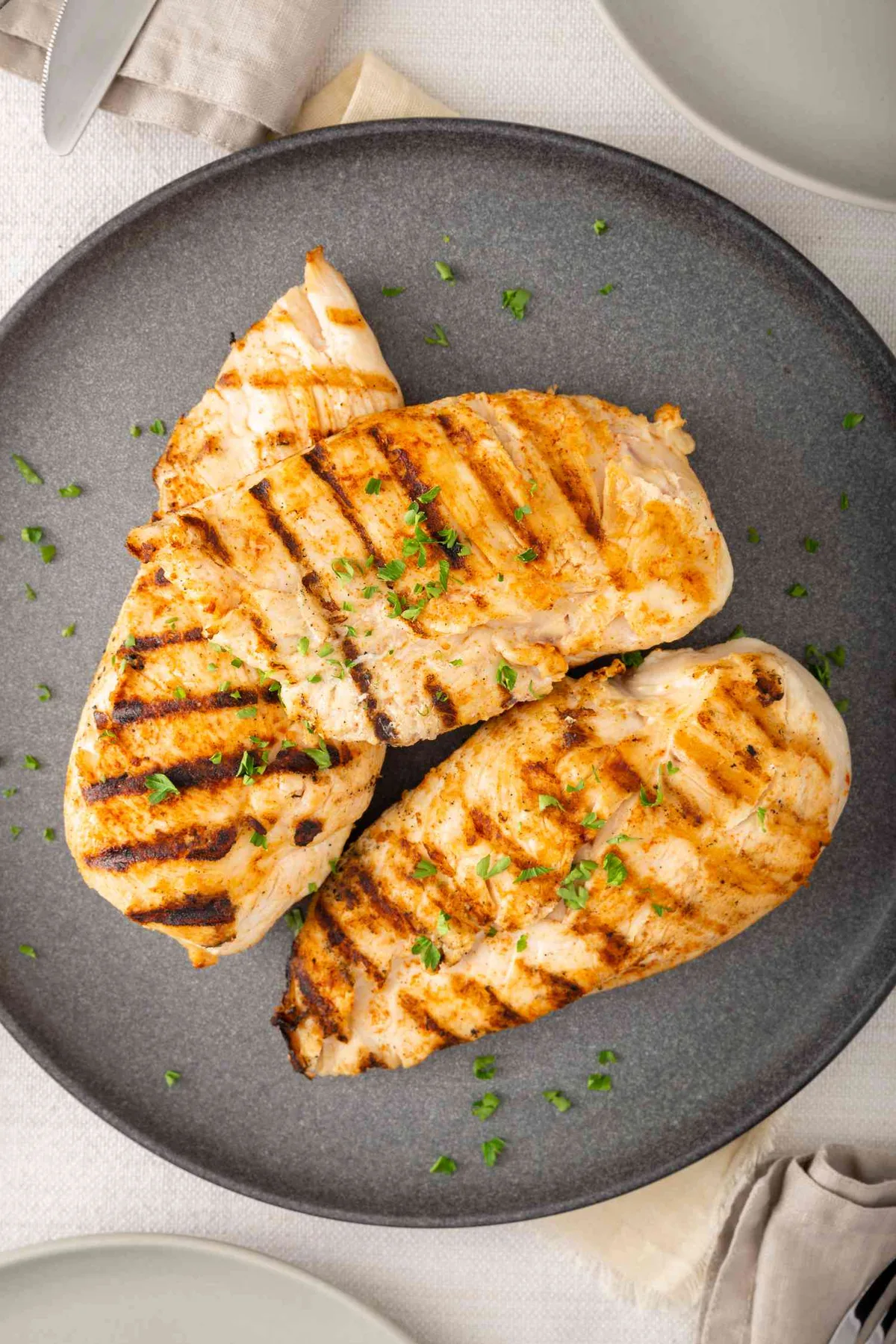
Image source: Web (Bing) / nordicrecipebox.com (Web image (fair-use with source credit))
Choosing Your Greens: Romaine, Spinach, Arugula, or Kale
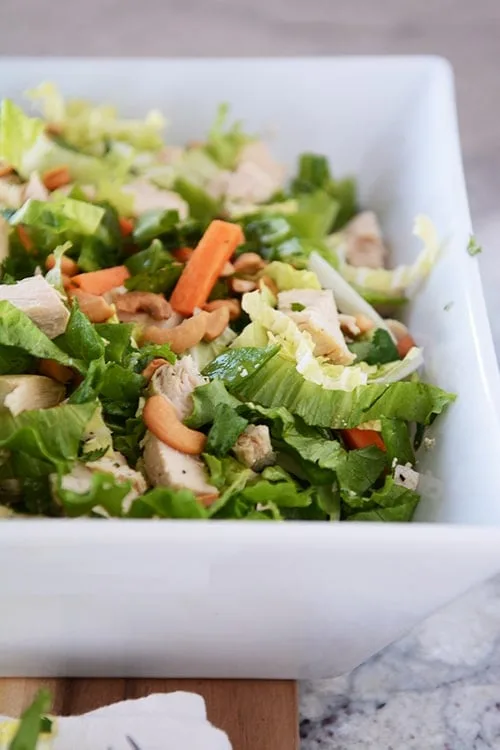
Romaine is the classic. It's crisp, it holds dressing well, and it has a satisfying crunch. A cup of chopped romaine has about 8 calories and delivers vitamin A and folate.
Spinach is the nutrient powerhouse. It's higher in iron, vitamin K, and antioxidants. It also wilts faster than sturdy greens.
Eat it the same day you dress it, or keep the dressing on the side.
Arugula brings a peppery bite. It's low in calories and pairs beautifully with lemon vinaigrette and grilled chicken. The strong flavor means you need less dressing to feel satisfied.
Kale is the hearty option. It holds up for days in the fridge without going soggy. The texture is tough, so massage it with a little olive oil and lemon juice before adding anything else.
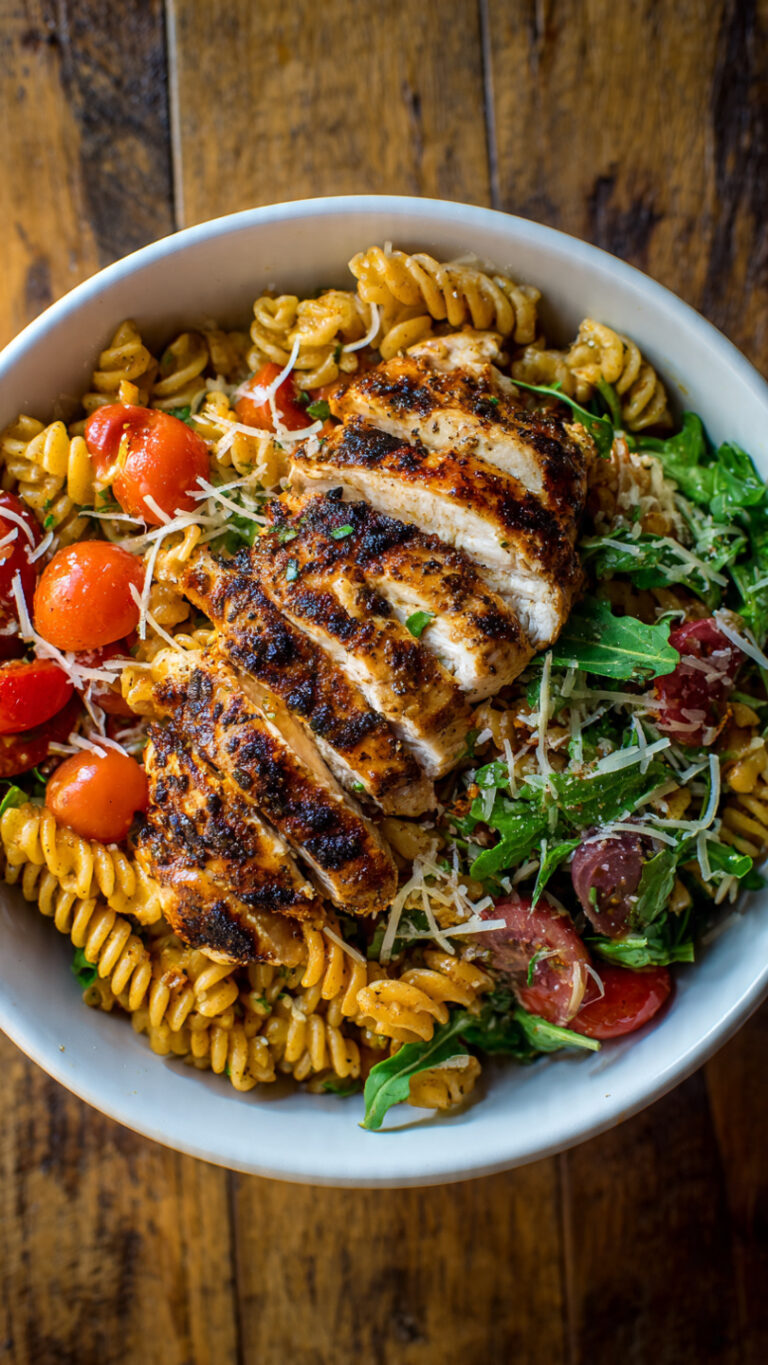
If you want to switch the base entirely, swapping greens for pasta keeps the protein high and adds a different texture.
The Dressing Trap: Vinaigrette, Creamy, or Store-Bought
Creamy dressings are the biggest calorie bomb. Two tablespoons of ranch runs about 140 calories and 14 grams of fat. Caesar is worse, often pushing 160 calories per serving.
And most people pour more than two tablespoons without thinking.
Vinaigrettes are the smarter default. A basic balsamic vinaigrette made with olive oil, vinegar, and Dijon mustard comes in around 60 to 80 calories for the same two tablespoons. The fat is mostly monounsaturated, the kind linked to better heart health.
Store-bought dressings hide sugar and sodium. Some commercial vinaigrettes pack 5 to 8 grams of added sugar per serving. The fix is simple: make your own.
It takes two minutes and you control every ingredient.
If you want a creamy texture without the calorie load, Greek yogurt-based dressings are a solid compromise that keep the protein up.
How You Grill Matters: Grill Pan, Outdoor Grill, or Skillet
A grill pan is the indoor workhorse. Cast iron models hold heat well and give you those char marks that add flavor. The downside is smoke.
Open a window and run the vent hood.
An outdoor gas grill is the classic choice. It gets hotter, cooks faster, and adds a smoky note you can't fake indoors. Preheat it to medium-high, around 400 to 450°F, and oil the grates before you place the chicken.
A regular skillet is the fallback. It won't give you grill marks, but a well-seasoned cast iron or stainless steel pan can still produce a nice browned crust. The key is the same: get it hot, add oil, then the chicken.
The technique matters more than the tool. Pound the chicken to an even thickness first. That way it cooks evenly, and you don't end up with a dry end and a raw middle.
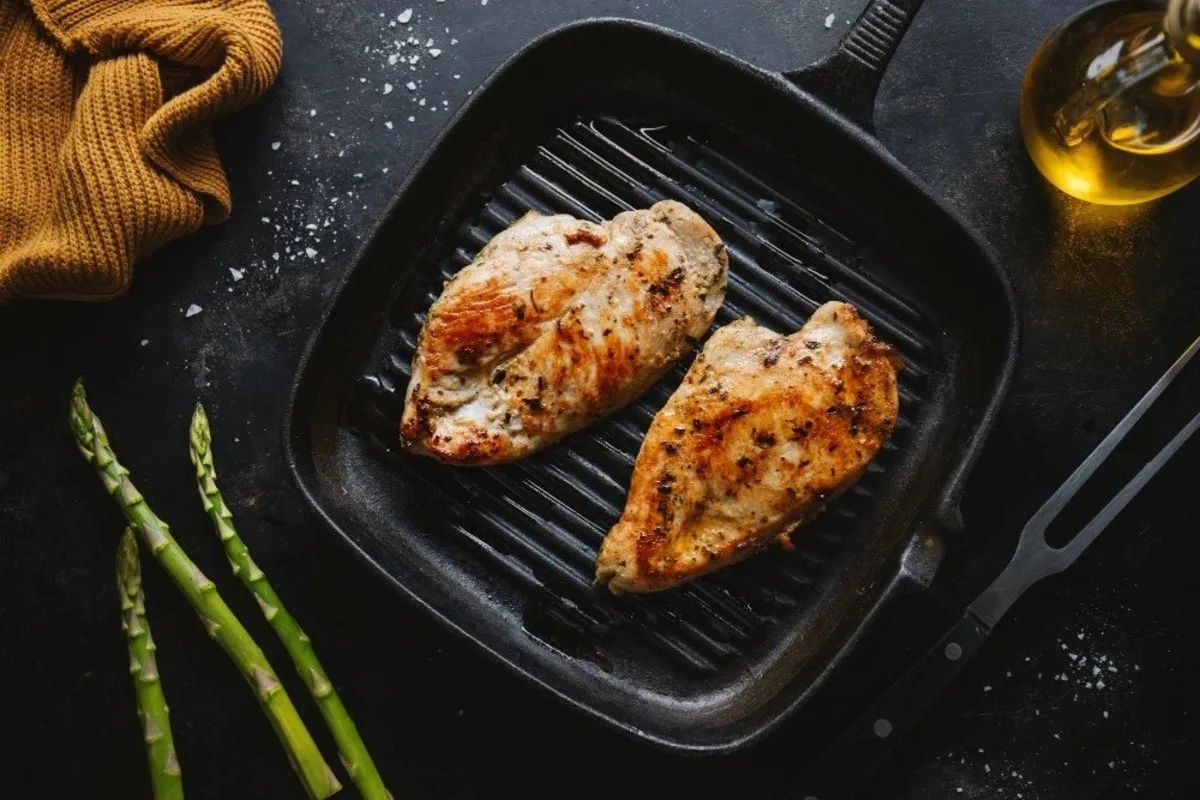
Image source: Web (Bing) / recipes.net (Web image (fair-use with source credit))
Side-by-Side: How Each Choice Affects Calories and Protein
Here's the honest math. The protein and green choices you make change the final number more than you'd expect.
| Choice (3 oz cooked) | Calories | Protein | Notes |
|---|---|---|---|
| Chicken breast | ~128 | ~26g | Leanest option, dries out fast |
| Chicken thighs | ~180 | ~22g | More flavor, more forgiving |
| Rotisserie white meat | ~140 | ~25g | Convenient, higher sodium |
| Dressing (2 tbsp) | Calories | Fat | Sugar |
|---|---|---|---|
| Ranch | ~140 | ~14g | ~1g |
| Caesar | ~160 | ~16g | ~1g |
| Balsamic vinaigrette | ~70 | ~6g | ~4g |
| Lemon juice + olive oil | ~80 | ~9g | ~0g |
The pattern is clear. Your dressing choice alone can swing the salad by 80 to 90 calories. Over a week of lunches, that's a meaningful difference.
If you want a heartier version that keeps the protein high, a grilled chicken pasta salad is a solid variation.
The Best Salad for Your Goal: Weight Loss, Muscle Gain, or Meal Prep
Weight Loss
Keep the bowl under 400 calories. Use 3 ounces of chicken breast, a generous base of leafy greens, and a single tablespoon of vinaigrette. Load up on non-starchy vegetables like cucumber, tomato, and bell peppers.
They add volume without calories.
Muscle Gain
Double the protein. Use 5 to 6 ounces of chicken breast or thighs, and add a grain like quinoa or farro. A scoop of chickpeas or black beans also boosts the protein and fiber.
Drizzle a little extra olive oil for healthy fats.
Meal Prep
Sturdy greens are non-negotiable. Kale or romaine hold up for days. Spinach and arugula wilt quickly.
Store the dressing in a separate container and add it the morning you eat. If you want a no-cook shortcut, the leftover rotisserie chicken approach keeps prep time near zero.
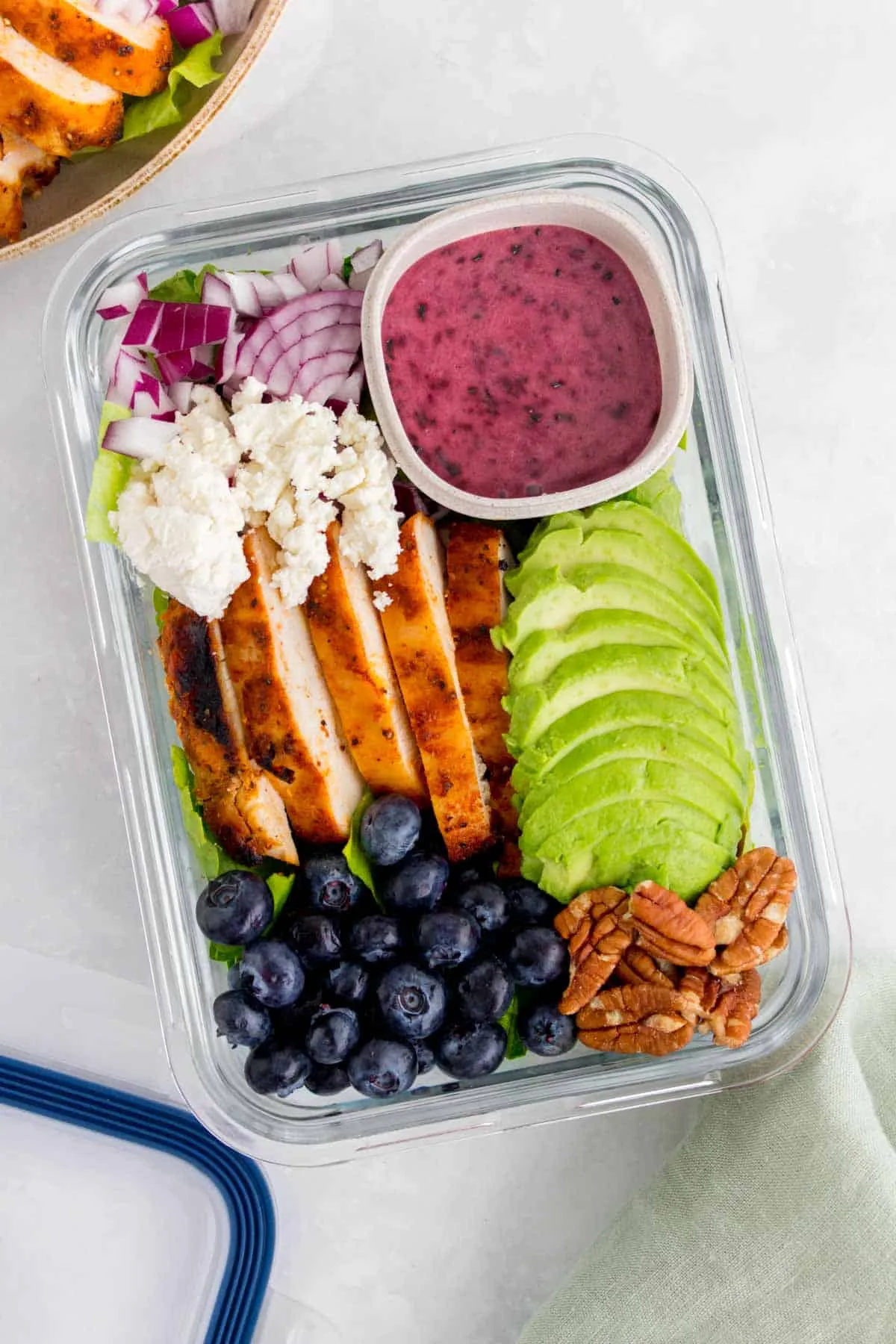
Image source: Bing (Web (fair-use with source credit))
Common Mistakes That Turn a Healthy Salad Junk
The biggest mistake is overdressing. Most people pour 4 to 5 tablespoons of dressing without measuring. That alone adds 150 to 200 calories and turns a light meal into a heavy one.
The second mistake is loading up on "healthy" toppings that aren't. Fried tortilla strips, candied nuts, dried fruit, and generous cheese shreds all add calories and sodium quickly. A sprinkle is fine.
A mound is not.
The third mistake is dry, bland chicken. If you don't marinate or you overcook it, you'll compensate with more dressing. That defeats the whole purpose.
Season the chicken properly and you'll need less dressing to enjoy it.
The fourth mistake is ignoring food safety. Reusing marinade that touched raw chicken, or leaving cooked chicken out for hours, is a real risk. The CDC recommends refrigerating leftovers within two hours and never letting raw poultry juices touch ready-to-eat ingredients.
Expert Tips for a Better Grilled Chicken Salad
Marinate for at least 30 minutes. A simple mix of olive oil, lemon juice, garlic, salt, and pepper transforms plain chicken. Two hours is better, but overnight isn't necessary.
Pound the chicken to an even thickness. A 1-inch breast cooks evenly. A breast that's thick on one end and thin on the other will always be dry on the thin side.
Rest the chicken for five minutes after grilling. This lets the juices redistribute. Slice against the grain for maximum tenderness.
Dry your greens thoroughly. A salad spinner or a clean kitchen towel works. Dressing won't stick to wet leaves, so you'll end up using more to compensate.
Make your dressing from scratch. It takes two minutes and costs less than a bottled version. If you want a creamy option without the calories, Greek yogurt-based dressings deliver the texture with more protein.
The Final Framework: Build Your Salad in Four Steps
Step one: pick your protein. Grilled chicken breast for lean calories, thighs for flavor, or rotisserie for speed. Aim for 3 to 6 ounces depending on your goal.
Step two: pick your base. Romaine for crunch, spinach for nutrients, arugula for bite, or kale for longevity. Use at least 2 cups.
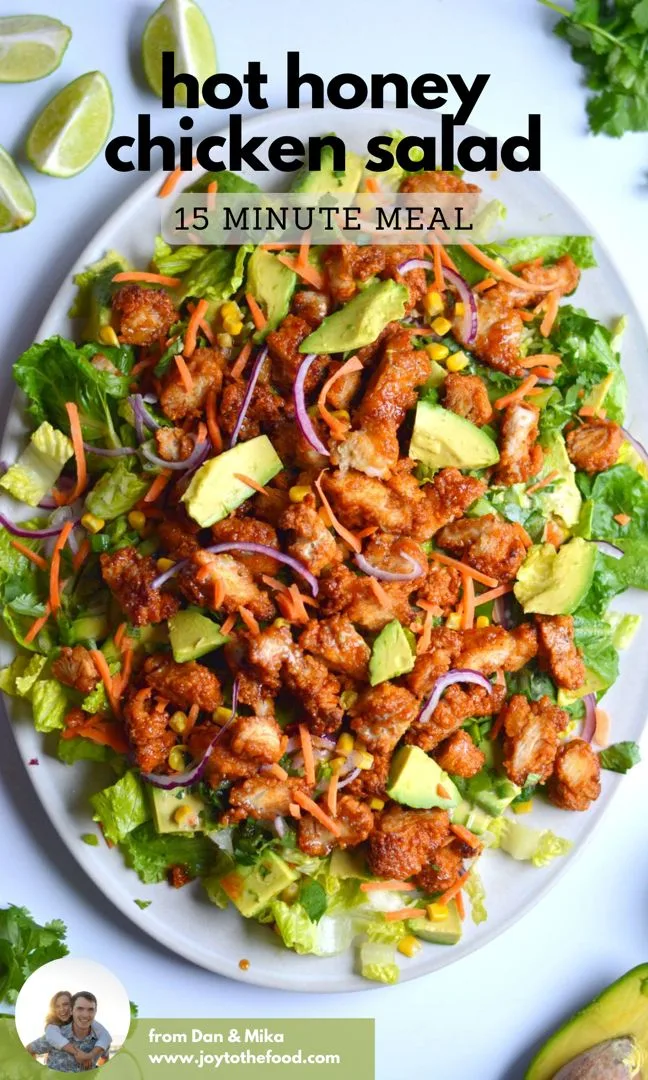
Step three: add vegetables and smart toppings. Cucumber, tomato, red onion, bell peppers, and avocado in moderation. Add crunch with pumpkin seeds or a tablespoon of walnuts.
Step four: dress it lightly. Two tablespoons of vinaigrette is the ceiling. Start with one and add more only if needed.
That's the whole system. No complicated counting, no specialty ingredients. If you'd rather skip the grill entirely, the air fryer chicken taco route gives you that same charred flavor with minimal oil.
Frequently Asked Questions
How long should I marinate chicken for a salad?
Thirty minutes minimum. Two hours is ideal. Overnight is fine but not necessary.
The acid in the marinade starts breaking down the meat quickly. Longer doesn't always mean better, especially with acidic ingredients like lemon juice.
Can I meal prep grilled chicken salad for the week?
Yes, but keep the dressing separate. Use sturdy greens like kale or romaine. Store the chicken and greens in separate compartments if possible.
The salad stays fresh for three to four days. Add the dressing the morning you eat.
Is store-bought rotisserie chicken healthy for a salad?
It can be. Remove the skin and stick to white meat. A 3-ounce portion has about 140 calories and 25 grams of protein.
Watch the sodium, which can be high in store-bought versions. Pair it with a low-sodium dressing.
What's the healthiest dressing for a grilled chicken salad?
A simple vinaigrette with olive oil, vinegar, and Dijon mustard. It's about 70 calories per two tablespoons. The olive oil provides monounsaturated fat, which supports heart health.
Lemon juice and olive oil work just as well.
How do I keep grilled chicken from drying out?
Pound it to even thickness first. Marinate for at least 30 minutes. Cook to 165°F and pull it off the grill immediately.
Rest it for five minutes before slicing. That rest period is where the moisture stays locked in.
Is grilled chicken salad good for weight loss?
Yes, when portioned correctly. A 350 to 450 calorie bowl with 25 to 30 grams of protein keeps you full for hours. The protein and fiber from vegetables control hunger better than a carb-heavy meal.
Just watch the dressing and toppings.