Why Is Your Air Fryer Salmon Dry? 5 Quick Fixes That Work
If air fryer salmon is dry, chalky, and tough instead of flaky and moist, you’re not alone. This is one of the most common air fryer complaints, and it’s almost always fixable with small prep or setting tweaks. The right fix depends entirely on what’s causing the dryness, so generic timers rarely work.
Per USDA FSIS rules, salmon hits safe doneness at 145°F internal temp, but most cooks overshoot by 10 to 15 degrees, which dries out flesh fast. Air fryers also run 10 to 20°F hotter than their set temperature on average, which throws off standard cook times. Let’s walk through what’s making your salmon dry and how to fix it for your situation.

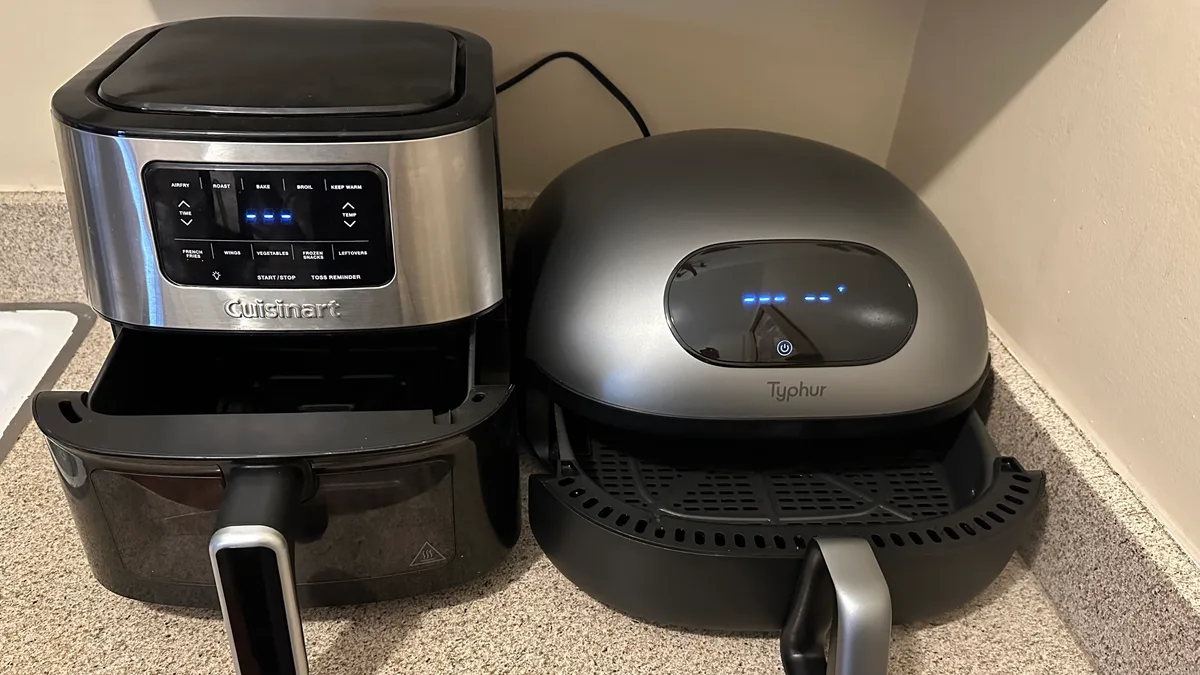
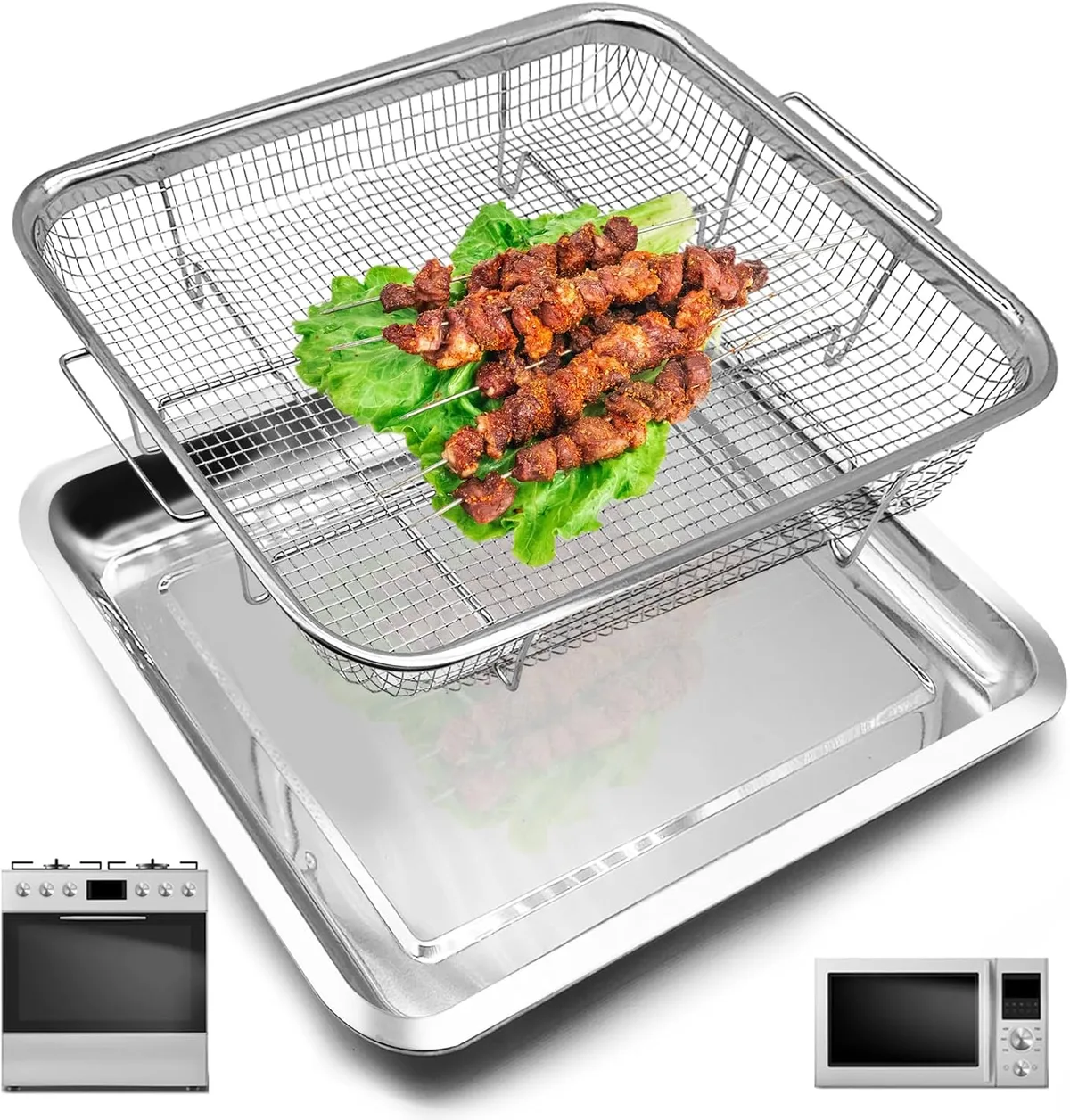
Image source: Web (Bing) / smart.dhgate.com (Web image (fair-use with source credit))
Quick Answer
Air fryer salmon is dry almost always from overcooking, lean cut choice, or skipped prep steps. Overcooking pushes salmon past its 145°F safe internal temp, squeezing out moisture. Lean cuts like sockeye need extra oil or brine to stay moist.
Skipping preheating or overcrowding the basket also dries out fillets fast.
Why Your Air Fryer Salmon Turns Out Dry (It’s Rarely Just Cook Time)
Most people blame cook time when air fryer salmon is dry, but the root cause is almost always a mix of three factors: your salmon cut’s natural fat content, your prep steps, and your air fryer’s temperature accuracy. Leaner salmon cuts have far less internal fat to keep flesh moist during high-heat cooking. Sockeye salmon has only 5 to 7g of fat per 100g, while king (Chinook) has 10 to 13g per 100g.
Cook a lean cut without extra oil or a short brine, and it will dry out far faster than a fattier cut at the same temp and time.
Air fryer temperature variance is another overlooked culprit. Most consumer air fryers run 10 to 20°F hotter than their set temperature, per aggregate user reviews and manufacturer testing data. A 375°F setting might hit 395°F, pushing salmon past its safe 145°F internal temp in minutes.
That squeezes out moisture and turns flesh tough. Overcrowding the basket also blocks hot air circulation, leading to uneven cooking that dries out exposed fillet edges while leaving the center undercooked.
Skipped prep steps make a huge difference too. Patting salmon dry with paper towels before oiling helps seasoning stick, but skipping oil leaves flesh exposed to direct hot air that pulls out moisture fast. Brining lean cuts in a 1 tablespoon kosher salt per 1 cup cold water solution for 15 to 30 minutes also helps flesh retain water during cooking, a trick supported by food science research from university extension programs.
If you’ve skipped any of these steps, that’s why your air fryer salmon is dry, not just a bad timer setting.
2-Minute Diagnosis: Find Your Exact Dry Salmon Trigger
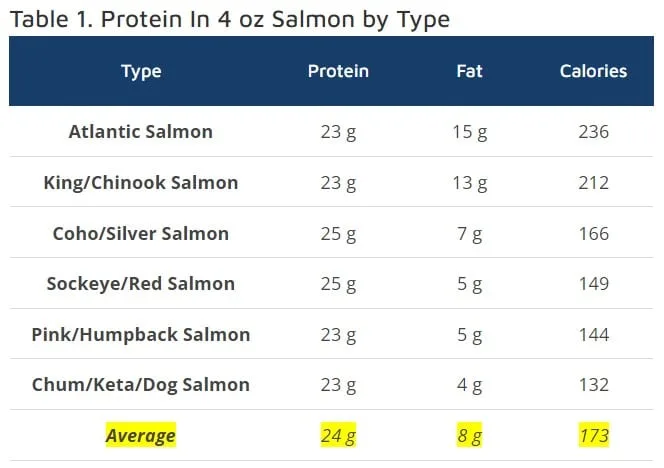
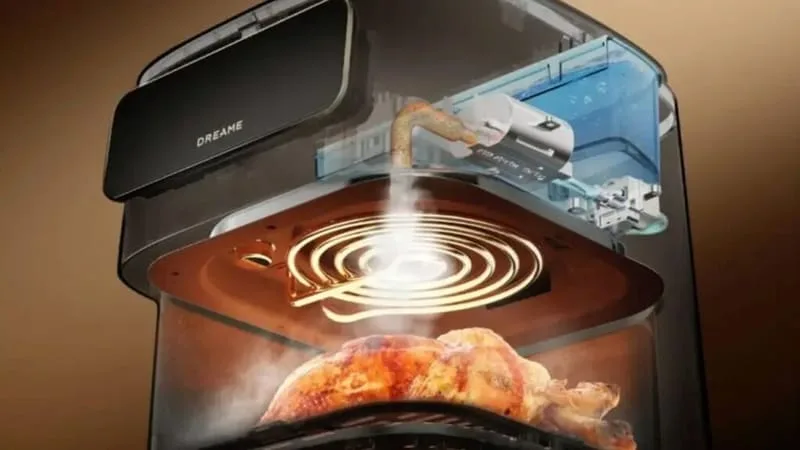
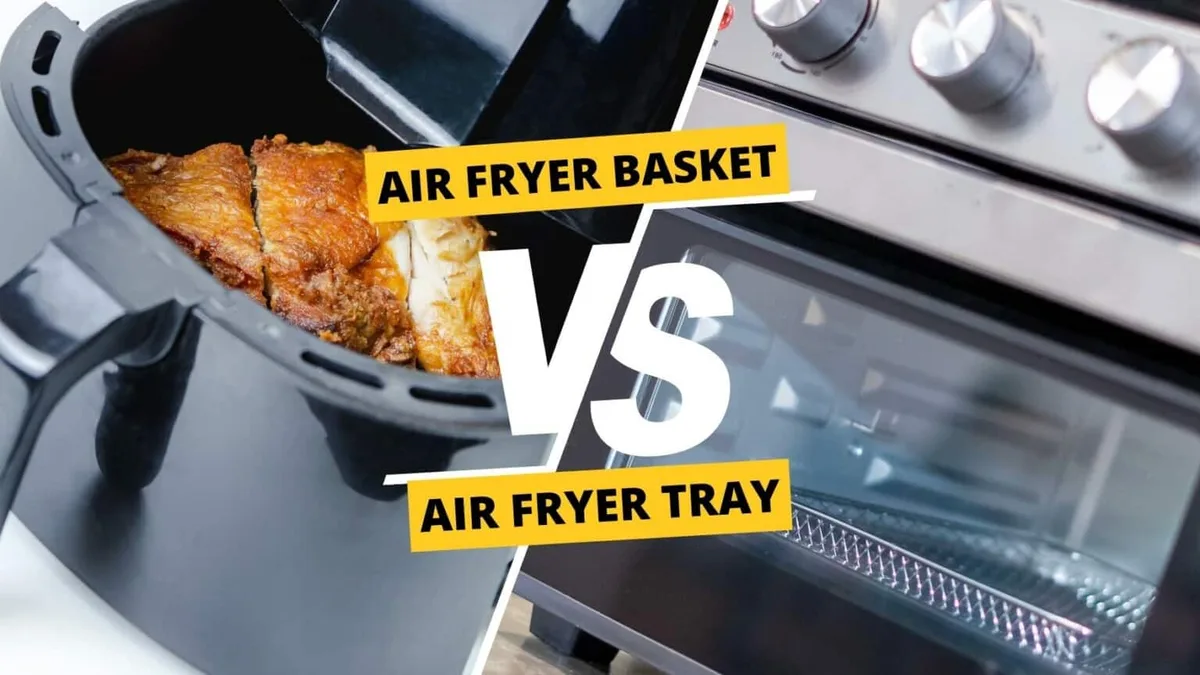
Image source: Bing (Web (fair-use with source credit))
To pinpoint exactly why your air fryer salmon is dry, answer these three quick questions in order. Your answers will lead you straight to the root cause, no guesswork needed.
First, what cut of salmon are you using? If you’re cooking a lean cut like sockeye, coho, or wild Atlantic, low natural fat content is your most likely culprit. Lean cuts have almost no internal fat to baste the flesh as they cook, so they dry out in 2 to 3 minutes if you skip oil or brine.
If you’re using a fattier cut like king (Chinook) or farmed Atlantic, low fat is far less likely the issue.
Next, did you complete all basic prep steps? If you skipped patting the salmon dry, brushing it with 1 teaspoon of oil per 6oz fillet, or brining it for 15 to 30 minutes, skipped prep is your problem. If you did all prep steps, move to the next question.
Finally, how did you set up your air fryer? If you overcrowded the basket, skipped preheating, or set the temperature above 400°F, your cooking setup is the issue. If you followed all setup rules, you’re likely overcooking by time instead of temperature.
Most air fryers cook 10 to 15% faster than standard oven timers, so relying on a generic 10-minute timer instead of checking internal temp will almost always lead to dry salmon.
For a quick visual reference for salmon fat content by cut, see the chart above. This will help you match your cut to the right prep and cook adjustments.
Targeted Fixes For Every Common Dry Salmon Scenario
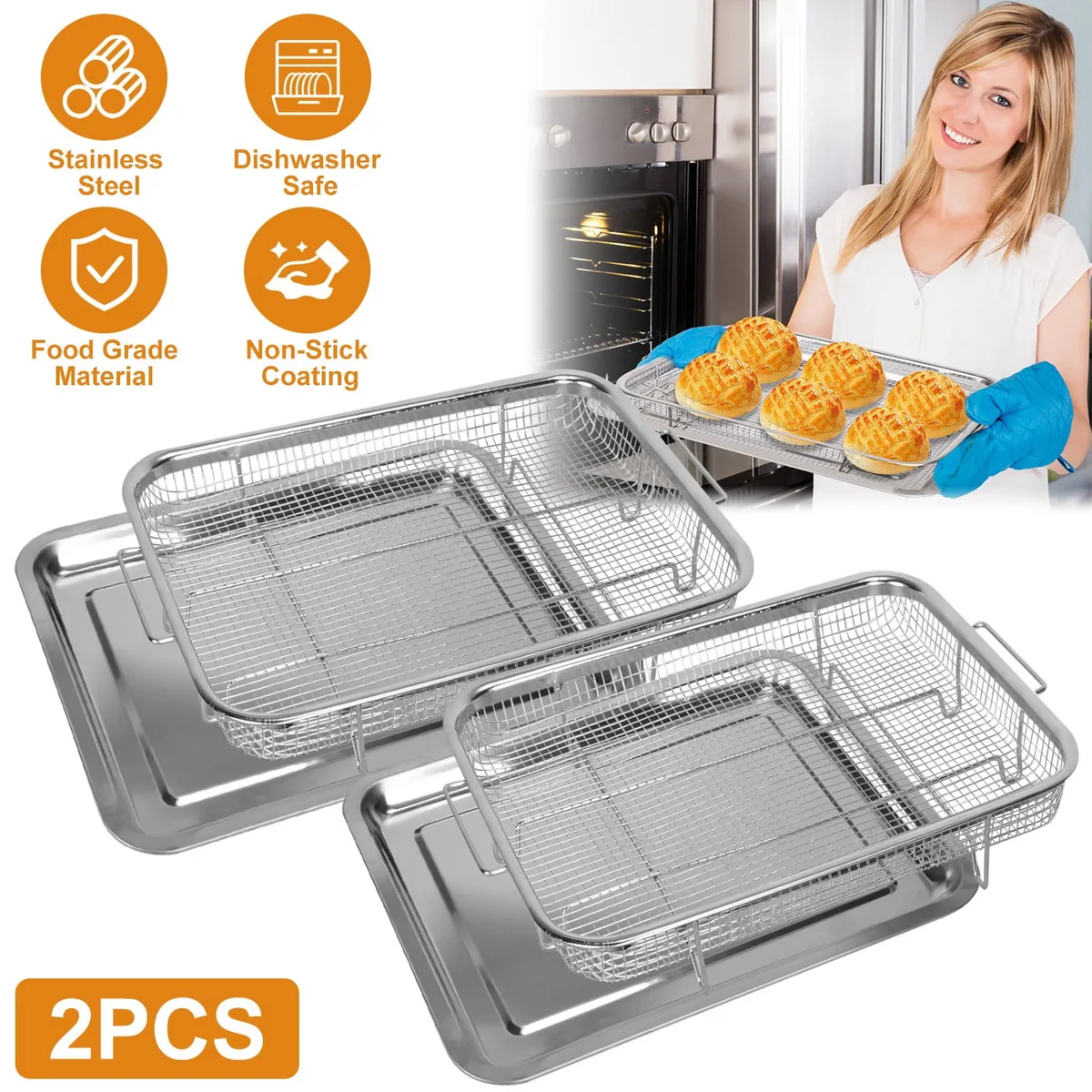
Image source: Web (Bing) / airfrygourmet.com (Web image (fair-use with source credit))
Once you’ve identified your dry salmon trigger, use the targeted fix below to get moist, flaky results every time. Each fix is tailored to the specific root cause, so you won’t waste time on adjustments that don’t apply to your situation.
If low fat content is your issue: Use 1 teaspoon of olive oil or melted butter per 6oz salmon fillet, and add a 15 to 30 minute brine in 1 tablespoon kosher salt per 1 cup cold water before cooking. The brine helps flesh retain moisture during high-heat cooking, while the oil creates a barrier that stops hot air from pulling out water. For extra-lean cuts like sockeye, wrap the fillet loosely in foil for the first 3 minutes of cooking to trap steam.
If skipped prep is your issue: Start by patting the salmon completely dry with paper towels before adding oil or seasoning. This helps the oil coat the flesh evenly instead of sliding off. If you skipped brining, add a 1/4-inch layer of water to the bottom of the air fryer basket before cooking, which creates steam to keep the flesh moist.
Don’t add more than 2 tablespoons of water, as this will steam the salmon instead of air frying it.
If bad air fryer setup is your issue: Preheat your air fryer for 3 minutes before adding salmon, and never overcrowd the basket. Leave 1 inch of space between fillets for hot air to circulate freely. If your air fryer runs hot, lower the set temperature by 10 to 15°F, and check for doneness 2 minutes earlier than standard timers suggest.
If you’re overcooking by time: Ditch generic timers entirely. Use a digital food thermometer to check for 145°F internal temperature in the thickest part of the fillet, away from the bone. Pull the salmon as soon as it hits this temp, as carryover heat will raise the temperature 3 to 5 degrees while it rests.
Non-Negotiable Rules To Never Have Dry Air Fryer Salmon Again
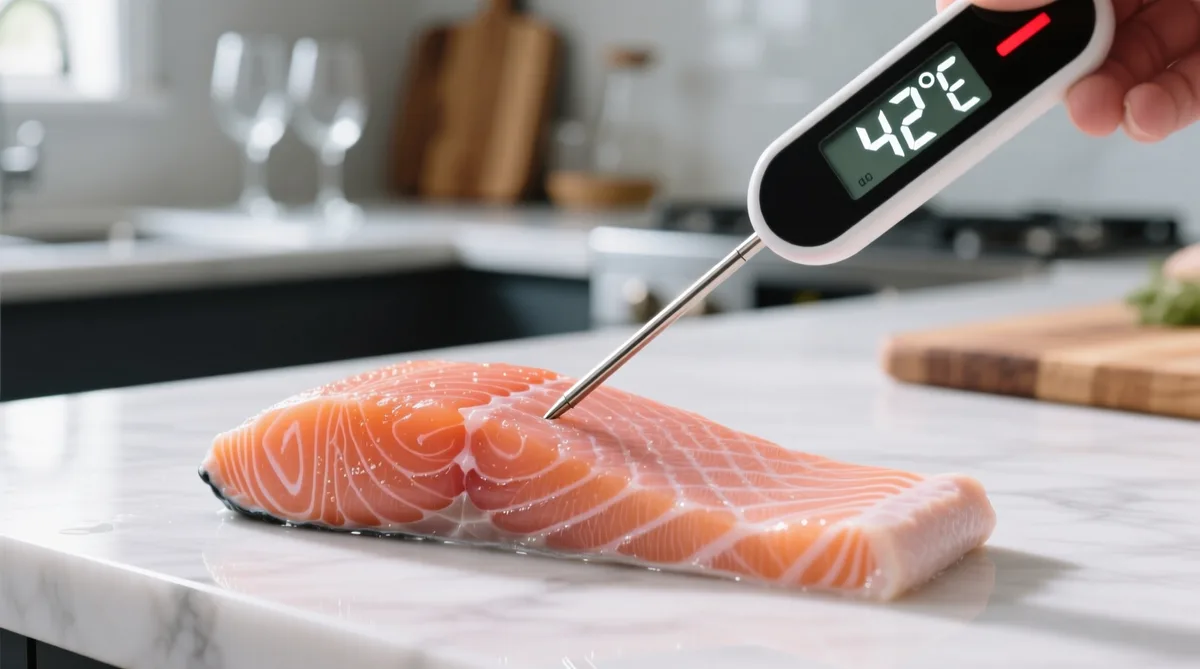
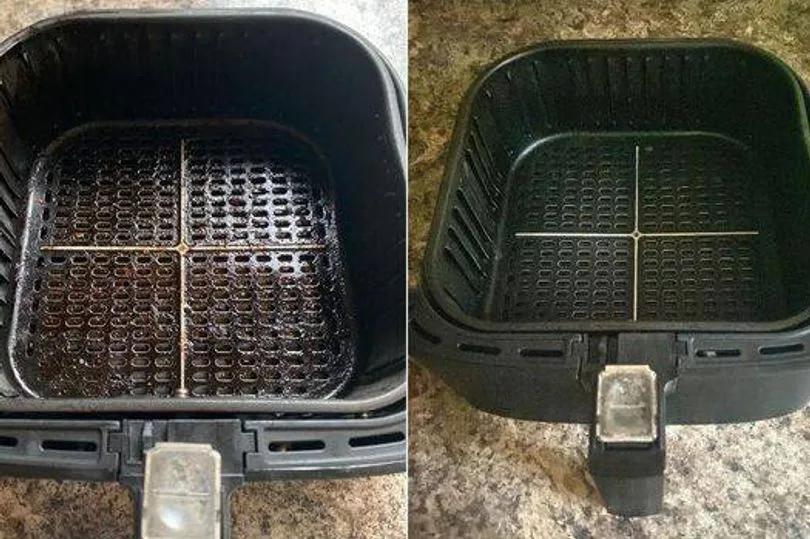
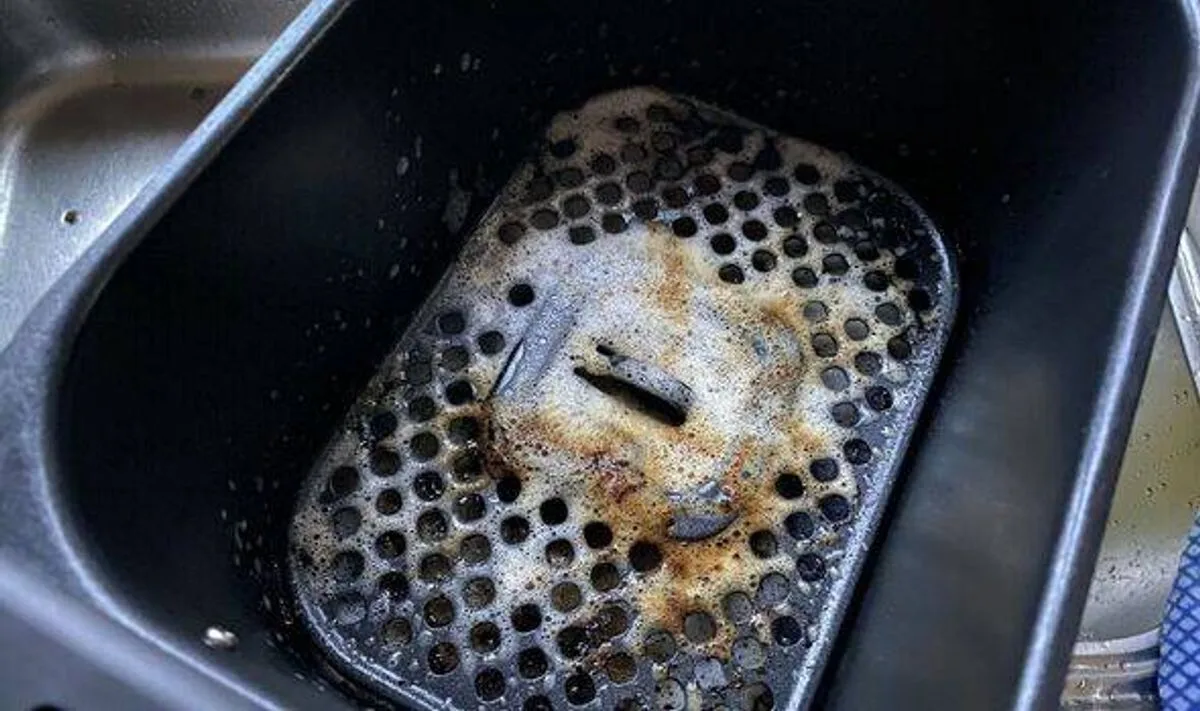
Image source: Bing (Web (fair-use with source credit))
These rules cut out almost all causes of dry air fryer salmon, no matter your cut or air fryer model. Follow them every time for consistent, moist results.
- Always use a digital food thermometer to check doneness. Relying on timers leads to overcooking, as cook times vary wildly by fillet thickness, cut, and air fryer model. Per USDA FSIS food safety guidelines, salmon is safe to eat at 145°F internal temperature, and carryover heat will raise the temp 3 to 5 degrees while the fish rests.
- Never skip preheating your air fryer. A cold air fryer extends cook time by 2 to 3 minutes, leading to uneven cooking that dries out fillet edges before the center is done. Preheat for 3 minutes at your target cooking temperature before adding salmon.
- Don’t overcrowd the basket. Leave 1 inch of space between fillets for hot air to circulate freely. Overcrowding blocks airflow, leading to soggy, unevenly cooked salmon that dries out in exposed spots.
- Skip aerosol cooking spray in non-stick air fryer baskets. Aerosol sprays contain propellants that degrade non-stick coatings over time, leading to stuck salmon that tears when removed, leaving dry, tough chunks behind. Use a brush to apply oil directly instead.
- Let salmon rest for 2 to 3 minutes after cooking. Cutting into it immediately releases all retained moisture, leaving you with dry, stringy flesh. Resting lets juices redistribute evenly through the fillet.
For lean cuts like sockeye or wild salmon, brining for 15 to 30 minutes in 1 tablespoon kosher salt per 1 cup cold water is also non-negotiable. The brine alters the protein structure of the flesh, helping it hold onto moisture during high-heat cooking. As of 2026, this is a standard tip recommended by most home cooking experts and university extension seafood programs.
Quick Reference: Cook Times, Temps & Prep Cheats For Every Salmon Cut
Use this cheat sheet to skip guesswork and match your exact salmon cut to the right settings. All timings assume a preheated air fryer and 1 inch of clearance between fillets for proper hot air circulation. Always confirm doneness with a digital food thermometer, as air fryer temperature variance can shift cook times by 2 to 3 minutes.
| Salmon Cut | Thickness | Required Prep | Air Fryer Temp | Cook Time | Target Internal Temp |
|---|---|---|---|---|---|
| Farmed Atlantic (skin-on) | 1 inch | Pat dry, brush with 1 tsp oil per 6oz | 380°F | 8–10 mins | 145°F |
| King/Chinook (skin-on) | 1.5 inch | Pat dry, brine 15 mins, brush with 1 tsp oil | 375°F | 12–14 mins | 145°F |
| Sockeye (skinless) | 1 inch | Pat dry, brine 30 mins, brush with 1 tsp oil | 370°F | 7–9 mins | 145°F |
| Frozen salmon fillet (any cut) | 1 inch | Pat dry if frosty, brush with 1 tsp oil | 400°F | 12–15 mins | 145°F |
| Salmon steak (bone-in) | 1 inch | Pat dry, brush with 1 tsp oil, no brine needed | 385°F | 10–12 mins | 145°F |
For extra-lean cuts like sockeye or wild Pacific salmon, add 1 tablespoon of water to the bottom of the air fryer basket before cooking to create light steam that locks in moisture. Don’t exceed 2 tablespoons of water, or you’ll end up with steamed, soggy salmon instead of crispy edges on skin-on cuts. If your air fryer runs consistently hot, lower the set temperature by 10°F and check for doneness 2 minutes earlier than the table suggests.
Carryover heat will raise the internal temperature 3 to 5 degrees while the salmon rests, so pull it a few degrees early to avoid overcooking.
Frequently Asked Questions
Why is my air fryer salmon always dry even when I follow the timer?
Timers don’t account for fillet thickness, cut fat content, or your air fryer’s temperature variance, which can run 10 to 20°F hotter than the set setting. Overcooking even 2 to 3 minutes past 145°F squeezes out moisture and turns flesh tough, so always use a digital thermometer instead of a fixed timer.
Should I brine salmon before air frying it?
Brining is non-negotiable for lean cuts like sockeye, coho, or wild salmon, which have 5 to 7g of fat per 100g. A 15 to 30 minute brine in 1 tablespoon kosher salt per 1 cup cold water alters the protein structure to help flesh retain moisture during high-heat cooking. Fattier cuts like farmed Atlantic or king salmon don’t need brining if you brush them with oil before cooking.
What temperature should I set my air fryer for salmon?
Most salmon cooks best between 370°F and 400°F, depending on cut and thickness. Lean cuts like sockeye do better at 370°F to avoid overcooking, while thicker cuts like king salmon steaks hold up to 385°F. If your air fryer runs hot, lower the set temp by 10°F to avoid pushing the internal temp past 145°F too fast.
Can I cook frozen salmon in the air fryer without it drying out?
Yes, but you need to adjust prep and timing. Pat off any excess frost with paper towels, brush with 1 teaspoon of oil per 6oz fillet, and add 1 tablespoon of water to the bottom of the basket for steam. Cook at 400°F for 12 to 15 minutes, checking for 145°F internal temp at the 12 minute mark to avoid overcooking.
How do I keep skin-on salmon crispy and not dry?
Place the fillet skin-side down in a preheated, lightly oiled air fryer basket. Don’t flip it during cooking, and don’t overcrowd the basket, as blocked airflow will make skin soggy. If the skin isn’t crispy after cooking, broil for 1 to 2 minutes at the end, watching closely to avoid burning.
Frequently Asked Questions
Why is my air fryer salmon dry even when I follow recipe timers?
Recipe timers don’t account for fillet thickness, cut fat content, or your air fryer’s temperature variance, which can run 10 to 20°F hotter than the set setting. Overcooking even 2 to 3 minutes past 145°F squeezes out moisture and turns flesh tough, so always use a digital thermometer instead of a fixed timer.
Should I brine all salmon cuts before air frying?
Brining is only required for lean cuts like sockeye, coho, or wild Pacific salmon, which have 5 to 7g of fat per 100g. A 15 to 30 minute brine in 1 tablespoon kosher salt per 1 cup cold water helps flesh retain moisture during high-heat cooking. Fattier cuts like farmed Atlantic or king salmon don’t need brining if brushed with oil before cooking.
What internal temperature is safe for air fryer salmon?
Per USDA FSIS food safety guidelines, salmon is safe to eat at 145°F internal temperature measured in the thickest part of the fillet, away from bone. Carryover heat will raise the temp 3 to 5 degrees while the fish rests, so pull it a few degrees early to avoid overcooking.
Can I cook frozen salmon in the air fryer without it drying out?
Yes, but you need to adjust prep and timing. Pat off excess frost with paper towels, brush with 1 teaspoon of oil per 6oz fillet, and add 1 tablespoon of water to the bottom of the basket for steam. Cook at 400°F for 12 to 15 minutes, checking for 145°F internal temp at the 12 minute mark.
How do I keep skin-on salmon crispy without drying out the flesh?
Place the fillet skin-side down in a preheated, lightly oiled air fryer basket. Don’t flip it during cooking, and leave 1 inch of space between fillets for hot air to circulate. If the skin isn’t crispy after cooking, broil for 1 to 2 minutes at the end, watching closely to avoid burning.

Similar Posts