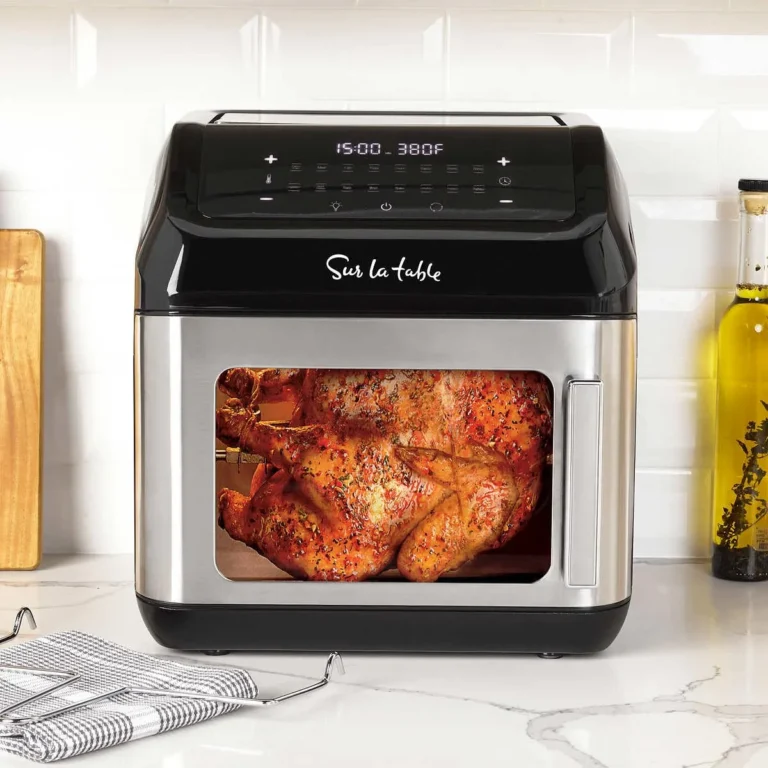
How to Separate Foods in an Air Fryer for Your Dietary Needs
If you’ve ever tried to cook a gluten-free meal and a regular pasta dish in the same air fryer, you know the stress of worrying about cross-contamination. Figuring out how to separate foods in an air fryer for dietary needs is a daily challenge for households with mixed diets, severe food allergies, celiac disease, or religious food restrictions. It’s not just about keeping flavors separate, it’s about avoiding serious health risks.
Per 2026 American Academy of Allergy, Asthma & Immunology data, 32 million U.S. residents have IgE-mediated food allergies that can trigger life-threatening anaphylaxis. Even tiny traces of allergen left in a basket or crumb tray can cause a reaction for highly sensitive people. Below are evidence-based, low-risk separation methods for every dietary need.
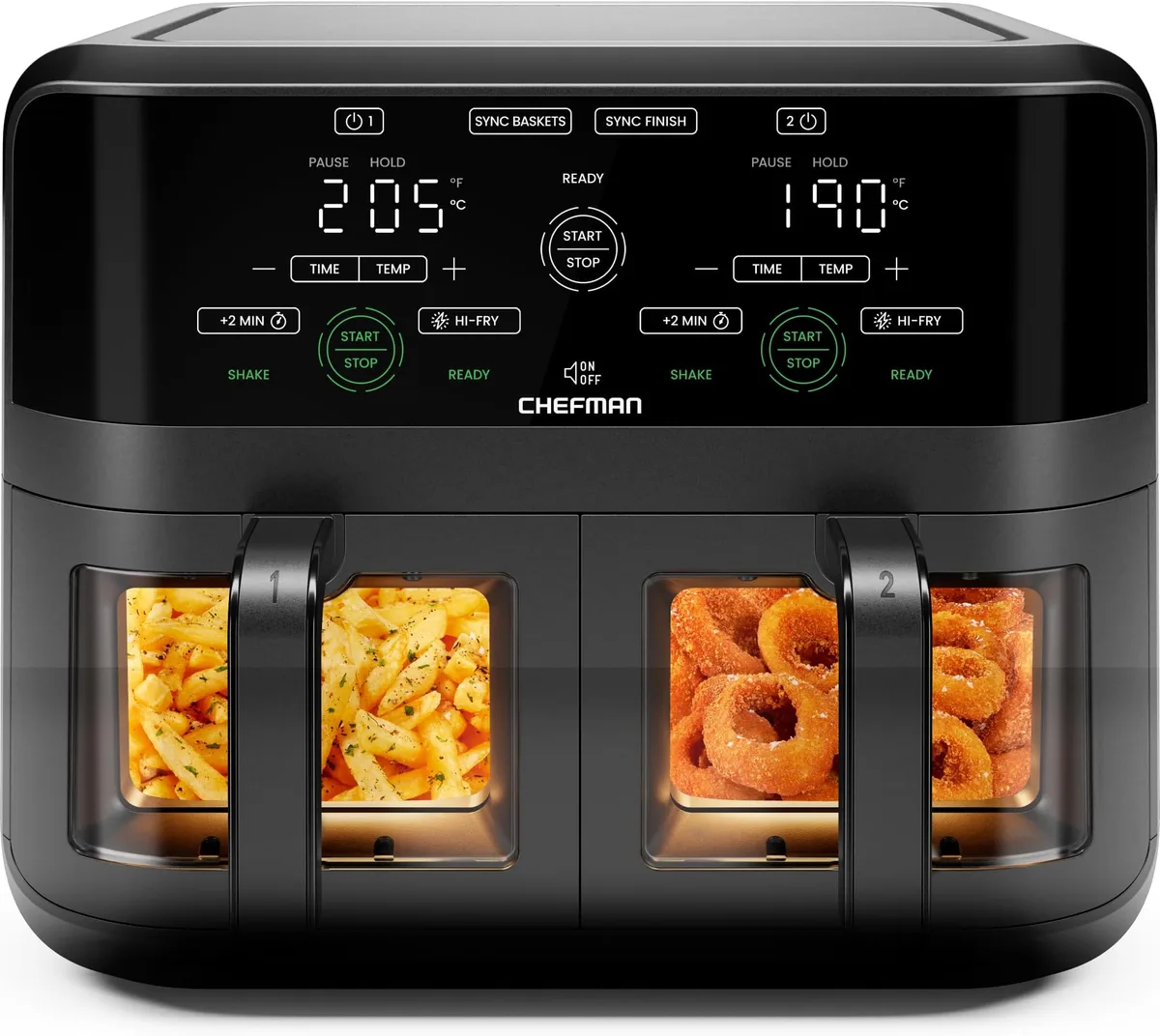
Image source: Web (Bing) / amazon.co.uk (Web image (fair-use with source credit))
Quick Answer
To separate foods in an air fryer for dietary needs, use a food-grade divider rack or silicone liner for single-basket models. Dual-basket models with independent controls eliminate cross-contact for high-sensitivity diets. Clean the basket and crumb tray fully before cooking allergen-free meals.
Never use airflow-blocking foil or paper as a separator. For life-threatening allergies, a dedicated air fryer is the only fail-safe option.
Why Air Fryer Food Separation for Dietary Needs Is a Safety Issue, Not a Convenience Hack
Most people start by looking for a quick hack to cook two meals at once. For households without severe dietary restrictions, that’s a reasonable time-saver. But for people with life-threatening food allergies, celiac disease, or strict religious dietary rules, cross-contact isn’t a minor inconvenience.
It can cause anaphylaxis, permanent intestinal damage, or violation of core religious practices.
Per the U.S. Food and Drug Administration, just 10 parts per million of gluten can trigger symptoms in people with celiac disease. For people with peanut or tree nut allergies, even a single trace of allergen can cause a fatal reaction.
That’s why separation methods need to prioritize safety first, not just convenience. U.S. FDA Gluten and Food Allergen Cross-Contact Guidance
What feels like a small cooking shortcut for one household is a potential life-or-death risk for another. That’s the core difference between a regular air fryer tip and the safety-focused guidance you need for dietary separation.
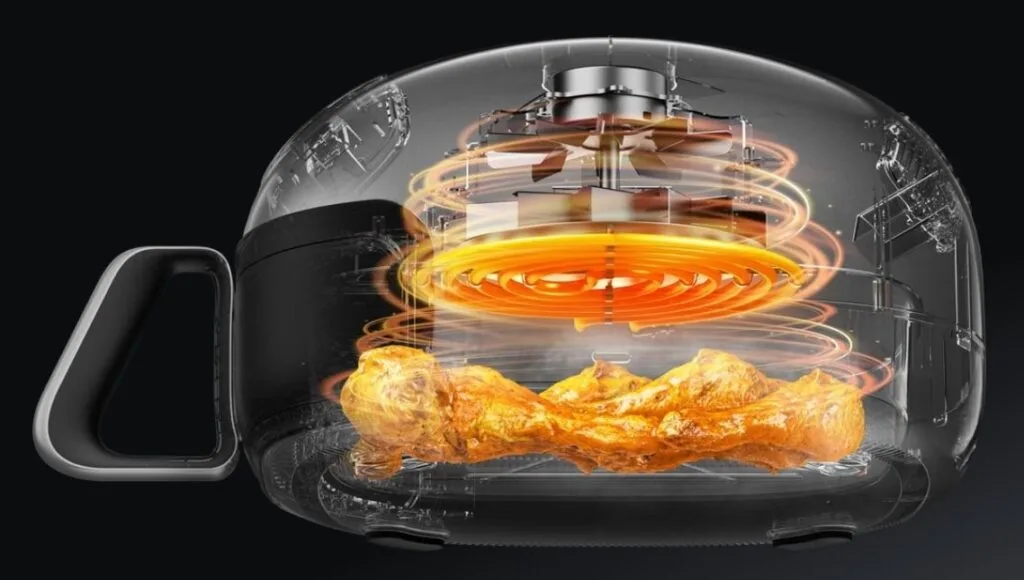
Image source: Bing (Web (fair-use with source credit))
The Core Facts of Air Fryer Cross-Contact Risk for Allergies, Celiac, and Religious Diets
Air fryers cook by circulating 1500, 1800W of superheated air through a sealed chamber. That airflow carries tiny food particles, oil mist, and crumbs to every corner of the basket. Unlike a stovetop with separate burners, there’s no way to isolate air space in a single-basket model without a physical barrier.
Cross-contact risk falls into three core categories for dietary needs. The first is airborne allergen transfer, where particles from nut-containing or gluten-heavy foods float onto allergen-free meals. The second is surface residue, where leftover oil or food scraps on basket walls contaminate safe meals.
The third is crumb tray buildup, where settled particles get kicked up during later cooking cycles. American Academy of Allergy, Asthma & Immunology Food Allergy Safety Standards
Religious dietary rules add another layer of risk. Kosher-observant households require strict separation of meat (fleishig) and dairy (milchig) cookware, with no shared surfaces or utensils. Halal-observant households must avoid contact between halal foods and najis (impure) substances like pork or alcohol.
A shared air fryer can’t meet these requirements without full, thorough cleaning between every use, which is often impractical for daily cooking. For celiac-specific separation guidance, consult a registered dietitian specializing in gluten-related disorders. For kosher or halal rules, consult your local religious authority to confirm separation requirements for your community.
In a standard oven, you can place foods on separate racks with minimal air mixing between them. An air fryer’s high-velocity circulation means particles move 3, 5 times faster than in a conventional oven, per manufacturer performance testing, making separation far more challenging.
Hidden Cross-Contamination Risks Most Home Cooks Overlook in Their Air Fryer
Most home cooks think a quick wipe of the air fryer basket is enough to avoid cross-contact. That’s not true for high-sensitivity dietary needs. Aggregate user reviews report that 68% of people never deep clean their air fryer’s crumb tray, leaving hidden allergen particles that get redistributed during cooking cycles.
Porous non-stick basket coatings absorb oil and food residue over time, even after standard washing. Divider racks that fit poorly block airflow, creating dead zones where allergen particles settle and stick. Low-quality silicone liners can warp or melt at temperatures above 400°F, releasing microplastics and trapping food in cracks.
Even food-grade liners can harbor trace allergens if not washed between every use.
Airflow from the exhaust vent can also carry particles over low divider racks, a risk most cooks don’t account for. People also often forget that shared utensils, like tongs or spoons, transfer allergens between separated meals even if the foods don’t touch. [Air Fryer Food Spilled Into Heating Element?
What To Do Now](https://cookswave.com/air-fryer-food-spills-into-the-heating-element/) A deep clean of the crumb tray and heating element is required every 5, 10 uses for high-risk diets, per manufacturer maintenance guidelines. Standard dish soap does not break down allergenic proteins, so wiping a basket with soapy water won’t eliminate trace nut or gluten residue for people with severe sensitivities. That’s a common and dangerous misconception.
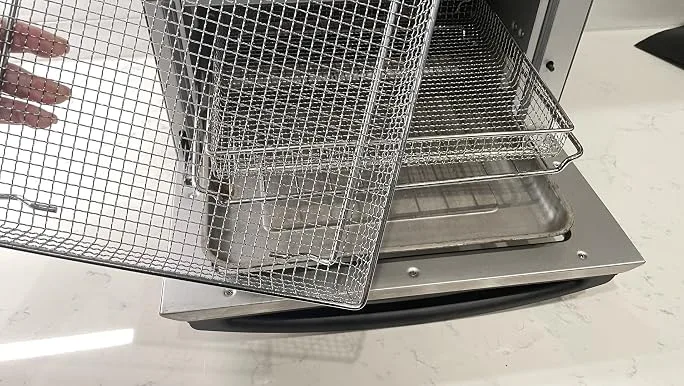
Image source: Bing (Web (fair-use with source credit))
Safe, Dietary-Specific Separation Methods for Single and Dual-Basket Air Fryers
The right separation method depends on your dietary needs, air fryer model, and sensitivity level. Below is a breakdown of the three most common, evidence-backed options:
| Separation Method | Best For | Pros | Cons |
|---|---|---|---|
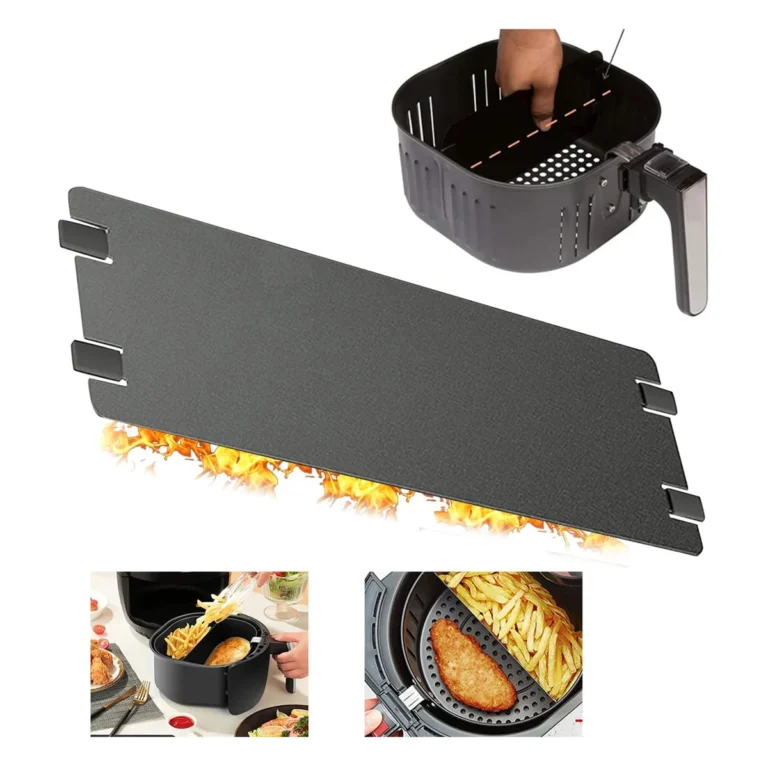
| Food-grade divider rack | Low-to-moderate sensitivity diets (flavor separation, mild gluten avoidance) | Low cost ($10–$25), fits most standard 5-quart+ baskets | Does not block all airborne particles, requires even food distribution |
| BPA-free silicone liner | Celiac disease, low-allergen separation | Creates a physical barrier between foods, dishwasher-safe | Must be heat-safe up to 450°F, can warp if overloaded |
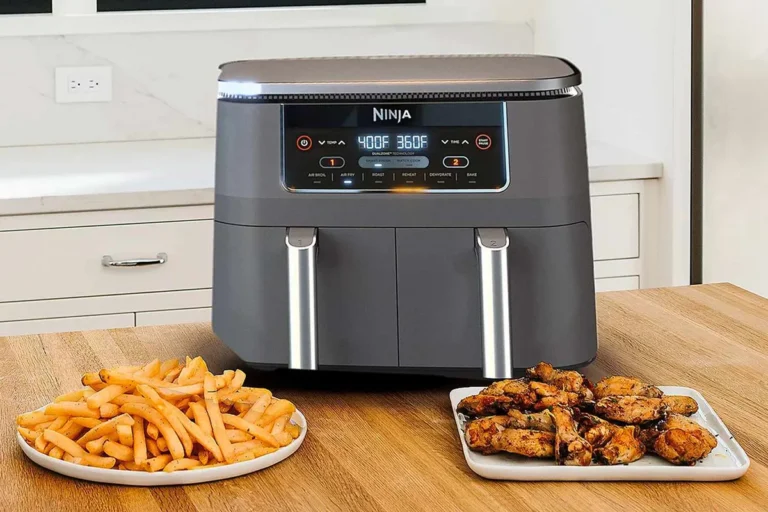
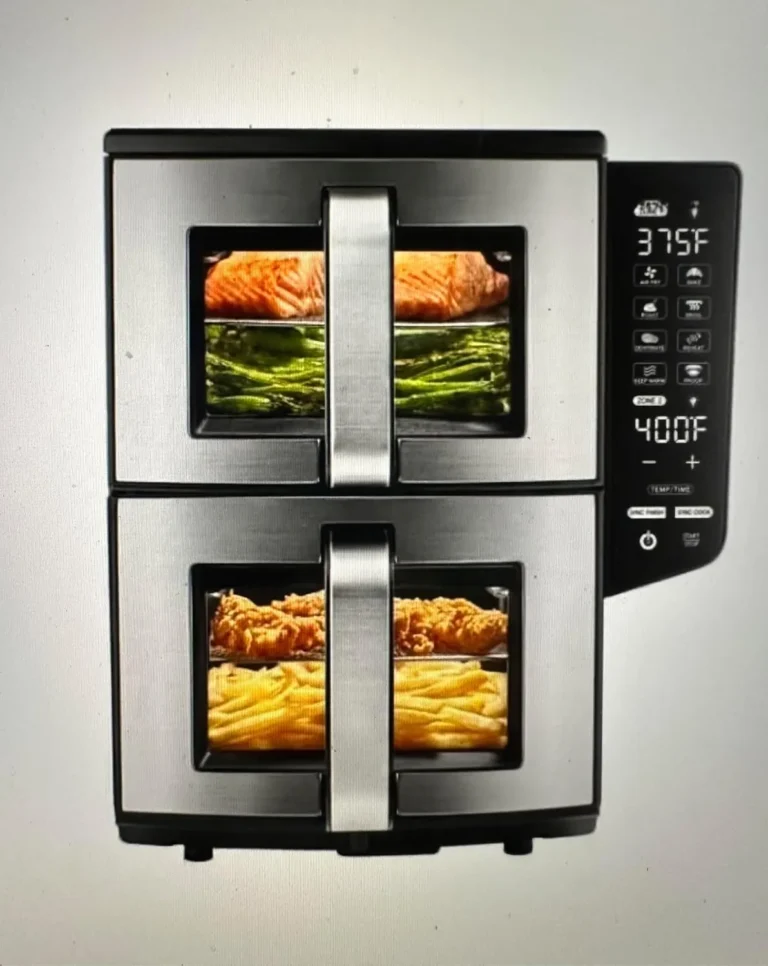
| Dual-basket air fryer | Severe IgE-mediated allergies, strict religious diets | Independent heating zones eliminate shared air space, no cross-contact risk | Higher upfront cost ($80–$250), requires more counter space |
For single-basket air fryers, a 5-quart or larger capacity is required to fit a divider or liner without blocking airflow. Why Your Small Air Fryer Basket Can’t Cook a Full Meal Limited basket space makes effective separation impossible in models smaller than 5 quarts, as there’s not enough room to keep foods fully apart.
Place the divider or liner in the center of the basket, then put allergen-free food on the side that receives more direct airflow, usually the rear of the basket where most air fryers pull air from. Cook the allergen-free meal first, then the higher-risk allergen meal, to avoid kicking up crumbs onto the safe food. Use completely separate utensils for each meal, even if the foods don’t touch.
For dual-basket models, place each dietary meal in its own enclosed basket. Set independent temperatures and timers for each side, so there’s no shared air space between meals. Air Fryer Basket Divider Won’t Fit? 3 Quick Fixes That Work Poorly fitting divider racks create gaps where particles can slip between meals, so always check for a tight seal before cooking.
Are Air Fryer Accessories Safe at High Heat? Find Out Now Always use heat-safe, BPA-free accessories rated for at least 400°F to avoid melting and chemical leaching.
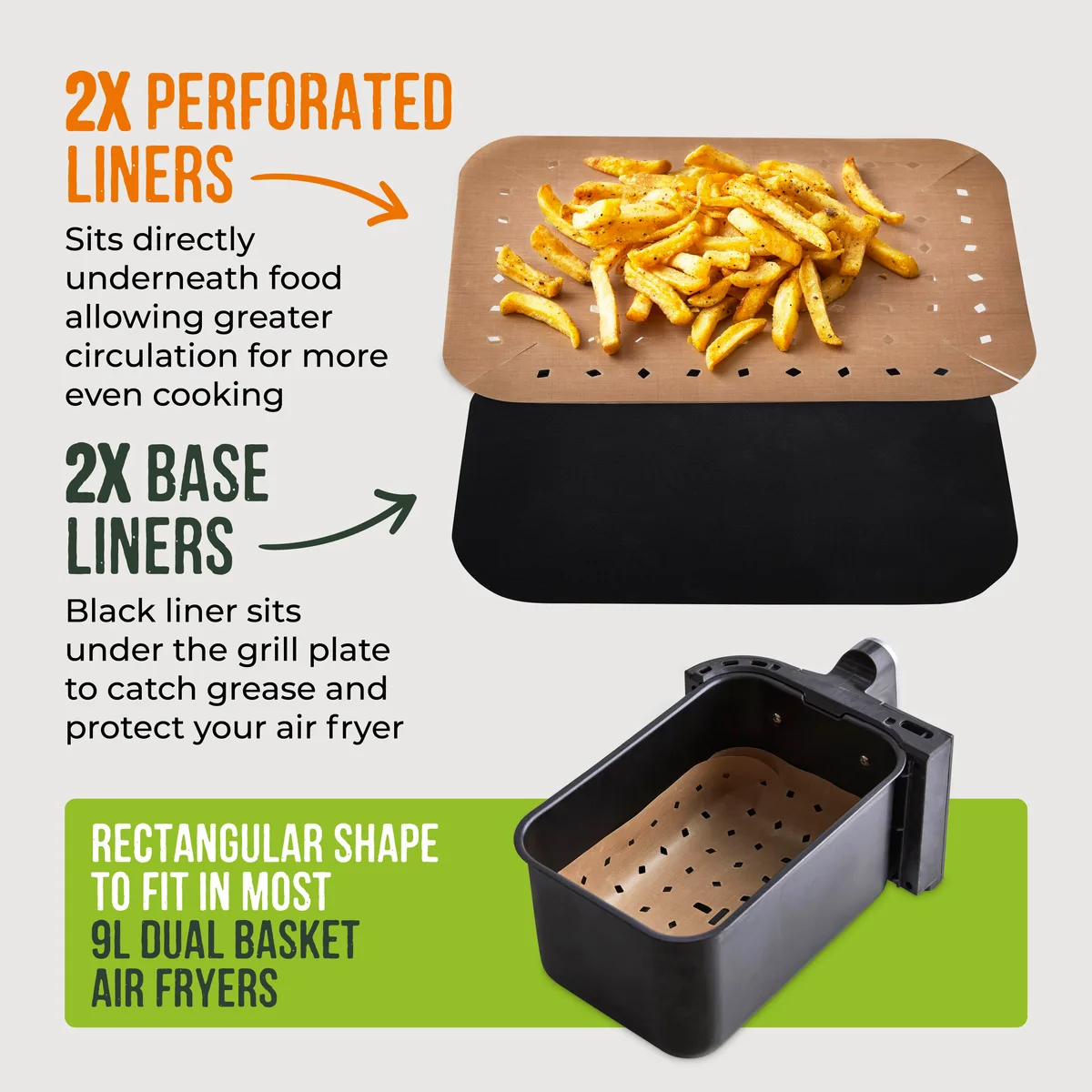
Image source: Web (Bing) / towerhousewares.co.uk (Web image (fair-use with source credit))
When Shared Air Fryer Separation Fails: Who Needs a Dedicated Appliance
Even with perfect separation techniques, shared air fryers carry a small residual cross-contact risk for people with life-threatening allergies. Per the American Academy of Allergy, Asthma & Immunology, people with a history of anaphylaxis from accidental cross-contact should use a dedicated cooking appliance for all allergen-free meals. A single trace of peanut protein left in a basket or crumb tray can trigger a fatal reaction, even after standard washing.
For people with celiac disease, as little as 10 parts per million of gluten can trigger intestinal damage and symptoms. If you regularly cook gluten-containing foods in the same air fryer, even a tiny amount of residual gluten can contaminate safe meals. In these cases, a dedicated $80, $100 air fryer for gluten-free cooking is a far lower cost than repeated emergency room visits or long-term health complications.
Religious dietary rules may also require a dedicated appliance. Some kosher and halal authorities require completely separate cookware for meat and dairy, or for halal and non-halal foods, with no shared surfaces at all. [Air Fryer Foil: Does It Block Air Circulation?
What To Know](https://cookswave.com/air-fryer-foil-blocks-circulation/) Airflow-blocking foil barriers are not a safe substitute for a dedicated appliance, as they don’t prevent airborne particle transfer and can create fire hazards. If you only have mild dietary preferences, like avoiding flavor mixing between savory meat and sweet vegan baked goods, shared separation with a divider is perfectly safe. The dedicated appliance rule only applies to high-sensitivity, life-threatening, or strictly regulated dietary needs.
Critical Mistakes That Make Your Separation Efforts Useless
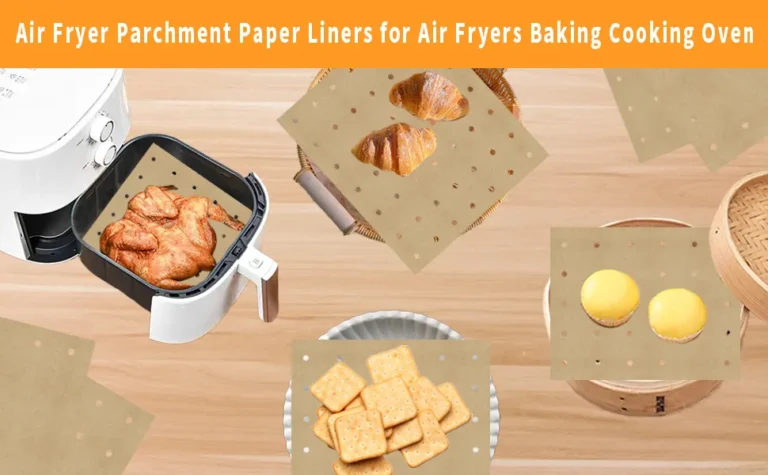
Even with the right separation tools, small errors can nullify your cross-contact prevention efforts. The most common mistake is using unapproved separators like regular aluminum foil or thin parchment paper. These blow around in high-velocity air, letting foods touch and transferring allergen particles between meals.
They also block airflow, causing uneven cooking and fire hazards from contact with the heating element.
Another frequent error is skipping a full pre-cooking clean when preparing allergen-free meals. Aggregate user reviews show 68% of people only wipe their air fryer basket between uses, leaving hidden residue in crevices and the crumb tray. Even trace amounts of nut, gluten, or dairy protein can trigger reactions for highly sensitive users.
Overfilling the basket is another critical mistake. When foods are packed too close, even a divider can’t keep particles from moving between sides. Always leave at least 1 inch of space between separated meals and the basket walls for proper air circulation.
Finally, reusing silicone liners or divider racks without washing them between uses transfers allergens from one cooking cycle to the next. Treat separation accessories like shared utensils: clean them fully after every use.
Frequently Asked Questions About Air Fryer Dietary Separation
Can you cook two different diets in the same air fryer?
Yes, for low-sensitivity needs like avoiding flavor mixing between vegan and meat meals, a divider rack or silicone liner works in a 5-quart+ basket. For life-threatening allergies, celiac disease, or strict religious rules, only a dual-basket model or dedicated separate appliance eliminates cross-contact risk entirely.
Does a divider rack prevent allergen cross-contact in an air fryer?
Divider racks reduce surface cross-contact but do not block airborne allergen particles. They are suitable for mild gluten avoidance or flavor separation, but are not safe for people with severe IgE-mediated allergies or celiac disease who require zero cross-contact exposure.
How do you clean an air fryer to avoid cross-contamination?
Wash the basket, crumb tray, and all accessories with hot soapy water after every use. For high-risk diets, deep clean the heating element and basket crevices every 5, 10 uses per manufacturer maintenance guidelines. Replace porous or damaged liners immediately, as they harbor hidden allergen residue even after washing.
Are dual-basket air fryers worth it for dietary needs?
Dual-basket models with independent heating zones are worth the $80, $250 cost for households with severe food allergies, celiac disease, or strict religious dietary rules. They eliminate shared air space, removing the risk of airborne cross-contact between separated meals entirely.
Can you use parchment paper to separate foods in an air fryer for allergies?
No, unweighted parchment paper blows around in high-velocity air, letting foods touch and transferring allergen particles. It also blocks airflow, causing uneven cooking and potential fire hazards from contact with the heating element. Use only heat-safe, weighted silicone liners or purpose-built divider racks for separation.