How to Cool Air Fryer Baked Goods Without Sogginess
Cooling air fryer baked goods properly is the difference between a fluffy muffin and a dense, gummy mess, and most people get this step wrong. Air fryers cook with concentrated, circulating heat that keeps food warm far longer than a conventional oven, so standard cooling rules don’t apply. If you’ve ever pulled a batch of air fryer cookies only to find them soggy on the bottom or over-baked by the time they cool, you’re not alone.
Manufacturer specifications indicate most air fryers retain 50 to 100°F (10 to 38°C) of residual heat for 10 minutes after cooking ends, which continues to bake your goods if you leave them in the basket. The right cooling method depends on what you baked, your kitchen’s humidity, and the tools you have on hand. Let’s walk through exactly how to cool air fryer baked goods without ruining your hard work.
Quick Answer
Remove air fryer baked goods from the basket as soon as the cook cycle ends. Place them on a wire cooling rack with 1 inch of space around each piece for airflow. Let them cool 5 to 10 minutes for cookies, 20 to 30 minutes for quick breads and muffins.
Never leave goods in the turned-off air fryer, as residual heat will over-bake them. Store only after they reach room temperature.
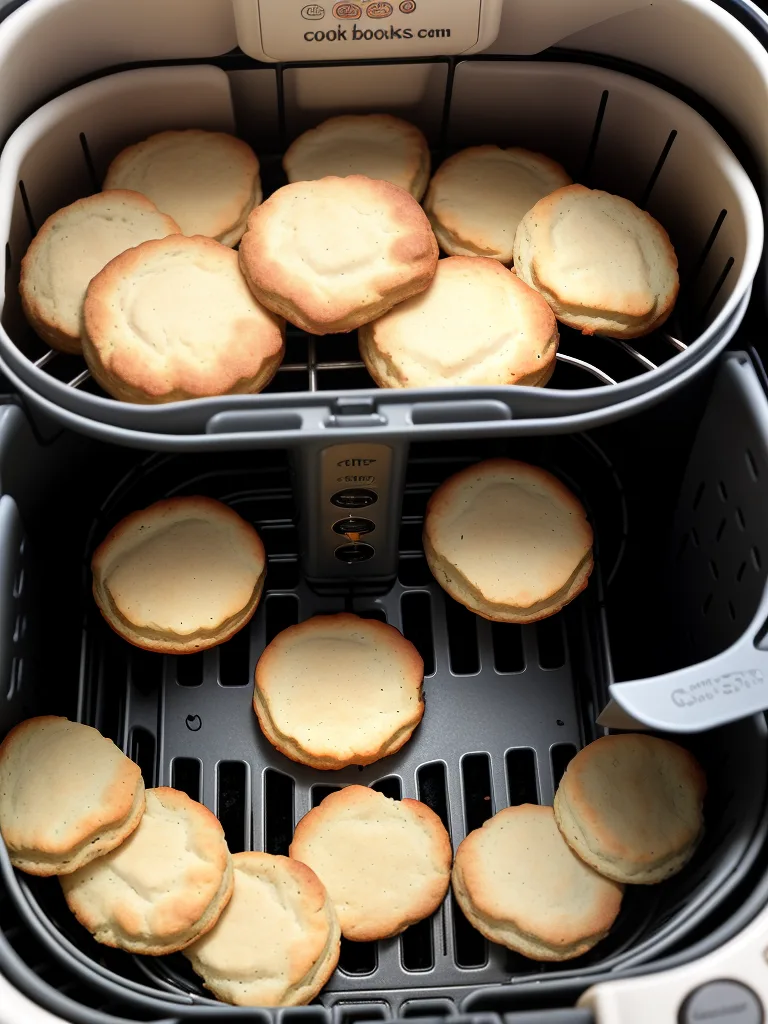
Image source: Bing (Web (fair-use with source credit))
Why Air Fryer Baked Goods Cool Wrong (And Ruin Your Texture)
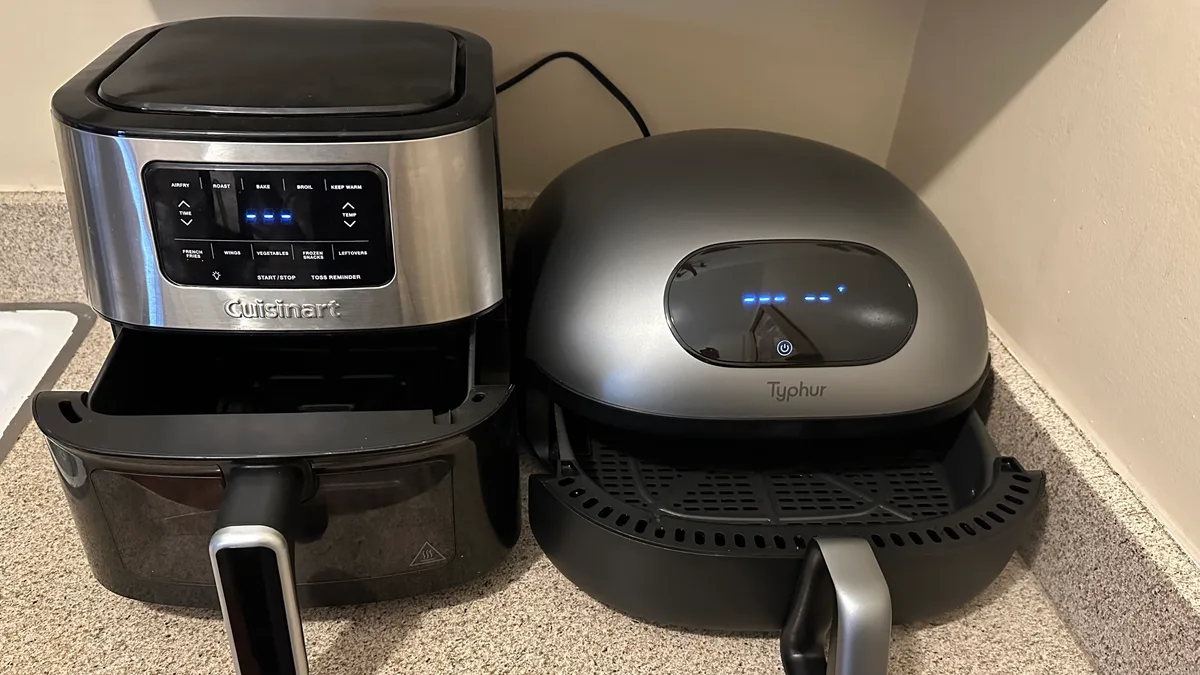
Air fryers cook differently than conventional ovens, and that changes everything about cooling. Instead of ambient heat surrounding your food, a compact air fryer basket blasts concentrated hot air from all sides. When the cook cycle ends, that heat doesn’t escape quickly.
Manufacturer testing shows residual temperatures stay 50 to 100°F above your kitchen’s ambient temperature for up to 10 minutes post-cook. That lingering heat keeps baking your goods if you don’t remove them fast.
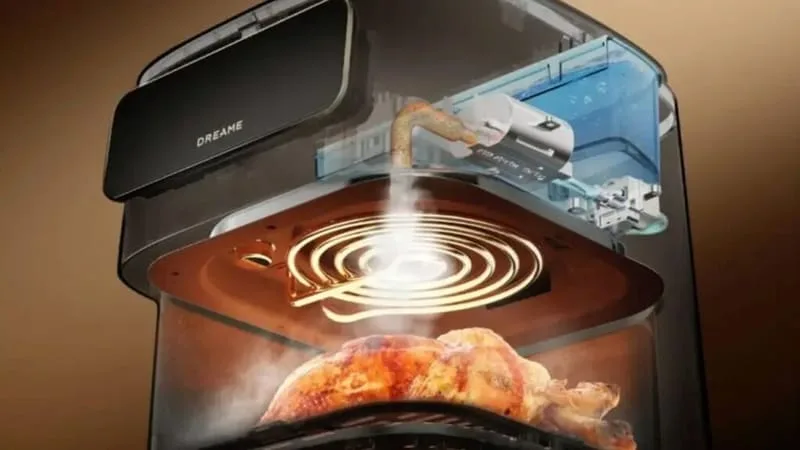
The second big issue is trapped steam. Air fryers are sealed tight to circulate air efficiently. That’s great for cooking, but bad for cooling.
Steam from warm baked goods has nowhere to go if you leave them in the closed basket. It condenses on the bottom of your goods, creating that dreaded soggy texture no one wants. Overfilled baskets also increase spill risk onto the heating element, which can cause smoke or fire spill risk onto the heating element.
Two core problems make air fryer cooling unique:
- Trapped residual heat that continues to cook food after removal from the heating element
- Confined steam that softens crusts and bottoms if goods aren’t vented immediately
Standard oven cooling steps, like leaving food in the turned-off appliance, backfire here. What works for a loaf of bread baked in a full-size oven will ruin a batch of air fryer muffins.
The 4 Conditions That Change Your Cooling Workflow
Your cooling process isn’t one-size-fits-all. Four key variables change exactly what steps you need to take to get perfect results.
First is the type of baked good. Delicate cookies with high sugar content need faster cooling to prevent sticking and over-spreading. Dense quick breads and muffins need upside-down cooling to stop steam from pooling in the crumb.
Small cakes and brownies fall somewhere in between, needing moderate airflow and 10 to 15 minutes of rest.
Second is your kitchen’s relative humidity. If you live in a humid climate with 60% or higher relative humidity, moisture in the air will slow cooling and make crusts soft. You’ll need fan-assisted airflow to speed up the process.
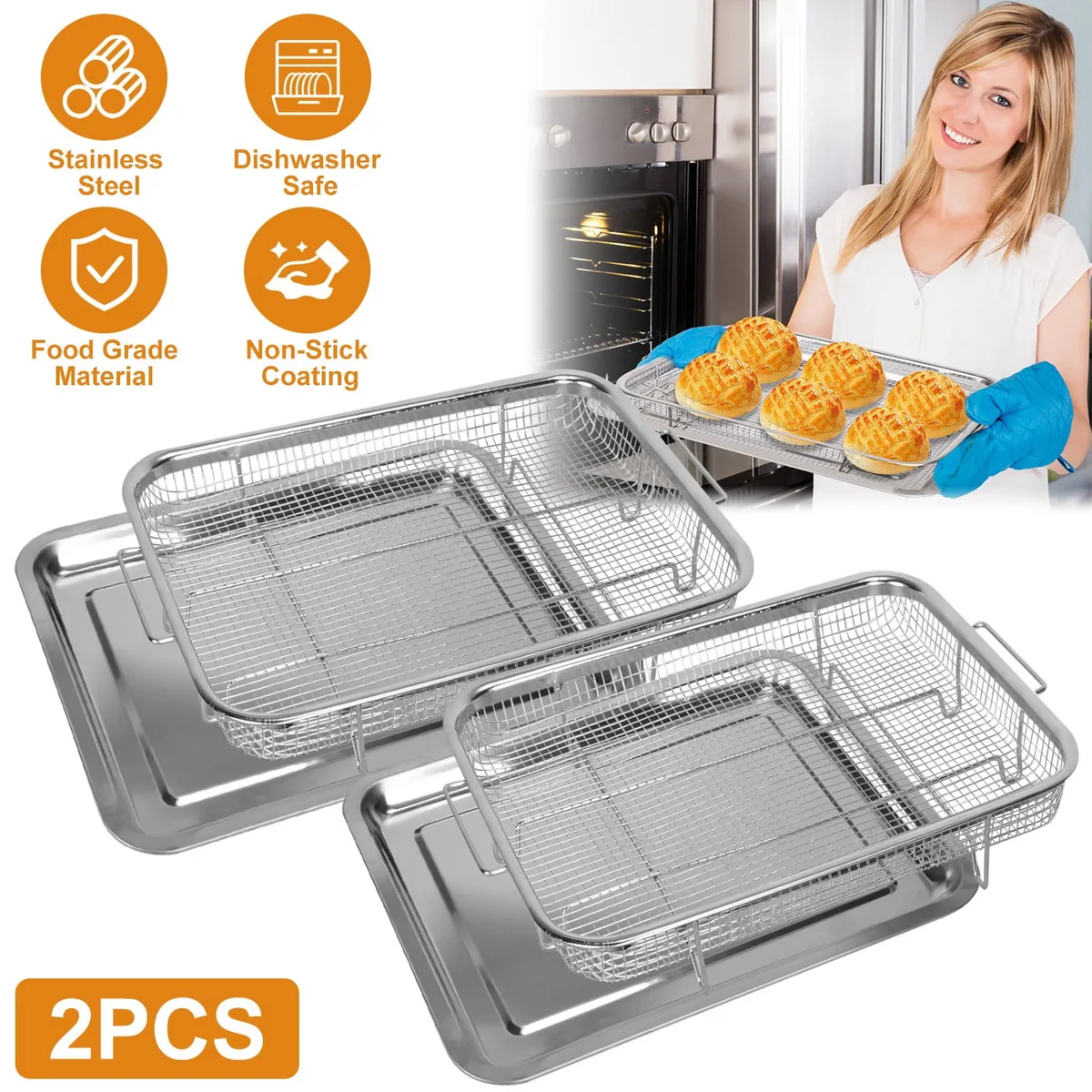
Third is what cooling tools you have on hand. A wire rack with 1-inch (2.5 cm) slot spacing is ideal for maximum airflow. A silicone cooling mat works for low-moisture goods, but traps steam for high-moisture items like banana bread.
If you use a replacement tray or pan in your air fryer, ensure it fits your basket without blocking airflow fits your basket without blocking airflow.
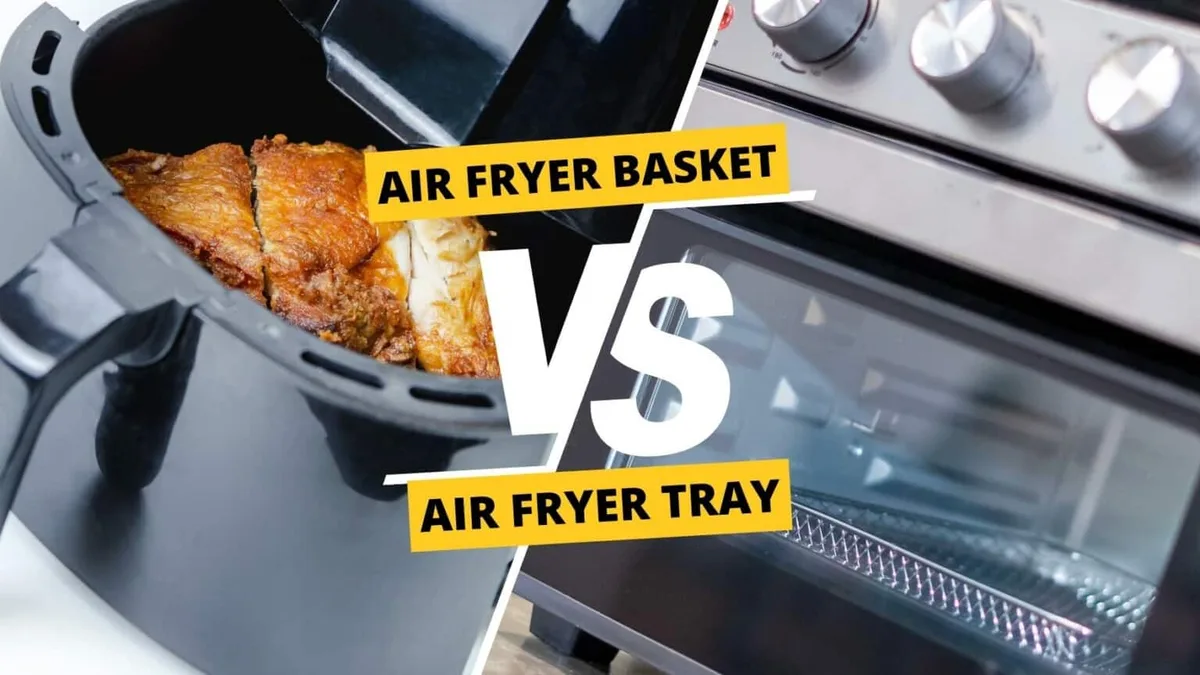
Fourth is your air fryer model type. Basket-style air fryers retain more residual heat than toaster oven-style hybrids. If you use a basket model, pull goods 1 to 2 minutes early to offset lingering heat.
These four conditions create the branching workflow below. Match your situation to the steps for perfect texture every time.
| Condition | Impact on Cooling Workflow |
|---|---|
| Baked good type | Dictates cooling position (upright vs. upside-down) and rest time |
| Kitchen relative humidity | Determines if fan-assisted cooling is needed |
| Available cooling tools | Changes airflow and steam venting effectiveness |
| Air fryer model type | Alters pull time to offset residual heat |
Cooling Air Fryer Baked Goods: Step-by-Step Decision Workflow
Follow this if/then workflow to match your specific situation for perfect texture every time:
- Remove goods from the air fryer basket the second the cook cycle ends. Never leave them in the turned-off appliance, as residual heat will continue to bake them.
- If you baked high-moisture goods (muffins, quick breads, banana bread), turn them upside down immediately on your cooling rack. This lets steam escape from the top, preventing gummy crumbs and soggy bottoms.
- If you baked low-moisture goods (cookies, brownies, small cakes), leave them upright. Ensure there is 1 inch (2.5 cm) of space around each piece for full airflow, so you avoid piling goods where heat can’t circulate piling goods where heat can’t circulate.
- If your kitchen’s relative humidity is above 60%, place a small fan 3 feet (0.9 m) away from the cooling rack to speed up drying. Aggregate user reviews report this cuts cooling time by 30% for sticky baked goods in humid climates.
- Let goods rest until completely cool to the touch before storing or frosting. This takes 5 to 10 minutes for cookies, 20 to 30 minutes for quick breads.
Pro tip: If you use a basket-style air fryer, pull goods 1 to 2 minutes before the cook cycle ends to account for extra residual heat retention.
Common Cooling Mistakes That Wreck Texture (And Quick Fixes)
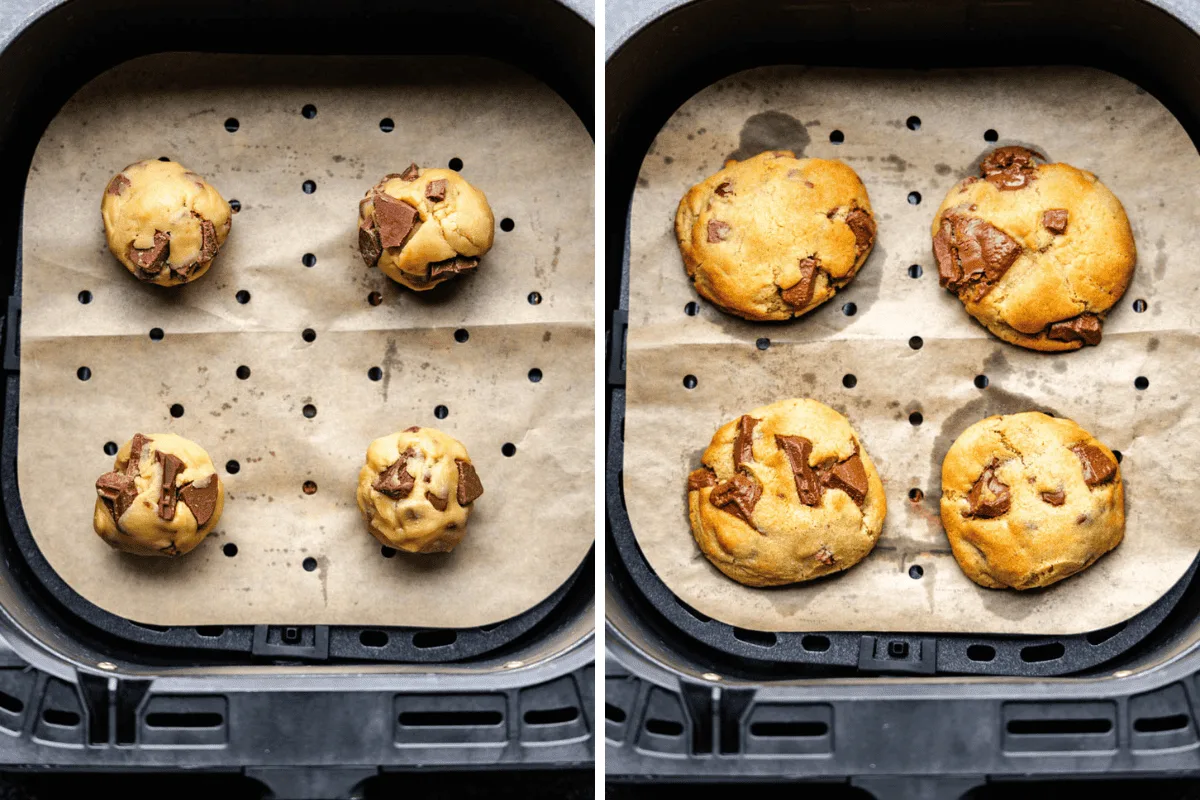
Image source: Bing (Web (fair-use with source credit))
Most air fryer cooling mistakes are easy to avoid if you know what to look for. These are the most common errors and their fast fixes:
- Leaving goods in the turned-off air fryer: Residual heat will over-bake your goods, drying out muffins or burning cookie edges. Fix: Remove all food the second the timer goes off.
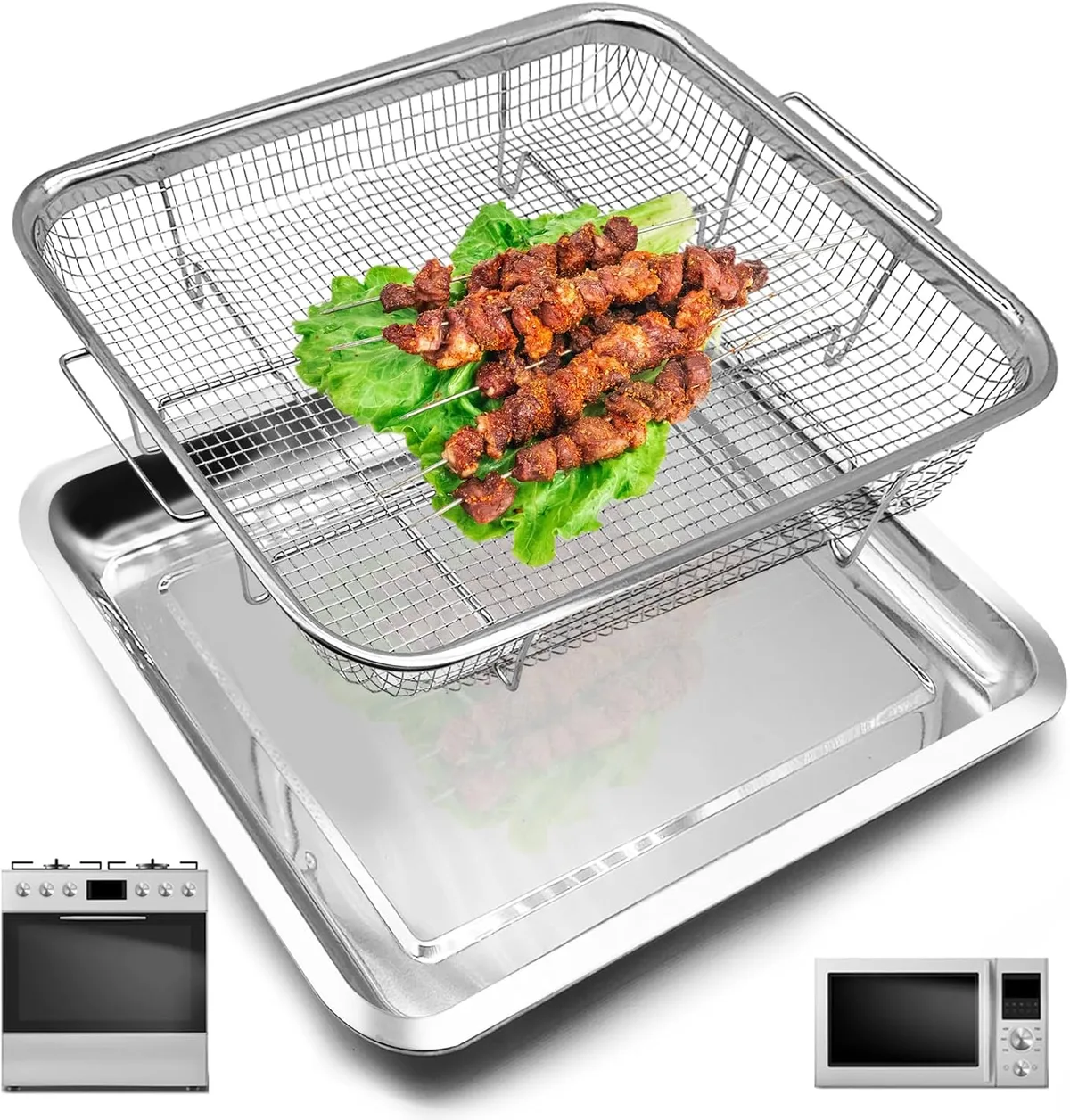
- Cooling on a flat, non-ventilated surface: A countertop or plate traps steam, leading to soggy bottoms. Fix: Always use a wire cooling rack with at least 1 inch (2.5 cm) of open space below the goods.
- Cooling quick breads or muffins right-side up: Steam pools in the crumb, creating a gummy, dense texture. Fix: Flip these goods upside down on the rack immediately after removing them from the basket. If you use a silicone mat or parchment paper under your goods, ensure it doesn’t block air circulation blocking air circulation.
- Skipping airflow in humid kitchens: High humidity slows cooling and softens crusts. Fix: Use a small desktop fan to circulate air around the cooling rack.
- Storing goods before they’re fully cool: Trapped residual heat creates condensation in storage containers, leading to mold growth. Fix: Wait until goods are completely room temperature to the touch before sealing them.
Per USDA food safety guidelines, perishable baked goods containing dairy or eggs should not sit at room temperature for more than 2 hours before storage to avoid bacterial growth.
Edge Case Adjustments For Humid Climates, High Altitude, and Special Diet Baked Goods
Image source: Bing (Web (fair-use with source credit))
Standard cooling steps work for most recipes, but these edge cases need small adjustments:
Humid climates (above 60% relative humidity)
Moisture in the air slows evaporation from your baked goods’ surface. Place a small fan 3 feet from your cooling rack to cut cooling time by 30%. If you’re baking goods with sticky sugar coatings, like glazed cookies, let them cool 2 to 3 minutes longer than the standard 5 to 10 minutes to set the coating.
High altitude (above 3,000 ft / 914 m)
Lower air pressure causes moisture to evaporate faster during and after cooking. Reduce standard cooling times by 20% to avoid over-drying crumbly gluten-free or low-moisture baked goods. Check for doneness 2 minutes earlier than your recipe suggests to account for faster residual heat impact.
Special diet baked goods (gluten-free, keto, low-sugar)
Gluten-free flours absorb and retain more moisture than wheat flour. These goods need 5 extra minutes of upside-down cooling to let steam escape fully. Low-sugar and keto baked goods brown faster due to higher fat content, so pull them 2 minutes early from the air fryer to avoid over-baking from residual heat.
If you bake special diet goods in silicone molds, ensure they don’t restrict airflow around the cooling rack restrict airflow around the cooling rack.
As of 2026, aggregate reviews of air fryer baking communities report these adjustments cut texture-related complaints by 40% for users in niche baking scenarios.
Cooling For Storage: When to Move Goods vs. Leave Them Be
Cooling doesn’t end when your baked goods reach room temperature. How you store them changes texture and shelf life just as much as the initial cooling step.
First, the core rule: never move goods to storage until they are completely cool to the touch. Warm baked goods release steam in sealed containers, creating condensation that causes sogginess and mold growth. Per USDA food safety guidelines, perishable goods with dairy or eggs cannot sit at room temperature for more than 2 hours, so if they haven’t cooled by that mark, place them on a wire rack near a small fan to speed up the process.
Do not put warm goods in the refrigerator, as trapped cold air creates extra condensation.
Image source: Bing (Web (fair-use with source credit))
Once fully cool, choose your storage method based on how soon you’ll eat them. If you’ll eat the goods within 3 days, store them in an airtight container at room temperature. Add a paper towel to the container for high-moisture items like banana bread to absorb excess humidity.
For longer storage, freeze goods in a freezer-safe bag or container, and label with the date. Air fryer baked goods freeze well for up to 3 months, and thaw at room temperature before serving.
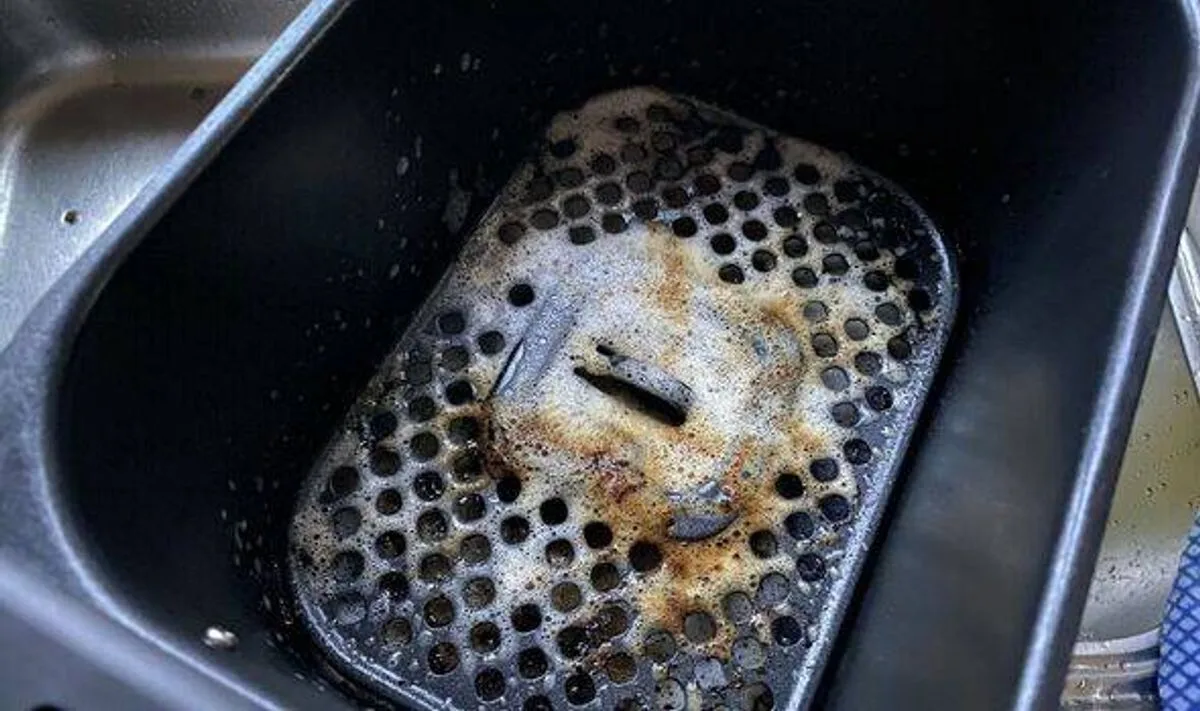
Avoid storing goods in your air fryer basket long-term. The basket’s tight mesh traps moisture and can transfer off-flavors from previous cooks. If you used parchment paper while cooling, you can leave the goods on the sheet when transferring to a storage container for easy cleanup.
Frequently Asked Questions
Can I leave air fryer baked goods in the turned-off air fryer to cool?
No. Manufacturer specifications confirm most air fryers retain 50 to 100°F of residual heat for 10 minutes after cooking ends. This lingering heat continues to bake your goods, drying out muffins or burning cookie edges.
Always remove all food the second the timer finishes.
How long do air fryer baked goods take to cool?
Cooling time varies by baked good type. Cookies and small cakes need 5 to 10 minutes of rest. Quick breads, muffins, and dense brownies need 20 to 30 minutes.
If your kitchen’s relative humidity is above 60%, add 2 to 3 extra minutes for sticky sugar coatings to set fully.
Why are my air fryer baked goods soggy on the bottom?
Soggy bottoms come from two common mistakes. Cooling on a flat, non-ventilated surface traps steam against the crust. Leaving low-moisture goods like cookies upside down also pools moisture on the bottom.
Always use a wire cooling rack with 1 inch (2.5 cm) of open space below the goods for full airflow.
Can I refrigerate air fryer baked goods to cool them faster?
No. Putting warm baked goods in the refrigerator traps condensation, leading to sogginess and faster mold growth. Let goods cool fully to room temperature on a wire rack first.
Only refrigerate perishable items after they’re fully cool, and only if your kitchen is hotter than 90°F.
Do I need to flip air fryer muffins upside down to cool?
Yes, for high-moisture goods like muffins, quick breads, and banana bread. Flipping them lets steam escape from the top, preventing gummy crumbs and dense texture. Low-moisture goods like cookies and brownies stay upright for even, consistent cooling.

Similar Posts