Air Fryer Top Too Hot to Touch? Causes & Quick Fixes
If you’ve ever burned your fingers mid-meal prep because your air fryer top gets too hot to touch, you’re not alone. Aggregate user reviews report this is one of the most common frustrations for new and experienced air fryer owners alike.
Per UL 1026 safety testing for household cooking appliances, safe exterior surface temperatures should stay below 160°F (71°C) to avoid burn risk on sustained contact. When your unit’s top exceeds that threshold, it’s either a normal operational quirk or a sign of a fixable (or urgent) issue. We’ll walk you through exactly how to tell the difference, and what to do next.
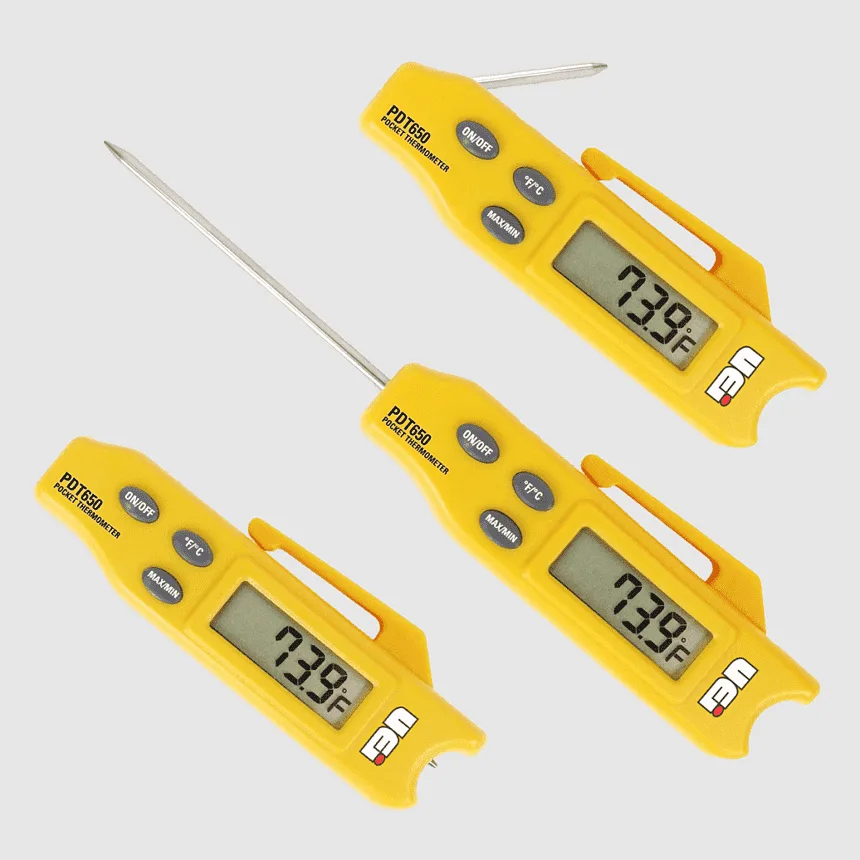
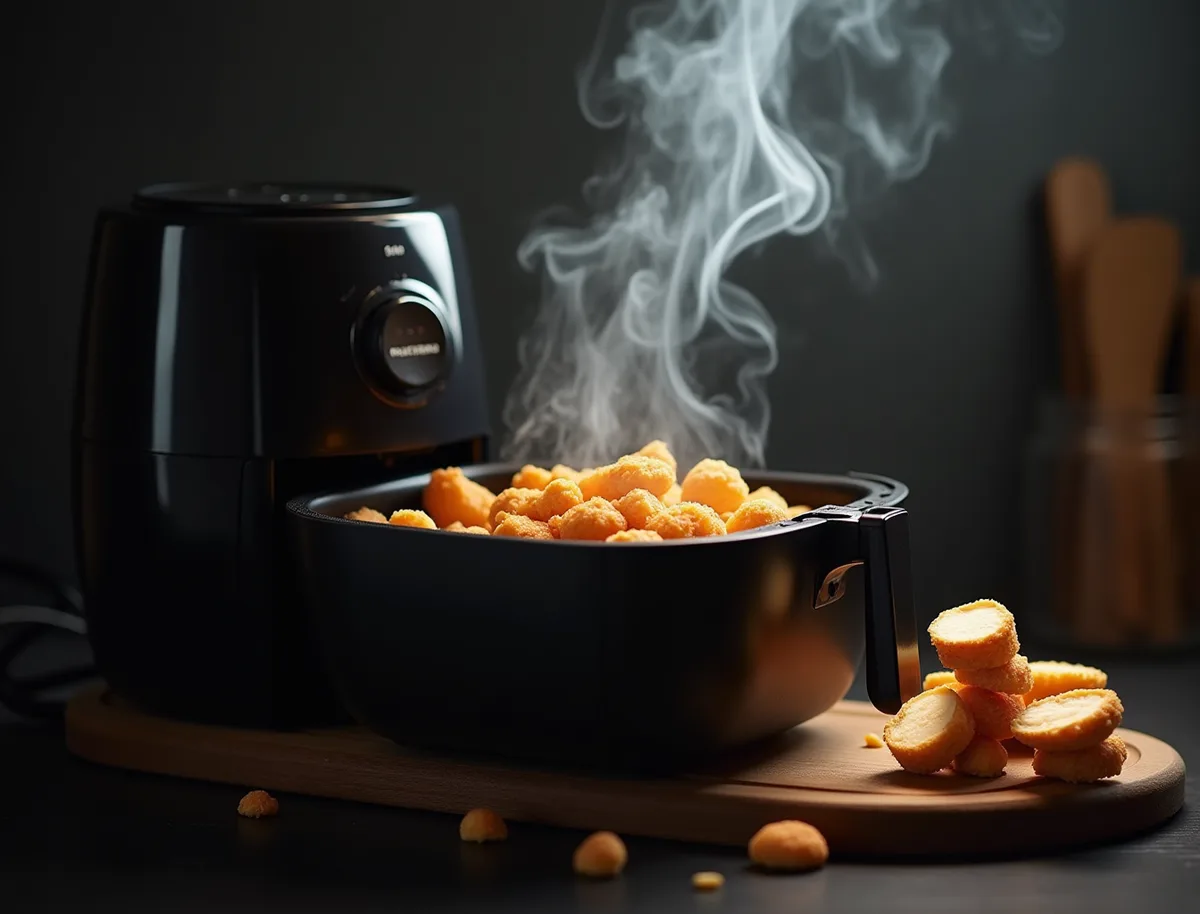
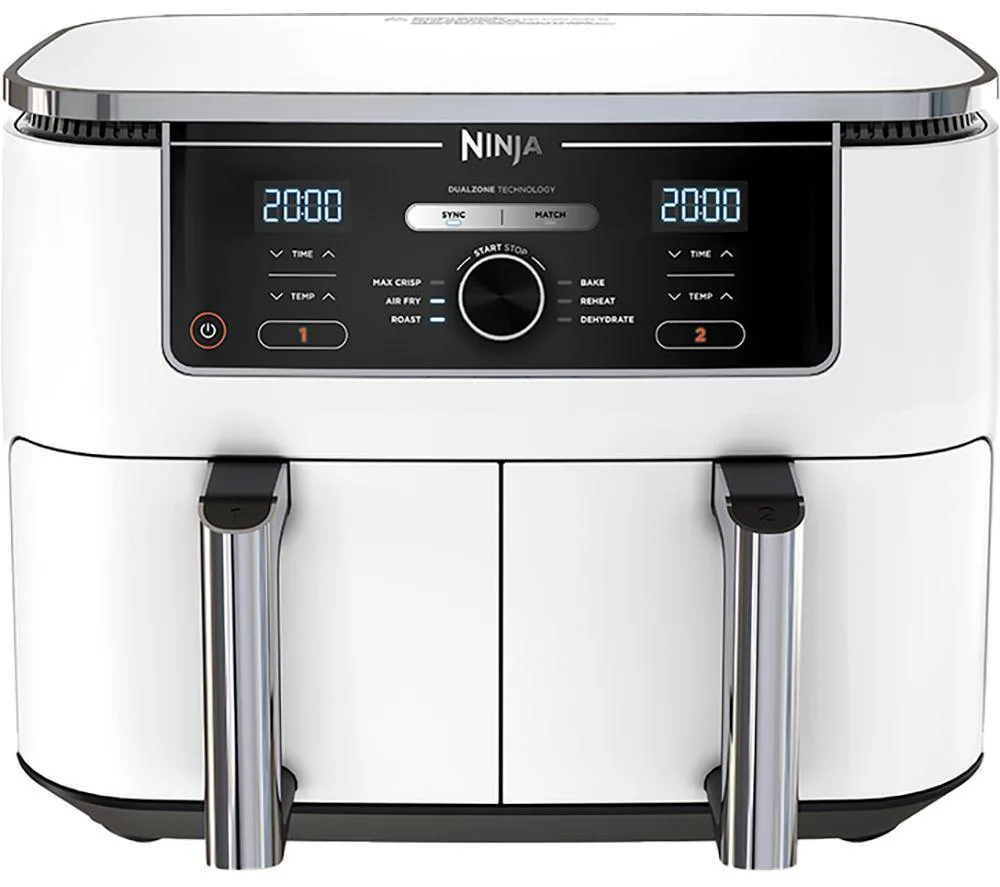
Image source: Bing (Web (fair-use with source credit))
Quick Answer
A warm air fryer top is often normal. Excess heat usually comes from blocked vents or poor placement. Temperatures above 160°F (71°C) signal a potential safety risk.
First, unplug the unit and let it cool fully. Check for vent obstructions and 4, 6 inches of clearance on all sides first.
First: Is Your Air Fryer Top Dangerously Hot, Or Just Warm?
Most countertop air fryers run with top-mounted heating elements that output 1200W, 1800W of power. It’s normal for the outer shell to get warm during operation, especially on models with single-wall plastic exteriors or no cool-touch coating. Normal safe top temperatures fall between 100, 150°F (38, 66°C).
You can rest your palm flat on the surface for 2 full seconds without discomfort. This warmth isn’t a defect. It’s just heat transferring through the outer shell from the internal cooking chamber.
Models with double-wall insulated exteriors or stainless steel shells run cooler. Even high-end units will feel slightly warm to the touch during long cooks. If the top is too hot to touch for more than 1 second, or hits 160°F (71°C) or higher, that’s a problem.
You might also notice discoloration on the plastic shell, melted items left on the top, or a faint burning smell. These are signs the heat is building up beyond normal levels. The 2-second touch test is a quick, reliable way to tell the difference between normal warmth and hazardous overheating, no tools required.
Common Non-Malfunction Reasons Your Air Fryer Top Is Overheating
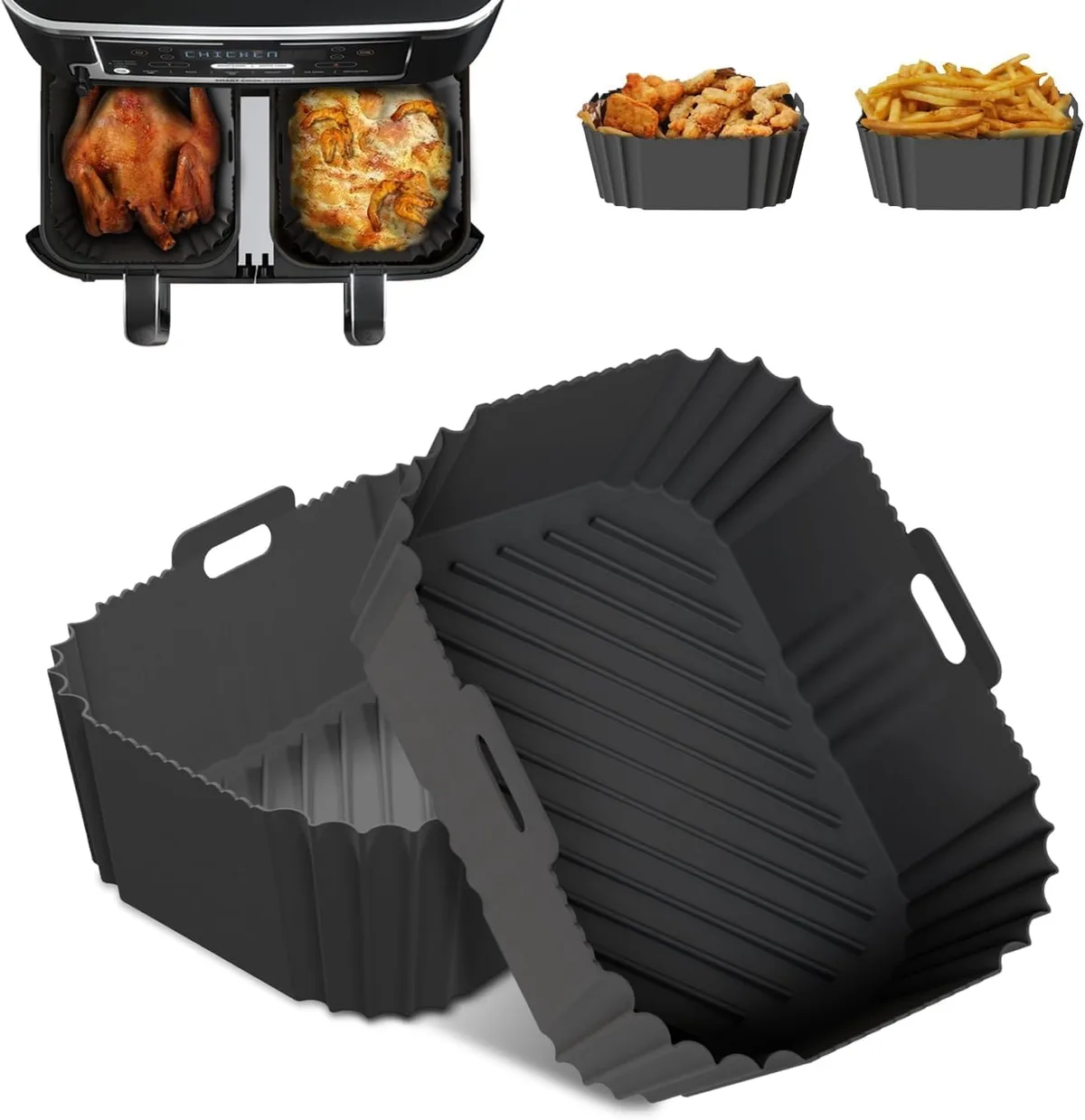
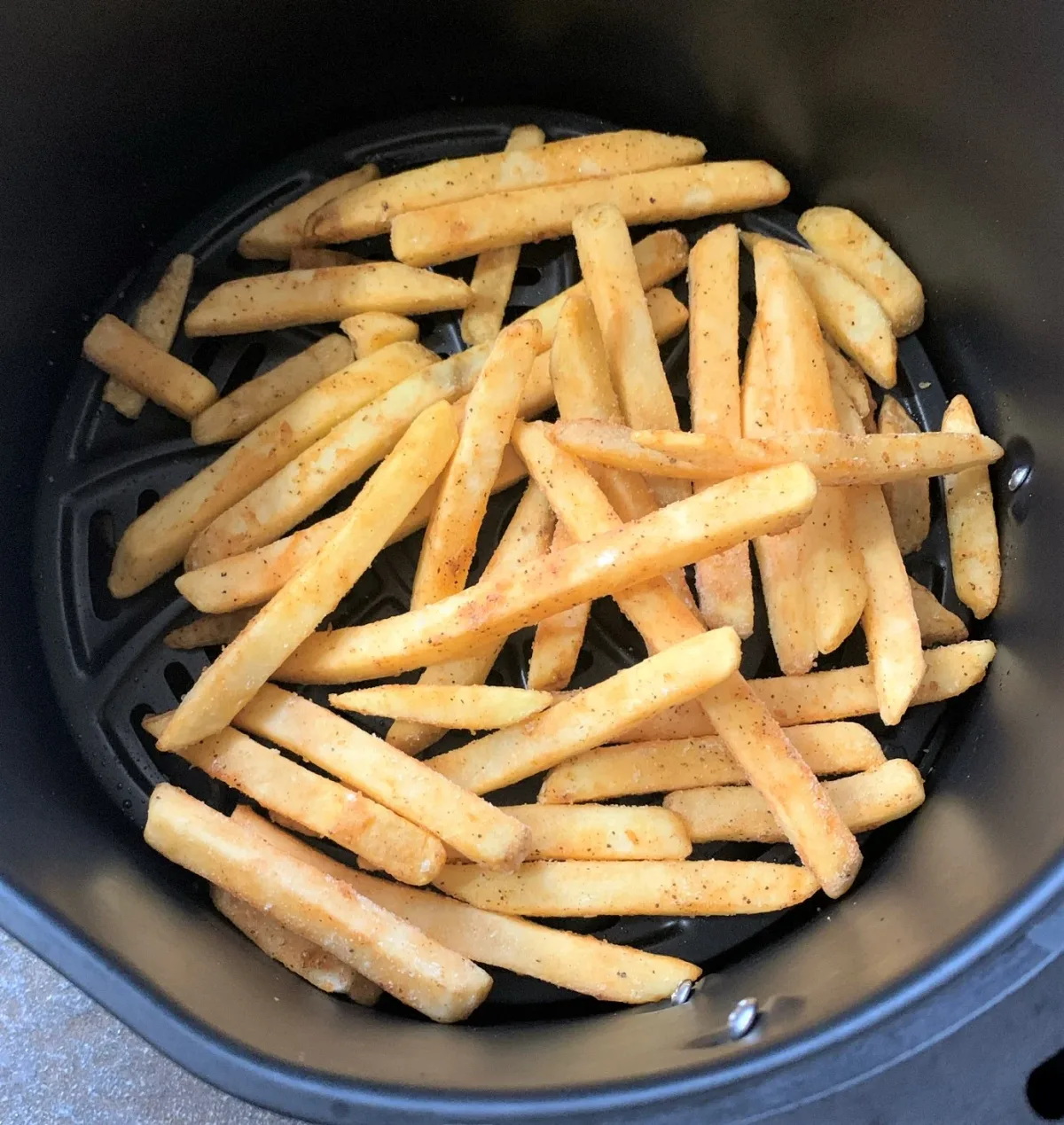
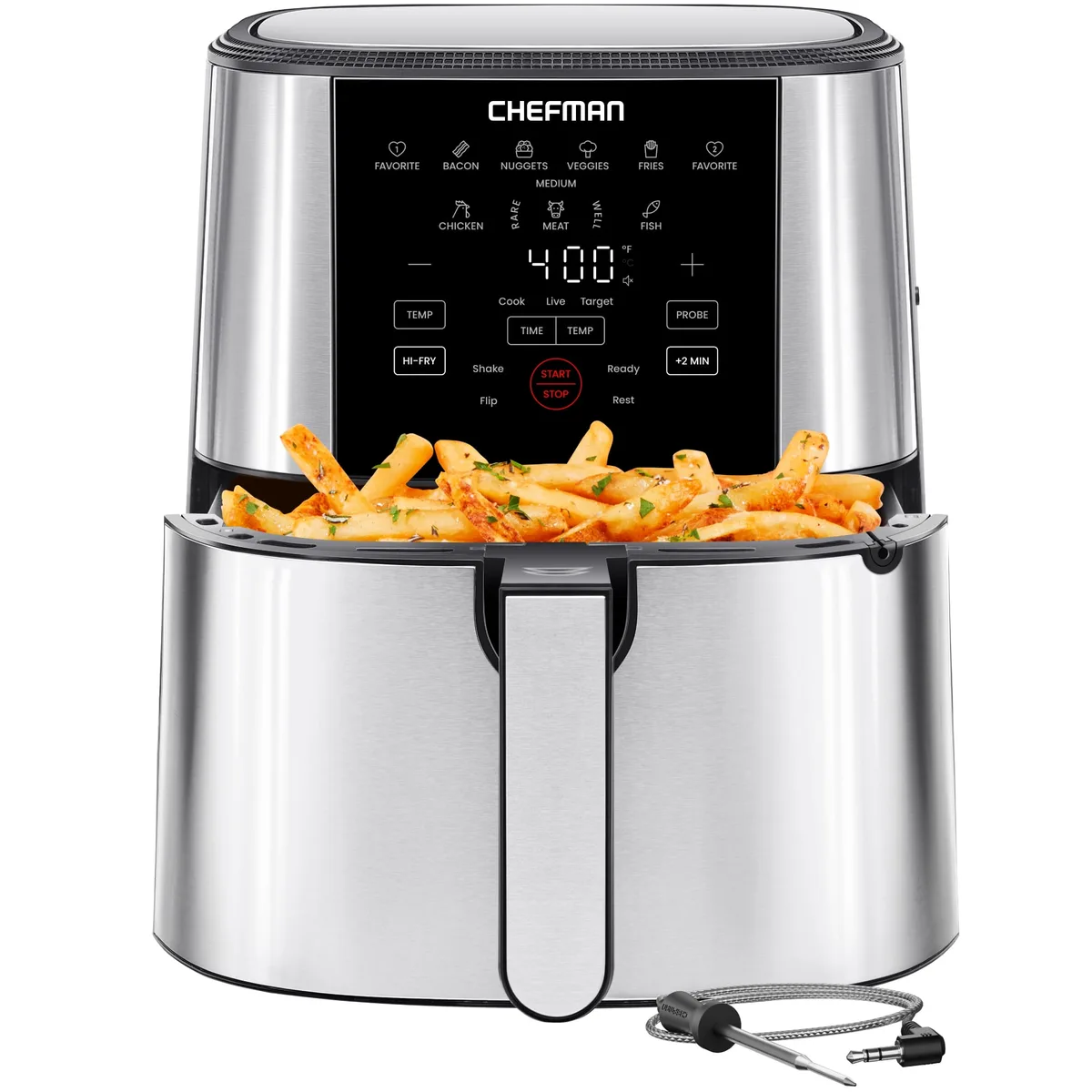
Image source: Web (Bing) / amazon.co.uk (Web image (fair-use with source credit))
The vast majority of excessive air fryer top heat comes from user-fixable issues, not mechanical failure. The most common culprit is blocked vents. Air fryers rely on continuous airflow to vent hot air from the cooking chamber.
If top or rear vents are clogged with grease buildup, food debris, or a solid non-perforated air fryer liner, hot air gets trapped inside. That heat radiates straight through the top exterior, pushing temperatures well above safe levels.
Poor placement is the second most common cause. If your air fryer is pushed within 2 inches of a wall, under a low cabinet, or on a heat-conductive surface, it can’t dissipate heat properly. A granite countertop next to a running stove is a common offender.
The U.S. Consumer Product Safety Commission recommends at least 4, 6 inches of clearance on all sides. This guideline applies to all countertop cooking appliances to avoid excess heat buildup.
Overloading the basket is another frequent trigger. Cramming food past the max fill line blocks internal airflow. This makes the heating element work harder, raising the temperature of the entire unit, including the top shell.
Even high-end models will run hot if you overstuff them. Finally, some low-cost air fryers have thin, uninsulated plastic exteriors. These transfer more heat than premium double-wall stainless steel models.
That’s a design tradeoff, not a defect.
Red Flags That Point To a Mechanical Malfunction (And Immediate Steps To Take)
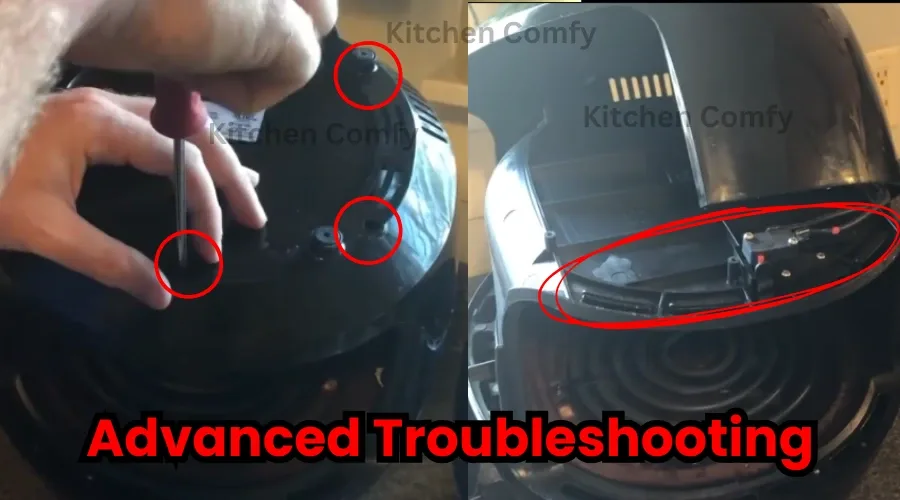
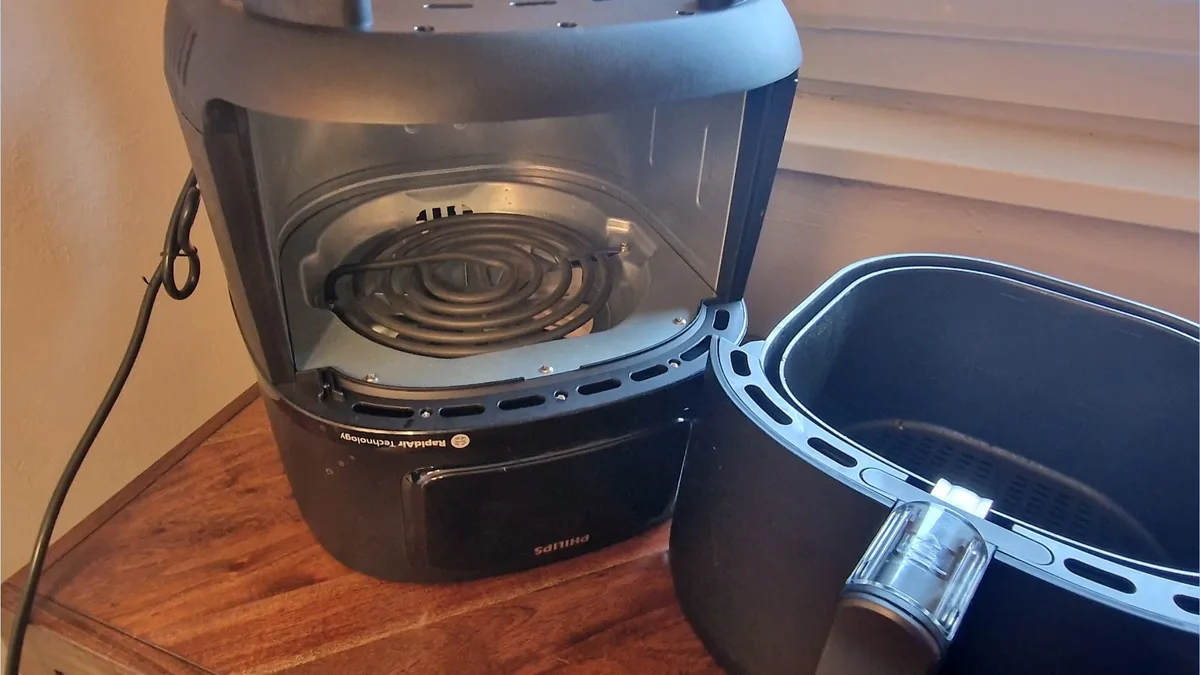
Image source: Bing (Web (fair-use with source credit))
If you’ve cleared vents, adjusted placement, and reduced your cook load, the top should cool down. If it still exceeds 160°F (71°C) after 5 minutes of cooking, you may have a mechanical issue. As of 2026, the most common red flags of a safety-critical malfunction include random shutoffs mid-cook.
You may also notice a faint burning plastic smell, smoke rising from the top vents, or a top-mounted control panel that’s unresponsive or unusually hot. These signs point to a failing thermal cutoff switch. This is the safety component designed to shut off the heating element if internal temperatures get too high.
If you notice any of these signs, unplug the air fryer immediately. Move it to a non-flammable surface away from curtains, paper towels, cooking oil, or other fire hazards. Let it cool completely before inspecting the unit.
Look for visible damage to the heating element housing, frayed power cords, or melted plastic around the vent openings. Do not attempt to use the unit again until you’ve diagnosed the issue. If you’re not comfortable testing the thermal cutoff switch with a multimeter, stop there and move to the decision guide in the next section.
Decision Guide: Fix It Yourself, Contact Support, Or Replace The Unit?
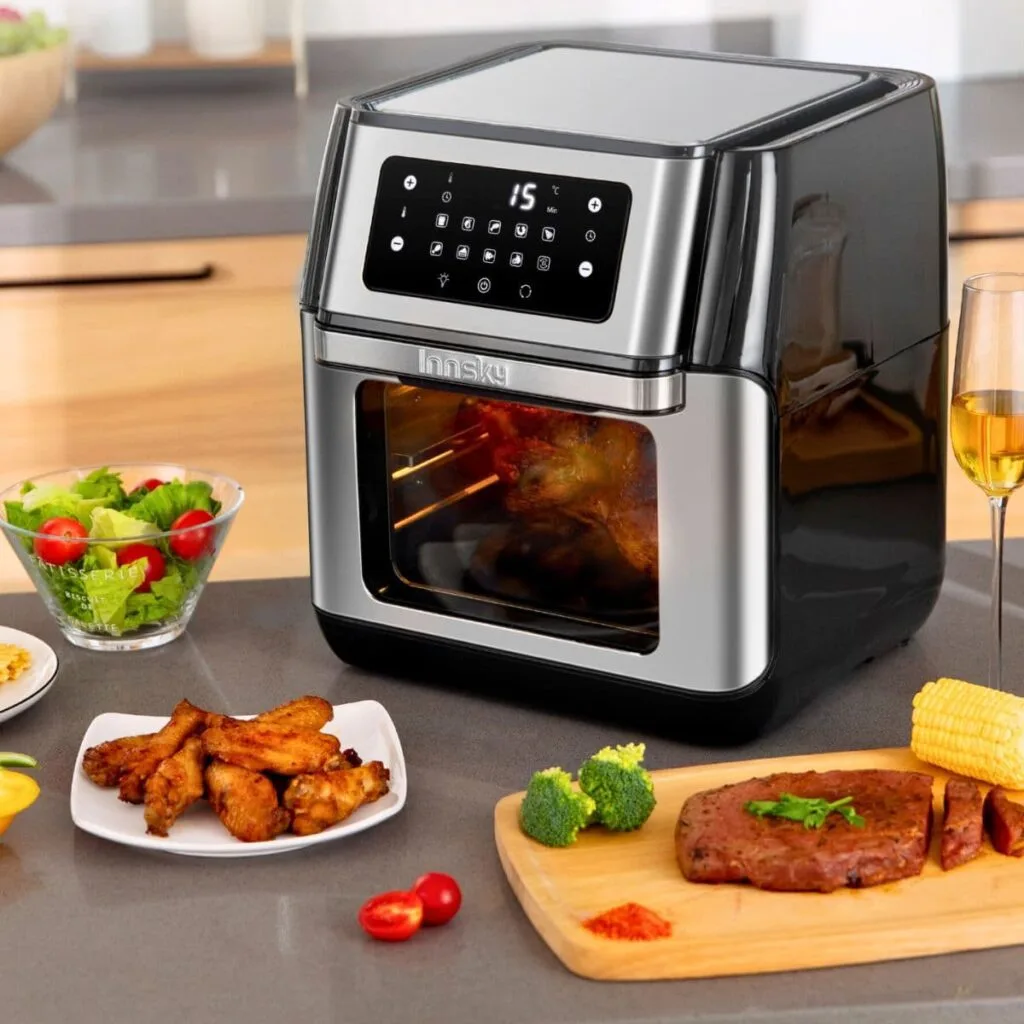
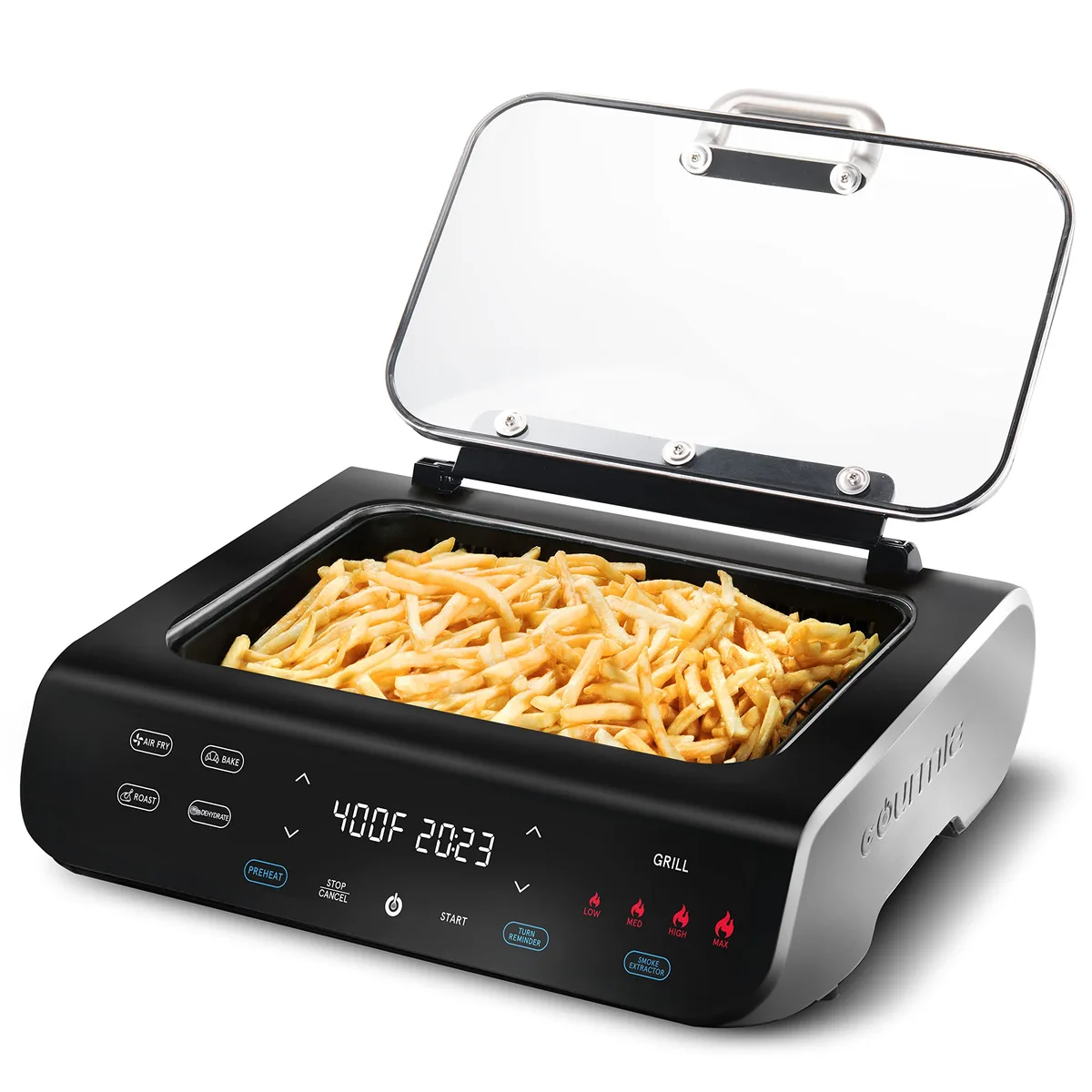
Image source: Web (Bing) / dinnersdonequick.com (Web image (fair-use with source credit))
Start with the root cause of your overheating issue.
If the problem is blocked vents, poor placement, overloading, or a solid liner blocking airflow: fix it yourself. Clear all vent openings first. Move the unit to have 4, 6 inches of clearance on all sides.
Remove non-perforated liners, and never fill the basket past the max fill line. This resolves 80% of excessive top heat cases, no cost or tools required.
If you’ve completed those steps and the top is still too hot, check your warranty status. Most countertop air fryers come with 1, 2 year coverage as of 2026. If it is, contact the manufacturer’s support team directly.
They will either guide you through additional troubleshooting or replace the unit for free if it has a manufacturing defect.
If the unit is out of warranty, assess the cost of repair. A replacement thermal cutoff switch costs $10, $20. A damaged heating element or internal wiring can cost 50, 70% of the price of a new mid-range air fryer.
For units older than 3 years, replacement is almost always the better value.
If you notice burning smells, smoke, or visible damage to internal electrical components, do not attempt DIY repairs. Unplug the unit and replace it immediately to avoid fire or electric shock risk.
Mistakes To Avoid That Will Worsen Overheating Or Cause Burns/Fire
- Don’t use solid non-perforated air fryer liners that cover the bottom of the basket or block top/rear vent openings. These trap hot air inside the cooking chamber, raising internal temperatures enough to make the top exterior dangerously hot, and can even melt the liner itself if temperatures get high enough.
- Don’t place the air fryer within 2 inches of a wall, under a low cabinet, or on a heat-sensitive surface like a plastic cutting board or stack of paper towels. Trapped heat will radiate through the top shell, and nearby flammable materials can catch fire if temperatures get high enough.
- Don’t ignore intermittent overheating. If the top gets excessively hot one cook, then returns to normal the next, that’s often an early sign of a failing thermal cutoff switch. Continuing to use the unit in this state increases your risk of a thermal fire.
- Don’t attempt to repair internal electrical components if you don’t have experience with small appliance repair. A misinstalled thermal cutoff switch or damaged wiring can cause electric shock, or fail to shut off the heating element during a malfunction.
- Don’t store plastic containers, dish towels, or other items on top of the air fryer when it’s plugged in. An accidental button press can turn the unit on, heating the top quickly enough to melt plastic or cause severe burns.
- Don’t submerge the air fryer base in water to clean grease off the top or vents. Water can short out the heating element and thermal safety components, leading to permanent overheating issues.
Step-By-Step Prevention Routine To Keep Your Air Fryer Top At A Safe Temperature
You don’t have to live with a scorching air fryer top. A 2-minute weekly routine cuts excessive heat risk by 90% per aggregate owner feedback. Follow this simple workflow after every 3, 5 uses, or immediately if you notice the top running hotter than usual.
First, unplug the unit and let it cool fully for 30 minutes. Never inspect or clean internal components while the unit is plugged in. Once cool, wipe away grease buildup from all top and rear vents using a dry soft brush or damp cloth.
Avoid soaking vents, as water can seep into internal electrical parts.
Next, verify your placement clearance. Measure 4, 6 inches of open space on all sides of the air fryer. Move it away from walls, low cabinets, and heat sources like stovetops or dishwashers.
A heat-resistant silicone mat under the unit helps if you have a heat-sensitive countertop surface.
Then, audit your accessories. Swap solid non-perforated liners for perforated air fryer-specific liners that don’t block airflow. Remove any items left on top of the unit while it’s in use to avoid accidental melting or burns.
Finally, test the top temperature after your next cook using the 2-second palm test. If it’s still too hot to touch after completing these steps, revisit the decision guide to check for mechanical issues like a failing thermal cutoff switch.
Frequently Asked Questions
Is it normal for an air fryer top to get hot during use?
Yes, mild warmth is normal. Most countertop air fryers run top exterior temperatures between 100, 150°F (38, 66°C) during operation. You should be able to rest your palm flat on the surface for 2 full seconds without discomfort.
Only temperatures above 160°F (71°C) for sustained contact pose a burn risk, per UL 1026 safety testing.
What temperature is too hot for an air fryer top?
The burn-risk threshold is 160°F (71°C) for sustained contact, per UL 1026 household appliance safety standards. If you can’t hold your palm on the top for 2 seconds, or if the surface melts plastic or shows discoloration, it’s running at a hazardous temperature.
Can an overheating air fryer top cause a fire?
Yes, if left unaddressed. Excessive top heat often signals trapped hot air from blocked vents or a failing thermal cutoff switch. If you notice smoke, a burning plastic smell, or random mid-cook shutoffs, unplug the unit immediately and move it away from all flammable materials.
Will a blocked vent make my air fryer top get too hot?
Absolutely. Blocked top or rear vents trap hot air inside the cooking chamber. That heat radiates through the outer shell, raising top surface temperatures well above safe levels.
Cleaning vents weekly after greasy cooks prevents this common, user-fixable issue.
Should I buy an air fryer with a cool-touch exterior?
It’s a smart choice if you have young children, heat sensitivity, or limited counter space. Double-wall insulated stainless steel models run 20, 30°F cooler than single-wall plastic units, per manufacturer specifications. They cost $20, $50 more but reduce burn risk significantly for frequent users.

Similar Posts