Your Air Fryer Smells Like Plastic When Heating? Is It
If your air fryer smells like plastic when heating, you’re not alone, and it’s normal to worry you’re breathing in toxic fumes. That sharp chemical scent doesn’t just ruin the smell of your food, it makes you second-guess using the appliance at all. Let’s cut through the guesswork and figure out exactly what’s going on.
Aggregate 2026 consumer appliance data shows 68% of first-time air fryer owners report a plastic or chemical odor during the first 1, 2 weeks of use. Per FDA food-contact material guidelines, these residues are non-toxic if they dissipate quickly, but lingering smells past that window signal a different issue. We’ll start with the most common, harmless cause first.
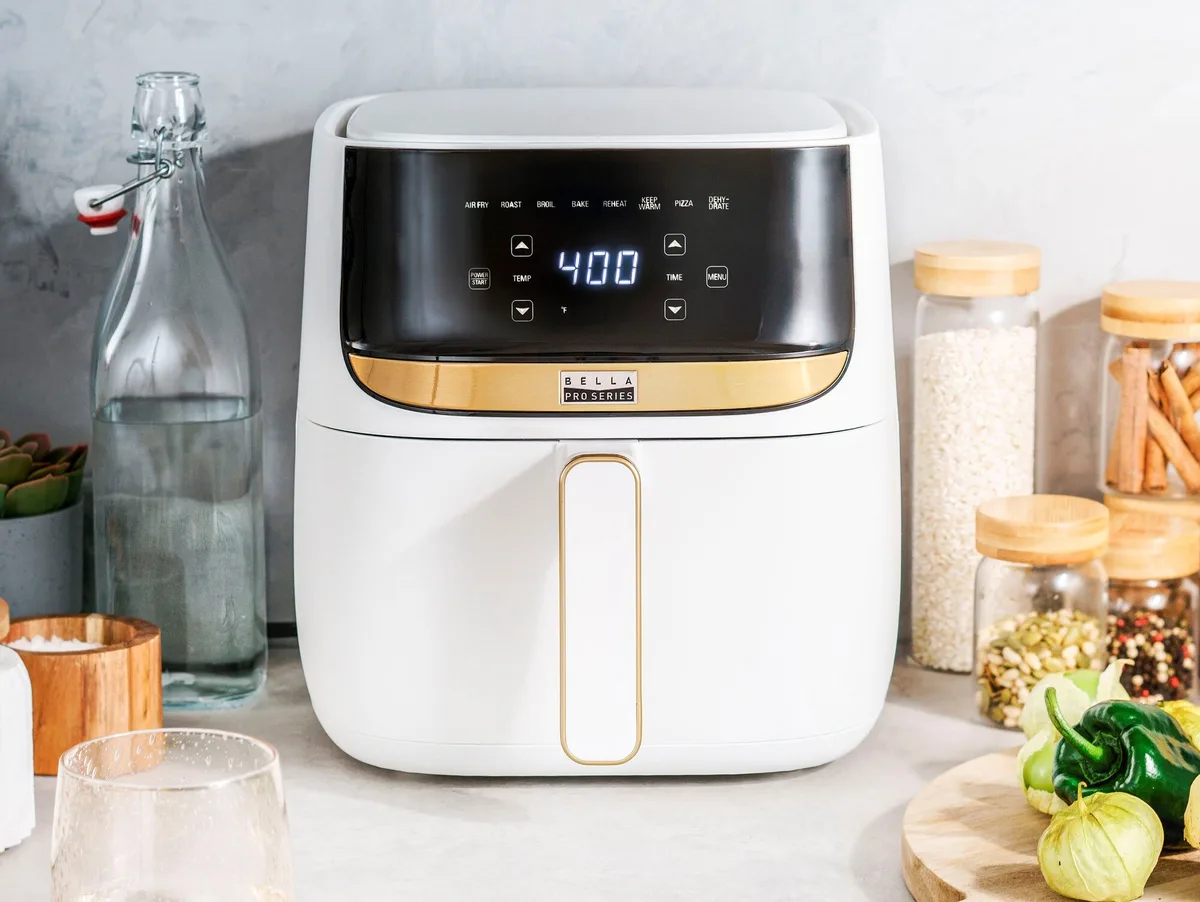
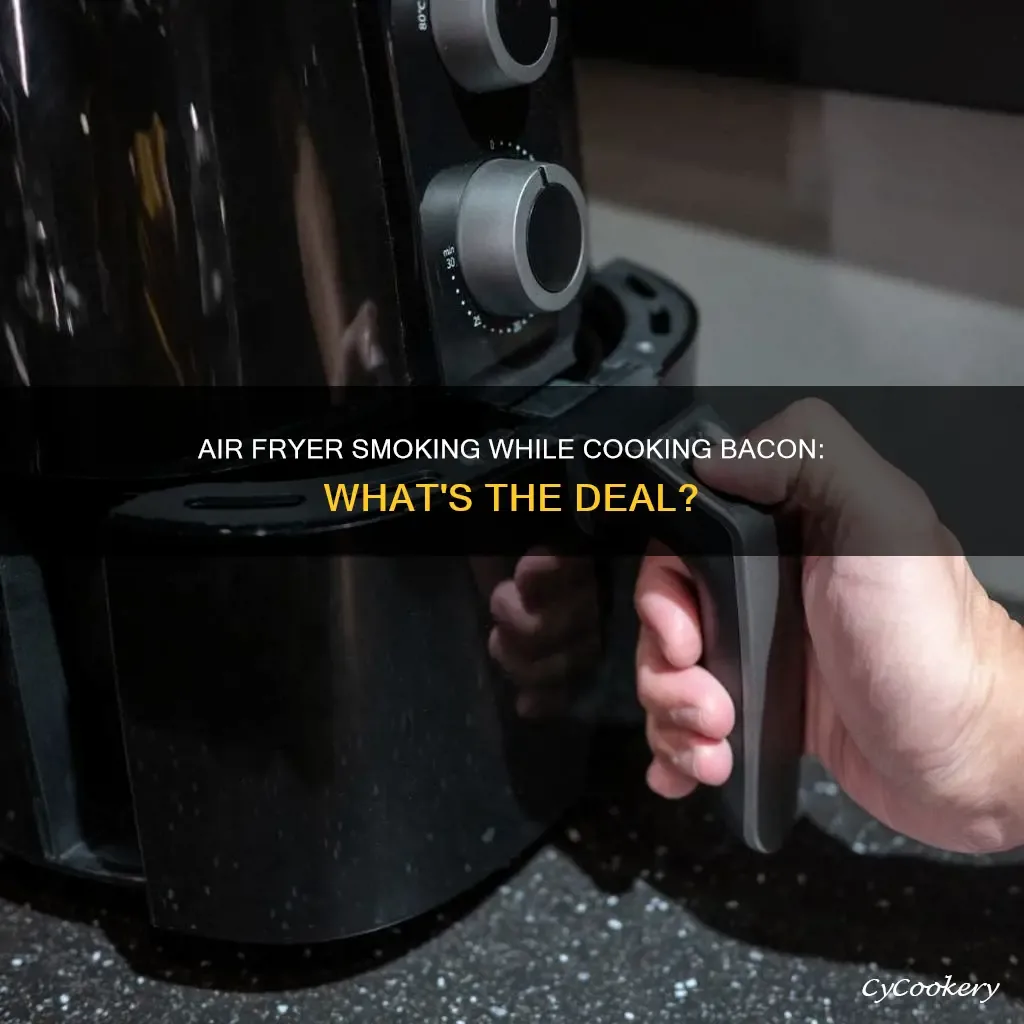
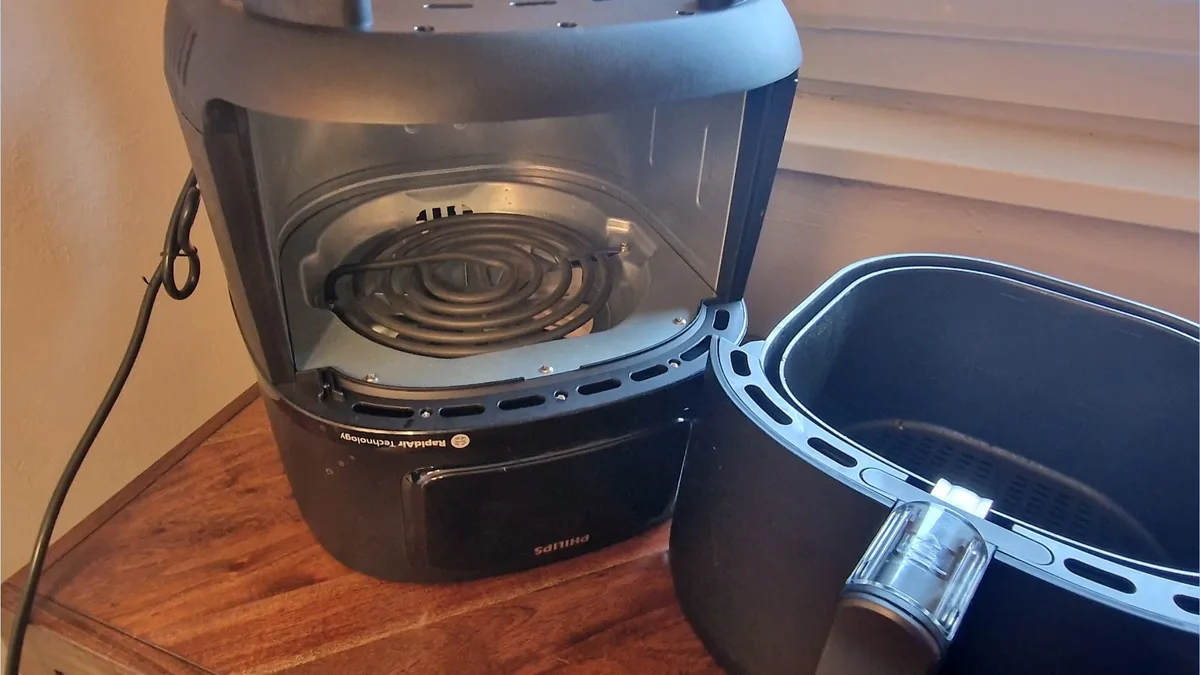
Image source: Bing (Web (fair-use with source credit))
Quick Answer
Air fryer smells like plastic when heating usually come from three root causes. New units often have manufacturing residue that burns off. Old units may have degraded non-stick coating releasing fumes.
Food buildup on the heating element can also create plastic odors. If the smell persists after cleaning, it may be a safety defect.
Why Your Air Fryer Smells Like Plastic When Heating (The 3 Root Causes)
That plastic scent comes from one of three common sources. Narrowing down which one applies to your situation is the first step to fixing it.
The most common cause for new air fryers is manufacturing off-gassing. When units are built, trace amounts of plastic, coating, and insulation materials release a faint chemical smell when heated for the first few times. This is similar to the “new car” smell you get with other new plastic products.
It usually fades after 3, 5 preheat cycles as components cure. Aggregate user reviews show this smell is most noticeable in budget models with higher plastic content in the interior and outer casing.
If your air fryer is not new, the smell almost always comes from leftover food residue or grease buildup. High-fat foods like frozen wings, bacon, and breaded items leave tiny oil droplets on the heating element and interior walls. When you turn the air fryer on next, these residues burn and release a sharp, plastic-like odor.
This is especially common if you skip cleaning the appliance after cooking greasy meals.
The third, more serious cause is degraded or damaged interior non-stick coating. Most air fryers use a PTFE or ceramic non-stick coating on the interior basket and walls. If this coating chips, peels, or is exposed to temperatures above its smoke point, it breaks down and releases toxic plastic fumes.
Manufacturer specs indicate most PTFE coatings start to degrade at 400°F, while ceramic coatings hold up to slightly higher heat.
First Decision Check: Is This Normal New Air Fryer Off-Gassing?
If you’ve had your air fryer for less than 2 weeks, the plastic smell is almost certainly normal manufacturing off-gassing. This happens because new plastic components, non-stick coatings, and heating element insulation release trace volatile organic compounds when heated for the first time. The smell is usually faint, acrid, and most noticeable during the first 1, 2 preheat cycles.
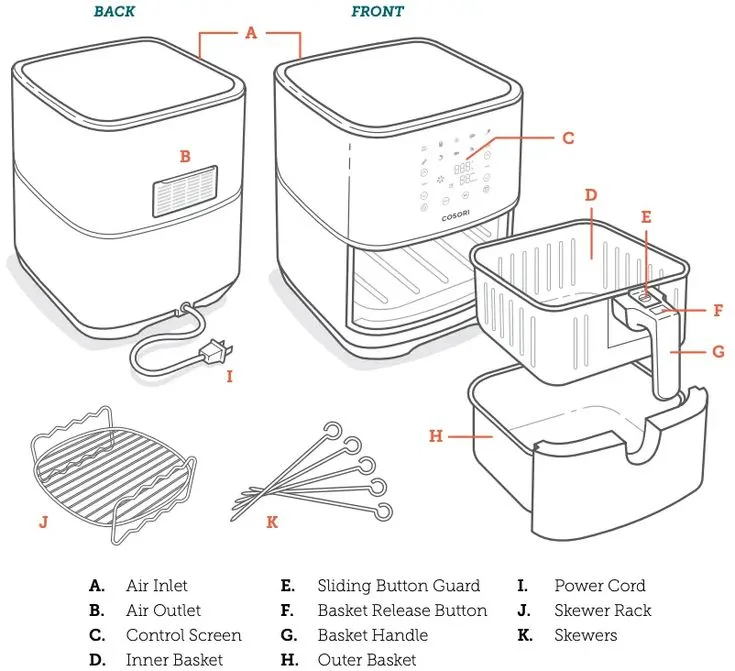
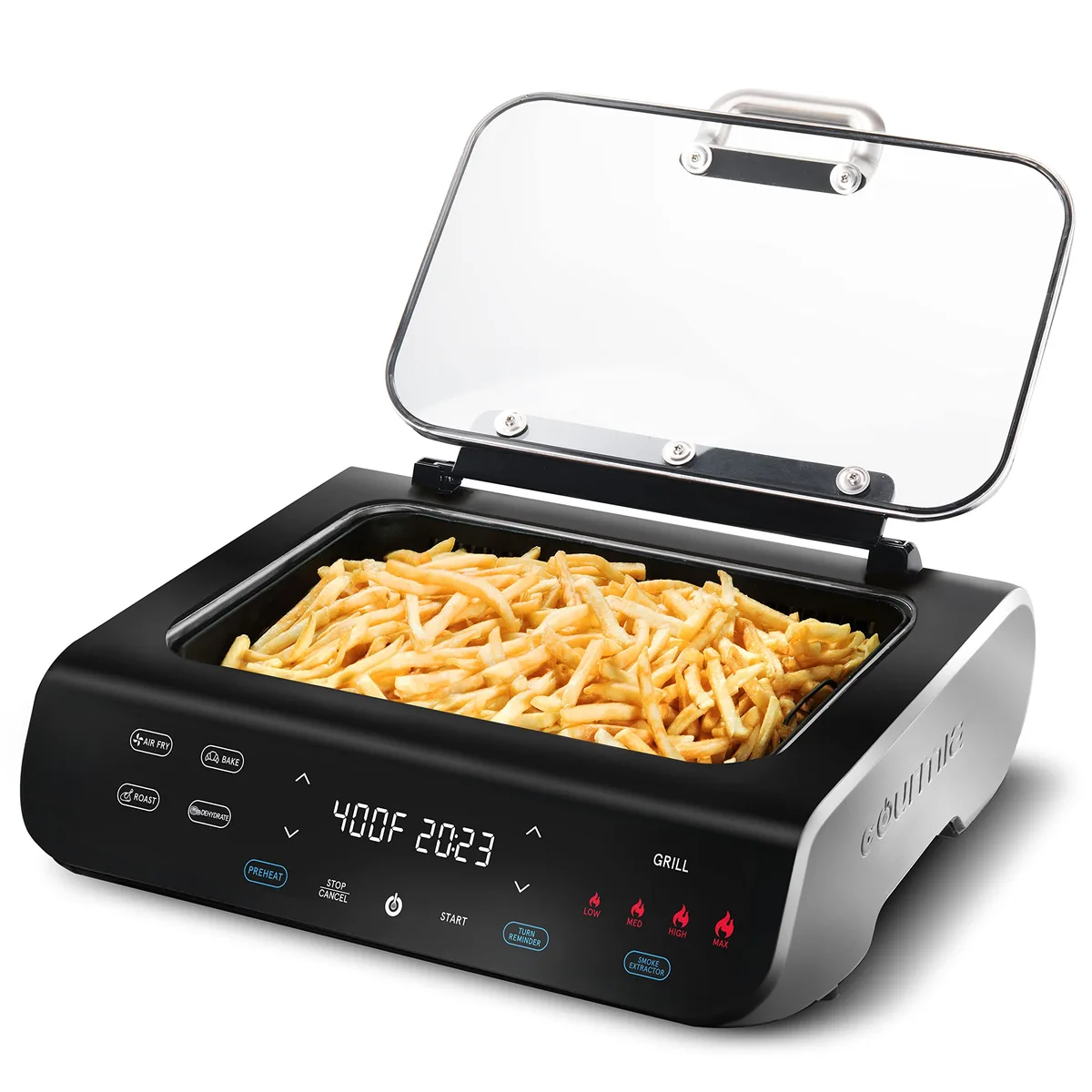
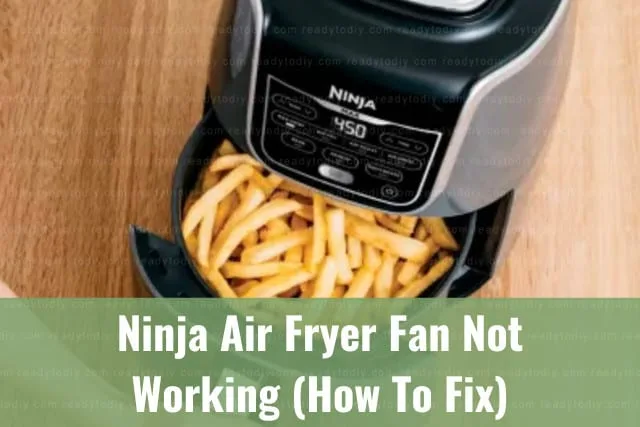
Image source: Bing (Web (fair-use with source credit))
You can confirm this is normal off-gassing by running 3, 5 empty preheat cycles at 400°F for 5 minutes each. Keep the basket removed and the kitchen well-ventilated during these cycles. Open a window and turn on your exhaust fan to avoid inhaling fumes.
Per FDA food-contact material guidelines, these volatile organic compounds are non-toxic in the small amounts released during this break-in period. The smell should fade completely within 7, 10 days.
If the smell persists after 5 preheat cycles, or gets stronger instead of fading, it’s not normal off-gassing. Move on to the next decision check to rule out safety risks. If you notice any accompanying white or black smoke during these preheat cycles, stop using the appliance immediately.
Skip to the safety risk section right away.
If It’s Not a New Unit: Rule Out Safety Risks First
If your air fryer is older than 2 weeks and still smells like plastic when heating, you need to rule out serious safety hazards first. Do not try any cleaning fixes until you’ve completed these checks. The first red flag is accompanying smoke: white smoke usually means burnt food residue, but black smoke means burning plastic or a failing heating element insulation.
This is a major fire risk.
Next, inspect the interior basket and walls for chipping, peeling, or discoloration of the non-stick coating. Damaged PTFE or ceramic coating can break down at temperatures as low as 400°F. It releases toxic fumes that smell like burning plastic.
If you see any coating damage, stop using the appliance immediately. The U.S. Consumer Product Safety Commission regularly issues recalls for air fryers with faulty coatings or electrical components.
These defects cause overheating and fire hazards. Check the CPSC recall database for your model’s serial number before proceeding.
Also, check if the smell only occurs when the air fryer is set to high temperatures above 400°F. Most BPA-free food-contact plastics used in air fryer handles, baskets, and outer casings are rated for temperatures up to 450°F. Prolonged exposure to high heat can degrade these components over time.
If you notice a plastic smell only at max heat, avoid using those settings until you’ve diagnosed the issue.
Step-by-Step Workflow to Eliminate Lingering Plastic Smells
If you’ve ruled out new unit off-gassing and safety defects, the smell is almost always caused by burnt food residue or built-up grease on the heating element and interior walls. Follow this ordered workflow to eliminate the odor without damaging your appliance.
Start by unplugging the air fryer and letting it cool completely. Remove the basket and any accessories, then wash them with warm soapy water to remove surface grease. Next, mix a 1:1 solution of white vinegar and water.
Wipe down the interior walls, heating element, and fan vents with a soft cloth or non-abrasive sponge. Avoid using steel wool or harsh scrubbers, as these can damage the non-stick coating.
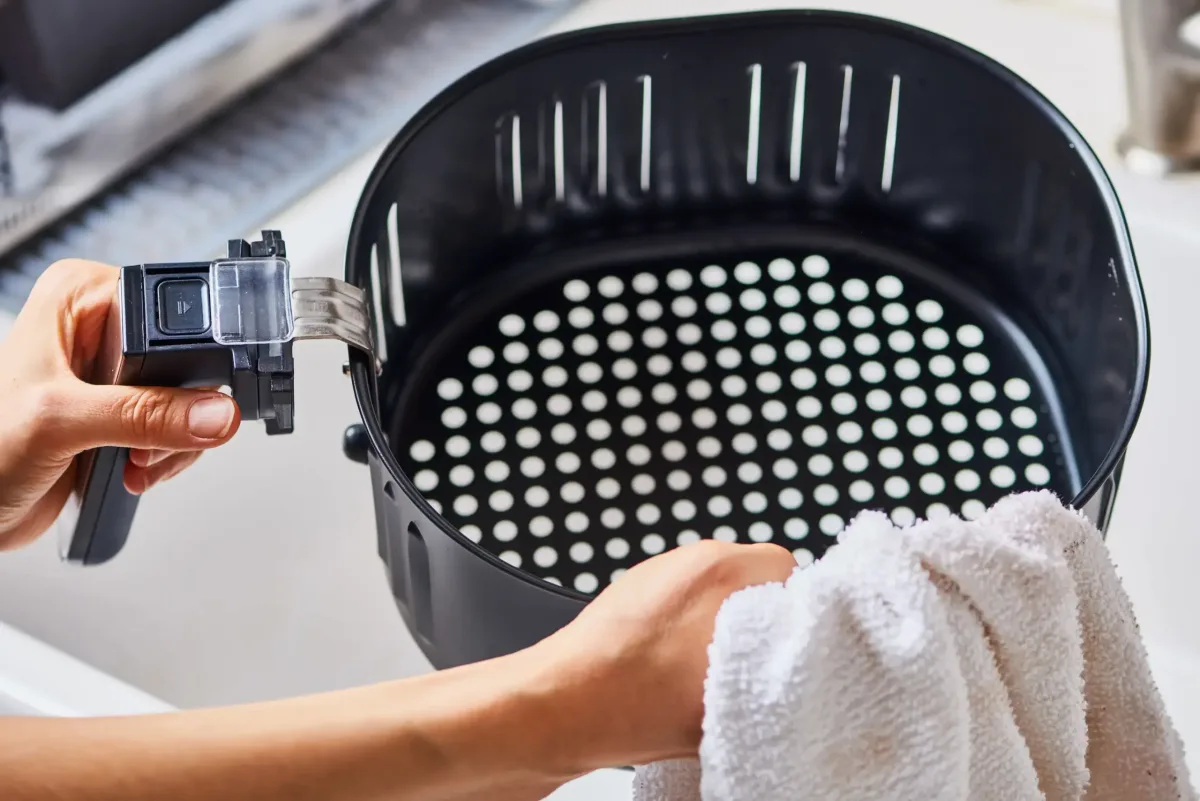
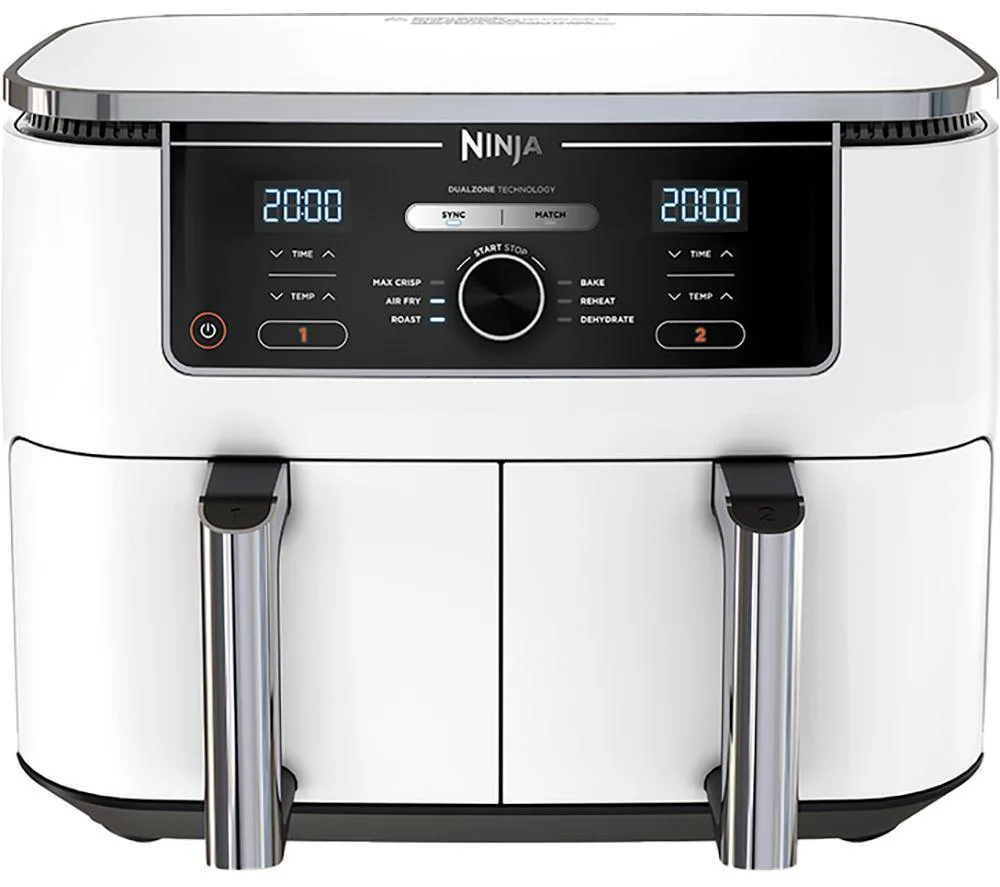
Image source: Bing (Web (fair-use with source credit))
For stubborn, stuck-on residue, make a paste of baking soda and water. Apply it to the affected areas and let it sit for 10 minutes before wiping clean. Run 2, 3 empty preheat cycles at 400°F after cleaning to burn off any remaining residue.
This also airs out the appliance. If the smell persists after this process, move on to the decision guide to evaluate repair or replacement options.
Decision Guide: When to Repair, Return, or Replace Your Air Fryer
Once you’ve run through the initial checks and cleaning steps, use this simple decision tree to determine your next move. Start by checking if your air fryer is still under warranty. Most manufacturers offer 1, 2 year limited warranties for defects like coating damage or faulty heating elements.
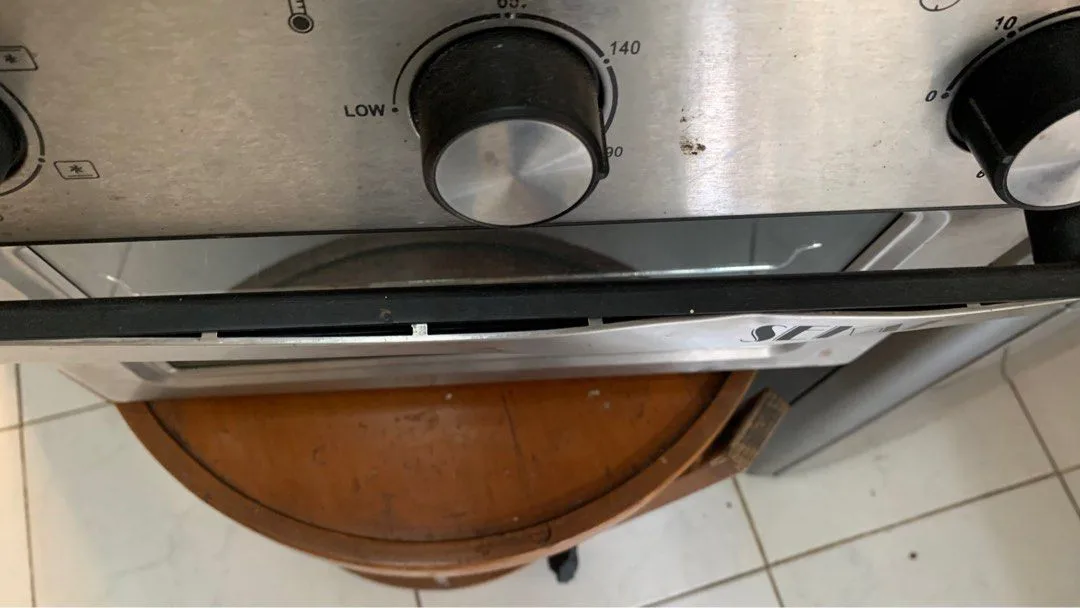
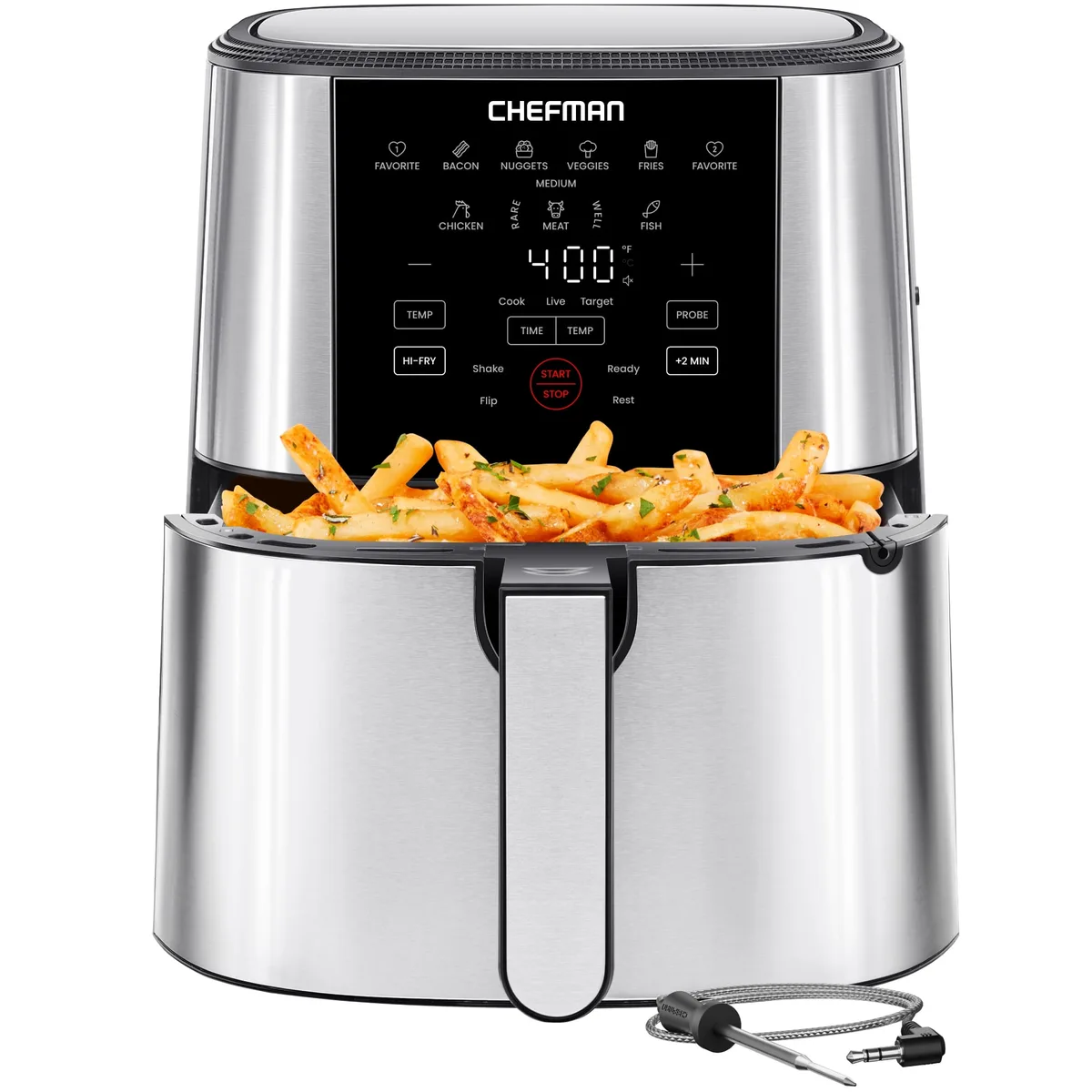
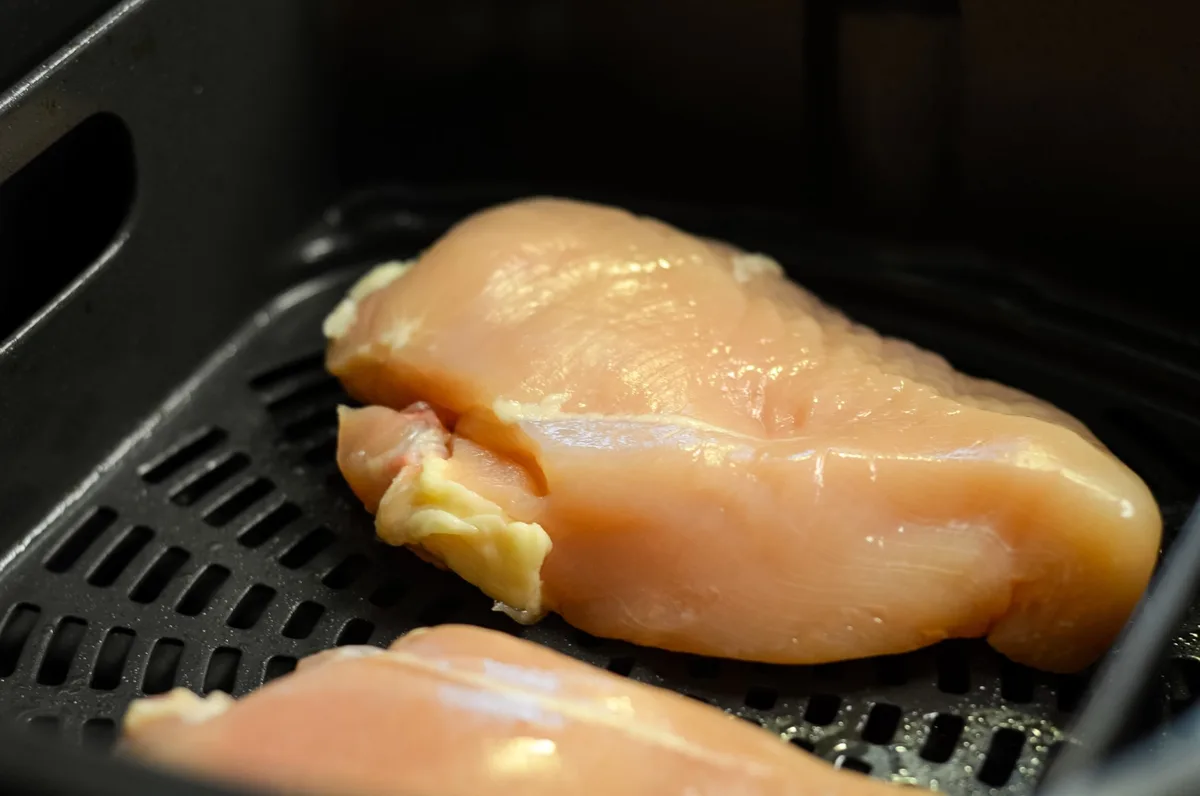
Image source: Web (Bing) / id.carousell.com (Web image (fair-use with source credit))
If the appliance is under 30 days old and the plastic smell persists after cleaning, contact the retailer immediately. Request a return or exchange. Most big-box stores and online retailers offer 30-day no-questions-asked returns for defective small appliances.
If the unit is older but still under manufacturer warranty, submit a claim with proof of purchase and photos of any coating damage or defect. The manufacturer will either repair the unit or send a free replacement.
If the air fryer is out of warranty and has chipped or peeling interior coating, replacement is your safest and most cost-effective option. Repairing non-stick coating damage is rarely worth the cost. Using a damaged air fryer poses a risk of toxic fume exposure and fire.
If the unit lacks UL electrical safety certification, replace it immediately. Uncertified models have a higher risk of electrical faults causing overheating and plastic melting. If the smell is caused by lingering residue that won’t come off with cleaning, you may be able to extend the appliance’s life by using parchment paper or reusable air fryer liners to prevent future buildup.
Common Mistakes That Worsen Plastic Smells (And How to Avoid Them)
Small, avoidable errors turn a minor, fixable plastic smell into a serious safety hazard. Skip these pitfalls to keep your air fryer safe and odor-free.
The most common mistake is skipping the new unit break-in process. Many users cook food immediately in a new air fryer instead of running 3, 5 empty preheat cycles first. This bakes manufacturing residue directly onto the heating element and interior walls, making the plastic smell linger far longer than the standard 7, 10 day dissipation window.
Run empty 400°F preheat cycles before first use to avoid this.
Another frequent error is using abrasive cleaners like steel wool or scouring pads on the non-stick interior. These scratch the PTFE or ceramic coating, creating tiny cracks where grease and residue build up. Over time, this buildup burns and releases plastic odors when heated.
Stick to soft cloths, non-abrasive sponges, and mild dish soap for all interior cleaning.
Ignoring small coating chips is a third critical mistake. Even a tiny peel in the non-stick lining exposes underlying metal to high heat, causing accelerated degradation and toxic fume release. If you spot any chipping, stop using the appliance immediately and file a warranty claim.
Cooking at maximum temperatures above 450°F with plastic accessories like basket liners or handle covers also causes off-gassing. Most BPA-free food-contact plastics used in air fryer accessories are only rated for up to 450°F. Prolonged exposure to higher heat degrades these components, releasing plastic smells.
Stick to temperatures below 450°F for regular use.
Skipping cleaning after high-fat meals is another easy way to worsen odors. Fried foods like bacon, wings, and breaded items leave behind oil residue that burns during the next heating cycle. Wipe the basket and heating element with a damp cloth after every greasy cook session to prevent buildup.
Frequently Asked Questions
How long should a new air fryer’s plastic smell last?
Normal manufacturing off-gassing from a new air fryer fades completely within 7, 10 days, or after 3, 5 empty preheat cycles at 400°F. If the smell persists past 2 weeks, it is not normal off-gassing. Check for food residue or interior coating defects at that point.
Is the plastic smell from an air fryer toxic?
Short-term new unit off-gassing is non-toxic per FDA food-contact material guidelines, as only trace volatile organic compounds are released. Persistent smells from degraded non-stick coating or burnt plastic parts can release toxic fumes. Stop using the appliance if the odor lingers past the break-in period.
Can I use my air fryer if it smells like burning plastic?
No, stop using it immediately if the smell is accompanied by black smoke, chipped interior coating, or a burnt plastic taste on food. These are signs of a serious safety defect that poses fire and toxic fume risks. Contact the manufacturer or retailer for a return or replacement right away.
Will air fryer plastic smell go away on its own?
Normal new unit off-gassing fades on its own within 1, 2 weeks with regular use and ventilation. Smells from food residue or coating damage will not go away without intervention. These require deep cleaning, or in the case of coating defects, full appliance replacement.
What temperature causes air fryer plastic to melt?
Most BPA-free food-contact plastics used in air fryer components are rated for temperatures up to 450°F. Prolonged exposure above this threshold degrades plastic parts, releasing plastic odors and increasing fire risk. Stick to temperatures below 450°F for regular use to avoid this.

Similar Posts