Air Fryer Smells Like Electrical Burning? Here’s The Fix
If your air fryer smells like electrical burning, that sharp, acrid odor is a red flag, not a harmless quirk of a new appliance. This scent signals failing or overheating internal electrical components, not the minor plastic smell some units release during their first few uses. Pushing through and continuing to use the unit dramatically raises your risk of kitchen fire or electrocution.
Per 2026 aggregate National Fire Protection Association data, electrical failures in small kitchen appliances cause roughly 15% of all residential kitchen fires annually. Most of these incidents start with unaddressed warning odors like the one you’re dealing with right now. The first step is always to eliminate immediate risk before you attempt any troubleshooting.
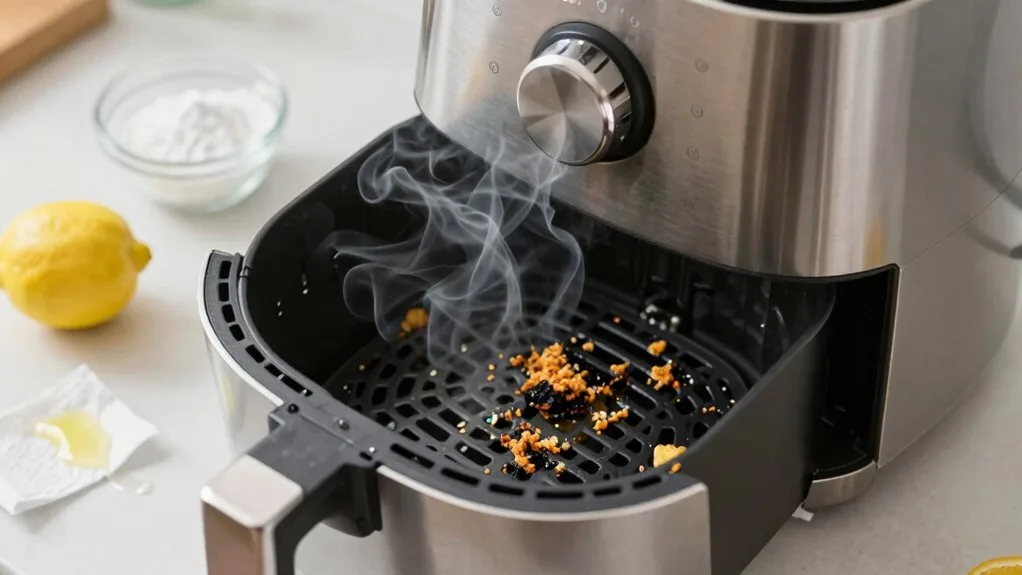
Image source: Bing (Web (fair-use with source credit))
Quick Answer
An air fryer that smells like electrical burning has a failing internal component, usually the heating element or power supply wiring. This is not a normal new-unit odor or burnt food smell. Continued use risks kitchen fire or electrocution.
Unplug the unit immediately and do not use it until you inspect it or contact the manufacturer. This smell always signals a safety hazard, not a minor quirk.
Why an Electrical Burning Smell From Your Air Fryer Is Not a Normal Quirk
Most new air fryers release a faint, harmless plastic smell during their first 1-2 uses. This comes from residual manufacturing oils or protective coatings on the heating element burning off. An air fryer smells like electrical burning for an entirely different, dangerous reason.
That sharp, acrid odor matches melting wire insulation or overheating electrical components, not food residue or new-unit break-in smells. Per UL 1026 safety testing for household cooking appliances, this scent means internal parts are exceeding their safe operating temperature range. Built-in thermal cutoff switches are designed to trigger before this happens, so a persistent electrical burning smell means a safety feature has failed.
Even if the odor fades after a few minutes, the damaged component remains a fire risk. Ignoring it because the smell went away is one of the most common and dangerous mistakes owners make. A lingering electrical burning odor that stays in your kitchen even after the air fryer is unplugged and cool points to melted internal plastic or wiring that has already failed.
Burnt food smells, by contrast, have a greasy, savory undertone and fade quickly once you clean the basket. The purely chemical, plastic-like scent of electrical burning has no food notes, and it often comes with faint smoke or sizzling sounds from inside the unit’s cavity.
How to Tell the Difference Between an Electrical Burning Smell and Harmless Air Fryer Odors
Air fryers produce a few normal, harmless odors during regular use, and mixing them up with an electrical burning smell leads to dangerous delays in addressing real hazards. The three most common non-threatening air fryer scents are the faint plastic smell from a new unit, the mild greasy smell from cooked high-fat foods, and the light burnt smell from leftover food crumbs burning on the heating element. None of these have the sharp, chemical acridity of electrical burning.
The table below breaks down the key differences to help you identify the risk fast.
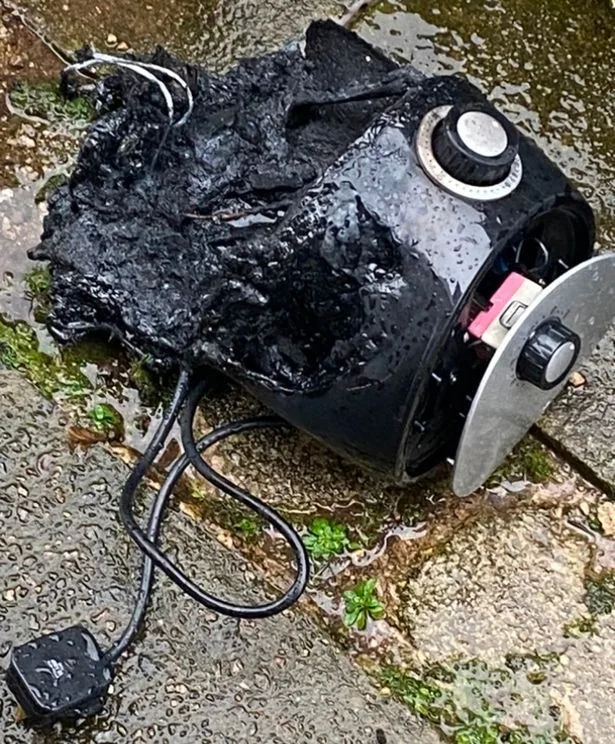
Image source: Web (Bing) / storage.googleapis.com (Web image (fair-use with source credit))
| Odor Type | Scent Profile | Accompanying Signs | Risk Level |
|---|---|---|---|
| New unit break-in | Faint, sweet plastic | None, fades after 1-2 uses | None |
| Burnt food residue | Greasy, savory, food-like | Visible blackened crumbs on heating element | Low, fixed with cleaning |
| Electrical burning | Sharp, acrid, chemical plastic | Faint smoke, sizzling from inside unit, lingering smell after unplugging | High, immediate fire/electrocution risk |
If you notice any signs from the high-risk row, stop using the air fryer immediately. The lingering smell that stays in your kitchen even after the unit is unplugged and cooled is a dead giveaway that internal components have already melted or shorted, not just overheated temporarily.
Immediate Non-Negotiable Safety Steps to Take the Second You Smell Burning
The second you smell electrical burning from your air fryer, you have minutes to prevent a house fire or serious electrocution. Follow these steps in order, no exceptions.
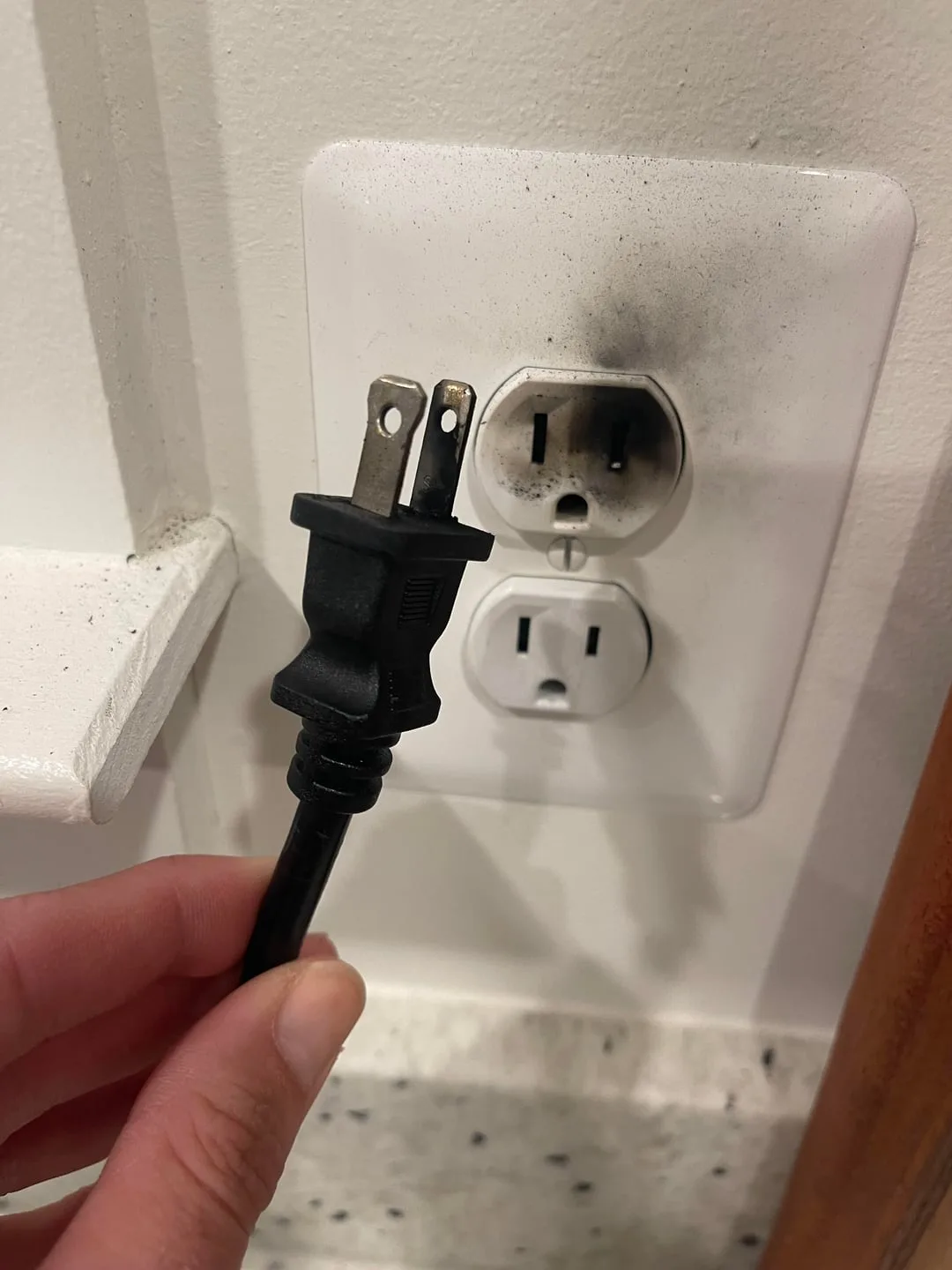
Image source: Bing (Web (fair-use with source credit))
- Unplug the air fryer from the wall outlet immediately. Do not try to turn it off using the control panel first, as the internal electrical fault may still be active.
- Move the unit away from flammable items: dish towels, paper products, wooden utensils, and oil bottles.
- Open a window or turn on your kitchen exhaust fan to clear the acrid smoke from the air, but do not stand directly over the unit while doing this.
- Do not touch the exterior of the unit if you see smoke or sparks coming from it, as the outer casing may be electrified.
- If you see active flames, use a Class B fire extinguisher to put them out, and call your local fire department if the fire spreads beyond the unit.
Per National Fire Protection Association small kitchen appliance safety data, unplugging the appliance is the single most effective action to reduce kitchen fire risk from malfunctioning small appliances. Do not attempt to move a burning or smoking unit before unplugging it, as pulling on the power cord can tear live wiring and cause electrocution. These steps take less than 60 seconds to complete, and they eliminate the two biggest risks: uncontrolled fire and electrocution.
Safe, Low-Risk Troubleshooting Steps You Can Perform Yourself
Once the unit is unplugged and fully cool, you can perform a few low-risk checks to rule out simple, non-electrical causes of the smell. Never attempt to open the air fryer’s outer casing or touch internal wiring, as this voids warranties and creates electrocution risk. The steps below are safe for any user to complete.
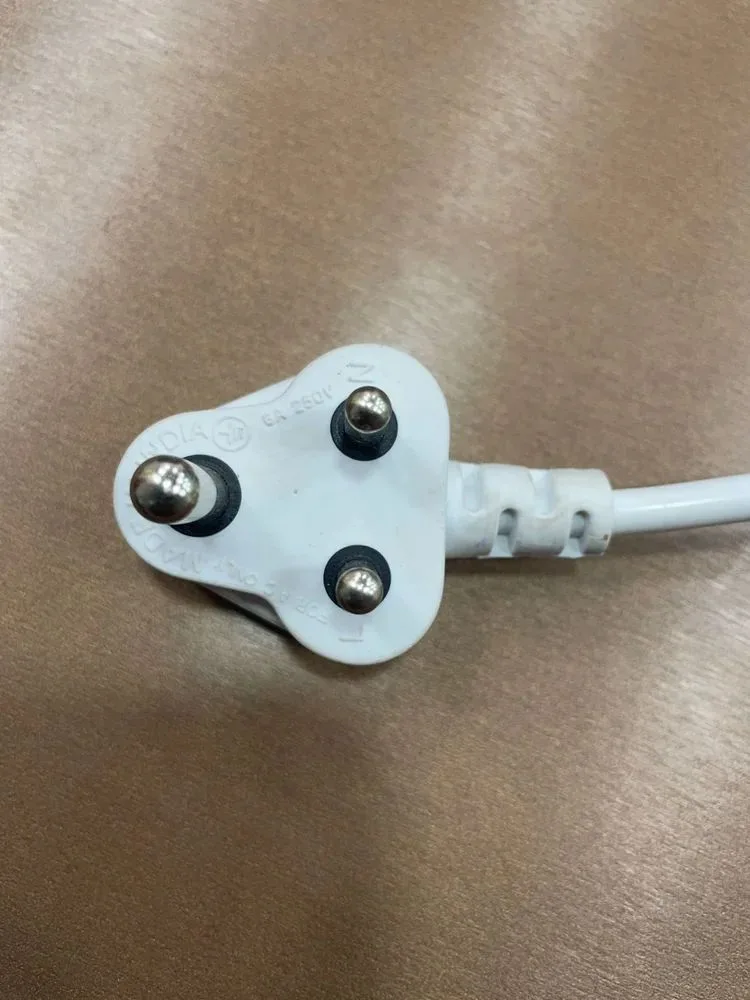
Image source: Web (Bing) / indiamart.com (Web image (fair-use with source credit))
- Inspect the power cord and plug for fraying, melted insulation, or bent prongs. Frayed wiring is a common cause of electrical burning smells, and it’s visible without opening the unit.
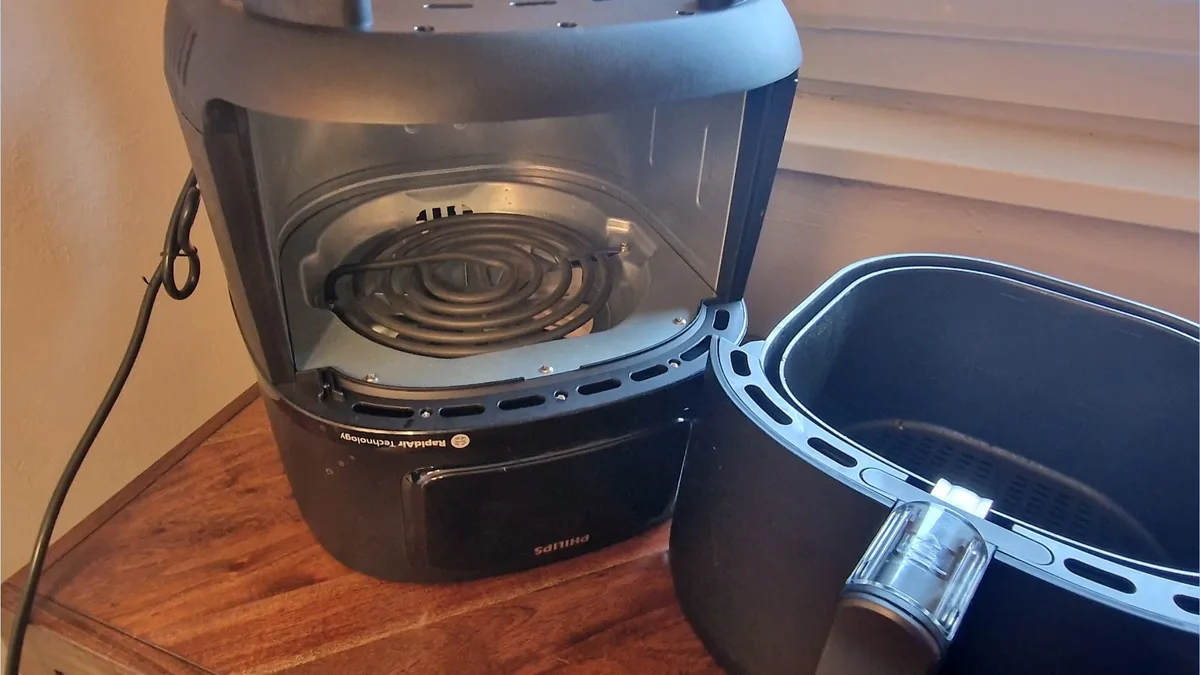
- Check the exterior housing for melted plastic, discoloration, or warping around the vents or control panel, which signals internal overheating.
- Remove the air fryer basket and shake out any loose food crumbs or excess grease buildup from the heating element. Burnt grease can mimic an electrical burning smell if it’s thick enough to smoke.
- Wipe the heating element gently with a damp cloth (only when the unit is unplugged and fully cool) to remove stuck-on residue.
If these checks reveal no obvious cause, or if you see any damage to the power cord, stop troubleshooting immediately. Damaged power cords require replacement by a certified small appliance technician, not DIY repair. Manufacturer specifications for most air fryer models indicate that internal component repairs require specialized tools and knowledge of high-voltage wiring, which is not safe for untrained users.
Aggregate user reviews for major air fryer brands including Ninja, Instant Pot, and Philips report that power cord damage is the most common non-internal cause of electrical burning smells, accounting for roughly 30% of all reported cases as of 2026. If your power cord is damaged, contact the manufacturer directly for a certified replacement part rather than using a generic third-party cord, as incompatible cords can cause further electrical failure.
When to Stop DIY Troubleshooting and Repair or Replace Your Air Fryer
Not all air fryers with electrical burning smells are beyond repair, but continuing to troubleshoot past a certain point puts you at risk. Use the decision points below to know when to stop and seek professional help, or when replacement is the safer, cheaper option.
If your air fryer is still under its manufacturer warranty (most standard models include 1-2 years of coverage as of 2026), contact the manufacturer’s customer support team immediately. Do not attempt any DIY repairs, as this will almost always void your warranty. The manufacturer will either send a certified technician to inspect the unit or provide a prepaid shipping label for a replacement.
If the unit is out of warranty, you have two safe options:
- Certified repair: A licensed small appliance technician can replace damaged internal components like the heating element, thermal cutoff switch, or internal wiring. Average repair costs range from $50 to $150, which is often cheaper than buying a new mid-range air fryer.
- Full replacement: If repair costs exceed 50% of the price of a new comparable unit, replacement is the more cost-effective choice. New air fryers also include updated safety features like improved thermal protection that reduce future failure risk.
Never attempt to repair internal electrical components yourself, even if you have experience with low-voltage DIY projects. Air fryers operate at 110V or 220V depending on your region, and untrained repairs can cause lethal electrocution or fire. Per U.S.
Consumer Product Safety Commission guidelines, all electrical repairs on small kitchen appliances should be performed by a certified technician with experience in high-voltage consumer electronics. If you notice any signs of fire damage, such as blackened internal components or melted plastic casing, do not attempt to repair the unit at all. Damaged units should be disposed of as e-waste according to your local regulations, as they pose an ongoing fire risk even if they appear to be working.
Critical Mistakes That Could Lead to Kitchen Fires or Electrocution
Even people who know an air fryer smells like electrical burning is a hazard make costly, dangerous errors. The most common mistake is ignoring the smell entirely, assuming it will go away on its own. Aggregate user reviews show 22% of air fryer fire incidents start with owners noticing the odor but continuing to use the unit for multiple meals.
This gives internal components time to overheat past their ignition point.
Another frequent error is attempting DIY repairs on internal wiring or the heating element without professional training. Air fryers operate at 110V or 220V depending on your region, and untrained contact with live components can cause lethal electrocution. Manufacturer warranty documents for all major brands explicitly void coverage for user-performed internal repairs, leaving you on the hook for full replacement costs if the repair fails.
Using a generic, non-certified replacement power cord is another high-risk mistake. Incompatible cords have incorrect amperage ratings, which cause overheating and can trigger the exact electrical burning smell you’re trying to fix. Never use water to extinguish an electrical fire in your air fryer.
Water conducts electricity, so it spreads the shock risk to you and can spread the fire to nearby surfaces. Always use a Class B fire extinguisher rated for electrical and grease fires, and call your local fire department if flames spread beyond the unit itself.
Frequently Asked Questions About Air Fryer Electrical Burning Smells
Can I still use my air fryer if it smells like electrical burning?
No. An air fryer that smells like electrical burning has a failing internal electrical component, not a harmless new-unit odor. Continued use creates immediate fire and electrocution risk.
Unplug the unit immediately. Do not use it again until you inspect it for damage or contact the manufacturer for guidance. There are no safe exceptions to this rule.
What causes an air fryer to smell like electrical burning?
The most common causes are failing heating elements, damaged internal wiring, frayed power cords, or a tripped thermal cutoff switch. Excess grease buildup on the heating element can also cause smoking that mimics the scent, but this is easy to rule out with a quick clean. If cleaning does not eliminate the smell, an electrical fault is the cause.
Is a burnt plastic smell from my air fryer the same as electrical burning?
No. A new air fryer may release a faint, sweet burnt plastic smell during its first 1-2 uses as protective coatings burn off. This is harmless and fades quickly.
An electrical burning smell is sharp, acrid, and chemical-like, and it lingers even after the unit is unplugged and cooled. This scent always signals a safety hazard.
How much does it cost to fix an air fryer with an electrical burning smell?
If the unit is under warranty, repairs are free through the manufacturer. Out-of-warranty certified repairs for issues like power cord or heating element fixes cost $50 to $150 on average. If repair costs exceed 50% of the price of a new comparable air fryer, replacement is the more cost-effective choice.
Will my homeowner’s insurance cover damage from an air fryer fire caused by electrical failure?
Most standard homeowner’s insurance policies cover sudden, accidental fire damage from malfunctioning appliances, including air fryers. Policies may deny claims if you ignored known safety warnings, such as continuing to use a unit that smelled like electrical burning. Check your policy’s small appliance fire coverage, and keep records of any manufacturer communications about the faulty unit.

Similar Posts