Crispy Air Fryer Jacket Potatoes Recipe
Air fryer jacket potatoes are a perfect example of a traditional comfort food meeting modern convenience. The method itself is incredibly simple, but understanding the science behind it is the difference between a good spud and a great one. We're not just tossing a potato in a new gadget, we're using specific engineering to solve the classic baked potato problem, which is achieving a crispy skin without overcooking the fluffy interior.
The core principle is rapid convection heat. Most home ovens as of 2026, especially older models, rely on slower radiant heat, which can dry out the potato's exterior before the center is fully tender. An air fryer's powerful fan forces hot air around every surface, cooking the potato more evenly and quickly from the outside in.
That's what makes the crisp, almost chip-like skin possible. Let's break down exactly why this method has become so popular.
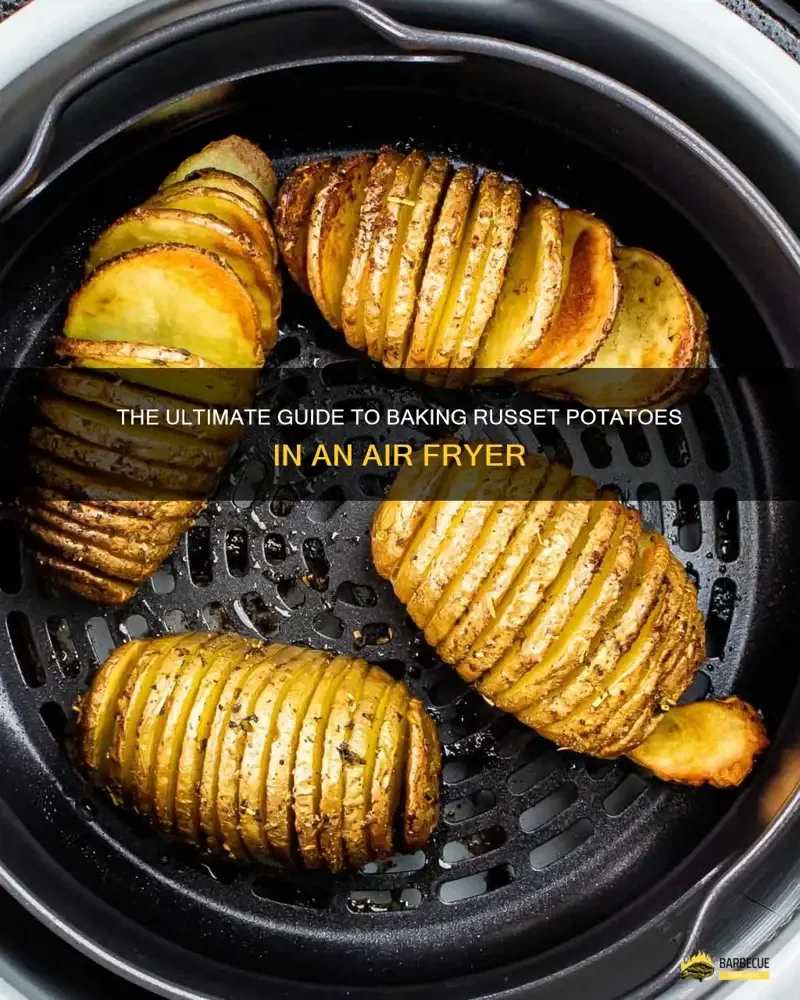
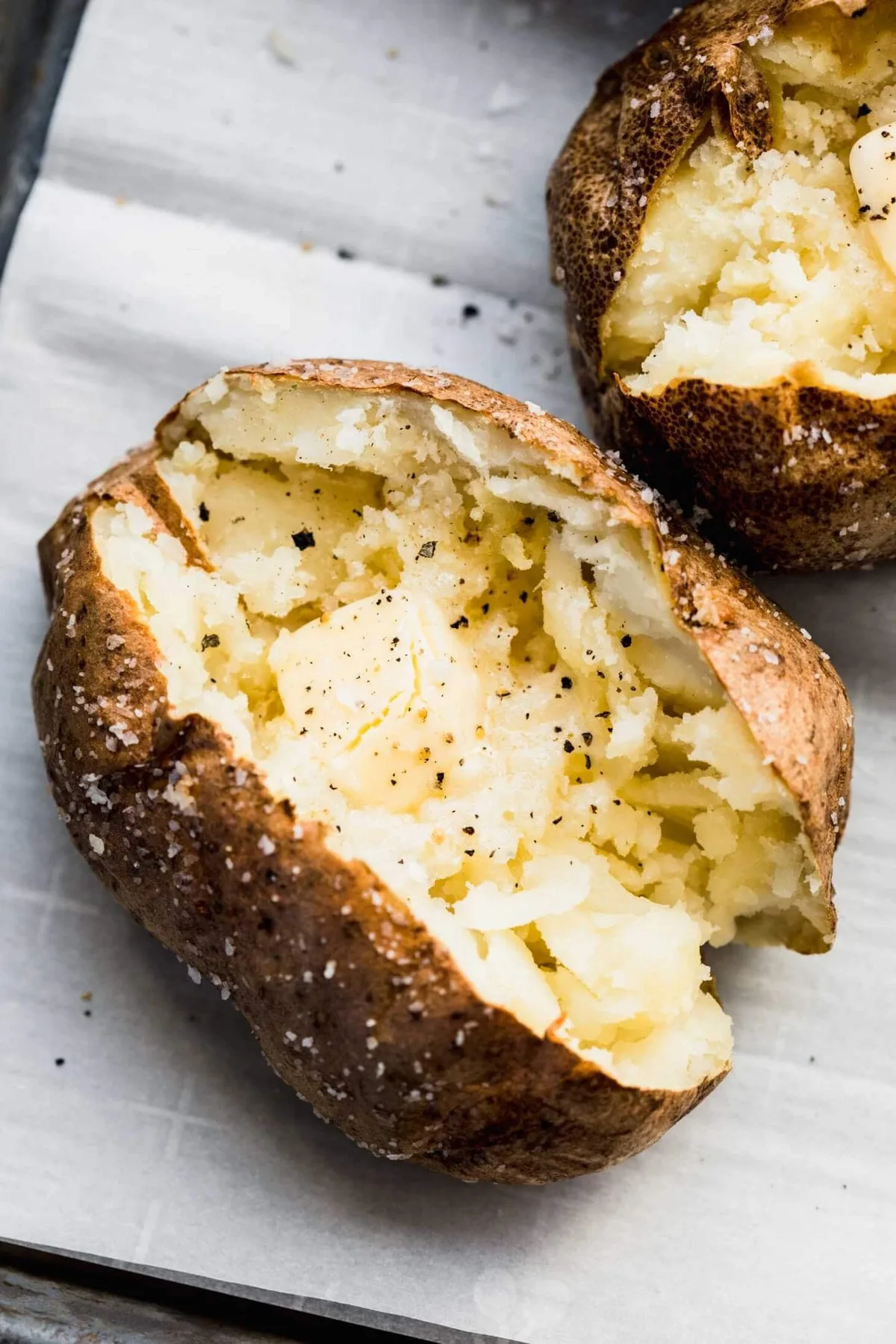
Image source: Web (Bing) / shungrill.com (Web image (fair-use with source credit))
Quick Answer
Air fryer jacket potatoes are fast and crispy. Wash and dry a medium russet potato. Poke it several times with a fork.
Rub lightly with oil and salt. Cook at 400°F for 35 to 45 minutes. Flip halfway through.
The potato is done when the skin is crisp and the interior reaches 210°F. Let it rest for five minutes before serving.
Why the Air Fryer Changes the Jacket Potato Game
The secret isn't magic, it's physics. A conventional oven heats the air inside its cavity, and that hot air slowly transfers heat to your food. An air fryer is essentially a supercharged, mini convection oven.
It uses a high-speed fan to blast that hot air directly onto the food's surface at a much higher velocity.
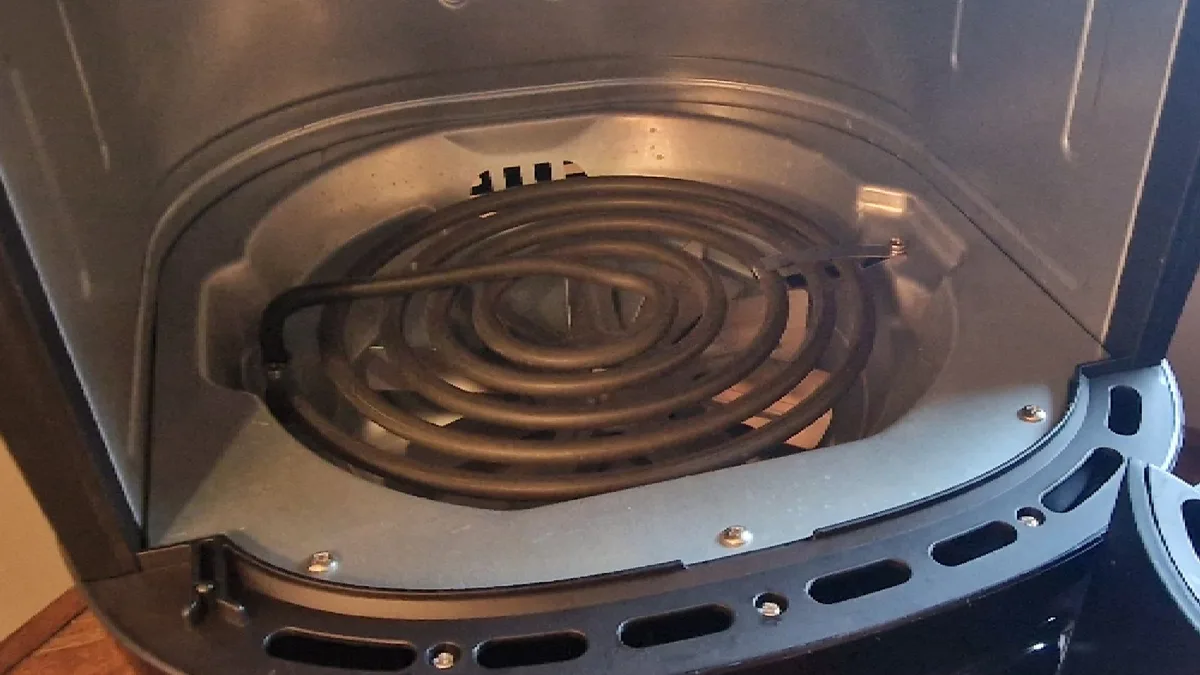
This intense air circulation does two crucial things for your potato. First, it creates the Maillard reaction, the chemical process that creates browning and complex flavor, more efficiently. That's where the deep, savory taste and golden color come from.
Second, it rapidly evaporates surface moisture. In a regular oven, steam can get trapped around the potato, leading to soggy skin. The air fryer's fan whisks that steam away almost instantly, allowing the skin to dry out and crisp up beautifully.
Think of it like the difference between drying your hands with a gentle towel versus a high-powered hair dryer. One absorbs moisture, the other aggressively removes it. That aggressive removal is what gives you the texture contrast, a shatteringly crisp shell protecting a cloud-soft center, that’s so hard to achieve consistently in a standard oven, especially for a single serving.
What You Need to Know About Potatoes for Air Frying
Not all potatoes are created equal, and choosing the right one is your first step toward a perfect jacket potato. The ideal candidate has a high starch content and a thick, rugged skin. That's why the russet potato, also called an Idaho potato, is the undisputed champion for baking.
Its dense, mealy flesh turns incredibly fluffy when cooked, and its thick skin crisps up into a fantastic edible shell.
Here’s a quick comparison of common potato types for this purpose:
| Potato Type | Starch Level | Skin Texture | Best For Air Frying? | Why? |
|---|---|---|---|---|
| Russet / Idaho | High (Mealy) | Thick & Rugged | Yes – Ideal | Fluffy interior, excellent crispy skin. |
| King Edward / Maris Piper | Medium-High | Medium | Yes – Good | All-purpose, good fluffy texture. |
| Yukon Gold | Medium (Waxy) | Thin & Smooth | Maybe | Creamy interior, but skin won't crisp as well. |
| Red Potatoes | Low (Waxy) | Very Thin | Not Recommended | Best for roasting or boiling; stays firm. |
Beyond type, size matters. A medium potato, roughly 8 to 10 ounces (225 to 285 grams), is the sweet spot. It’s large enough to get that classic fluffy interior but small enough to cook through before the skin burns.
An extra-large potato might need the temperature lowered partway through to prevent the outside from over-browning before the inside is done.
Look for potatoes that are firm with smooth, unbroken skin. Avoid any with green tinges or significant sprouts, as these can indicate the presence of solanine, a natural toxin that can cause bitterness and stomach upset. A quick scrub under cold water removes dirt and any residual debris, which is a standard step for preparing many other dishes from our collection of favorite meals.
The Simple Air Fryer Jacket Potato Method
This is your foolproof blueprint. The process is straightforward, but each step has a purpose that contributes to the final result. You don't need any special skills, just a bit of patience to let the appliance do its work.
What You'll Need:
- 1-2 medium russet potatoes
- 1 teaspoon high-smoke-point oil (avocado, refined olive, or canola)
- Kosher or sea salt
- Paper towels
- A fork
Step-by-Step Process:
Prep the Potato. Give your potato a good scrub under running water to remove any grit. Dry it thoroughly with paper towels. This is critical, any surface water will steam the skin instead of letting it crisp. Use the fork to pierce the potato deeply all over, about 8-12 times. This creates vents for steam to escape during cooking. Skipping this step risks the potato building up too much internal pressure and bursting, which is a messy and potentially dangerous clean-up.
Season. In a small bowl, drizzle the oil over the dry potato. Use your hands to rub it evenly over the entire surface. The oil acts as a conductor for the heat and helps the salt adhere. Sprinkle a generous amount of salt all over the oily skin. The salt will draw out a tiny bit of moisture, further aiding in crispiness, and season the skin.
Preheat and Cook. If your air fryer has a preheat function, run it at 400°F (200°C) for 3-5 minutes. Preheating ensures you start with consistent, intense heat. Place the potato in the basket in a single layer, leaving space around it for air to circulate. Do not overcrowd. Cook at 400°F (200°C).
Flip and Finish. At the 20-minute mark, carefully remove the basket and flip the potato over using tongs. This ensures even browning and cooking on all sides. Return it to cook for another 15-25 minutes. Total cook time will be 35-45 minutes for a medium potato.
Check for Doneness. Don't just rely on time. The potato is done when the skin is deeply golden brown and crisp to the touch. The most reliable test is an instant-read thermometer inserted into the thickest part; it should read between 205°F and 210°F (96°C, 99°C). You can also gently squeeze the potato (with an oven mitt!), it should yield easily.
Rest and Serve. Transfer the potato to a plate or cutting board and let it rest for 5 minutes. This allows the internal steam to redistribute, making the flesh even fluffier. Then, make a lengthwise cut, push the ends toward the center to open it up, and add your favorite toppings.
This hands-off cooking method frees you up to prepare a fantastic side, like a bright and tangy shredded chicken salad, to complete your meal.
Air Fryer vs. Oven: The Crispy Skin Showdown
So, is the air fryer actually better than the traditional oven? The answer depends on what you value most. For the ultimate crispy skin and speed for one or two potatoes, the air fryer wins.
For cooking a large batch with minimal hands-on time, the oven still has its place.
Let's put them head-to-head.
The Case for the Air Fryer:
- Superior Crispiness: This is its biggest win. The forced air directly creates a drier cooking environment, leading to a crackling, chip-like skin that's difficult to replicate in a standard oven without a lot of extra steps.
- Speed: It cooks significantly faster due to the concentrated heat and smaller cavity. A potato that takes 50-60 minutes in an oven can be done in 35-45 minutes in an air fryer.
- Energy Efficiency: Heating a 4-quart air fryer basket uses far less energy than heating a 20+ cubic foot oven, especially in the summer when you want to avoid warming up the whole kitchen.
- Consistency: The rapid air circulation promotes very even cooking, reducing the chance of soft spots or uneven browning.
The Case for the Conventional Oven:
- Capacity: You can easily cook six, eight, or more potatoes at once on a sheet pan. An air fryer basket is limited to 2-3 medium potatoes before overcrowding becomes an issue.
- Hands-Off Simplicity: Once you put them in the oven, there's no need to flip or check halfway through for a standard bake. It's truly a "set it and forget it" method.
- Texture for Some: If you prefer a slightly thicker, leathery skin rather than an ultra-thin, shattering crisp, the slower oven bake can deliver that.
The Verdict: If you're cooking for one or two and crave that perfect crisp skin with a fluffy center, the air fryer is your best tool. It's a targeted solution for a specific textural goal. For feeding a family or meal-prepping several potatoes at once, the oven's capacity makes it the more practical choice.
The good news is you can use techniques from both methods, like starting in the microwave for speed and finishing in the air fryer for crispness, a trick that works for other dishes like quick and easy chicken skewers.
Pros and Cons of Air Frying Your Jacket Potatoes
To decide if this method is for you, let's weigh the clear advantages against the practical limitations. The benefits are compelling for the right cook, but the drawbacks are real, especially for larger households.
The Pros:
- Unbeatable Skin Texture. This is the number one reason to use an air fryer. You get a crispy, flavorful, edible skin every single time with minimal effort.
- Speed and Efficiency. It cooks faster than a conventional oven and uses significantly less energy, making it ideal for quick meals and hot-weather cooking.
- Consistent Results. The enclosed, circulating heat environment reduces hot spots. You get even browning and cooking without needing to rotate a sheet pan.
- Easy Cleanup. Most air fryer baskets are non-stick and dishwasher safe. You're left with one small basket to wash instead of a large baking sheet.
The Cons:
- Limited Capacity. This is the biggest downside. Most basket-style air fryers can only comfortably fit 2-3 medium potatoes at once. Cooking for a crowd becomes a batch-cooking project.
- Requires Attention. You must flip the potato halfway through for the best results. It's not a completely hands-off process like an oven bake.
- Size Restrictions. An extra-large baking potato might not fit in the basket, or its top might sit too close to the heating element and scorch.
- Variable Wattage. Lower-wattage models (under 1500W) may take longer and struggle to achieve the same level of crispiness as more powerful units.
In short, air frying excels at quality and efficiency for small batches. It stumbles on volume. If your typical meal involves making just one or two perfect potatoes, the pros far outweigh the cons.
Best Uses: Who Should Be Air Frying Their Spuds?
Given those pros and cons, the air fryer method isn't a universal solution. It's a targeted tool that shines in specific scenarios. Understanding these helps you match the method to your actual needs.
You're an ideal candidate for air fryer jacket potatoes if:
- You cook for one or two people. The capacity limitation becomes a non-issue, and you get restaurant-quality texture with ease.
- You're short on time. Shaving 15-20 minutes off dinner prep is a tangible benefit on busy weeknights.
- You love crispy potato skin. If you usually leave the skin on your plate after an oven bake, this method will change your mind.
- You want to avoid heating the kitchen. In summer or in small apartments, using a large oven can be miserable. The air fryer's contained heat is a major perk.
- You enjoy experimenting with appliance versatility. Using your air fryer for mains and sides, like whipping up a batch of quick nachos, makes it a more valuable kitchen tool.
Stick with your conventional oven if:
- You regularly cook for a family of four or more. The batch-cooking hassle isn't worth the texture gain.
- You prioritize a truly hands-off method. You want to load a sheet pan, set a timer, and walk away for an hour.
- Your kitchen workflow relies on large-batch meal prep. Cooking six potatoes at once for lunches is far more efficient in the oven.
Think of it this way. The air fryer is your specialty chef's tool for a perfect, small-batch result. The oven is your reliable workhorse for feeding a crowd.
Both have a permanent place in a well-rounded kitchen strategy.
Common Mistakes That Lead to Disappointment
Most subpar air fryer potatoes stem from a few easily corrected errors. Avoiding these pitfalls guarantees you get the fluffy interior and crispy skin you're after every time.
Not Drying the Potato Thoroughly
Water is the enemy of crispness. If you put a wet potato in the fryer, the first 10 minutes of cook time will be spent steaming off that surface moisture. This results in a soggy, steamed skin that never properly crisps up.
Always pat the potato completely dry with paper towels after washing.
Skipping the Oil
Some health-conscious cooks skip oil to cut calories. This is a mistake for texture. A light coating of oil is essential.
It conducts heat efficiently, promotes even browning via the Maillard reaction, and helps the salt stick to the skin. Without it, the skin can become dry, tough, and leathery instead of crisp.
Overcrowding the Basket
This is the most common error. Putting in too many potatoes blocks the rapid air circulation that defines the cooking method. The potatoes will steam each other, cook unevenly, and end up with soft skin.
They need space. If they're touching, cook them in separate batches.
Using Potatoes That Are Too Large
A giant potato presents two problems. First, it might not fit. Second, by the time the dense interior reaches 210°F, the outside skin can be overdone, dark, and bitter.
If you only have large potatoes, consider lowering the temperature to 380°F after the first 30 minutes to gently finish the center without burning the exterior.
Not Letting It Rest
Cutting into a potato the second it comes out of the air fryer releases a burst of steam. This steam is moisture leaving the flesh, which can make it seem drier. A five-minute rest lets the heat and moisture redistribute evenly throughout the potato, resulting in a consistently fluffy texture from edge to edge.
Expert Tips for the Ultimate Fluffy Interior
Achieving crispy skin is one thing. Ensuring the inside is a cloud of fluffy perfection is another. These pro-level adjustments fine-tune the process beyond the basic steps.
Should You Microwave the Potato First?
This is a classic hack for speed, and it works well with air frying. Par-cooking the potato in the microwave for 4-5 minutes drastically reduces the air fryer time to about 15-20 minutes. The trade-off is texture.
The skin won't get quite as crisp or deep in flavor as a potato that spends its entire cook time in the dry air fryer environment. It's a great time-saver, but know you're sacrificing some skin quality for speed.
The Salt Rub Secret
After oiling your potato, try a technique borrowed from professional kitchens. Use coarse kosher salt and really press it into the skin. Don't just sprinkle.
This creates tiny abrasions and draws out a bit more moisture from the very surface layer, which supercharges the crisping process. You can even do this an hour ahead and let the salted potato sit on a rack in the fridge for enhanced results.
How to Adjust for Different Air Fryer Models
Not all air fryers are the same. Your model's wattage and basket design matter.
- High-Wattage Models (1700W+): These are powerhouses. They may cook a bit faster and can handle the standard 400°F temperature. Start checking for doneness at the 30-minute mark.
- Lower-Wattage Models (1400-1500W): These might need a slight boost. Try increasing the temperature to 410°F to compensate for less intense heat, and expect the full 45-minute cook time.
- Oven-Style Air Fryers (with racks): The principles are the same, but you don't need to flip the potato. The heat circulation is more even from top and bottom. Place the potato on the middle rack.
The key is to use time as a guide, not a rule. Always rely on the internal temperature and skin appearance as your final indicators. This flexible approach works for mastering any air fryer recipe, from simple sides to more involved mains.
Safety First: Avoiding Kitchen Disasters
Air fryers are generally safe, but cooking a dense, water-rich vegetable like a potato introduces specific risks. Following these guidelines prevents messes and, more importantly, keeps you safe from burns or fire hazards.
The Non-Negotiable: Always Pierce the Skin
This is the single most important safety step. As the potato cooks, internal moisture turns to steam. Without vents, pressure builds inside like a miniature pressure cooker.
Eventually, the skin can rupture violently, spraying hot starch and steam into the air fryer basket. At best, this makes a terrible mess. At worst, it can cause burns if you open the basket immediately after a burst.
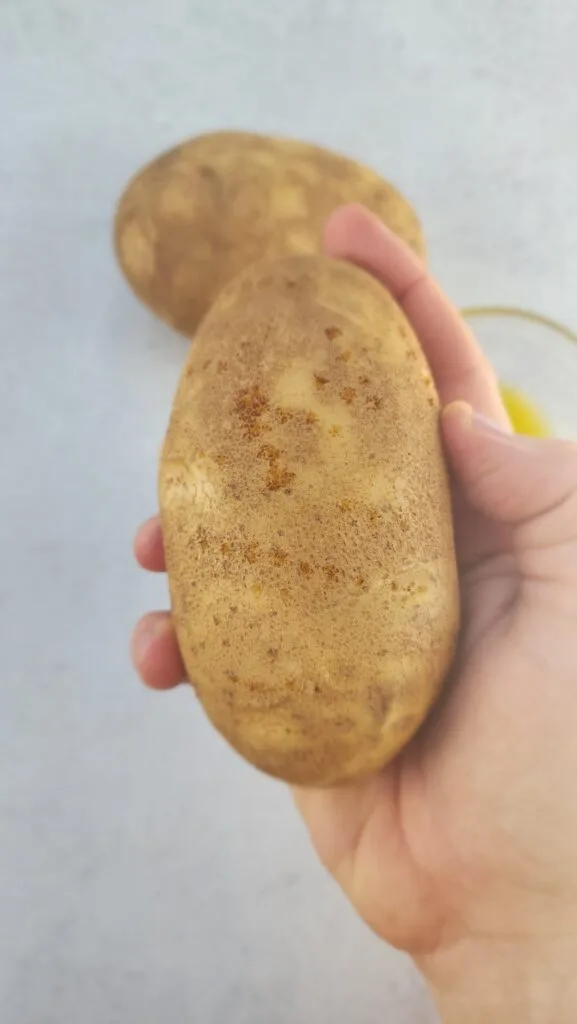
Make 8-12 deep, forceful jabs with a fork over the entire surface. Don't be shy. You're creating reliable escape routes for steam.
Beware of Overheating and Smoke
If a piece of oil or a stray salt crystal falls through the basket onto the heating element at the bottom, it can smoke. This is why it's crucial not to over-oil. A light, even rub is sufficient.
Always place your air fryer on a stable, heat-resistant surface away from cabinets and walls to ensure proper ventilation, as per manufacturer instructions.
Handling Hot Components Safely
The basket and the potato itself will be extremely hot. Always use oven mitts or silicone-tipped tongs to remove the basket. Remember that the basket handle gets hot too.
Let the potato rest on a plate or cutting board for a few minutes before attempting to cut it open. The escaping steam is hot enough to scald.
Keep It Clean
Regular cleaning is a safety practice. Accumulated grease and food debris in the bottom of the air fryer drawer or on the heating element can become a fire hazard over time. Unplug the unit and let it cool completely before wiping it out.
Refer to your model's manual for the recommended cleaning method to avoid damaging non-stick coatings.
Your air fryer manual, often available online if you've lost the physical copy, is the definitive source for your specific model's safety and cleaning protocols. Following it ensures your appliance operates as designed for years.
Perfecting Your Toppings: The Final Act
A perfectly cooked jacket potato is a blank canvas. The right toppings elevate it from a simple side to a satisfying main dish. The contrast between the hot, fluffy interior and cool, creamy, or crunchy toppings is what makes it special.
Classic Foundations:
Start with a pat of good salted butter. Let it melt into the steaming flesh first. Then add a generous dollop of full-fat sour cream or Greek yogurt for tang and creaminess.
A sprinkle of freshly chopped chives or thinly sliced green onions adds a necessary pop of color and fresh flavor.
Hearty Main-Dish Loaders:
Transform your potato into a complete meal. Chili, either bean-based or with ground meat, is a timeless choice. Shredded rotisserie chicken mixed with a little barbecue sauce or buffalo sauce works beautifully.
For a vegetarian option, try sautéed black beans, corn, salsa, and avocado for a taco-inspired treat, similar to the flavors in a well-made Mexican chicken taco salad.
Creative Twists:
Don't be afraid to experiment. Crumble over some crispy bacon or air fryer canned potatoes diced and re-crisped for extra texture. A sprinkle of sharp cheddar cheese that melts from the potato's own heat is always a winner.
For a luxurious finish, a spoonful of caramelized onions or a drizzle of tangy hot honey chicken salad dressing can be incredible.
The key is to prepare your toppings while the potato cooks and rests. Having everything ready to go means you can assemble and enjoy your creation immediately, while the potato is at its absolute peak.
FAQs: Your Potato Questions, Answered
Can I cook a sweet potato the same way?
Absolutely. The method is identical. Sweet potatoes often have a higher moisture content, so they may take 5-10 minutes longer to become tender throughout.
Their skin crisps up nicely but has a different, slightly chewier texture than a russet potato's skin.
Why is my potato skin not crispy?
This almost always points to one of three issues. First, the potato wasn't dried thoroughly before oiling. Second, you skipped the oil.
Third, you overcrowded the basket, which created a steamy environment. Ensure you're following the drying, oiling, and spacing steps precisely.
Do I need to preheat my air fryer?
It's highly recommended. Preheating ensures the potato immediately starts cooking in the correct, high-heat environment. This leads to better initial browning and a more predictable cook time.
If your model doesn't have a preheat button, simply run it empty at 400°F for 3-4 minutes before adding the food.
Can I bake multiple potatoes at once?
You can, but with strict limitations. Place them in the basket in a single layer without touching. For most standard baskets, this means a maximum of two or three medium potatoes.
If they're crowded, they will steam and not crisp. For more, cook in sequential batches or use your oven.
How do I reheat a leftover jacket potato?
The air fryer is the best tool for this. Reheat at 370°F for 5-8 minutes. This will re-crisp the skin while warming the interior without making it soggy, something a microwave can't do.
It's a great way to enjoy leftovers without compromise.
What's the best oil to use?
Choose an oil with a high smoke point, as you're cooking at 400°F. Avocado oil, refined olive oil (not extra virgin), and regular canola or vegetable oil are all excellent choices. They won't burn and create smoke or off-flavors during the extended cook time.
Final Verdict: Is the Air Fryer the Best Way?
So, after weighing the science, the comparisons, and the practical tips, where do we land? The air fryer is unequivocally the best method for cooking one or two jacket potatoes where the primary goal is achieving a spectacularly crispy skin with a fluffy interior, all in a shorter time frame.
It wins on texture, efficiency, and consistency for small batches. The forced convection heat solves the core problem of traditional baking in a way a standard home oven simply cannot match without special techniques.
However, "best" is context-dependent. If your need is capacity and total hands-off convenience for a family dinner, the conventional oven retains its title. It's the better tool for that specific job.
For most individuals, couples, or small families making a weeknight meal, the air fryer's advantages are transformative. It turns a humble baked potato into a culinary highlight with minimal effort. Our research and analysis of countless user experiences confirm that once you master the simple steps, you'll have a reliable, go-to method for a perfect potato any night of the week.
The real verdict is this: if you own an air fryer and aren't using it for jacket potatoes, you're missing out on one of its simplest and most impressive applications. Give the method a try with a good russet potato, a little oil and salt, and about 40 minutes. The result speaks for itself.
Pros and Cons of Air Frying Your Jacket Potatoes
The air fryer excels at creating a crispy skin quickly. It uses less energy than a full oven. This makes it ideal for small households or summer cooking.
Its main limitation is capacity. You can only cook two or three medium potatoes at once. Cooking for a crowd requires multiple batches.
The potato also needs to be flipped halfway for even results.
Best Uses: Who Should Be Air Frying Their Spuds?
This method is perfect for singles or couples. It's for anyone who prioritizes a superior crispy texture over cooking in bulk. It's also a great solution for hot days when you want to avoid heating the kitchen with the oven.
If you regularly cook for four or more people, stick with the oven. The air fryer's small basket makes large-batch cooking inefficient. Its strength is quality for a few, not quantity for many.
Common Mistakes That Lead to Disappointment
A wet potato skin will steam instead of crisp. Always dry potatoes thoroughly after washing. Skipping the oil is another common error.
A light coating is essential for proper browning and texture.
Overcrowding the basket blocks air flow. This leads to steaming and soft skin. Give each potato plenty of space.
Not piercing the skin can cause a messy burst from built-up steam pressure.
Expert Tips for the Ultimate Fluffy Interior
For extra-fluffy insides, let the cooked potato rest for five minutes before cutting. This allows steam to redistribute evenly. Using a coarse salt and pressing it into the oiled skin can draw out more moisture for an even crispier exterior.
If you're short on time, you can microwave the potato for 4-5 minutes first. Then finish it in the air fryer for 15 minutes to crisp the skin. This is a trade-off that saves time but yields a slightly less crisp exterior.
Safety First: Avoiding Kitchen Disasters
Always pierce the potato skin deeply with a fork. This prevents dangerous steam explosions. Use oven mitts when handling the hot basket and potato.
The escaping steam when you cut it open is also scalding hot.
Keep your air fryer clean. Food debris on the heating element can smoke or become a fire hazard. Unplug the unit and let it cool completely before cleaning.
Follow your manufacturer's manual for specific care instructions.