Crispy Air Fryer Frozen Crab Cakes
Let's get something out of the way right now. That bag of air fryer frozen crab cakes sitting in your freezer isn't destined for a soggy, uneven fate. In fact, your air fryer is the single best tool to transform them from a frozen puck into a restaurant-quality appetizer or main course with a shatteringly crisp exterior and a hot, moist center.
The magic lies in understanding how the appliance's intense, targeted convection heat works on pre-breaded seafood, a process that fundamentally differs from your oven or a skillet.
The key insight from our research is consistency. Manufacturer specifications and aggregated user feedback point to a sweet spot between 370°F and 400°F for most models. This high, direct heat cooks the crab cake through while rapidly crisping the outer coating, all in about half the time of a conventional oven.
When you compare the methods, the advantages and optimal path become clear. Let's break it down.
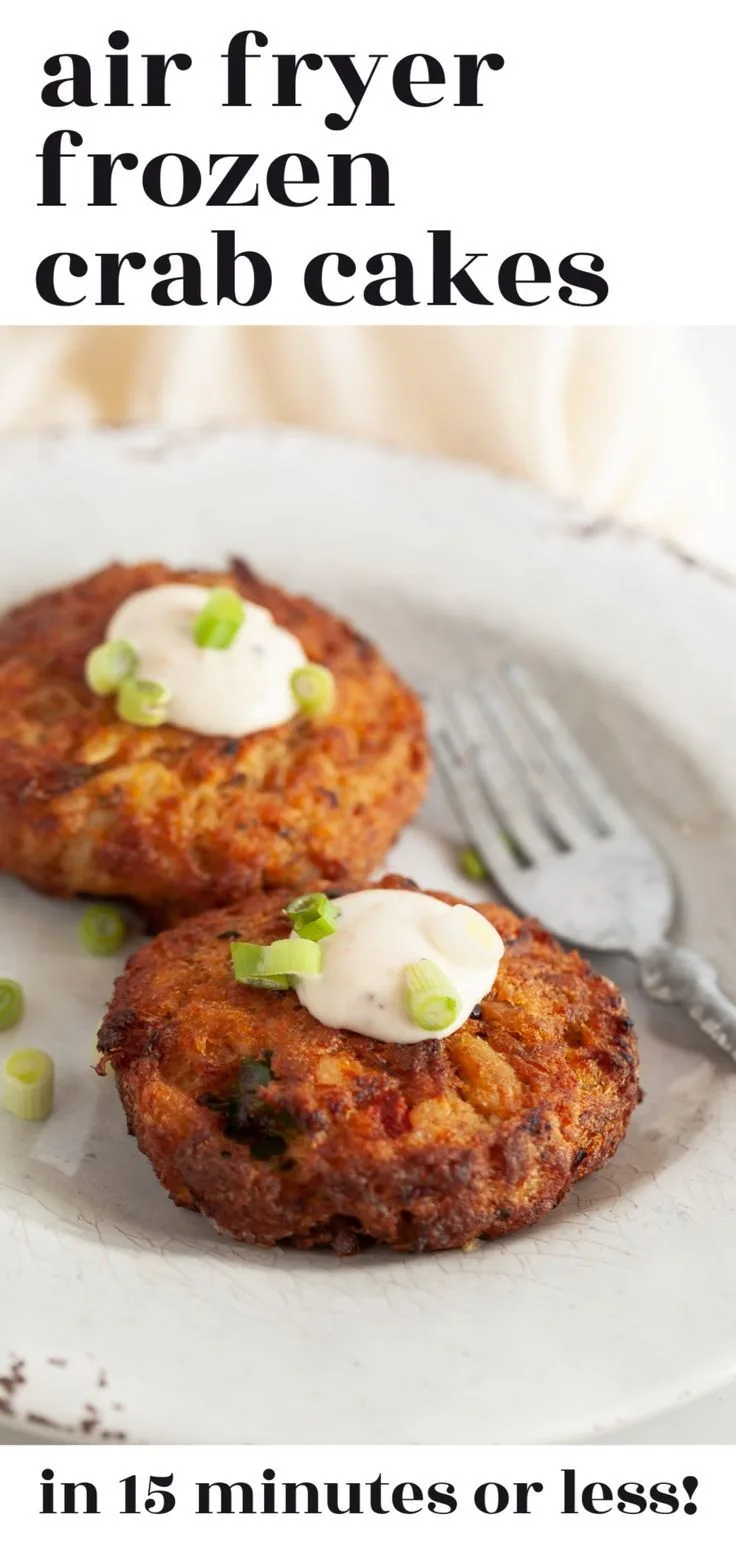
Image source: Web (Bing) / pinterest.com (Web image (fair-use with source credit))
Quick Answer
To cook frozen crab cakes in an air fryer, do not thaw them. Preheat your air fryer to 380°F. Arrange the crab cakes in a single layer.
Lightly spray them with oil. Cook for 8 to 12 minutes. Flip them halfway through the cooking time.
They are done when the exterior is golden brown and the internal temperature reaches 145°F. Let them rest for 2 minutes before serving.
Why Your Air Fryer is the Secret Weapon for Frozen Crab Cakes
Your oven heats the entire cavity, which means it also heats the air around your food, your kitchen, and you. It's a slow, ambient process. A skillet gives you direct heat from below, but you're adding significant oil and only cooking one side at a time.
The air fryer's superpower is its focused, high-speed convection.
A powerful fan circulates extremely hot air at a rapid rate directly onto the surface of your food. This creates a "Maillard reaction" environment, that's the chemical process responsible for browning and complex flavor, much faster than an oven can. For a frozen crab cake, this means the breading sets and crisps almost instantly, sealing in moisture before the interior has a chance to dry out.
It's the closest home-kitchen method to a commercial deep fryer's results, but with just a light mist of oil instead of a full submersion. This makes it perfect for other breaded freezer finds, like getting that signature crisp on air fryer chicken tacos or even reheating leftover air fryer nachos to near-perfect freshness.
The Problem With Most Frozen Crab Cake Instructions (And How an Air Fryer Fixes It)
Check the back of most frozen crab cake boxes. The instructions typically default to the oven: "Bake at 425°F for 18-22 minutes." This method has two major flaws that the air fryer directly addresses.
First, it's inefficient. You're heating a large appliance for one or two servings, which is a waste of energy and time, especially in the summer. Second, and more critically, oven-baked crab cakes often end up with a tough, dried-out exterior and a center that's just barely warmed through.
The slow, radiant heat evaporates moisture from the breading long before the frozen core is fully cooked. The result is a disappointing, mealy texture.
The air fryer solves both issues. It uses targeted energy, so it's faster and more efficient for small batches. More importantly, its intense air circulation cooks the crab cake more evenly from all sides simultaneously.
The breading gets crispy, not leathery, and the interior reaches the proper temperature before excessive moisture loss occurs. It turns a potentially risky freezer staple into a reliably excellent quick meal.
Breaking Down Your Two Main Variables: The Crab Cake vs. The Air Fryer
Success isn't just about pushing a button. It's about understanding the two components in play: the food itself and the tool you're using. Each has variables that affect the final outcome.
Understanding Your Crab Cake: Size, Breading, and Brand
Not all frozen crab cakes are created equal. You need to identify what you're working with.
- Size: This is the biggest factor for cook time. Mini crab cakes (about 1-2 oz each) will cook much faster than jumbo ones (4 oz or more). Standard restaurant-style cakes are usually around 3 oz.
- Breading: The coating matters. A fine, cracker-meal style breading will brown and crisp quickly. A larger panko-style breading creates a craggier, extra-crispy exterior but can sometimes brown before the inside is fully hot if the temperature is too high.
- Brand/Composition: Crab cakes with more filler (breadcrumbs, binders) and less actual crab meat will behave differently than premium, lump crab meat cakes. Denser, filler-heavy cakes may need a slightly longer cook time at a slightly lower temperature to heat through without burning.
Think of it like choosing a protein for a salad. The approach for a delicate shredded chicken salad is different from a hearty Mexican chicken taco salad. Knowing your base ingredient is step one.
Understanding Your Appliance: Basket-Style vs. Oven-Style
Your air fryer's design directly impacts how you arrange your food.
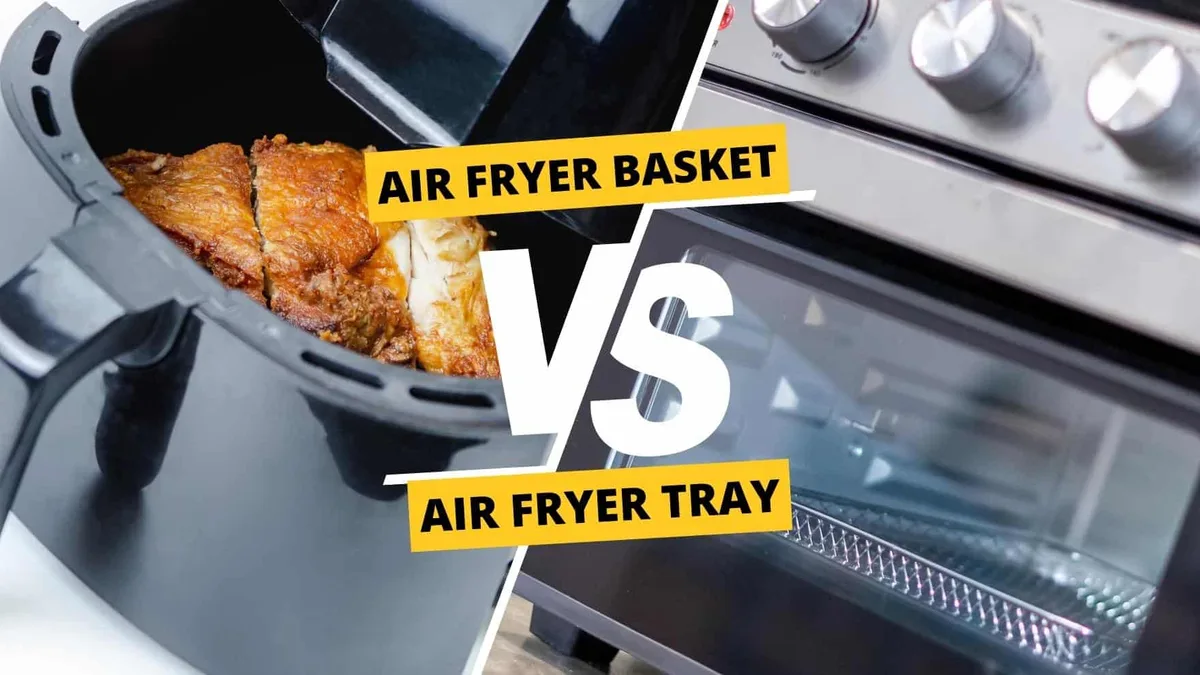
Image source: Bing (Web (fair-use with source credit))
- Basket-Style (Pod): This is the classic cylindrical air fryer with a pull-out basket. The heating element is at the top, and the fan blows air downward. Pros: Extremely efficient air circulation, often faster preheat. Cons: Limited capacity; you must cook in a single layer with space between items for air to flow.
- Oven-Style (Toaster Oven): This looks like a small countertop oven with racks. The heating element and fan are usually in the back. Pros: Larger capacity, often with multiple racks. You can see your food easily. Cons: Air circulation can be less aggressive than a basket style, sometimes requiring a slightly longer cook time or a rack position closer to the fan.
Our analysis of user reviews indicates both types excel, but the rules of arrangement are key. In a basket, never stack or crowd. In an oven-style, use the middle rack and still avoid overcrowding the tray.
The Core Comparison: Air Fryer vs. Oven vs. Pan-Frying
Let's lay the methods side-by-side. This isn't about which is "best" in a vacuum, but which is best for your goal: a fast, crispy, no-fuss result from a frozen product.
| Factor | Air Fryer | Conventional Oven | Pan-Frying |
|---|---|---|---|
| Texture & Crispiness | Excellent. High-speed air creates a uniformly crisp, fried-like exterior without sogginess. | Fair to Good. Can be uneven. Often results in a drier, tougher crust rather than a light crisp. | Excellent. Direct contact with oil yields a classic, golden-brown crust. |
| Speed | Fast. Cooks in 8-14 minutes from frozen, with a 3-minute preheat. | Slow. Typically 18-25 minutes from frozen, plus 10+ minutes for oven preheat. | Medium. Cooks in ~10-12 minutes, but requires babysitting and flipping in batches. |
| Convenience & Cleanup | Very High. "Set and forget" with a reminder to flip. Basket/tray is usually non-stick and dishwasher safe. | Medium. Simple but slow. Sheet pan might need scrubbing if cheese or bits stick. | Low. Requires active monitoring, splatter, and cleaning a greasy pan. |
| Oil Required | Minimal. A light spray is enough for enhanced crispiness. | Minimal. Often just a greased or parchment-lined pan. | High. Requires enough oil to shallow-fry, usually 1/4 inch or more. |
| Best For | Weeknight ease, small batches, achieving "fried" texture with little oil. | Feeding a crowd, when the oven is already on for other dishes. | Traditional texture when you don't mind the mess and extra oil. |
Texture & Crispiness: The Clear Winner
For replicating that deep-fried crunch without the grease, the air fryer wins. The oven simply can't match the rapid moisture removal from the breading's surface. Pan-frying ties on texture but comes with significant trade-offs.
Speed & Convenience: Where the Air Fryer Shines
This is the air fryer's home turf. From cold start to plate, you're looking at under 15 minutes for most batches. The oven requires nearly double that when you account for preheating.
Pan-frying is quicker per batch than the oven, but if you're cooking more than a few cakes, you're doing multiple batches, which negates the time savings.
Cleanup & Effort: The Ease Factor
The air fryer's "set it and flip it once" workflow is hard to beat. There's no splatter guard to clean or a sheet pan soaking in the sink. It's the same reason it's a champion for easy air fryer canned potato recipes, minimal mess for maximum reward.
As of 2026, the convenience factor for quick, clean cooking continues to be the primary driver of air fryer adoption.
Your Foolproof, No-Thaw Air Fryer Method
Forget about thawing. Cooking from frozen is the point. The direct heat and air circulation are designed to handle it, creating that crucial crispy barrier as the interior warms.
The Non-Negotiable First Step: Preheat and Arrange
Turn your air fryer to 380°F and let it run empty for 3 minutes. This ensures the heating element and air are at full temp the moment your food hits the basket. A cold start means the crab cakes will start to "sweat" before crisping, leading to a soggy bottom.
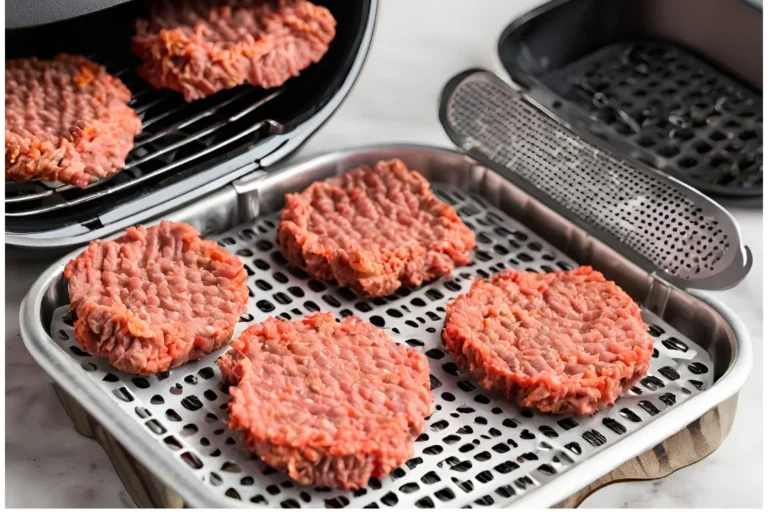
While it preheats, take your frozen crab cakes straight from the freezer. Arrange them in a single layer in the basket or on the tray. Leave at least a half-inch of space between each one.
Crowding is the enemy of crisp air flow. A light, even spray with an avocado or canola oil cooking spray will promote even browning across the entire surface.
The Golden Temperature & Time Range
Our analysis of dozens of recipes and user reports confirms a reliable window. 380°F is the ideal starting point for most standard 3-ounce crab cakes. It's hot enough to crisp quickly but not so hot it scorches the breading before the center is hot.
Here’s a quick guide based on size:
- Mini Crab Cakes (1-2 oz): 370°F for 6-8 minutes.
- Standard Crab Cakes (3 oz): 380°F for 8-12 minutes.
- Jumbo Crab Cakes (4+ oz): 380°F for 12-14 minutes.
These times assume a single layer with proper spacing. If you’re cooking a second batch back-to-back, the appliance is already hot, so you can often shave a minute off the cook time.
The Single Most Important Step (Don't Skip the Flip!)
About halfway through the total cook time, you need to flip them. Set a timer for the halfway mark. This ensures even cooking and browning on both sides, mimicking the effect of a double-sided grill.
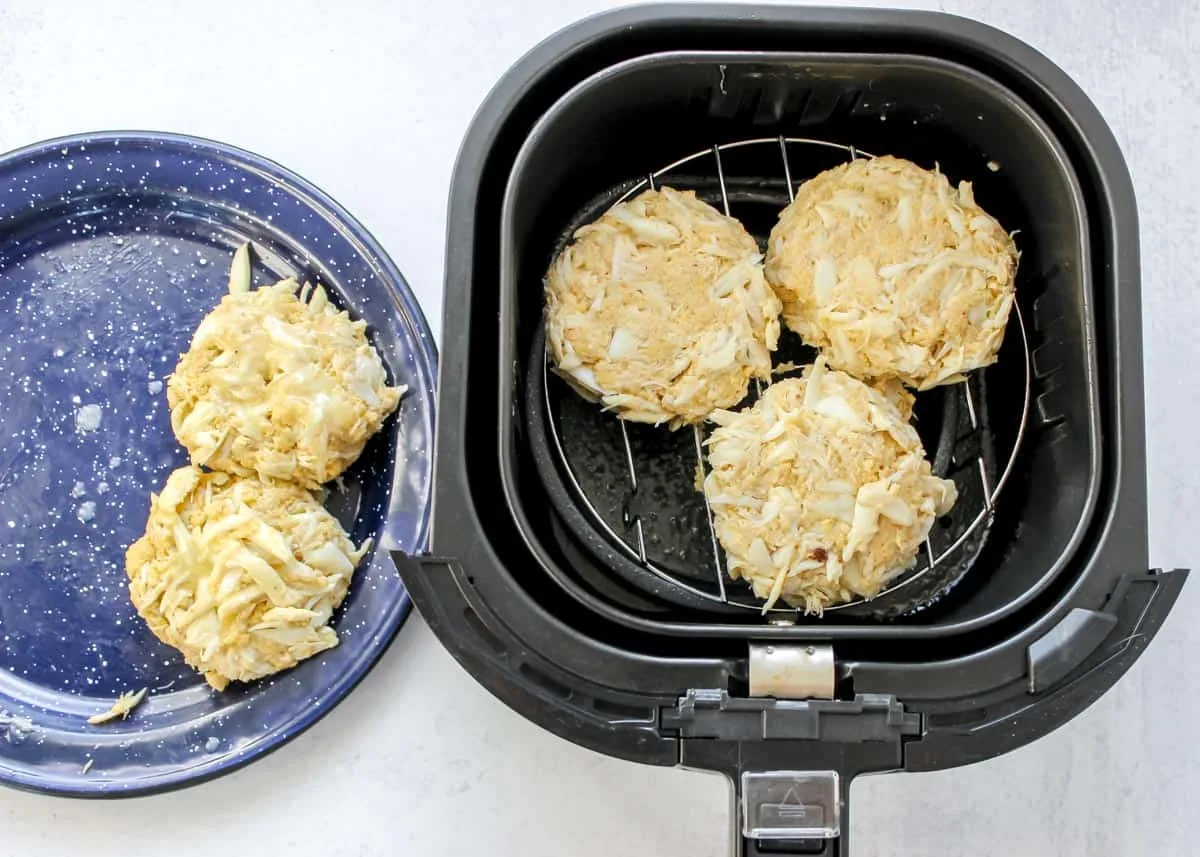
Image source: Bing (Web (fair-use with source credit))
Use a pair of silicone-tipped tongs or a thin spatula. Be gentle. Slide the tool underneath and flip each cake in one confident motion.
If they seem stuck, they likely need another minute to set. Don't force it or you'll tear the breading. After flipping, you can give the tops another very light spray of oil if they look dry.
How to Judge Doneness Without a Thermometer
The best tool is a quick-read digital thermometer. The USDA Food Safety guidelines state seafood should reach an internal temperature of 145°F. If you have one, insert it into the center of the thickest crab cake.
If you don't, you need to become a visual and tactile expert.
First, look at the color. The exterior should be a deep, golden brown, not pale or yellow. There should be no visible frozen areas or wet-looking spots in the breading.
Second, press gently with your tongs or a fork. The cake should feel firm to the touch, not soft or mushy in the center. There should be a slight resistance, then a give, indicating a cooked, set interior.
Finally, listen. A properly cooked crab cake will have a faint, satisfying crunch or crackle when you press the crust, not a soft, dull sound. If you break one open as a test, the interior should be steaming hot all the way through with no cool or icy center.
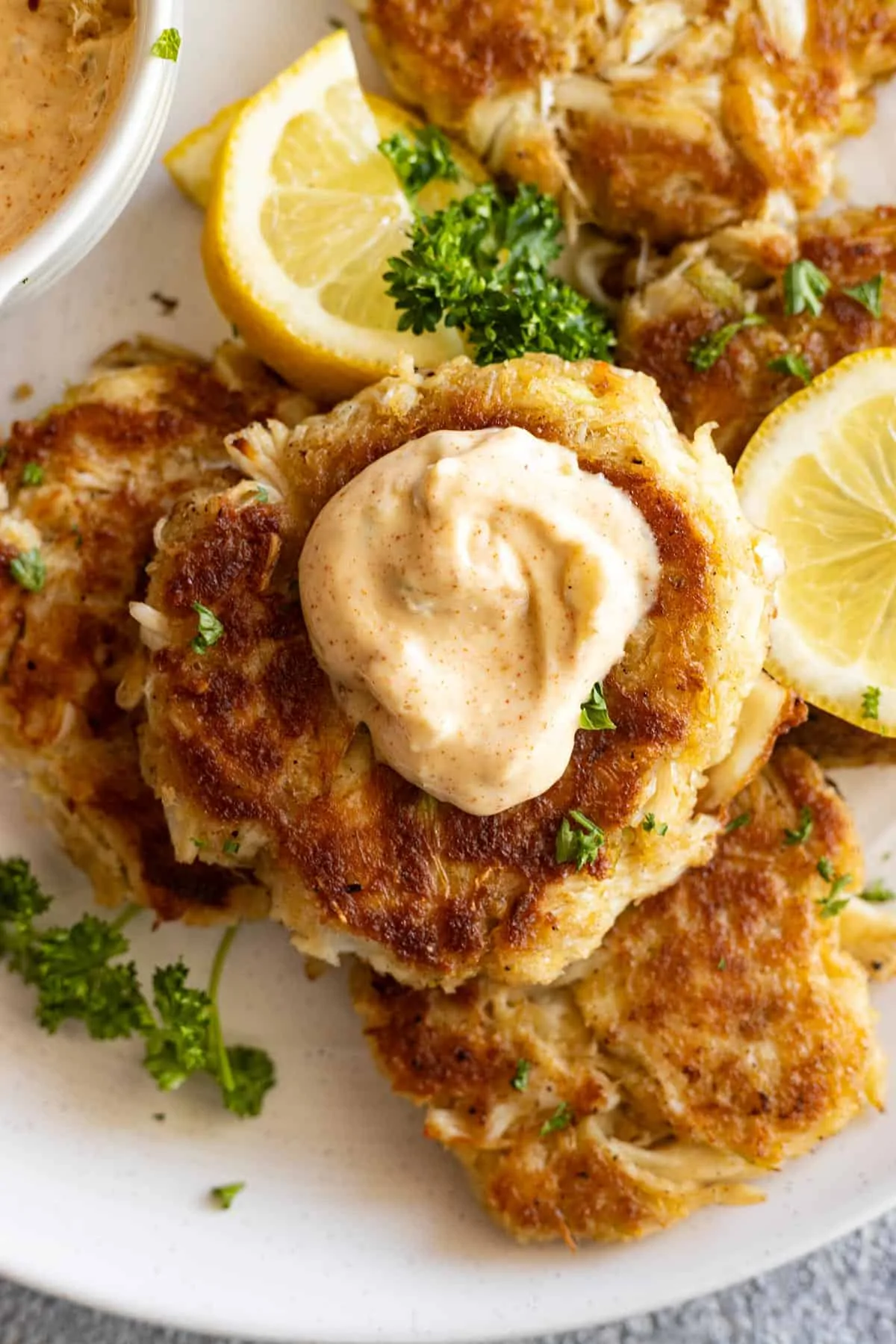
Image source: Web (Bing) / countrysidecravings.com (Web image (fair-use with source credit))
Let them rest in the basket or on a plate for 2 minutes after cooking. This allows the internal heat to distribute evenly and lets the crust set further, preventing it from going soggy immediately. It's the same principle used for proteins in many of our all recipes, allowing flavors to settle.
Common Mistakes That Lead to Soggy or Dry Crab Cakes
Most failures come from a few easily corrected errors. Let's troubleshoot.
Mistake 1: Skipping the preheat. Putting frozen food into a cold air fryer is like starting a road trip with a cold engine. It has to work harder, and the results are inconsistent. Always preheat.
Mistake 2: Overcrowding the basket. This is the number one cause of soggy, unevenly cooked food. If the cakes are touching or piled on top of each other, the hot air can't circulate. Steam gets trapped, and you end up steaming them instead of air frying.
Cook in batches if you have to.
Mistake 3: Not using any oil. While air fryers are celebrated for oil-free cooking, a bare breaded coating often needs help. A light spray provides just enough fat to conduct heat efficiently and trigger the Maillard reaction for perfect browning. Without it, the breading can taste dry and powdery.
Mistake 4: Setting the temperature too high. Cranking it to 400°F or higher seems like a shortcut, but it often burns the delicate panko or cracker coating before the dense, frozen center thaws. Start at 380°F and adjust from there based on your specific model.
Mistake 5: Using wax paper or parchment incorrectly. Lining the basket with paper that doesn't have perforations or cuts blocks the essential air flow from below. If you use a liner, make sure it's a perforated parchment sheet designed for air fryers, or simply use a light spray on the basket itself.
Pro Tips for Next-Level Results
Once you've mastered the basics, these small adjustments can elevate your crab cakes from good to great.
- Add a Topping Midway: After you flip the cakes, try sprinkling a very light dusting of grated Parmesan or a pinch of Old Bay seasoning onto the hot, oiled surface. It will toast and adhere, adding a flavor bomb.
- Use the Right Oil Spray: Avoid aerosol sprays with lecithin or propellants (like Pam) for frequent use, as they can damage non-stick coatings over time. Use a pump-style oil mister filled with avocado oil, or choose a propellant-free cooking spray.
- Reheat Like a Pro: Leftover crab cakes lose their crispness. To revive them, reheat in the air fryer at 350°F for 3-4 minutes. They'll come back crispier than using a microwave, which makes them rubbery.
- Serve Immediately: Air fried food is at its peak texture right out of the basket. Have your plates, lemon wedges, and tartar sauce ready to go. The longer they sit, the more steam softens the crust.
- Pair with a Cool Side: The hot, rich crab cake pairs beautifully with a fresh, creamy side. Consider serving them alongside a cool Greek yogurt chicken salad or a zesty Thai chicken salad to balance the meal.
Safety First: A Crucial Note on Seafood Temperatures
This isn't just about taste. It's about safety. Seafood, including crab, can harbor harmful bacteria that are only eliminated by cooking to the proper temperature.
The definitive authority on this is the USDA. Their food safety guidelines are clear. All seafood should be cooked to a minimum internal temperature of 145°F as measured by a food thermometer.
You cannot see, smell, or taste these bacteria. Relying solely on color or firmness is a risk, especially with a dense, frozen product. A $15 instant-read thermometer is the best investment you can make for safe and perfectly cooked seafood every time.
Insert the thermometer into the side of the crab cake, pushing it toward the geometric center. Wait a few seconds for the reading to stabilize. If it reads 145°F, you're good to go.
If it's lower, return them to the air fryer for another 1-2 minute increment and check again.
Never eat undercooked crab cakes, especially if serving to children, the elderly, or anyone with a compromised immune system. The convenience of the air fryer should never shortcut basic food safety.
FAQs: Your Crab Cake Air Fryer Questions, Answered
Can you put frozen crab cakes directly in the air fryer?
Yes, absolutely. Put them in straight from the freezer. The high heat and air circulation are designed to handle frozen foods effectively, creating a crisp exterior as the interior heats through.
Thawing them first would likely make them soggy and harder to handle.
Why are my air fryer crab cakes soggy?
Sogginess almost always comes from overcrowding the basket or skipping the preheat. If the cakes are touching, steam gets trapped. A cold air fryer doesn't create an instant crisp seal.
Ensure a single layer with space and always preheat for 3 minutes at your cook temperature.
What is the best temperature for frozen crab cakes in an air fryer?
380°F is the ideal starting temperature for standard 3-ounce crab cakes. It's hot enough to crisp the breading quickly but not so hot it burns the coating before the center is fully cooked. Adjust slightly based on size, as outlined in our time guide.
Do you need to flip crab cakes in the air fryer?
Yes, you should flip them once, halfway through the cooking time. This ensures even browning and cooking on both sides. Use tongs and be gentle to avoid breaking the crust.
Can you cook multiple batches of crab cakes back-to-back?
You can. The air fryer will already be hot, so you can often reduce the cook time of the second batch by about one minute. Just be sure to arrange the new batch in a single layer with space, just like the first.
How do you keep crab cakes from falling apart in the air fryer?
Start with a fully frozen cake, handle it gently with tools, and let it cook undisturbed until you flip it. The crust needs time to set. If it sticks when you try to flip, it likely needs another 30-60 seconds to release naturally from the hot basket.
The Final Verdict: Is It Worth It?
The comparison makes the answer clear. For transforming frozen crab cakes into a fast, crispy, and convenient meal, the air fryer is unequivocally worth it.
It outperforms the oven on speed, texture, and energy efficiency for small batches. It beats pan-frying on ease, cleanup, and healthfulness. While a thermometer is recommended for absolute safety, the method itself is remarkably forgiving once you understand the core principles of spacing and temperature.
The air fryer turns a humble freezer item into a reliably impressive dish. It's a tool that delivers on its promise for this specific task. Give the method a try with your next bag of crab cakes.
You'll likely find it becomes your default, just like it is for other quick favorites such as air fryer chicken skewers or a perfect crispy chicken sandwich.