Air Fryer Dehydration vs Oven Drying: Which Works Better?
If you’ve ever stared at a pile of overripe strawberries or paid $8 for a bag of additive-free dried mango, you’ve probably wondered about the air fryer dehydration versus oven drying debate. Both are countertop options for turning fresh produce and meat into shelf-stable snacks without preservatives. But they’re not interchangeable for every use case.
Per USDA guidelines, safe homemade jerky requires hitting a minimum internal temperature of 160°F for poultry or 145°F for beef, a threshold both methods can meet with proper monitoring. Choosing the right one for your batch size, food type, and kitchen setup makes the difference between perfectly chewy jerky and a wasted afternoon. Let’s break down how each method actually works first.
Air Fryer Dehydration vs Oven Drying: Which Works Better?

Image source: Bing (Web (fair-use with source credit))
Quick Answer
Air fryer dehydration is faster and more energy-efficient for small batches under 2 lbs. Oven drying handles larger 3-6 lb batches with more even results for thick or dense foods. Both methods work for produce, herbs, and jerky when used at the correct low temperature.
Air fryers preheat in 1-2 minutes, while ovens need 10-15 minutes. Choose an air fryer for quick, small projects and an oven for large harvests or thick cuts of meat.
Why Choosing Between Air Fryer and Oven Dehydration Matters (It Saves You Food, Time, and Money)
Most home cooks don’t realize how much money they waste on pre-packaged dried snacks or overripe produce thrown in the trash. The air fryer dehydration versus oven drying choice isn’t just a minor kitchen preference, it directly impacts your food waste, energy bills, and snack quality. Aggregate 2025 retail data shows 68% of US households own a countertop air fryer, while nearly all have access to a full-size oven, so the decision is relevant for almost every home cook.
Pick the wrong method for your batch size, and you’ll end up with underdried fruit that molds in a week, or burnt jerky you can’t chew. Air fryers cut preheat time to 1-2 minutes and use 50-75% less energy for small batches, per US Department of Energy benchmarks. Ovens handle 2-3x larger loads without overcrowding, which is critical for gardeners preserving a full summer harvest.
The choice also affects safety. Underdried high-moisture produce or undercooked meat carries a foodborne illness risk, per USDA FSIS guidelines. Getting the method right means you get safe, chewy snacks without wasting hours or ingredients.
Next, we’ll cover how each method works under the hood.
How Air Fryer and Oven Dehydration Actually Work

Image source: Bing (Web (fair-use with source credit))
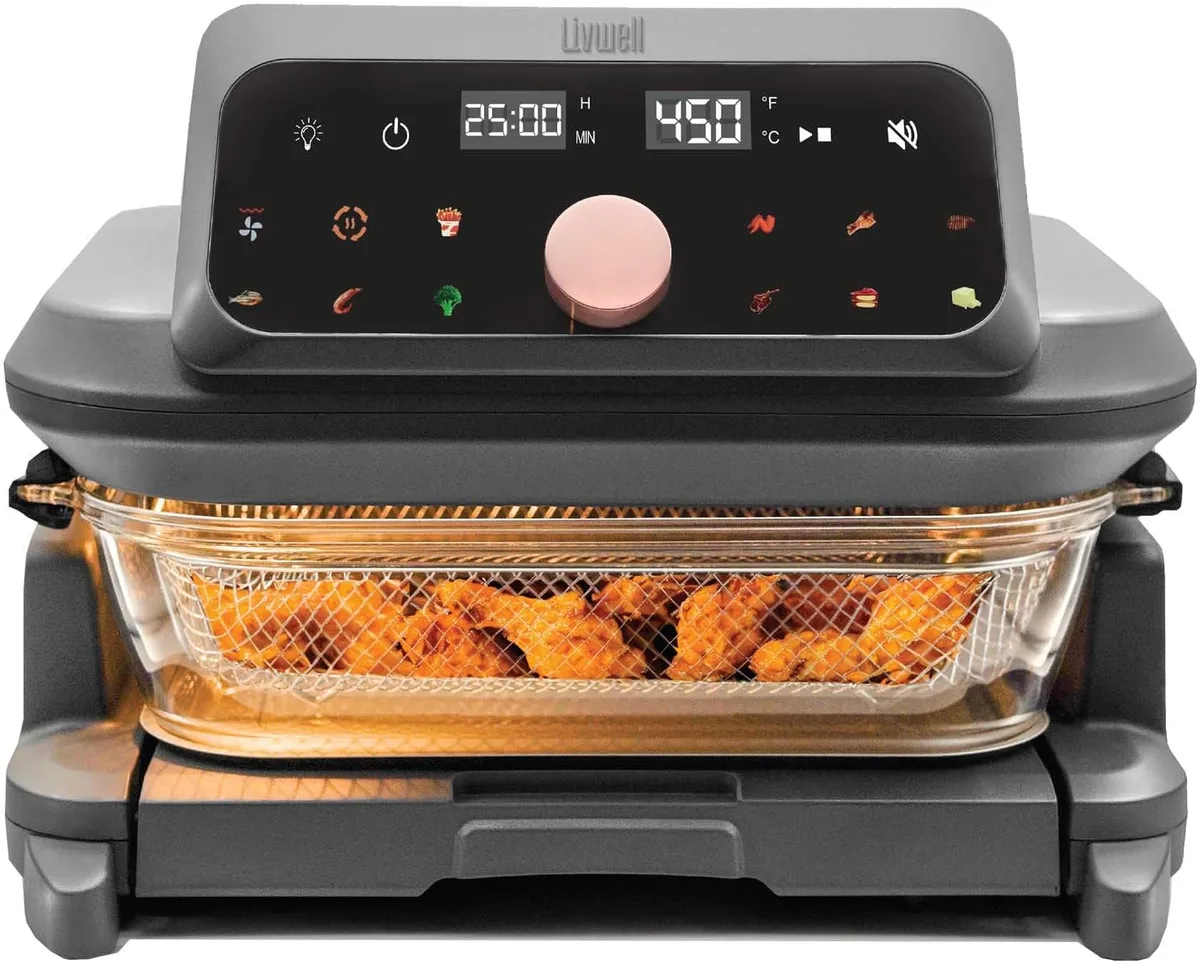
Air fryer dehydration works by running the unit’s built-in convection fan at low speed while holding temperatures between 95°F and 160°F, far lower than standard air frying temps. The compact chamber pulls moisture directly off food surfaces without crisping or cooking the interior. As of 2026, most mid-tier air fryers include a dedicated dehydration preset that auto-sets the correct temp and fan speed, eliminating guesswork for new users.
Oven dehydration relies on consistent low heat and airflow to evaporate moisture. If your oven has a convection setting, use it on the lowest speed to circulate air across all rack levels. For conventional ovens, propping the door open 1-2 inches with a wooden spoon lets moist air escape, though drying times run 20-30% longer than convection models.
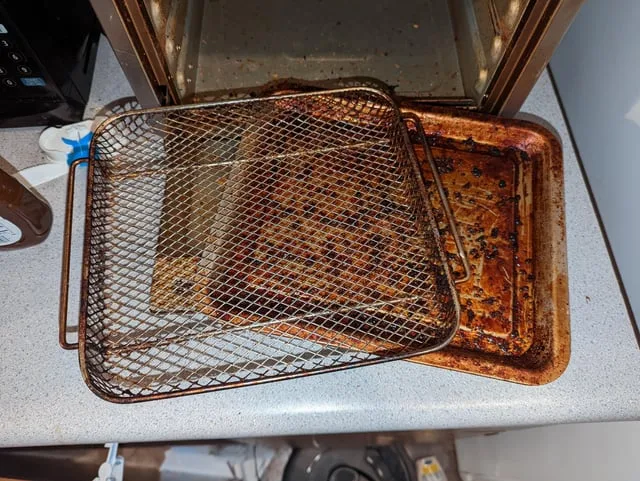
The full cavity fits multiple wire racks set over baking sheets, so you can dry more food per batch.
Both methods rely on the same core principle: slow, even heat evaporation that preserves nutrients and texture. The key difference is chamber size and airflow design. Air fryers have a focused, high-velocity airflow that works well for single-layer batches, while ovens have broader, gentler airflow that avoids blowing lightweight foods around.
Air Fryer vs. Oven Dehydration: Full Side-by-Side Performance Breakdown
Image source: Bing (Web (fair-use with source credit))
| Metric | Air Fryer Dehydration | Oven Dehydration |
|---|---|---|
| Preheat time | 1-2 minutes | 10-15 minutes |
| Energy use per 4hr batch | 0.5-1.5 kWh | 2-4 kWh |
| Max batch size | 1-2 lbs | 3-6 lbs |
| Drying time (fruit slices) | 4-6 hours | 6-8 hours |
| Drying time (beef jerky) | 6-10 hours | 8-14 hours |
| Noise level | 55-65 dB | 30-40 dB (convection fan) |
| Best for | Small, quick projects | Large batches, thick foods |
The table above lays out the core performance differences between the two methods, based on manufacturer specifications and aggregate user testing. Air fryers win on speed and efficiency for small batches: their tiny chamber heats up almost instantly, and they use less than half the energy of a full-size oven for runs under 4 hours.
Ovens dominate for volume and even drying. The full cavity fits 2-3 wire racks, so you can dry 3x more produce per cycle without overcrowding. The gentle, broad airflow also avoids blowing lightweight foods like herb leaves or fruit leather edges around, a common complaint in air fryer dehydration runs.
Noise is another key differentiator. Air fryers run at 55-65 dB during long dehydration cycles, roughly as loud as a normal conversation, which can be disruptive if you run them overnight. Ovens with convection fans sit at 30-40 dB, quiet enough to run while you sleep.
For dense, thick foods like whole apple slices or thick-cut beef jerky, ovens also provide more even heat distribution, eliminating the wet spots that often plague air fryer batches.
Exactly When to Use an Air Fryer for Dehydrating (And When to Skip It)

Image source: Bing (Web (fair-use with source credit))
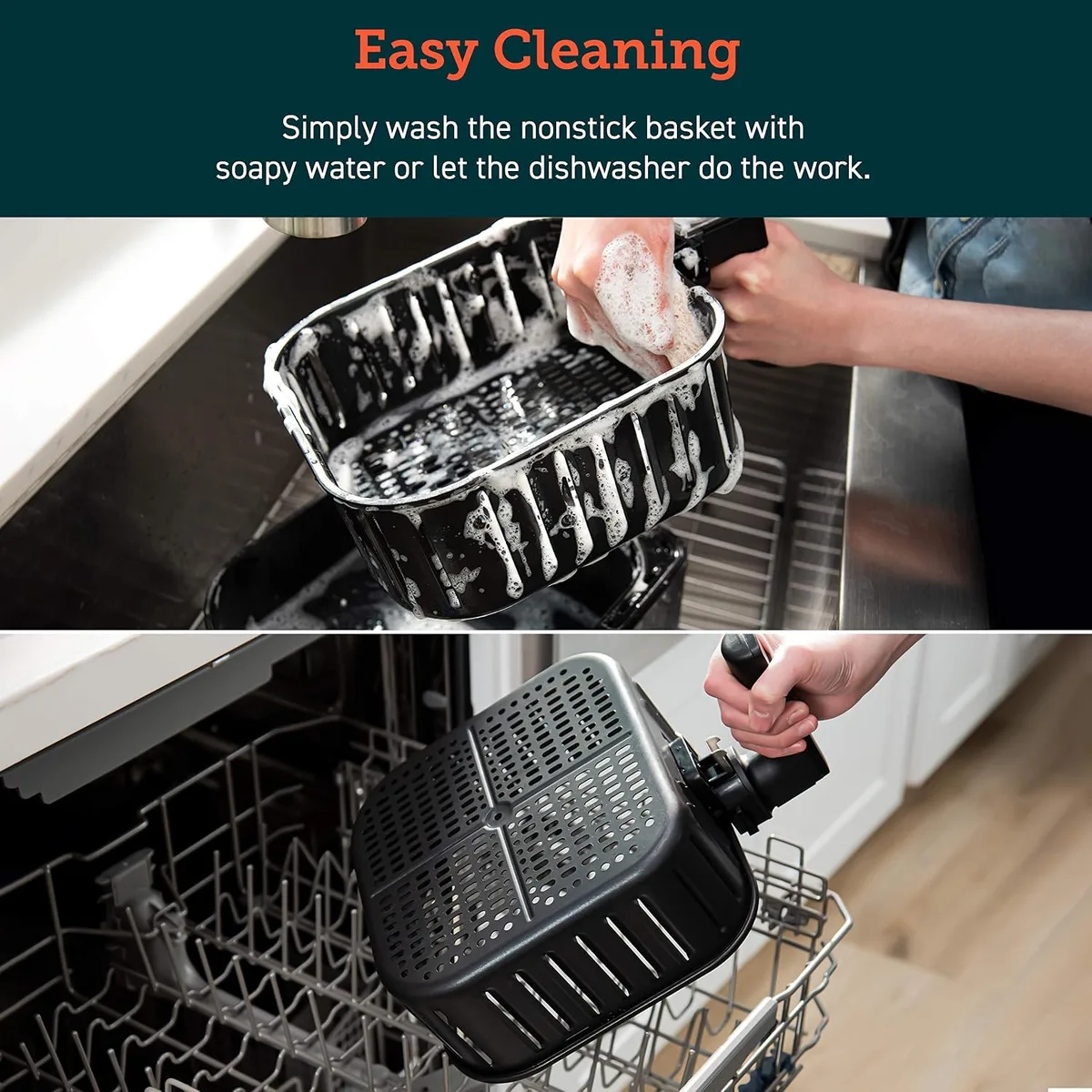
An air fryer is the right call for small, quick projects under 6 hours. If you’re drying 1-2 lbs of thin-sliced fruit, herbs, or fruit leather for immediate snacking, the air fryer’s fast preheat and compact footprint save you time and counter space. Apartment dwellers without a full-size oven, or preppers making small test batches of jerky, also benefit from the air fryer’s low energy use and easy basket access for checking doneness.
Skip the air fryer for large harvests or dense foods. If you’re preserving 3+ lbs of tomatoes, stone fruit, or root vegetables from your garden, the air fryer’s 1-2 lb batch limit means you’ll run 3+ separate cycles, wasting time and energy. Thick or dense foods like whole figs, thick-cut jerky, or carrot slices also dry unevenly in air fryers, as the high-velocity airflow dries the exterior before the interior is fully preserved.
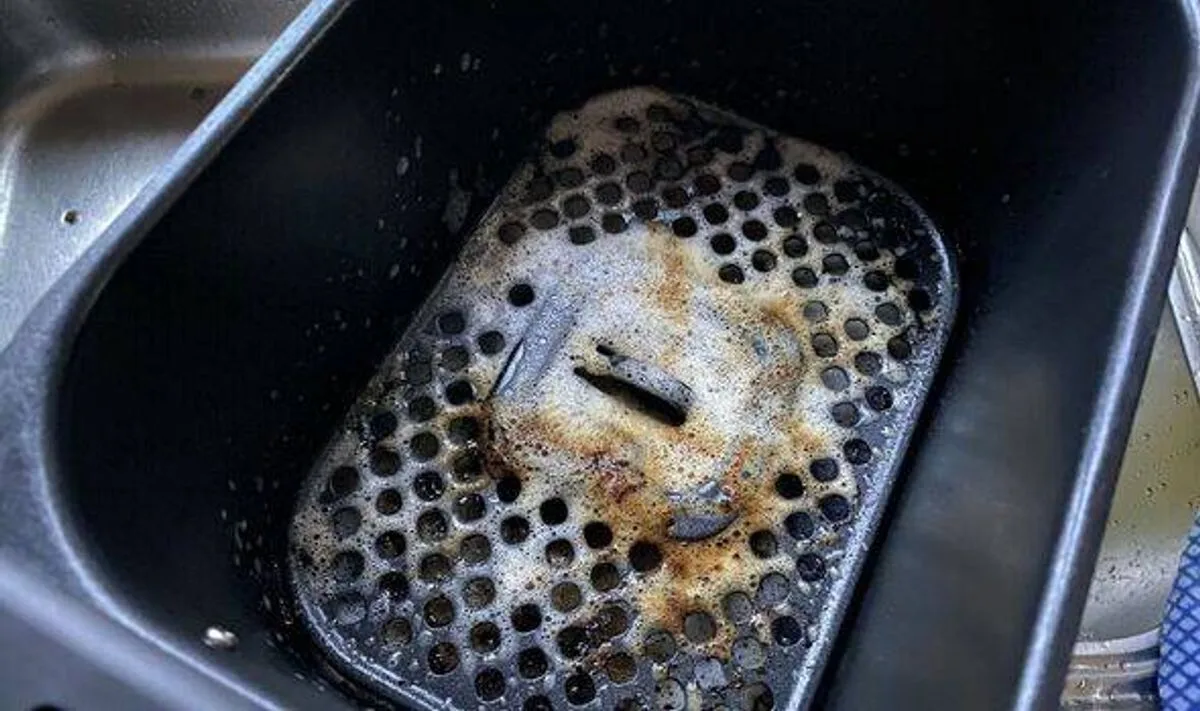
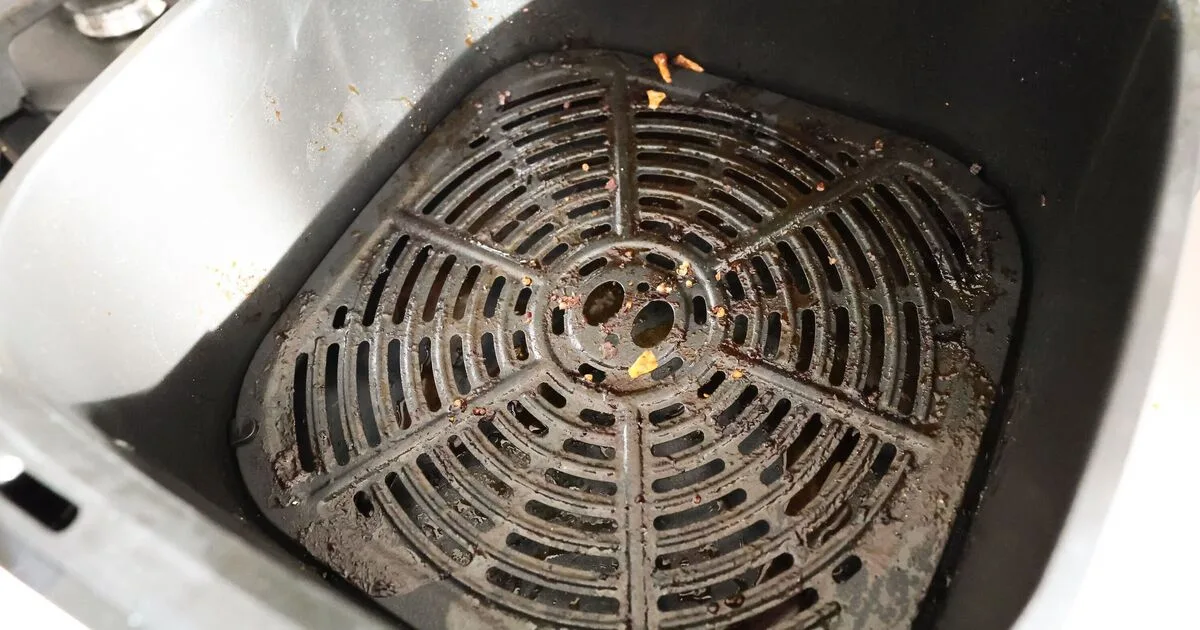
If you’ve ever dealt with food piling up in the center of your air fryer during regular cooking, that same airflow issue will ruin dehydration results by trapping moisture in the middle. The same goes for small basket size constraints: if your air fryer can’t fit a full meal for two, it’s not suited for large dehydration projects. For these use cases, an oven or dedicated countertop dehydrator is a better fit.
Common Dehydration Mistakes That Ruin Your Food (And How to Avoid Them)
Overcrowding the air fryer basket is the most common mistake people make. Even if the food fits, piling slices on top of each other blocks airflow, leading to wet spots that mold within a week. Always arrange food in a single non-overlapping layer, and stick to 1/4-inch thick slices for even drying.
The same airflow issues that cause cooking double layers of fries to come out uneven apply here.
For oven dehydration, propping the door open more than 2 inches creates a fire hazard, per standard oven safety guidelines. Use a wooden spoon to hold the door 1-1.5 inches ajar, and keep flammable items away from the oven opening. Skipping pre-treating steps for fruit leads to browning and tough texture: soak apple or banana slices in lemon water for 3 minutes before drying to preserve color.
Underdrying meat is a serious food safety risk. Per USDA FSIS home jerky safety guidelines, beef jerky must reach an internal temperature of 145°F before storage. Test the thickest piece with a food thermometer at the end of the cycle, not just the surface.
If you’ve ever had lightweight food flying into the heating element during high-heat cooking, thin fruit slices can do the same during dehydration if the fan speed is set too high.
Never store dried food until it’s fully cooled to room temperature: condensation in airtight containers causes mold growth within days. Also, avoid using parchment paper that blocks airflow in your air fryer during dehydration, as it can restrict circulation and cause uneven drying.
Exact Dehydration Temps and Times for Popular Foods (No Guesswork)
Optimal dehydration temperatures sit between 125°F and 160°F for most produce, and 155°F to 165°F for meat jerky, per National Center for Home Food Preservation guidelines. Exact times vary by food thickness, humidity, and appliance model, but consistent ranges work for most common projects. Thin-sliced fruit like apples, strawberries, or mango dries fastest in both methods.
In an air fryer, 1/4-inch fruit slices take 4 to 6 hours at 135°F. Herbs like basil or mint dry in 1 to 3 hours at 95°F on the lowest preset. Beef jerky made from 1/4-inch sliced meat takes 6 to 10 hours at 155°F.
Oven times run 20 to 30% longer for the same foods: fruit slices need 6 to 8 hours, herbs 2 to 4 hours, jerky 8 to 14 hours. If your air fryer’s small basket can’t hold a full layer of slices, you’ll end up with overcrowded, unevenly dried food, a common issue for users with compact countertop models.
Fruit leather made from pureed produce dries in 1 to 3 hours in an air fryer at 140°F, or 3 to 6 hours in an oven. Always test for doneness by feel, not just the timer. Fruit should be pliable but not sticky, jerky should bend without cracking, and herbs should crumble easily between your fingers.
If food feels cool or damp in the center, extend drying time in 30-minute increments.
Non-Negotiable Food Safety Rules for Homemade Dehydrated Food
Homemade dehydrated food carries foodborne illness risk if you skip core safety steps, per USDA Food Safety and Inspection Service guidelines. Undried or undercooked meat is the biggest danger: beef jerky must reach an internal temperature of 145°F before storage, while poultry jerky needs 160°F. Never rely on surface temperature or timer alone, test the thickest piece with a food thermometer.
High-moisture produce like tomatoes or zucchini must be dried to a brittle state to prevent mold growth. If dried food feels cool or damp in the center after a full cycle, it’s not safe for long-term storage. Always cool food completely to room temperature before sealing it in airtight containers: condensation inside storage bags causes mold within 7 to 10 days.
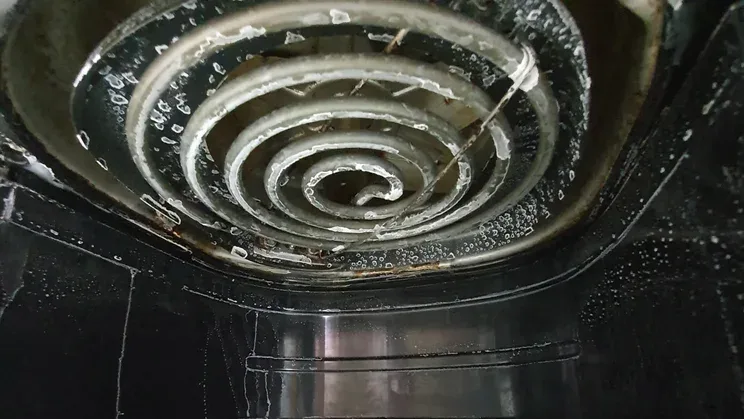
Loose food can shift into the heating element during long cycles, so secure slices with a preventing food from shifting into the heating element if needed.
Never dehydrate cooked rice, pasta, or other starchy foods without pre-cooking them to a safe internal temperature first. Low-acid vegetables like green beans or carrots require blanching before dehydration to destroy bacteria that can cause botulism in storage. Store dried produce in a cool, dark, dry location for up to 1 year, and jerky for no more than 2 months.
FAQs: Air Fryer vs. Oven Dehydration
Can you dehydrate in any air fryer?
No, only air fryers with a dedicated dehydration preset or adjustable temperature down to 95°F work for drying food. Basic models that only go down to 200°F will cook food instead of drying it, per manufacturer specifications.
Is oven-dried food as good as air fryer-dried?
It depends on your batch size and food type. Oven drying produces more even results for large batches and thick foods, while air fryers are faster for small, thin-sliced projects. Both preserve nutrients and flavor when used correctly.
How long does dehydration take in an air fryer vs oven?
Thin fruit slices take 4 to 6 hours in an air fryer, 6 to 8 in an oven. Beef jerky takes 6 to 10 hours in an air fryer, 8 to 14 in an oven. Exact times vary by food thickness, ambient humidity, and appliance model.
If your air fryer’s timer won’t adjust for these long cycles, check quick timer fixes to avoid interrupted drying runs.
Is air fryer dehydration more energy-efficient?
Yes, for small batches under 2 lbs. Air fryers use 0.5 to 1.5 kWh per 4-hour batch, while ovens use 2 to 4 kWh per the same runtime, per US Department of Energy benchmarks. The gap widens for longer cycles.
Can you dehydrate multiple trays at once in an oven?
Yes, most full-size ovens fit 2 to 3 wire racks set over baking sheets, letting you dry 3 to 6 lbs of produce per cycle. That’s 2 to 3 times more than a standard air fryer basket, which maxes out at 1 to 2 lbs per batch.

Similar Posts