Perfect Swordfish Steak Cooking Guide
If you've ever wondered how to cook swordfish steaks that come out moist, flavorful, and impressively seared, you're not alone. It's a simple process, but it hinges on a few key techniques that are easy to miss. The dense, meaty texture of swordfish is its greatest asset and its biggest trap.
Get it right, and you have a restaurant-quality meal in minutes. Get it wrong, and you end up with a dry, tough, and disappointing piece of fish.
Our research into culinary standards and aggregated cooking data points to one universal rule: the official FDA guideline for safe internal temperature is 145°F (63°C). However, for high-quality, fresh swordfish, many chefs target a lower range of 130-135°F (54-57°C) for a medium-rare result, as the fish will continue to cook after you remove it from the heat. Let's break down exactly how to get there, starting with the most common kitchen challenge.
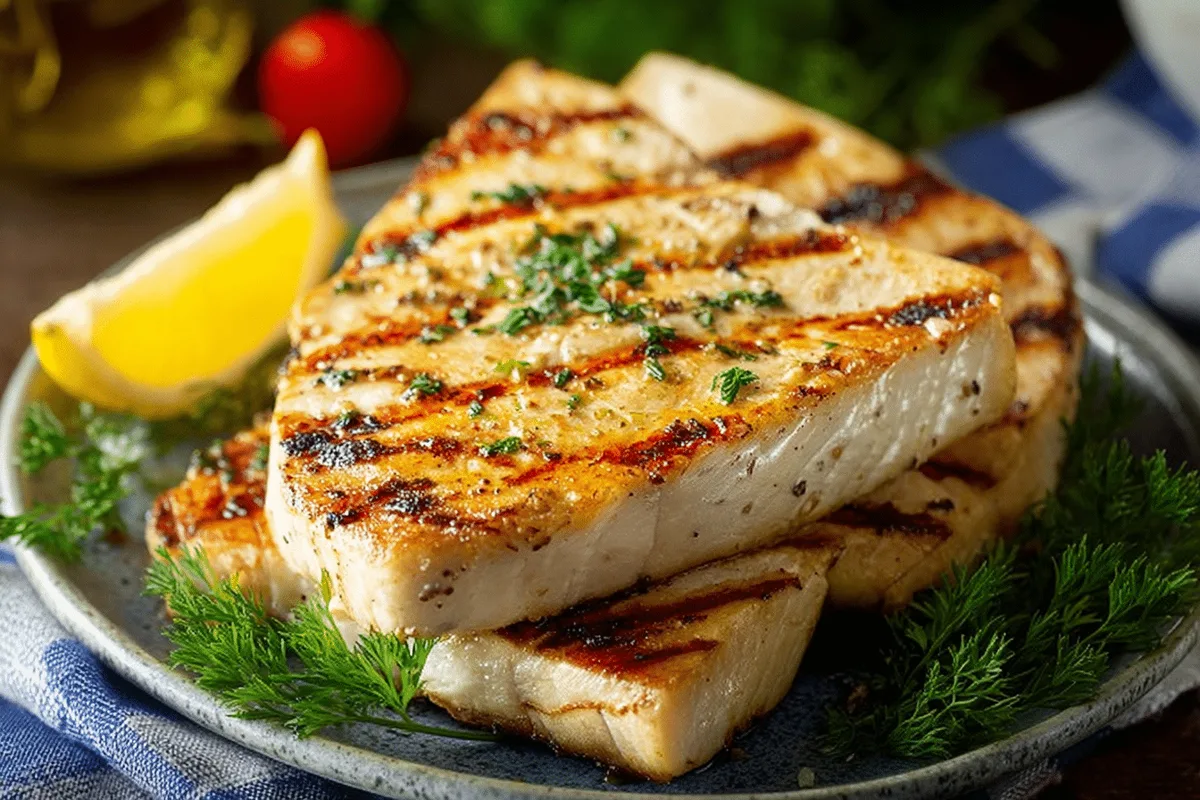
Image source: Web (Bing) / homecookingsecrets.com (Web image (fair-use with source credit))
Quick Answer
To cook swordfish steaks perfectly, start with steaks at least one inch thick. Pat them completely dry and season generously. Sear them on a preheated, very hot surface.
Cook for about 4 to 6 minutes per side. Aim for an internal temperature of 130-135°F for medium-rare. Let the steaks rest for five minutes before serving.
The fish will continue cooking as it rests.
Why Swordfish Steaks Can Be Tricky (And How to Get Them Right)
The main reason swordfish steaks can go wrong is their composition. Unlike flaky fish like cod, swordfish has a very firm, dense texture with naturally low fat content. That means it has less internal moisture and fat to keep it juicy if you overcook it.
The window between perfectly cooked and dry is narrower than with, say, a salmon steak. It's more like cooking a very lean pork chop or a chicken breast in that way.
Most of the frustration comes from two places: not getting a good crust and overcooking the interior. A weak sear happens when the cooking surface isn't hot enough or the steak is wet. Overcooking happens when you rely solely on a timer instead of visual and tactile cues.
The goal is to build a flavorful, browned exterior while preserving a tender, almost opaque center. This balance is what separates a good steak from a great one. Once you master that principle, the rest of the process, from a light shredded chicken salad side to a full surf-and-turf spread, falls into place much more easily.
The Single Most Important Rule for Perfect Swordfish
Everything else flows from this one principle: Your cooking surface must be screaming hot before the fish touches it.
This isn't just a suggestion. It's the non-negotiable foundation. A hot surface instantly sears the exterior, creating that coveted caramelized crust through the Maillard reaction.
It also seals in juices and, critically, prevents the fish from sticking. If your pan or grill grates are only moderately warm, the swordfish will slowly release its moisture and essentially steam itself, glueing to the metal and tearing apart when you try to flip it.
How do you know it's hot enough? For a pan, a drop of water should skitter and evaporate almost instantly. On a gas grill, you should hold your hand a few inches above the grates for no more than two seconds before pulling away.
For charcoal, the coals should be covered in white-gray ash and glowing brightly. This high-heat rule applies whether you're using the method for a simple weeknight dinner or preparing a centerpiece for a roasted chicken sandwich buffet.
Start Here: Choosing and Prepping Your Swordfish Steaks
Success begins at the store or fish counter. You can't fix a bad piece of fish with great technique. Look for steaks that are firm to the touch, with a translucent, pearly pink or ivory color.
Avoid any that look dull, dry around the edges, or have a strong "fishy" ammonia smell. As of 2026, sustainability is a major concern; look for certifications from the Marine Stewardship Council (MSC) or check the NOAA Fisheries website for current stock status.
Thickness is your best friend. Aim for steaks that are 1 to 1.5 inches thick. Thinner steaks cook too quickly, making it nearly impossible to develop a good sear without overcooking the middle.
Thickness gives you that crucial buffer zone. If your steaks have skin, you can cook it skin-side down first for extra flavor and crispness, but it's often removed for steaks.
Once you're home, prep is simple but vital:
- Thawing (if frozen): Always thaw frozen swordfish slowly in the refrigerator overnight. Never use hot water or the microwave, as this damages the texture.
- Pat Dry: Use paper towels to pat the steaks completely dry on all sides. This is the single most effective step to guarantee a good sear. Any surface moisture will create steam.
- Season Generously: Season both sides liberally with kosher salt and freshly ground black pepper at least 15 minutes before cooking. You can also use dry rubs with spices like paprika, garlic powder, or coriander. If you want to marinate, 30 minutes in the fridge is plenty for a dense fish like swordfish; acidic marinades (like citrus or vinegar) left too long can start to "cook" the surface, giving it a mushy texture.
- Bring to Room Temp: Let the seasoned steaks sit out for about 15-20 minutes. This isn't about safety, it's about even cooking. A cold steak straight from the fridge will cause the pan temperature to plummet and lead to uneven results.
This foundational prep work is as important as the cooking itself. Just like ensuring your ingredients are ready before you start assembling a complex dish like Mexican chicken taco salad, this mise en place sets you up for a smooth, stress-free cook.
Your Three Main Cooking Methods for Swordfish Steaks
You have three excellent options for cooking swordfish, each with its own strengths. The core principles of high heat, proper doneness checks, and resting remain the same across all of them.
| Method | Best For | Key Tool | Heat Level |
|---|---|---|---|
| Pan-Searing | Quick, reliable indoor cooking; maximum crust control. | Heavy cast-iron or stainless steel skillet. | High (medium-high to high on stovetop). |
| Grilling | Smoky, charred flavor; great for entertaining. | Clean, oiled grill grates (gas or charcoal). | High direct heat. |
| Broiling | A fast, hands-off oven method; good for multiple steaks. | Oven broiler with a rack 4-6 inches from the element. | High (broiler on high). |
Pan-Searing: The High-Heat, No-Fuss Indoor Method
This is the most controlled method and our top recommendation for beginners. You have a direct view of the steak the entire time.
- Heat a heavy skillet (cast iron is ideal) over medium-high to high heat for 3-5 minutes until very hot.
- Add a high-smoke point oil, avocado, grapeseed, or refined safflower oil work best. Swirl to coat.
- Carefully place the dried, seasoned swordfish steak in the pan. It should sizzle loudly. Do not move it.
- Cook for 4-6 minutes, depending on thickness, until a deep golden-brown crust forms and the steak releases easily from the pan. If it sticks, it's not ready to flip.
- Flip once and cook for another 4-6 minutes on the second side.
- For extra flavor, you can add butter, garlic cloves, and fresh herbs like thyme or rosemary to the pan during the last minute of cooking, tilting the pan and spooning the foaming butter over the steak.
The beauty of this method is its simplicity and the incredible crust it creates. It's a technique that translates well to other proteins, too, much like achieving the perfect crisp on air fryer chicken tacos.
Grilling: The Classic for Smoky, Charred Flavor
Grilling imparts a fantastic smoky flavor that pairs perfectly with swordfish's meatiness.
- Preheat your grill to high heat (450-500°F). Clean the grates thoroughly, then oil them well with a folded paper towel dipped in oil and held with tongs.
- Place the swordfish steaks on the grill at a 45-degree angle to the grates for better grill marks, if desired. Close the lid.
- Grill for 4-6 minutes. Do not attempt to move the steak until it releases easily. If it sticks, give it another minute.
- Use a thin fish spatula to flip the steak. Grill for another 4-6 minutes on the second side with the lid closed.
The key here is managing flare-ups. Swordfish is lean, but if fat from a marinade drips, it can cause flames that char the steak too aggressively. Keep a spray bottle of water handy to tame any major flares.
This method is perfect for summer meals where you might also have a side of creamy chicken macaroni salad on the picnic table.
Broiling: Your Oven's Fast-Track to a Great Sear
Broiling is essentially upside-down grilling and is excellent when you don't want to man a grill or stovetop.
- Position an oven rack so the top of your steak will be 4 to 6 inches from the broiler element. Preheat the broiler on high for at least 5 minutes.
- Place the swordfish steaks on a broiler pan or a wire rack set inside a baking sheet. This allows air circulation for even browning.
- Broil for 5-8 minutes per side, depending on thickness and your oven's power. There's no need to flip if the steaks are less than an inch thick, but thicker cuts benefit from a flip halfway through.
Watch carefully! Broilers can go from perfect to burnt very quickly. The advantage is hands-off cooking and easy cleanup, making it a great option for a low-effort weeknight dinner that feels special, perhaps served with some simple air fryer canned potato recipes on the side.
The Visual Doneness Guide (Forget the Timer)
Timers are helpful guides, but they're unreliable masters. Your eyes, fingers, and a thermometer are the only tools you need to know exactly when your swordfish is done. Relying solely on minutes can lead to overcooked fish, as steak thickness, starting temperature, and exact heat levels vary.
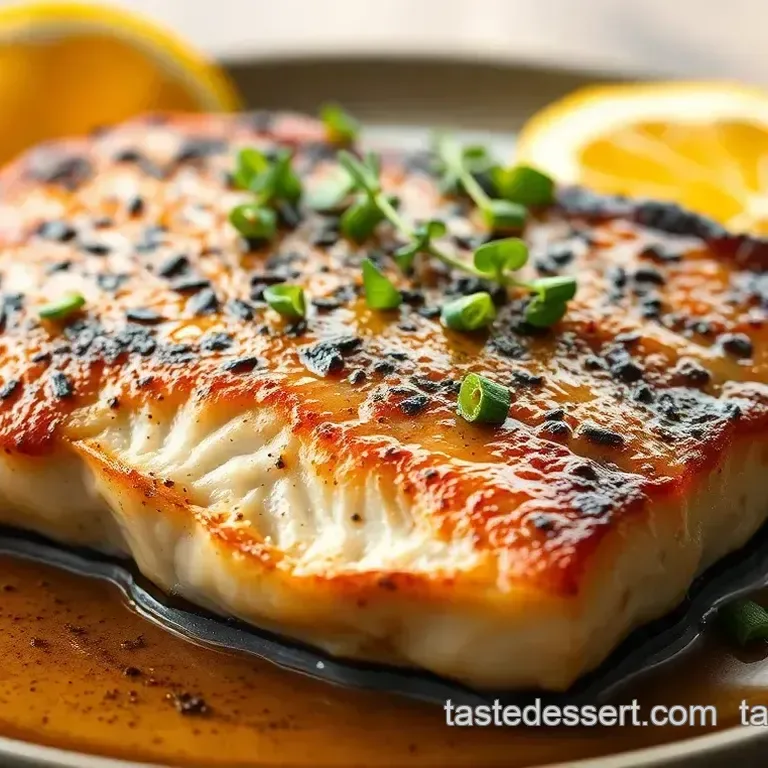
Image source: Web (Bing) / tastedessert.com (Web image (fair-use with source credit))
What to Look for in the Pan or on the Grill
The most reliable visual cue is opacity. Raw swordfish is translucent. As it cooks, it becomes opaque and whitens, starting from the bottom and sides and moving toward the center.
- Check the sides: Look at the thickness of the steak. You'll see a band of opaque, cooked fish around the edges. The center should still look slightly translucent when you're aiming for medium-rare.
- Check the top: When the steak is nearly done, you'll notice the flesh on top has turned from glossy and raw-looking to a more matte, solid color. You can also gently separate the flakes with a fork at the thickest part; they should just begin to separate and look moist, not dry and stringy.
The goal is to remove the steak from the heat when it's almost done, as carryover cooking will add another 5-10 degrees while it rests.
How to Check by Touch (The Hand-Feel Method)
This technique takes practice but is incredibly useful, especially when grilling. Compare the firmness of the cooking steak to the fleshy part of your palm below your thumb.
- Relax your hand. Press the area below your thumb. That's what raw swordfish feels like.
- Gently touch your thumb to your index finger and press that same palm area again. That's similar to the feel of rare to medium-rare.
- Touch your thumb to your middle finger. The firmer feel is closer to medium.
- Touch your thumb to your ring finger. This firmness indicates medium-well to well-done, which you generally want to avoid with swordfish.
Use a clean finger or the back of your tongs to press the center of the steak. It should offer slight resistance but still feel yielding, not hard.
The Final Word: Using a Thermometer Correctly
For absolute precision, an instant-read thermometer is your best friend. Insert it sideways into the thickest part of the steak, avoiding any bone.
- For safety (per FDA guidelines): 145°F (63°C).
- For optimal texture (medium-rare): 130-135°F (54-57°C). Remove the steak at 130°F, as it will coast to 135°F or slightly higher while resting.
Remember, the fish continues to cook after it leaves the heat. This principle of carryover cooking is critical for all proteins, whether you're perfecting a crispy chicken sandwich recipe or a prime rib.
Swordfish vs. Tuna vs. Salmon Steaks: Which to Choose?
All three are excellent "steak-cut" fish, but they have distinct personalities. Your choice depends on the flavor, texture, and cooking experience you want.
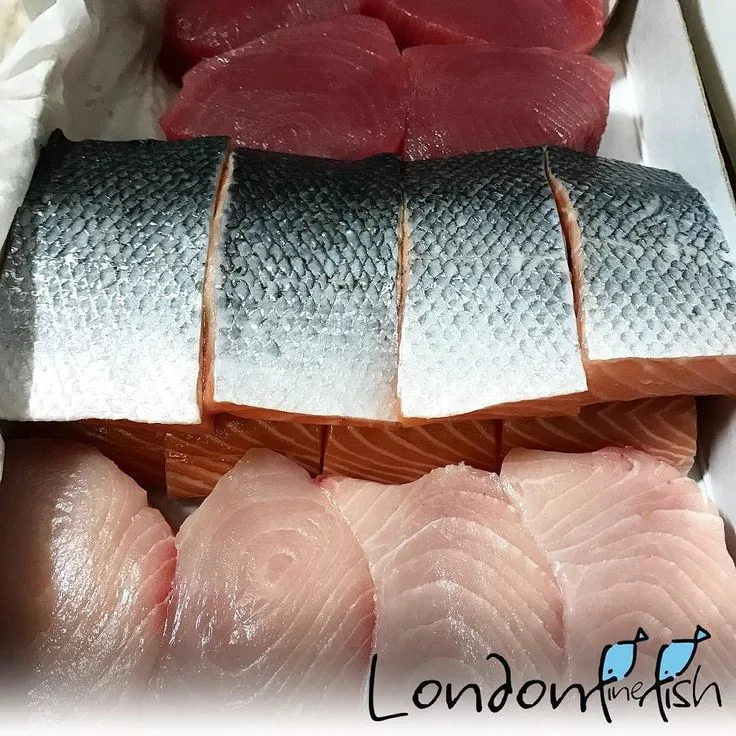
Image source: Web (Bing) / pinterest.com (Web image (fair-use with source credit))
- Swordfish: The "meatiest" option. It has a firm, dense, almost pork-like texture with a very mild, clean flavor. It's excellent at holding up to bold marinades and spices. Best cooked to medium-rare (130-135°F). Its low fat content means it dries out if overcooked.
- Tuna (Ahi/Yellowfin): The "beef" of the sea. It has a supremely tender, velvety texture when raw or seared rare. The flavor is distinctly savory and rich. It's best served with a intense sear on the outside and completely rare in the center (110-125°F internal). Overcooking turns it dry and chalky.
- Salmon: The "fattiest" and most forgiving option. It has a rich, buttery flavor and a flaky, moist texture due to its high oil content. It can be cooked to a wider range of doneness, from medium-rare to well-done, and still remain juicy. Its strong flavor stands up to sweet glazes and herbs.
Quick guide:
- Choose swordfish for a hearty, grill-friendly steak that acts like a blank canvas.
- Choose tuna for a quick-seared, elegant dish where the fish itself is the star.
- Choose salmon for guaranteed juiciness and a more robust, oily flavor profile.
This kind of comparative judgment helps you build a versatile seafood repertoire, much like knowing when to choose a chipotle chicken sandwich over a classic cheesy chicken sandwich for different moods.
Common Mistakes That Ruin a Good Steak
Awareness of these pitfalls is half the battle. Here’s what to avoid.
- Not patting the steak dry. This is mistake number one. Moisture is the enemy of searing. A wet steak will steam, stick, and never develop a proper crust.
- Moving the steak too soon. Let the Maillard reaction do its work. Place the steak in the pan or on the grill and leave it alone. It will release naturally when a crust has formed. Forcing it early will tear the flesh.
- Overcrowding the pan. If you're cooking multiple steaks, give them space. Crowding lowers the pan temperature dramatically and causes the fish to steam instead of sear. Cook in batches if necessary.
- Skipping the rest. Just like a steak or a rotisserie chicken sandwich, swordfish needs to rest for about 5 minutes after cooking. This allows the juices, which have been driven to the center by the heat, to redistribute throughout the steak. If you cut into it immediately, those juices will run out onto the plate, leaving the fish dry.
- Using the wrong oil. Olive oil (especially extra virgin) has a low smoke point and will burn at the high temperatures needed for searing, creating bitter, acrid flavors and smoke. Stick with high-smoke point oils like avocado, grapeseed, or refined peanut oil.
- Flipping multiple times. One confident flip is all you need. Constant flipping prevents proper browning and can break apart the delicate flesh.
Expert Tips for Flavor, Moisture, and Presentation
These pro-level tweaks can elevate your swordfish from good to exceptional.
- Dry-Brine for Depth: For even more flavor penetration and a firmer texture, try dry-brining. Sprinkle the steaks with salt (about ¾ teaspoon per pound) and place them on a wire rack in the fridge for up to 24 hours before cooking. The salt draws out moisture, which is then reabsorbed, seasoning the fish throughout and improving its ability to brown.
- Baste with Butter: During the last minute of pan-searing, add a few tablespoons of butter, a couple of crushed garlic cloves, and fresh herbs like rosemary or thyme to the pan. Tilt the pan and continuously spoon the foaming, fragrant butter over the steak. This adds incredible richness and aroma.
- Add a Squeeze of Acid: A bright, acidic finish cuts through the richness. Just before serving, squeeze a little fresh lemon or lime juice over the steak. You can also offer lemon wedges on the side.
- Pair with Bold Sides: Swordfish's mild flavor loves company. Serve it with:
- A fresh, zesty salad like a Thai chicken salad or a Greek yogurt chicken salad.
- Grilled or roasted vegetables (asparagus, zucchini, cherry tomatoes).
- A grain-based pilaf like quinoa or couscous.
- A compound butter (like lemon-herb or chili-lime) melting on top.
- Slice for Serving: For an elegant presentation, especially with thicker steaks, slice the cooked and rested fish against the grain into ½-inch thick slices before plating. This makes it easier to eat and showcases the perfect interior texture.
Swordfish FAQs: Safety, Sustainability, and Sides
Is swordfish high in mercury?
Yes. Swordfish is a large, predatory fish and is consistently listed by the FDA and EPA as one of the fish with higher mercury levels. They recommend that pregnant women, nursing mothers, and young children avoid it.
For other adults, consumption should be limited, generally to no more than one serving (about 4 ounces) per week. Always check the latest advisories from the FDA for the most current guidelines.
How can I buy sustainable swordfish?
Look for the blue Marine Stewardship Council (MSC) label, which certifies wild-caught fish from sustainable fisheries. You can also consult the Seafood Watch program by the Monterey Bay Aquarium, which provides regional recommendations. Opt for swordfish caught by harpoon or handline, as these methods have less bycatch than longlining.
What's the best way to thaw frozen swordfish steaks?
The only safe method is slow thawing in the refrigerator. Place the sealed package on a plate (to catch any drips) in the fridge for 12-24 hours, depending on thickness. For a quicker method, you can submerge the sealed package in cold water, changing the water every 30 minutes until thawed.
Never thaw at room temperature or in hot water.
What internal temperature is safe for swordfish?
The FDA food code states that fish should be cooked to a minimum internal temperature of 145°F (63°C) and held for 15 seconds to ensure safety from pathogens. For high-quality, fresh swordfish where texture is a priority, many chefs and culinary resources recommend removing it from heat at 130°F (54°C), as carryover cooking will bring it to a safe temperature while preserving a moist, medium-rare center.
What are the best side dishes for swordfish?
Swordfish pairs well with sides that offer contrast in texture and flavor. Think bright, acidic, and fresh.
- Salads: A simple arugula salad with lemon vinaigrette, a chicken cabbage salad, or a hot honey chicken salad for a sweet-spicy kick.
- Vegetables: Grilled asparagus, roasted broccoli with lemon zest, or a medley of summer squash.
- Starches: Herbed rice, creamy polenta, or crispy roasted potatoes.
Can I cook swordfish from frozen?
It's not recommended. Cooking swordfish from frozen will almost guarantee a severely overcooked exterior and a cold, possibly undercooked center. The exterior will steam and become waterlogged before it ever gets a chance to sear.
Always thaw it completely and pat it dry for the best results.
Marinating vs. Dry-Brining for Swordfish
Both techniques add flavor and improve texture, but they work differently. Marinating uses a liquid mixture to infuse surface flavor, while dry-brining draws out moisture to concentrate flavor and improve browning. For swordfish’s dense flesh, dry-brining is often more effective.
A simple dry brine is just salt. Coat your steaks with kosher salt (¾ teaspoon per pound) and place them on a rack in the fridge for one to 24 hours. The salt pulls moisture to the surface, which then dissolves the salt.
This salty brine is reabsorbed, seasoning the fish deeply and tightening the proteins for a better sear.
A marinade works best for 30 minutes, not hours. Acidic ingredients like citrus or vinegar can break down the surface if left too long. Use a bold marinade with olive oil, herbs, garlic, and a splash of soy or citrus.
Pat the steak completely dry before cooking to ensure a sear, not a steam.
What to Serve with Swordfish Steaks
Swordfish needs sides that provide contrast. Its mild, meaty flavor pairs with bright, acidic, and fresh accompaniments.
A simple green salad with a lemon vinaigrette is perfect. For heartier meals, try a grain salad with quinoa and chopped vegetables. Roasted vegetables like asparagus, broccoli, or cherry tomatoes add color and texture.
For a starch, consider creamy polenta, crispy roasted potatoes, or herbed rice. These sides soak up any pan juices or sauces beautifully.
Troubleshooting Common Swordfish Problems
If your steak sticks to the pan, the surface wasn’t hot enough or the fish was wet. Wait for a natural release before flipping. A properly seared crust will let go.
A dry, chalky texture means it’s overcooked. Next time, pull the fish off the heat earlier. Use a thermometer and remember carryover cooking.
If the outside is burnt but the inside is raw, your heat is too high. Lower it slightly next time, or move a grilled steak to a cooler part of the grill to finish.
Bland flavor often comes from underseasoning. Salt the steaks generously before cooking. A finishing squeeze of lemon or a pat of herb butter can also fix this.
Storing and Reheating Leftover Swordfish
Store cooked swordfish in an airtight container in the refrigerator for up to two days. The texture will be best if you reheat it gently to avoid further drying.
The best reheating method is in a 300°F oven. Place the steak on a wire rack over a baking sheet, add a splash of water or broth to the pan for steam, and cover loosely with foil. Heat for 10-15 minutes until just warmed through.
You can also use the fish cold. Flake it into salads, like a shredded chicken sandwich recipe filling, or mix it into a pasta salad. Avoid microwaving, as it will make the texture rubbery.
Final Verdict: The Best Way to Cook Swordfish Steaks
For most home cooks, pan-searing in a cast-iron skillet is the most reliable path to perfect swordfish. It gives you maximum control over the heat and crust. The visual feedback is instant, and cleanup is straightforward.
Grilling is ideal for outdoor meals and smoky flavor. Broiling works well for hands-off cooking. Regardless of method, the principles are the same: start with a thick, dry steak and a blazing hot surface.
Cook to an internal temperature of 130-135°F, then let it rest.
Swordfish is a rewarding fish to master. Its steak-like quality makes it a crowd-pleaser. With these techniques, you can consistently achieve a restaurant-quality sear and a moist, flavorful interior every time.