Perfect Chicken Leg Quarters
You see them in the cooler at every grocery store, a massive tray of reddish-brown chicken pieces packed tight. Chicken leg quarters are the budget heavyweight of the poultry aisle, often priced at just a fraction of what you'd pay for breasts. But if you've ever brought them home only to end up with rubbery skin or unevenly cooked meat, you know their low cost comes with a learning curve.
What you're buying is the whole chicken leg, left intact. That means each piece includes both the drumstick and the thigh, with the skin on and bone in. As of 2026, this is consistently the cheapest cut of chicken you can buy, often 30 to 50 percent less per pound than boneless, skinless breasts.
Let's break down exactly what that bargain gets you, and whether it's the right choice for your next meal.
Quick Answer
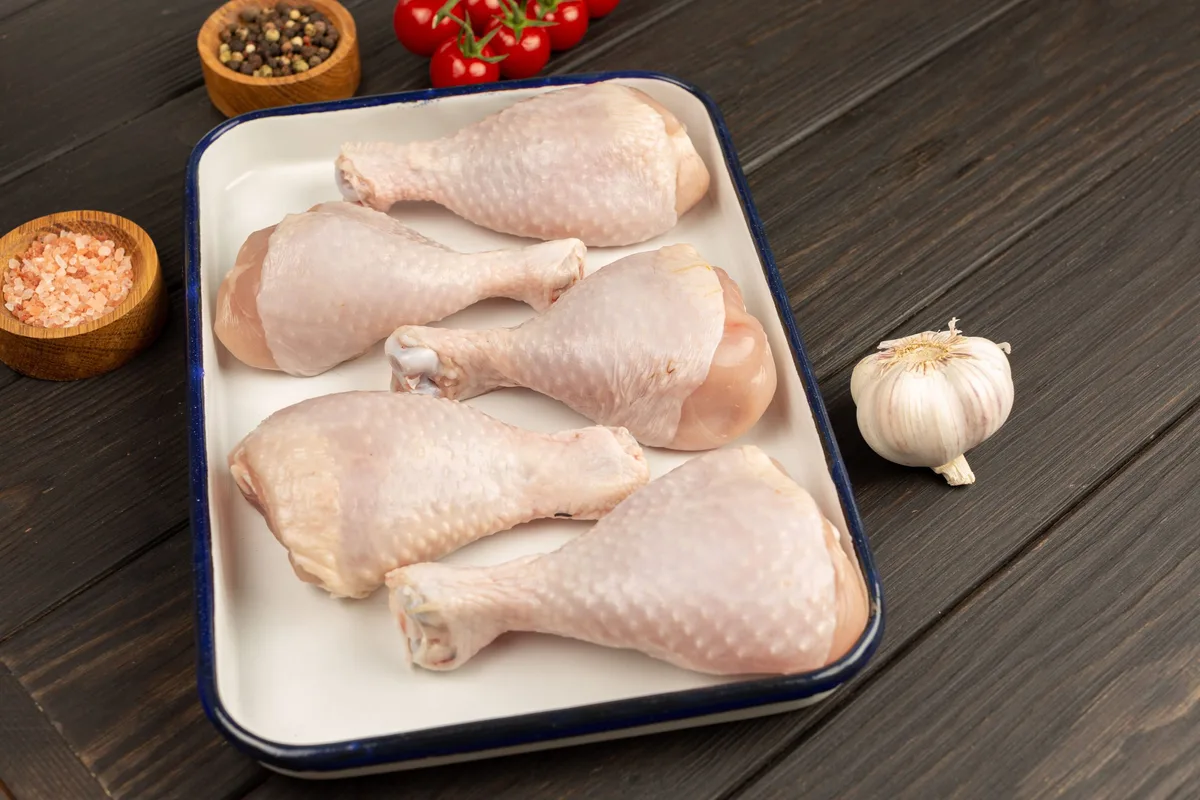
Chicken leg quarters are the whole leg of a chicken, left attached. Each piece includes the drumstick, thigh, skin, and bone. They are the most affordable cut of chicken.
They are best cooked with dry heat methods like baking or grilling to render the fat and crisp the skin. Always cook them to a safe internal temperature of 165°F.
What Are Chicken Leg Quarters, Anyway? (And Why Are They So Cheap?)
A chicken leg quarter isn't a single muscle. It's a connected portion of the bird's anatomy. Think of it as the entire "leg" assembly, taken straight from the carcass with minimal butchering.
That's why you get two distinct textures in one piece: the firmer, denser meat of the drumstick and the tender, juicy dark meat of the thigh.
Their rock-bottom price isn't a reflection of quality. It's simple supply and demand. A chicken only has two of these quarters, just like it only has two breasts.
But because dark meat is less popular in some mainstream diets, there's often a surplus. Furthermore, processors save on labor by not separating the thigh and drumstick or removing the bone and skin. You're essentially paying for them to do less work, which passes the savings on to you.
This makes them a cornerstone of budget meal planning. When you're cooking for a family or prepping lunches for the week, that lower price per pound adds up fast. You're getting more total edible meat for your dollar compared to premium cuts, even if it requires a bit more hands-on prep in your kitchen.
The Honest Pros and Cons: Is This Cut Right for You?
Let's weigh the real trade-offs so you can decide if leg quarters fit your cooking style.
The Good Stuff
- Unbeatable Value: This is the main event. You simply cannot find a cheaper source of chicken protein.
- Forgiving and Flavorful: The dark meat is rich in fat and connective tissue. This means it's incredibly hard to dry out, even if you overcook it a little. That fat also translates to a deeper, more savory chicken flavor compared to white meat.
- Built-In Basting: The skin and subcutaneous fat act like a natural baster. As it cooks, the fat renders and drips over the meat, keeping it moist.
- Versatility: They shine across a wide range of cooking methods. They're not a one-trick pony.
The Not-So-Good Stuff
- Inconsistent Cooking: They are rarely uniform in size. One quarter might be 8 ounces, another 12. This can lead to some pieces being done well before others if you're not careful.
- The Skin Challenge: Achieving crispy, not chewy, skin requires specific technique. It won't happen by accident.
- More Prep, More Mess: You're dealing with bones and skin. They take up more space in the pan, can be messy to eat, and leave you with scraps to handle.
- Perception: Some people simply prefer the leaner, milder taste of white meat and see dark meat as less healthy or desirable.
The Verdict: Choose leg quarters when your top priorities are cost, flavor, and juiciness, and you're willing to manage portion size and master skin crisping. Skip them if you need quick, uniform pieces for a stir-fry or if you strongly prefer the texture of chicken breast.
Leg Quarters vs. The Rest: The Best (and Worst) Chicken Cuts to Compare
You wouldn't use a screwdriver to hammer a nail. Picking the right chicken cut works the same way. Here’s how leg quarters stack up against the competition.
| Cut | Price (Per Pound) | Best For… | Worst For… | Key Trade-Off |
|---|---|---|---|---|
| Chicken Leg Quarters | $ (Lowest) | Budget family meals, barbecuing, braises, meal prep. | Quick weeknight dinners, recipes needing uniform pieces. | Maximum value for flavor, but requires more attention. |
| Boneless, Skinless Breasts | $$$ (Highest) | Quick grilling, salads, stir-fries, health-focused diets. | Long, slow cooking (dries out easily). | Lean protein, but very little margin for error in cooking. |
| Whole Chicken | $ (Low) | Roasting for a centerpiece meal, making stock from carcass. | Needing a lot of one specific type of meat quickly. | Ultimate versatility, but you have to break it down yourself. |
| Pre-Separated Thighs & Drums | $$ (Medium) | Recipes calling for one or the other, more control over portions. | Getting the absolute cheapest price on dark meat. | Convenience of separate pieces, but you pay a premium for it. |
| Boneless, Skinless Thighs | $$ (Medium-High) | Curries, skewers, tacos—anywhere you want dark meat flavor fast. | Achieving crispy skin (since it's removed). | Flavorful and convenient, but you lose the textural contrast of skin. |
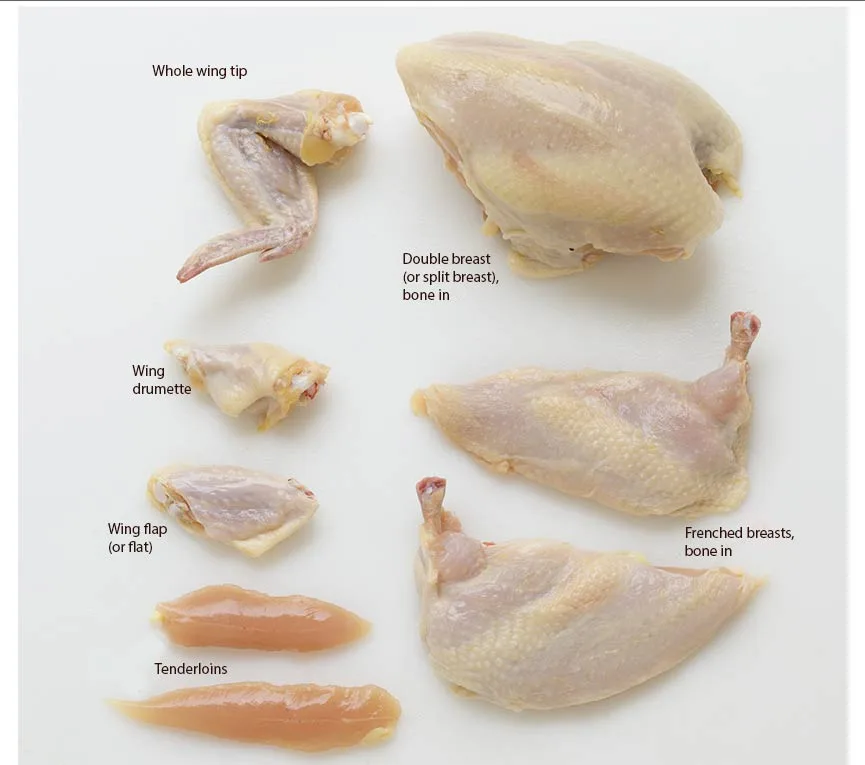
When to Choose Leg Quarters Over a Whole Chicken:
This is a classic value vs. convenience debate. A whole chicken gives you both white and dark meat, perfect for a Sunday roast. But if your goal is to feed a crowd a hearty, dark-meat-centric dish like a big batch of coq au vin or grilled chicken, quarters are the more efficient buy.
You get more of the specific meat you want without the extra steps of carving.
For instance, if you love the flavor in a shredded chicken sandwich but want a richer taste, using the meat from cooked leg quarters can elevate your recipe beyond using standard breast meat.
How Much Do They Really Cost? Price Per Pound and What You Actually Get
The price tag is alluring, but let's look at what you're actually purchasing. As of 2026, you can typically find standard chicken leg quarters for between $0.99 and $1.79 per pound at most major US grocery chains. Warehouse clubs like Costco or Sam's Club often have them for even less in giant 10-pound bags.
But "price per pound" can be deceptive. A significant portion of that weight is bone and skin, which you don't eat. Here’s a realistic breakdown of what you get from a 10-pound bag:
- Total Purchased Weight: 10 lbs.
- Estimated Bone & Skin Weight: ~3 lbs. (This is waste.)
- Estimated Cooked Meat Yield: ~5.5, 6 lbs.
- Real Cost Per Edible Pound: Your $0.99/lb bag effectively becomes ~$1.65/lb for the meat you actually eat.
This is still a fantastic value. For comparison, if boneless, skinless breasts are $4.99/lb, you're paying about three times more for the convenience of having no waste. The leg quarter's value proposition is clear: you trade a bit of kitchen work for major savings.
Where the Price Varies:
- Grocery Store Family Packs: Your standard 3-5 lb tray. Reliable price, easy to find.
- Warehouse Club Bags: The 10 lb mega-bag. Lowest unit cost, but requires freezer space and commitment.
- Butcher or Specialty Market: You might find air-chilled or organic quarters here. Price jumps significantly ($4-$7/lb), but flavor and quality can be superior. This is for when the chicken itself is the star of the dish, not just a budget protein.
Where to Buy Them: Grocery Stores, Butchers, and Warehouse Clubs Compared
Your shopping destination changes the product you get. It's not just about price.
The Standard Grocery Store
This is where most people buy them. The quarters are usually packed in a Styrofoam tray, covered in plastic wrap, and sitting in a bit of liquid. This liquid is a byproduct of processing and can make the skin soggy if you don't pat it dry.
The flavor is reliable, if not exceptional. It's your workhorse option.
The Warehouse Club
You're buying in bulk for the deepest discount. The quarters are typically frozen solid in a large bag. Quality is consistent, but you must plan for thawing.
This is the choice for large families, serious meal preppers, or anyone with a vacuum sealer to portion and re-freeze. It’s a logistical purchase.
The Local Butcher
Here, you often get a different product. Butchers frequently sell "air-chilled" chicken. This means the bird was cooled with cold air after processing, not dunked in a chlorinated water bath.
The result is less retained water, denser meat, and more concentrated chicken flavor. The skin also tends to dry out better, leading to superior crispiness. You'll pay more, but for a special dinner, it can be worth it.
The Best (and Worst) Ways to Cook Chicken Leg Quarters
Not all methods are created equal for this cut. Your goal is to render the fat, crisp the skin, and cook the dense meat near the bone thoroughly. Here’s how common techniques stack up.
The Top Methods, Ranked
- Roasting/Baking: This is the gold standard for a reason. A hot, dry oven (400°F to 425°F) gives you consistent heat that renders fat and crisps skin beautifully. You can cook a large batch all at once. It's hands-off and reliable. For a simple, flavorful result, this method is hard to beat and leaves you with versatile meat that can be used in everything from a hearty salad to a warm sandwich.
- Grilling: Direct high heat over charcoal or gas is fantastic for achieving smoky flavor and ultra-crispy skin. The key is to use a two-zone fire. Start the quarters over indirect heat to cook through without burning, then finish them over direct heat to char and crisp the skin. It’s a summertime favorite.
- Braising/Stewing: While you won't get crispy skin here, you achieve something else: fall-off-the-bone tenderness. Slowly cooking leg quarters in a liquid like broth, wine, or tomatoes breaks down all the connective tissue into rich, succulent gelatin. The skin softens and adds body to the sauce. It’s the perfect method for comfort food dishes.
- Air Frying: A great method for a small batch. The concentrated, circulating hot air mimics convection oven results but faster. You get very crispy skin with less oil. Just don't overcrowd the basket, as steaming will make the skin rubbery.
The One Method to Avoid
Pan-Searing or Sautéing Alone. Trying to cook a whole leg quarter through in a skillet is a frustrating exercise. The irregular shape means the bony drumstick end will overcook while the thick thigh joint remains raw. The skin will likely burn before the interior is safe.
If you want a pan-seared finish, your best bet is to start the quarters in a hot oven or air fryer and finish them skin-side down in a blazing hot skillet for just a minute or two to crunch up the skin.
The Single Biggest Mistake Everyone Makes with Leg Quarters
It's simple: not drying the skin thoroughly. Remember that liquid in the package? If you take a quarter straight from the tray and put it in the oven, that moisture steams the skin from underneath.
You'll get a pale, rubbery, chewy layer every single time.
The Fix is Easy: Unpack the quarters and pat them aggressively dry with paper towels. Get the skin, the crevices, everywhere. Then, for an even crisper result, let them sit uncovered on a rack in your fridge for an hour or even overnight.
This air-drying step is a game-changer.
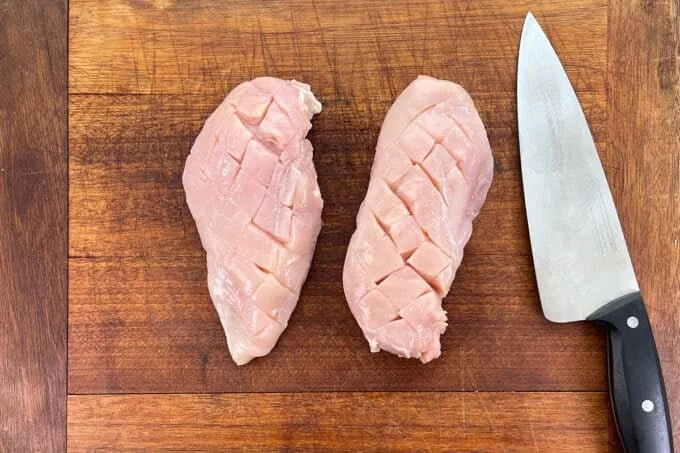
The Pro Tweak: Score the Skin. Take a sharp knife and make a few shallow slashes through the skin and just into the fat, but not deep into the meat. This gives rendered fat an escape route, allows seasoning to penetrate, and helps the skin contract and crisp into perfect little cracklings. It's the secret behind that professional-looking finish.
Step-by-Step: How to Cook Perfectly Crispy Baked Leg Quarters
This is your foolproof, weeknight-friendly method. It leverages everything we've learned about drying, scoring, and high heat.
What You'll Need:
- Chicken leg quarters
- Paper towels
- Baking sheet
- Wire rack (highly recommended)
- Cooking oil (like avocado or vegetable oil)
- Kosher salt & black pepper
- A reliable meat thermometer
The Process:
- Prep the Quarters: Remove them from packaging. Pat every surface completely dry with paper towels. Place them on a plate or cutting board.
- Score the Skin: Using a sharp knife, make 3-4 diagonal slashes about 1/4 inch deep through the skin on the thigh portion of each quarter.
- Season Liberally: Drizzle each quarter lightly with oil and rub it all over the skin. This helps with browning. Generously season all sides with salt and pepper, getting the seasoning into the slashes.
- Preheat and Set Up: Preheat your oven to 425°F (220°C). Place a wire rack inside a rimmed baking sheet. Arranging the quarters on a rack, not directly on the pan, allows hot air to circulate all around them, cooking evenly and preventing the bottom from steaming.
- Roast: Place the quarters skin-side up on the rack, ensuring they aren't touching. Roast in the preheated oven for 45 to 55 minutes. The cook time varies based on size.
- Check for Doneness: Never guess. Insert a meat thermometer into the thickest part of the thigh, close to the bone. It must read 165°F (74°C). The skin should be deep golden brown and very crispy. The USDA's Food Safety and Inspection Service is the definitive source for this critical temperature guideline.
- Rest and Serve: Transfer the quarters to a clean plate and let them rest for 5-10 minutes. This allows the juices to redistribute, ensuring every bite is moist. Then, dig in.
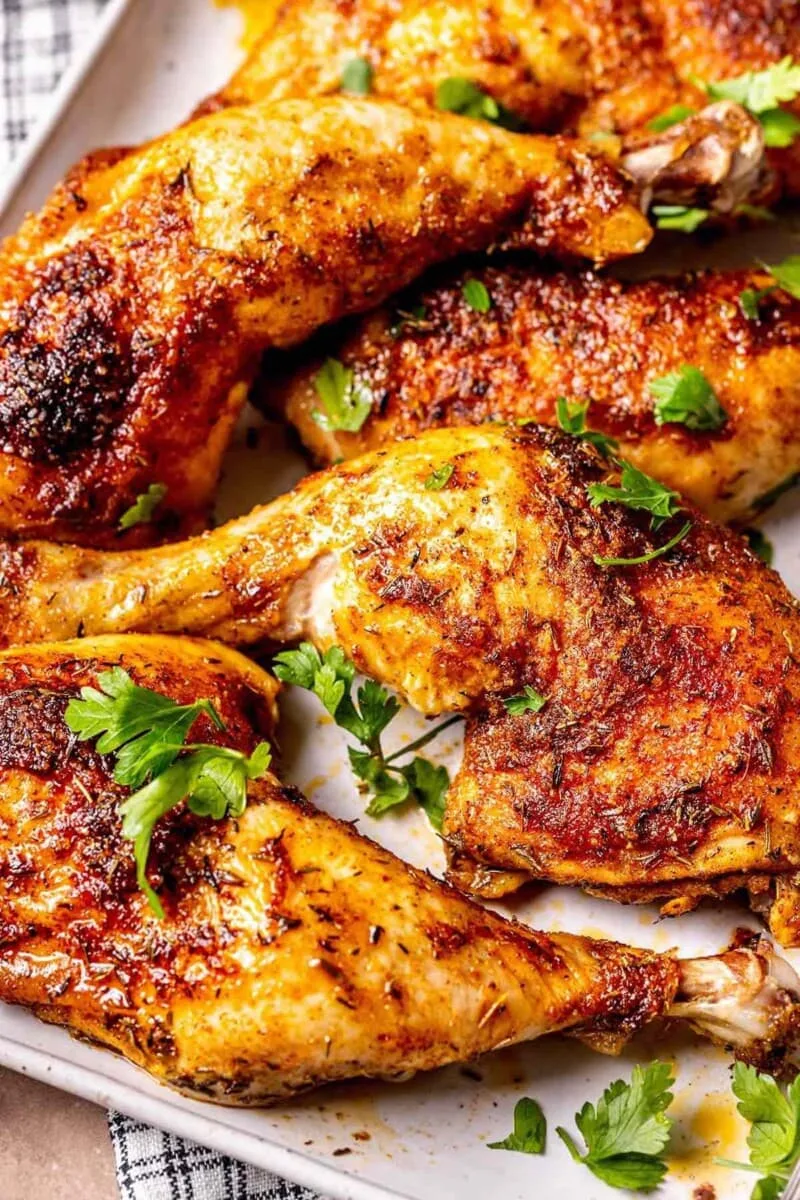
Can You Separate Them? A Quick Guide to Thighs and Drumsticks
Absolutely. If a recipe calls for specific parts or you want more control over portion sizes, separating a leg quarter is straightforward. You don't need special skills, just a sharp knife and knowledge of the joint.
- Place the quarter skin-side down on a cutting board. You'll see a thick, white fatty line of connective tissue.
- Bend the leg to pop the joint connecting the thigh and drumstick. You'll feel it give.
- Using your knife, cut straight down through the popped joint. There's no bone to saw through here, just cartilage and connective tissue.
- Trim away any excess skin or fat if desired.
Now you have two perfect, bone-in, skin-on pieces ready for any recipe that specifies thighs or drumsticks. This is a great way to use a bulk bag if you want to make a recipe that uses just one part, like a classic fried chicken drumstick or a braised chicken thigh.
Are Chicken Leg Quarters Healthy? A Look at Nutrition and Safety
Nutritional Profile:
Chicken leg quarters are a great source of protein, but they are a fatty cut. The skin and dark meat contain significantly more total fat and saturated fat than a skinless chicken breast. They also provide more iron and zinc.
If you're following a strict low-fat diet, this isn't your best choice. If you're focused on satiety, flavor, and nutrient density within a budget, they're a solid option. Removing the skin after cooking reduces the fat content considerably.
Food Safety is Non-Negotiable:
This is the most important part of handling any raw poultry.
- Storage: Keep raw quarters refrigerated at 40°F or below. Use within 1-2 days of purchase, or freeze them immediately.
- Thawing: Never thaw on the counter. Thaw in the refrigerator (which takes a day or more) or in a sealed plastic bag submerged in cold water, changing the water every 30 minutes.
- Cross-Contamination: Use separate cutting boards and utensils for raw chicken. Wash your hands, tools, and surfaces with hot, soapy water immediately after contact.
- The Final Rule: Cook to 165°F. A meat thermometer is the only tool that can verify this safely. Color is not a reliable indicator, especially in dark meat.
Your Decision Guide: When to Choose Leg Quarters (And When to Skip Them)
Use this simple flowchart to make the call.
Choose Chicken Leg Quarters if…
- Your primary goal is to minimize cost.
- You're cooking for a crowd or doing big-batch meal prep.
- You want juicy, forgiving meat that's hard to overcook.
- You're using a dry-heat method (oven, grill, air fryer) and have time to crisp the skin.
- You're making a soup, stew, or braise where rich flavor is key.
Choose Another Cut if…
- You need quick, uniform pieces for a 30-minute weeknight stir-fry or salad.
- You or your family strongly prefer the taste and texture of white meat.
- Convenience and zero waste are more important than price (opt for boneless, skinless thighs or breasts).
- You're grilling for a short time and need pieces that cook evenly in minutes.
Chicken Leg Quarters FAQs, Answered Simply
How many leg quarters should I buy per person?
Plan for one standard-sized quarter (8-12 oz) per adult. They are substantial. For big eaters or if you want leftovers, you might plan for 1.5.
Why is my baked chicken skin still rubbery?
You didn't dry it enough, your oven wasn't hot enough, or you crowded the pan. Ensure the skin is bone-dry before seasoning, preheat your oven fully, and use a rack for air circulation. Scoring the skin also helps immensely.
Can I cook leg quarters from frozen?
You can, but you shouldn't if you want good results. The exterior will overcook before the interior near the bone thaws and cooks through, leading to dry meat and flabby skin. Always thaw first for safety and quality.
Are leg quarters the same as chicken leg portions?
In the US, they are the same thing. In some other countries, "leg portion" might refer to a different cut, but for all intents and purposes in American grocery stores, the terms are interchangeable.
What's the best way to use leftover cooked leg quarter meat?
It's incredibly versatile. Shred the meat from the bones and use it in soups, on top of salads like a creamy chicken macaroni salad, in tacos, or for a quick chicken salad sandwich. The rich dark meat holds up beautifully to bold flavors.
Is it okay to eat the dark meat near the bone?
Yes, absolutely. Once cooked to 165°F, it is safe and often the most flavorful, juicy part. The dark color is from myoglobin, a protein that stores oxygen in muscles, not from being undercooked.
The Final Verdict: A Simple Rule for Your Next Shopping Trip
Chicken leg quarters are the unsung hero of the meat case. They demand a bit more knowledge and technique than the pricier, pre-trimmed cuts, but they reward you with deep flavor, incredible juiciness, and serious savings.
Think of them not as a "cheap" ingredient, but as a "value-forward" one. When treated with respect, dried thoroughly, seasoned well, and cooked with a method that loves fat and bone, they transform into a meal that feels anything but budget. Keep a bag in your freezer.
Master the high-heat roast. You'll have a delicious, affordable protein ready for countless dinners.
How To Store and Freeze Leg Quarters Without Wasting a Bite
Proper storage is key to maximizing your budget. Raw quarters last 1-2 days in the fridge. For longer storage, freeze them immediately.
To freeze, separate quarters with parchment paper and seal tightly in a freezer bag, pushing out all air. Label with the date. They'll keep for 9-12 months at 0°F.
For cooked leftovers, shred the meat from the bones. Store it in an airtight container in the fridge for 3-4 days. This makes it perfect for quick additions to soups, casseroles, or a simple shredded chicken sandwich.
Never refreeze raw chicken that has been thawed. Always cook it first.
Expert Tips for Next-Level Flavor and Texture
A few small tweaks make a huge difference.
Season Under the Skin. Gently lift the skin and rub salt, pepper, and herbs directly onto the meat. This flavors the meat, not just the skin.
Brining is a Game-Changer. A simple 4-hour soak in a solution of 1/4 cup salt and 4 cups water plumps the meat with moisture and seasons it throughout. Rinse and pat dry thoroughly before cooking.
Use the Rack. We mentioned it, but it's worth repeating. A wire rack on your baking sheet is the single best tool for achieving crisp, all-over skin.
Finish with a Glaze. In the last 10 minutes of cooking, brush the quarters with a sticky glaze. Try barbecue sauce, honey mixed with soy sauce, or a mix of hot sauce and butter. It adds a professional touch with minimal effort.
The Best Tools for Handling and Cooking Leg Quarters
You don't need specialty gear, but the right tools help.
- Sharp Poultry Shears: These make separating quarters into thighs and drumsticks effortless and safe.
- Instant-Read Thermometer: The only way to guarantee perfect doneness and food safety. It's non-negotiable.
- Heavy-Duty Rimmed Baking Sheet & Wire Rack: Your setup for perfect oven-crisped skin.
- Tongs with a Good Grip: Essential for handling hot, slippery pieces on the grill or when flipping in a pan.
- Paper Towels: For the all-important drying step. Have a full roll handy.
Adapting Recipes: Using Leg Quarters Instead of Other Cuts
You can substitute leg quarters in many recipes. Just adjust your method and timing.
For Bone-in Thigh Recipes: This is a direct swap. Use one leg quarter for every two bone-in thighs. Your cooking time will be slightly longer due to the extra mass of the drumstick.
For Boneless, Skinless Thigh or Breast Recipes: You can't do a straight swap. The bone and skin change everything. You have two options.
First, cook the leg quarters using a dry-heat method as described. Then, shred the cooked meat and use it in the recipe. This works great for salads, tacos, or casseroles that call for cooked chicken.
Second, braise the quarters in the recipe's sauce. This mimics the moist cooking environment that boneless cuts often use. Just extend the cooking time to at least 45 minutes to ensure the meat near the bone is fully cooked.
Common Problems and How to Fix Them
Problem: The skin is browned but the meat is pink near the bone.
Fix: Your oven was too hot. The outside cooked before the heat penetrated. Next time, lower the temperature to 375°F and cook longer.
Always use a thermometer.
Problem: The quarters are swimming in grease.
Fix: You didn't use a rack. The fat rendered out but had nowhere to go, so the quarters fried in it. A rack elevates them.
Also, trim any obvious large pockets of fat before cooking.
Problem: The seasoning didn't stick or flavor the meat.
Fix: You seasoned a wet bird. Dry the skin completely first. For deeper flavor, season under the skin or brine the quarters.
Problem: They taste "gamey" or off.
Fix: This is usually a storage issue. Chicken was kept too long in the fridge or not frozen properly. Always smell raw chicken before cooking.
It should have a very mild, neutral scent. Any sour or ammonia-like odor means it's spoiled.
Chicken Leg Quarters FAQs, Answered Simply
Can I use an air fryer for leg quarters?
Yes, an air fryer works well for a small batch. Cook at 400°F for 25-35 minutes, flipping halfway. Don't overcrowd the basket.
What's the difference between a leg quarter and a Maryland?
They are the same cut. "Maryland" is the common term in Australia and the UK for a chicken leg quarter.
How do I know if the fat is properly rendered?
Properly rendered fat leaves the skin crisp and thin. The skin will be deep golden and you'll see clear fat in the pan, not white, greasy patches.
Are leg quarters good for chicken soup?
They are excellent for soup. Simmer them whole to make a rich, gelatinous broth. Remove the meat from the bones after cooking and add it back to the pot.
Can I marinate leg quarters?
You can, but don't overdo it. A simple marinade for 2-4 hours adds flavor. Acidic marinades (like citrus) can start to break down the skin texture if left too long.
What do I do with all the rendered fat?
Save it. The rendered chicken fat, or schmaltz, is a delicious cooking fat. Strain it into a jar and use it to roast potatoes or sauté vegetables.
The Final Verdict: A Simple Rule for Your Next Shopping Trip
Here is your final takeaway. Choose leg quarters when value and flavor are your top priorities. Skip them when speed and convenience are non-negotiable.
They reward a cook who understands their quirks. Dry the skin, use high heat, and always verify doneness with a thermometer. Master these steps, and you'll turn the cheapest cut in the store into one of the most satisfying meals on your table.