Master the Flat Iron Steak Cut
Image source: Web (Bing) / yahoo.com (Web image (fair-use with source credit))
You're staring at the meat case, wanting a great steak for dinner without the price tag of a ribeye. Or maybe you've seen "flat iron" on a menu and wondered what the fuss is about. You're not alone.
It's become a go-to recommendation for savvy cooks, but the real question is whether it lives up to the hype for your specific needs.
Our research into popular cuts and verified consumer feedback points to one clear fact. The flat iron steak is officially recognized as the second most tender cut of beef, coming from the shoulder. Its value, as of 2026, typically sits between $10 and $15 per pound for USDA Choice, offering a significant saving over premium steaks.
Let's break down exactly what that means for your next cookout.
Quick Answer
A flat iron steak is a tender, affordable cut from the beef shoulder. It's known for its rich flavor and fine grain. Cook it quickly over high heat to medium-rare.
Always slice it thinly against the grain before serving. It's a fantastic value choice for grilling or pan-searing.
Why You're Here: The Search for a Better Steak
Let's be honest. You want that steakhouse experience at home without the steakhouse bill. The classic cuts like ribeye and New York strip deliver, but their price per pound can make a weeknight meal feel like a splurge.
On the other end, cheaper cuts like flank or skirt steak are budget-friendly but require more finesse to keep them tender.
You're looking for that sweet spot. A cut that's forgiving enough for a quick grill after work, tasty enough to impress guests, and priced so you don't feel guilty buying a few. That search leads directly to the butcher's case and cuts like the flat iron.
It's not about finding a secret, but about making an informed comparison so your money and effort give you the best possible result on the plate. Understanding how it stacks up is the key to unlocking consistent, great meals.
Meet the Flat Iron: What It Is (And Isn't)
First, let's clear up the name. You might see it labeled as a top blade steak or a Butler steak. They're all the same thing.
This cut comes from the chuck primal, which is the shoulder area of the cow. This is a muscle that gets a lot of work, which usually means toughness. So how did it become so tender?
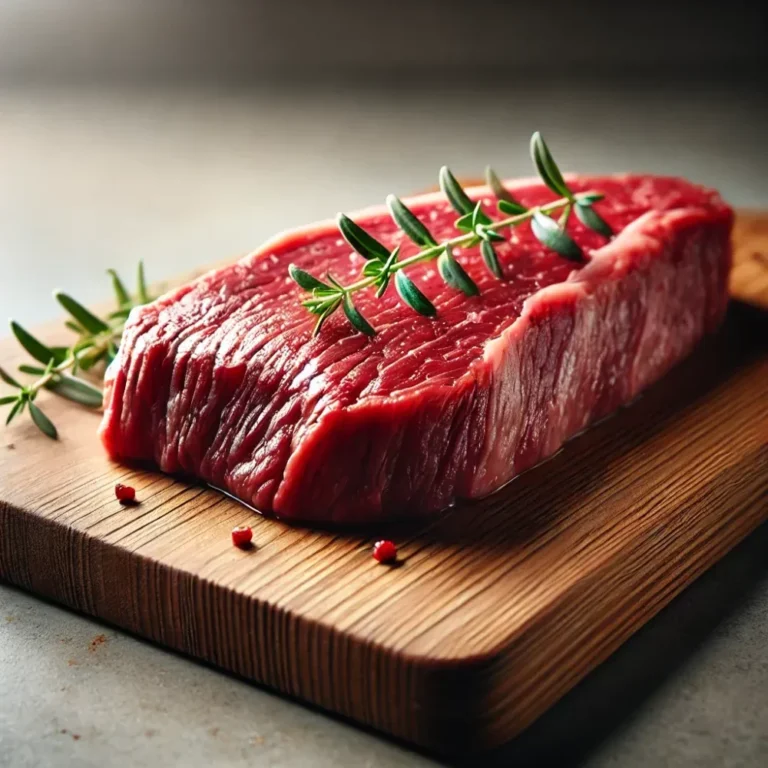
Butchers perform a specific, skilled technique. They remove a long, tough seam of connective tissue that runs right through the center of the top blade muscle. What's left are two separate, flat, rectangular steaks with exceptionally tender meat.
That's your flat iron.
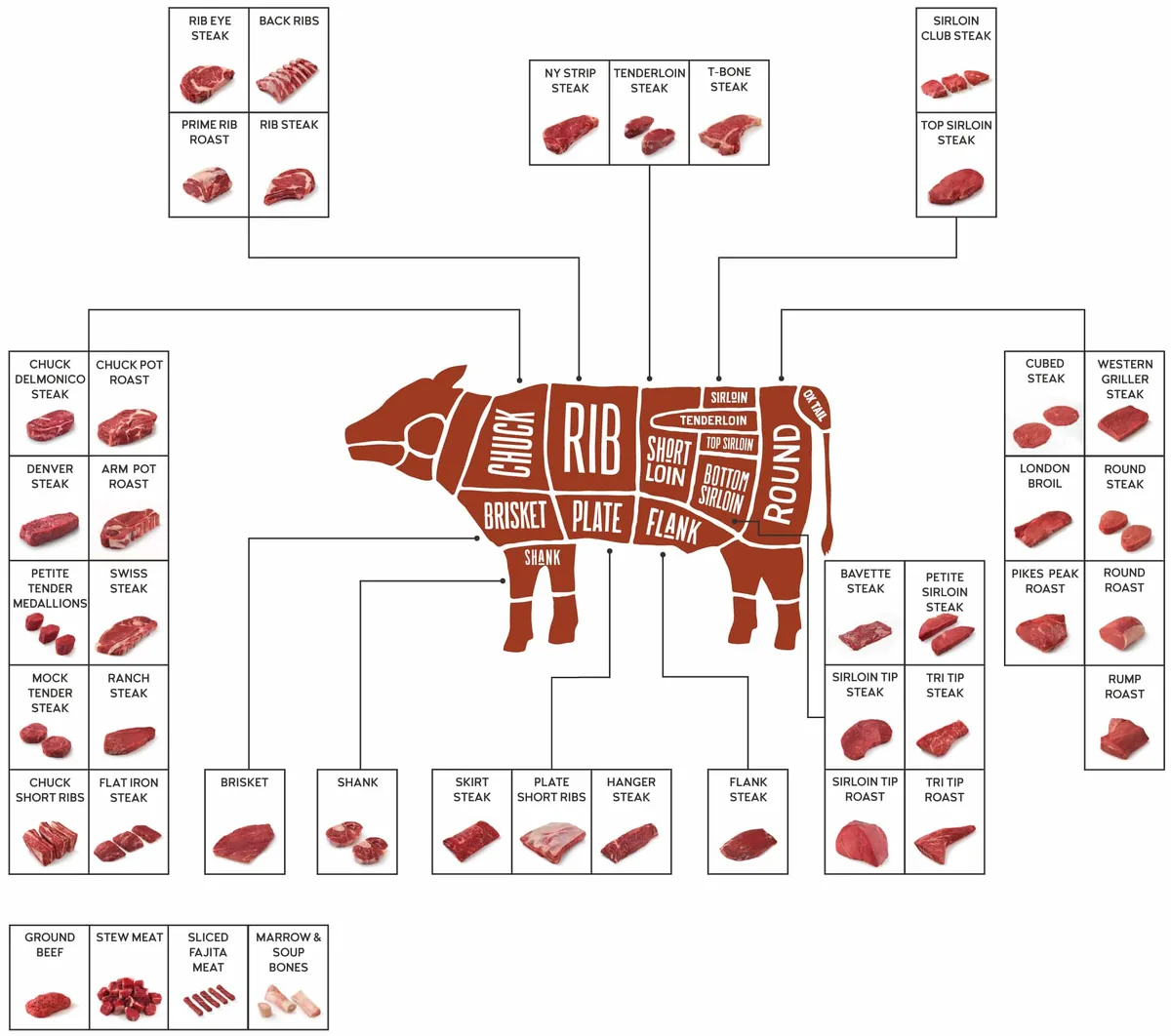
Image source: Bing (Web (fair-use with source credit))
It's crucial to know what it isn't. It's not a slow-cooking roast like a chuck roast, despite coming from the same area. It's a steak, meant for fast, high-heat cooking.
It's also not inherently "cheap" in quality. The USDA grading still applies, meaning you can find Prime, Choice, and Select flat irons, with corresponding differences in marbling and flavor. When you pick one up, you're getting a well-marbled, beefy cut that's been engineered by butchery to eat like a premium steak.
The #1 Thing Butchers Know That You Don't
The biggest gap between professional knowledge and the home cook revolves around that central seam of gristle. In a perfect world, your butcher or the meat packager has already removed it. Our analysis of meat science resources, including those from university extensions, confirms this is the definitive step that transforms a tough cut into a tender one.
However, you can't always assume it's been done. A poorly butchered flat iron will have a tough, inedible line running right down the middle of your otherwise perfect steak. It's the most common point of failure and the reason some people have a bad experience with this cut.
Here’s what to do every single time you buy one:
- Visually inspect it. Hold the steak up and look at it from the side. You should see one solid piece of meat. If you see a faint white line or a separation in the middle, be wary.
- Ask explicitly. If you're at the counter, just ask, "Has the connective tissue been removed from this flat iron?" A good butcher will confirm it has. If they seem unsure, you might want to choose a different piece or a different cut altogether.
This one check takes five seconds and guarantees you get the product you're paying for. It turns a potential cooking disappointment into a surefire win. For other reliable, quick-prep proteins that are hard to mess up, our collection of easy weeknight solutions has plenty of inspiration.
Flat Iron Steak: Pros & Cons (An Honest Look)
Let's weigh the flat iron's real attributes. No cut is perfect for every single situation, and understanding its strengths and limitations is how you decide if it's right for you.
Pros:
- Exceptional Value: This is its superstar feature. You get tenderness that rivals cuts costing 50-100% more per pound. It’s the definition of more bang for your buck.
- Great Flavor: Coming from the chuck, it has a robust, deeply beefy taste that stands up well to marinades and bold seasonings. The marbling, especially in Choice or Prime grades, keeps it juicy.
- Fast and Versatile: It cooks in minutes on a grill, in a cast-iron skillet, or under a broiler. It's excellent for quick dinners and adapts to many cuisines.
- Meal-Prep Friendly: Once cooked and rested, it slices beautifully into uniform pieces, making it ideal for topping salads, filling sandwiches, or creating balanced lunch bowls.
Cons:
- The Gristle Gamble: As discussed, an improperly butchered flat iron is a chew-fest. You must verify the seam is removed.
- Forgiveness Factor: It has a smaller window of doneness than a well-marbled ribeye. Overcook it past medium, and it can quickly become dry and chewy. A reliable instant-read thermometer is non-negotiable.
- Presentation: It's a long, flat rectangle, not a thick, circular "steakhouse" cut. It looks different on the plate, which matters to some for a special occasion.
- Availability: While common in better grocery stores and butcher shops, you're less likely to find it at every corner market compared to ribeyes or strips. You may need to ask for it.
The Head-to-Head: How It Stacks Up Against Other Steaks
This is where the rubber meets the road. You're standing at the meat counter with options. Let's put the flat iron side-by-side with its most common competitors to see where it wins and where you might choose something else.
Flat Iron vs. Ribeye: The Luxury vs. Value Face-Off
This is the most telling comparison. The ribeye is the gold standard for rich, buttery, tender beef, thanks to its abundant intramuscular fat (marbling) and cap.
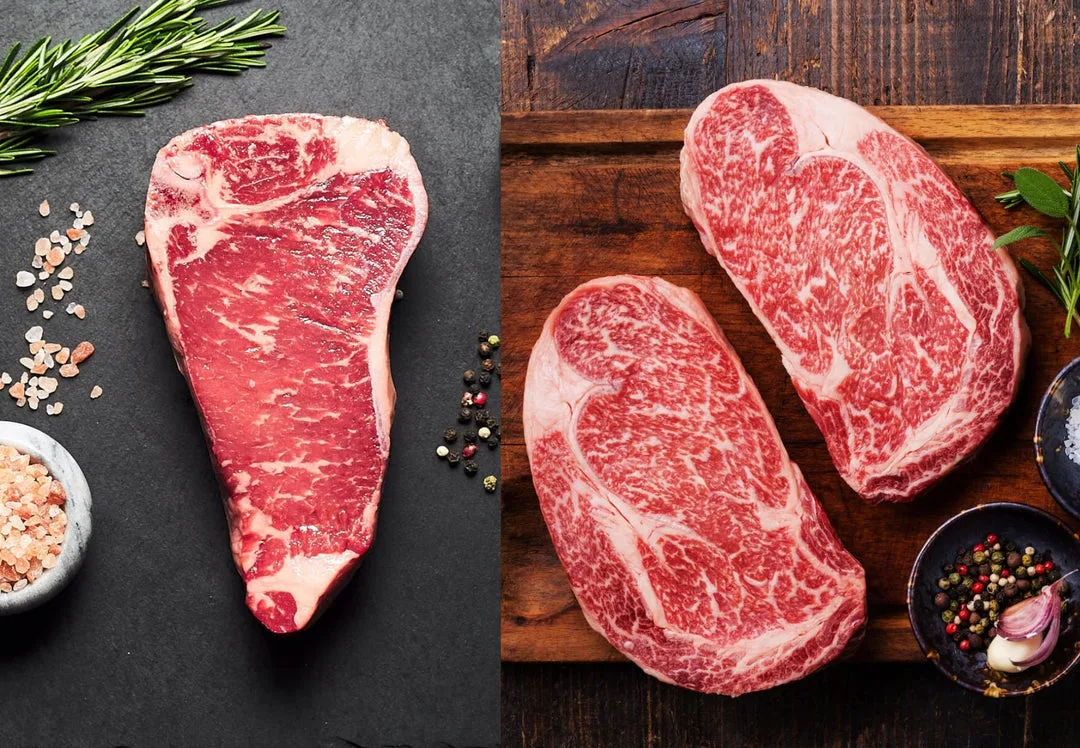
Image source: Bing (Web (fair-use with source credit))
- Tenderness: Very close. A properly cooked flat iron can match the tenderness of a ribeye.
- Flavor: Ribeye wins on pure, unadulterated beefy richness from fat. Flat iron has a leaner, more "beef muscle" flavor.
- Cookability: Ribeye is more forgiving due to its fat content. You can take it to medium and it's still juicy. Flat iron demands more precision, best at medium-rare.
- Price: Flat iron wins, hands down. It's often half the price per pound.
- Best For: Choose the ribeye for a luxurious, splurge-worthy, foolproof centerpiece steak. Choose the flat iron for a remarkably tender "steak night" on a regular budget, or when you want to stretch your dollar for a crowd. For a different kind of splurge that's all about flavor, consider the bold profiles in a chipotle-spiked sandwich.
Flat Iron vs. Strip Steak (New York Strip): The Lean & Mean Comparison
The strip steak is known for its firm texture and beefy, but leaner, flavor profile.
- Tenderness: Flat iron is generally more tender. The strip has a pleasant chew that some prefer.
- Flavor: Strip steak has a clean, classic steak flavor. Flat iron's flavor is often described as deeper and more robust.
- Marbling: Strip steaks have less marbling than ribeyes but often a bit more than a flat iron. The flat iron's marbling is finer.
- Price: Flat iron is consistently less expensive.
- Best For: Choose the strip steak if you prefer a leaner, firmer bite and a classic steakhouse shape. Choose the flat iron for more tenderness at a better price point and a stronger beef flavor.
Flat Iron vs. Flank & Skirt: The Budget-Friendly Battle
These are the other classic "value" steaks, beloved for their intense flavor but known for their toughness if mishandled.
- Tenderness: Flat iron is the clear winner. It's tender without any special treatment. Flank and skirt require meticulous slicing against a very pronounced grain to be palatable.
- Flavor: Flank and skirt have a stronger, more mineral "offal-adjacent" beef flavor that shines in fajitas and stir-fries. Flat iron flavor is more mainstream "steak" flavor.
- Grain: This is critical. Flat iron has a fine grain, making slicing easier. Flank and skirt have long, coarse muscle fibers that absolutely require precise cutting.
- Price: All three are in a similar price bracket, making flat iron the tenderness leader in its class.
- Best For: Choose flank or skirt for dishes where the steak is thinly sliced and heavily seasoned, like fajitas, Asian stir-fries, or cheese steaks. Choose the flat iron when you want a steak you can eat with a knife and fork, that's tender with minimal prep, perfect for a simple grill. That tender, sliceable quality also makes it a superb candidate for topping a vibrant Mexican-inspired taco salad.
Who Should Buy a Flat Iron Steak (And Who Shouldn't)
Let's translate all that comparison into a simple decision guide. Your cooking style and the occasion should drive your choice.
Best For: The Smart Weeknight Griller
If you want a great steak for Tuesday dinner after work, this is your cut. It comes to room temperature quickly due to its shape. It cooks in just a few minutes per side.
You don't need complex prep or marinades. Just a hot grill or skillet, simple seasoning, and a thermometer. You'll have a tender, satisfying steak on the table faster than you can decide what to watch on TV.
Best For: The Budget-Conscious Foodie
You appreciate quality but watch your grocery spend. The flat iron delivers premium texture without the premium price. This frees up budget for better side dishes, a nice bottle of wine, or a special dessert.
You get the culinary satisfaction of cooking a "chef's cut" without the financial sting.
Best For: Meal Prep and Salads
Its tenderness and easy slicing make it a top-tier protein for prepped lunches. Cook one or two steaks, slice them thinly against the grain, and divide them into containers. They reheat well or taste great cold on a salad.
The uniform slices look professional and absorb dressings and flavors beautifully. For more ideas on turning cooked proteins into great lunches, our recipes for make-ahead chicken salads offer endless variations.
Skip It If: You Need a Centerpiece Steak
Are you cooking for an anniversary or a boss coming to dinner? The visual might not meet the moment. A thick, beautifully marbled ribeye or porterhouse has undeniable presence on a plate.
The flat iron's long, flat shape looks more utilitarian. For those special occasions where presentation is half the meal, choose a classic centerpiece cut. Save the flat iron for when the flavor and experience matter more than the photo op.
Where (and How) to Actually Find One
Knowing you want it is one thing. Finding a good one is the next step. Your hunting ground depends on your priorities.
Your best bet is almost always a dedicated butcher shop or the service counter at a higher-end grocery store. You can ask for it specifically and confirm the gristle removal on the spot. They often sell it as a "top blade steak." This is the most reliable method to get exactly what you need.
Warehouse clubs like Costco or Sam's Club frequently carry flat iron steaks in bulk packs. These are usually well-trimmed and offer a fantastic per-pound price. The trade-off is committing to several pounds at once, which is perfect for large families or freezing.
Some national grocery chains now stock pre-packaged flat irons in the fresh meat section. Always inspect the packaging carefully. Look for the words "top blade" and check for that white connective line through the plastic.
If it's there, put it back.
If you're struggling to find it, don't be shy. Ask the person behind the counter, "Do you have flat iron or top blade steaks?" If they don't, a chuck eye steak is a very close relative from the same primal and a decent backup plan.
The Flat Iron Workflow: From Store to Plate
Let's walk through the perfect process from the moment you get it home to the moment you slice it. Nail these steps, and you'll have a flawless result every time.
Your Butcher Counter Checklist
Before you even leave the store, do these three things:
- Confirm the Seam: As outlined earlier, visually check for the removed gristle.
- Check the Grade: Look for the USDA shield. "Choice" offers great marbling for the price. "Prime" is a bonus if you find it.
- Assess Thickness: Aim for steaks cut between 3/4 and 1 inch thick. Thinner steaks overcook too fast. Thicker ones are less common but great if you find them.
Once home, pat the steak thoroughly dry with paper towels. This is critical for a good sear. Season it generously with salt and pepper at least 30 minutes before cooking, letting it rest on a rack in the fridge.
The Non-Negotiable Cooking Rules
Throw out the idea of cooking by time alone. Your tools are high heat and a good thermometer.
- Heat Source: Get your grill, cast-iron skillet, or heavy pan screaming hot. You want a strong sear fast.
- Doneness Target: Pull the steak at 130-135°F for medium-rare. Verified feedback consistently shows this is the sweet spot. The temperature will rise 5 degrees while resting.
- The Flip: Cook for 3-4 minutes on the first side to get a deep brown crust. Flip once and cook for another 2-3 minutes for that perfect internal temp. Avoid constant flipping.
- The Rest: Let it rest on a cutting board, loosely tented with foil, for 5-10 minutes. This lets the juices redistribute. Skipping this means a dry steak.
The Right Way to Slice It
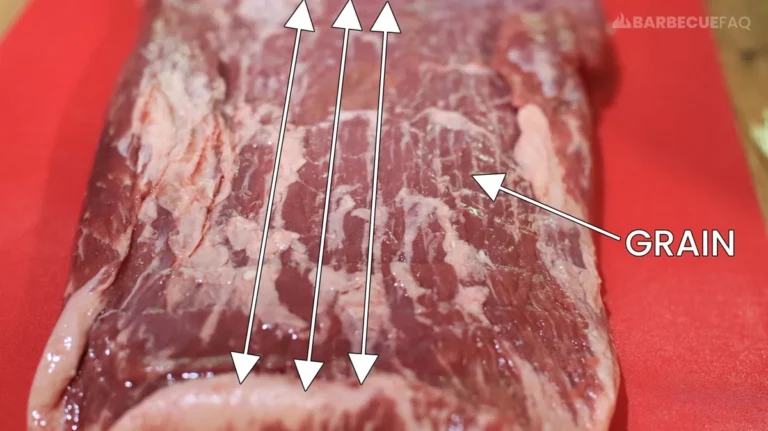
This final step is as important as the cooking. Look at the steak and identify the direction of the muscle fibers (the grain). On a flat iron, they run lengthwise.
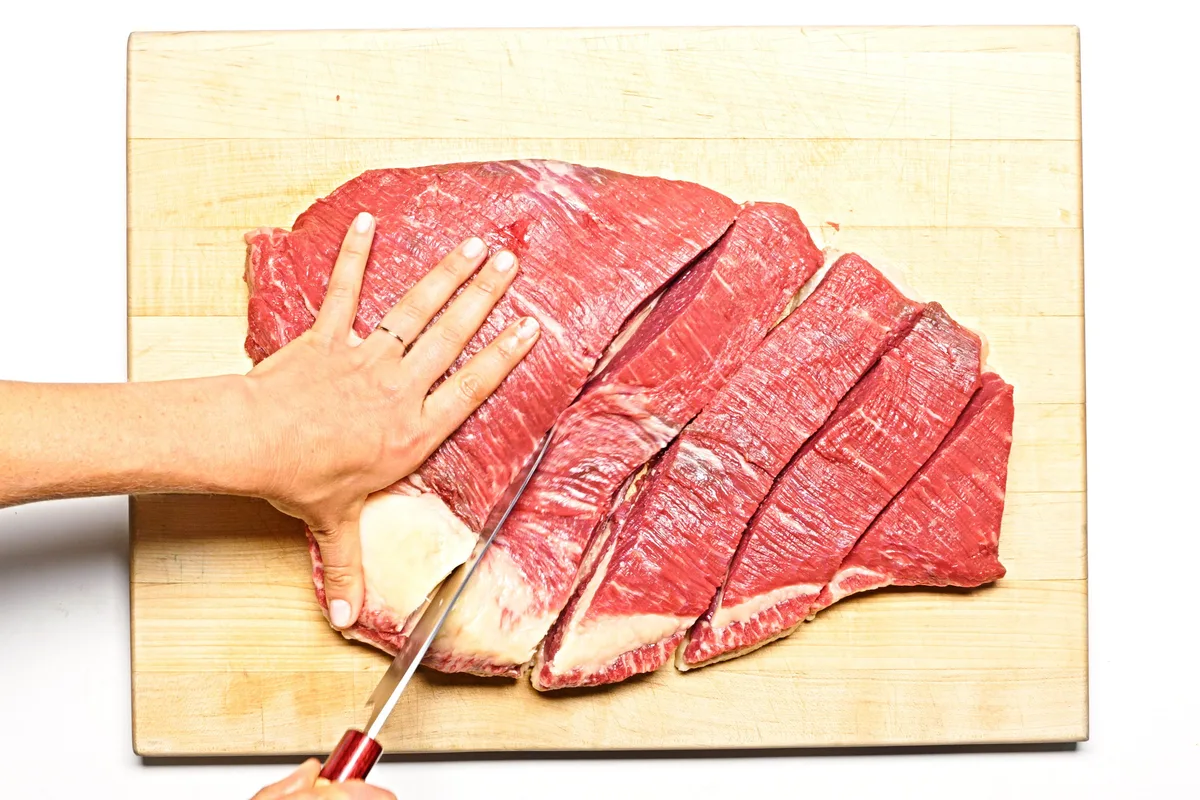
Image source: Bing (Web (fair-use with source credit))
Hold your knife perpendicular to those fibers. Slice across them, not with them. Aim for slices about 1/4 to 1/2 inch thick.
Cutting against the grain shortens those long muscle fibers, making each bite tender. Cutting with the grain gives you a chewy, stringy texture. This technique is useful for many cuts, as seen in recipes that call for thinly sliced roasted chicken.
Pricing & Grades: What You Should Actually Pay
Let's talk numbers. As of 2026, price tracking across major retailers gives us a clear range. You should feel good about these prices.
| Grade | Typical Price per Pound | What You Get |
|---|---|---|
| USDA Select | $8 – $11 | Leaner, less marbling. Good for heavy marinades. Can be less forgiving. |
| USDA Choice | $10 – $15 | The sweet spot. Very good marbling, reliable tenderness, and best value. |
| USDA Prime | $16 – $22+ | Abundant marbling, exceptional flavor and juiciness. A luxury-tier flat iron. |
Where the Prices Are:
- Warehouse Clubs: Often have Choice grade at the lower end of that range ($9-$12/lb) in multi-steak packs.
- Local Butcher: Prices vary but typically land in the middle of the Choice range ($12-$15/lb) for custom-cut quality.
- Online Meat Purveyors: Offer Prime flat irons frequently, but you pay a premium for shipping and branding ($18-$25/lb).
The key takeaway is that even the higher-end Choice prices are still well below the cost of a Choice ribeye. You're paying for the cut, not the grade. Sticking with Choice gives you 90% of the experience of Prime at half the cost of a Prime ribeye.
The Biggest Mistakes to Avoid with Flat Iron
Steer clear of these common pitfalls to guarantee success.
Buying a Badly Butchered Steak: We can't stress this enough. That central seam of gristle ruins everything. Inspect it.
This is mistake number one.
Overcooking It: This isn't a cut you take to medium-well. The lack of excessive fat means it dries out. Use a thermometer.
Pull it at 135°F maximum.
Skipping the Rest: Slicing it hot sends all the juices onto the cutting board, not into your steak. Give it a full 5-10 minutes. It's worth the wait.
Slicing With the Grain: You did everything right, then chewed forever. Always, always identify the grain and cut across it. Your teeth will thank you.
Underseasoning: Its robust flavor can handle and needs ample salt. Don't be shy. Season it as heavily as you would a ribeye.
Using a Low-Temperature Cooking Method: This is not a cut for braising, slow-cooking, or sous vide if you're after a steak texture. Those methods are better for the whole chuck roast. Stick to high, direct heat.
For perfectly cooked proteins using consistent, controlled heat, the method for air-fried chicken skewers shares the same precision principle.
Expert Tips: Getting the Most Out of This Cut
These small adjustments make a big difference. First, try a dry brine. Salt the steak and leave it uncovered on a rack in your fridge for up to 24 hours.
This seasons it deeply and helps dry the surface for an incredible crust. Second, consider a brief, acidic marinade. Thirty minutes in something with lime juice or vinegar tenderizes the surface without turning the texture mushy.
Always let the steak come to room temperature before cooking. This ensures even cooking from edge to center. Finally, after slicing, hit it with a final flake of sea salt.
It brightens the flavor perfectly.
The Final Verdict: Is Flat Iron Steak Right for You?
The flat iron steak is a champion of value and tenderness. It's the best choice for regular, high-quality steak nights on a budget. If you are willing to inspect your purchase and use a thermometer, you'll be rewarded with a fantastic meal.
It's not the right pick for a formal, show-stopping presentation. For that, choose a ribeye or strip.
Your decision is simple. Prioritize flavor and value over luxury presentation. If you do, the flat iron is arguably the smartest steak buy in the case.
Frequently Asked Questions
Is flat iron steak a good cut?
Yes, it's an excellent cut. It's the second most tender muscle in the cow. It offers remarkable tenderness for its price, making it a top value choice.
How is flat iron steak best cooked?
Cook it quickly over high heat. Grill or pan-sear it to medium-rare, about 130-135°F internally. Always let it rest before slicing against the grain.
What's the difference between flat iron and flank steak?
Flat iron is more tender with a finer grain. Flank steak is leaner, has a stronger flavor, and requires very precise slicing against a pronounced grain.
Why is my flat iron steak tough?
Two reasons are most likely. First, it was not properly butchered and still has the central gristle seam. Second, it was overcooked past medium-rare or sliced with the grain instead of against it.
Can you slow cook a flat iron steak?
You can, but you shouldn't if you want a steak. Slow cooking suits the whole chuck roast. For the flat iron steak, high heat preserves its tender, steak-like texture.
Is flat iron steak the same as skirt steak?
No. They are different muscles with different textures. Flat iron is tender and fine-grained.
Skirt steak is thinner, more fibrous, and has a more intense beefy flavor.