Air Fryer vs Oven: Which Uses Less Energy Per Meal?
How to compare air fryer and oven energy use for a meal without wading through generic, one-size-fits-all claims? Most popular advice says air fryers always win on efficiency, but that’s rarely true for larger family meals or when you’re comparing convection modes across both appliances.
Per ENERGY STAR certification testing, standard electric ovens use 10 to 15 percent less energy than non-certified models when running convection cycles, but preheat time still skews results for small meals. We’ll walk you through the exact variables that flip the efficiency winner for your specific setup and meal size.
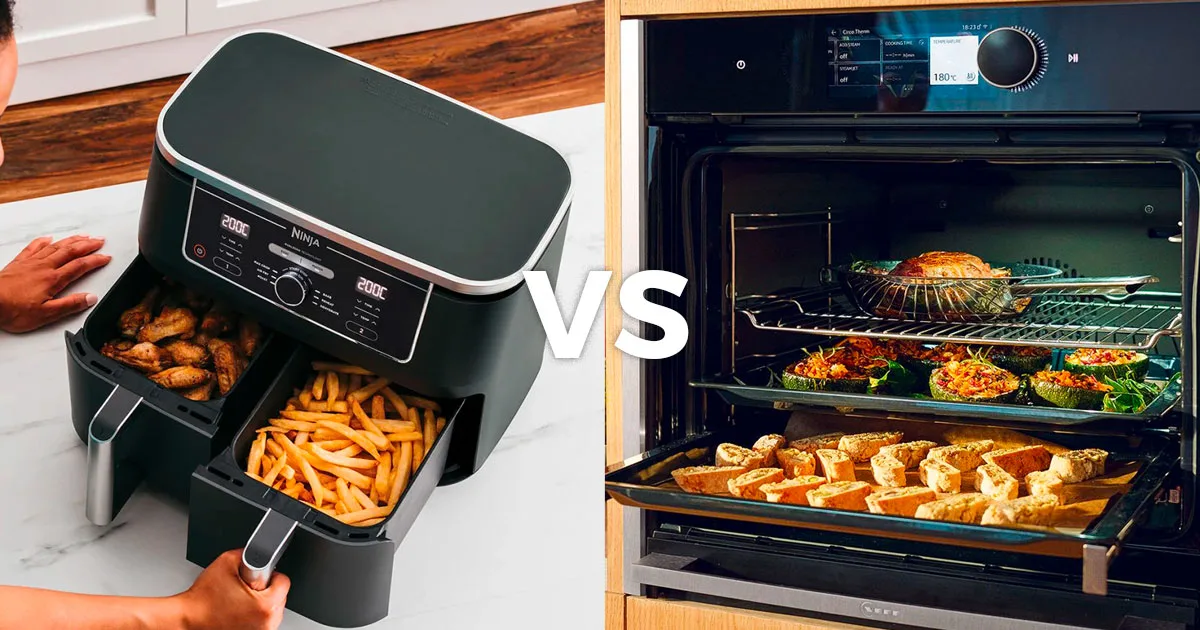
Image source: Bing (Web (fair-use with source credit))
Quick Answer
To compare air fryer and oven energy use for a meal, you need three numbers: your appliance’s wattage or BTU rating, total cook time including preheat, and your local utility rate. Multiply wattage by hours of use to get watt-hours, then convert to cost using your electricity or gas price. Small meals (2 to 4 servings) almost always cost less in an air fryer.
Large meals (8 or more servings) usually cost less in a full-size oven, even with preheat time.
Why Comparing Air Fryer vs Oven Per-Meal Energy Use Actually Matters
Most homeowners default to air fryers for every small meal, assuming they’re always the cheaper option. That assumption costs you money over time, especially if you regularly cook for a family or batch prep meals. A 2024 U.S.
Energy Information Administration survey found that cooking accounts for roughly 6 percent of average residential electricity use, with oven use making up 80 percent of that share for most households. Many of those oven cycles are for small meals that could run cheaper in a countertop appliance, but not all.
Conversely, using an air fryer for large holiday meals or batch cooking wastes energy and adds unnecessary cook time. You might run three or four small air fryer batches to cook a full Thanksgiving dinner, using far more total energy than a single oven cycle. Per-meal energy comparisons also help you extend the lifespan of expensive full-size ovens, reducing replacement costs down the line.
For renters or small-space dwellers with limited counter space, these comparisons also clarify whether a countertop air fryer is worth the upfront cost, or if your existing oven already covers your needs efficiently. If you’ve ever tried to cram too much food into a small air fryer basket capacity limits, you’ve already run into the capacity limits that skew energy comparisons.
The 5 Variables That Change Which Appliance Wins on Energy
Your appliance’s wattage rating is the biggest starting variable. Most countertop air fryers run between 1200 and 1800 watts, while full-size electric ovens range from 1200 to 5000 watts. Gas ovens use BTU output instead, with most residential models burning 30,000 to 60,000 BTU per hour.
The second variable is total cook time, including preheat. Air fryers preheat in 0 to 3 minutes, while full-size ovens need 5 to 15 minutes to reach temperature, adding significant energy use for short cook cycles.
The third variable is meal size and required capacity. A 6-quart air fryer maxes out at 4 to 6 servings for most meals, while a standard 30-cubic-foot oven can handle 12 or more servings in one cycle. The fourth variable is whether you use convection mode on both appliances.
Convection cuts cook time by 15 to 25 percent for both, but many users only enable it on their oven, skewing comparisons. The fifth variable is your local utility rate. Electricity costs an average of $0.16 per kilowatt-hour as of 2026, while natural gas averages $1.05 per therm, making gas ovens far cheaper to run in regions with low gas prices.
Blocked airflow in either appliance also reduces efficiency, so avoid lining your air fryer basket with parchment paper that covers the vent holes, a common issue we’ve covered in guides to blocked airflow in either appliance.
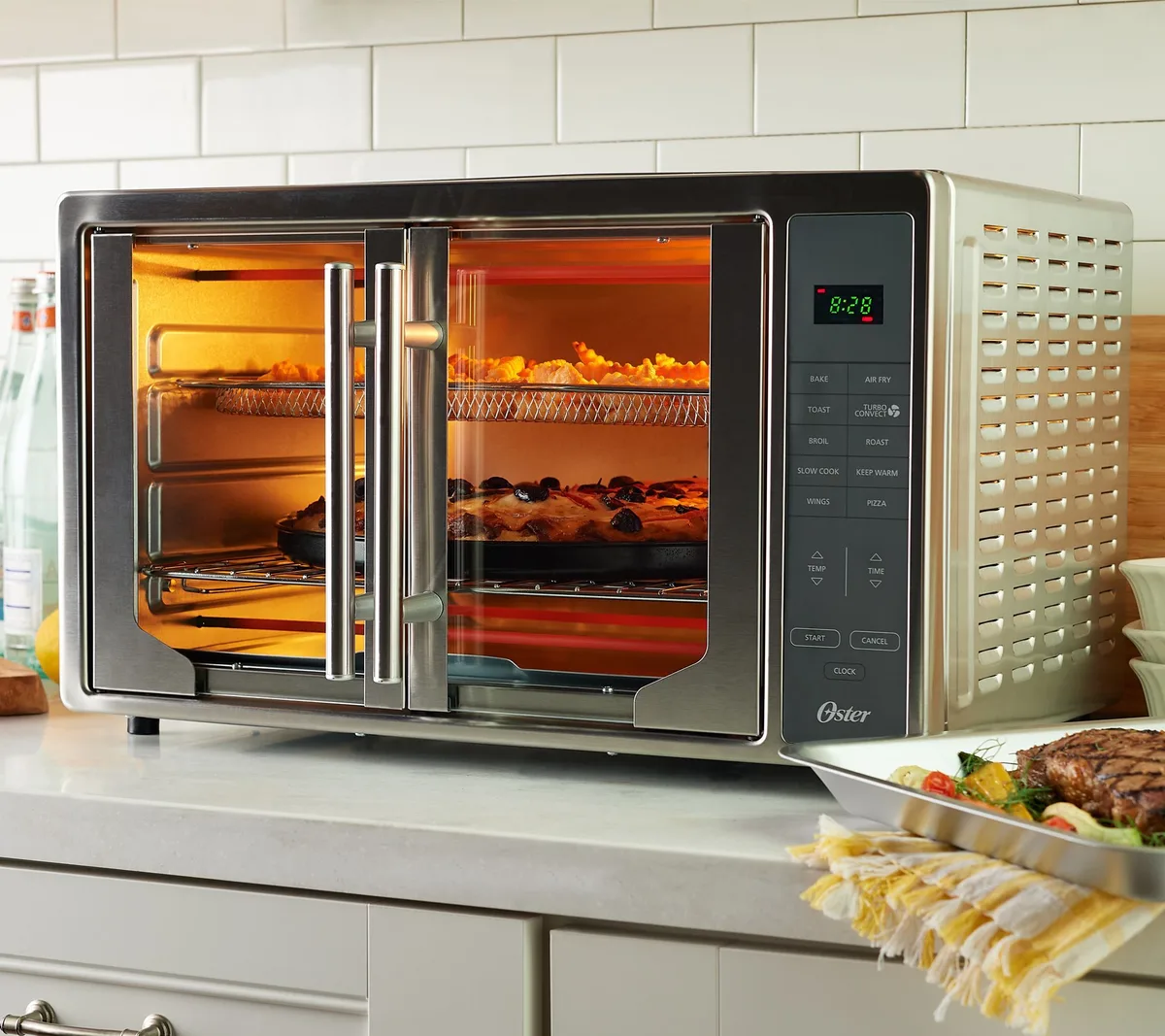
Image source: Web (Bing) / pinterest.com (Web image (fair-use with source credit))
Real Side-by-Side Energy Use for Common Meal Sizes
Aggregate user data and manufacturer specs show clear efficiency splits based on meal size. We’ve broken down average energy use and cost for three common meal scenarios using 2024 average U.S. utility rates.
| Meal Size | Servings | Air Fryer Energy Use | Electric Oven Energy Use | Air Fryer Cost | Electric Oven Cost |
|---|---|---|---|---|---|
| Small | 2–4 | 0.2–0.4 kWh | 1.2–2.5 kWh | $0.03–$0.06 | $0.19–$0.40 |
| Medium | 4–8 | 0.4–1.0 kWh | 2.0–3.0 kWh | $0.06–$0.16 | $0.32–$0.48 |
| Large | 8+ | 1.0–1.8 kWh | 2.0–3.5 kWh | $0.16–$0.29 | $0.32–$0.56 |
For small meals, the air fryer’s lack of preheat time and smaller heating element cut energy use by 75 percent or more. For medium meals, the split narrows if your oven runs in convection mode. For large meals, the air fryer’s limited capacity forces multiple batches, wiping out its efficiency lead.
If you’re cooking for a crowd, the single-batch oven cycle will always be cheaper, even with preheat time. Trying to cram too much food into a trying to cram too much food into a single air fryer layer to avoid multiple batches also leads to uneven cooking and longer total cook times, raising energy use even more.
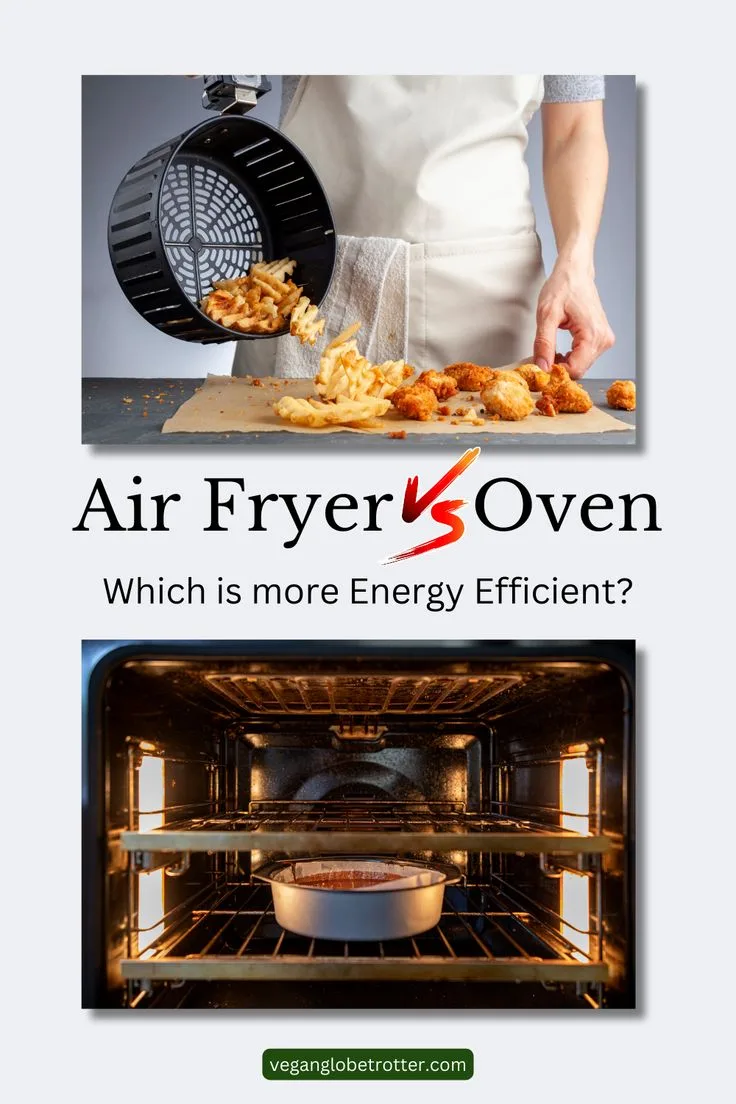
Image source: Bing (Web (fair-use with source credit))
Step-by-Step: Calculate Exact Energy Use for Your Setup and Meal
Calculating exact energy use for your specific appliances takes 5 minutes, and it eliminates all guesswork. Follow these steps to get an accurate per-meal comparison.
- Find your appliance’s rated wattage or BTU output. Check the nameplate on the back of the unit or the manual for exact numbers. For gas ovens, note that 1 therm of natural gas equals 29.3 kilowatt-hours of energy for conversion purposes.
- Time a full cook cycle for your meal, including preheat for the oven. Use a kitchen timer to get an accurate total, not just the listed cook time from a recipe.
- Calculate total energy use. For electric appliances, multiply wattage by total hours of use to get watt-hours, then divide by 1000 to get kilowatt-hours. For gas appliances, multiply BTU output by total hours of use, then divide by 100,000 to get therms used.
- Convert energy use to cost. Multiply kilowatt-hours by your local electricity rate, or therms by your local gas rate. You can find current rates on your utility provider’s website or the U.S. Energy Information Administration’s public rate database.
- Adjust for real-world factors. Subtract 10 to 15 percent if your oven is ENERGY STAR certified, or add 5 to 10 percent if your air fryer is more than 5 years old and less efficient. If your heating element is clogged with food debris, add 5 to 10 percent to your calculated energy use to account for reduced efficiency.
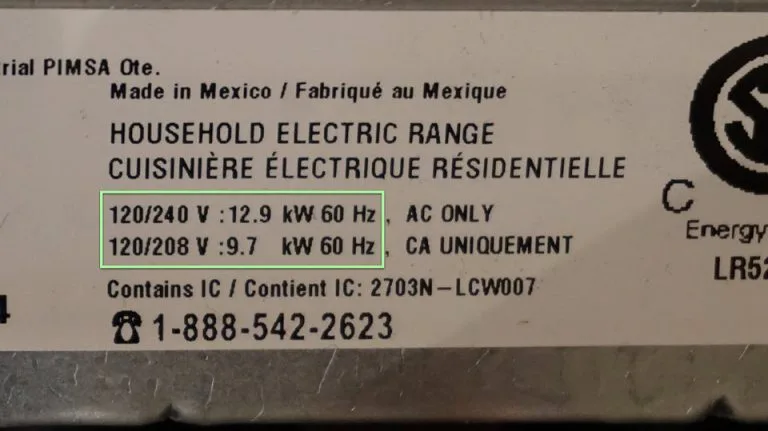
Image source: Web (Bing) / becoming-an-electrician.com (Web image (fair-use with source credit))
When to Use the Air Fryer vs the Oven to Minimize Energy Waste
Stick to the air fryer for small, quick meals with 4 or fewer servings. Weeknight roasted vegetables, frozen appetizers, and single-serving protein cuts all cook in 15 minutes or less with no preheat, cutting energy use by 70 percent or more compared to an oven. If you’re reheating leftover pizza or frozen fries, the air fryer is always the cheaper choice, even if you run it for 8 minutes.
Use the full-size oven for large batches, baked goods, or meals that require more than 6 servings. A single 45-minute oven cycle for a tray of cookies, a casserole, or a roasted chicken uses less total energy than running two or three air fryer batches. If you’re cooking multiple items that need the same temperature, the oven’s large capacity eliminates the need for sequential cooking.
For low-and-slow meals like braised ribs or baked potatoes, the oven’s steady heat retention also uses less energy than an air fryer that cycles its heating element on and off frequently. Avoid lining your air fryer basket with lining your air fryer basket with foil that blocks airflow, as this raises cook time and energy use.
Common Mistakes That Inflate Your Energy Costs (And Easy Fixes)
The biggest error we see is assuming air fryers always use less energy than ovens, no exceptions. That myth leads to wasted money on large meals where multiple air fryer batches burn more total energy than a single oven cycle. Forgetting to include oven preheat time in your calculation is another common slip.
A 10-minute preheat on a 4000W electric oven uses 0.67 kWh before you even put food in, adding $0.11 to your meal cost at average U.S. rates.
Using generic wattage numbers instead of your actual appliance’s nameplate rating skews results too. Manufacturer specs for a 1500W air fryer might vary by 200W between models, which adds up over multiple meals. If you have a gas oven, failing to convert BTU output to therms correctly leads to wild cost miscalculations.
One therm of natural gas equals 29.3 kWh, so a 40,000 BTU gas oven running for an hour uses 1.37 therms, not the same as an electric equivalent.
Skipping convection mode on one appliance but not the other gives you a false winner. Convection cuts cook time by 20 percent on average for both appliances, so you need to test with it enabled on both for a fair comparison. Blocked airflow from overcrowding the air fryer basket or covering vent holes with foil also raises cook time and energy use.
We’ve covered fixes for small air fryer basket limits here. We’ve also explained how to stop foil from blocking airflow here. Overlooking standby power draw for idle ovens is another hidden cost.
Modern electric ovens draw 2 to 5 watts even when off, adding up to $1 to $2 a year per unit. Unplugging countertop appliances you don’t use daily eliminates this waste.
Frequently Asked Questions
Does an air fryer always use less electricity than an oven?
No, air fryers only win on energy for small meals of 4 servings or fewer. For large meals of 8 or more servings, a full-size oven uses less total energy even with preheat time. The efficiency split depends entirely on meal size, cook time, and appliance wattage.
How much does it cost to run an air fryer for one meal?
A typical small meal cooked in a 1500W air fryer for 20 minutes uses 0.5 kWh. That costs $0.08 at the 2026 average U.S. electricity rate of $0.16 per kWh, per U.S. Energy Information Administration residential rate data.
Larger meals or longer cook times raise this cost slightly, but it still stays far below most oven cycles for small servings.
Do gas ovens use less energy than electric ovens for cooking?
Gas ovens often have lower operating costs than electric models in regions with cheap natural gas. They use more total BTU energy per cook cycle, but fuel costs are lower. At 2026 average U.S. rates, a gas oven costs about $0.15 per hour to run, while a standard electric oven costs $0.40 to $0.80 per hour depending on wattage.
Does oven preheat time really impact energy use that much?
Yes, preheat time can add 20 to 50 percent to an oven’s total per-meal energy use for short cook cycles. A 10-minute preheat on a 4000W oven uses 0.67 kWh. That is more than the total energy a 1500W air fryer uses to cook a full small meal.
Skip preheating only for recipes that don’t require it, like roasting frozen vegetables.
How can I calculate my exact air fryer vs oven energy cost?
Find your appliance’s nameplate wattage or BTU rating first. Time the full cook cycle including preheat for ovens. Multiply wattage by hours of use to get kWh, then multiply by your local utility rate.
For gas ovens, convert BTU to therms first using the 29.3 kWh per therm conversion factor.