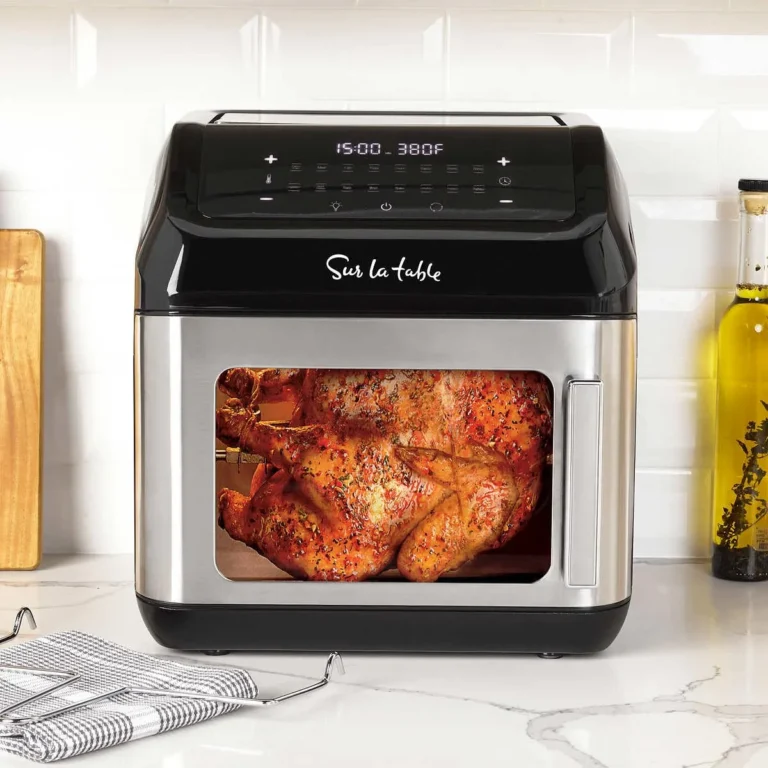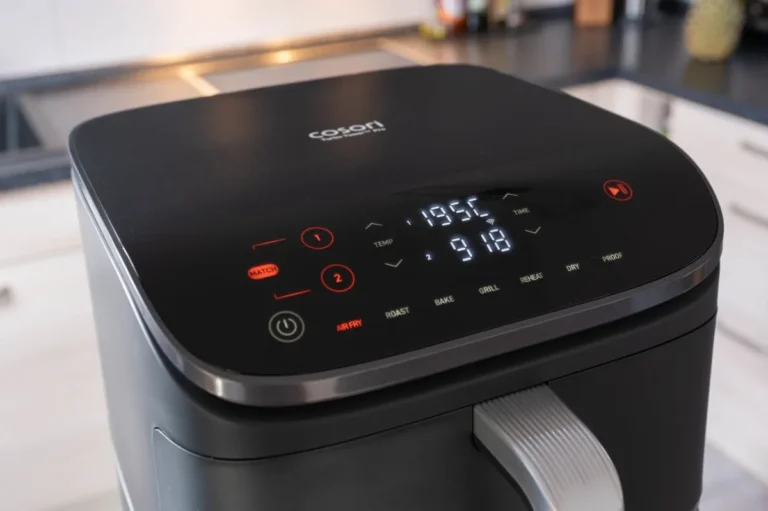
How to Safely Use Leftover Ingredients in Your Air Fryer
If you’ve ever pulled a Tupperware of leftover roasted chicken or cold pasta out of the fridge and wondered how to use leftover ingredients in an air fryer safely, you’re not alone. Air fryers make reheating way faster than a microwave, but skipping basic food safety steps can leave you with a stomach bug instead of a tasty meal.
Per USDA Food Safety and Inspection Service guidelines, all reheated leftovers must reach an internal temperature of 165°F to kill harmful bacteria. Skipping that step, or mishandling leftovers before they ever hit the air fryer, leads to thousands of preventable foodborne illness cases every year. We’re breaking down the exact, research-backed steps to get crispy, safe leftovers every time, no guesswork required.

Image source: Web (Bing) / amgroyal.com (Web image (fair-use with source credit))
Quick Answer
To use leftover ingredients in an air fryer safely, start by confirming leftovers were stored properly within 3 to 4 days of cooking. Always reheat leftovers to a minimum internal temperature of 165°F. Arrange portions in a single, uncrowded layer in the air fryer basket.
Shake or flip leftovers halfway through cooking for even heating. Discard any leftovers that smell, look, or taste off before reheating.
Why Getting Air Fryer Leftover Safety Wrong Comes With Real Risks
Skipping basic food safety steps when reheating leftovers in an air fryer isn’t just a texture issue. It can lead to serious foodborne illness from bacteria like salmonella, E. coli, and Bacillus cereus. The CDC estimates that 1 in 6 Americans get sick from foodborne pathogens annually.
As of 2026, improperly reheated leftovers remain a top cause of these preventable cases.
Older adults, young children, pregnant people, and anyone with a compromised immune system face the highest risk of severe complications. Even a small amount of undercooked leftover rice or poultry can cause vomiting, diarrhea, and dehydration that requires medical care. Air fryers don’t magically kill bacteria if leftovers weren’t stored correctly before cooking.
Many people assume the high heat of an air fryer makes any leftover safe to eat, but that’s a dangerous myth. The appliance only kills pathogens if the internal temperature of the food hits the safety threshold for the right amount of time. Undercooked leftovers can still harbor active, harmful bacteria even if the exterior looks crispy and golden.
Cross-contamination is another overlooked risk. If you use the same air fryer basket for raw meat and leftover cooked foods without washing it first, you can spread dangerous bacteria across safe, ready-to-eat leftovers. This is especially common when people reuse air fryer liners or cook raw and cooked foods back-to-back without cleaning the basket in between.
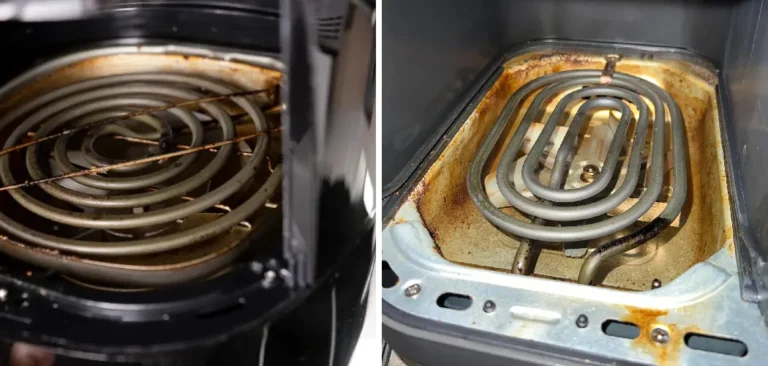
If you’ve ever dealt with food spills in your air fryer while reheating, our guide to cleaning up heating element spills will help you avoid damage and contamination.
We’ll cover exactly how to avoid these risks step by step, using guidance from the USDA and food safety experts to keep you and your household safe. No guesswork, just clear, actionable rules that work for every type of leftover.
Core Non-Negotiable Food Safety Rules for All Reheated Leftovers
All safe leftover reheating starts with rules that apply no matter what air fryer model you own or what type of food you’re reheating. These aren’t optional suggestions, they’re standardized guidelines from the USDA and FDA designed to prevent foodborne illness.
First, leftovers must be stored correctly before you ever think about reheating them. Cooked leftovers can only sit at room temperature for 2 hours maximum, or 1 hour if your kitchen is hotter than 90°F. Once cooled, they need to go in an airtight container in the fridge and used within 3 to 4 days.
If you’re not going to use leftovers in that window, freeze them instead. You can find the full USDA leftover safety guidelines on the official USDA Food Safety and Inspection Service website.
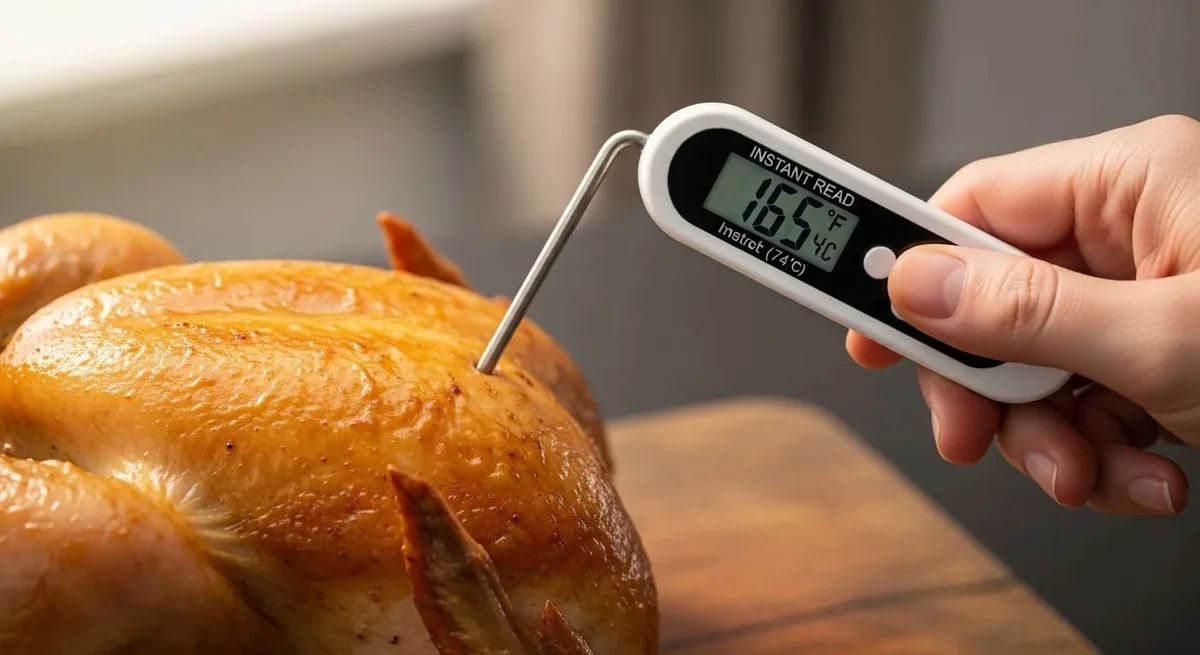
Image source: Web (Bing) / wellri.com (Web image (fair-use with source credit))
The single most important rule for reheating is hitting 165°F as the minimum internal temperature for every leftover, no exceptions. This temperature kills almost all harmful bacteria that may have grown on the food during storage. You can’t guess this by looking at the food’s exterior, you need a food thermometer to confirm.
Leftovers that were left out too long, have an off smell, or show signs of mold should be thrown away immediately, no matter how good they look in the air fryer. Reheating won’t make spoiled food safe to eat. These rules apply to all leftovers, from leftover roasted vegetables to takeout rice and homemade casserole.
If you notice your air fryer has hot spots that cook some areas faster than others, our guide to fixing uneven air fryer cooking walks through simple fixes.
Common Air Fryer-Specific Mistakes That Cause Illness or Ruined Leftovers
Air fryers are fantastic for reheating, but they have quirks that lead to both food safety risks and ruined, inedible leftovers if you don’t avoid these common errors.
The most frequent mistake is overloading the air fryer basket. When you pile leftover chicken, rice, and vegetables all on top of each other, air can’t circulate around every piece. This leaves cold spots where bacteria survive, even if the top layer looks crispy and hot.
It also leads to soggy, undercooked sections of food that no one wants to eat.
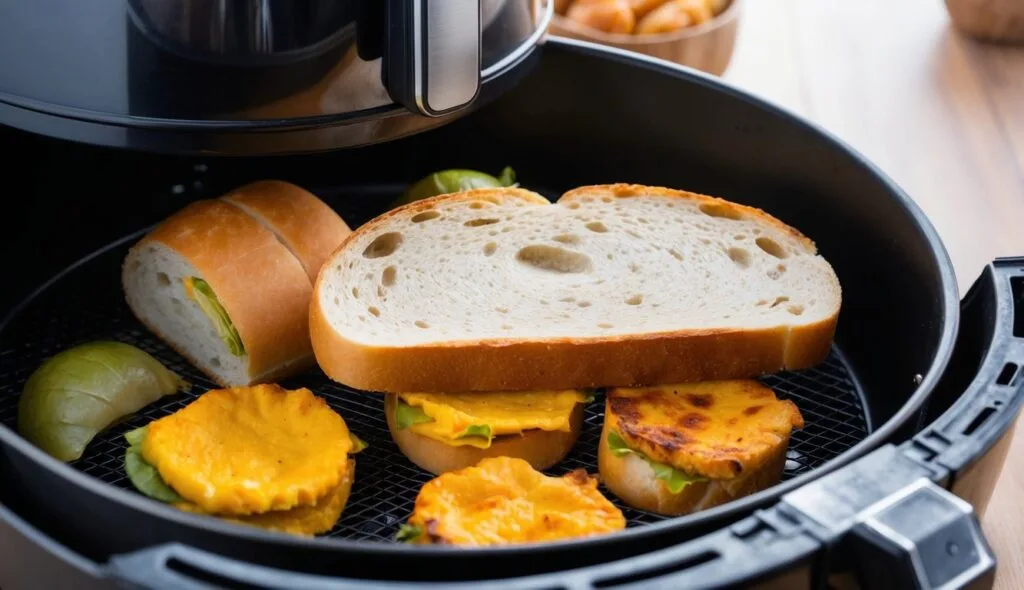
Image source: Bing (Web (fair-use with source credit))
Another common error is skipping the shake or flip step. Most air fryers cook from the top down, so the bottom of leftover portions stay cold and uneven if you don’t toss or flip them halfway through the timer. This is especially true for smaller leftovers like leftover fries or chicken nuggets that can get stuck together.
Using liners that block airflow is another risky mistake. Some people line their air fryer basket with foil or parchment paper to make cleanup easier, but if the liner covers the vents, heat can’t circulate properly. This leads to undercooked leftovers and can even cause the liner to blow into the heating element, creating a fire hazard.
If you’re wondering whether your liner is blocking airflow, our guide to air fryer parchment blocking airflow has simple checks to run.
Finally, many people skip preheating the air fryer before adding leftovers. A cold air fryer takes longer to bring food up to temperature, giving bacteria more time to survive in the cooler, slower-heating food. Preheating for 2 to 3 minutes ensures even, fast heating from the start.
If food does fly up into the heating element during reheating, stop the appliance immediately and follow our quick fixes to keep your appliance running safely.
Step-by-Step Safe Reheating Process for Every Type of Leftover
Following a consistent, safe reheating process eliminates almost all risk of foodborne illness from air fryer leftovers. These steps work for every type of leftover, from cooked grains to fried takeout.
First, pull your leftovers out of the fridge and check for signs of spoilage. Throw away anything that smells sour, has visible mold, or has been stored for more than 4 days. If the leftovers are frozen, thaw them in the fridge overnight before reheating, never on the counter at room temperature.
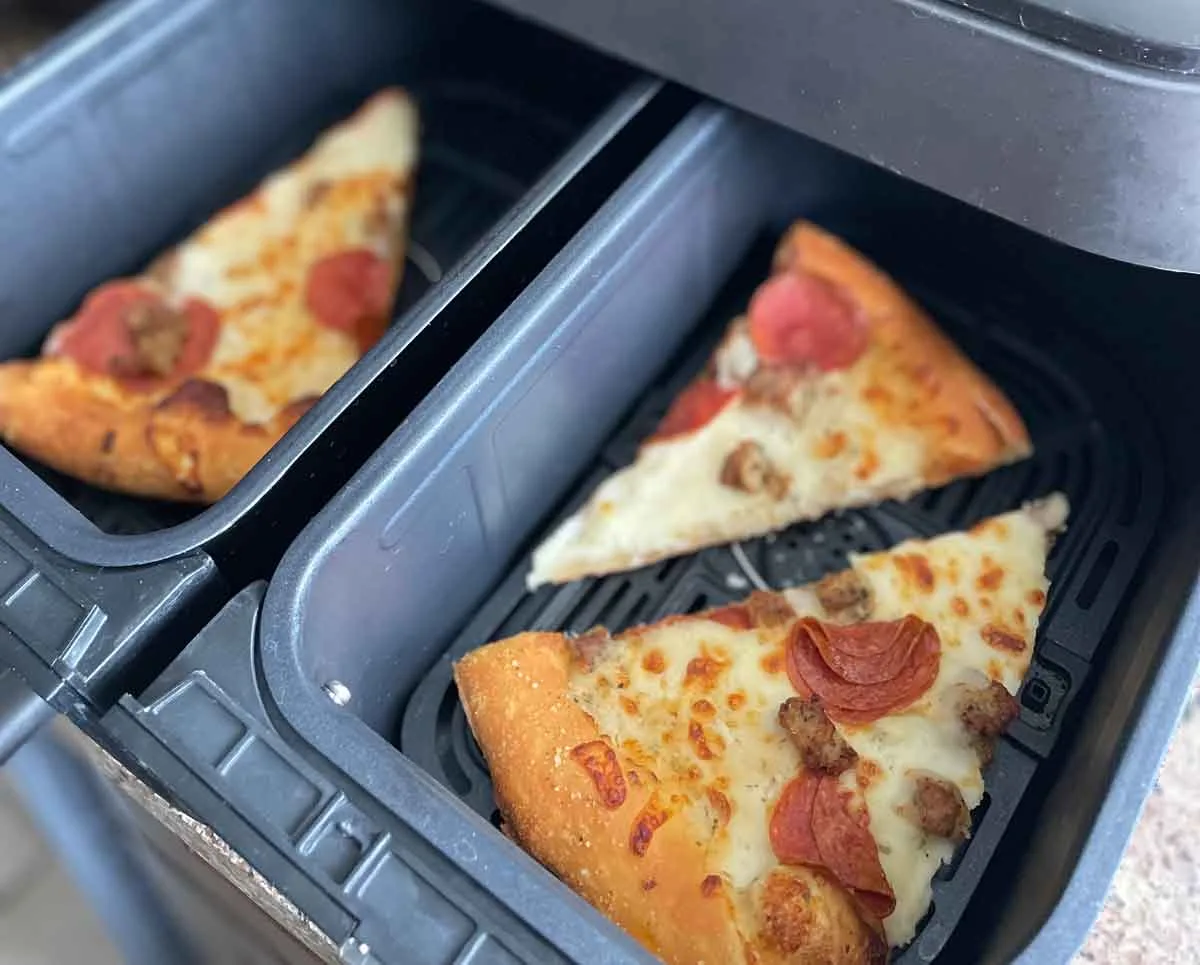
Image source: Web (Bing) / dailydishrecipes.com (Web image (fair-use with source credit))
Next, portion your leftovers into single-layer pieces. If you’re reheating leftover chicken, slice or shred it into bite-sized pieces so air can circulate around every piece. For casseroles or grain-based leftovers like rice or pasta, break up any large clumps so heat can reach the center.
Avoid piling food more than 1 inch high in the basket, as this blocks airflow. If you’re struggling to fit leftover portions in a single layer, our guide to small air fryer basket capacity walks through portioning hacks for tight spaces.
Preheat your air fryer to the correct temperature for your leftover type: 350°F for moist leftovers like soups, pasta, or roasted vegetables, 375, 400°F for crispy leftovers like fried chicken, fries, or pizza to restore their crunchy exterior. Set the timer for 3 minutes first, then check the internal temperature with a food thermometer.
Shake or flip the leftovers halfway through the cooking time, then continue heating until the internal temperature hits 165°F everywhere. Let the leftovers rest for 1 minute before eating, then clean the air fryer basket immediately after use to avoid bacterial growth.
Pro Tips to Keep Leftovers Safe, Crispy, and Waste-Free
Small adjustments make a big difference when reheating leftovers in an air fryer. These tips cut down on waste, improve texture, and eliminate common safety risks.
For moist leftovers like rice, pasta, or roasted vegetables, spritz the food with 1 teaspoon of water per cup before cooking. This prevents drying out without making the dish soggy. If you’re reheating crispy leftovers like fried chicken or pizza, skip the water mist, and use a higher heat setting between 375°F and 400°F to restore crunch.
If you’re struggling to fit single servings in a small air fryer basket, our guide to small air fryer basket capacity has portioning tricks that work without blocking airflow.
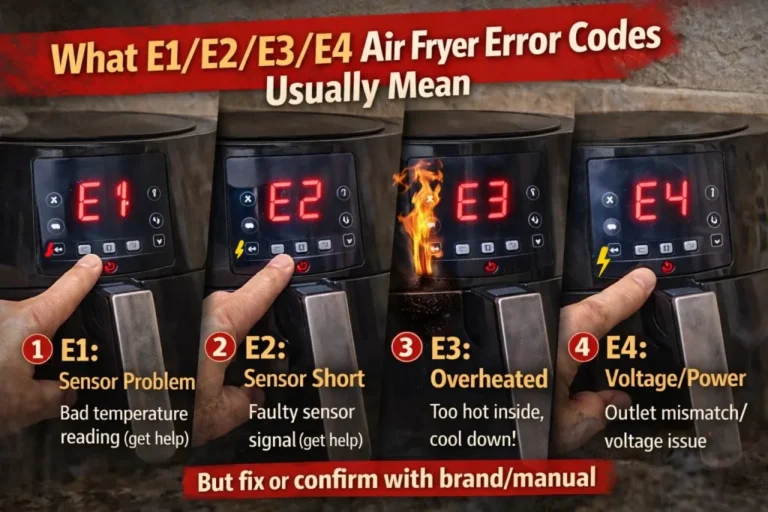
Always place your food thermometer in the thickest part of the leftover portion, away from the basket or any bone, to get an accurate reading. The USDA’s 165°F safety rule applies to the food’s core temperature, not the air around it. If your air fryer seems to run hot or cold, our guide to air fryer display flickering explains how to check for temperature calibration issues that could lead to undercooked leftovers.
Avoid stacking leftovers more than 1 inch high in the basket, even if it means reheating in two small batches. Overcrowding blocks hot air circulation, leaving cold spots where bacteria can survive. If your air fryer liners keep bunching up or sticking to food during reheating, our guide to air fryer paper liner sticking issues has quick fixes to keep them flat and out of the heating element.
For cooked grain leftovers like rice or quinoa, add a splash of water before reheating to prevent drying out. Make sure the core temperature hits 165°F fully to kill any Bacillus cereus spores that may have formed during improper storage. Label all leftover containers with the cook date before storing them in the fridge.
This eliminates guesswork about how old leftovers are, so you never accidentally reheat food past the 3 to 4 day safe window. As of 2026, many smart storage containers include date-tracking features that sync to your phone, but a simple sticky note works just as well.
Frequently Asked Questions About Air Fryer Leftover Safety
Can you reheat all leftovers in an air fryer?
No, some leftovers reheat poorly in air fryers and may pose safety risks if mishandled. Cream-based soups, delicate leafy greens, and soft boiled eggs don’t hold up well in high, circulating air. Stick to reheating solid, portioned leftovers like proteins, grains, and roasted vegetables for safe, even results.
Do you need to add oil when reheating leftovers in an air fryer?
No, most leftovers don’t need added oil for safe, crispy reheating. Leftover fried foods already contain enough fat to crisp up in the air fryer. Adding extra oil makes food greasy and increases calorie count without improving safety or texture.
What temperature should you use to reheat leftovers in an air fryer?
Use 350°F for moist leftovers like rice, pasta, or roasted vegetables, and 375°F to 400°F for crispy leftovers like fried chicken, pizza, or fries to restore crunch. Always confirm the internal temperature hits 165°F regardless of your air fryer’s setting.
Can you reheat frozen leftovers directly in an air fryer?
Yes, but you must thaw frozen leftovers in the refrigerator first, never at room temperature, to avoid bacterial growth. Reheat thawed leftovers to 165°F internal temperature, adding 2 to 3 minutes to the standard reheating time for refrigerated portions.
Is it safe to reheat leftover takeout in an air fryer?
Yes, as long as the takeout was stored properly in the fridge within 2 hours of being served and used within 3 to 4 days. Reheat takeout to 165°F internal temperature, and avoid reheating takeout that was left out at room temperature for extended periods, as this increases bacterial growth risk.