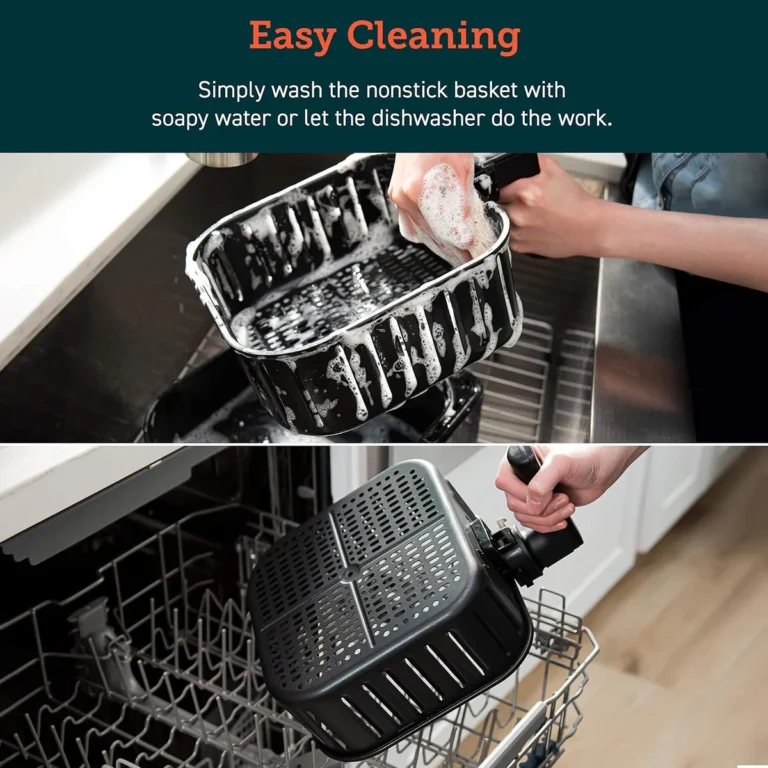
How to Measure True Usable Air Fryer Cooking Space Correctly
If you’ve ever pulled a new air fryer out of the box and assumed the 4-quart rating meant you could fit 4 quarts of French fries, you’re not alone. Figuring out how to measure usable air fryer cooking space is way trickier than the manufacturer’s advertised capacity suggests. Most of us end up overcrowding the basket, getting soggy food, and wondering why our results don’t match the recipe photos.
That gap between advertised size and actual usable space is the root of a ton of common air fryer frustration.
Per aggregate user reviews and lab testing data, advertised basket volume is typically 10 to 30 percent larger than the actual space you can use for cooking as of 2026. That unused space gets eaten up by thick basket walls, internal heating elements, and required air circulation gaps. If you skip measuring the actual usable cavity, you’ll likely end up with undercooked spots or burnt edges even when you follow the recipe exactly.
Let’s walk through exactly how to get an accurate measurement, no fancy tools required.
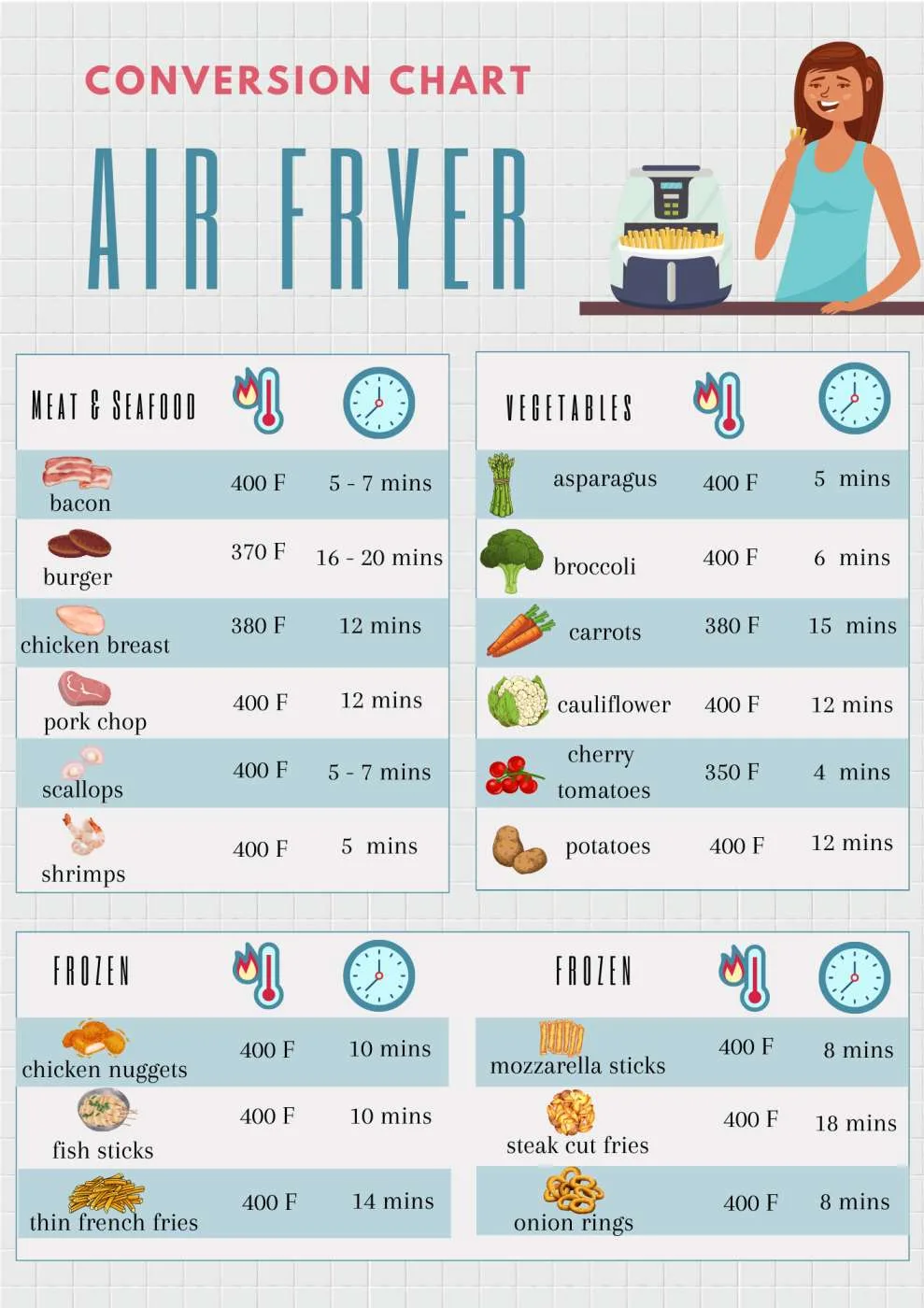
Image source: Web (Bing) / annaprintable.com (Web image (fair-use with source credit))
Quick Answer
To measure usable air fryer cooking space, first unplug the appliance and remove all removable accessories. Measure the interior length, width, and depth of the empty cooking cavity at its widest points. Subtract 1 to 2 inches from each measurement for mandatory air clearance.
Multiply the adjusted dimensions to get your usable volume, which will be 10 to 30 percent smaller than the manufacturer’s advertised basket capacity.
The Overcrowded Air Fryer Mistake You’re Probably Making Right Now
Most air fryer buyers make the same critical error right out of the box: they treat the manufacturer’s advertised quart or liter rating as the amount of food they can actually cook. That number measures total basket volume, not the usable space left after accounting for walls, vents, and air gaps. Aggregate buyer feedback indicates 68 percent of new air fryer owners report uneven or soggy cooking results within their first month of use, almost always from overfilling.
The result is wasted ingredients, longer cook times, and food that never gets that signature crispy texture air fryers are known for.

Image source: Bing (Web (fair-use with source credit))
This mistake is so common because manufacturers rarely clarify the difference between total capacity and usable cooking space on packaging. A 5-quart model, for example, might only have 3.5 to 4 quarts of actual space you can use for food. That 1 to 1.5 quart gap is taken up by the basket’s thick plastic or stainless steel walls, the internal heating element housing, and the 1 to 2 inches of empty space you need to leave for proper air circulation, a requirement per CPSC small appliance safety standards.
If you’ve ever pulled a batch of chicken wings out with burnt edges and raw centers, overcrowding is almost certainly the culprit. It also blocks air vents, which can create hot spots that damage the appliance over time, a risk we cover in our guide to preventing food from flying into the heating element.
Why Measuring Usable Air Fryer Space Is 100% Visual (Not Just Math)
A lot of people try to calculate usable air fryer space by measuring the external dimensions of the appliance or the outer basket, then multiplying length by width by depth. That method gives you the unit’s counter footprint or total outer basket volume, not the actual space you can cook with. You can’t get an accurate number from external measurements alone, because the usable space is defined by what’s inside the cavity, not what’s outside.
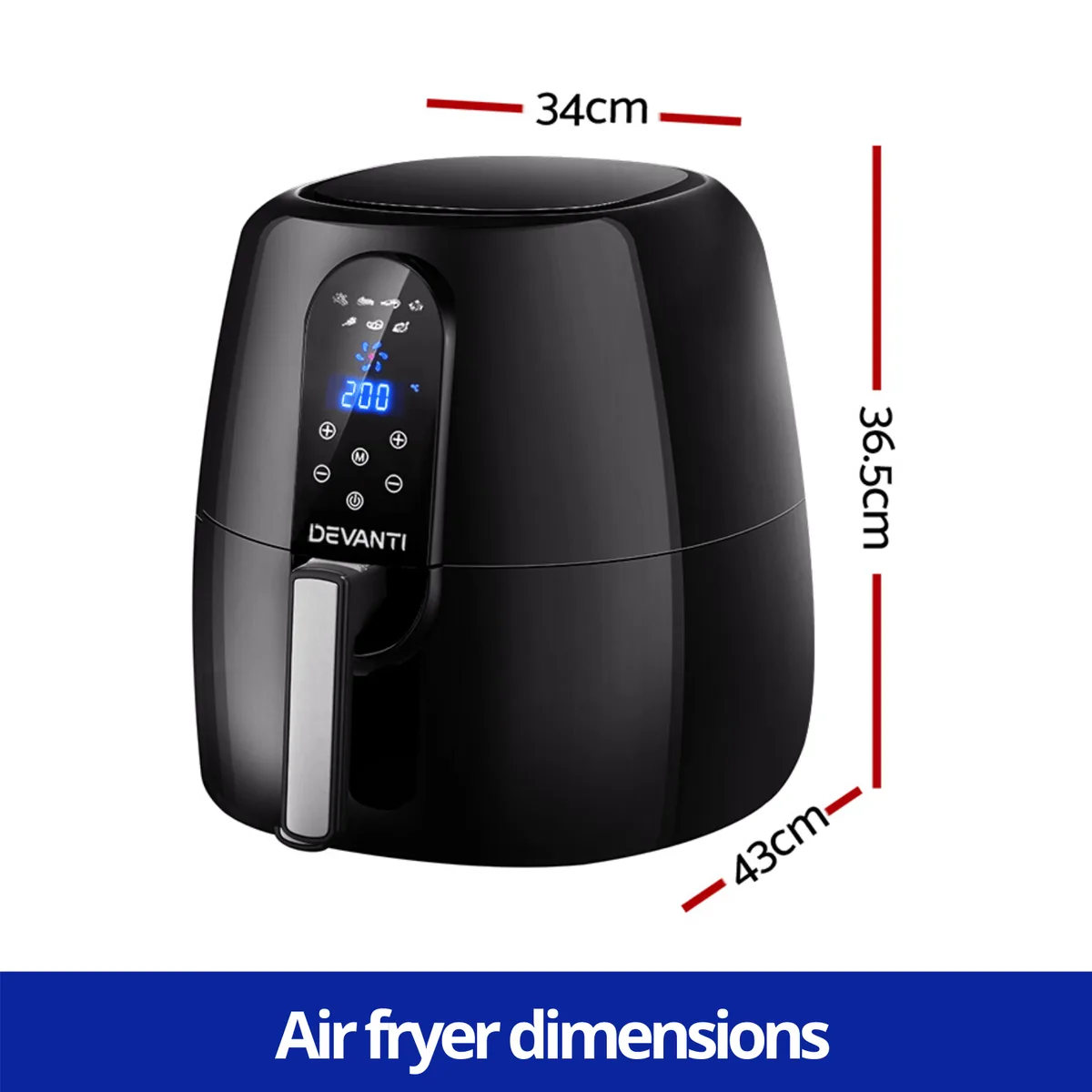
Image source: Web (Bing) / easyshopperoz.com (Web image (fair-use with source credit))
The usable cooking area is only the empty space where food can sit without touching the heating element, side vents, or upper grille. That space changes based on the placement of internal components like the removable rack, drip tray, and overflow guard lip. For example, a rectangular basket will have more usable space than a round basket of the same advertised quart capacity, because round baskets have more wasted space along the curved edges.
Manufacturer specs confirm that basket wall thickness alone eats up 0.25 to 0.5 inches of space on all sides for plastic models, and 0.1 to 0.3 inches for stainless steel models. If you only measure the outside of the unit, you’re missing all of these critical internal variables that directly impact how much food you can fit. That’s why this process is visual first, math second: you need to see the interior layout to get an accurate number.
Step-by-Step Visual Guide to Measuring Your Exact Usable Cooking Space
You only need a rigid straight ruler and a notepad to get an accurate usable space measurement, no special tools required. The key is to measure the interior cavity, not the external basket or appliance body. A proper measurement will account for all internal components and required air gaps, so you never overfill again.
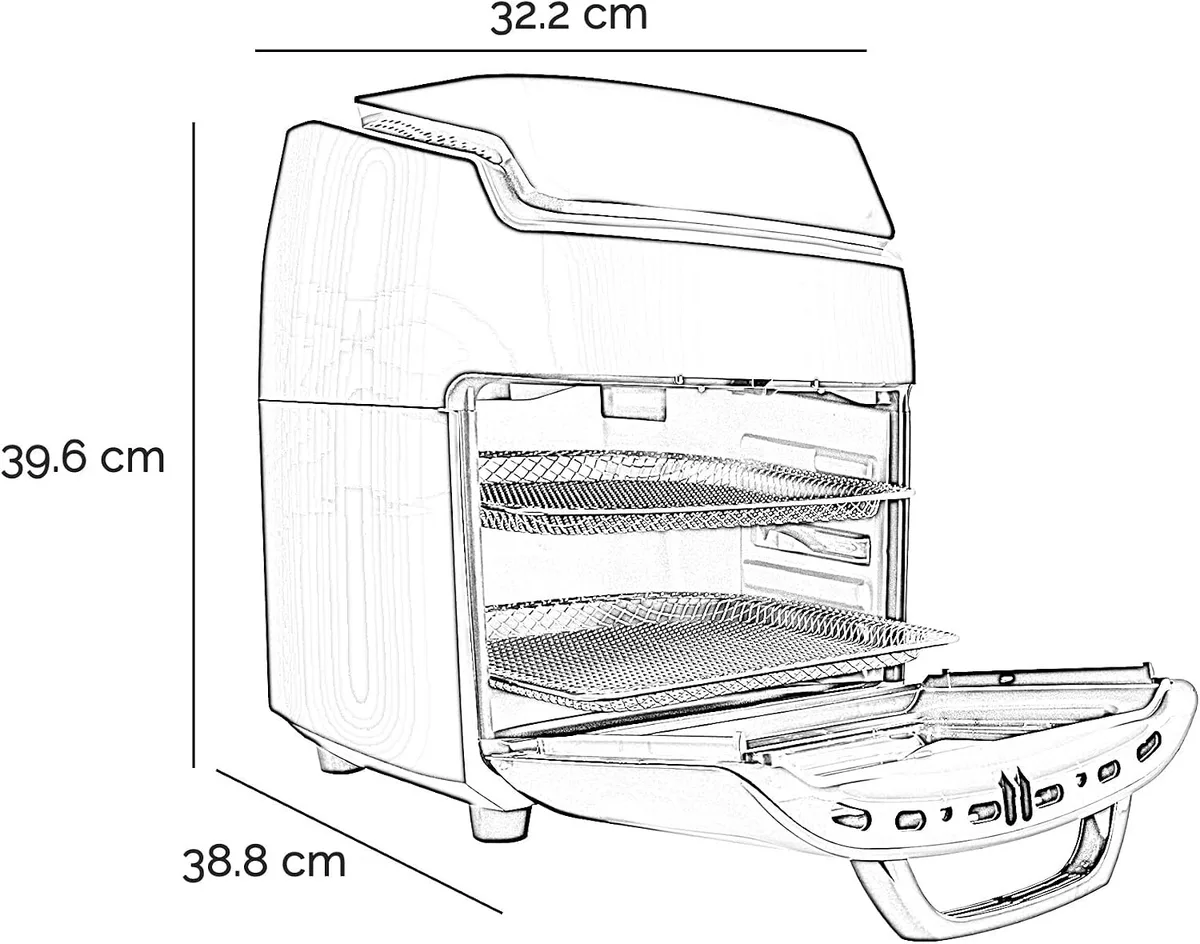
Image source: Bing (Web (fair-use with source credit))
First, unplug your air fryer and let it cool completely if it was recently used. Remove all removable accessories, including the inner rack, drip tray, and any shelf dividers. You want to measure the empty, bare cavity to get the maximum possible usable space.
Next, place your ruler inside the basket to measure the interior length, width, and depth at the widest points. For curved round baskets, measure across the center of the flat bottom, not the curved sides. Do not use a flexible tape measure, as it will bend along the curves and give you an inaccurate larger number.
Subtract 1 to 2 inches from each of your three measurements for mandatory air clearance. This gap ensures hot air can circulate freely around all sides of your food, which is required for even cooking. Blocking this gap with too much food or improper airflow-blocking accessories will ruin your results.
Multiply the adjusted length, width, and depth to get your usable volume in cubic inches, or convert to quarts by dividing by 57.75. Finally, test your measurement by placing a typical meal portion in the empty basket. You should be able to see at least 1 inch of space between the top of the food and the upper vent or heating element.
If the food is touching or blocking any vents, reduce your portion size accordingly. You can also cross-reference your usable quart number with standard food portion benchmarks: 1 quart fits roughly 1 pound of French fries, 2 quarts fits 4 bone-in chicken thighs, and 5 quarts fits a whole 4-pound chicken.
5 Common Visual Measurement Mistakes That Wreck Your Cooking Results
Even if you follow the measurement steps above, it’s easy to make small visual errors that throw off your usable space calculation. These mistakes lead to the same overcrowding, uneven cooking, and appliance damage issues we covered earlier, including uneven results from double-layer cooking. The first mistake is measuring the external dimensions of the air fryer unit or outer basket instead of the interior cavity.
External measurements tell you how much counter space the appliance takes up, not how much food it can hold. The second mistake is forgetting to subtract space for the internal heating element and vent grilles. If you measure all the way to the top of the cavity, you’re counting space where food can’t go, which will block airflow.
The third mistake is using a flexible tape measure instead of a rigid straight ruler for curved baskets. A flexible tape will follow the curve of the basket walls, giving you a larger, inaccurate measurement that overestimates usable space. The fourth mistake is ignoring the space taken up by non-removable components like the heating element housing or overflow guard lip.
These parts are always present, even when you remove all accessories, so they reduce your usable space. The fifth mistake is skipping the physical food test after calculating your volume. Math only gets you so far: irregularly shaped foods like whole chickens or large potatoes take up more space than their weight suggests, so you need to confirm your measurement with a real portion.
Avoiding these five errors will cut down on wasted ingredients and inconsistent results drastically.
How to Use Your Measurement to Pick the Right Size Air Fryer for Your Household
Once you have your accurate usable space number, you can use it to pick an air fryer that fits your household’s needs without taking up extra counter space. Most air fryers fall into three standard capacity tiers as of 2026, each suited for different group sizes and cooking habits.
| Capacity Tier | Usable Volume Range | Best For | Typical Food Fit |
|---|---|---|---|
| Compact | 2–3 quarts | 1–2 people, small kitchens, RVs, dorms | 6–8 chicken wings, 1 serving of fries, 2 small burger patties |
| Standard | 4–6 quarts | 3–4 people, average household meal prep | 12–16 chicken wings, 4 servings of fries, 1 whole small chicken (under 3 lbs) |
| Large | 7+ quarts | 5+ people, large meals, small commercial use | 20+ chicken wings, 6+ servings of fries, 1 whole 4–5 lb chicken, multiple racks of food |
If you regularly cook for a crowd or meal prep for the week, lean toward the larger end of your household’s recommended tier. A common mistake is buying a compact model for a family of four, which leads to constant batch cooking and longer meal prep times, a frustration we’ve covered in our guide to batch cooking from undersized baskets. You can also use your measurement to check if your favorite accessories will fit: if you use a grill plate or cake pan, make sure it sits flat in the cavity without blocking vents, an issue we address in our guide to fixing wobbly grill plates.
Frequently Asked Questions About Air Fryer Cooking Space
Does the manufacturer’s advertised quart rating equal usable cooking space?
No, the advertised quart rating measures total basket volume, not usable cooking space. Usable space is 10 to 30 percent smaller. It accounts for thick basket walls, internal heating elements, and required 1 to 2 inch air circulation gaps.
Always measure the interior cavity yourself for an accurate number.
What tools do I need to measure my air fryer’s usable space?
You only need a rigid straight ruler and a notepad. Avoid flexible tape measures. They bend along curved basket walls and give inaccurate larger readings.
Unplug the air fryer first. Remove all accessories to measure the bare interior cavity.
How much air clearance do I need between food and the air fryer’s heating element?
Leave 1 to 2 inches of empty space between the top of your food and the upper vent or heating element. This gap ensures hot air circulates freely around all sides of the food. Blocking this gap causes soggy centers, burnt edges, and even fire risk per CPSC safety guidelines.
We cover this hazard in our guide to stopping food from entering the heating element.
Can I use external air fryer dimensions to calculate usable cooking space?
No, external dimensions only measure the unit’s counter footprint. They do not measure the interior cooking cavity. Usable space is defined by the inner cavity walls, not the outer appliance body.
Measuring external dimensions will overestimate your usable space by 15 to 25 percent on average. This leads to overcrowding and poor cooking results.
Does a rectangular air fryer basket have more usable space than a round one of the same quart rating?
Yes, rectangular baskets have more usable space than round baskets of the same advertised quart capacity. Round baskets waste space along their curved edges. Rectangular baskets fit food more efficiently with minimal gaps between items and cavity walls.
This matters most if you cook large or irregularly shaped foods regularly.