Air Fryer Frozen Ravioli in Minutes
If you've ever pulled a bag of frozen ravioli from the freezer, you already know the promise: a quick, satisfying meal. But the standard boiling method can leave them soggy, and who wants to deal with a vat of hot oil for deep frying? That's where your air fryer comes in. Air fryer ravioli frozen is the secret to transforming that bag of pasta into a crispy, golden-brown appetizer or main course with minimal effort and a fraction of the oil.
Getting it perfectly right, however, is a bit of a balancing act. The challenge is that a single, universal cooking time doesn't exist, as of 2026. The ideal settings change based on your specific ravioli's size, thickness, and filling.
This guide compares all the variables so you can confidently adapt the process for whatever you have on hand, turning a potential kitchen fail into a guaranteed win.
Quick Answer
You can cook frozen ravioli in the air fryer. Start at 375°F (190°C). Cook for 6 to 10 minutes.
Shake the basket halfway through. Cheese ravioli cooks faster than meat-filled ones. Always arrange them in a single layer.
A light spray of oil helps them crisp up beautifully.
Why Your Frozen Ravioli Needs an Air Fryer
Boiling frozen ravioli is foolproof, but it steams them. Baking them in the oven can take 20 minutes or more. The air fryer’s greatest strength is its powerful, concentrated hot air.
It essentially blasts the frozen pasta with heat from all sides, rapidly cooking the interior while creating a delightfully crispy exterior. This gives you the textural satisfaction of deep-fried food without the greasy mess and excess calories.
The convenience factor is huge. Most air fryers reach their target temperature in just a few minutes, unlike a conventional oven. The cooking process itself is also significantly faster.
You’re looking at a total cooking time of under 10 minutes for most varieties, making it ideal for a speedy weeknight dinner or a last-minute snack. If you've mastered other fast meals like chicken skewers in the air fryer, you'll appreciate the same efficiency here. Plus, cleanup is usually as simple as washing the basket.
The Biggest Mistake Everyone Makes with Frozen Ravioli
The number one error is treating every bag of frozen ravioli the same. Generic advice telling you to cook at 400°F for 8 minutes is a recipe for disappointment. A small, delicate cheese ravioli will be burnt to a crisp by that point.
A dense, hearty beef-filled ravioli might still be frozen in the center.
This mistake stems from ignoring the two most critical variables: the ravioli itself and your specific air fryer. Different brands and fillings have vastly different thermal masses. A high-wattage air fryer will cook much more aggressively than a lower-powered model.
The key to success isn't memorizing a single magic number, it's learning to assess your ingredients and appliance, then adjusting accordingly. It’s the same principle of observation you’d use for other dishes, like getting the perfect crisp on a batch of air fryer nachos.
Breaking Down the Variables: It’s Not One-Size-Fits-All
To get perfect air fryer ravioli every time, you need to understand what you're working with. Think of it as a simple equation with two main components.
- The Ravioli: This is your ingredient variable. Its size, filling, and wrapper thickness determine how much heat energy is needed to cook it through.
- The Air Fryer: This is your equipment variable. Its wattage and basket size control how intensely and evenly that heat is delivered.
When these two factors are in harmony, you get golden, crispy perfection. When they’re out of sync, you get burnt outsides, frozen insides, or a soggy mess. The following sections will break down each variable so you can make the right adjustments.
The Ravioli Factor: How Filling and Size Change Everything
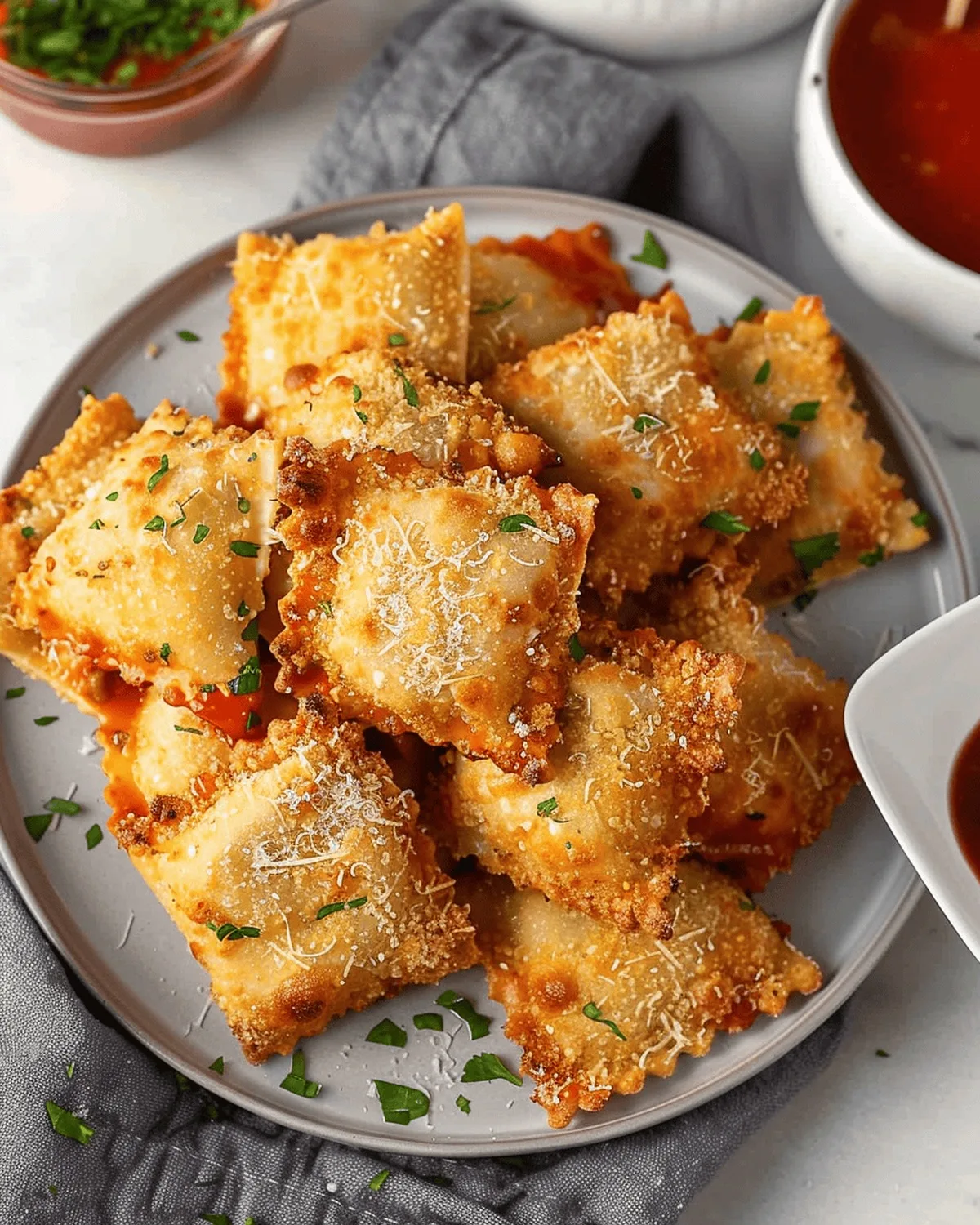
Not all ravioli are created equal. The type you pull from your freezer is the single biggest determinant of your cooking time and temperature. The filling acts as an insulator, and different materials heat at different rates.
The Quick-Cooking Cheese Ravioli
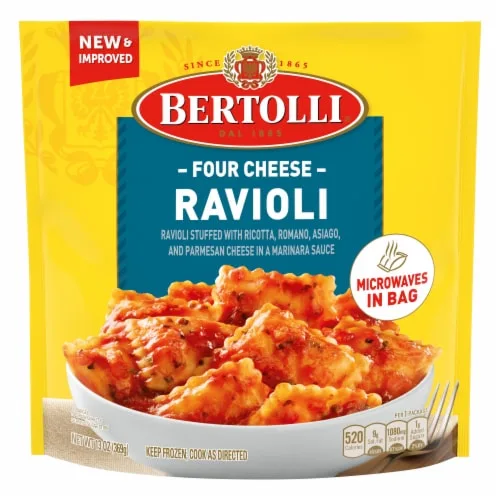
Ravioli filled primarily with cheese (like ricotta or a blend) are your fastest-cooking option. Cheese has a high fat content and melts easily, transferring heat quickly to the surrounding pasta. These are often smaller and have a thinner pasta wrapper.
- Typical Appearance: Smaller squares or rounds.
- Common Brands: Many store brands, Buitoni, Rosetto.
- Cook Strategy: Lower heat, shorter time. Start at 370°F for 6-7 minutes. They go from golden to burnt very quickly, so keep a close eye on them after the 5-minute mark.
The Dense, Meat-Filled Ravioli
Ravioli filled with ground beef, sausage, or other meats require a different approach. The dense protein filling takes longer to heat all the way through to a safe temperature. These are often larger and may have a thicker pasta shell to contain the hearty filling.
- Typical Appearance: Larger, more substantial squares or rounds.
- Common Brands: Louisa, certain specialty varieties.
- Cook Strategy: Higher heat, longer time. Start at 380°F-390°F for 8-10 minutes. The higher heat ensures the interior cooks without the exterior overcooking. Always verify the internal temperature reaches 165°F (74°C) for food safety, as recommended by the USDA. This is less of a concern with cheese-filled varieties but critical for meat.
The Air Fryer Factor: Wattage and Basket Size
Just as important as the ravioli is the machine you're using. Air fryers are not all created equal. A compact, 1000-watt model will behave very differently from a powerful 1700-watt one.
Higher wattage means the heating element and fan can generate heat more intensely, leading to faster cooking times.
Basket size and shape also play a huge role. A wide, shallow basket allows for maximum air circulation around each piece of food. A narrower, deeper basket can create hot and cold spots if overcrowded.
If your air fryer is on the smaller side, you might need to cook in multiple batches to achieve the perfect result. This extra step is worth it to avoid the steaming effect that ruins texture.
The Ultimate Comparison: Air Frying vs. Oven vs. Deep Frying
So why choose the air fryer over other methods? Let's break down the pros and cons of each approach to see how they stack up.
| Method | Best For | Cook Time | Texture Result | Effort & Cleanup |
|---|---|---|---|---|
| Air Frying | Speed, convenience, and a healthier crispy result. | 6-12 min | Crispy exterior, tender interior. | Easy. Minimal oil, often just the basket to wash. |
| Oven-Baking | Cooking a very large batch all at once. | 20-25 min | Can be crispy but often dries out the pasta. | Medium. Longer preheat time, baking sheet to clean. |
| Deep Frying | Authentic "toasted ravioli" texture and taste. | 3-5 min | Deeply crispy, golden brown, and rich. | Difficult. Messy, uses quarts of oil, safety concerns. |
Air Frying: The Crispy & Quick Winner
As the table shows, air frying is the clear winner for a balance of speed, health, and result. It delivers about 80% of the texture of deep frying with a fraction of the oil and hassle. The rapid air circulation mimics the effect of frying, locking in moisture while creating a satisfying crunch.
It's perfect for a quick family meal or an easy appetizer when you're making other dishes.
Oven-Baking: The Hands-Off Alternative
The oven is a decent option if you need to feed a crowd and your air fryer basket is too small. The main drawback is time. You have to account for the oven's long preheating period, and the cooking time itself is double or triple that of an air fryer.
The heat in an oven is also less direct, which can sometimes lead to a drier, tougher ravioli rather than a light crisp. If you're already using the oven for something else, like a hot chicken salad casserole, tossing in a tray of ravioli makes sense.
Deep Frying: The Classic (But Messy) Method
Deep frying produces the most authentic, indulgent result. The ravioli cooks incredibly quickly in the hot oil, achieving an unparalleled level of crispiness. However, it's a messy, potentially dangerous process that uses a large amount of oil, which then needs to be disposed of properly.
For most home cooks on a weeknight, the air fryer provides a superior combination of safety, convenience, and a result that's close enough to the real thing.
Your Step-by-Step Guide to Perfect Air Fryer Ravioli
Now for the actionable part. Follow these steps, adjusted for your specific ravioli, and you'll get great results every time.
Prep: To Thaw or Not to Thaw?
This is a common question, and the answer is simple: don't thaw. You can cook frozen ravioli directly from the freezer. Thawing them first will only make them sticky and difficult to handle, and they're more likely to tear.
The frozen state actually helps them hold their shape and cook more evenly in the intense air fryer heat.
The Golden Rule: Single Layer & Light Oil
This is the most critical step for achieving crispiness. Overcrowding is the enemy of air frying.
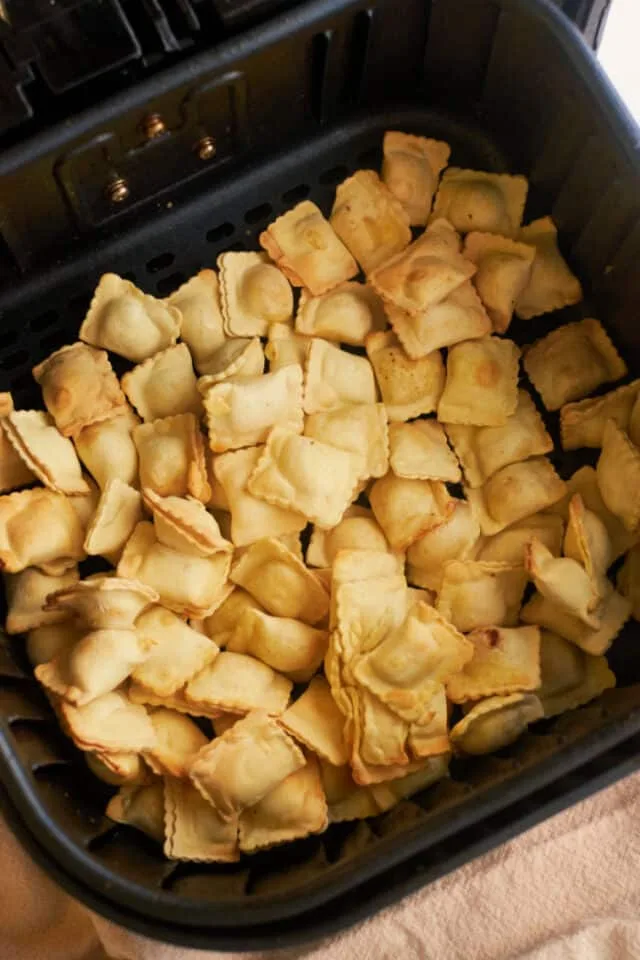
- Preheat your air fryer to 375°F (190°C) for about 3 minutes. This gives you a consistent starting temperature.
- Place the frozen ravioli in the basket in a single layer. They should not be touching or overlapping. If they are crowded, cook in batches.
- Lightly spray the ravioli with cooking spray. Avocado oil or olive oil spray works well. This thin coating is all you need to encourage browning and prevent sticking. You don't need to drown them.
Timing is Everything: Your Cook Time Decision Guide
Use this chart as your starting point, but always trust your eyes and nose near the end of the cooking time.
| Ravioli Type | Temperature | Time (Shake Halfway) | Doneness Clues |
|---|---|---|---|
| Small Cheese Ravioli | 370°F (190°C) | 6-8 minutes | Golden brown, edges may be slightly darkened. |
| Large Meat Ravioli | 380°F-390°F (195°C-200°C) | 8-12 minutes | Deep golden brown, firm to the touch. |
After placing the ravioli in the preheated air fryer, set your timer for the lower end of the range. When the timer goes off, shake the basket or use tongs to flip the ravioli for even cooking. Continue cooking until they reach your desired level of crispness.
The ravioli will feel firm and look evenly browned when done.
Common Pitfalls and How to Avoid Them
Even with a good guide, things can go wrong. Here’s how to troubleshoot the most common issues.
The Saddest Snack: Overcrowded & Steamed Ravioli
When you pack too many ravioli into the basket, they steam each other instead of frying. The air can't circulate, and you end up with a soggy, limp mess.
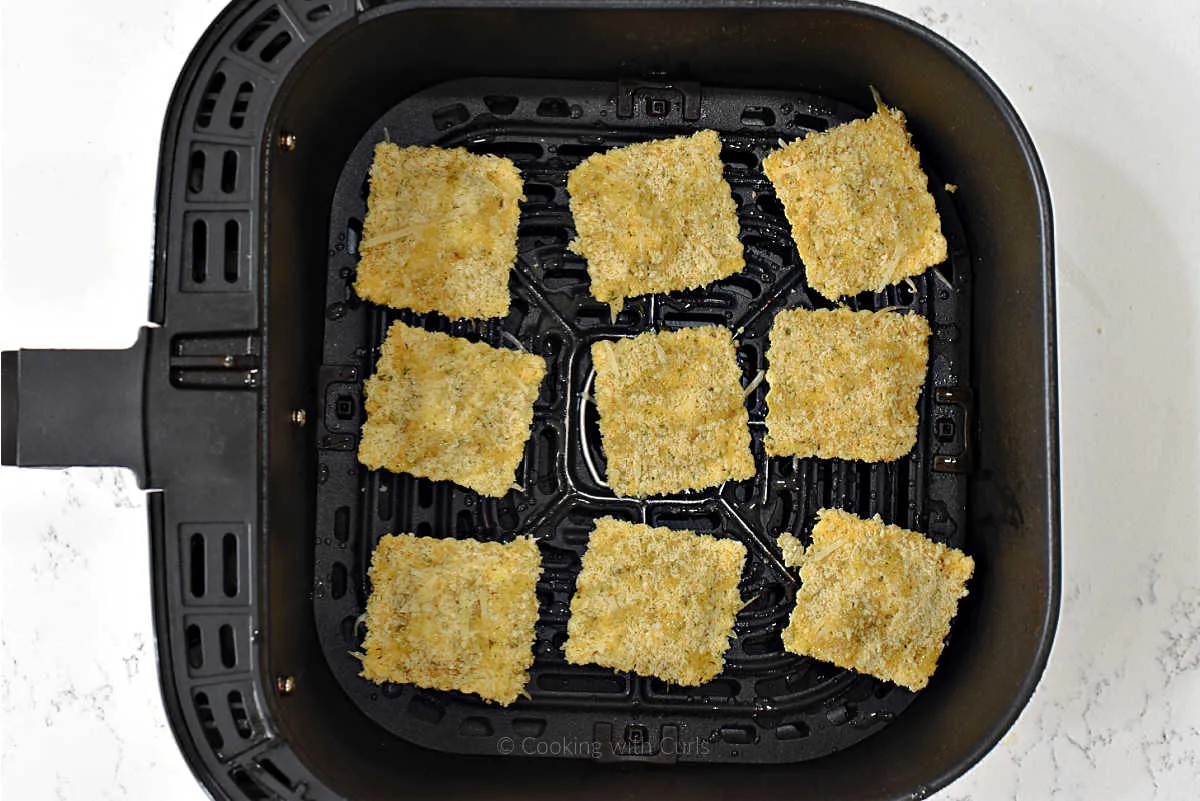
The Fix: Patience. Cook in batches. It’s better to have two perfect batches than one disappointing one.
The total time is still less than using an oven.
The Tough Ravioli: Too Hot, Too Long
If your ravioli come out tough, leathery, or burnt on the edges, the heat was too high or they cooked for too long. This is especially common with delicate cheese ravioli.
The Fix: Lower the temperature by 15-25 degrees and reduce the cooking time. Start checking for doneness a minute or two earlier next time.
The Sticky Situation: Skipping the Oil
While air fryers require very little oil, using none at all can cause problems. The ravioli might stick to the basket, tearing when you try to remove them. They also won’t brown as effectively.
The Fix: A one-second spray of oil is all it takes. It’s not about adding fat, it’s about creating a non-stick surface and aiding the Maillard reaction (browning).
Pro Tips for Next-Level Crispy Ravioli
Want to elevate your air fryer ravioli from great to exceptional? Try these expert moves.
- For Extra Crunch: A light dusting of grated Parmesan cheese or a sprinkle of panko breadcrumbs over the oiled ravioli before cooking adds an incredible extra layer of texture.
- Prevent Sticking: If you're worried about sticking even with oil, place a piece of parchment paper designed for air fryers on the bottom of the basket. Just make sure it has holes for air flow.
- Season After Cooking: Sprinkle with a little flaky sea salt or your favorite dried herbs (like Italian seasoning) the moment they come out of the air fryer. The heat will help the seasoning adhere.
- Serve Immediately: Air-fried foods are at their best when eaten right away. They can lose their crispness if left to sit, much like a perfectly cooked crispy chicken sandwich.
What to Serve With Your Air Fried Ravioli
These crispy bites are incredibly versatile. They can be a fun appetizer, a quick lunch, or a light dinner.
- Dipping Sauces: Marinara sauce is the classic choice. But don't stop there. Alfredo sauce, pesto, or a creamy ranch dressing are all fantastic options.
- As a Main Course: Serve a larger portion over a bed of fresh greens with a light vinaigrette for a satisfying salad, similar to a rotisserie chicken salad.
- As a Side: They make a great, kid-friendly side dish alongside something simple like grilled chicken or a creamy chicken macaroni salad.
Your Final Decision: The Best Way to Cook Frozen Ravioli
For the home cook seeking a quick, healthy, and delicious result, the air fryer is unequivocally the best method for cooking frozen ravioli. It outperforms the oven on speed and texture and avoids the mess and guilt of deep frying. The key takeaway is to abandon the search for a single universal time and temperature.
Instead, become an expert on your own equipment and the specific ravioli you're using. Start with the guidelines for your ravioli type, keep a watchful eye, and you'll be rewarded with a perfectly crispy snack every time.
Frequently Asked Questions
Can you put frozen ravioli in the air fryer without oil?
You can, but we don't recommend it. Without a light coating of oil, the ravioli are more likely to stick to the basket and won't achieve the same level of golden-brown crispiness. The small amount of oil used in air frying is crucial for texture and non-stick performance.
How do you keep ravioli from getting soggy in the air fryer?
Sogginess is caused by overcrowding the basket. Steam gets trapped and can't escape, causing the ravioli to steam instead of air fry. The absolute best way to prevent this is to cook in a single, non-overlapping layer, even if it means doing multiple batches.
Why are my air fryer ravioli tough?
Tough ravioli are a sign of overcooking. The high heat has dried them out. This happens most often with smaller cheese ravioli cooked at too high a temperature for too long.
Next time, try reducing the temperature by 20 degrees and checking for doneness a few minutes earlier.
Can you cook frozen meat ravioli in the air fryer?
Yes, you absolutely can. Because they contain meat, they require a slightly higher temperature and longer cooking time to ensure the filling reaches a safe internal temperature of 165°F (74°C). Always err on the side of a longer cook time for meat-filled varieties.
Do you have to flip ravioli in the air fryer?
It's a very good idea. Shaking the basket or gently flipping the ravioli halfway through the cooking time ensures that all sides are exposed to the hot air evenly. This promotes uniform browning and crispiness and prevents one side from burning.
What's the best temperature for frozen ravioli in the air fryer?
The best temperature depends on the filling. A good starting point is 375°F. For delicate cheese ravioli, drop to 370°F.
For dense meat ravioli, increase to 385°F or 390°F. Always use a visual check for golden-brown color as your final guide.
Data & Metrics: Setting the Right Numbers
Getting the timing and temperature right is a science of small adjustments. While we've provided a starting range, your specific results will vary. Here are the key metrics to track for perfect air fryer ravioli.
The temperature sweet spot consistently falls between 370°F and 390°F. This range is hot enough to cook the pasta quickly and promote browning, but not so hot that it burns the outside before the inside thaws. The cook time window of 6 to 12 minutes is entirely dependent on the factors we've already discussed.
For meat-filled ravioli, the most critical data point is internal temperature. A digital instant-read thermometer is your best friend here. Insert it into the center of a large ravioli to ensure it has reached the food-safe temperature of 165°F (74°C).
This removes all guesswork and guarantees safety.
Safety & Best Practices for Air Frying
Air fryers are generally very safe, but a few simple precautions will make your cooking experience even better. The primary risks are burns from the hot basket and steam, and undercooking meat fillings.
Always use tongs or a heat-resistant spatula to remove the ravioli from the basket. The basket and the ravioli themselves will be extremely hot. Be cautious of the burst of steam that can escape when you open the air fryer drawer.
As mentioned, the main food safety rule is to ensure meat-filled ravioli reach an internal temperature of 165°F. Never serve them if they are still cold or cool in the center. Always refer to your air fryer's manufacturer manual for specific operating instructions and safety warnings.
Keep the appliance clean from grease and food debris to prevent smoke.
Maintenance & Long-Term Optimization
Taking good care of your air fryer ensures it performs well every time you cook. A well-maintained machine heats more evenly and lasts longer. The key is quick cleanup after each use.
Once the air fryer basket and tray have cooled, wash them with warm, soapy water. Most are dishwasher safe, but handwashing preserves non-stick coatings longer. For stubborn, baked-on cheese or oil, let the parts soak for 10-15 minutes to loosen the residue.
Wipe down the interior of the air fryer with a damp cloth to remove any oil mist or food particles. Avoid using abrasive scrubbers that can damage the heating element or interior coating. A quick wipe after each use prevents stubborn buildup.
This routine upkeep is similar to maintaining other kitchen tools for consistent results, like keeping a reliable coffee maker clean.
Real Scenarios: Putting It All Together
Let's see how this knowledge applies in two common situations. These examples tie the variables together into a practical plan.
Scenario 1: Quick Appetizer for Guests. You have a bag of small cheese ravioli. Your air fryer is a standard 1500-watt model. You preheat to 370°F.
You arrange one layer in the basket, spray with oil, and cook for 6 minutes, shaking once. They come out perfectly golden and crisp, ready for marinara dip.
Scenario 2: Hearty Family Dinner. You're cooking large, beef-filled ravioli in a smaller, 1000-watt air fryer. You preheat to 385°F. You cook a single layer for 10 minutes, flipping halfway.
You check the internal temperature with a thermometer to confirm 165°F. They are deeply browned and hot all the way through.
Expert Tips for Perfect Results
Here are a few final, advanced tricks to master your technique. These small adjustments make a noticeable difference.
Let the ravioli rest for a minute after cooking. This allows the pasta to set slightly, making them less likely to burst when you bite into them. This is especially helpful for cheese-filled varieties with molten centers.
If you want to add a flavor boost, toss the hot, cooked ravioli in a bowl with a tablespoon of melted butter or olive oil and your favorite seasonings. The fat helps the seasoning stick. For a complete meal, serve them alongside other easy air fryer favorites like air fryer chicken tacos for a fuss-free dinner spread.
Final Recommendation & Decision Guide
So, what's the ultimate call? Your air fryer is the best tool for the job. It delivers a crispy, satisfying result faster and more healthfully than any other common method.
The key is adapting the general rules to your specific situation.
Here’s a simple decision guide:
- If you have cheese ravioli: Use lower heat (370°F) and a shorter time (6-8 min). Watch them closely.
- If you have meat ravioli: Use higher heat (385°F) and a longer time (8-12 min). Check the internal temperature.
- Always: Cook in a single layer with a light oil spray.
This method consistently produces excellent results for a quick snack or a easy dinner component. The technique is versatile enough to work with a wide range of other simple recipes, making your air fryer an even more valuable kitchen tool.