Canned Chicken Salad: Easy 10-Minute Recipe
If you've ever stared at a can of chicken in your pantry and wondered if it could actually taste good, you're not alone. Canned chicken salad is one of those recipes that sounds like a compromise but can genuinely be a win. The secret isn't the can.
It's how you handle it. This Canned chicken salad recipe guide breaks down the binder choices, the add-ins, and the exact technique that turns a humble pantry staple into something you'll actually crave.
The USDA recommends refrigerating any opened canned poultry within two hours, and a standard 12.5-ounce can yields about 2 to 3 hearty servings. That means you're looking at a 10-minute meal that's shelf-stable, protein-dense, and endlessly customizable. Let's get into the real decisions that separate a sad, watery bowl from a genuinely great one.
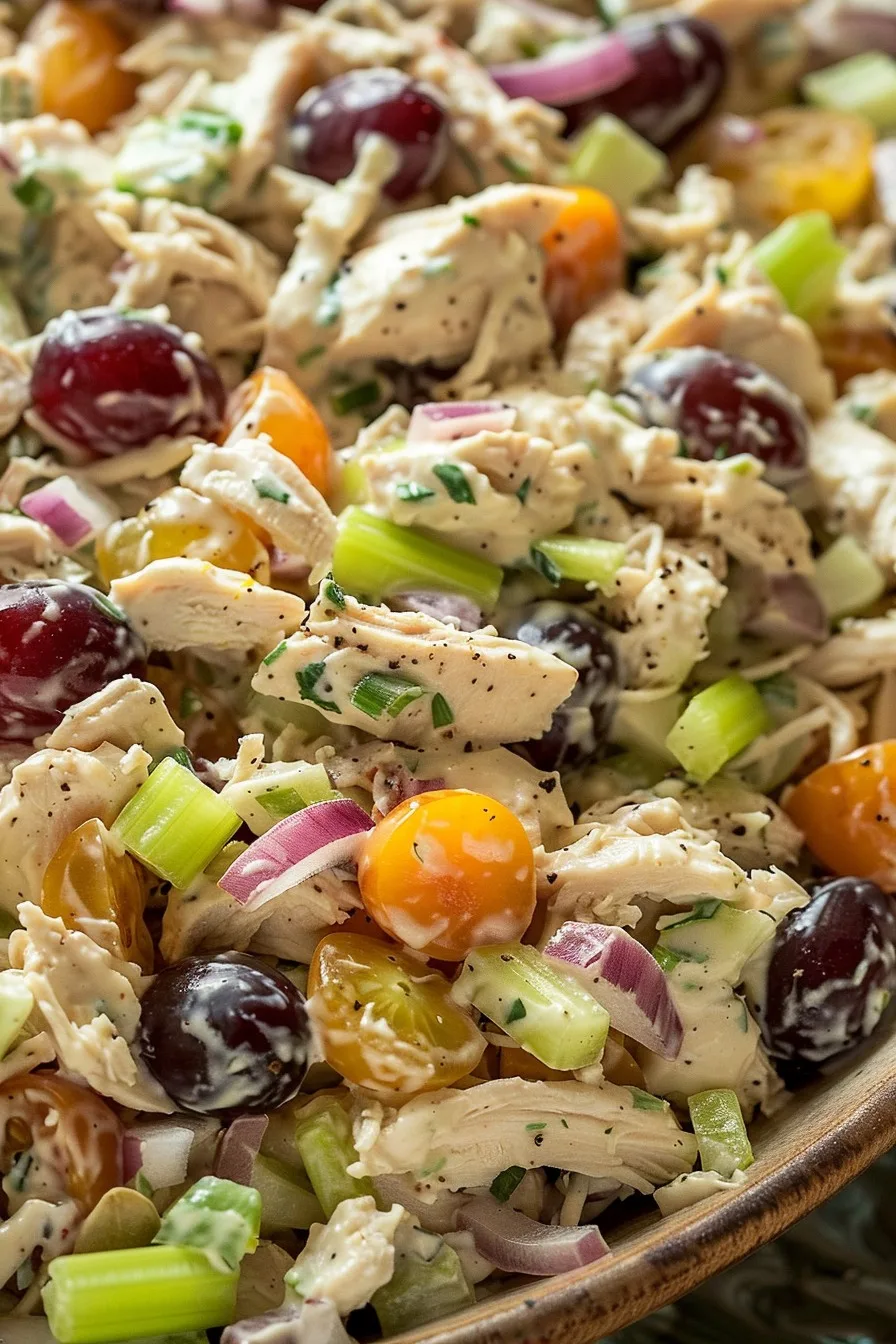
Image source: Bing (Web (fair-use with source credit))
Quick Answer
A great canned chicken salad needs three things: properly drained chicken, a bold binder, and at least one crunchy add-in. Press the chicken dry before mixing. Use mayo, Greek yogurt, or avocado as your base.
Season aggressively. Chill for 30 minutes before serving. That's it.
Why This Comparison Matters
Most canned chicken salad recipes online just tell you to mix chicken with mayo and call it done. That's a missed opportunity. The binder you choose changes everything: calories, texture, flavor, and how long the salad holds up in the fridge.
The add-ins change the personality of the dish entirely. A grape-studded salad tastes completely different from a pickle-and-dill version.
In our research across recipe communities and manufacturer guidelines, the biggest complaint about canned chicken salad isn't the chicken. It's a bland, one-note dressing. People want options that fit their diet and their taste.
Some want a classic deli-style scoop. Others want a high-protein, low-calorie lunch. Comparing the three main binders side by side gives you a framework you can reuse forever.
The good news? You don't need to be a chef to figure this out. You just need to understand what each choice does.
That's what this comparison is for.
The Foundation: How to Handle Canned Chicken Properly
Before you even think about binders, you have to master the chicken itself. Canned chicken comes packed in water or broth, and that liquid is the enemy of a good salad. If you skip proper draining, you'll end up with a watery, flavorless mess.
Here's the right process:
- Open the can and dump the contents into a fine-mesh strainer.
- Let it drain for a minute or two.
- Rinse the chicken under cold water to knock down the sodium and remove any metallic taste.
- Press gently with a paper towel or clean kitchen towel to squeeze out excess moisture.
- Transfer to a bowl and flake with a fork.
That flaking step matters more than you'd think. Big, dense chunks don't mix well with the binder. Flaking creates surface area, which means every bite gets coated evenly.
You want a texture that's shreddy but still has some body.

Image source: Web (Bing) / pinterest.com (Web image (fair-use with source credit))
One thing to note: rinsing does reduce sodium. The USDA's FoodData Central shows that drained canned chicken can contain 250 to 500 mg of sodium per serving depending on the brand. If you're watching salt, rinsing is a smart habit.
If you're not, you can skip it and just drain well.
The Binder Battle: Mayo vs. Greek Yogurt vs. Avocado
This is the decision that shapes the whole salad. Each binder brings a different calorie count, texture, and flavor profile. Let's break them down honestly.
Mayonnaise
Mayo is the classic choice for a reason. It gives you that rich, tangy, deli-style flavor that most people expect from chicken salad. Full-fat mayo also emulsifies beautifully, which means the salad holds together well and doesn't separate in the fridge.
The downside? Calories. A standard tablespoon of mayonnaise has about 90 to 100 calories.
If you're using a third of a cup, that's over 400 calories just for the binder. For some people, that's fine. For others, it's a dealbreaker.
Best for: anyone who wants the classic taste and isn't counting every calorie.
Greek Yogurt
Plain Greek yogurt is the go-to swap for a lighter salad. It brings protein, tang, and creaminess without the fat. A half-cup of plain nonfat Greek yogurt has around 60 to 80 calories, depending on the brand.
That's a massive difference compared to mayo.
Texture is where it gets tricky. Greek yogurt is thinner than mayo, so you need to use less or add a small amount of mayo or olive oil to keep the salad from tasting dry. It also has a sharper tang, which pairs beautifully with dill, lemon, and black pepper.
Best for: high-protein, low-calorie lunches, and anyone following a lighter eating plan.
Avocado
Mashed avocado is the no-cook, whole-food option. It gives you a creamy, rich texture with healthy fats and fiber. A third of a medium avocado is roughly 80 calories, and it brings a mild, fresh flavor that works well with lime, cilantro, and a pinch of chili powder.
The catch? Avocado browns quickly. Your salad needs to be eaten within a day, maybe two, if you want it to look appetizing.
It's also softer than mayo, so the salad tends to be more spreadable than scoop-able.
Best for: a fresh, whole-food twist when you're eating it immediately.
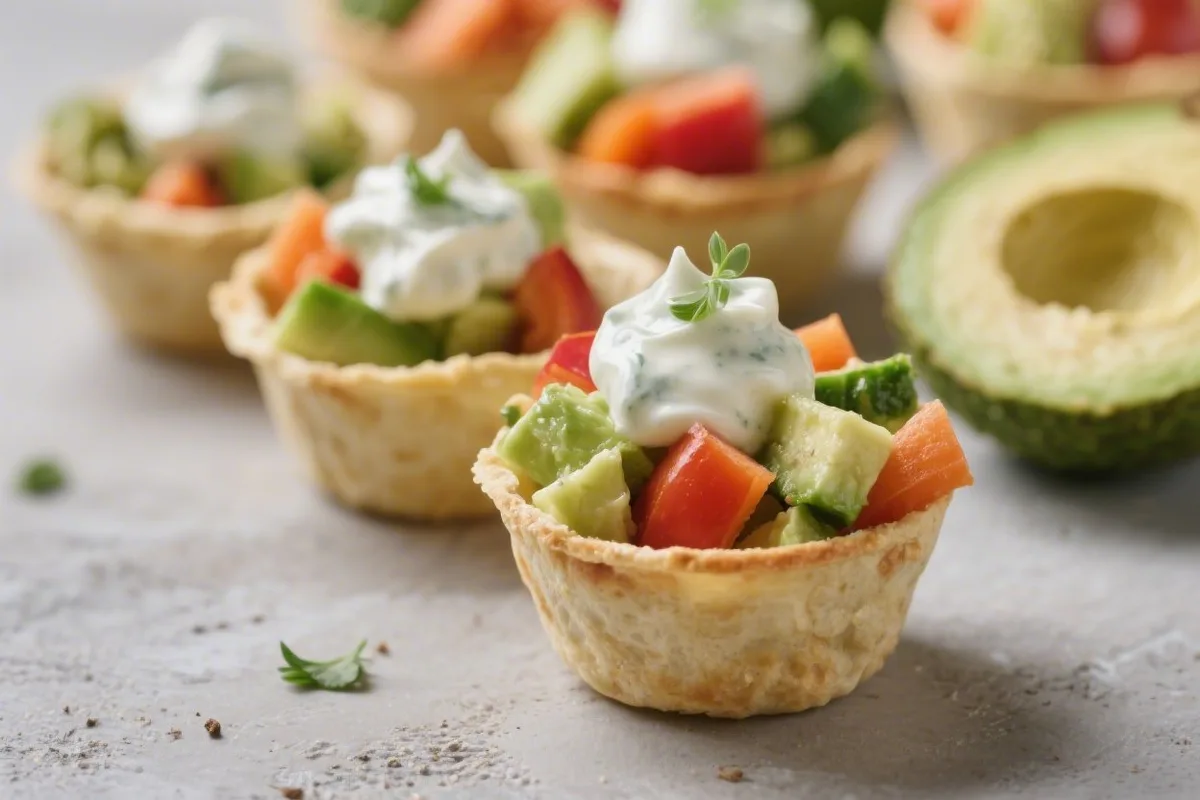
Image source: Bing (Web (fair-use with source credit))
The Add-In Options: Crunchy, Sweet, Briny, and Savory
Once your binder is set, the add-ins are where the salad gets its personality. You don't need all of them. You need balance.
Pick one crunchy, one sweet or briny, and one fresh herb or aromatic.
Here's a quick breakdown of what each category does:
- Crunchy: celery, red onion, apple, jicama, water chestnuts. These add texture and freshness.
- Sweet: grapes, dried cranberries, raisins, diced apple. These balance the savory richness.
- Briny: pickles, relish, capers, olives. These cut through fat and add acidity.
- Savory aromatics: red onion, shallot, garlic powder, chives, dill, parsley.
The classic combination is celery and grapes. It gives you the crunch and the pop of sweetness that makes chicken salad feel special. If you're going the Greek yogurt route, dill and lemon zest are your best friends.
For avocado, think lime, cilantro, and a little jalapeño.
A good rule of thumb: keep the total add-ins to about half a cup per can of chicken. Any more and the chicken gets lost. You want the canned chicken to remain the star, not a supporting player.
Now that you've got the binder and the add-ins sorted, it's time to see how the three core recipes stack up against each other. That's exactly what the next section covers, and it's where the comparison really comes together.
The Classic vs. The Healthier vs. The Hearty: Three Core Recipes
These three recipes cover the full spectrum. Each one uses the same canned chicken base, but the binder and add-ins change everything.
The Classic Deli-Style
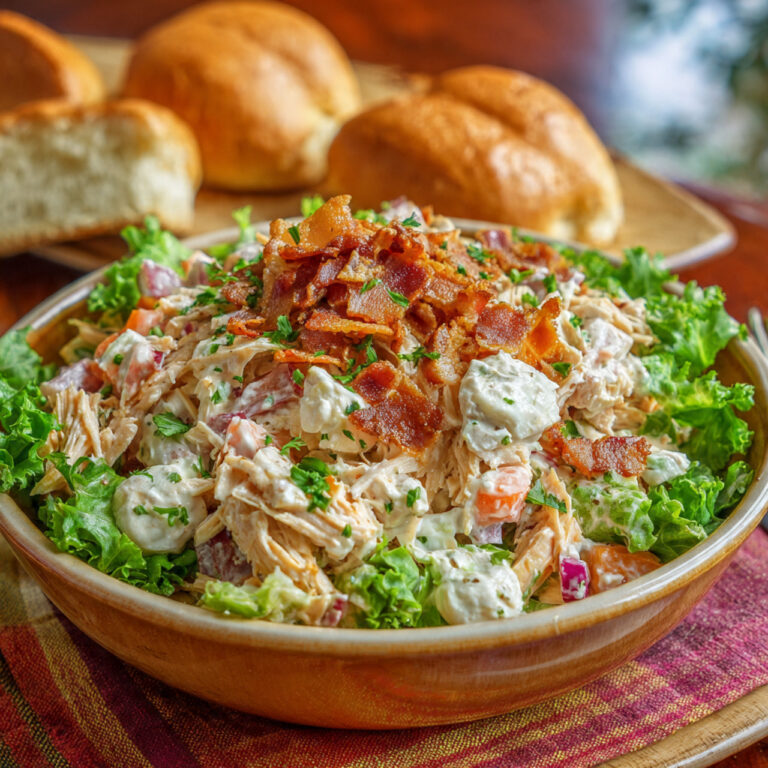
This is the one most people picture when they hear "chicken salad." It's rich, tangy, and satisfying.
- 1 can (12.5 oz) chunk chicken breast, drained and flaked
- 1/3 cup mayonnaise
- 1/2 cup diced celery
- 1/2 cup halved red grapes
- 1 tablespoon sweet relish
- 1/2 teaspoon garlic powder
- 1/4 teaspoon black pepper
- Pinch of salt
Mix everything in a bowl. Taste and adjust. Chill for 30 minutes.
The grapes and relish give it that classic sweet-tangy balance, while the celery keeps it crunchy.
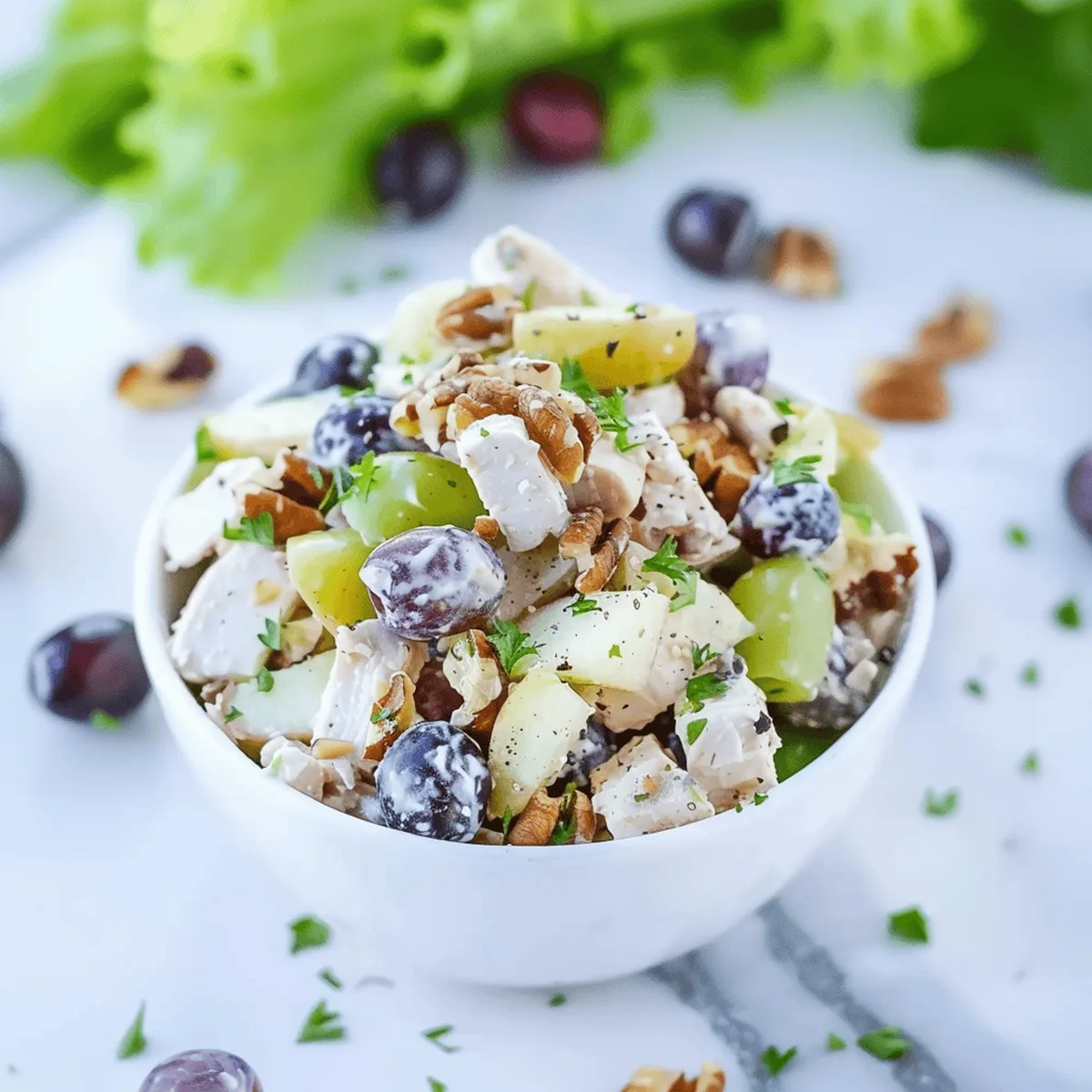
Image source: Web (Bing) / healthychoices.org (Web image (fair-use with source credit))
The Healthier Greek Yogurt Version
This one swaps mayo for Greek yogurt and leans into fresh, bright flavors. It's a lighter salad that still tastes complete.
- 1 can (12.5 oz) chunk chicken breast, drained and flaked
- 1/3 cup plain nonfat Greek yogurt
- 1/4 cup diced celery
- 1/4 cup dried cranberries
- 1 tablespoon chopped fresh dill
- 1 teaspoon lemon zest
- 1/2 teaspoon garlic powder
- Pinch of salt and pepper
The Greek yogurt gives it a tangy bite that pairs perfectly with dill and lemon. If it feels too thick, add a teaspoon of olive oil to loosen it up.
If you want more inspiration for this style, our creamy Greek yogurt chicken salad is worth a look.
The Hearty Avocado Version
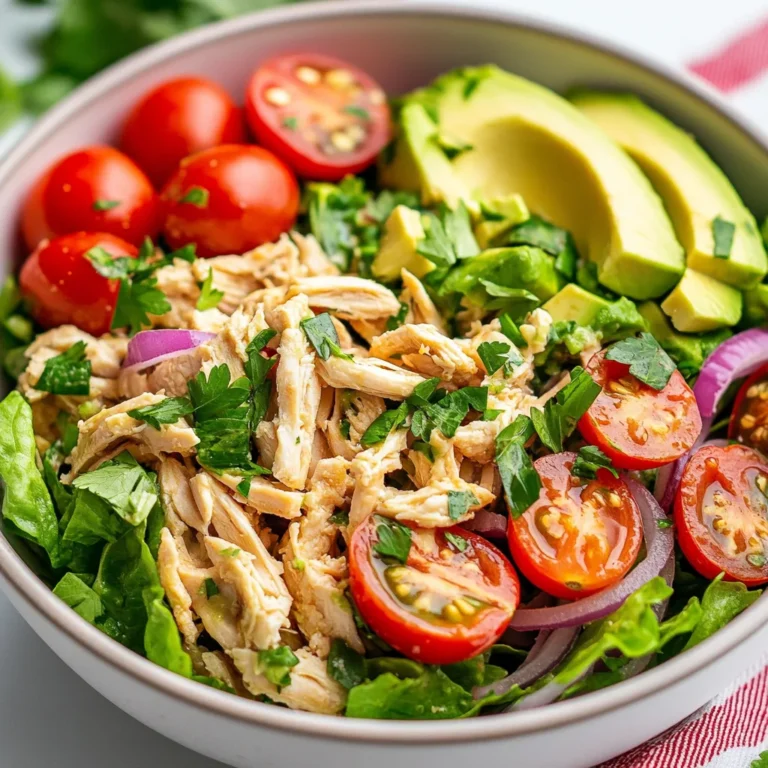
This one skips the dairy entirely and uses mashed avocado for richness. It's fresh, filling, and feels surprisingly indulgent.
- 1 can (12.5 oz) chunk chicken breast, drained and flaked
- 1/2 ripe avocado, mashed
- 1/4 cup diced red onion
- 1 tablespoon lime juice
- 2 tablespoons chopped cilantro
- 1/4 teaspoon chili powder
- Pinch of salt
Eat this one the same day. Avocado doesn't hold up overnight, and that's fine. It's a fresh, satisfying lunch that comes together in five minutes.
Side-by-Side Comparison: Binders, Calories, and Texture
Here's the quick breakdown so you can compare at a glance.
| Binder | Calories per serving | Texture | Fridge life | Best for |
|---|---|---|---|---|
| Mayonnaise | ~350-450 | Rich, creamy, cohesive | 3-4 days | Classic deli taste |
| Greek yogurt | ~200-250 | Lighter, tangy, slightly loose | 2-3 days | High-protein, low-calorie |
| Avocado | ~250-300 | Soft, spreadable, fresh | 1 day | Same-day fresh meals |
These numbers are estimates based on a third of a cup of binder and a standard can of chicken. Your actual totals will vary by brand and portion size.
Best Chicken Salad for Every Situation
Different days call for different salads. Here's how to pick.
- Meal prep for the week: Go with mayo. It holds up best in the fridge and doesn't get watery.
- Quick lunch before a workout: Greek yogurt. More protein, less fat, and it digests easily.
- Picnic or potluck: Classic deli-style with grapes. It's crowd-pleasing and travels well.
- Same-day fresh lunch: Avocado. It's best eaten right away.
- Low-carb or keto: Mayo or avocado. Both are low-carb and high in healthy fats.
If you're planning a bigger spread, our southern chicken salad gives you another classic angle to work with.
Mistakes That Ruin Canned Chicken Salad
Canned chicken salad is forgiving, but a few common mistakes can still ruin it. Avoid these.
Not Draining Enough
This is the number one mistake. Wet chicken turns into watery salad. Drain, rinse, and press dry.
Your binder will thank you.
Overmixing
Stirring too much turns the salad into a mushy paste. You want chunks of chicken, not a spread. Fold gently until everything is just combined.
Forgetting Acid
A splash of lemon juice, lime juice, or vinegar brightens the whole salad. Without it, everything tastes flat.
Skimping on Seasoning
Canned chicken is mild. You need salt, pepper, and a seasoning boost like garlic powder or paprika. Taste and adjust before you serve.
Adding Too Many Add-ins
Keep it balanced. Half a cup of add-ins per can is plenty. More than that, and you're eating a vegetable salad with a little chicken in it.
How to Build Your Own Custom Formula
Once you understand the basics, you can create your own version every time. Here's the formula.
Use one binder from column A, one crunchy from column B, one sweet or briny from column C, and one fresh element from column D.
- A, binder: mayo, Greek yogurt, avocado
- B, crunchy: celery, red onion, apple, water chestnuts
- C, sweet or briny: grapes, dried cranberries, relish, pickles, capers
- D, fresh: dill, parsley, chives, cilantro, lemon zest
Mix and match. Try curried chicken salad with mayo, apple, raisins, and curry powder. Or a Mediterranean version with yogurt, cucumber, olives, and oregano.
The possibilities are endless.
If you're looking for a different base entirely, our rotisserie chicken salad uses freshly cooked chicken if you have the time.
Expert Tips for Better Flavor and Texture
A few small tricks take your canned chicken salad from good to great.
- Toast your nuts. If you're adding walnuts or pecans, toast them first. It brings out their flavor.
- Chill before serving. Thirty minutes in the fridge lets the flavors meld. It's worth the wait.
- Add a pinch of sugar. A tiny amount balances the salt and vinegar. Don't skip it.
- Use a fork, not a spoon. Flaking with a fork keeps the texture light and airy.
- Taste twice. Once before chilling, once after. Cold dulls flavor, so you may need more salt.
For a different way to serve it, our roasted chicken sandwich is a great warm alternative.
Frequently Asked Questions
How long does canned chicken salad last in the fridge?
With a mayo or Greek yogurt base, it stays good for 3 to 4 days in an airtight container. Avocado versions should be eaten within a day. Always refrigerate within two hours of making it, per USDA food safety guidelines.
Can I freeze canned chicken salad?
It's not recommended. The binder separates when thawed, leaving a watery, grainy mess. If you must freeze, do it before adding the binder.
Freeze the drained chicken alone, then mix fresh when you're ready.
Should I rinse canned chicken?
Rinsing reduces sodium and removes any metallic taste. It's a good habit if you're watching salt intake. If you're not, a thorough drain is enough.
The USDA's FoodData Central shows sodium levels vary widely by brand, so rinsing gives you more control.
What pairs well with canned chicken salad?
It's great on bread, in lettuce wraps, over a green salad, or with crackers. Croissants are a classic choice. For a lower-carb option, scoop it into celery sticks or bell pepper halves.
Can I use canned chicken thigh instead of breast?
Yes. Canned chicken thigh has a higher fat content, so it's more moist and flavorful. It also tends to be less dry after draining.
Just note that the texture is slightly richer and the calorie count is a bit higher.
The Verdict: Which Version Should You Make?
If you want the classic, crowd-pleasing result, go with mayo, celery, and grapes. It's the reason chicken salad is a deli staple. If you want a lighter, protein-packed lunch, Greek yogurt with dill and lemon is your best bet.
If you want something fresh and immediate, avocado with lime and cilantro is the winner.
The best part about canned chicken salad is that there's no wrong answer. You just need to know what you're in the mood for. Start with the classic.
Then experiment. You'll find your favorite version in no time.
How to Serve Canned Chicken Salad
The serving vehicle changes the whole experience. Classic white bread or a croissant feels indulgent and traditional. Lettuce wraps keep it light and low-carb.
For crunch without carbs, scoop the salad into halved bell peppers or celery ribs. It also works well over a bed of mixed greens for a fork-and-knife lunch. Toast the bread first; it keeps the salad from making everything soggy.
Scaling Up for a Crowd or Meal Prep
One standard can makes two to three servings. For a party, plan on one can per three people if there are other sides. For meal prep, multiply the recipe by four and store in individual containers.
Keep the binder separate until you're ready to eat. This prevents the salad from getting watery over several days. Add fresh herbs right before serving for the brightest flavor.
Canned Chicken Salad Nutrition at a Glance
A typical serving with mayo-based dressing lands around 280 to 350 calories, with roughly 20 grams of protein. Greek yogurt versions drop to 200 to 250 calories and boost protein to 25 grams. Avocado versions sit in between.
Sodium is the main watchpoint. Canned chicken alone can contribute 300 to 500 milligrams per serving. Rinsing the chicken and using low-sodium binders helps keep the total in check.
Dietary Adaptations: Keto, Low-Carb, and Dairy-Free
Keto and low-carb eaters should stick with mayo or avocado binders, and swap grapes for chopped cucumber or celery. Dairy-free is easy with mayo or avocado. Just check your mayo label, since some brands add sugar or dairy derivatives.
For a Whole30-friendly version, use compliant mayo and skip the sweet relish. For paleo, use avocado or olive-oil mayo and add diced apple for sweetness.
Troubleshooting Texture and Flavor Issues
If your salad is dry, add a splash of olive oil or lemon juice before adding more binder. If it's watery, press the chicken more firmly next time and consider draining the add-ins.
Taste after chilling, not before. Cold dulls flavor, so you'll likely need an extra pinch of salt or a squeeze of lemon right before serving.
Mistakes That Ruin Canned Chicken Salad
Skipping the drain step is the biggest failure point. Wet chicken makes a watery salad no binder can fix.
Overmixing turns everything into paste. Fold gently and stop when combined.
How to Build Your Own Custom Formula
Pick one binder, one crunch, one sweet or briny element, and one fresh herb. That's the whole formula.
Try curry powder with apple and raisins. Or go Mediterranean with olives and oregano. Keep add-ins to half a cup per can.
Expert Tips for Better Flavor and Texture
Toast your nuts before adding them. Chill the salad for 30 minutes before serving.
Taste after chilling, not before. Cold dulls flavor, so add a final pinch of salt or lemon juice.
Frequently Asked Questions
Can I freeze canned chicken salad?
No. The binder separates when thawed. Freeze the drained chicken alone, then mix fresh.
What's the best bread for chicken salad?
A toasted croissant or sturdy sourdough holds up best. Soft sandwich bread gets soggy fast.
The Verdict: Which Version Should You Make?
Start with the classic deli-style version. It's the safest crowd-pleaser.
Then experiment. Greek yogurt for lighter lunches, avocado for same-day freshness. You'll find your favorite in no time.