How to Decode Nonstick Coating Care Instructions Easily
how to understand nonstick coating care instructions is the first step to making your new nonstick pan last for years instead of months. Most people toss the little care card that comes in the box without reading it, then scratch the coating or overheat the pan before they realize what they did wrong. Standard PTFE nonstick coatings start to degrade at temperatures above 500°F, a threshold most home stovetops hit accidentally when preheating an empty pan.
If you’ve ever wondered why your pan stopped releasing food after a few months, we’re breaking down exactly how to decode those care labels and avoid common mistakes that ruin coatings fast.
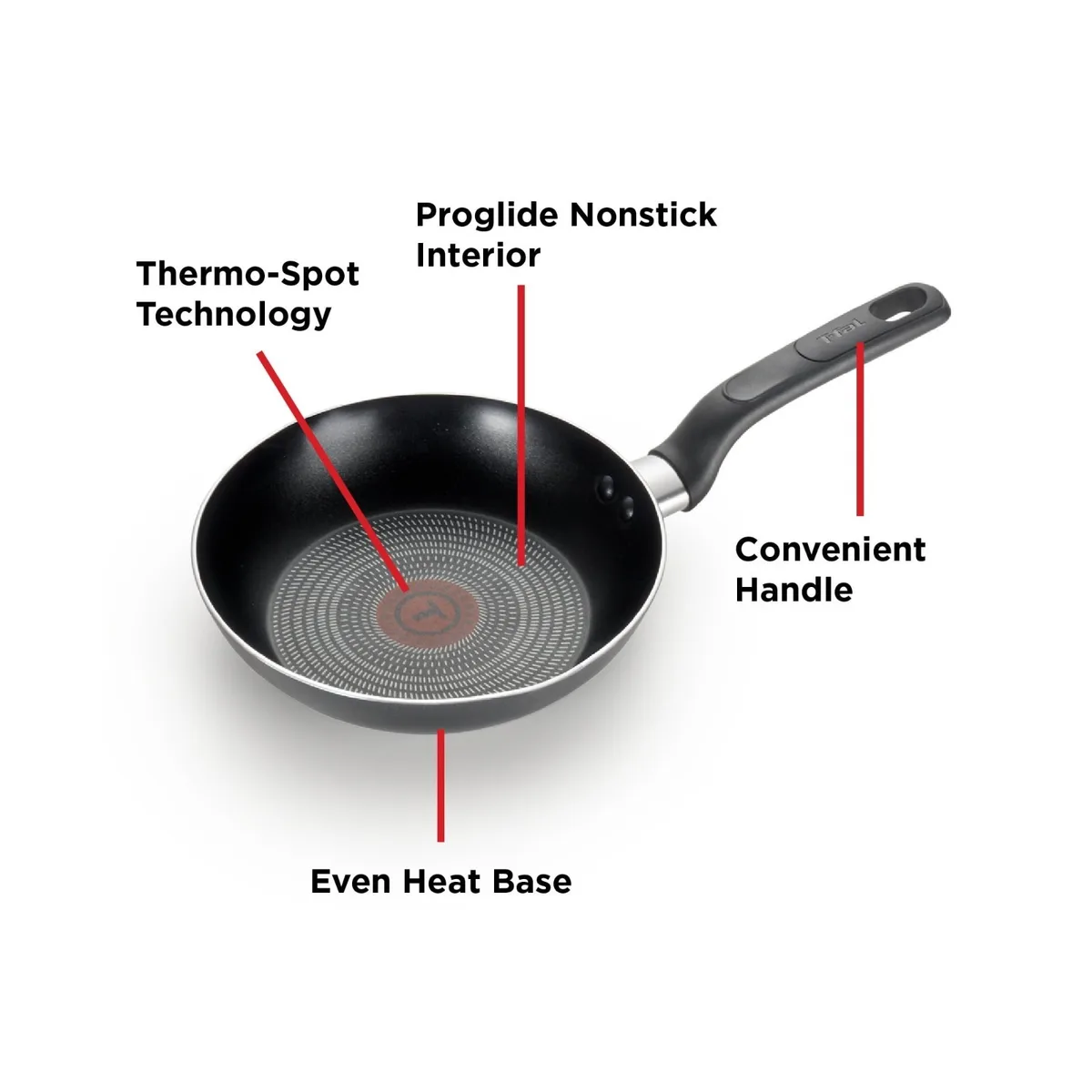
Image source: Bing (Web (fair-use with source credit))
Quick Answer
To understand nonstick coating care instructions, start by identifying your pan’s coating type. Check the manufacturer’s label for heat limits, utensil rules, and washing guidelines. Follow the brand’s specific rules, not generic online tips.
Ignoring these steps will wear out your coating in months, not years.
Why Generic Nonstick Care Tips Don’t Work for Your Specific Pan
You’ve probably seen a hundred generic nonstick care lists online: never use metal utensils, always hand wash, never heat above medium. These rules aren’t wrong for all pans, but they’re not one-size-fits-all. A ceramic nonstick pan can safely handle temperatures up to 800°F, while a standard PTFE coating starts to break down above 500°F.
Dishwasher-safe nonstick lines have sealed coatings that resist high water temperatures and harsh detergents, but hand-wash only pans will degrade quickly in a standard cycle. Manufacturer specifications for your specific pan override every generic tip you’ve read. As of 2026, most major cookware brands include detailed care symbols on the pan’s bottom or handle, but few people take the time to decode them.
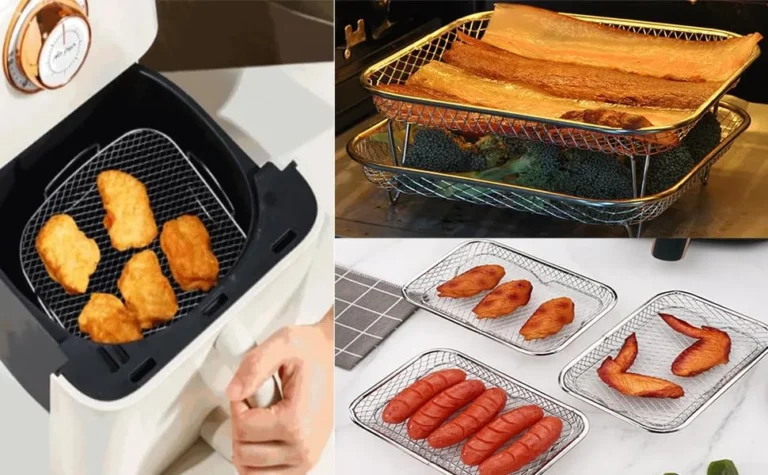
Generic advice also fails to account for reinforced coatings, like diamond-infused PTFE, which have higher scratch resistance and can tolerate metal utensils in some cases. Following a universal "no metal ever" rule might mean you’re missing out on safe, efficient cooking with your specific pan, especially if you use nonstick air fryer accessories like nonstick grill plates that are rated for metal utensil use. The only way to get the most life out of your nonstick coating is to start with the exact care guidelines your manufacturer provided, then build your routine around those specs, not random internet lists.
First: Identify Your Pan’s Coating Type and Manufacturer Care Specs
The very first step to understanding your nonstick care instructions is figuring out exactly what kind of coating you have, and where to find the manufacturer’s official guidelines. Most nonstick pans fall into three main categories: standard PTFE, ceramic, and reinforced diamond or titanium-infused coatings. Each has different heat tolerances, scratch resistance, and cleaning requirements.
You can usually find the coating type printed on the pan’s bottom label, or in the product manual that came with it. If you lost the manual, most brand websites have free PDF downloads of care guides for older models.
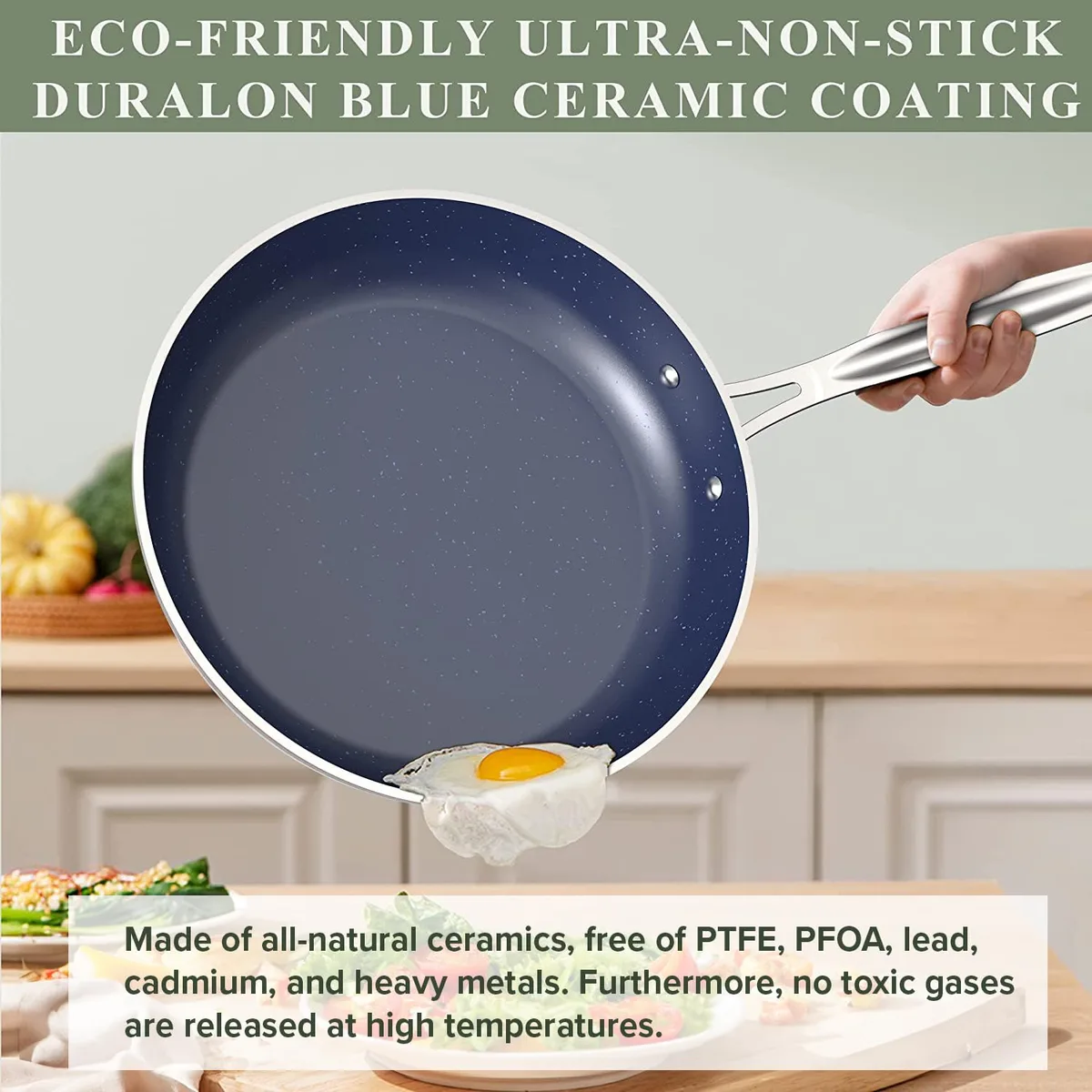
Image source: Bing (Web (fair-use with source credit))
Next, locate the care symbols printed on your pan’s handle or underside. These standardized icons tell you at a glance if the pan is dishwasher safe, oven safe, and what maximum heat setting to use. For example, a symbol of a pan with a hand under it means hand wash only, while an oven icon with a temperature number (like 400°F) tells you the highest oven temperature the coating can withstand.
Don’t rely on guesswork here: if you can’t find the symbols, search for your pan’s model number online to pull up the official care sheet. Aggregate user reviews often note if a brand’s care symbols are vague or misleading, so check those if you’re unsure. For nonstick air fryer baskets and accessories, the care instructions are usually printed on the packaging or the accessory itself, since they’re often sold separately from the main air fryer unit.
Decision Tree for Reading and Applying Your Nonstick Care Instructions
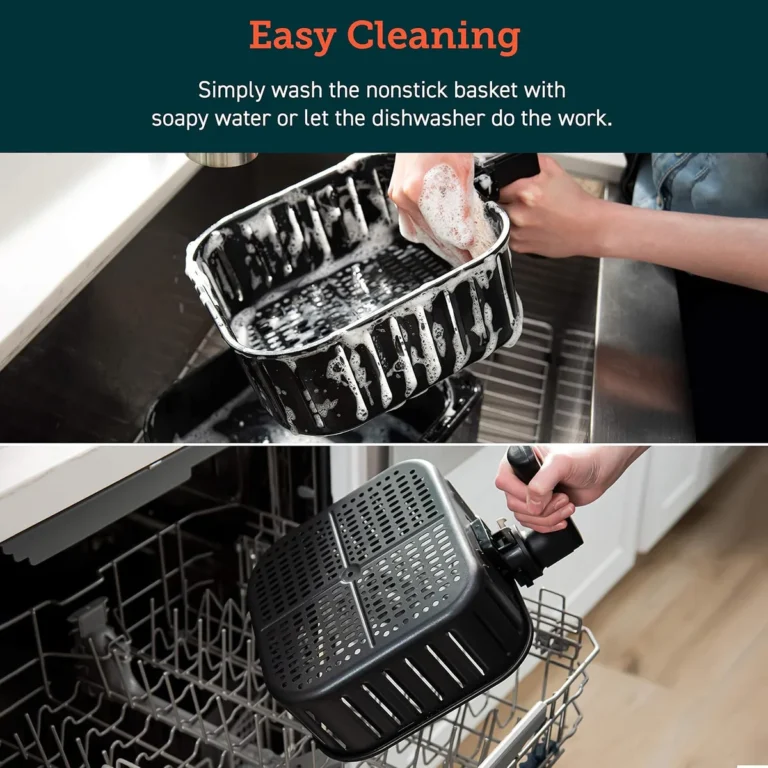
Once you know your coating type and have the manufacturer’s care specs, use this simple decision tree to apply the rules correctly to your daily use. Start with the first question: Is your pan’s care label explicitly stating it is dishwasher safe? If yes, you can use a standard home dishwasher cycle, but avoid harsh detergent pods if your pan is older or has a delicate coating.
If no, hand wash it with a soft sponge and mild dish soap, never steel wool or scouring pads.
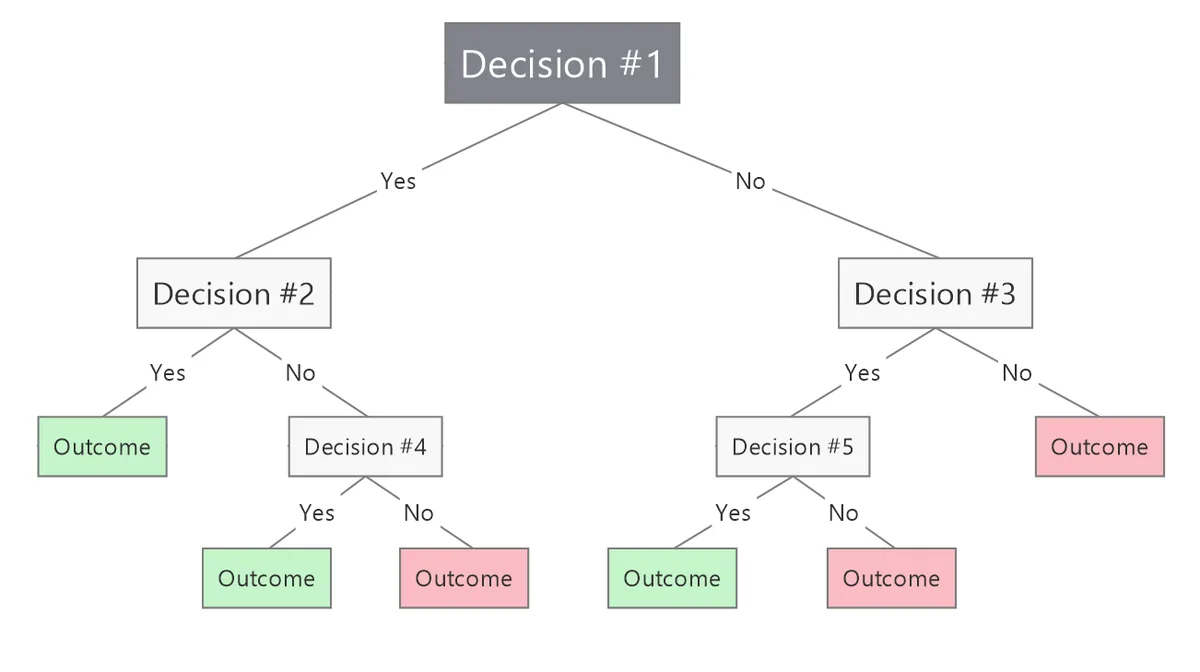
Image source: Bing (Web (fair-use with source credit))
Next question: What is your pan’s maximum rated heat tolerance? If it’s 500°F or lower (standard PTFE), never preheat it empty, and keep stovetop heat at medium or below. If it’s 800°F or higher (ceramic or reinforced), you can use higher heat for searing, but avoid sustained temperatures above the rated limit.
Final question: Does your care guide allow metal utensils? If yes, use only silicone, wood, or plastic utensils to avoid scratching the coating over time. If you notice food sticking more often after a few months of use, that’s a sign the coating is wearing down, and you should adjust your routine immediately.
For air fryer nonstick liners or parchment paper, check if they’re rated for your air fryer’s maximum temperature before using them, as some low-quality liners can melt or stick to nonstick coatings.
Mistakes That Void Warranties or Destroy Nonstick Coating in Months
Even if you think you’re taking good care of your nonstick pan, these small mistakes can cut its lifespan from 5 years to 6 months, or even void your manufacturer warranty. The most common error is overheating an empty pan: standard PTFE coatings start to break down at 500°F, a temperature most home stovetops reach in 2 to 3 minutes of preheating. This releases fumes that are unsafe to inhale, and degrades the coating so it flakes off into your food.
Another frequent mistake is using abrasive cleaning tools: steel wool, scouring pads, and even harsh scrub brushes will scratch the coating, creating rough spots where food sticks and bacteria can grow. Many people also stack unlined nonstick pans directly on top of each other in the cabinet. The friction from stacking scratches the coating on both pans, leading to premature wear.
Cooking spray is another hidden culprit: the propellants in aerosol cooking sprays build up a sticky residue on nonstick surfaces that’s impossible to remove with regular washing, and it makes food stick more over time. Finally, ignoring the manufacturer’s dishwasher warning is a fast way to ruin a hand-wash only pan: standard home dishwasher cycles reach 140°F to 160°F, and harsh detergents will peel the coating off in as few as 5 washes. If you’re using nonstick air fryer grill plates or cake pans, these same rules apply: never put them in the dishwasher unless the label explicitly says they’re dishwasher safe.
Adjust Your Care Routine When Your Pan Shows Early Wear Signals
Nonstick coatings don’t fail overnight. You’ll see early warning signs months before the pan becomes unusable, and adjusting your care routine at the first sign of wear can extend its life by a year or more. The first red flag is persistent food sticking, even when you use oil and follow the correct heat settings.
This means the coating is starting to break down, and abrasive scrubbing will make it worse. Switch to a soft sponge and mild soap only, and avoid cooking acidic foods like tomatoes or citrus in the pan, as these accelerate coating wear.
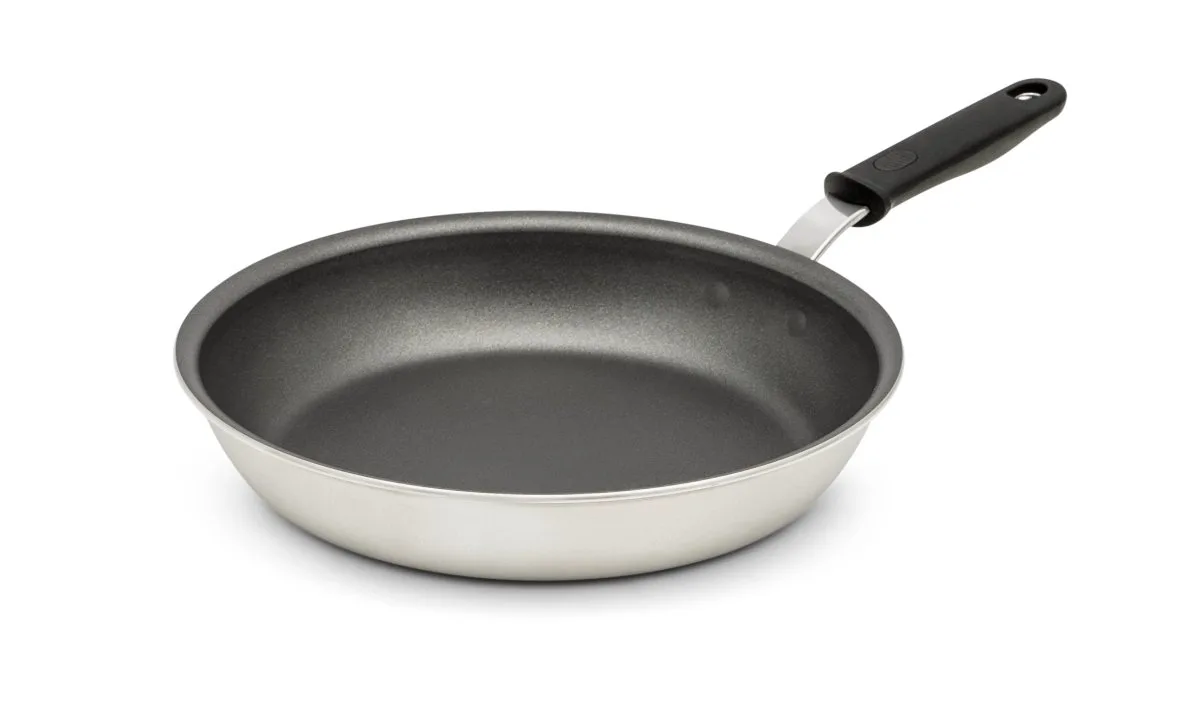
Image source: Web (Bing) / vollrathfoodservice.com (Web image (fair-use with source credit))
Another sign is visible peeling, flaking, or discoloration of the coating. If you see small pieces of coating coming off into your food, stop using the pan immediately. Ingesting small amounts of PTFE coating is not considered toxic by the US FDA, but it’s a sign the coating is degraded beyond repair.
For ceramic nonstick pans, discoloration or a dull, rough surface means the ceramic layer is wearing through, and you should stop using it for high-heat cooking. If your pan is still under warranty, contact the manufacturer before you stop using it: some brands will replace pans with premature coating wear if you can prove you followed the care instructions. For air fryer accessories that show similar wear, stop using them as soon as you see flaking, as small coating pieces can end up in your food.
Maintenance / Long-Term Optimization to Extend Your Nonstick Coating Life
Small consistent habits add years to your nonstick pan’s lifespan. Always let the pan cool completely before washing it. Sudden temperature shocks, like rinsing a hot pan with cold water, warp the aluminum base and stress the coating, causing cracks or peeling over time.
For hand-wash only pans, use a soft sponge and mild dish soap. Skip abrasive scrubbers even for stuck-on food. Soak the pan in warm soapy water for 5 to 10 minutes instead.
This loosens debris without scratching.
Store nonstick pans with felt protectors between them if you stack. Direct pan-on-pan contact scratches both surfaces, leading to premature wear. Some ceramic nonstick pans benefit from light re-seasoning every 3 to 6 months.
Rub a thin layer of high-smoke-point oil over the surface, heat on low for 2 to 3 minutes, then wipe off excess. Check your care guide first, as not all ceramic coatings require this step. Avoid storing pans in extreme temperatures, as fluctuations degrade the coating faster.
Keep records of your care routine if your pan is under warranty, as some brands require proof of proper maintenance to honor claims for premature wear. Nonstick air fryer baskets and trays follow the same rules: cool fully before cleaning, avoid abrasives, and store with separators.
FAQs: Edge Case Nonstick Care Instruction Questions
Can I use metal utensils on diamond-reinforced nonstick pans?
Only if your manufacturer’s guide explicitly allows it. Diamond-reinforced coatings have higher scratch resistance than standard PTFE, but metal utensils still cause faster wear than silicone or wood. Aggregate user reviews confirm that even allowed metal use shortens coating lifespan compared to soft utensils.
When in doubt, stick to non-metal tools.
Is it ever safe to heat a nonstick pan above medium?
Yes, if your pan has a high-heat rated coating like ceramic or reinforced PTFE. Standard PTFE degrades above 500°F, a temperature most stovetops hit in 2 to 3 minutes when preheating an empty pan. Ceramic nonstick coatings can safely handle up to 800°F for searing, per official manufacturer specs.
Why does my nonstick pan smell when heated?
A faint plastic or metallic smell means the coating is overheating. Standard PTFE releases fumes at temperatures above 500°F, which can cause temporary flu-like symptoms in humans and are lethal to pet birds. If you notice this smell, turn off the heat immediately and let the pan cool fully before use.
Can I repair a scratched nonstick coating?
No. Nonstick coatings are bonded to the pan during manufacturing, with no safe at-home repair option. Minor scratching won’t make the pan unsafe, but it reduces food release performance.
If the coating is peeling or flaking, stop using the pan immediately and replace it to avoid ingesting coating particles.