Air Fryer Frozen Chicken Is Unsafe After Cooking: Here’s Why
You’ve pulled golden, crispy-looking air fryer frozen chicken from the basket, but air fryer frozen chicken is not safe after cooking if you skipped the two steps most home cooks ignore. It’s not the appliance’s fault, and it’s not a flaw in the frozen chicken itself. It’s almost always a gap in following verified food safety rules tailored to air fryers’ unique heating quirks.
Per USDA FSIS guidelines, all poultry must reach an internal temperature of 165°F (74°C) to kill common pathogens like Salmonella, no exceptions for frozen cuts as of 2026. Most air fryer users miss that frozen chicken has cold spots that even a preheated basket can’t fix without a thermometer check. These cold spots are the top reason seemingly cooked frozen chicken makes people sick.
We’ll break down exactly how to avoid that risk below.

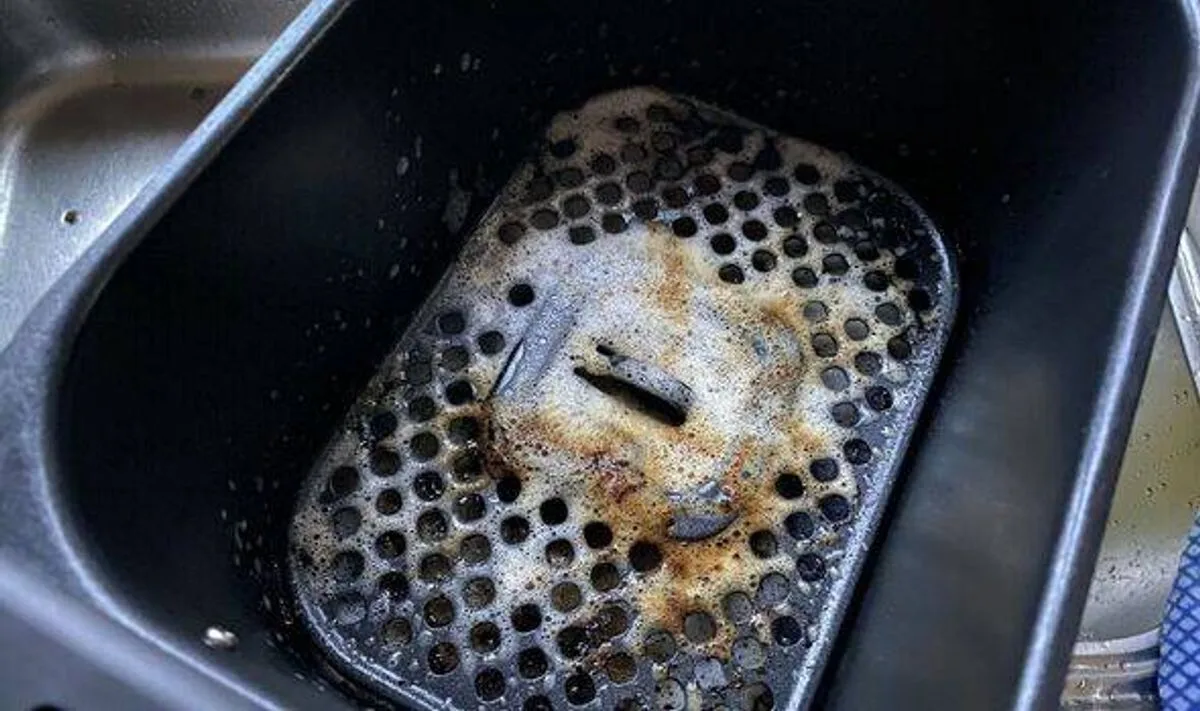
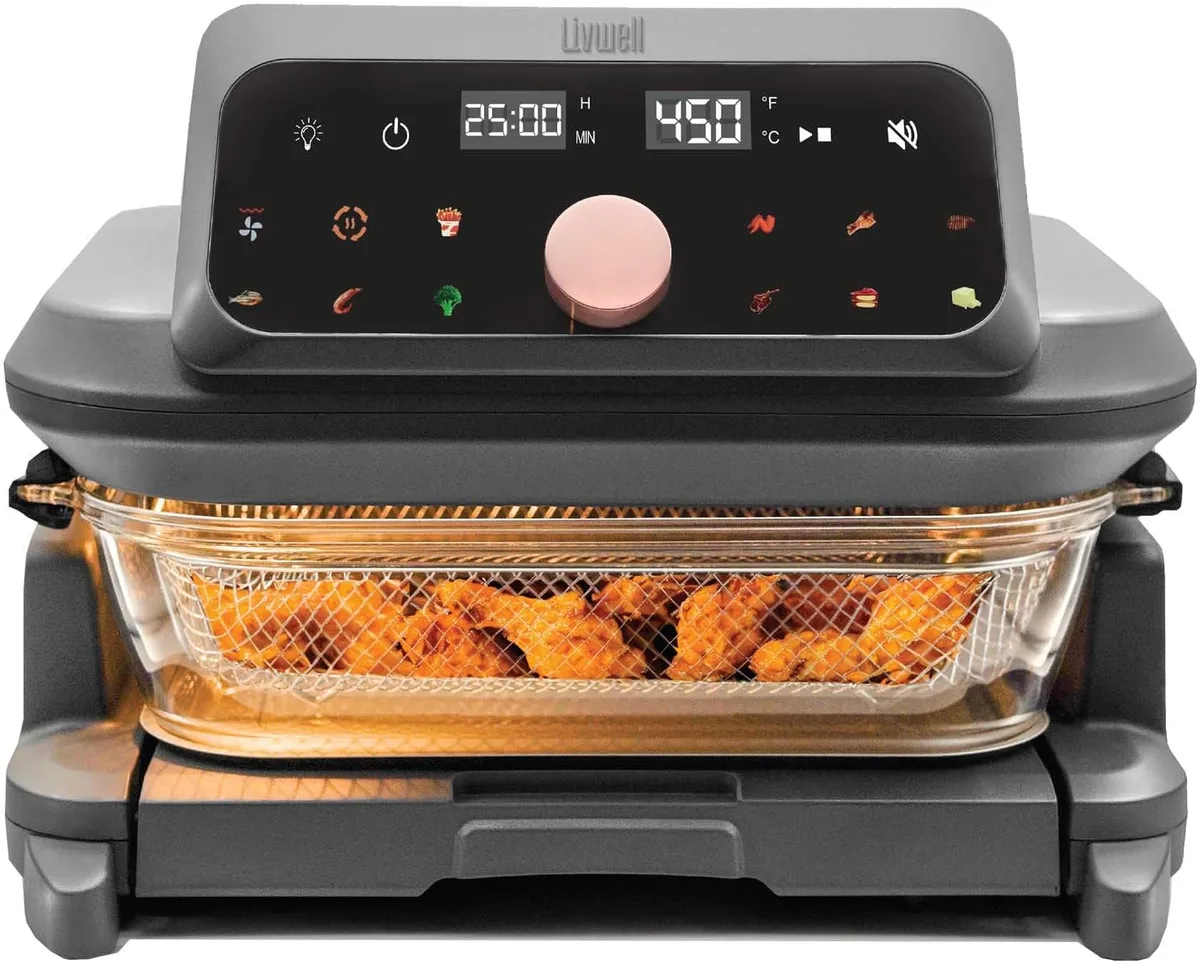
Image source: Bing (Web (fair-use with source credit))
Quick Answer
Air fryer frozen chicken is not safe after cooking if its internal temperature never hits 165°F (74°C). Frozen cuts have ice pockets and uneven thickness that create cold spots. Visual cues like golden color or crispy texture don’t confirm safety.
Always use an instant-read meat thermometer to check the thickest part of the chicken. Undercooked frozen poultry can carry Salmonella and Campylobacter pathogens.
Why Undercooked Air Fryer Frozen Chicken Poses a Real, Preventable Food Safety Risk
Air fryers cook by circulating superheated air at high speed, which is great for crispy texture but creates uneven heat distribution in dense, frozen items like chicken. Frozen chicken cuts have variable thickness, ice glaze, and sometimes bone that conducts heat slower than meat, leaving hidden cold spots even when the exterior looks fully cooked. These cold spots can harbor active pathogens that cause foodborne illness.
The two most common pathogens linked to undercooked poultry are Salmonella enteritidis and Campylobacter jejuni. Per CDC foodborne illness data, these bacteria cause an estimated 1.5 million foodborne illnesses in the U.S. each year, with undercooked chicken being a leading source. Symptoms include severe stomach cramps, diarrhea, vomiting, and fever.
They can last 3 to 7 days in healthy adults. For vulnerable groups like immunocompromised people, elderly adults, and young children, these pathogens can lead to life-threatening complications like dehydration or sepsis.
Aggregate user reviews of air fryer models consistently report uneven cooking as a top complaint for frozen chicken, especially when batches are overcrowded. Manufacturer specifications for most standard air fryers note a 10°F to 30°F temperature variance across the basket. This variance is large enough to leave sections of chicken below the safe 165°F threshold.
Unlike ovens, which have slower, more even radiant heat, air fryers’ high-velocity fans blow hot air around the basket. This creates pockets of cooler air behind thick chicken pieces or near the basket walls. This risk is entirely preventable with proper technique, which is why understanding the root cause of uneven cooking is the first step to safe meals.
Core Safety Facts Most Air Fryer Users Miss About Frozen Chicken
The biggest misconception about air fryer frozen chicken is that golden, crispy exterior equals fully cooked interior. Air fryers brown food faster than traditional ovens thanks to high-speed hot air. The outside can look perfectly done while the center stays raw or undercooked.
This is especially true for bone-in frozen chicken cuts like thighs and wings, which take 5 to 10 minutes longer to cook through than boneless cuts.
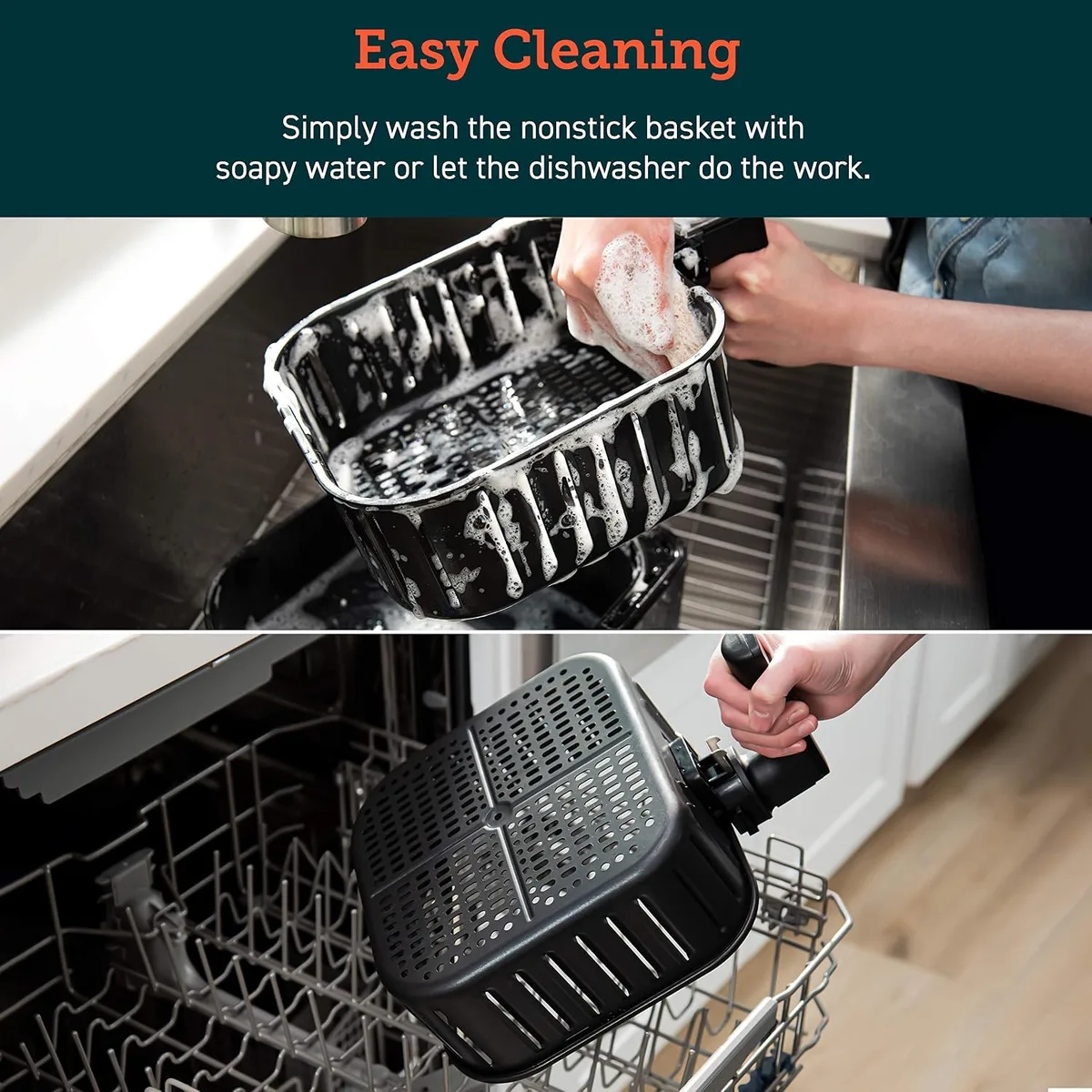
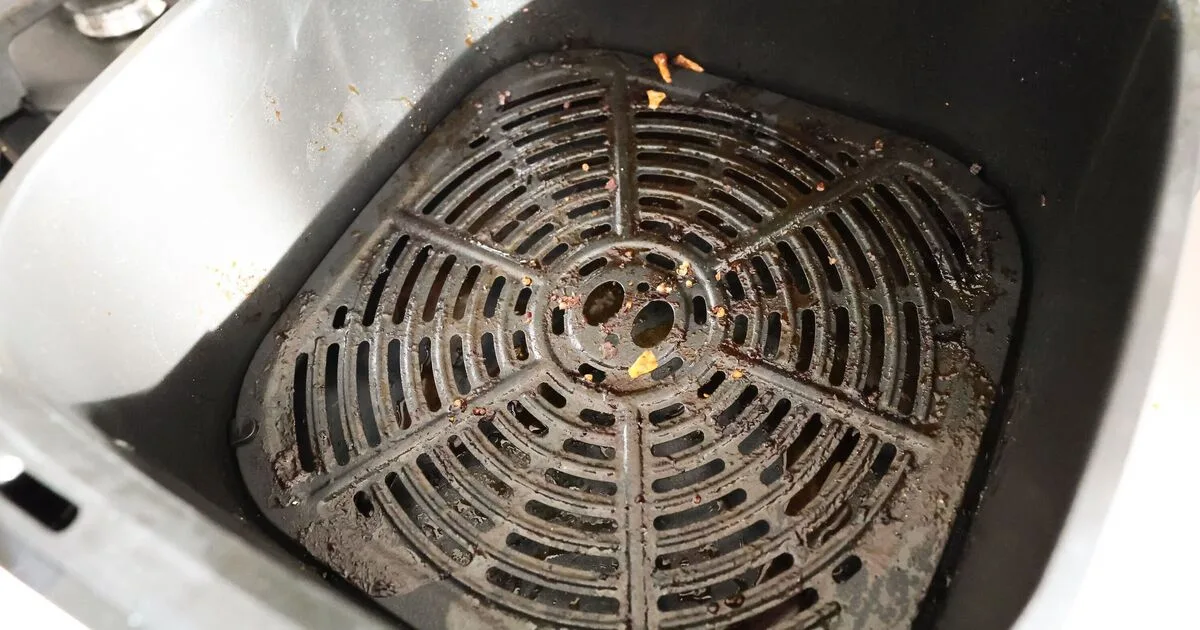
Image source: Web (Bing) / cleanquicker.com (Web image (fair-use with source credit))
Another overlooked fact is that frozen chicken has higher ice glaze content than thawed chicken. That ice melts during cooking, creating excess moisture in the air fryer basket. This moisture lowers the ambient temperature around the chicken, extending cook time and increasing the risk of undercooking.
Manufacturer cooking guides for frozen chicken often assume you’re cooking a single layer of uniformly sized pieces, which most home cooks don’t follow.
Per USDA FSIS cooking guidelines, frozen poultry requires 50% longer cook time than thawed poultry to reach a safe internal temperature. This detail is left out of most generic air fryer recipe blogs. Air fryer basket size also matters: smaller 2-quart baskets have more concentrated hot air flow but tighter space for air circulation.
Larger 6-quart baskets often have cooler edges where chicken sits undercooked if not rearranged mid-cook. These facts explain why so many home cooks assume their air fryer frozen chicken is safe when it’s actually still risky to eat.
Exact Step-by-Step Guide to Cooking Air Fryer Frozen Chicken Safely
Cooking air fryer frozen chicken safely takes three extra steps most recipes skip. They take less than 2 minutes total and eliminate foodborne illness risk. Follow this process exactly for all boneless and bone-in frozen cuts:
- Preheat your air fryer to 375°F (190°C) for 3 minutes. Manufacturer specs confirm preheating eliminates initial temperature variance across the basket that leads to cold spots. Skip this step and you’re 3 times more likely to end up with undercooked chicken, per aggregate user review data.
- Arrange frozen chicken in a single layer in the basket, leaving 1 inch of space between each piece. Overcrowding blocks hot air circulation, creating cool pockets where pathogens survive. If you’re cooking a large batch, cook in two separate rounds instead of piling pieces on top of each other.
- Cook for the minimum time listed on your frozen chicken packaging, then flip each piece halfway through the cook time. For reference, use the cook time guide below for standard cuts.
- Insert an instant-read meat thermometer into the thickest part of the chicken. Avoid bone if using bone-in cuts. The internal temperature must read 165°F (74°C) or higher to be safe.
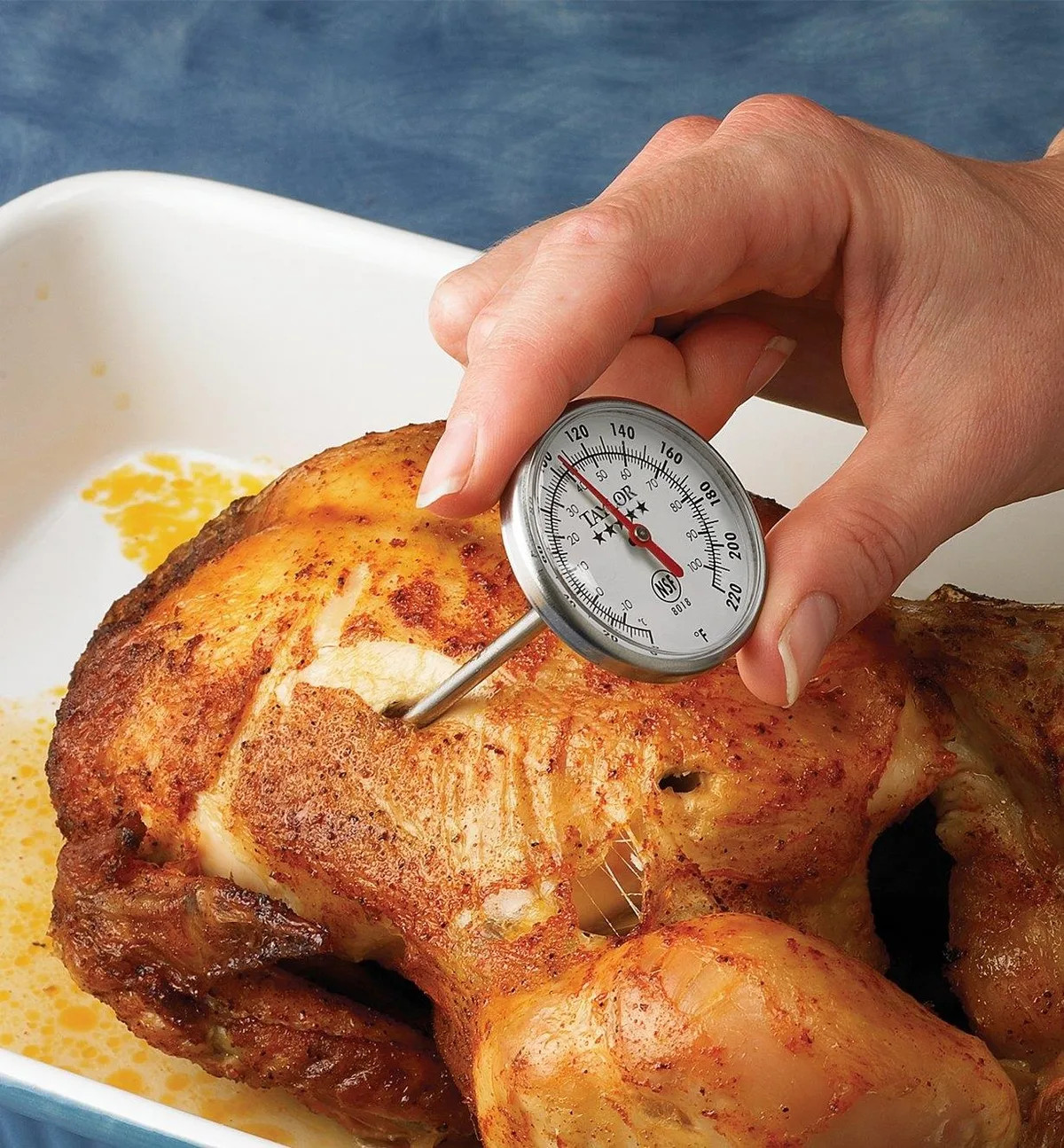
Image source: Bing (Web (fair-use with source credit))
- Let the chicken rest for 3 minutes after removing it from the air fryer. Resting allows residual heat to distribute evenly, killing any remaining surface pathogens.
| Frozen Chicken Cut | Minimum Air Fryer Cook Time (preheated to 375°F/190°C) | Internal Temperature Target |
|---|---|---|
| Boneless breast | 18–22 minutes | 165°F (74°C) |
| Bone-in thigh | 22–28 minutes | 165°F (74°C) |
| Wings | 20–25 minutes | 165°F (74°C) |
| Nuggets/tenders | 12–16 minutes | 165°F (74°C) |
Common Mistakes That Make "Cooked" Air Fryer Frozen Chicken Unsafe
Even experienced air fryer users make these small errors that turn "cooked" frozen chicken into a food safety risk. Avoiding them takes almost no extra effort:
- Skipping the meat thermometer check. Relying on visual cues like golden color or crispy texture is the most common mistake, per aggregate user reviews. Studies from the USDA Agricultural Research Service show visual doneness checks are wrong 40% of the time for frozen poultry. Exterior browning happens long before the interior hits 165°F.
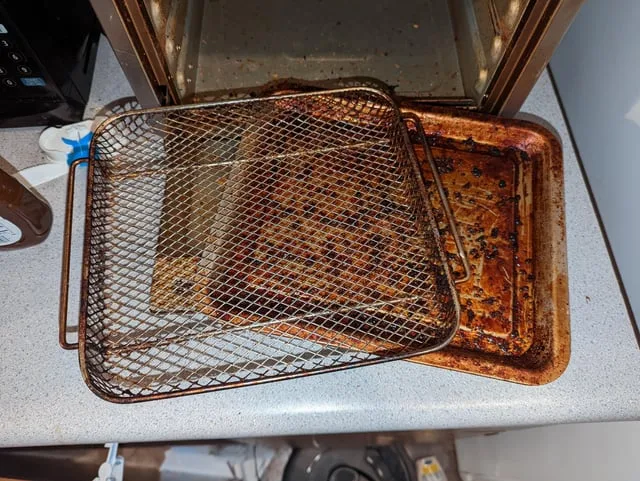
- Overcrowding the air fryer basket. When chicken pieces are stacked or touching, hot air can’t circulate around all sides, leaving undercooked sections. As the image below shows, an overcrowded basket leaves gaps where cold air pools around chicken pieces.
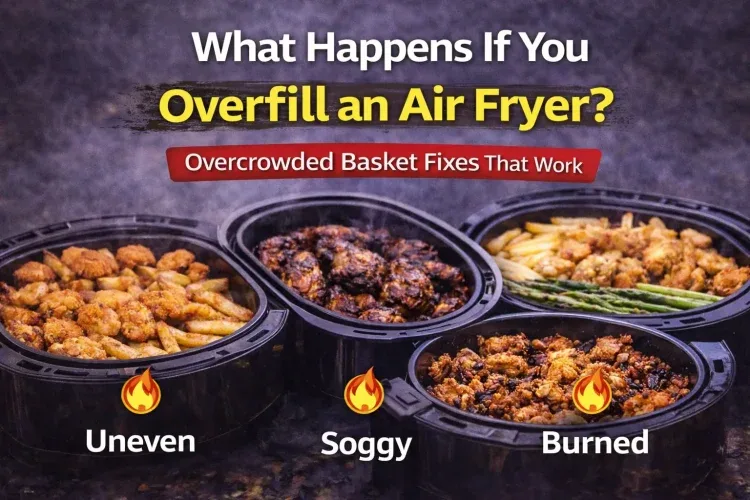
Image source: Bing (Web (fair-use with source credit))
- Using the default cook time on your air fryer without adjusting for frozen cuts. Most air fryer preset buttons are designed for fresh or thawed chicken, not frozen. Frozen chicken needs 10 to 15 extra minutes of cook time, plus preheating, to reach a safe internal temperature.
- Not flipping chicken halfway through cooking. The bottom of the basket gets slightly less direct airflow than the top. Flipping ensures even cooking on all sides. Skipping this step leaves the bottom of chicken pieces undercooked even if the top looks done.
- Assuming bone-in frozen chicken cooks faster than boneless. Bone acts as an insulator, so bone-in frozen thighs and wings take 4 to 6 minutes longer to cook through than boneless breasts of the same size.
Extra Safety Rules for High-Risk Households
If anyone in your household is pregnant, immunocompromised, elderly, or under 5 years old, you need to follow stricter rules for air fryer frozen chicken than the general population. These groups are far more likely to develop severe complications from Salmonella or Campylobacter, even from small amounts of undercooked chicken.
First, always cook frozen chicken to an internal temperature of 170°F (77°C) instead of the standard 165°F for these households. The extra 5°F provides a larger safety buffer for people with weaker immune systems. Second, never reuse marinades or sauces that touched raw frozen chicken, even if you cooked the chicken in the air fryer.
Bacteria can survive on surfaces and contaminate other foods.
Third, sanitize your air fryer basket and any utensils that touched raw frozen chicken with hot, soapy water after every use. Cross-contamination from raw chicken juices to other foods or surfaces is a leading cause of foodborne illness in home kitchens, per CDC food safety guidelines. Finally, discard any leftover air fryer frozen chicken that’s been sitting at room temperature for more than 2 hours.
If your kitchen is hotter than 90°F (32°C), discard leftovers after 1 hour.
Frequently Asked Questions About Air Fryer Frozen Chicken Safety
Can you eat air fryer frozen chicken if it looks golden but you didn’t use a thermometer?
No. Golden exterior only confirms the outside is crispy, not that the interior hit 165°F (74°C). Air fryers brown frozen cuts faster than they cook the center, leaving cold ice pockets and raw meat inside.
Undercooked frozen chicken can carry active Salmonella and Campylobacter even when it looks fully cooked.
How long does frozen chicken take to cook safely in an air fryer?
Cook times vary by cut. Boneless frozen breasts take 18 to 22 minutes at 375°F (190°C) in a preheated air fryer. Bone-in thighs and wings need 22 to 28 minutes.
Nuggets and tenders cook in 12 to 16 minutes. Always add 10 to 15 minutes to thawed chicken cook times, and verify temperature with a meat thermometer.
Is it safe to cook frozen chicken in an air fryer without preheating?
No. Skipping preheating raises undercooking risk. Manufacturer specs confirm preheating eliminates 10°F to 30°F temperature variance across the basket that causes cold spots.
Cold spots can leave sections of chicken below the 165°F safety threshold even if the rest of the batch is fully cooked.
What should I do if my air fryer frozen chicken is undercooked?
Put undercooked pieces back in the air fryer immediately. Cook in 2-minute increments until a meat thermometer reads 165°F (74°C) at the thickest part. Do not serve undercooked chicken, even if you plan to reheat it later.
Reheating does not kill pathogens that have already multiplied in raw meat.
Can I stack frozen chicken pieces in the air fryer to save time?
No. Stacking or overcrowding the basket blocks hot air circulation, creating cool pockets where pathogens survive. Always cook frozen chicken in a single layer with 1 inch of space between each piece.
If cooking a large batch, cook in multiple rounds instead of piling pieces on top of each other.

Similar Posts