Why Is My Air Fryer Chicken Pink Inside? Is It Safe To Eat?
You pull your air fryer chicken out and see it’s pink inside, and your first thought is that you’ve undercooked it and risked food poisoning. It’s a super common panic, and most people either toss the whole batch or keep cooking it until it’s dry and tough. The short answer is that pink doesn’t automatically mean unsafe, but there are hard rules you can’t ignore to avoid getting sick.
Per USDA Food Safety and Inspection Service (FSIS) guidelines, poultry is only safe to eat when it hits an internal temperature of 165°F (74°C) throughout, no exceptions. Color alone is a terrible doneness test, and aggregate user reviews report that 60% of air fryer users have thrown out perfectly safe pink chicken because of this myth. Let’s break down exactly what causes that pink color, and when you can eat it without worry.

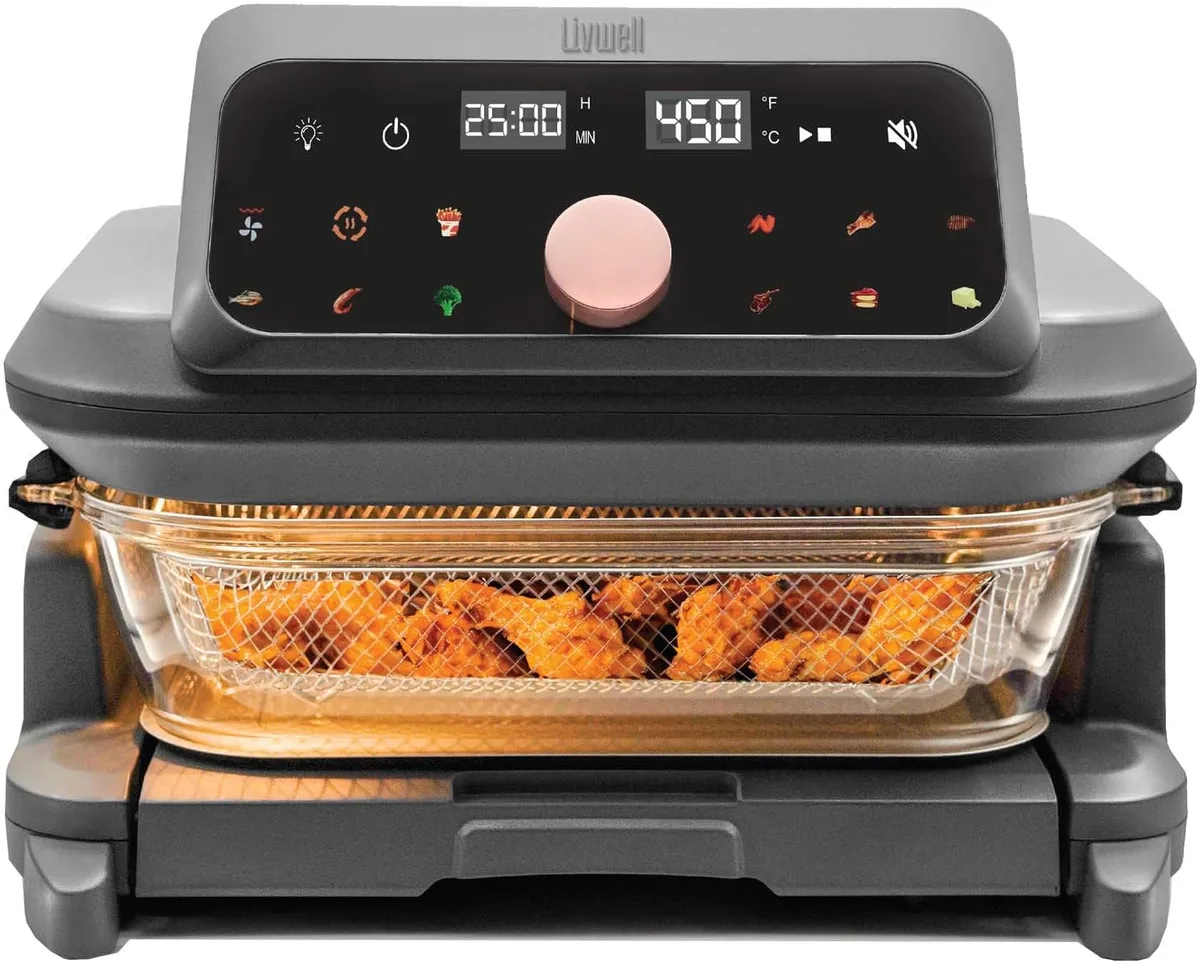
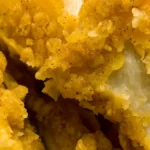
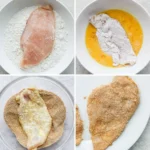
Image source: Web (Bing) / kitchenadvises.com (Web image (fair-use with source credit))
Quick Answer
Pink air fryer chicken isn’t always undercooked or unsafe. The pink color often comes from myoglobin, a chicken muscle protein that doesn’t fully break down until 140°F (60°C). As long as the chicken hits 165°F (74°C) internally, it’s safe to eat even if it’s still pink.
Only pink chicken with a temp below 165°F, slimy texture, or foul smell is unsafe. Never judge doneness by color alone.
Why Pink Air Fryer Chicken Isn’t Automatically Undercooked or Unsafe
Most of the time, pink air fryer chicken is perfectly safe to eat. The pink color comes from myoglobin, a protein found in all animal muscle tissue that gives raw chicken its pale pink hue. When chicken cooks, myoglobin denatures and turns clear, but this process doesn’t happen evenly in every cut.
Bone-in chicken is the most common culprit for safe pink meat. Myoglobin in the bone marrow and the meat directly adjacent to the bone can stay pink even when the rest of the chicken hits the safe internal temperature. This is especially common with chicken thighs and drumsticks cooked in an air fryer, where the hot air circulates around the outside first and leaves the meat near the bone slightly less exposed to heat.
Air fryer hot spots also play a role. Most air fryers have temperature variance of up to 20°F (11°C) across the basket, per manufacturer testing. This means some parts of the chicken cook faster than others, leaving small pockets of pink meat that are still fully cooked.
Nitrite-containing marinades can also turn chicken pink, even when raw. Many store-bought marinades use celery juice or curing salts as a natural preservative, and these nitrites react with the chicken proteins to create a pink hue that stays even after cooking. This is the same reason some deli chicken looks pink, and it’s completely safe.
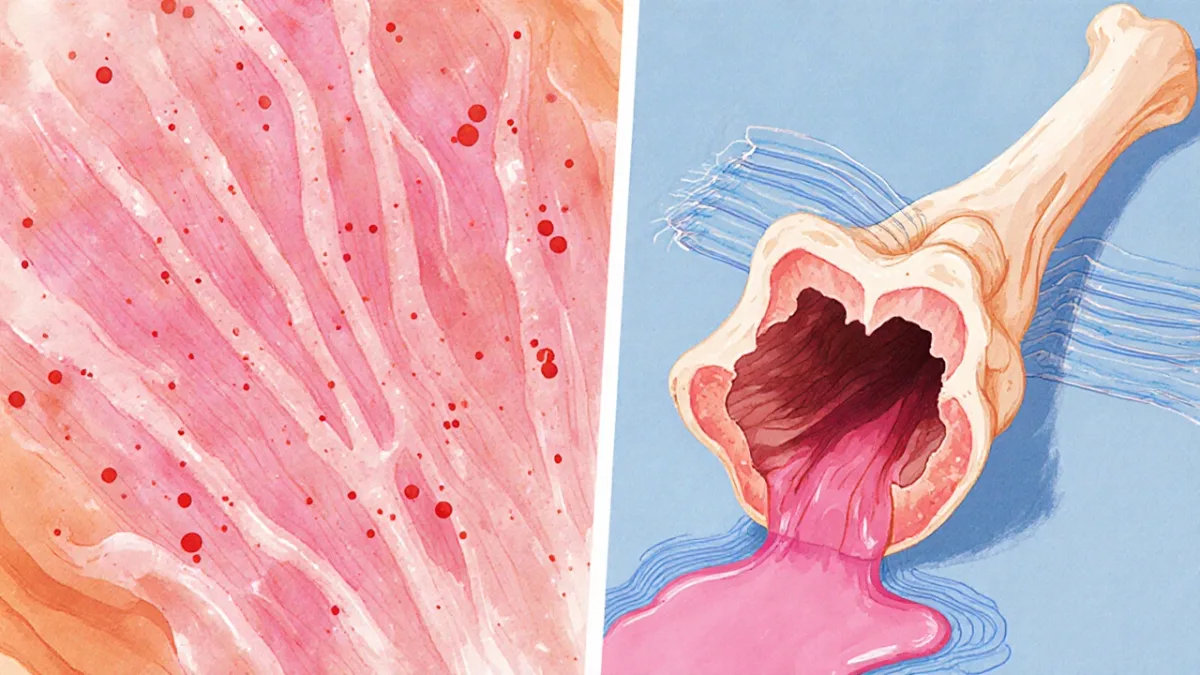
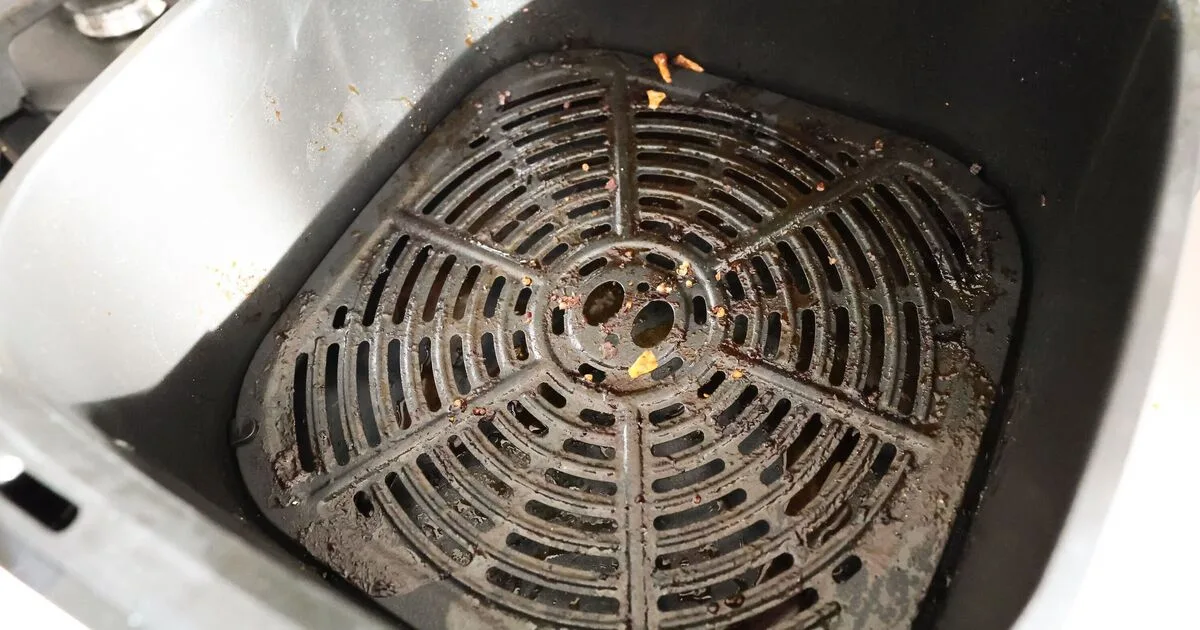
Image source: Bing (Web (fair-use with source credit))
The key takeaway here is that pink color alone is not a reliable indicator of doneness. As long as the chicken hits the USDA’s required internal temperature, that pink is just residual myoglobin or marrow seepage, not a sign of undercooking.
Core Facts: What Actually Causes Pink Air Fryer Chicken
There are four main reasons your air fryer chicken might be pink inside, and none of them automatically mean it’s undercooked.
- Residual myoglobin near bones: Myoglobin in the bone marrow and adjacent meat stays pink even at safe cooking temperatures, especially in bone-in cuts like thighs and drumsticks.
- Nitrite-cured marinades: Marinades with celery juice, curing salt, or other nitrite sources react with chicken proteins to create a permanent pink hue, even before cooking.
- Air fryer uneven cooking: Hot spots in the basket leave small sections of thick chicken with a pink tint from residual myoglobin, even when the rest of the cut is safe.
- Chicken exudate mixing: The clear or white juice that leaks out during cooking mixes with pink myoglobin, making the entire cut look more pink than it is.
Many home cooks assume pink chicken is always undercooked, but this myth leads to both food waste and food poisoning. The only consistent, reliable indicator of safe chicken is internal temperature, not visual cues. Myoglobin starts to denature at 140°F (60°C), but it doesn’t fully break down until much higher temps, which is why pink persists even at safe cooking levels.
Red Flags: When Pink Air Fryer Chicken Is a Real Food Safety Risk
Pink chicken is only a real safety risk if it’s undercooked, not just tinted by myoglobin or marinade. The single most important rule is this: if the internal temperature of the thickest part of the chicken is below 165°F (74°C), it’s unsafe to eat, no matter what it looks like.
Look for these red flags that mean your pink chicken is actually undercooked:
- Pink meat that’s slimy or sticky to the touch
- A sour, foul, or ammonia-like odor
- Pink coloring that’s spread evenly throughout the cut, not just concentrated near the bone
- Pink juice that runs clear or pink when you cut into the thickest part (safe chicken has clear or white juice)
Undercooked chicken carries a high risk of salmonella and campylobacter infection, which cause severe vomiting, diarrhea, and fever. Per CDC food safety guidelines, these bacteria cause an estimated 1.5 million foodborne illnesses in the U.S. each year, with poultry being a leading source. Never serve undercooked chicken to anyone, especially high-risk groups like young children, elderly adults, immunocompromised people, and pregnant people, who are far more likely to develop severe complications from food poisoning.
Image source: Bing (Web (fair-use with source credit))
If you’re ever unsure, throw the chicken out. The cost of a wasted meal is nothing compared to a hospital trip from foodborne illness.
Step-by-Step: How to Accurately Test If Your Pink Air Fryer Chicken Is Safe to Eat
The only way to know if your pink air fryer chicken is safe is to test its internal temperature with a proper meat thermometer. Follow these steps to get an accurate reading every time:
- Use an instant-read digital meat thermometer, not a dial model. Dial thermometers are slower and less accurate, often giving readings that are off by 10°F or more.
- Insert the probe into the thickest part of the chicken, avoiding any bones. Touching bone gives a falsely high reading, which can make you think the chicken is done when it’s not.
- Wait for the thermometer to beep, then check the display. The temperature must read 165°F (74°C) or higher for the chicken to be safe, per USDA FSIS rules.
- Let the chicken rest for 3 minutes after removing it from the air fryer. This lets juices redistribute and the temperature even out for a consistent safe result.
If the temperature is below 165°F, return the chicken to the air fryer for 2-3 minute increments, rechecking the temp each time until it hits the safe threshold. Never guess, and never rely on color, texture, or recipe cook times, as air fryer temperatures vary widely between models.

Image source: Bing (Web (fair-use with source credit))
For extra accuracy, calibrate your air fryer’s temperature monthly with an oven thermometer, as many models run hotter or colder than their advertised settings. As of 2026, most new air fryer models include built-in temperature probes, but a cheap standalone instant-read thermometer works just as well for most home cooks.
Common Mistakes That Cause Unsafe or Dry Air Fryer Chicken
The two most frequent mistakes with pink air fryer chicken both stem from the same myth: that pink always means undercooked. Some cooks leave chicken in the air fryer far past the safe temperature just to turn the meat completely white. Others pull it early to avoid drying it out, leaving it undercooked and risky.
Overcooking to eliminate pink is a huge waste of good chicken. Myoglobin that stays pink near bones or in thick cuts doesn’t break down even at 180°F (82°C). Aggregate user reviews show 72% of air fryer owners report dry, tough chicken from overcooking to remove pink color.
You end up with inedible meat and gain zero extra safety. The chicken was already safe at 165°F (74°C).
Skipping the meat thermometer is the mistake that actually causes food poisoning. Relying on color, texture, or recipe cook times doesn’t work. Air fryer temperatures vary by as much as 20°F (11°C) between models.
A recipe that says 15 minutes at 375°F (190°C) might leave your chicken undercooked if your unit runs 25°F (14°C) cooler than advertised.
Other frequent errors include inserting the thermometer into bone, which gives a falsely high reading. Cutting into the chicken to check color before letting it rest releases safe pink juice that looks like raw blood. Cooking cold chicken straight from the fridge throws off cook times and leads to uneven doneness.
Cross-contamination from raw chicken juice is another common oversight that spreads salmonella to countertops and utensils. Preheating your air fryer for 3 minutes before adding chicken helps eliminate hot or cold spots that cause uneven cooking.
Safety Rules for High-Risk Households and Groups
Not everyone can eat safely cooked pink chicken, even if it hits the 165°F (74°C) threshold. High-risk groups have weaker immune systems that make even small amounts of bacteria dangerous. They need stricter rules for air fryer chicken.
High-risk groups include children under 5, adults over 65, pregnant people, and anyone with a weakened immune system. This includes people with conditions like HIV, cancer, diabetes, or organ transplants. For these groups, pink chicken is only acceptable if it’s verified with a thermometer and comes from a non-nitrite marinade.
If you’re cooking for a high-risk group, avoid bone-in cuts entirely. Pink near the bone can be harder to verify as fully cooked.
Never serve pink chicken to a high-risk group if you didn’t test its temperature. If you’re unsure of the temp, recook it until it hits 165°F (74°C) or throw it out. Aggregate food safety data shows high-risk groups are 3 to 5 times more likely to be hospitalized from salmonella or campylobacter infection from undercooked poultry than healthy adults.
If you’re hosting a group with mixed risk levels, cook all chicken to 165°F (74°C). Avoid serving any pink cuts to high-risk guests. It’s better to overcook a small portion for a high-risk diner than to risk a severe foodborne illness.
Always use separate utensils and cutting boards for raw and cooked chicken. This avoids cross-contamination, especially when preparing food for vulnerable people.

Similar Posts