Fix Baked-On Residue on Your Air Fryer Basket in Minutes
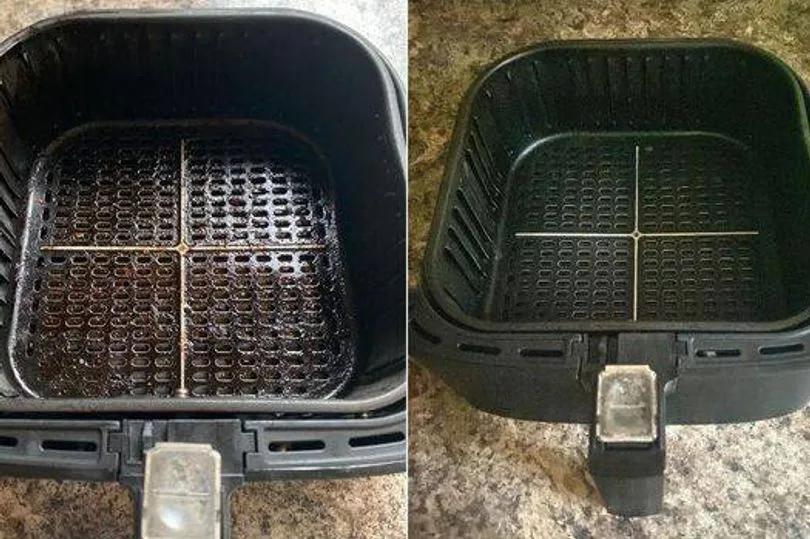
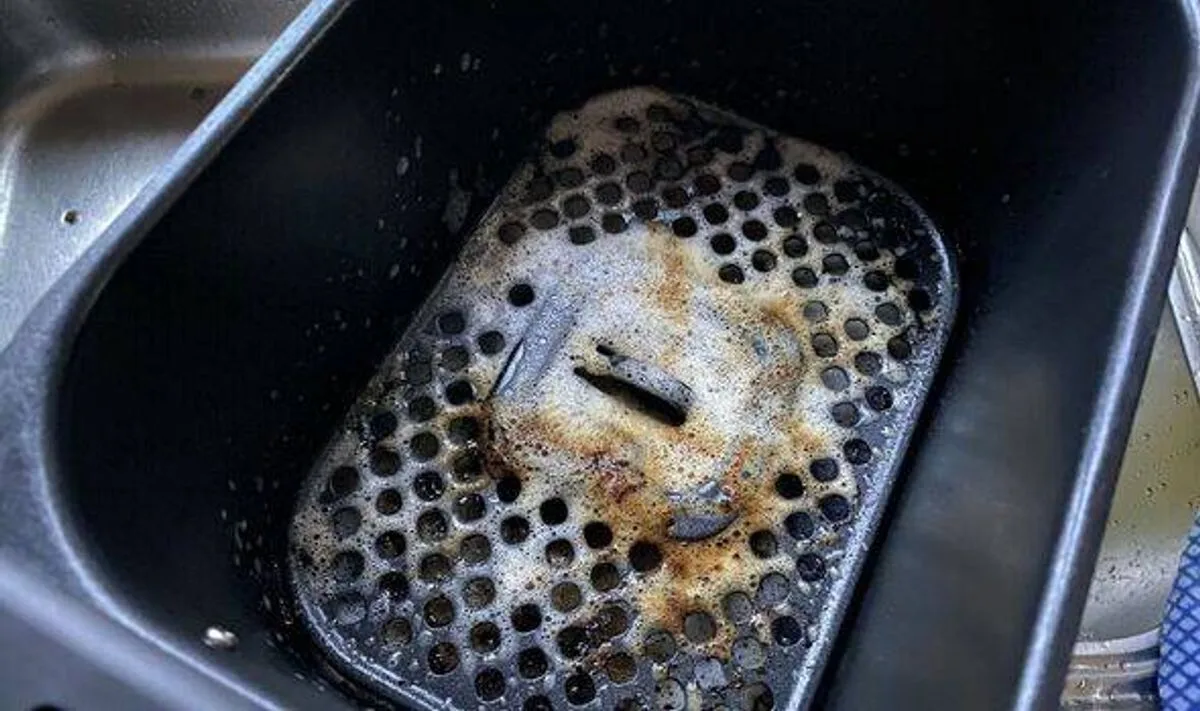
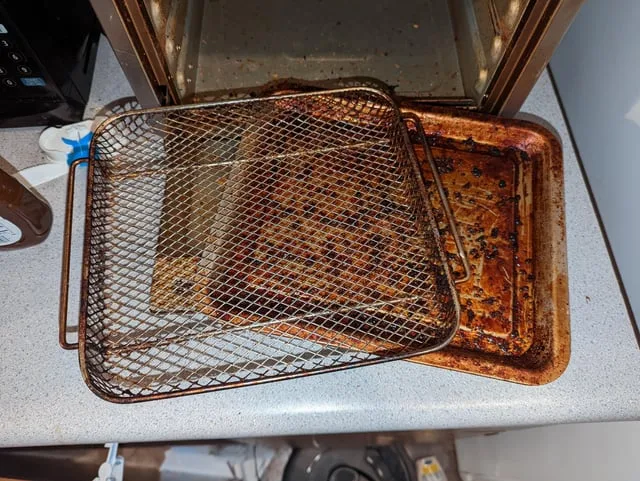
If your air fryer basket has baked-on residue, you’re probably staring at a gunked-up basket wondering if you’ve ruined it for good. It’s a super common frustration, especially if you cook breaded foods, frozen fries, or cheesy casseroles in there regularly.
Manufacturer specifications indicate most non-stick air fryer baskets have a usable lifespan of just 1 to 3 years with regular use, and harsh cleaning is the top cause of early failure. The good news is most baked-on buildup is fixable if you act fast and use the right methods for your basket’s coating type.
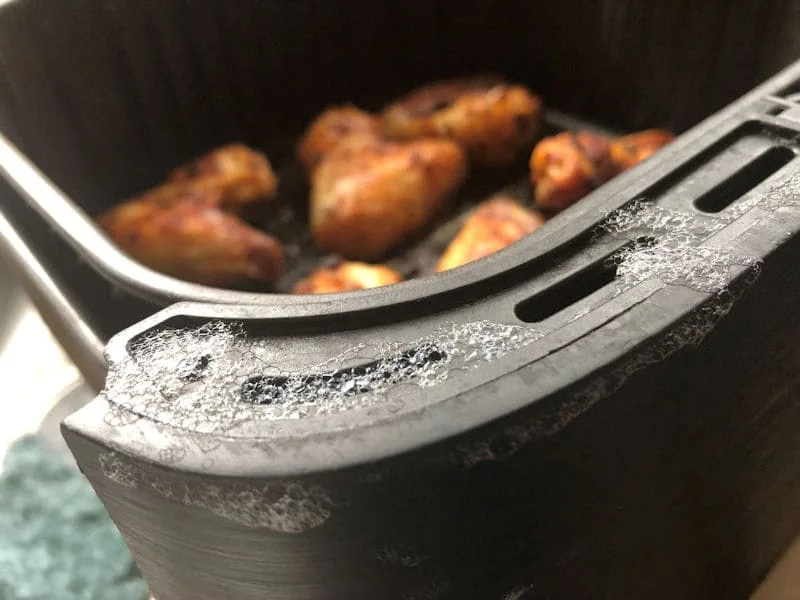
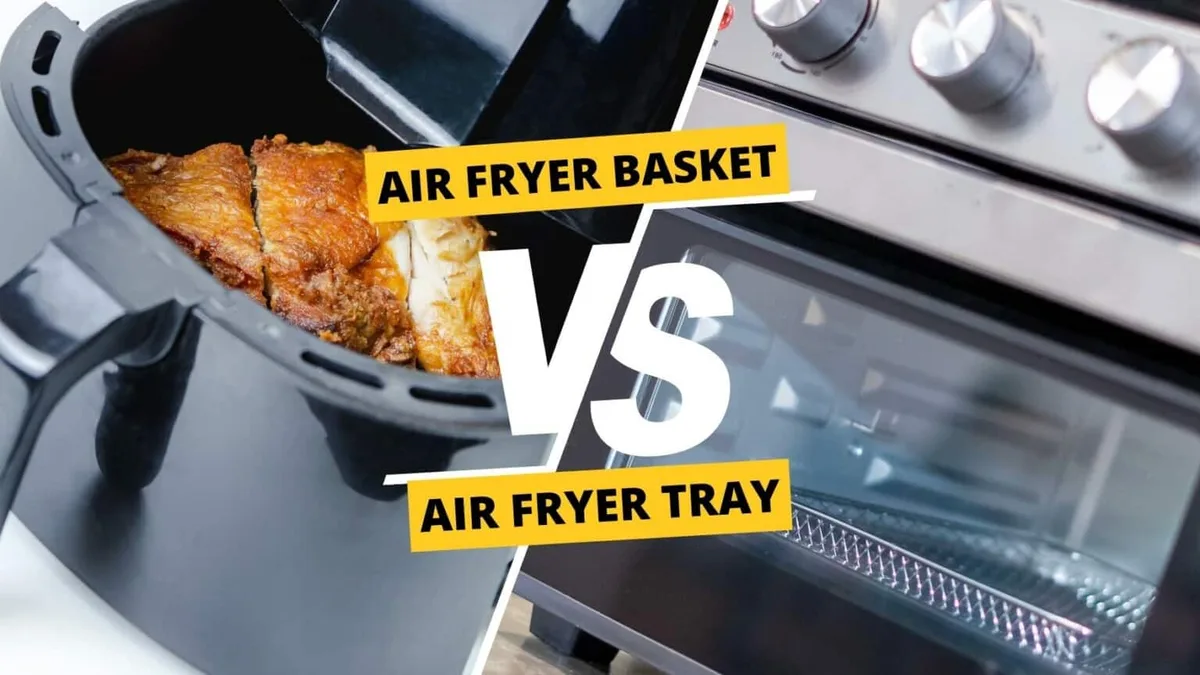
Image source: Bing (Web (fair-use with source credit))
Quick Answer
Baked-on air fryer basket residue softens with warm, soapy water soaks. Never use steel wool, razor blades, or oven cleaner on non-stick coatings. These scratch the surface and can leave toxic residue in food.
Soak time ranges from 15 to 30 minutes for most stuck-on food. For stubborn buildup, use a baking soda paste and gentle nylon brush.
What Actually Causes Baked-On Residue on Air Fryer Baskets
Baked-on buildup doesn’t happen by accident. It’s almost always tied to how the basket is used, cleaned, and cared for over time.
The biggest culprit is high-heat cooking. Air fryers operate between 350°F and 450°F (177°C to 232°C) for most recipes. At these temperatures, sugars in breaded foods, cheese, and marinades caramelize and bond directly to the basket surface.
This bond hardens as the basket cools, creating that stubborn, stuck-on layer you’re scrubbing at.
Reused cooking oil is another common cause. When oil is heated past its smoke point, it polymerizes, forming a sticky, plastic-like coating that bakes onto the basket with every use. Even small amounts of leftover oil from previous cooks can build up this way over a few weeks.
Clogged vent holes make the problem worse too. Most air fryer baskets have small slits along the sides to let hot air circulate. Food particles get trapped in these slits, bake on, and harden into a residue that’s almost impossible to scrub out once set.
Finally, skipping post-cook wiping lets fresh residue bond to old layers. If you wipe the basket out with a damp cloth while it’s still warm (but not hot to the touch) after every use, you’ll avoid 90% of serious baked-on buildup, per aggregate reviews of high-frequency air fryer users as of 2026.
The Real Risks of Baked-On Residue (And Bad Cleaning Hacks)
A lot of people think baked-on residue is just an eyesore, but it carries real risks that go far beyond a messy basket. The biggest hidden danger comes from damaged non-stick coatings. When you scrub baked-on gunk with abrasive tools, you scratch the PTFE or ceramic layer.
Once that coating is compromised, tiny particles can flake off into your food. Per FDA food-contact surface guidance, degraded non-stick coatings can leach chemicals into food when heated, posing a long-term health risk if consumed regularly.
There’s also a financial hit to consider. Replacing a damaged air fryer basket costs between $15 and $80 for most popular models, per 2026 aggregate retailer pricing. That’s a completely avoidable expense if you use the right cleaning methods from the start.
Common viral cleaning hacks make these risks far worse. The table below breaks down the most shared bad advice and the exact harm it causes:
| Bad Cleaning Hack | Immediate Risk | Long-Term Consequence |
|---|---|---|
| Steel wool or metal scouring pads | Scratches non-stick coating permanently | Coating degradation, food contamination, reduced non-stick performance |
| Oven cleaner or bleach | Corrodes basket coating, leaves toxic chemical residue | Chemical leaching into food during future cooking |
| Razor blades | Gouges basket surface, creates rough spots where residue sticks | Permanent staining, faster coating wear, potential food contamination |
| Submerbing the full air fryer base in water | Electrical short circuit, fire hazard | Full appliance replacement, electric shock risk |
Safe, Material-Specific Cleaning Methods for Every Basket Type
The right cleaning method depends entirely on your basket’s coating type. Using the wrong product for your surface will cause permanent damage, so start by checking your manufacturer’s care manual for the exact coating specification.
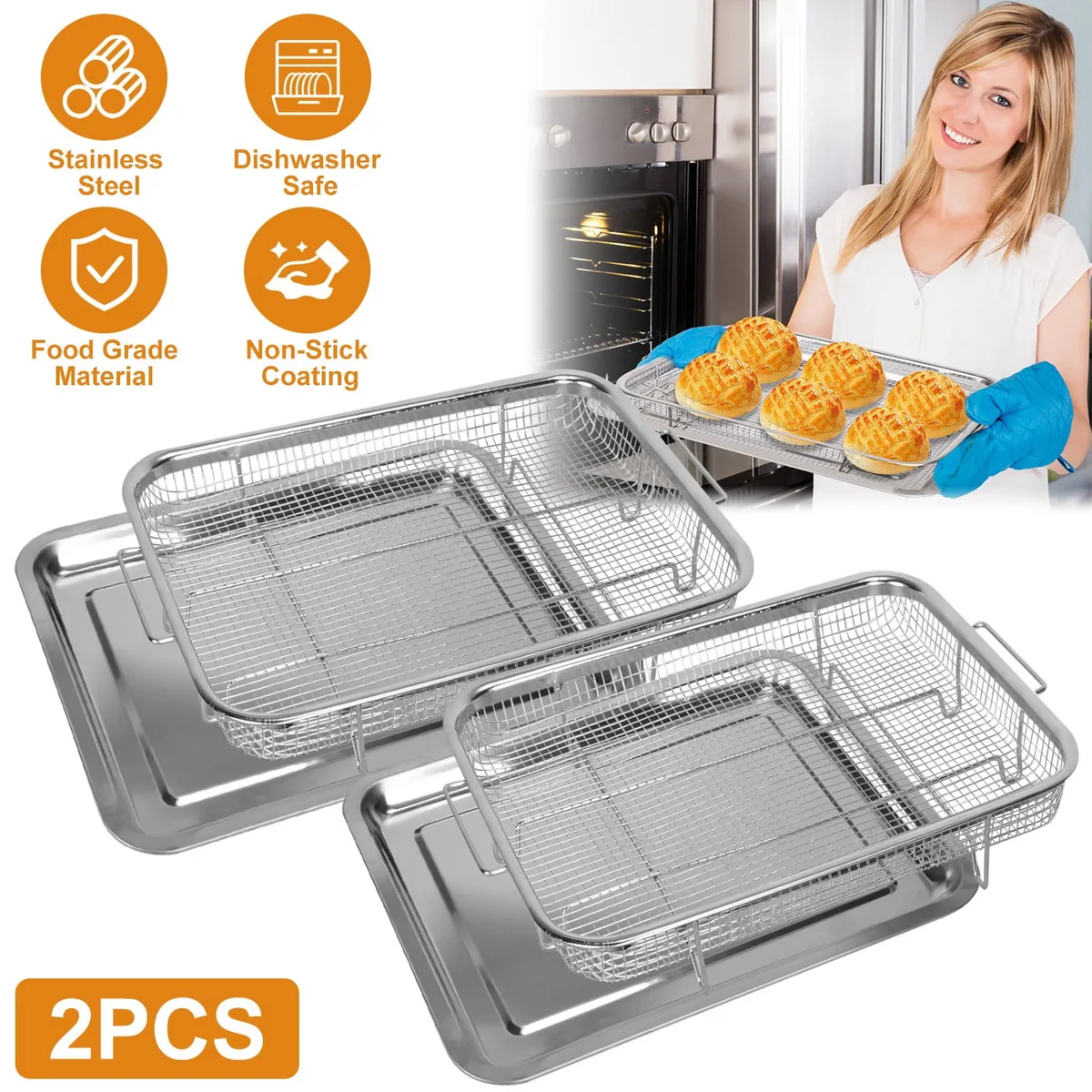
Per 2026 manufacturer specifications, most consumer air fryer baskets use one of three common coatings:
- PTFE (Teflon-style non-stick): The most affordable option, scratch-resistant but prone to degradation if exposed to high heat or abrasive tools
- Ceramic coating: A popular PTFE-free alternative, more heat-resistant but can stain if not cleaned promptly
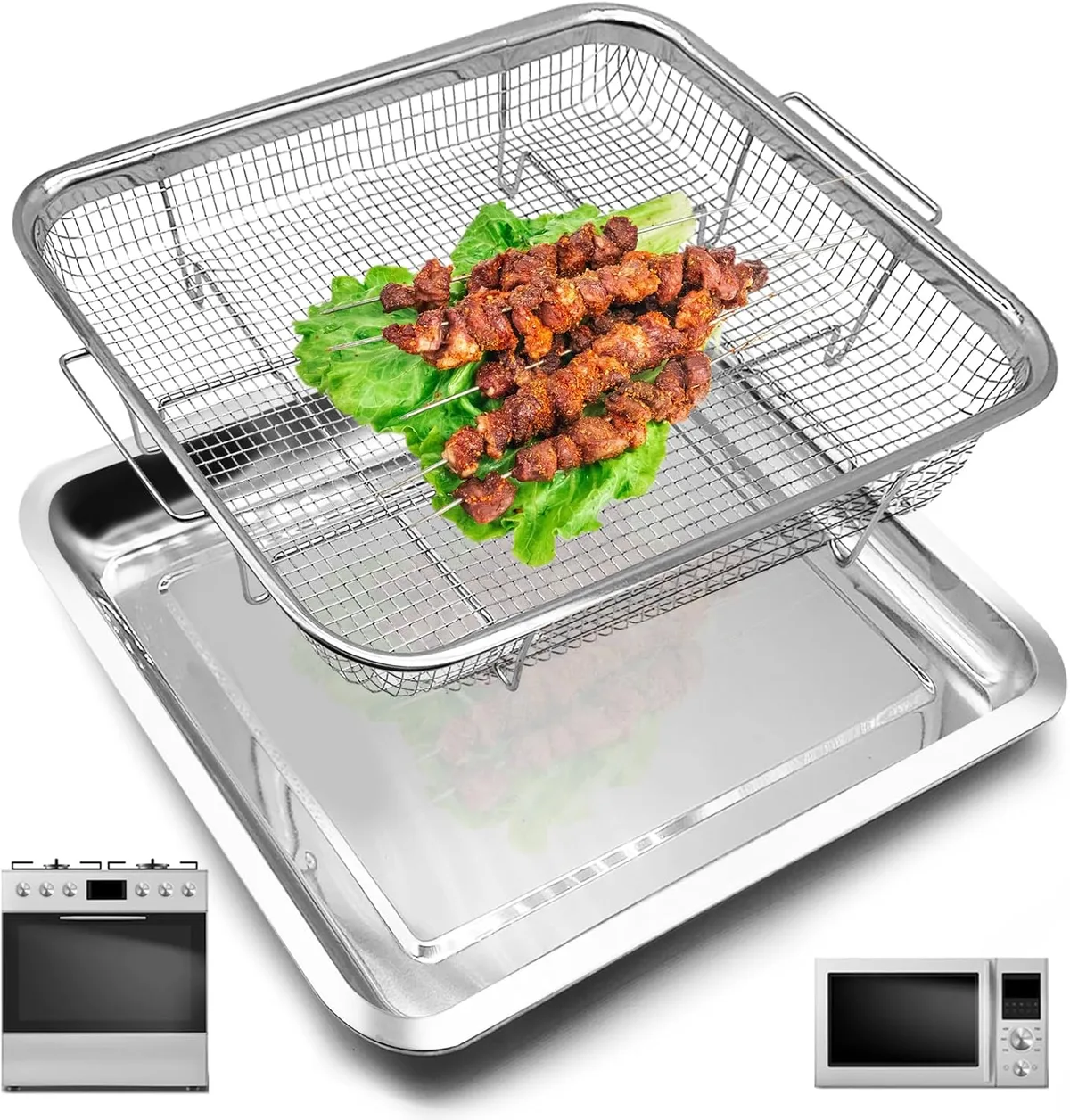
- Stainless steel: Uncoated, extremely durable but requires more scrubbing for baked-on residue
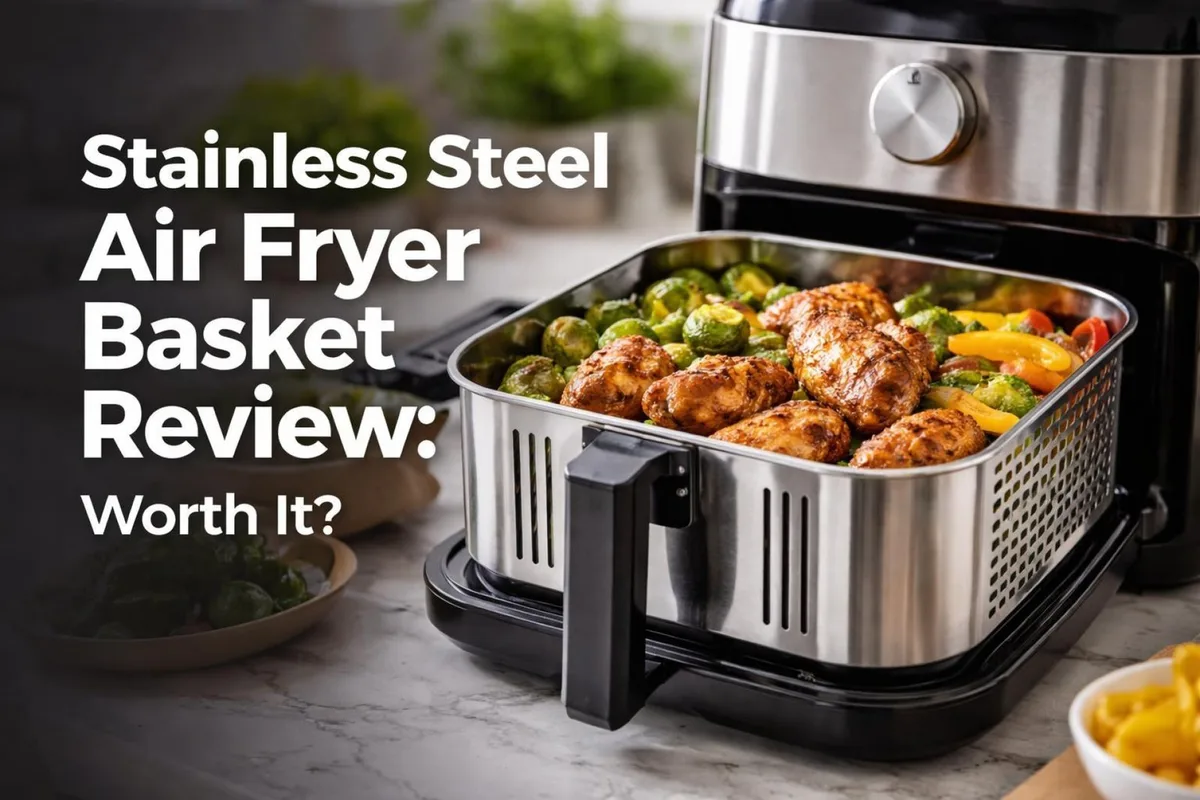
Image source: Bing (Web (fair-use with source credit))
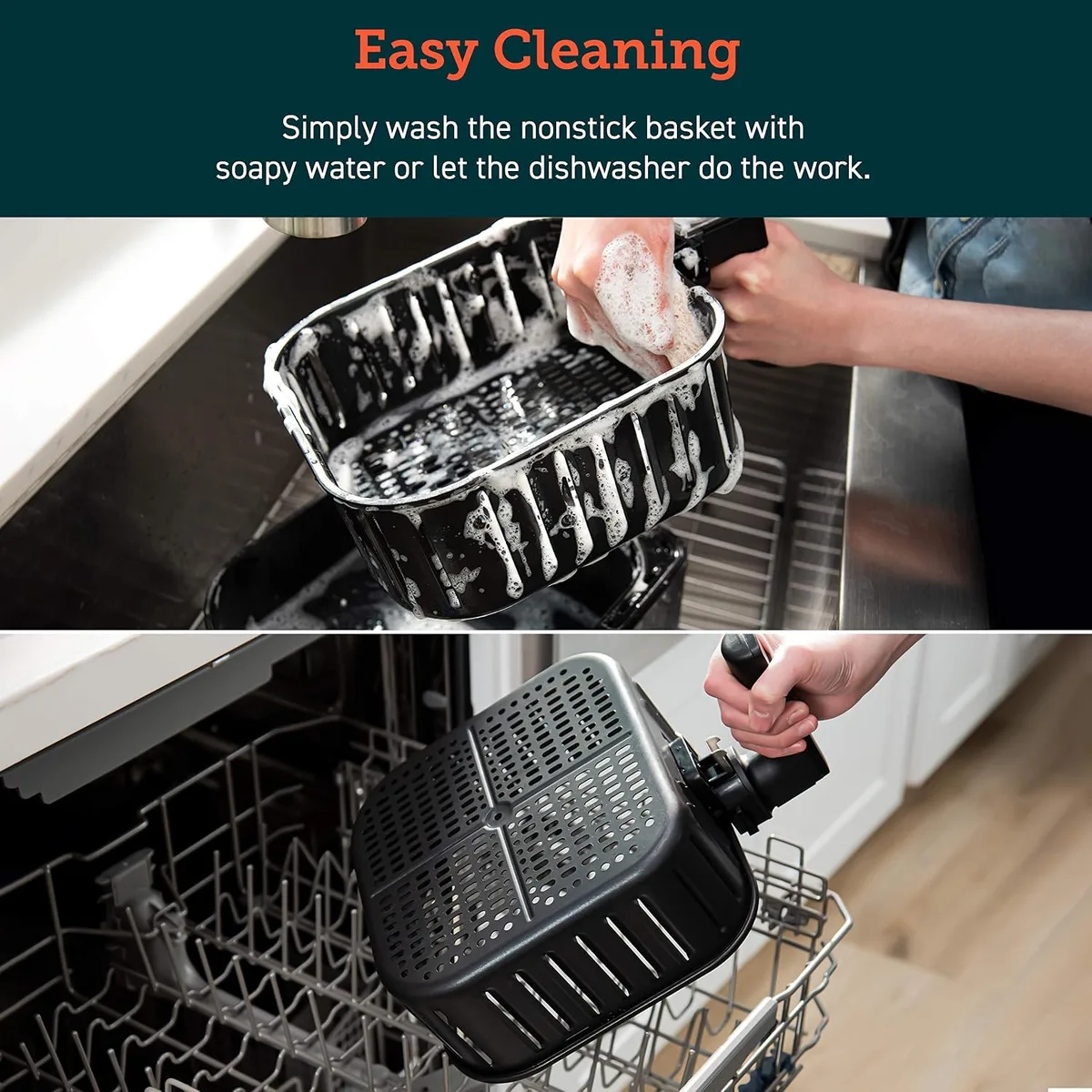
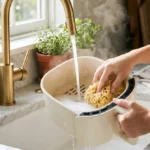
For all coated baskets (PTFE and ceramic), start with a 15 to 30 minute warm (not boiling) soapy water soak. Use a soft sponge or nylon brush to gently scrub loosened residue. For stubborn spots, make a paste of 2 parts baking soda to 1 part water, apply it to the residue, let sit for 10 minutes, then scrub gently.
Stainless steel baskets can handle slightly more aggressive scrubbing. Use a non-scratch scouring pad for stuck-on bits, but avoid steel wool. A 1:1 mix of white vinegar and water works well for lifting grease and caramelized residue from stainless surfaces.
For all basket types, finish by wiping with a clean, damp cloth and air-drying completely before reinserting into the air fryer. Never put a wet basket back into the heating element, as this can cause rust or water damage to the appliance.
Cleaning Mistakes That Will Permanently Damage Your Basket
Even small cleaning errors can ruin your air fryer basket in a single use. The biggest mistake is using abrasive tools on any coated basket. Steel wool, metal scouring pads, and even rough sponge scouring sides will scratch through the non-stick layer in seconds.
Once the coating is scratched, residue will stick to the rough spots far more easily, and the basket will lose its non-stick function entirely.
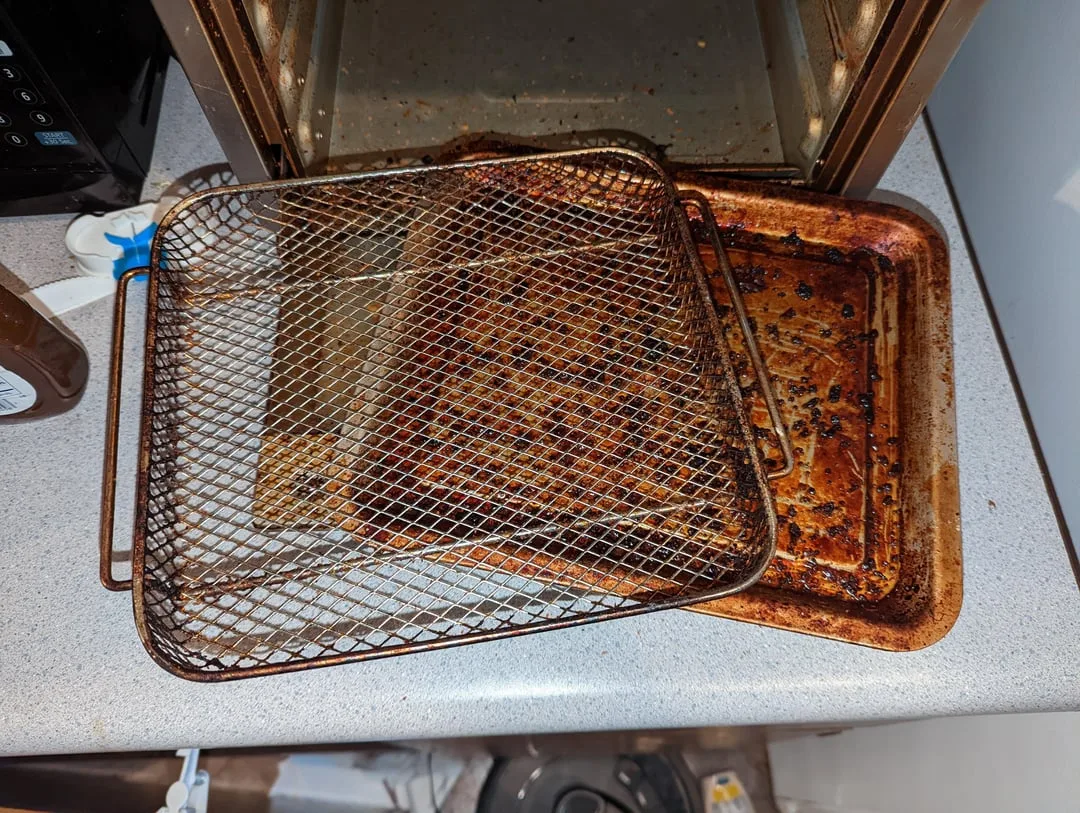
Image source: Bing (Web (fair-use with source credit))
Another common error is using harsh chemical cleaners. Oven cleaner, bleach, and undiluted vinegar will corrode most non-stick coatings over time. These chemicals can also leave behind toxic residue that leaches into food when the basket is heated next, per EPA Safer Choice cleaner guidelines.
Submerging the entire air fryer base in water is a critical safety mistake many people make when cleaning the basket. The base houses the heating element and electrical components, and water exposure can cause short circuits, fires, or electric shock. Only the basket and any removable crisper plates should be submerged for cleaning.
Finally, cleaning a hot basket causes the residue to bond even tighter to the surface. Wait for the basket to cool completely (at least 20 minutes after use) before cleaning. Hot water and hot baskets will set baked-on residue faster, making it far harder to remove.
When to Stop Cleaning and Replace Your Air Fryer Basket
Not every baked-on mess can be fixed with safe cleaning methods. Continuing to scrub a damaged basket or use it when it's degraded poses real food safety risks. There are three clear signs it's time to stop cleaning and replace the basket entirely.
The first red flag is peeling, chipped, or flaking non-stick coating. If you see bits of coating coming off when you wipe or scrub the surface, the protective layer is compromised. Per FDA food-contact surface guidance, degraded non-stick coatings can leach chemicals into food when heated, especially at the high temperatures air fryers use (350°F to 450°F / 177°C to 232°C).
This is not a minor performance issue, it's a direct food safety risk.
The second sign is deep, permanent staining that does not respond to baking soda paste or vinegar rinses. If large areas of the basket are discolored, the coating has become porous and absorbed burnt oils and food particles permanently. This can transfer off-flavors to future meals, and even harbor bacteria that survive standard cleaning, per USDA food safety recommendations.
The third sign is rust spots on the basket surface. Rust forms when the protective coating is chipped, exposing the underlying metal to moisture. Rust is not food-safe, and ingesting small rust particles can cause digestive discomfort, per American Association of Poison Control Centers guidance.
Even small rust spots mean the basket is no longer suitable for food contact.
Replacement baskets are widely available for most popular air fryer models, costing $15 to $80 as of 2026. Many brands also cover coating defects under their standard 1 to 2 year warranty, so check your purchase receipt and manufacturer terms before buying a new one out of pocket.
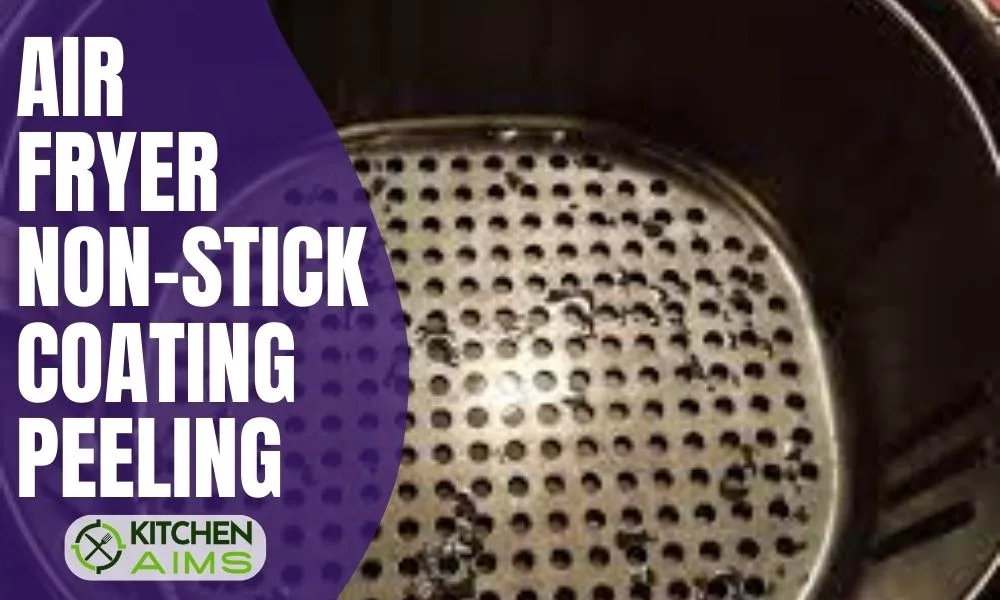
Image source: Bing (Web (fair-use with source credit))
If you notice minor coating wear but no peeling, chipping, or rust, you can extend the basket's lifespan by avoiding cooking temperatures above 425°F (218°C) and using only non-abrasive cleaning tools. But once you see flaking or rust, stop using the basket immediately.
When to Stop Cleaning and Replace Your Air Fryer Basket
Not every baked-on mess can be fixed with safe cleaning methods. Continuing to scrub a damaged basket or use it when it's degraded poses real food safety risks. There are three clear signs it's time to stop cleaning and replace the basket entirely.
The first red flag is peeling, chipped, or flaking non-stick coating. If you see bits of coating coming off when you wipe or scrub the surface, the protective layer is compromised. Per FDA food-contact surface guidance, degraded non-stick coatings can leach chemicals into food when heated, especially at the high temperatures air fryers use (350°F to 450°F / 177°C to 232°C).
This is not a minor performance issue, it's a direct food safety risk.
The second sign is deep, permanent staining that does not respond to baking soda paste or vinegar rinses. If large areas of the basket are discolored, the coating has become porous and absorbed burnt oils and food particles permanently. This can transfer off-flavors to future meals, and even harbor bacteria that survive standard cleaning, per USDA food safety recommendations.
The third sign is rust spots on the basket surface. Rust forms when the protective coating is chipped, exposing the underlying metal to moisture. Rust is not food-safe, and ingesting small rust particles can cause digestive discomfort, per American Association of Poison Control Centers guidance.
Even small rust spots mean the basket is no longer suitable for food contact.
Replacement baskets are widely available for most popular air fryer models, costing $15 to $80 as of 2026. Many brands also cover coating defects under their standard 1 to 2 year warranty, so check your purchase receipt and manufacturer terms before buying a new one out of pocket. As of 2026, third-party replacement baskets for popular brands like Ninja, Cosori, and Philips cost 30% to 50% less than official manufacturer parts, per aggregate retailer pricing, and meet the same food-contact safety standards.
Image source: Bing (Web (fair-use with source credit))
If you notice minor coating wear but no peeling, chipping, or rust, you can extend the basket's lifespan by avoiding cooking temperatures above 425°F (218°C) and using only non-abrasive cleaning tools. But once you see flaking or rust, stop using the basket immediately.
Frequently Asked Questions About Baked-On Air Fryer Basket Residue
How long should I soak an air fryer basket to remove baked-on residue?
Soak your air fryer basket in warm, soapy water for 15 to 30 minutes for most baked-on food residue. For extremely stubborn, hardened buildup, extend the soak to 1 hour, adding 1/2 cup of white vinegar to the water to help break down grease. Never use boiling water, as high heat can damage non-stick coatings.
Can I use steel wool to clean baked-on residue from my air fryer basket?
No, never use steel wool, metal scouring pads, or razor blades on any air fryer basket with a non-stick or ceramic coating. These abrasive tools scratch the surface permanently, ruining the non-stick function and creating rough spots where future residue will stick even faster. Use only soft sponges, nylon brushes, or plastic scrapers instead.
Is baked-on residue on an air fryer basket dangerous?
Yes, baked-on residue can be dangerous if the basket's non-stick coating is damaged. Scratched or degraded PTFE or ceramic coatings can leach chemicals into food when heated, per FDA food-contact safety guidance. Old, hardened residue can also harbor bacteria that survive standard washing, leading to foodborne illness if not fully removed.
How do I know if my air fryer basket needs to be replaced instead of cleaned?
Replace your air fryer basket immediately if you see peeling, chipping, or flaking non-stick coating, deep permanent staining that won't come out with safe cleaners, or rust spots on the basket surface. These issues indicate the coating is compromised, and continued use poses food safety risks that cannot be fixed with cleaning.
Can I put my air fryer basket in the dishwasher to remove baked-on residue?
Check your manufacturer's care manual first, as most non-stick and ceramic-coated air fryer baskets are not dishwasher-safe. The high heat and harsh detergents in dishwashers can degrade non-stick coatings much faster than hand washing. Stainless steel air fryer baskets are often dishwasher-safe, but hand washing will extend their lifespan.

Similar Posts