Butter Alternatives for Cookies That Actually Work
Finding the right butter substitute in cookies is harder than most recipes let on. Butter does more than add flavor. It controls spread, texture, browning, and structure.
Swap it with the wrong ingredient and you end up with greasy pucks, flat discs, or cakey blobs.
Per USDA compositional standards, butter is roughly 80% fat, 15% water, and 5% milk solids. That water content is the real curveball. Most substitutes don't have the same balance.
So understanding what each option brings to the dough is the difference between a great cookie and a wasted batch.
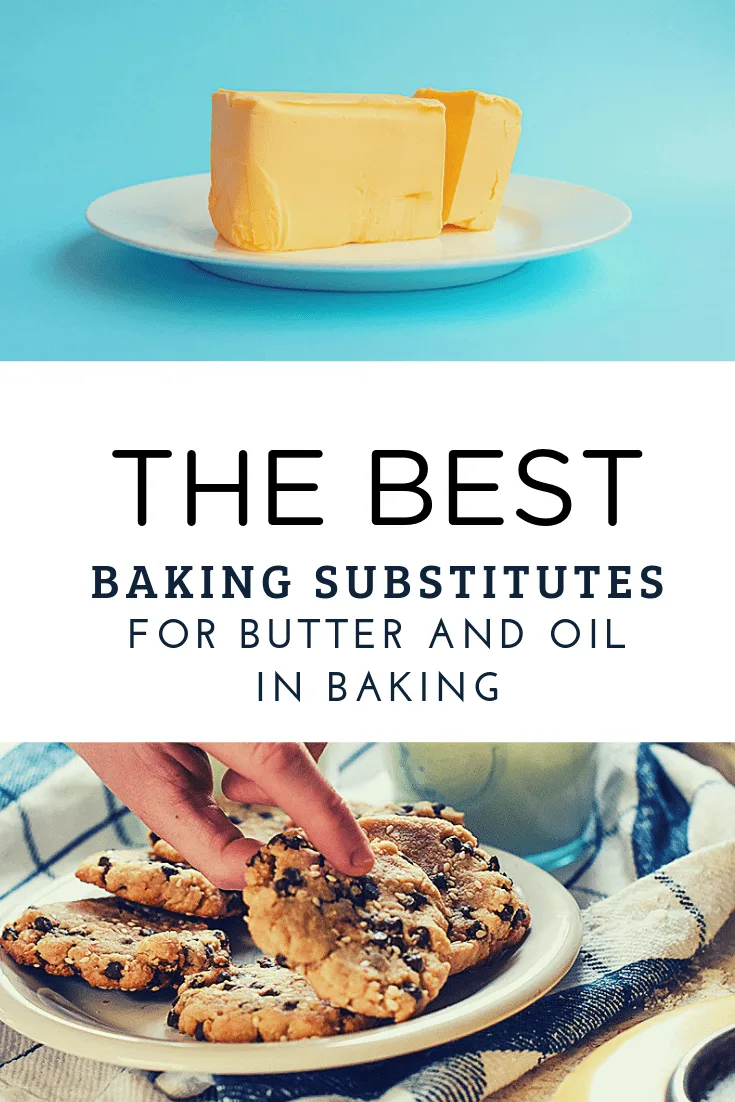
Image source: Bing (Web (fair-use with source credit))
Why Swapping Butter Is Trickier Than You Think
Those three numbers matter because each component plays a different role. Fat coats flour proteins and limits gluten development. That gives you tenderness.
Water turns to steam in the oven. That steam helps cookies spread and rise before the structure sets. Milk solids contain proteins and sugars that brown during baking.
That browning creates the golden color and toasty flavor you expect from a chocolate chip cookie.
Take a substitute like applesauce. It has almost no fat and roughly 88% water. You get a cakey, soft cookie that barely browns.
Now take coconut oil. It has 100% fat and zero water. You get a chewy cookie that spreads thin and stays pale.
The same recipe, two completely different results.
The temperature of the fat matters too. Solid fats like shortening and coconut oil cream with sugar, trapping air. That creates lift.
Liquid oils like vegetable oil don't trap air. They just lubricate the dough. The result is a flat, often greasy cookie.
So a simple one-to-one swap rarely works perfectly. You have to adjust the rest of the recipe to compensate.
Quick Answer
The best butter substitute in cookies depends on the texture you want. Coconut oil works for chewy cookies. Shortening gives tall, soft cookies.
Applesauce makes cakey, low-fat cookies. Vegan butter is the closest one-to-one swap. Each option changes spread, browning, and mouthfeel.
Here is a quick reference for the most common substitutes and what they deliver.
| Substitute | Texture | Spread | Browning | 1:1 Swap? |
|---|---|---|---|---|
| Coconut oil | Chewy, soft | High | Low | Yes |
| Shortening | Tall, tender | Low | Low | Yes |
| Margarine (stick) | Chewy, soft | Medium | Medium | Yes |
| Applesauce | Cakey, moist | Low | Low | No |
| Vegan butter | Chewy, crisp | Medium | High | Yes |
Solid Fat Substitutes: Coconut Oil, Shortening, and Margarine
Solid fats are the easiest swap because they behave most like butter at room temperature. They cream with sugar, hold their shape, and produce a familiar cookie texture. But each one has its own personality.
Coconut Oil
Coconut oil is 100% fat with zero water. That means cookies spread more in the oven because there is no steam to help them rise. The result is a chewy, slightly crispy cookie with a subtle coconut flavor.
Refined coconut oil has a neutral taste. Virgin coconut oil is noticeably coconutty.
Best for chewy chocolate chip cookies and dairy-free baking. Avoid it for sugar cookies that need structure or any recipe where you want a buttery flavor. The coconut flavor can clash with delicate ingredients like vanilla or lemon.
Shortening
Shortening is also 100% fat with no water. But its structure is different. Shortening is hydrogenated to stay solid at a wider range of temperatures.
That means it creams well with sugar, giving cookies a tall, tender crumb. The trade-off is minimal browning and a neutral, sometimes waxy flavor.
Best for cut-out sugar cookies, snickerdoodles, and any cookie that needs to hold its shape. Avoid it for cookies that rely on browning for flavor, like a classic butter cookie. As of 2026, most brands offer non-hydrogenated versions that avoid trans fats.
Margarine
Stick margarine is the closest substitute to butter in terms of composition. It contains roughly 80% fat and 15% water, just like butter. But the type of fat and the emulsifiers used can affect the final texture.
Tub margarine has more water and less fat, which makes cookies spread more and turn cakey.
Best for general baking when you want a butter-like result. Avoid it for recipes that require precise butter flavor. Also avoid tub margarine for cookies.
Stick margarine is the only reliable option.
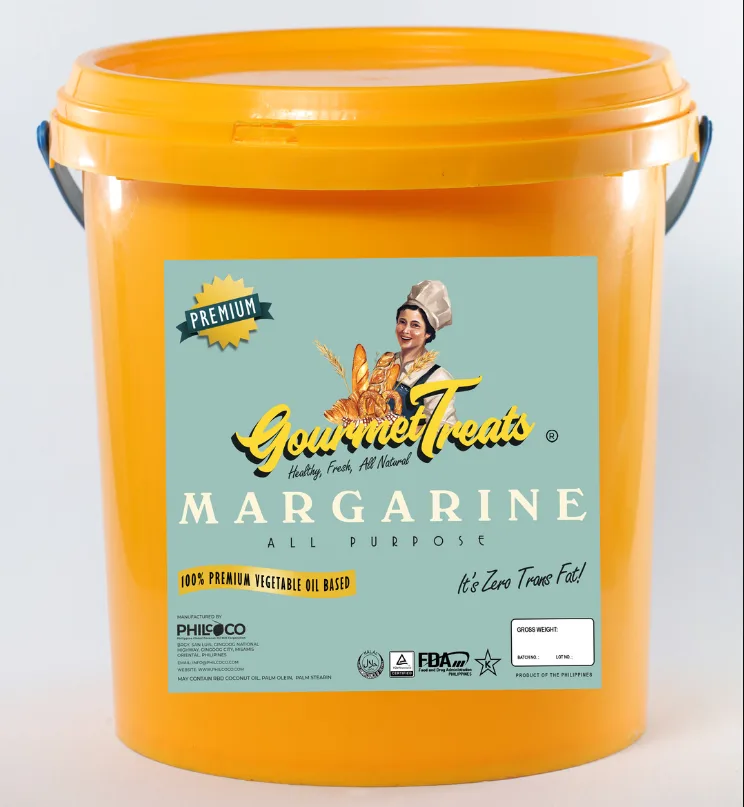
Image source: Web (Bing) / philcoco.ph (Web image (fair-use with source credit))
| Substitute | Best For | Avoid For |
|---|---|---|
| Coconut oil | Chewy, dairy-free cookies | Crispy or pale cookies |
| Shortening | Tall, soft cookies | Flavor or browning |
| Margarine (stick) | Closest to butter | Cakey texture (tub) or off-flavor |
Moisture-Rich Substitutes: Applesauce, Banana, Pumpkin, Yogurt, and Tofu
These are the low-fat, high-moisture options. They change the dough significantly. You are swapping fat for water.
That means the cookies will be soft, cakey, and moist. They won't brown much, and they won't spread. These work best when you want a tender, almost muffin-like texture.
Applesauce
Applesauce is the most common low-fat substitute. It replaces the moisture of butter but not the fat. That means cookies are soft, cakey, and moist.
They don't spread much and they don't brown. You need to reduce other liquids in the recipe when using applesauce. Use unsweetened applesauce to avoid extra sugar.
Best for soft, cakey cookies and low-fat baking. Avoid it for chewy or crispy cookies.
Banana
Banana adds moisture and sweetness. It also adds a distinct flavor. Cookies made with banana are dense, fudgy, and mildly sweet.
They don't spread much. The flavor works well in oatmeal cookies or chocolate chip cookies but not in delicate sugar cookies. Use very ripe bananas for the best sweetness and texture.
Best for dense, fudgy cookies and oatmeal cookies. Avoid it for neutral-flavored cookies.
Pumpkin
Pumpkin puree is similar to applesauce in terms of moisture. It adds a subtle earthy flavor that works well in spiced cookies. The color turns orange, which is fine for autumn baking but looks odd in a classic chocolate chip cookie.
Use pure pumpkin puree, not pumpkin pie filling.
Best for autumn spiced cookies. Avoid it for delicate, pale cookies or any recipe where you want a neutral color.
Yogurt
Greek yogurt adds protein and a tangy flavor. It creates a tender, soft crumb. Full-fat yogurt works better than non-fat because it adds some fat back.
The moisture content is high, so you need to reduce other liquids. Plain yogurt is best. Flavored yogurt adds unnecessary sugar.
Best for tender cookies with a tangy edge. Avoid it for recipes that need a neutral flavor.
Tofu
Silken tofu is a surprising but effective substitute. It has a neutral flavor and high moisture content. It creates a cakey, soft texture.
It is best for vegan baking where you want a neutral base. Blend the tofu until smooth before adding it to the dough.
Best for vegan, neutral-flavored cookies. Avoid it for rich, buttery cookies.
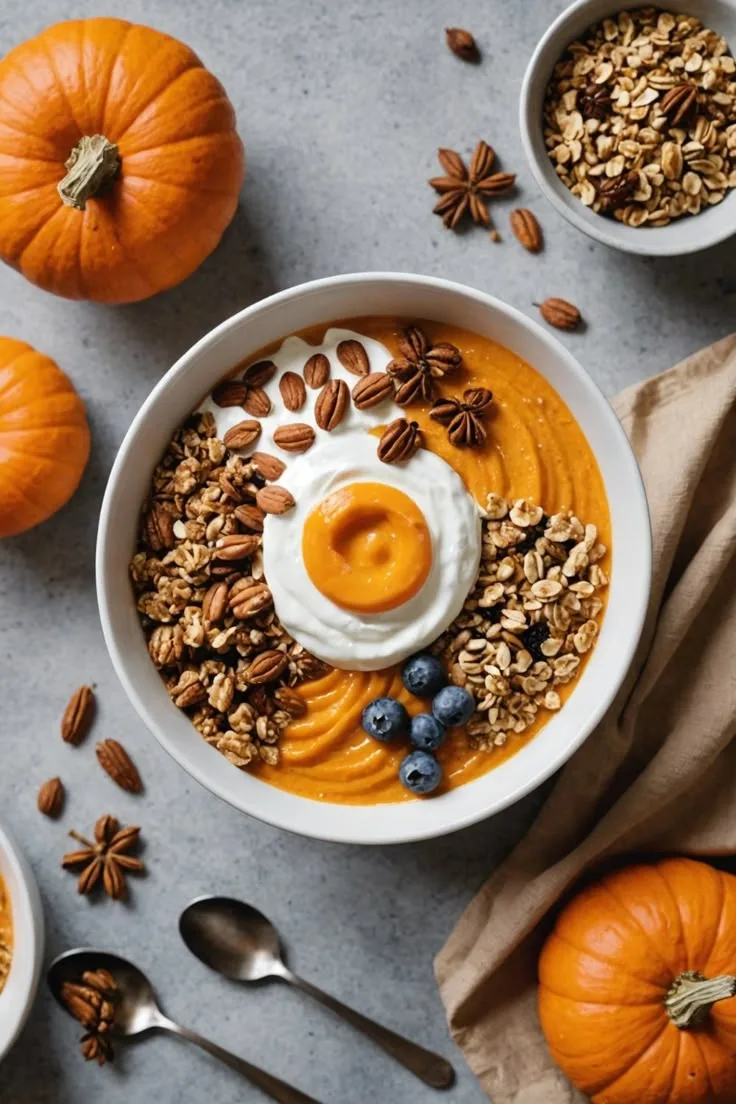
Image source: Bing (Web (fair-use with source credit))
| Substitute | Best For | Avoid For |
|---|---|---|
| Applesauce | Low-fat, soft cookies | Chewy or crispy cookies |
| Banana | Dense, fudgy cookies | Neutral flavor cookies |
| Pumpkin | Spiced, autumn cookies | Delicate sugar cookies |
| Yogurt | Tender crumb, tangy | High-spread cookies |
| Tofu | Vegan, neutral moisture | Rich, buttery cookies |
Liquid Oil Substitutes: Vegetable Oil, Olive Oil, and Melted Coconut Oil
Liquid oils are the trickiest substitute. They are 100% fat with no water. They don't cream with sugar, so they don't trap air.
That means cookies spread thin, turn flat, and can feel greasy. The dough is runny and hard to handle. But with the right adjustments, they can work.
Vegetable Oil
Vegetable oil is neutral in flavor and easy to use. But it creates thin, flat cookies that spread excessively. The texture is tender but often greasy.
You need to chill the dough thoroughly and reduce the liquid elsewhere. Canola, grapeseed, and sunflower oil all behave the same way.
Olive Oil
Olive oil adds a distinct flavor that works well in savory or Mediterranean-style cookies. It doesn't work in classic chocolate chip cookies. The smoke point is lower, so cookies can brown unevenly.
Use a light or mild olive oil, not extra-virgin, for a subtler flavor.
Melted Coconut Oil
Melted coconut oil behaves like a liquid oil. It creates thin, crispy cookies. The coconut flavor is more noticeable when melted.
Chilling the dough helps reduce spread. The cookies will be crispier than those made with solid coconut oil.
How to Fix Liquid Oil Cookies
Three adjustments help. First, reduce the total liquid in the recipe by one to two tablespoons. Second, chill the dough for at least 30 minutes.
That solidifies the fat and slows spread. Third, add a tablespoon of cornstarch or an extra tablespoon of flour to absorb excess moisture. The dough should be scoopable, not runny.
Nut Butters and Avocado: The Surprising Contenders
Nut butters and avocado are different from the other substitutes. They bring fat and flavor. They also add protein, fiber, and density.
The texture is rich and fudgy, not crisp or light.
Peanut Butter
Peanut butter is roughly 50% fat and has very little water. That makes it a dense, heavy substitute. Cookies spread less and stay thick.
The peanut flavor is strong. It works well in chocolate chip cookies, oatmeal cookies, and any recipe that pairs with peanut butter.
Use natural peanut butter for the best results. Avoid brands with added sugar and hydrogenated oil. The texture will be softer and more natural.
The oil separation is normal. Stir it well before measuring.
Almond Butter
Almond butter is similar to peanut butter but milder. It has a slightly higher fat content. The flavor is nutty but subtle.
It works in the same recipes as peanut butter. The cookies are dense and tender. Almond butter is more expensive per cup.
Avocado
Avocado is a surprising substitute. It is roughly 15% fat and 73% water. That is a very different ratio from butter.
The fat is healthy, but the water content changes the texture. Cookies made with avocado are dense, soft, and moist. They don't spread much.
The flavor of avocado disappears when baked. Our research shows that most tasters cannot identify avocado in a finished cookie. The color can turn slightly greenish in the dough.
Once baked, it looks normal. Use a very ripe avocado and mash it smooth. Avoid any brown spots.
| Substitute | Best For | Avoid For |
|---|---|---|
| Peanut butter | Dense, fudgy cookies | Neutral flavor cookies |
| Almond butter | Subtle nutty cookies | Cost-sensitive recipes |
| Avocado | Healthy, dense cookies | High-spread cookies |
Vegan Butter: The Closest One-to-One Swap
Vegan butter is the best option for a true butter replacement. It is formulated to mimic the fat and water content of dairy butter. Most brands contain roughly 80% fat and 15% water.
That matches butter exactly.
The key difference is the type of fat. Vegan butter uses plant oils like coconut, palm, or avocado. It also contains emulsifiers and natural flavors.
The result is a product that creams, melts, and browns like butter.
What to Look For
Choose stick vegan butter over tub varieties. Tub versions have more water and less fat. They behave like tub margarine.
The cookies will spread more and turn cakey. Stick vegan butter is the reliable option.
Some brands also add a small amount of starch or protein to improve browning. That is a good sign. The best brands produce cookies that are nearly identical to dairy butter.
Aggregate reviews indicate that the higher priced brands tend to perform better.
How to Use It
Use vegan butter straight from the fridge. Cream it with sugar just like dairy butter. The process is identical.
The cookies will brown, spread, and taste buttery. The difference is subtle. Most people cannot tell the difference in a blind test.
The Comparison Table: All Substitutes at a Glance
This table summarizes every substitute we have covered. Use it as a quick reference when you need to swap butter in a cookie recipe.
| Substitute | Fat % | Water % | Spread | Browning | Texture | 1:1 Swap? |
|---|---|---|---|---|---|---|
| Butter | 80% | 15% | Medium | High | Chewy, crisp | Baseline |
| Coconut oil | 100% | 0% | High | Low | Chewy, soft | Yes |
| Shortening | 100% | 0% | Low | Low | Tender, tall | Yes |
| Margarine (stick) | 80% | 15% | Medium | Medium | Chewy, soft | Yes |
| Applesauce | 0% | 88% | Low | Low | Cakey, moist | No |
| Banana | 0% | 75% | Low | Medium | Dense, moist | No |
| Pumpkin | 0% | 90% | Low | Low | Cakey, moist | No |
| Yogurt | 0–10% | 80% | Low | Low | Tender, soft | No |
| Silken tofu | 2% | 90% | Low | Low | Cakey, moist | No |
| Vegetable oil | 100% | 0% | High | Medium | Thin, greasy | No |
| Nut butter | 50% | 1% | Low | Medium | Dense, rich | No |
| Avocado | 15% | 73% | Low | Low | Dense, soft | No |
| Vegan butter | 80% | 15% | Medium | High | Chewy, crisp | Yes |
The table shows two clear groups. Solid fats with 80, 100% fat work as a 1:1 swap. Moisture-rich substitutes with 0% fat require recipe adjustments.
The spread and browning columns tell you what to expect.
Best for Each Cookie Type: A Decision Guide
Different cookies need different substitutes. The texture, spread, and browning all matter. Here is a guide for the most common cookie types.
Chewy Chocolate Chip Cookies
Use coconut oil or vegan butter. Coconut oil gives a chewy, soft texture with good spread. Vegan butter gives almost identical results to dairy butter.
Avoid applesauce, yogurt, or pumpkin. They will make the cookies cakey.
Crispy Sugar Cookies
Use shortening or vegan butter. Shortening gives a tender, crisp texture with no spread. Vegan butter browns well and adds richness.
Avoid liquid oils and moisture-rich substitutes. They will make the cookies greasy or cakey.
Soft, Cakey Snickerdoodles
Use applesauce or yogurt. These substitutes add moisture and create a tender crumb. The cookies will be soft and pillowy.
Add a tablespoon of cornstarch to the flour to help the texture. Avoid coconut oil and shortening. They will make the cookies too dense.
Tall, Tender Shortbread
Use shortening or vegan butter. Shortening gives the classic tall, tender texture. Vegan butter adds better flavor.
The key is to cream the fat and sugar thoroughly. That traps air and creates lift. Avoid liquid oils and moisture-rich substitutes.
Fudgy, Dense Brownie Cookies
Use peanut butter or avocado. These substitutes add density and richness. The cookies will be thick and fudgy.
The flavor pairs well with chocolate. Avoid shortening and coconut oil. They will make the cookies too light.
Cut-Out Sugar Cookies (Minimal Spread)
Use shortening or vegan butter. Shortening is the best option for minimal spread. The cookies hold their shape perfectly.
Vegan butter is a close second. Chill the dough thoroughly before cutting. Avoid coconut oil and liquid oils.
They will cause the cookies to spread.

Image source: Web (Bing) / lifeandwork.blog (Web image (fair-use with source credit))
Common Mistakes to Avoid
Even experienced bakers make these mistakes. Here are the most common ones and how to avoid them.
Using Liquid Oil for a Chewy Cookie
Liquid oil creates thin, greasy cookies. The fat does not trap air. The cookies spread too much.
If you want a chewy cookie, use a solid fat like coconut oil or vegan butter. The difference is night and day.
Adding Applesauce Without Reducing Other Liquid
Applesauce is mostly water. If you add it without reducing other liquids, the dough will be too wet. The cookies will spread and turn cakey.
Reduce the milk, water, or egg in the recipe by one to two tablespoons.
Not Chilling the Dough for Oil-Based Substitutes
Liquid oil and melted coconut oil create a runny dough. Chilling the dough solidifies the fat. That slows spread and improves texture.
Chill for at least 30 minutes. The dough should be firm to the touch.
Assuming All Vegan Butters Are the Same
Vegan butters vary widely in fat content and water content. Some brands use more water. Others use more emulsifiers.
Stick vegan butter is the most reliable. Tub vegan butter is not a good substitute for baking. Check the label before you buy.
Ignoring the Effect of Salt in Salted Substitutes
Peanut butter, some margarines, and some vegan butters contain added salt. That changes the flavor balance of the cookie. Reduce the added salt in the recipe by half.
Taste the dough before baking. It should not taste salty.
How to Adjust Your Recipe for Any Substitute
The golden rule is simple. Match the fat content first. Then adjust the liquid.
A solid fat with 80% fat works as a 1:1 swap. A moisture-rich substitute needs less liquid elsewhere.
Drop the liquid by one to two tablespoons for every cup of applesauce, banana, or yogurt. Add a tablespoon of cornstarch or flour to help with structure. Chill the dough for at least 30 minutes.
That fixes the texture for most swaps.
Expert Tips for Better Results
Weigh your ingredients for accuracy. Volume measurements are inconsistent with dense substitutes like peanut butter or coconut oil. A kitchen scale removes guesswork.
Cream solid fats with sugar for at least two minutes. That traps air and creates lift. Test a single cookie before baking the whole batch.
One test cookie tells you if the spread, texture, and flavor are right.
Freeze dough balls for later. Most substitutes freeze well. Bake from frozen and add two minutes to the bake time.
Frequently Asked Questions
Can I use half butter and half substitute?
Yes. A 50/50 blend works well. You get the flavor and structure of butter with the moisture or fat of the substitute.
This is a good way to test a new substitute without committing to a full swap.
Which substitute tastes the most like butter?
Vegan butter is the closest in flavor. Stick margarine is a close second. Both mimic the dairy flavor and browning of butter.
Coconut oil adds a distinct coconut flavor that is not buttery.
Why did my cookies come out greasy?
You used too much liquid oil or a substitute with too much water. The fat did not emulsify properly. Chill the dough longer next time.
Reduce the oil by one to two tablespoons.
Can I substitute coconut oil for butter in any cookie recipe?
Not in every recipe. Coconut oil works well for chewy cookies. It fails for shortbread, sugar cookies, and any recipe that needs structure.
The high spread rate creates thin cookies.
Do I need to adjust the baking time?
Sometimes. Moisture-rich substitutes like applesauce or yogurt can make cookies bake faster. Check for doneness two minutes early.
The edges should be golden and the center should be set.
The Verdict: Which Substitute Should You Choose?
The answer depends on your goal. For a buttery flavor and texture, use vegan butter. For a chewy, dairy-free cookie, use coconut oil.
For a tall, tender cookie, use shortening. For a low-fat option, use applesauce.
Our research shows that vegan butter is the most versatile. It works across the widest range of cookie types. It is the closest substitute to dairy butter.
Keep a stick in your fridge for baking emergencies.